
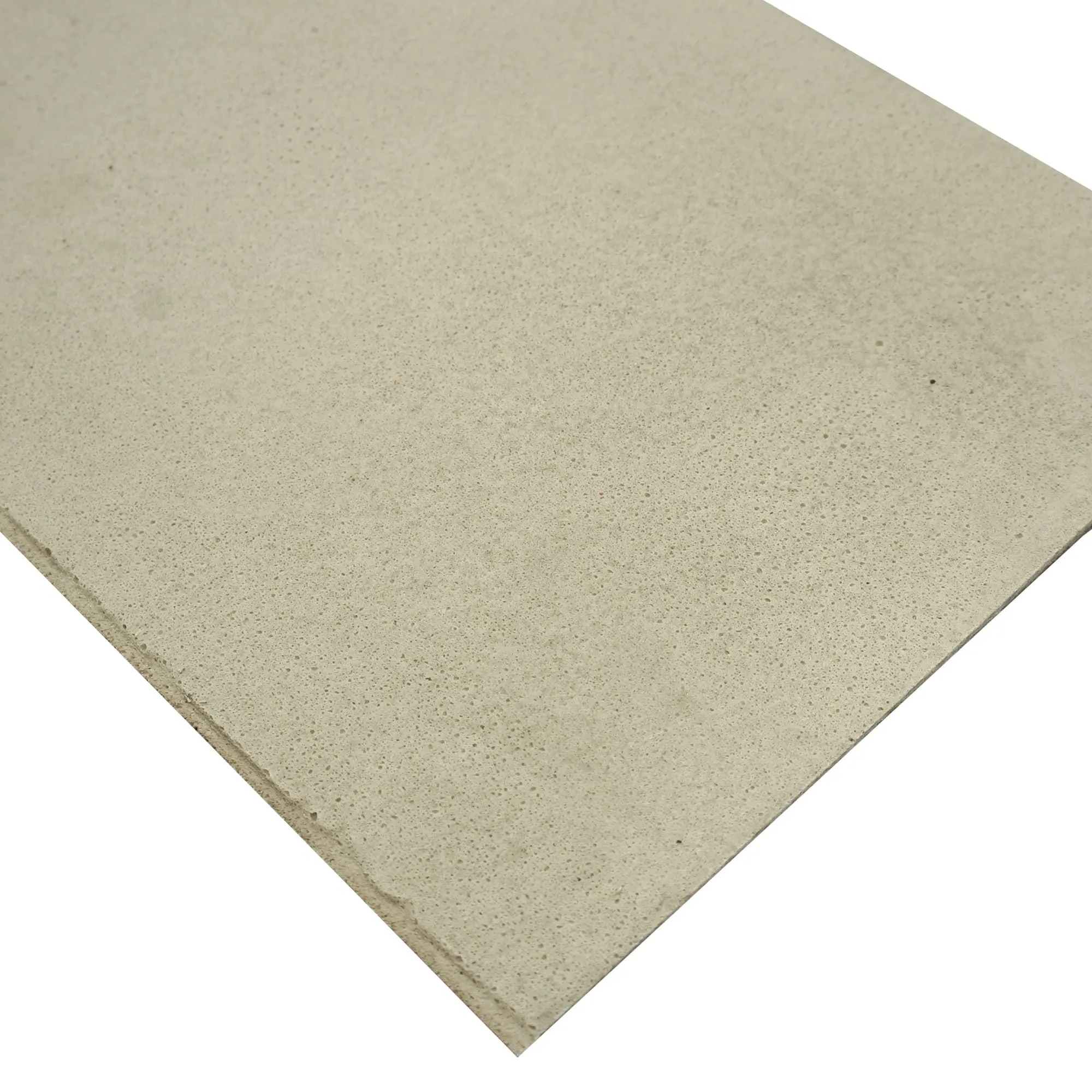
Fair-faced concrete, often referred to as exposed concrete, architectural concrete, or sometimes even "brutalist concrete" (though that's a more specific stylistic application), has emerged as a powerhouse material in contemporary architecture and design. Its raw, unadorned aesthetic speaks volumes about honesty in materials, industrial chic, and a minimalist philosophy. For many, it represents the very essence of modern construction: strong, durable, and structurally expressive. But like any material, especially one with such a distinctive character and demanding application, it comes with its own set of advantages and challenges. This in-depth look aims to provide a balanced overview, dissecting what makes fair-faced concrete so appealing to architects, designers, and developers, while also shedding light on the hurdles it presents, and how innovative solutions like those from COLORIA GROUP are shaping its future.
At its core, fair-faced concrete is concrete that is designed to be left exposed, forming the finished surface of a building, both inside and out. Unlike structural concrete that's typically hidden behind layers of plaster, drywall, or other finishes, fair-faced concrete is the finish itself. This means its appearance – texture, color, joint lines, and even the imperfections – are all intentionally part of the final aesthetic. The term "fair-faced" implies that the concrete surface is of an acceptable quality to be left visible, without further treatment beyond perhaps sealing or protective coatings.
Historically, concrete was seen primarily as a structural element. However, pioneers of modern architecture recognized its inherent beauty and structural honesty. Le Corbusier, for instance, famously embraced 'béton brut' (raw concrete) in his iconic works, celebrating the marks left by the formwork as part of the building's character. This philosophy laid the groundwork for fair-faced concrete to become a respected and highly sought-after architectural material, known for its powerful visual impact.
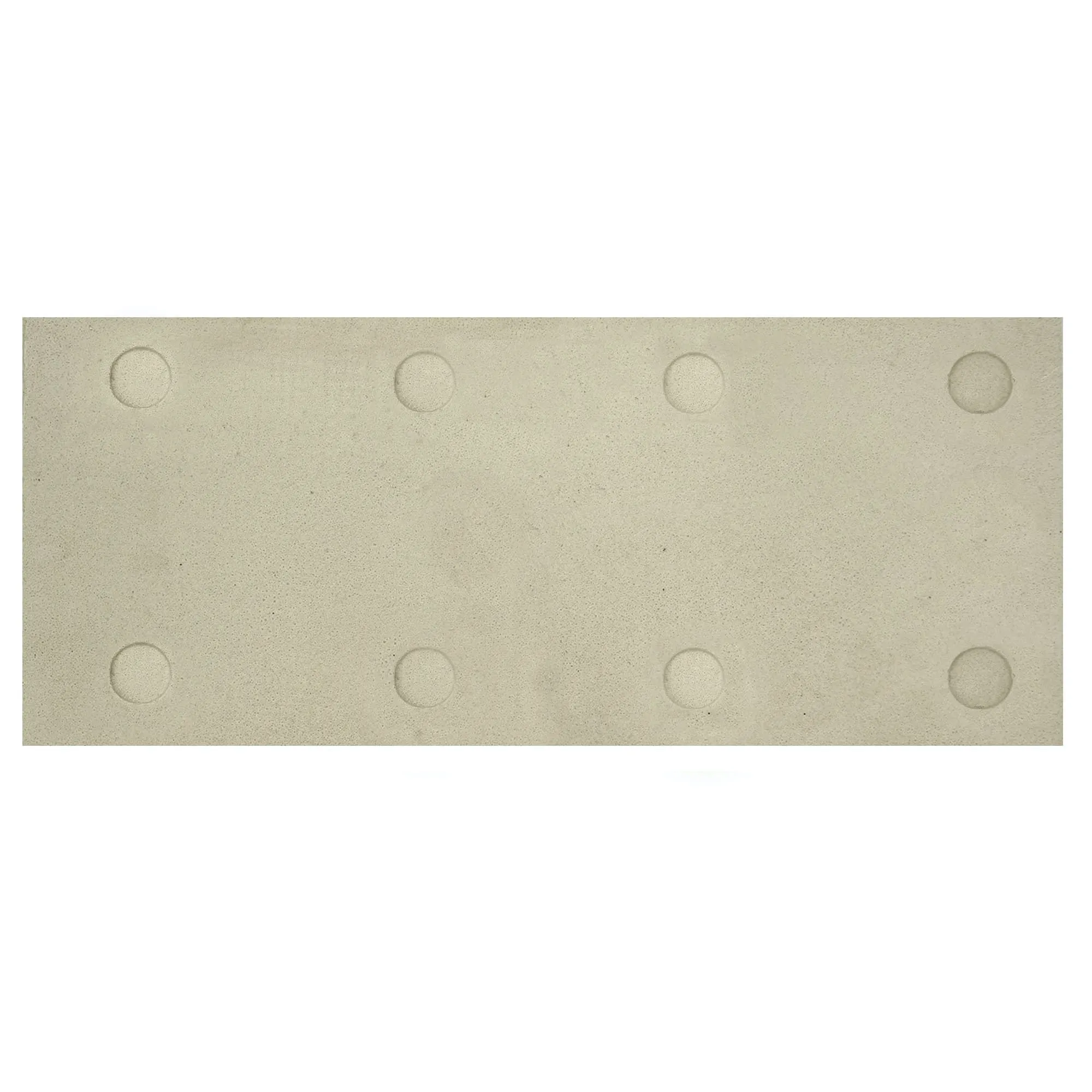
The primary draw of fair-faced concrete is its unique aesthetic. It offers a raw, industrial, yet sophisticated look that many find incredibly appealing. Its appearance can range from smooth and polished to rugged and textured, depending on the formwork used, the concrete mix, and the finishing techniques. This versatility allows it to fit into various design schemes, from minimalist and brutalist to contemporary and even surprisingly warm interiors when paired with natural materials like wood.
Concrete is renowned for its strength and resilience. When properly specified and installed, fair-faced concrete surfaces are incredibly durable, standing up to harsh weather, heavy traffic, and general wear and tear for decades. This makes it an excellent choice for buildings designed to last, minimizing the need for frequent maintenance or replacement of finishes.
Concrete's high thermal mass allows it to absorb and store thermal energy. In warmer climates, it can absorb heat during the day and release it slowly at night, helping to moderate indoor temperatures and reduce reliance on air conditioning. Conversely, in cooler climates, it can retain heat from the sun or internal heating systems. This passive thermal regulation contributes significantly to a building's energy efficiency.
Once sealed, fair-faced concrete surfaces are relatively easy to maintain. They don't require painting or frequent resurfacing. Routine cleaning is usually sufficient to keep them looking good. This translates to lower long-term maintenance costs and less disruption for building occupants.
While concrete production has environmental impacts, fair-faced concrete can contribute to sustainable building practices in several ways. Its durability reduces waste from frequent renovations. Its thermal mass reduces energy consumption. Furthermore, innovations in concrete technology, such as the use of recycled aggregates or supplementary cementitious materials, are continually improving its environmental footprint. Companies are increasingly focused on achieving green environmental protection throughout the material lifecycle.
One of the profound philosophical advantages of fair-faced concrete is its ability to express the structure of a building directly. There's no hiding the load-bearing elements or the construction process; the concrete is both structure and finish. This creates a sense of integrity and authenticity that resonates deeply with certain architectural principles.
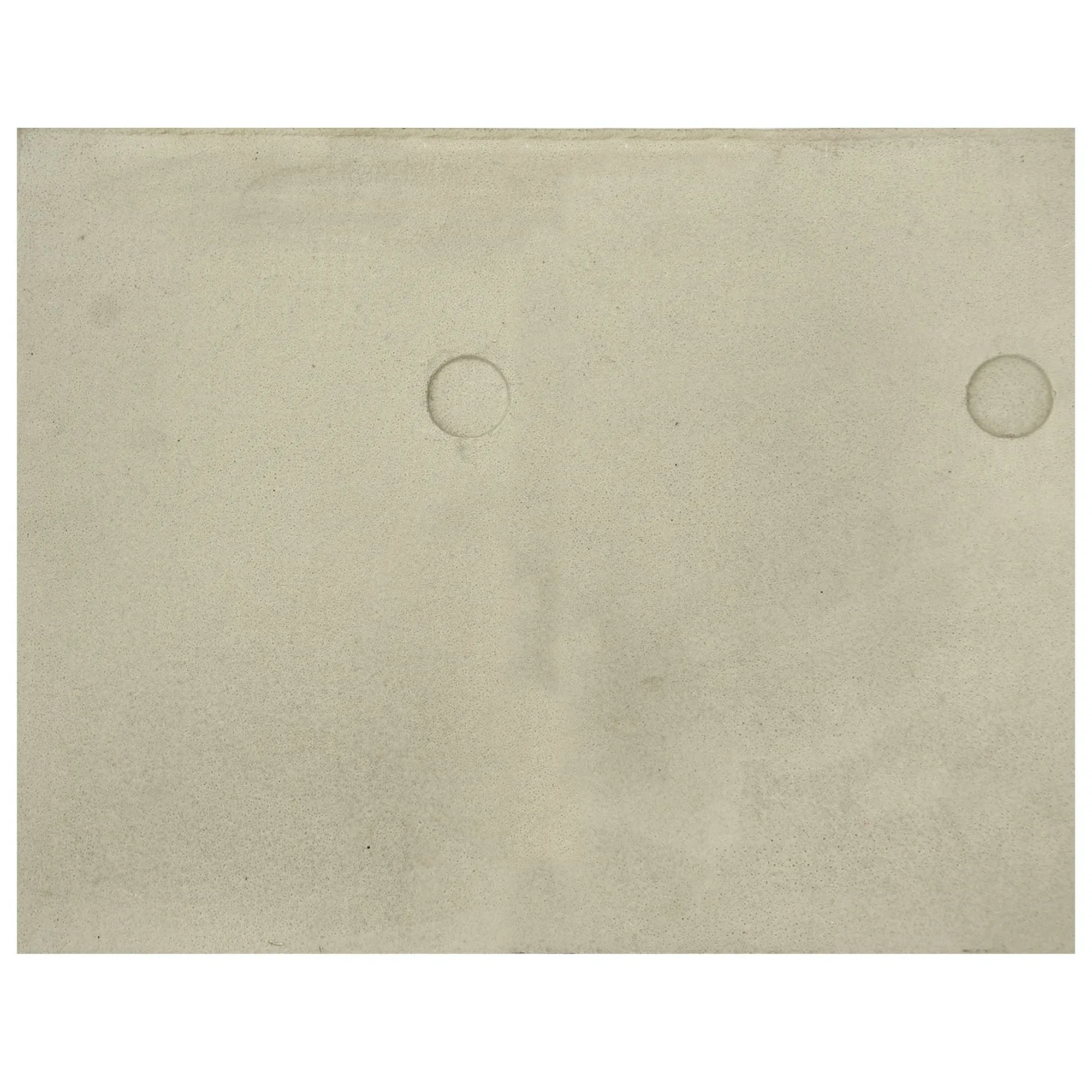
Despite its many benefits, fair-faced concrete is far from a perfect material. Its demanding nature in terms of execution, cost, and specific characteristics presents significant hurdles that need careful consideration.
This is arguably the biggest challenge. Achieving a high-quality fair-faced concrete finish is an art form that requires meticulous planning, skilled labor, and specialized techniques.
The very "honesty" of concrete means that every blemish, air bubble, cold joint, or patch is exposed. While some imperfections can be seen as character, excessive or poorly executed ones can significantly detract from the desired aesthetic. Achieving a perfectly uniform surface is incredibly difficult and often elusive, leading to potential disputes between clients and contractors.
Hard, reflective surfaces like concrete can create significant acoustic challenges within interiors, leading to echo and poor sound quality. This often necessitates the integration of additional acoustic treatments, adding complexity and cost to the design.
While concrete's thermal mass can be an advantage, poorly designed or uninsulated concrete walls can lead to cold surfaces in winter and excessive heat gain in summer, causing discomfort and negating potential energy savings. Proper insulation and climate-specific design are crucial.
Concrete is a heavy material. Designing buildings with extensive fair-faced concrete elements requires robust structural engineering to support the weight, which can impact foundation requirements and overall structural costs. This also limits its application in renovation projects where existing structures may not be able to bear the additional load.
The production of Portland cement, a key component of concrete, is energy-intensive and a significant contributor to global CO2 emissions. While efforts are underway to create greener cement, the environmental footprint remains a concern for many, especially those committed to sustainable construction.
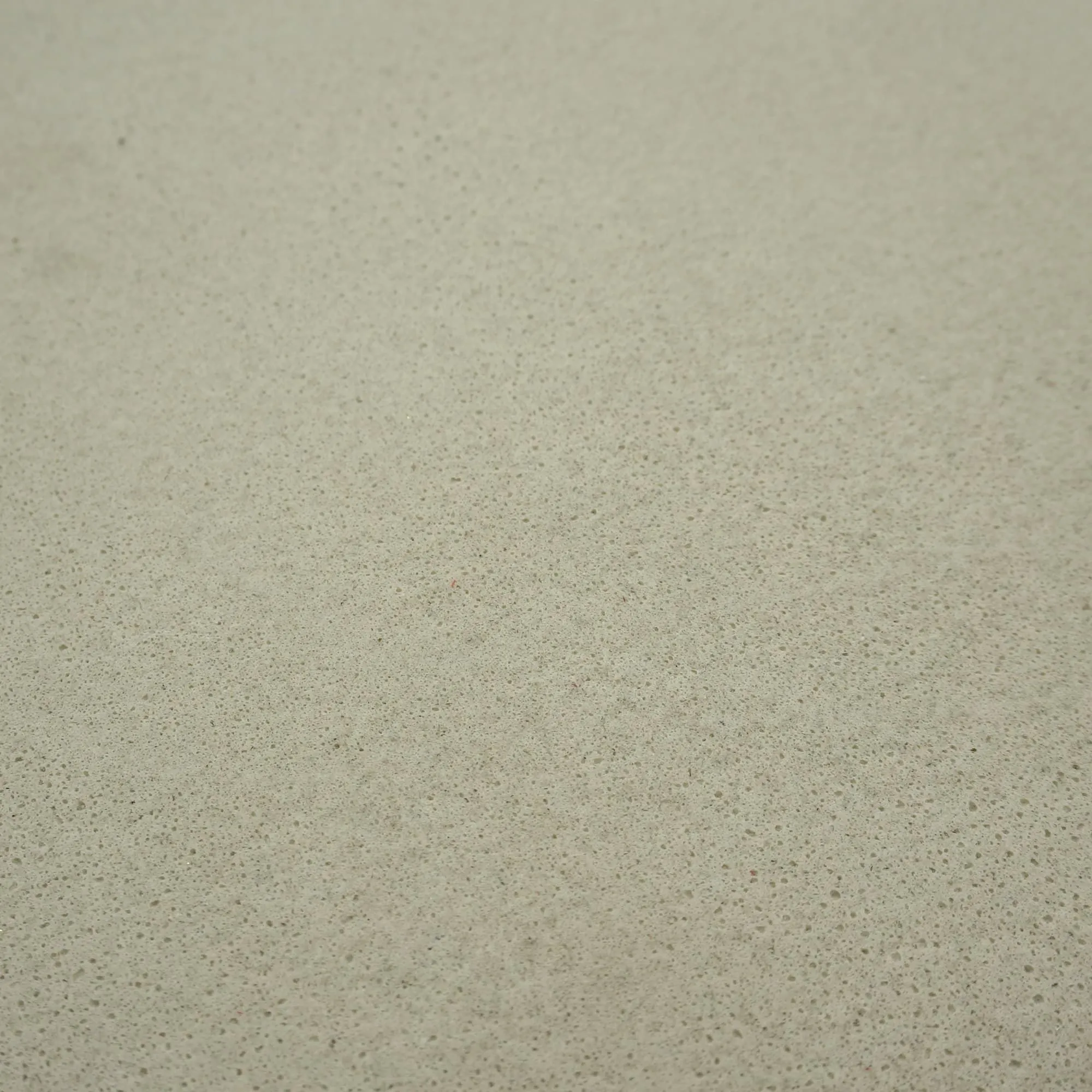
Given the inherent complexities and costs associated with achieving high-quality fair-faced concrete, the industry has long sought alternatives that can replicate its aesthetic appeal while mitigating its drawbacks. This is where COLORIA GROUP steps in, offering a pioneering range of MCM (Modified Cementitious Material) products that provide designers and builders with flexible, sustainable, and cost-effective solutions. As a global one-stop solution provider in architectural materials, we leverage decades of industry experience to address these very challenges, especially in markets like Saudi Arabia where quality and efficiency are paramount.
Our MCM products are not just imitations; they are a sophisticated evolution of surface materials. They capture the raw beauty and tactile quality of natural materials, including concrete, stone, and wood, but with vastly improved performance characteristics. Let's explore how our core product series addresses the "cons" of traditional fair-faced concrete.
| Fair-Faced Concrete Challenge | COLORIA GROUP's MCM Solution | Key Benefits |
|---|---|---|
| High Cost & Skilled Labor for Quality Finish | MCM panels require less specialized on-site labor and quicker installation. | Reduced labor costs, faster project completion, consistent quality. |
| Imperfections & Inconsistencies | Factory-controlled production ensures uniform quality, color, and texture. | Predictable aesthetic, fewer on-site defects, high visual consistency. |
| Heavy Weight & Structural Load | MCM products are significantly lighter, reducing structural requirements. | Easier to transport and handle, suitable for renovations, less strain on building structure. |
| Environmental Impact of Cement Production | Our MCM products emphasize green environmental protection with sustainable manufacturing processes. | Reduced carbon footprint, eco-friendly material choice, aligned with modern sustainability goals. |
| Limited Customization on Site | MCM offers extensive customization in texture, pattern, and color, even 3D designs. | Unleashed design freedom, unique architectural statements, tailored solutions. |
At COLORIA GROUP, we understand that every project has unique demands. That's why our MCM product range is designed for versatility and performance, offering tailored solutions for diverse architectural needs.
If the grandeur and expansive feel of fair-faced concrete slabs appeal to you, our MCM Big Slab Board Series offers a compelling alternative. These large-format panels replicate the aesthetic of monolithic concrete or natural stone slabs but are significantly lighter and easier to install. Imagine achieving that seamless, impressive look without the logistical nightmares of pouring massive concrete sections on-site. They are perfect for creating dramatic feature walls, large facades, or even flooring where the appearance of continuous, high-quality material is desired. Their factory-controlled production ensures consistency in color and texture across vast areas, something that is incredibly challenging with traditional concrete.
For commercial, institutional, and large-scale residential developments, the demands for durable, aesthetically pleasing, and budget-conscious materials are intense. Our MCM Project Board Series is specifically engineered to meet the rigorous requirements of such projects. These boards provide robust and attractive finishes for both interior and exterior applications, offering excellent resistance to weather, impact, and wear. They deliver the architectural intent of exposed concrete or other natural materials but with the added benefits of lighter weight, faster installation, and superior long-term performance, making them an ideal choice for contractors and developers focused on efficiency and reliability.
This series truly pushes the boundaries of design. The MCM 3D Printing Series allows for the creation of intricate, relief patterns and three-dimensional textures that would be extremely difficult, if not impossible, to achieve with traditional concrete casting. Think highly detailed geometric patterns, sculptural elements, or bespoke artistic expressions on facades and interior walls. This series provides unprecedented creative freedom, enabling architects to design truly unique and captivating surfaces that can mimic highly articulated concrete textures, or venture into entirely new tactile territories. It's about bringing complex visions to life with precision and consistency.
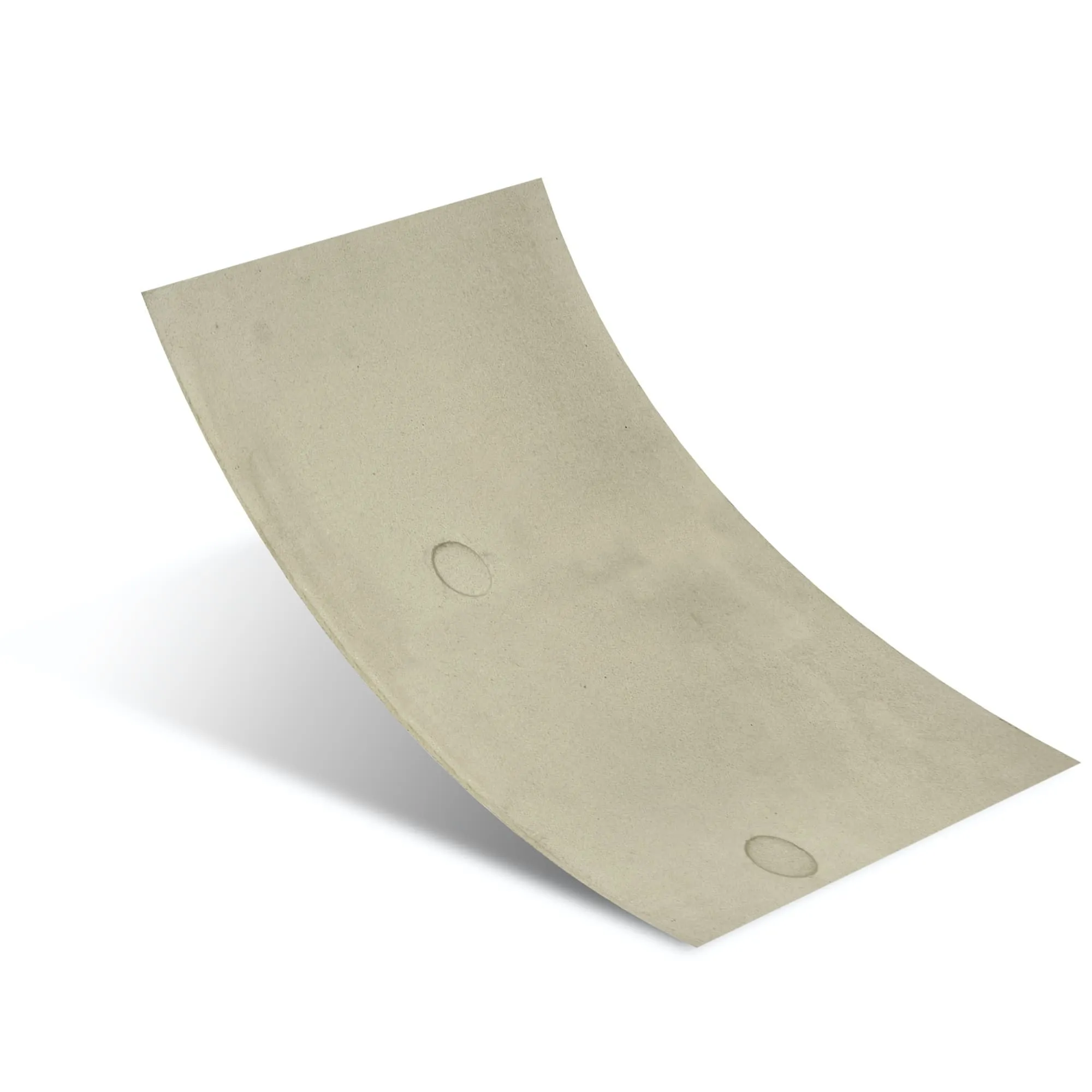
While fair-faced concrete has its distinct look, sometimes the warmth and organic feel of natural stone is desired, but without its weight, cost, and installation complexities. Our MCM Flexible Stone is a revolutionary material that embodies the appearance and tactile quality of various natural stones, including slate, sandstone, and granite, but in an ultra-thin, flexible format. This allows for applications on curved surfaces, lighter structural requirements, and faster installation than traditional stone cladding. It's an excellent choice for achieving a high-end, natural aesthetic in areas where the weight or rigidity of real stone would be prohibitive. Moreover, its flexibility makes it incredibly versatile, applicable to a myriad of architectural details that rigid materials simply cannot accommodate.
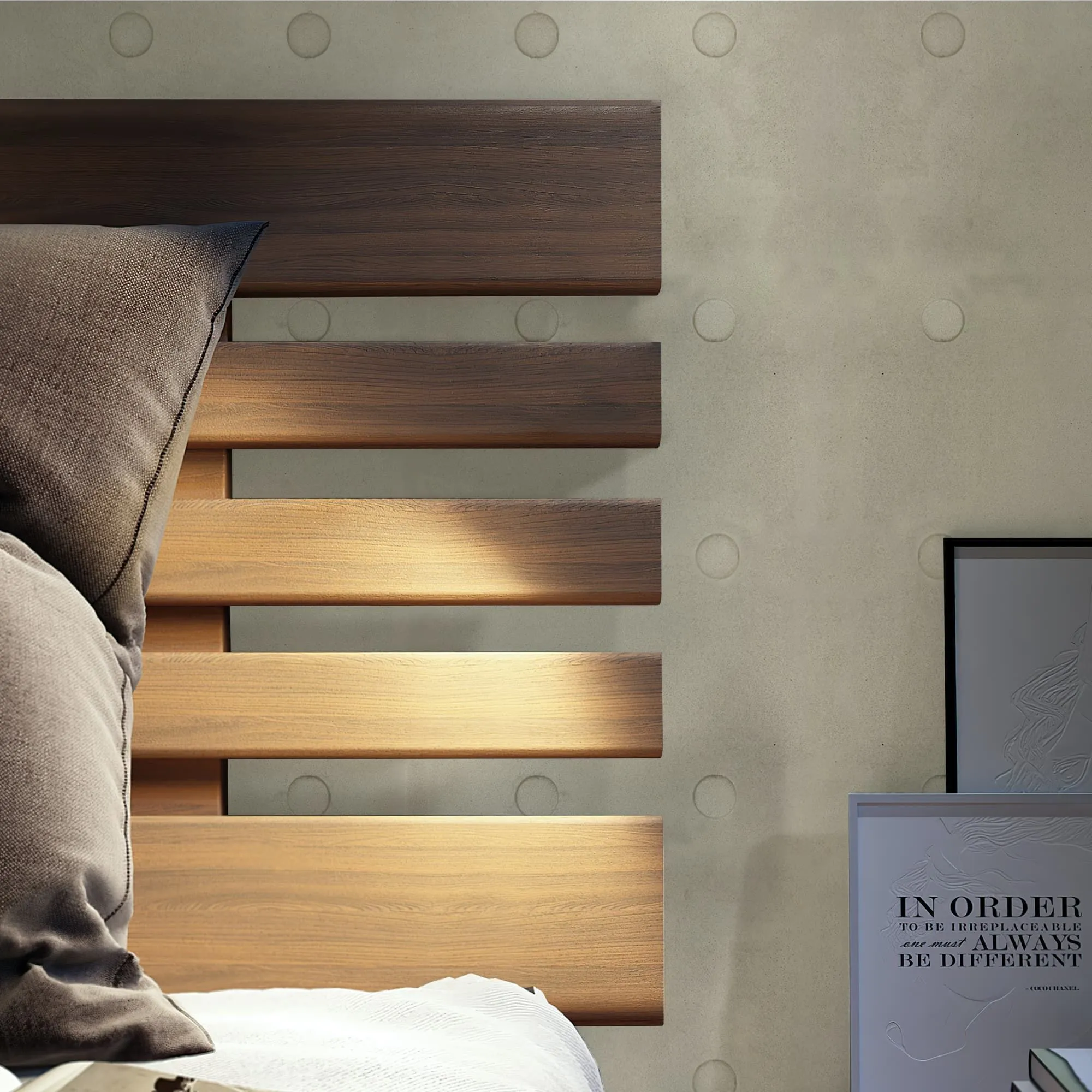
Our commitment goes beyond just providing materials; we aim to be your trusted partner in bringing architectural visions to life. With our extensive industry experience and a strong presence in key global markets, including a dedicated agency in Saudi Arabia, we understand the nuances of diverse construction environments.
Fair-faced concrete will undoubtedly remain a significant material in architectural design, valued for its raw beauty and honest expression of structure. Its proponents will continue to champion its unique aesthetic, durability, and thermal mass benefits. However, the practical challenges of cost, quality control, weight, and environmental impact are undeniable. These drawbacks have long prompted architects and developers to seek viable alternatives that can deliver similar visual impact without the associated headaches.
This is precisely where COLORIA GROUP's MCM series shines. By offering solutions that capture the essence of fair-faced concrete and natural stone – including impressive options like the MCM Big Slab Board Series and the versatility of MCM Flexible Stone – we provide a path to achieving stunning architectural results with greater predictability, efficiency, and sustainability. Our focus on customization means designers are not constrained by material limitations but empowered to realize their most ambitious visions.
In a world increasingly demanding both aesthetic excellence and responsible construction practices, materials like MCM offer a compelling answer. They bridge the gap between aspirational design and practical implementation, allowing for the creation of beautiful, durable, and environmentally conscious buildings. As we look to the future of architecture, the conversation around fair-faced concrete will continue, but it will increasingly include the intelligent alternatives that allow us to achieve its desired effects with even greater control and confidence.
Whether you're aiming for the stark beauty of concrete, the natural elegance of stone, or something entirely new, our innovative MCM materials are designed to meet the highest standards of architectural design and performance. Explore our range and experience the future of building materials.
Recommend Products












