
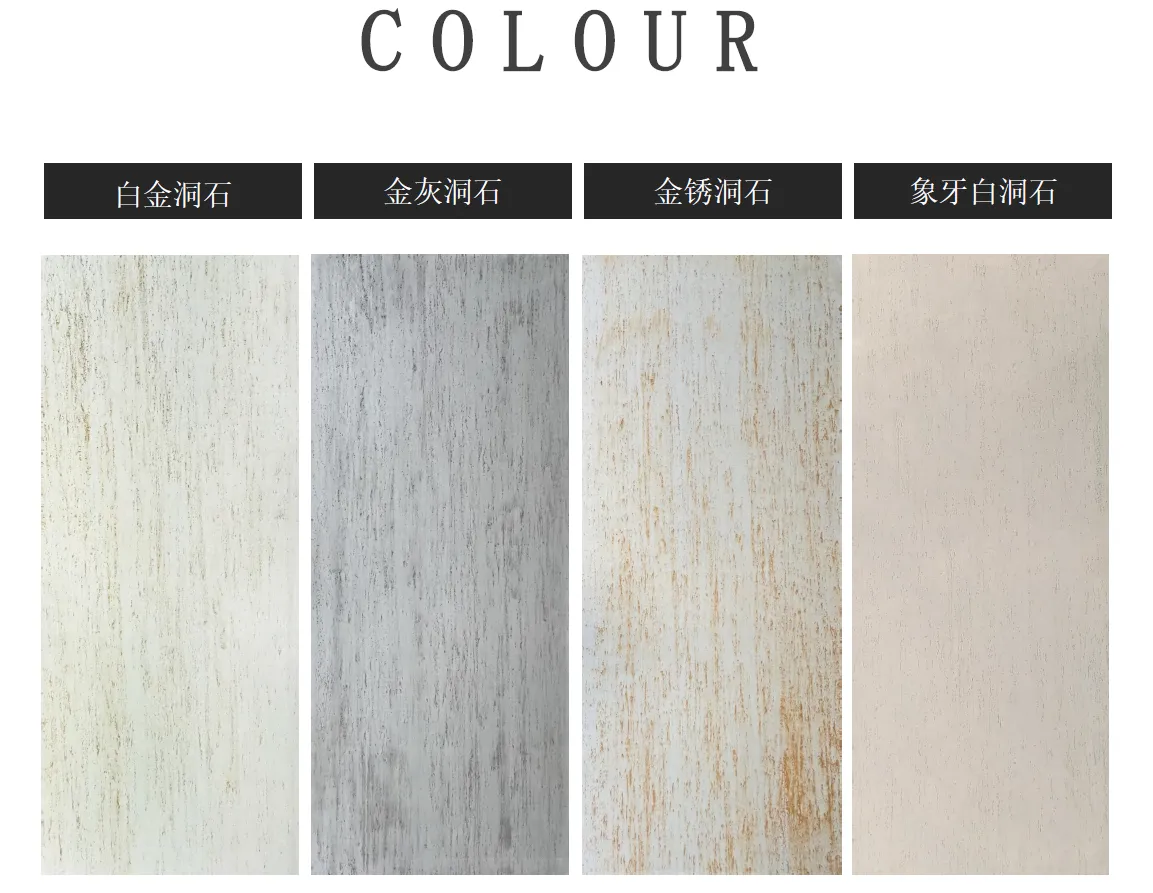
Walk through the ancient streets of Rome, and you'll feel it—the weight of history beneath your feet. Those weathered, sun-warmed stones? Chances are, they're travertine. For millennia, this natural stone has been the backbone of iconic architecture, from the Colosseum's arches to the Trevi Fountain's intricate carvings. Today, designers and builders still crave that same timeless grandeur, often turning to roman huge travertine to infuse modern spaces with a sense of heritage. But as with any classic, there's a flip side: the practical challenges of working with such a heavy, unyielding material. Enter MCM—short for modified composite material—a modern contender that promises the beauty of natural stone without the headaches. Let's dive into the world of roman huge travertine, its pros and cons, and whether MCM might just be the smarter choice for today's projects.
There's a reason roman huge travertine has stood the test of time—it's inherently majestic. Quarried from ancient deposits in Italy, this stone boasts a warm, earthy palette, with soft beiges, creams, and golds swirled with subtle veins of rust or gray. Each slab is unique, bearing the marks of millions of years of mineral deposits and geological activity. Run your hand over its surface, and you'll feel the texture: slightly porous, with tiny indentations that tell a story of slow formation. It's this "imperfection" that designers love—no two pieces are alike, making every installation one-of-a-kind.
Durability is another feather in its cap. Roman huge travertine is tough, capable of withstanding heavy foot traffic, harsh weather, and the passage of decades (or centuries). Think of the Colosseum, which has endured earthquakes, wars, and the elements for nearly 2,000 years—its travertine walls are still standing strong. For projects aiming to evoke permanence, like luxury hotels, heritage buildings, or high-end residential exteriors, this longevity is irreplaceable. It's not just a material; it's a statement that says, "This space is built to last."
And let's not forget its versatility in design. Whether polished to a smooth sheen for a sleek, modern look or left in its natural, tumbled state for a rustic vibe, roman huge travertine adapts. It works indoors and out—floors, walls, countertops, even pool surrounds. Pair it with wood accents for a cozy, Mediterranean feel, or contrast it with steel and glass for an industrial-chic aesthetic. Its neutral tones act as a canvas, letting other design elements shine while adding depth and warmth.
For all its beauty, roman huge travertine is not without challenges. Let's start with the elephant in the room: weight. A single slab of roman huge travertine can weigh hundreds of pounds, making transportation and installation a logistical nightmare. Imagine maneuvering a 500-pound slab up a narrow staircase or onto a high-rise balcony—it's not just difficult; it's dangerous. This weight also demands robust structural support. Walls, floors, and foundations must be reinforced to bear the load, adding time and cost to the project.
Installation is another pain point. Unlike lightweight materials, roman huge travertine requires skilled artisans. Cutting it to size is tricky—one wrong move, and you've ruined a costly slab. Grouting and sealing are equally precise tasks; the stone's porous nature means even tiny gaps can lead to water damage or staining down the line. And if a slab cracks (which can happen during installation or due to structural shifts), replacing it isn't easy—matching the unique veining of the original piece is nearly impossible, leaving a noticeable blemish.
Then there's the cost. Roman huge travertine isn't cheap. Quarrying it requires heavy machinery and labor, and transporting it from Italy (or other prime locations) adds a hefty shipping fee. Add in the cost of skilled installation, sealing products, and ongoing maintenance, and it's easy to see why this stone is often reserved for high-budget projects. For smaller builds or commercial spaces where cost-efficiency is key, roman huge travertine can quickly blow the budget.
Maintenance is the final hurdle. Travertine is porous, meaning it absorbs liquids like wine, oil, or even rainwater. Without regular sealing (every 1–2 years), stains can set in permanently. Even with sealing, acidic substances like lemon juice or vinegar can etch the surface, leaving dull spots. Outdoor installations are particularly vulnerable—freeze-thaw cycles can cause cracks, and UV rays can fade the stone's color over time. For busy homeowners or commercial spaces with high foot traffic, the upkeep can feel like a never-ending chore.
If roman huge travertine is the classic novel, MCM is the sleek, updated paperback—same great story, but lighter, more portable, and easier to enjoy. MCM is a composite material made from a blend of natural minerals, recycled polymers, and fiberglass, engineered to mimic the look and texture of natural stone. But here's the twist: it's flexible, lightweight, and designed for the realities of modern construction. Let's break down why it's gaining traction.
First, MCM flexible stone is a game-changer for curved or irregular surfaces. Unlike rigid travertine, MCM can bend and conform to arches, columns, or rounded walls, opening up design possibilities that were once impossible with natural stone. Imagine cladding a circular lobby with the look of travertine—no more cutting tiny, triangular pieces to fit; MCM wraps around smoothly, creating a seamless finish. And for large installations, MCM big slab board series offers panels up to 4 feet wide and 8 feet tall, reducing the number of seams and giving the illusion of a single, massive stone slab.
Lightweight is another win. MCM panels weigh just 3–5 pounds per square foot, compared to roman huge travertine's 20–30 pounds. This means easier transportation (no need for cranes or heavy-duty trucks), simpler installation (two people can handle a panel instead of a team), and no need for reinforced structural support. For high-rise buildings or retrofits where weight is a concern, this is a lifesaver. It also cuts down on installation time—what might take a week with travertine can be done in a day with MCM, saving on labor costs.
Variety is where MCM truly shines. While roman huge travertine is limited to its natural color palette, MCM comes in a dizzying array of finishes and hues. Want the silvery sheen of lunar peak silvery or the warm glow of lunar peak golden ? MCM has it. Craving the rugged look of rust square line stone or the smooth elegance of fair-faced concrete ? MCM can mimic it perfectly. And because it's engineered, the color and texture are consistent across panels—no worrying about mismatched veining or unexpected discoloration. This consistency is a boon for large projects, where uniformity matters.
Maintenance? MCM is practically carefree. Unlike travertine, it's non-porous, so stains bead up and wipe away easily. It's resistant to UV rays, so colors won't fade, and it stands up to freeze-thaw cycles without cracking. A quick wipe with soap and water is all it takes to keep it looking new. For commercial spaces like restaurants, hotels, or airports—where spills and wear are inevitable—this low-maintenance factor is a huge relief.
| Feature | Roman Huge Travertine | MCM (e.g., MCM Flexible Stone, MCM Big Slab Board Series) |
|---|---|---|
| Weight | Heavy (20–30 lbs/sq ft); requires structural reinforcement | Lightweight (3–5 lbs/sq ft); no extra structural support needed |
| Installation | Complex; requires skilled labor and specialized tools | Simple; can be installed by general contractors with basic tools |
| Cost | High (quarrying, shipping, installation, maintenance) | Cost-effective (lower material, shipping, and labor costs) |
| Maintenance | High (sealing every 1–2 years, stain/etching risk) | Low (no sealing needed; resistant to stains, UV rays, and weathering) |
| Design Flexibility | Limited to flat surfaces; unique but inconsistent veining | Flexible for curves/arches; consistent color/texture; wide range of finishes (e.g., lunar peak, rust square line stone) |
So, is MCM better than roman huge travertine? It depends on your priorities. If you're restoring a historic building or aiming for absolute authenticity, roman huge travertine is irreplaceable—it carries a cultural weight that no composite can match. But for most modern projects, MCM offers a compelling mix of beauty, practicality, and affordability.
Take commercial spaces, for example. A hotel chain looking to standardize its lobby design across multiple locations would struggle with roman huge travertine's inconsistency and high cost. MCM, with its uniform finishes and lower price tag, allows for brand cohesion without breaking the bank. Similarly, a homeowner wanting a travertine-inspired backsplash in their kitchen would appreciate MCM's lightweight nature (no need to reinforce the wall) and stain resistance (no panic over spilled tomato sauce).
Sustainability is another angle. MCM often incorporates recycled materials, and its lightweight design reduces carbon emissions during transportation. Roman huge travertine, on the other hand, requires energy-intensive quarrying and shipping, making it a less eco-friendly choice. For projects aiming for LEED certification or green building standards, MCM's sustainability credentials are a big plus.
And let's not overlook innovation. MCM isn't just mimicking stone—it's pushing boundaries. With options like 3D printing series , designers can create custom textures and patterns that would be impossible to carve into natural travertine. Want a wall that looks like it's covered in star gravel or wave panel patterns? MCM can do that. It's a material that adapts to the designer's vision, not the other way around.
Roman huge travertine will always hold a special place in architecture. It's a symbol of endurance, craftsmanship, and the beauty of the natural world. For heritage restorations, luxury villas, or projects where authenticity is non-negotiable, it's worth every penny and every headache. But for the rest of us—designers, builders, and homeowners looking to balance beauty with practicality—MCM is a revelation.
MCM doesn't just mimic the look of roman huge travertine; it elevates it. It's lighter, cheaper, easier to install, and requires almost no maintenance. It bends, curves, and adapts to modern design needs, all while offering a rainbow of finishes—from the silvery glow of lunar peak silvery to the rustic charm of rust board granite . It's a material built for the way we live now: fast-paced, budget-conscious, and unafraid to blend the old with the new.
So, is MCM better than roman huge travertine? Not necessarily "better"—just different. It's a modern solution for modern problems, proving that sometimes, the best way to honor the past is to build a better future. And in that future, MCM is leading the way.
Recommend Products












