
Exterior cladding does more than just protect a building from the elements—it's the first impression, the visual story that greets visitors and passersby. In a world of sleek metals and industrial concretes, there's a timeless draw to materials that feel alive, that carry the marks of nature itself. Wood, with its warm grains and organic texture, has long held this place in architecture. But not all wood cladding is created equal. Today, we're diving into sawing wood boards —a material that marries tradition with craftsmanship, and asks the question: Is it the right choice for your next project?
Let's start with the basics. Sawing wood boards are exactly what they sound like: planks of wood created by sawing logs into uniform (or intentionally rustic) shapes, preserving the natural grain, knots, and even the subtle marks left by the saw itself. Unlike mass-produced plywood or veneers, these boards often retain the character of the tree they came from—no two are identical. Think of the rough-hewn charm of a cabin wall or the refined texture of a modern home's facade; sawing wood boards can lean into either, depending on the wood type and finishing.
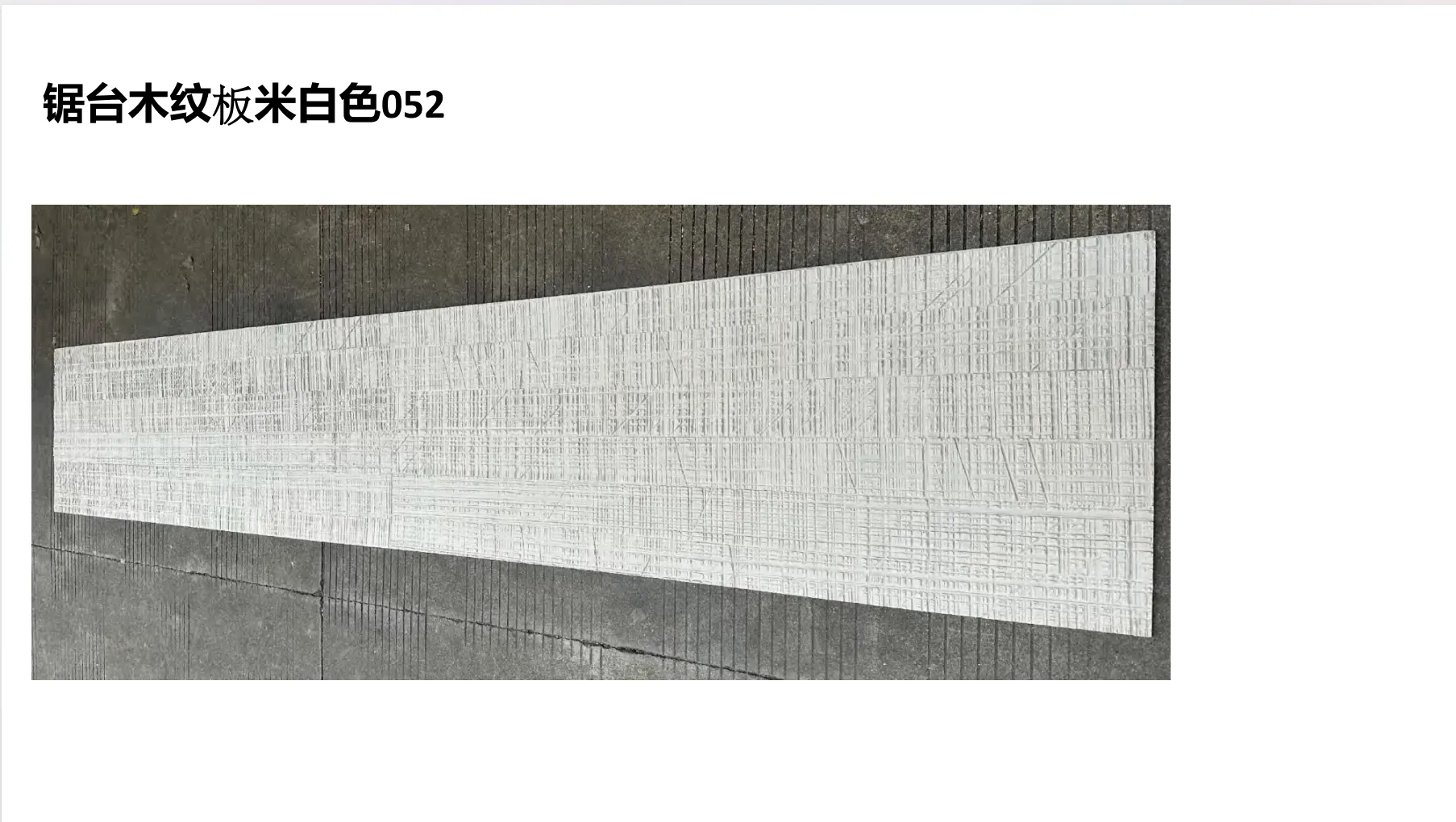
The magic lies in the process. Traditional sawing methods, whether by hand or machine, leave behind traces of the cut—soft ridges or slight imperfections that catch light and shadow, adding depth to a building's exterior. It's a material that feels "made," not just manufactured. And if you're curious to see this texture up close, sawing wood board real photos (easily found on supplier sites or design galleries) reveal how these nuances translate into real-world beauty—warm, tactile, and undeniably human.
Let's talk about the pros—the reasons architects, homeowners, and designers keep coming back to these boards.
Wood has an unmatched ability to soften a building's edges. Whether stained a deep walnut, left natural to weather into silvery gray, or painted crisp white (hello, white wood finishes), sawing wood boards infuse exteriors with warmth. Imagine a suburban home wrapped in light oak sawing boards: sunlight filters through the trees, dappling the grain, and suddenly the house feels less like a structure and more like a part of the landscape. In commercial spaces—a café, a boutique, a community center—this warmth invites people in, creating a sense of comfort that cold materials just can't replicate.
Sawing wood boards aren't limited to one design style. Want a cozy, cabin-like vibe? Opt for rough-sawn cedar with visible knots. Dreaming of a minimalist, Scandinavian exterior? Choose smooth-sawn pine or ash, stained a muted gray. Even industrial spaces can benefit—pair black-stained sawing boards with metal accents for an edgy, yet organic contrast. And when combined with other textures, like wood grain board details or stone, they create layers that feel intentional and rich.
Wood is a natural insulator, and sawing wood boards are no exception. Their density and cellular structure help regulate temperature, keeping interiors cooler in summer and warmer in winter. This isn't just about comfort—it can also lower energy bills, making them a practical choice for eco-conscious builders. Compare that to metal cladding, which absorbs heat like a sponge, or vinyl, which offers little insulation, and suddenly wood's functional perks shine just as bright as its beauty.
If you're prioritizing green building, sawing wood boards can align with that goal—*if* you choose responsibly. Look for FSC-certified wood, which ensures the trees were harvested from sustainably managed forests. Unlike synthetic cladding (which often relies on fossil fuels), wood is renewable, and when it reaches the end of its life, it can biodegrade (or be repurposed into furniture or mulch). It's a cycle that feels in harmony with the planet, not at odds with it.
Of course, no material is perfect. Sawing wood boards come with trade-offs that are important to weigh before committing.
Here's the hard truth: wood is a living material, even after it's cut. Without proper care, it can warp, rot, or fall prey to pests like termites. Rain, snow, and UV rays take a toll too—fading color and weakening fibers. To keep sawing wood boards looking their best, you'll need to stain or seal them every 2–5 years (depending on the climate). In humid areas, you might add a water-repellent coating; in dry regions, watch for cracking. For busy homeowners or commercial properties with tight budgets, this ongoing maintenance can feel like a chore.
Even with maintenance, sawing wood boards have a shorter lifespan than, say, fiber cement or wood concrete board (a hybrid material that combines wood fibers with concrete for added strength). Softwoods like pine might last 15–20 years with care; hardwoods like cedar or teak can stretch to 30–40 years. Compare that to wood concrete board , which often lasts 50+ years with minimal upkeep, and the longevity gap becomes clear. If you're building for the next century, wood might not be the most practical pick.
Quality sawing wood boards aren't cheap. Hardwoods or sustainably sourced options can cost 2–3 times more than vinyl or plywood cladding upfront. And that's before factoring in installation (which often requires skilled labor to handle the natural variations in the wood) and ongoing maintenance supplies (stains, sealants, repairs). For budget-strapped projects, this can be a dealbreaker. There are more affordable wood options, like pressure-treated pine, but they often come with chemical treatments that some homeowners prefer to avoid.
Sustainability is a double-edged sword here. While FSC-certified wood is a responsible choice, not all sawing wood boards meet that standard. Illegal logging or unsustainable harvesting contributes to deforestation, habitat loss, and climate change. It's crucial to vet suppliers thoroughly—ask for certification, visit their sourcing facilities if possible, and don't settle for vague claims. The "natural" label doesn't always equal "eco-friendly."
| Feature | Sawing Wood Boards | Wood Concrete Board | Charcoal Burnt Wood Board |
|---|---|---|---|
| Aesthetic | Warm, natural grain; organic texture | Wood-like appearance with concrete durability | Bold, charred finish; modern, industrial vibe |
| Maintenance | High (stain/seal every 2–5 years) | Low (occasional cleaning) | Moderate (seal to prevent weathering) |
| Durability | 15–40 years (varies by wood type) | 50+ years | 25–35 years (charring resists pests/rot) |
| Cost | High upfront + maintenance | Moderate upfront, low long-term | Moderate to high (charring process adds cost) |
| Eco-Friendliness | High (if FSC-certified); renewable | Moderate (concrete production has emissions) | Moderate (depends on wood sourcing) |
Sawing wood boards are for the designer or homeowner who values character over convenience, who's willing to invest time (and money) into a material that ages gracefully. They're perfect for projects where warmth and natural beauty are non-negotiable—think a family home in the countryside, a boutique hotel aiming for "cozy luxury," or a community center that wants to feel welcoming. If you live in a mild climate (less rain, less extreme temperature swings), maintenance will be easier, too.
But if you're prioritizing low upkeep, budget-friendliness, or a 50-year "set it and forget it" solution, you might lean toward alternatives like wood concrete board or even charcoal burnt wood board (which offers some of wood's charm with added durability). At the end of the day, it's about balancing your values: Do you want a material that tells a story, even if it needs a little extra care?
Sawing wood boards are more than a cladding material—they're a choice to bring nature closer, to celebrate imperfection, and to build something that feels alive. They have flaws, sure, but those flaws are part of their charm. When maintained with care, they age like fine wine, developing a patina that no synthetic material can replicate.
So, is sawing wood board cladding right for you? If you love the idea of your building's exterior evolving over time, of running your hand along a wall and feeling the grain of a tree that once stood tall, then yes. Just go in with your eyes open—know the maintenance demands, vet your suppliers, and choose wood that's as responsible as it is beautiful. After all, the best buildings aren't just built—they're nurtured, and so is the wood that adorns them.
Recommend Products












