1. Cost: A Premium Price Tag
Let's get the biggest downside out of the way: Granite Portoro is expensive. Quarrying it is labor-intensive, and its rarity (especially high-quality slabs) drives up the price. On average, you can expect to pay $150–$300 per square foot for materials alone, not including installation. Compare that to
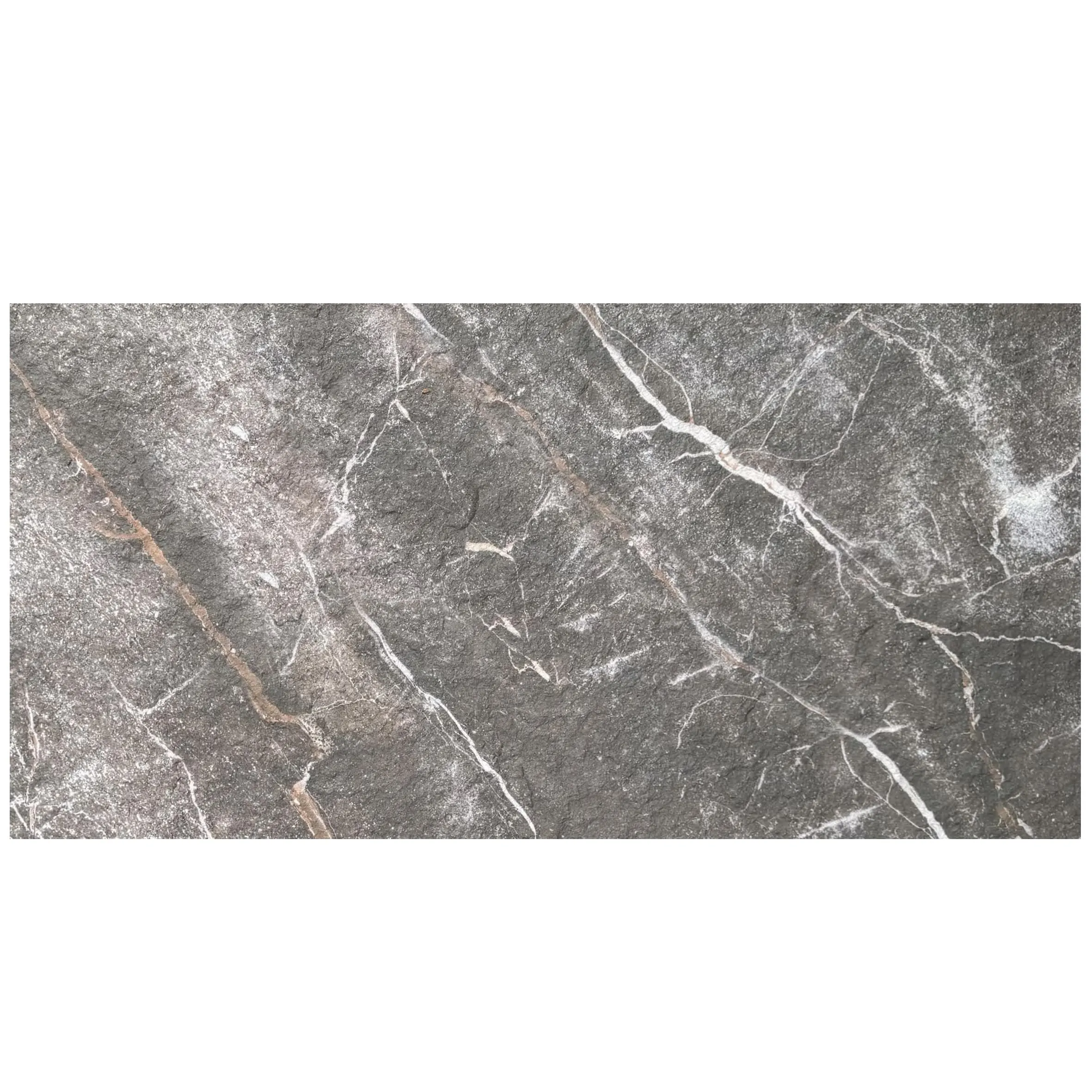
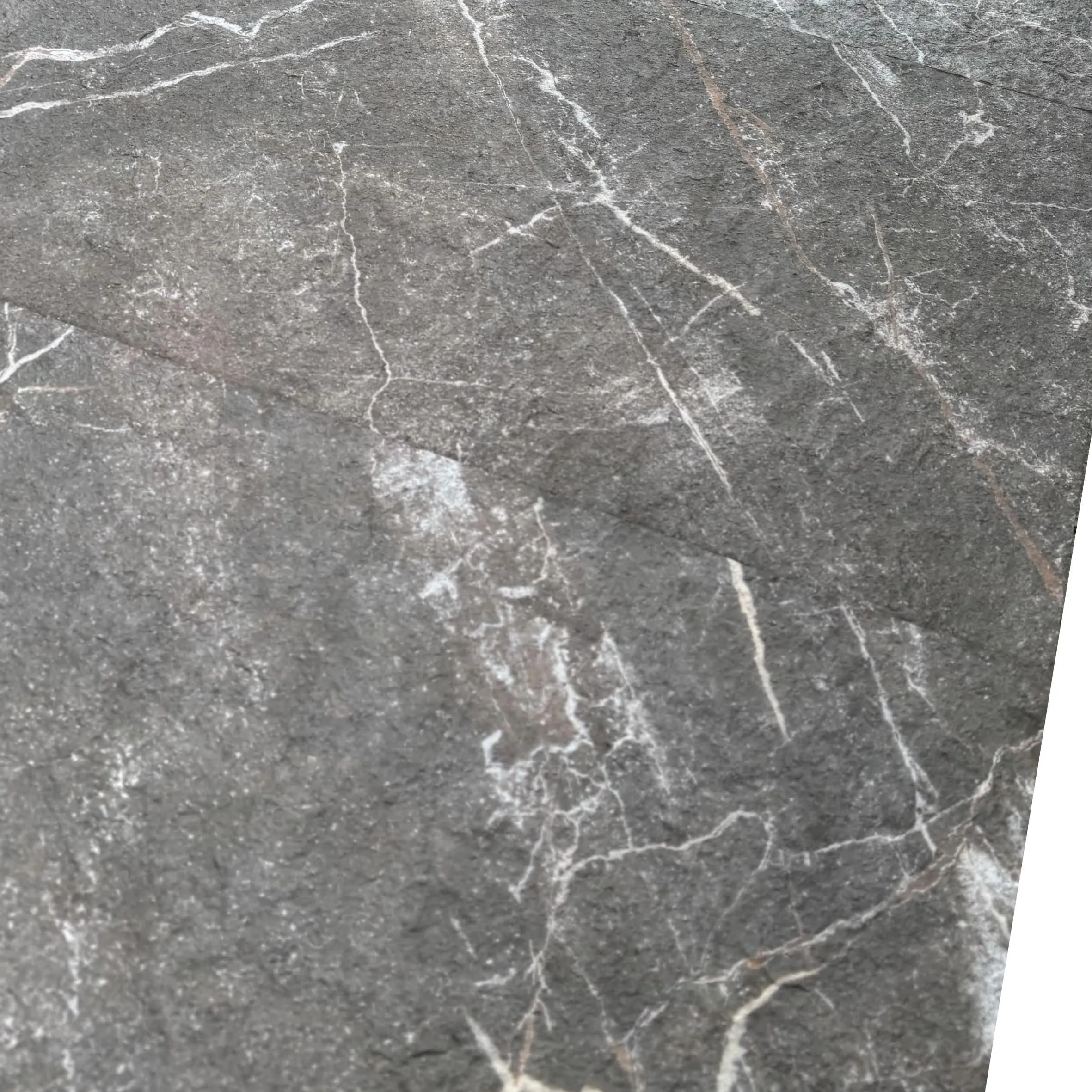
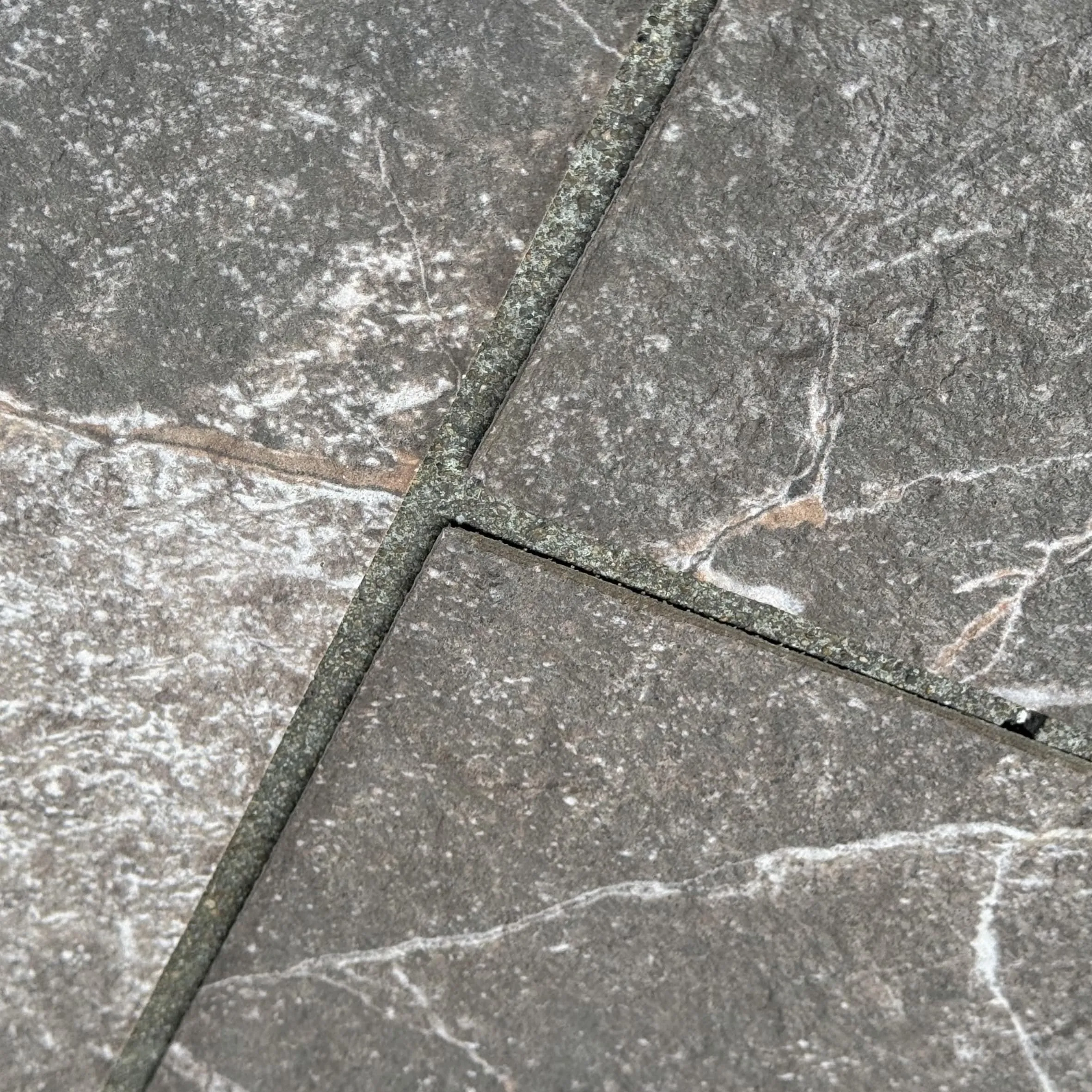
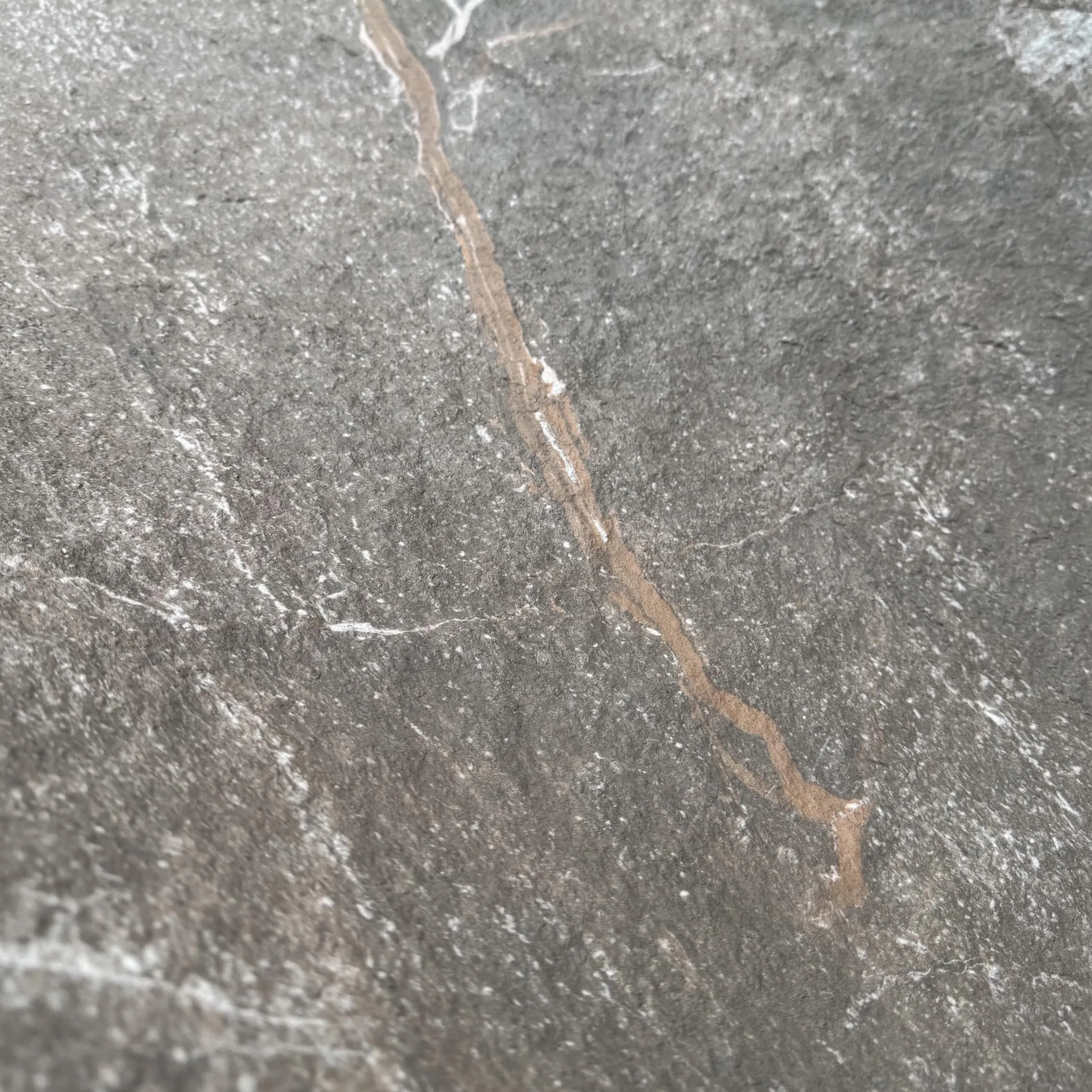
boulder slab (vintage black)
, which typically costs $50–$100 per square foot, or
fair-faced concrete
, which can be as low as $30–$60 per square foot. For a large exterior project, the cost of Portoro can add tens of thousands of dollars to your budget.
And it's not just the material cost—installation is pricier too. Because the stone is heavy (we'll get to that next), you'll need specialized contractors with experience handling large granite slabs, which means higher labor fees.
2. Weight: A Structural Challenge
Granite is dense, and Portoro is no exception. A single slab can weigh 100–200 pounds, depending on thickness. This means your home's structure needs to be able to support the weight. Older homes or those with weak framing may require additional reinforcement, adding time and cost to the project. Even new builds need careful planning—architects must account for the load in the foundation and wall design, which can complicate the construction process.
Compare this to
mcm flexible stone
, a lightweight alternative that weighs a fraction of natural granite. For homes where structural support is a concern, or for projects on a tight timeline, the weight of Portoro can be a significant drawback.
3. Limited Color Palette: Not for Every Design Vision
While Portoro's black-and-gold look is stunning, it's not universally flattering. If your home's exterior is designed around soft pastels, earthy tones, or cool grays, the boldness of Portoro might clash. It's a material that demands attention, which can be a problem if you're aiming for a subtle or understated aesthetic. For example, a cottage-style home with a white picket fence would likely feel overwhelmed by Portoro's drama, whereas a
boulder slab (vintage silver)
or
travertine (beige)
would blend in more harmoniously.
Additionally, the gold veins can fade slightly over time if exposed to constant direct sunlight, though this is a slow process. Still, it's something to consider if you're set on preserving the stone's original vibrancy indefinitely.
4. Sensitivity to Acidic Substances: Handle with Care
While Granite Portoro is tough, it's not impervious to damage. Acidic substances like vinegar, lemon juice, or certain cleaning products can etch its surface, leaving dull spots or discoloration. This is a minor issue for most homeowners—just avoid using harsh cleaners—but it's worth noting. For example, if you live in an area with acid rain, the stone may require more frequent sealing (every 3–5 years instead of 5–7) to protect against erosion.