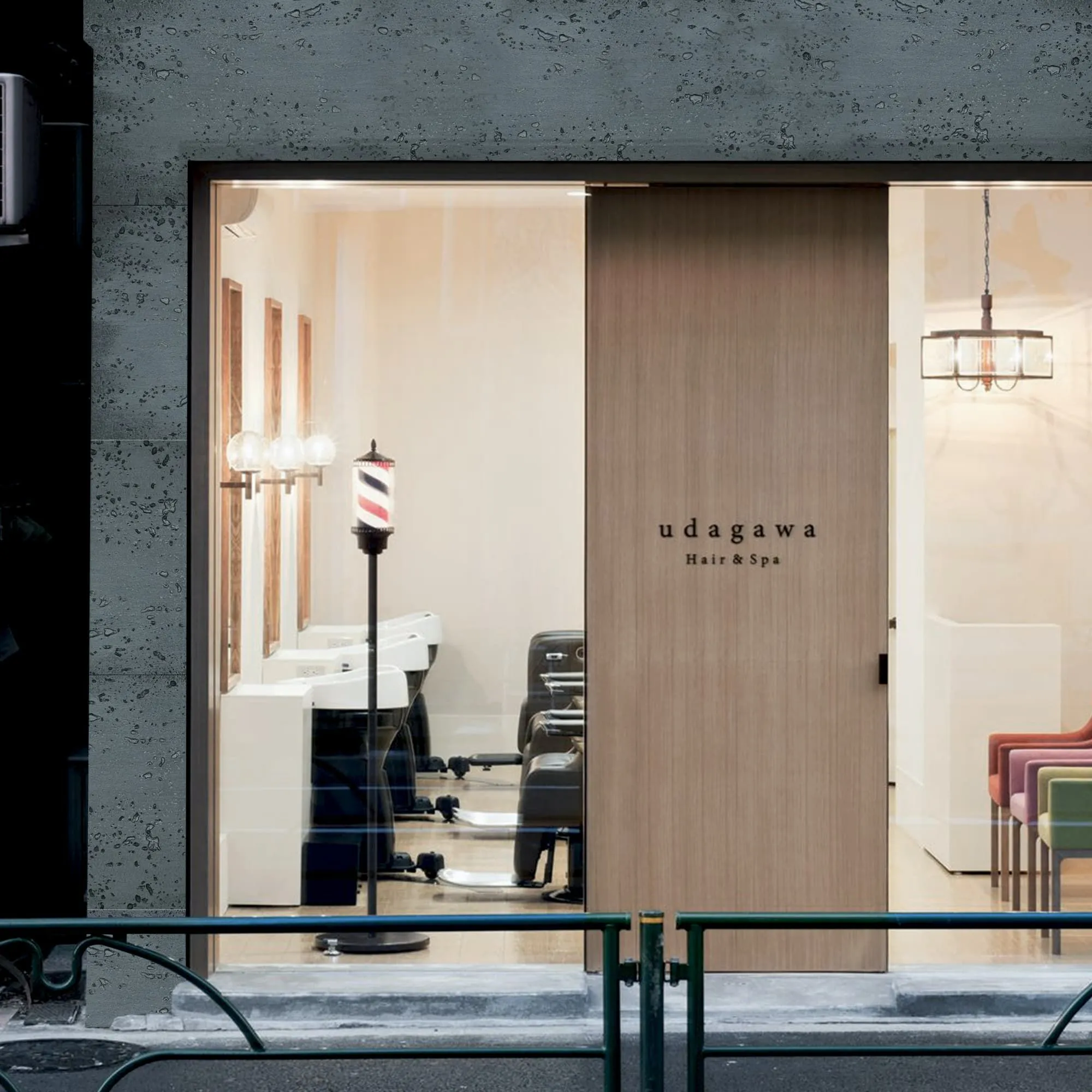
1. Aesthetic Versatility: From Rustic to Refined
One of the most striking things about
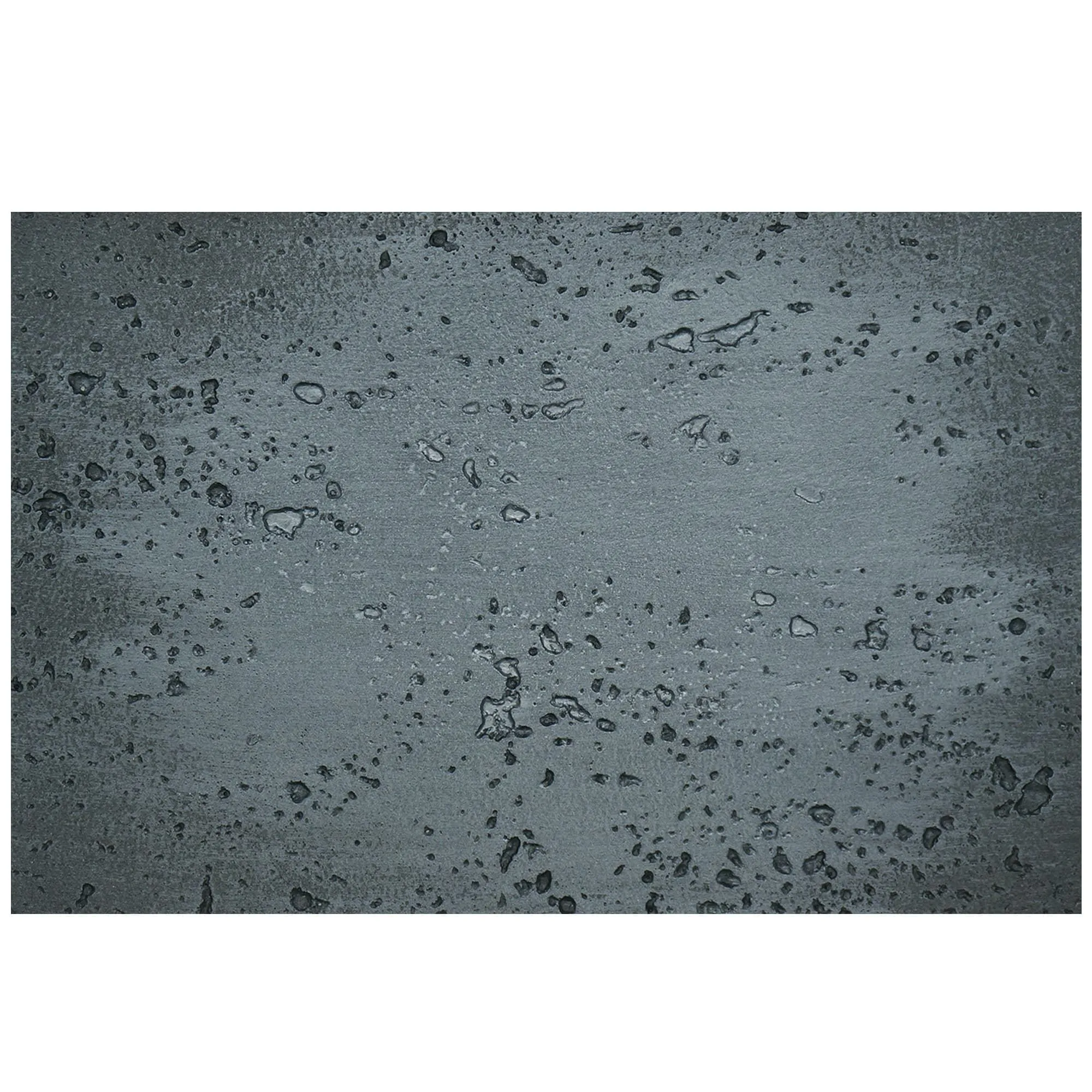
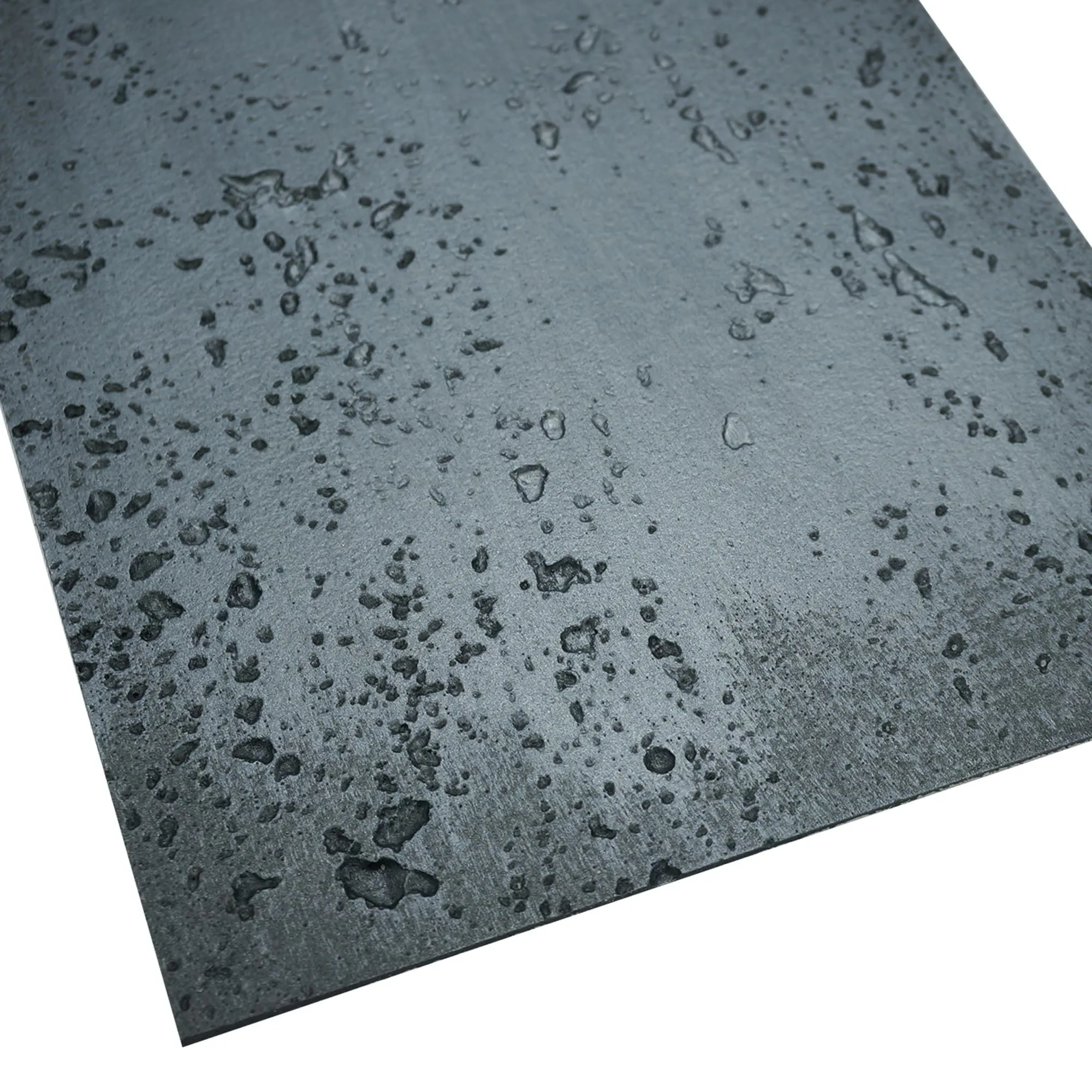
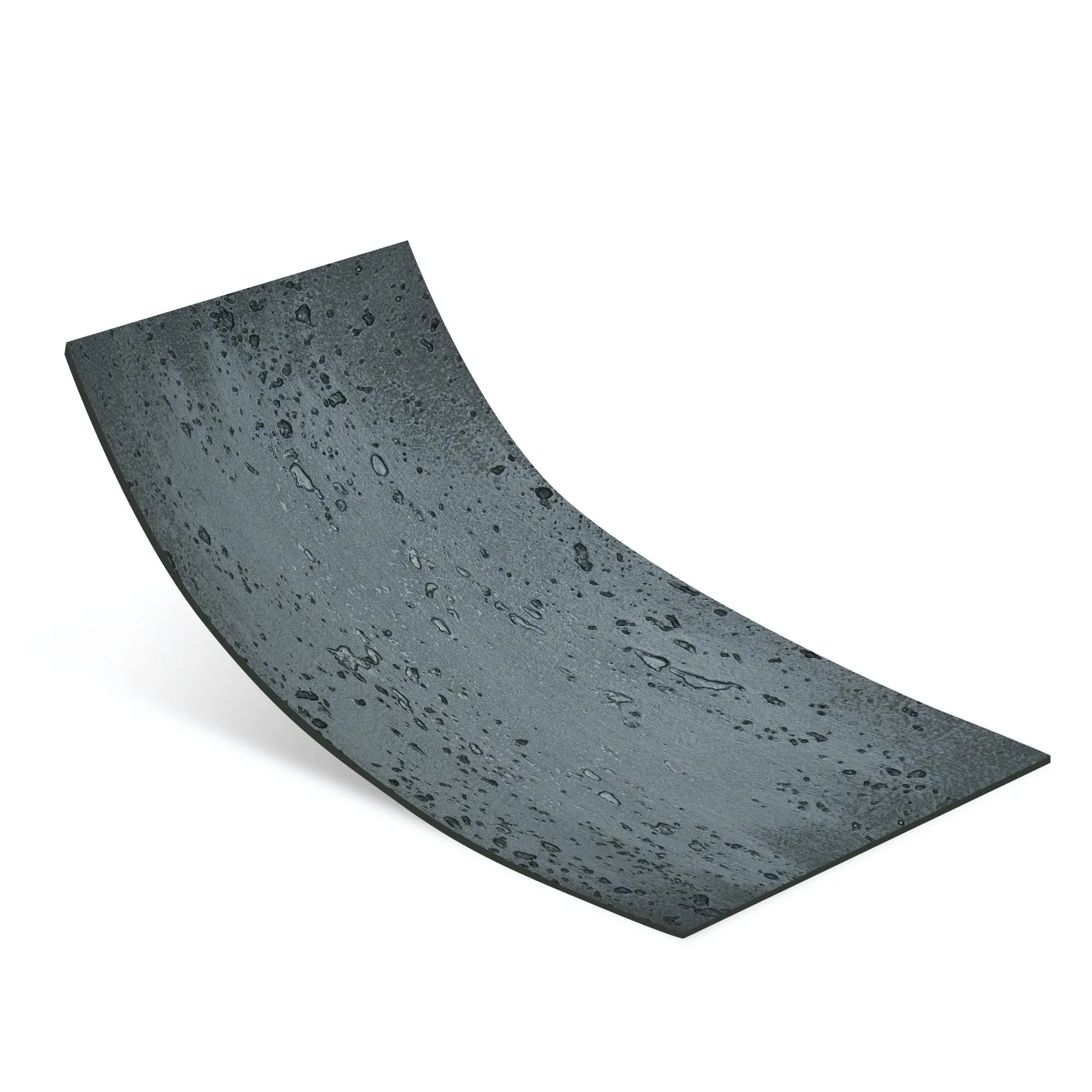
travertine (vintage silver) is its ability to adapt to almost any design style. Its vintage silver hue isn't brash or metallic; instead, it's a soft, weathered tone that reads as warm gray with subtle silver undertones. This neutrality makes it a chameleon—pair it with
wood grain board
for a cozy, cabin-like vibe, or contrast it with
fair-faced concrete
for an industrial-chic look. In a minimalist bathroom, it adds texture without overwhelming the space; in a maximalist setup, it grounds bold colors and patterns.
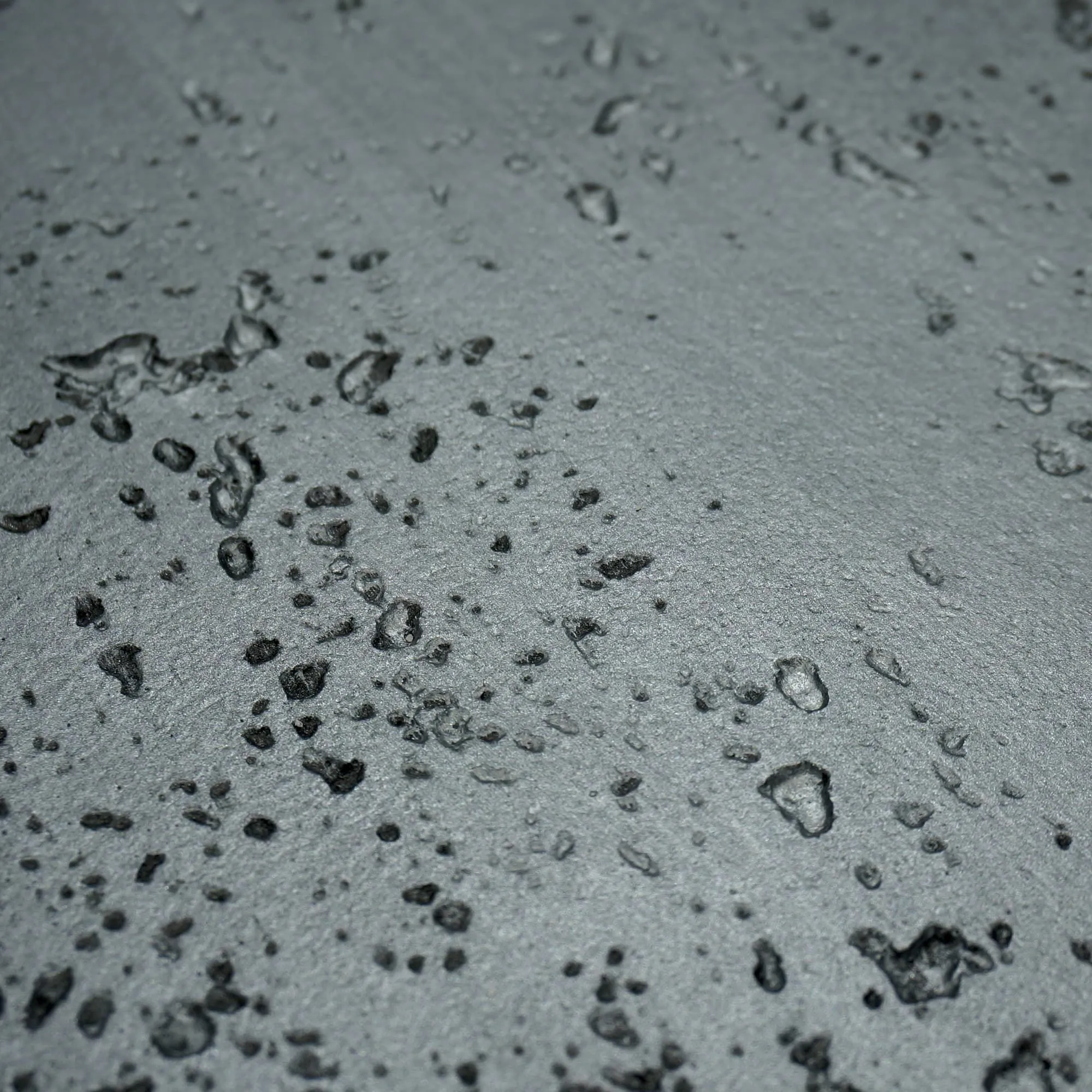
The stone's natural pits and grooves (a result of its formation) add depth, turning walls and countertops into tactile experiences. Run your hand over it, and you'll feel the story of its creation—each indentation a reminder of the earth's slow, patient craftsmanship. When light hits it, the vintage silver finish catches and diffuses the glow, creating a soft, ambient radiance that makes even small bathrooms feel airy and inviting.
2. Durability: Built to Last (With Care)
Natural stone is inherently durable, and
travertine is no exception. When properly sealed and maintained,
travertine (vintage silver) can withstand the humidity, temperature fluctuations, and daily wear of a bathroom. Unlike some synthetic materials that scratch or fade over time, this stone develops a gentle patina—those small scuffs and softening of edges only add to its vintage charm, making it feel like a piece that's grown with your home.
It's also surprisingly resilient to heat, making it a great choice for shower surrounds or near heated towel racks. While it's not impervious to damage (no material is), its density and hardness mean it holds up well against the bumps and spills of daily life.
3. Eco-Friendly Credentials: A Sustainable Choice
In an era where sustainability matters more than ever,
travertine (vintage silver) checks important boxes. As a natural stone, it's sourced from the earth without harmful chemicals or synthetic processes. Unlike
polish concrete
or some composite materials, it doesn't off-gas VOCs (volatile organic compounds), contributing to better indoor air quality—a crucial factor in enclosed spaces like bathrooms.
Additionally, because it's a durable material, it has a long lifespan, reducing the need for frequent replacements. When it does eventually reach the end of its life in your home, it can often be repurposed or recycled, minimizing environmental impact. For eco-conscious homeowners, this blend of beauty and responsibility is a significant draw.
4. Unique Character: No Two Pieces Are Alike
Mass-produced materials often feel generic—you've seen that same ceramic tile in a dozen bathrooms.
Travertine (vintage silver), though, is a product of nature, which means every slab is one-of-a-kind. The veining patterns, pit distribution, and depth of the vintage silver finish vary from piece to piece, ensuring your bathroom will never look exactly like anyone else's.
This uniqueness adds a layer of storytelling to your space. Maybe there's a particularly striking vein that runs across your shower wall, or a cluster of pits that resembles a constellation—little details that make the room feel personal and special. It's the opposite of cookie-cutter design; it's a material that celebrates imperfection and individuality.