
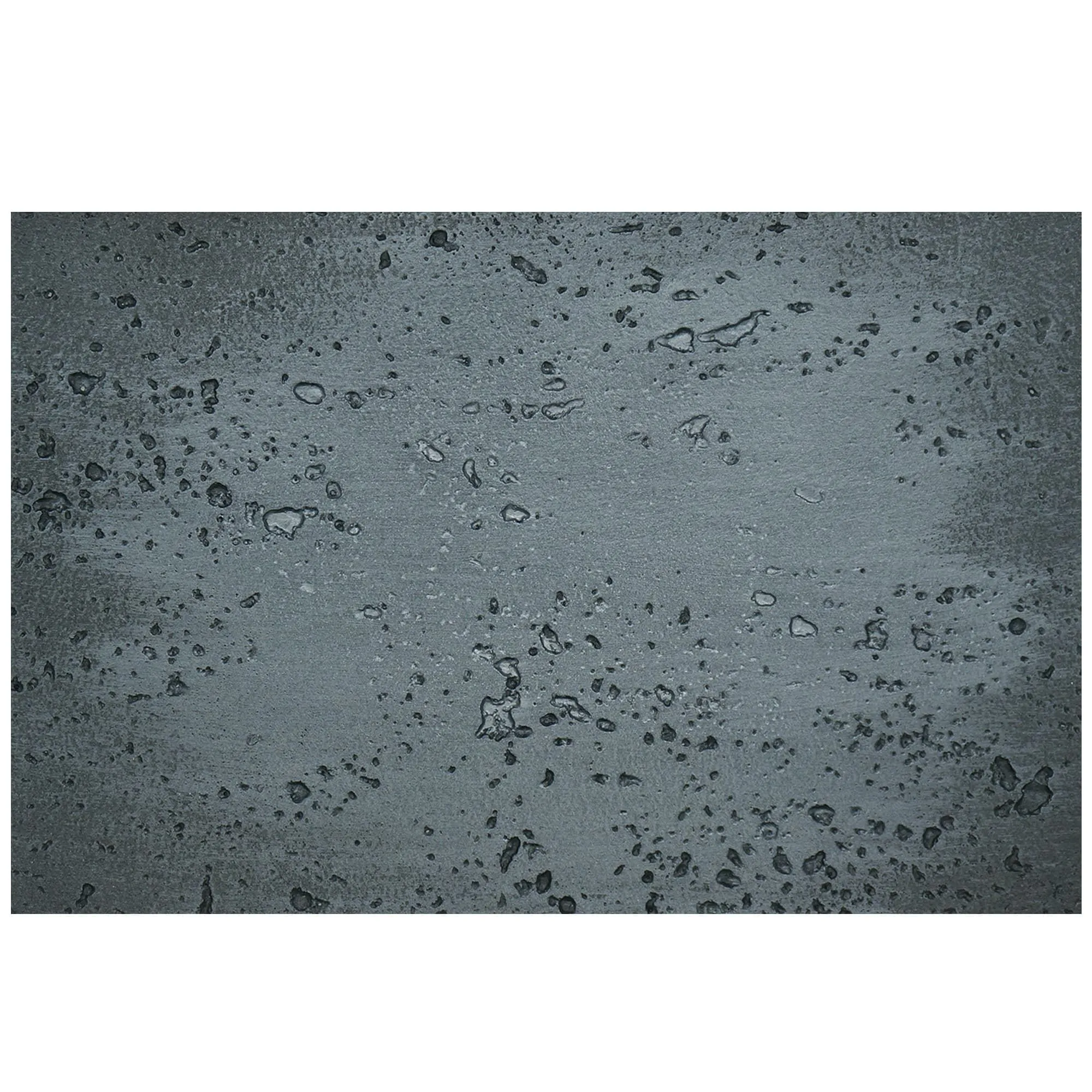
In the world of architecture and interior design, every material tells a story. It speaks to the space's personality, its durability, and the vision of the creator. For decades, natural stones like travertine have been the darlings of designers, admired for their organic beauty and timeless appeal. Travertine (Vintage Silver), with its soft metallic sheen and earthy undertones, has long been a go-to for those seeking a blend of elegance and rustic charm. But as the industry evolves, so do the materials that shape our built environment. Enter MCM Flexible Stone—a modern innovation that's redefining what's possible in design. Let's explore why this engineered marvel is quickly becoming the preferred choice over traditional travertine, and how it's transforming spaces from commercial skyscrapers to cozy homes.
Before diving into the advantages, let's get to know our two materials. Travertine (Vintage Silver) is a type of limestone formed by mineral deposits from hot springs, known for its porous surface, unique veining, and warm, silver-gray hue with subtle hints of beige. It's a natural stone, which means each slab is one-of-a-kind—part of its allure, but also a limitation. For years, it's been used in everything from ancient Roman amphitheaters to modern kitchen backsplashes, valued for its connection to the earth and its ability to age gracefully.
MCM Flexible Stone, on the other hand, is a product of cutting-edge engineering. Short for "Modified Composite Material," MCM is a lightweight, flexible cladding solution made by combining natural stone aggregates with high-performance polymers. This fusion results in a material that retains the authentic look and texture of natural stone but with a host of enhanced properties. It's the kind of innovation that makes designers and contractors sit up and take notice—not just for its aesthetics, but for how it solves long-standing challenges in construction and design.
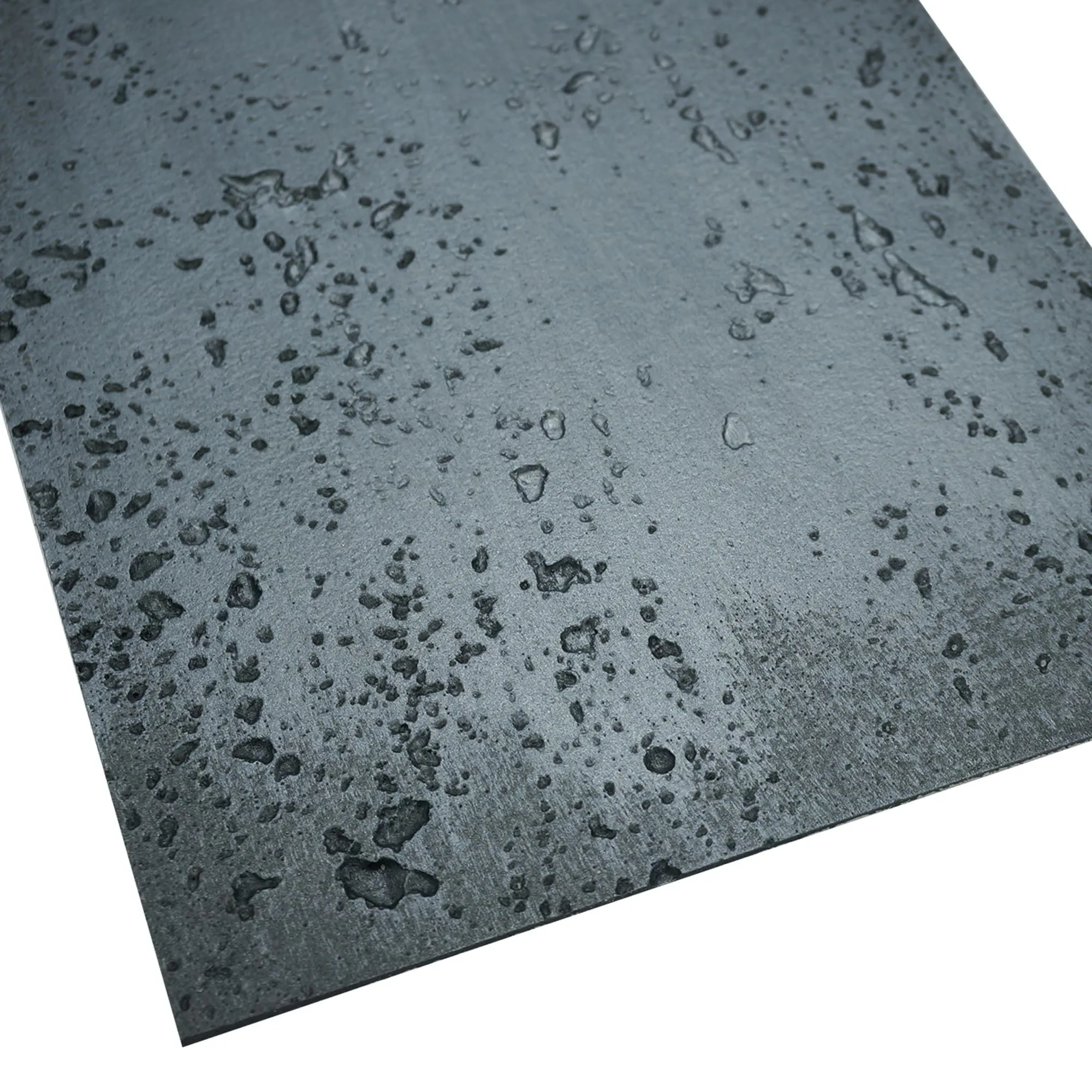
One of the most significant pain points with natural stone like travertine is its weight. A standard slab of travertine can weigh 20–30 kg per square meter, requiring robust structural support and specialized equipment to transport and install. For older buildings or projects with weight restrictions, this can be a dealbreaker. MCM Flexible Stone, by contrast, weighs in at a mere 5–8 kg per square meter—up to 80% lighter than travertine. This lightweight nature transforms the installation process from a logistical headache into a streamlined affair.
Imagine a contractor working on a high-rise commercial building. With travertine, each slab would need cranes, scaffolding, and a team of workers to maneuver into place—time-consuming and costly. With MCM Flexible Stone, installers can carry panels by hand, attach them directly to walls with simple adhesives, and cover large areas in a fraction of the time. This not only slashes labor costs but also reduces project timelines, getting buildings finished and functional faster. For homeowners, this means less disruption during renovations and more money saved for other design elements.
Travertine is beautiful, but it's not without flaws. Its porous nature makes it prone to staining, scratching, and water damage. A spilled glass of wine or a harsh rainstorm can leave permanent marks, requiring regular sealing (often every 6–12 months) to maintain its appearance. MCM Flexible Stone, however, is engineered to resist the elements. Its composite structure is non-porous, meaning stains bead up and wipe away easily. It's also scratch-resistant, UV-stable (so it won't fade in sunlight), and impervious to mold and mildew—perfect for both indoor and outdoor use.
Take, for example, a restaurant patio exposed to rain, snow, and foot traffic. Travertine would require constant sealing and cleaning to avoid discoloration and slipping hazards. MCM Flexible Stone? A quick hose-down is all it needs to look as good as new. This durability isn't just about aesthetics; it's about peace of mind. Property owners can invest in MCM knowing they won't be stuck with endless maintenance bills or premature replacement costs.
| Feature | MCM Flexible Stone | Travertine (Vintage Silver) |
|---|---|---|
| Weight (per m²) | 5–8 kg | 20–30 kg |
| Installation | Simple adhesive application; minimal structural support needed | Requires specialized labor, cranes, and structural reinforcement |
| Durability | Non-porous, scratch/stain/UV-resistant; no sealing required | Porous, prone to staining/scratches; requires annual sealing |
| Design Flexibility | Bends for curved surfaces; compatible with 3D printing series | Rigid; limited to flat/straight applications |
| Maintenance Cost | Low (occasional cleaning) | High (sealing, stain removal, repairs) |
Travertine (Vintage Silver) has a distinct look, but its natural variations can make consistency challenging for large projects. One slab might have more veining, another a slightly different shade—charming for a rustic kitchen, but problematic for a hotel lobby aiming for a uniform aesthetic. MCM Flexible Stone, however, offers the best of both worlds: the authentic texture of stone with the consistency of a manufactured product. But that's just the start of its design versatility.
MCM Flexible Stone isn't limited to flat surfaces. Its flexibility allows it to conform to curved walls, arches, and even furniture, opening up possibilities for organic, flowing designs that would be impossible with rigid travertine. Want to create a feature wall with a wave-like pattern? MCM's Ripple Board series makes it easy. Dream of a bathroom with a curved backsplash that mimics the softness of sand dunes? The Gobi Panel or Stream Limestone finishes can bring that vision to life. And with a range of colors and textures—from the sleek metallic sheen of Lunar Peak Silvery to the rugged charm of Rust Mosaic Stone—MCM adapts to any design style, from modern minimalism to industrial chic.
For designers, this means no more compromising. You can have the warmth of natural stone without being tied to its limitations. For example, the MCM Big Slab Board Series offers panels up to 3 meters long, perfect for creating seamless accent walls with fewer seams. Or, for a more eclectic look, mix and match finishes like Travertine (Starry Blue) with Rust Square Line Stone—something that would be nearly impossible to achieve with natural travertine due to color inconsistencies.
In today's world, sustainability isn't just a buzzword—it's a responsibility. Natural stone mining, while beautiful, can be resource-intensive, requiring heavy machinery, large amounts of water, and leaving behind scars on the landscape. Travertine extraction, in particular, often involves quarrying that disrupts ecosystems and generates significant waste. MCM Flexible Stone, by contrast, is designed with sustainability in mind.
Many MCM products are made using recycled stone aggregates and eco-friendly polymers, reducing the need for virgin materials. Its lightweight nature also cuts down on transportation emissions, as more panels can be shipped in a single load. Additionally, MCM's durability means less frequent replacement, reducing waste over time. For projects aiming for green building certifications (like LEED), MCM Flexible Stone is a clear choice, aligning with sustainability goals without sacrificing style.
Let's talk numbers. Travertine (Vintage Silver) is a premium natural stone, with material costs ranging from $50–$100 per square meter, plus installation fees that can double that total. MCM Flexible Stone, on the other hand, typically costs $30–$60 per square meter, with installation costs that are 30–50% lower due to its lightweight and easy application. But the savings don't stop there. Over time, travertine's maintenance costs (sealers, cleaners, repairs) add up, while MCM requires little more than soap and water to keep looking new. For a 100-square-meter project, the long-term savings with MCM could easily run into the thousands of dollars—money that can be reinvested into other aspects of the design.
Real-World Application: The Urban Loft Renovation
Consider Sarah, a homeowner renovating a 1920s loft in the city. She wanted an industrial-chic aesthetic with exposed brick and stone accents but was worried about the weight of natural stone damaging the building's original wooden floors. Travertine was out of the question due to its heft and maintenance needs. Instead, she chose MCM Flexible Stone in the Rust Board Granite finish for her accent wall and Lunar Peak Black for the kitchen backsplash. The lightweight panels installed in a day, required no structural reinforcement, and have held up beautifully against her two energetic dogs and busy lifestyle. "I love that it looks like real stone, but I don't have to panic every time someone spills coffee," she says. "It was the perfect solution for a space that needed both style and practicality."
Imagine designing a luxury resort with 50 identical guest rooms. With travertine, ensuring each bathroom has the same shade and veining would be a nightmare—you'd spend hours sorting through slabs, rejecting those that don't match, and risking delays. MCM Flexible Stone eliminates this problem. Each panel is manufactured to exact specifications, ensuring uniform color, texture, and thickness across every square meter. This consistency is a lifesaver for commercial projects, where brand identity and visual harmony are key. Whether it's a chain of restaurants, a hotel chain, or a retail store with multiple locations, MCM ensures that every space feels cohesive, reinforcing the brand's aesthetic without compromise.
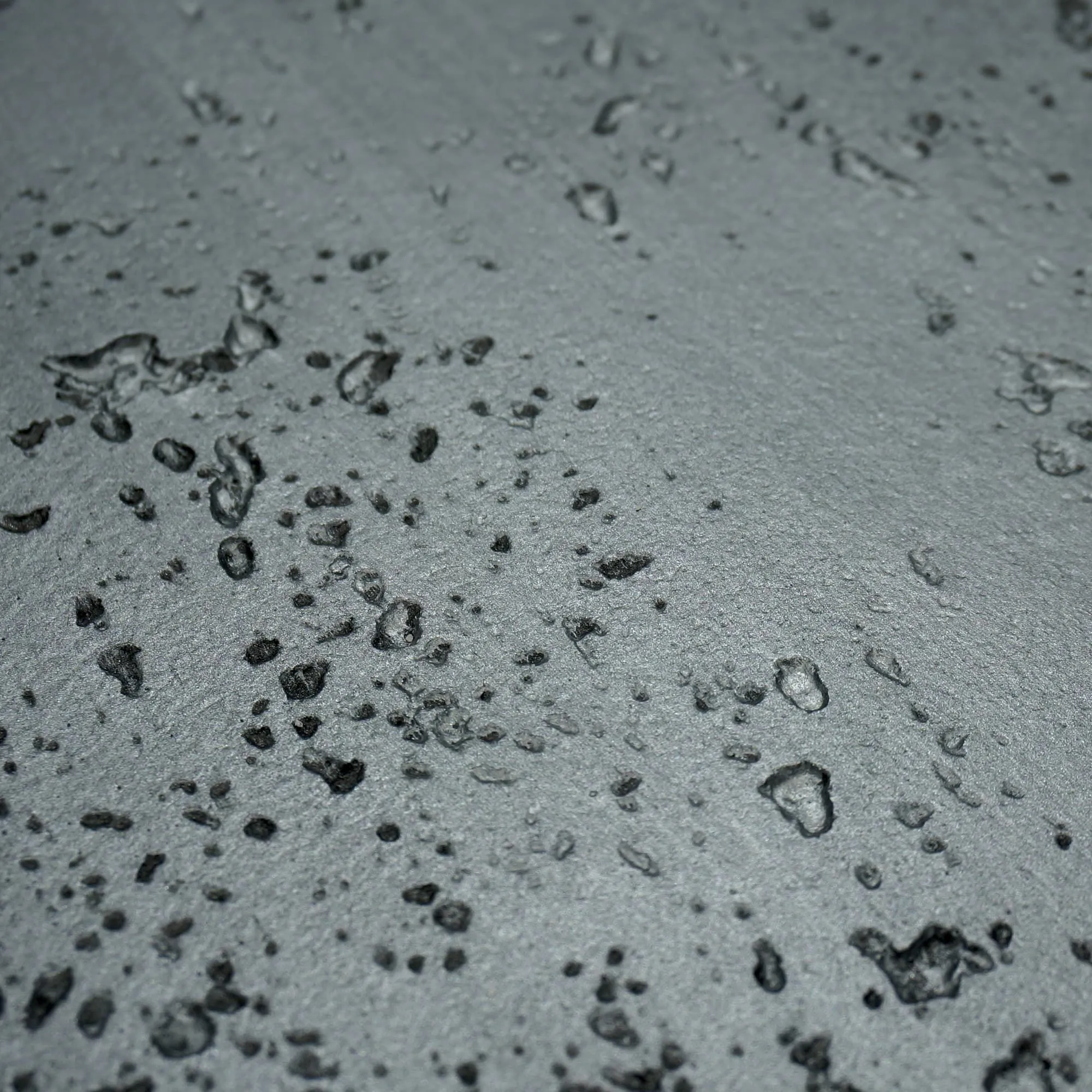
At the end of the day, choosing between MCM Flexible Stone and travertine (Vintage Silver) isn't just about comparing specs—it's about choosing a material that works with you, not against you. Travertine has its place in design history, but MCM represents the future: a material that honors the beauty of natural stone while addressing its flaws. It's lightweight, durable, versatile, sustainable, and cost-effective—checking every box for modern designers, contractors, and homeowners.
Whether you're building a skyscraper, renovating a kitchen, or designing a boutique hotel, MCM Flexible Stone offers the freedom to create spaces that are as functional as they are beautiful. It's the kind of material that doesn't just fill a role in your project—it elevates it, turning ordinary spaces into extraordinary experiences. And in a world where design matters more than ever, that's a advantage worth investing in.
Recommend Products












