
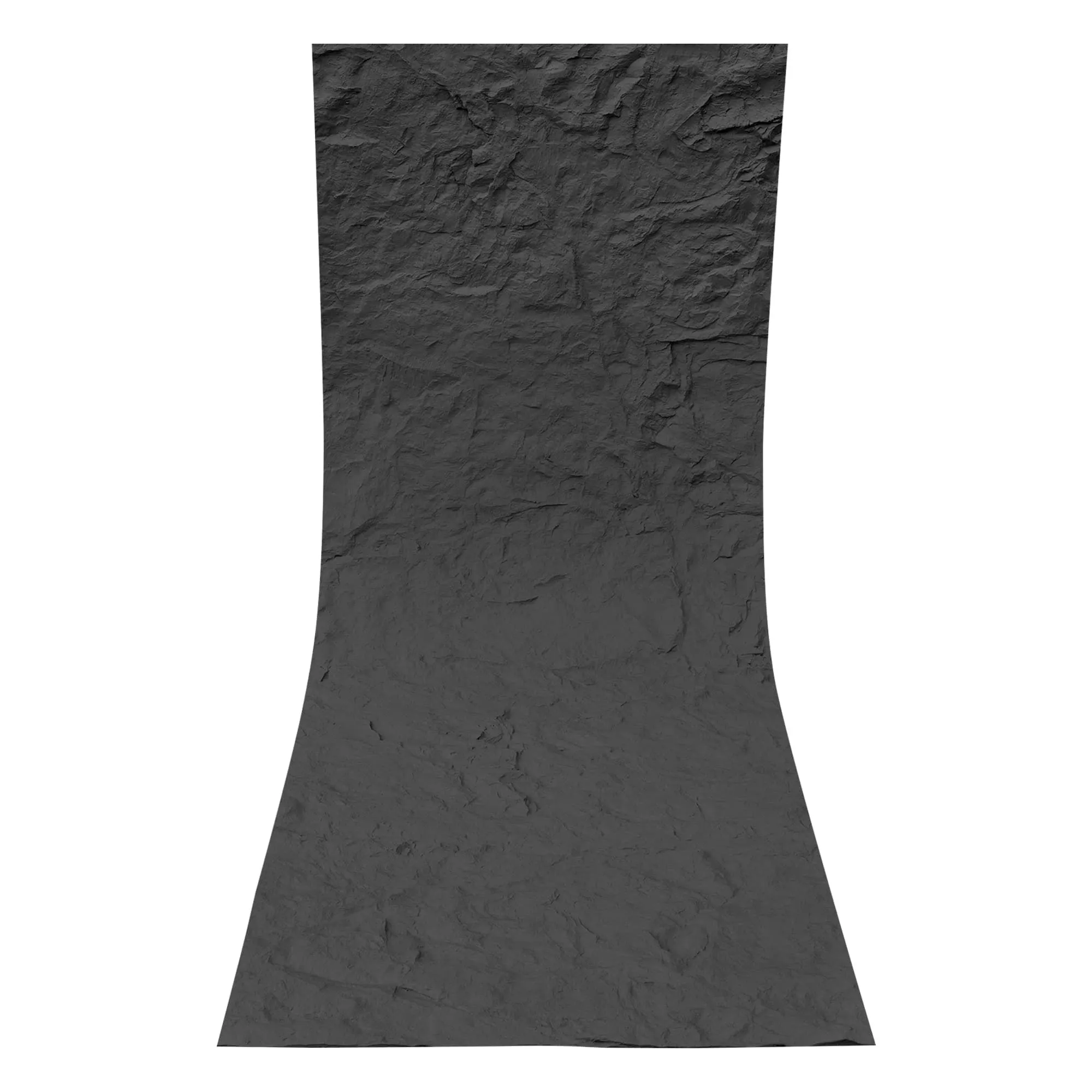
Walk down any city street today, and you'll notice something subtle but profound: the buildings around you are no longer just structures. They're storytellers. Their facades—whether rough-hewn, sleek, or somewhere in between—shape how we feel about a neighborhood, a business, even a moment in time. In 2025, that storytelling has taken a bold new turn, and at the center of it all is a material that's redefining what's possible: Boulder Slab .
Gone are the days when facades were an afterthought—clad in generic concrete or monotonous brick, chosen more for cost than character. Today's architects and designers are on a mission to create buildings that breathe, that connect with people on an emotional level, and that stand the test of time (both aesthetically and physically). And in that mission, Boulder Slab has emerged not just as a material, but as a movement.
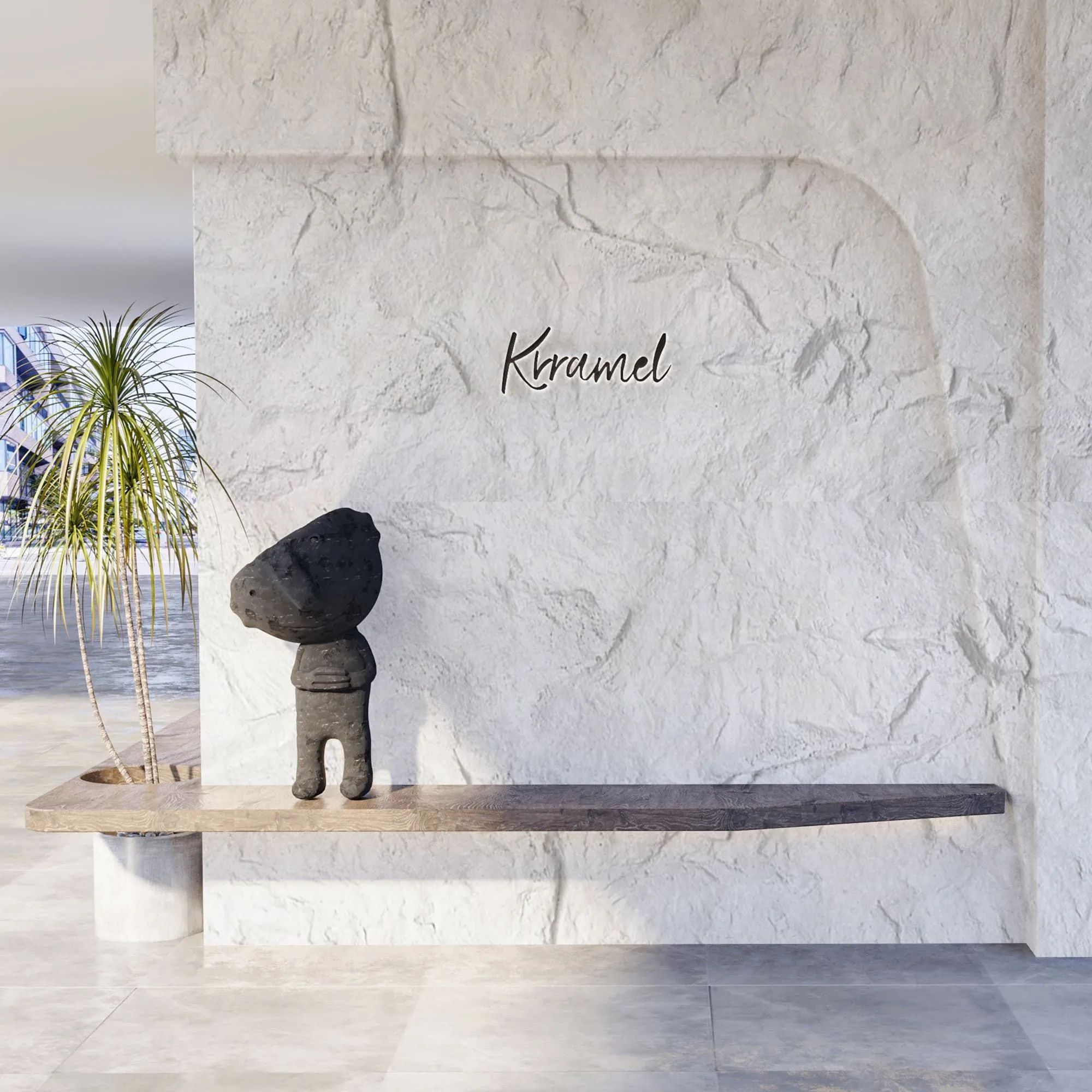
But what exactly is Boulder Slab, and why is it suddenly everywhere? Let's start with the basics. Imagine a material that marries the raw, earthy charm of natural stone with the precision and durability of modern engineering. That's Boulder Slab in a nutshell. Available in finishes like vintage silver, vintage gold, and vintage black, it's designed to evoke the weathered beauty of ancient boulders—think the patina of a stone that's stood for centuries—without the weight, cost, or environmental impact of quarrying massive rocks.
But its rise isn't just about looks. In an era where sustainability and functionality are non-negotiable, Boulder Slab checks boxes that many traditional materials can't. It's lightweight, making it easier (and cheaper) to install on high-rises or historic buildings where structural load is a concern. It's resistant to the elements—rain, snow, harsh sunlight—so it won't fade or crack after a few years. And perhaps most importantly, it's made with recycled materials, aligning with the global push for greener construction practices.
To understand Boulder Slab's ascent, it helps to look at the challenges architects have faced in recent years. For decades, the choice was often binary: either go with natural stone (beautiful but heavy, expensive, and resource-intensive) or synthetic materials (lightweight but often lacking in depth or character). Then came innovations like MCM Flexible Stone —which offered flexibility for curved surfaces—but even that had limits in terms of bold, statement-making texture.
Boulder Slab bridges that gap. It's part of a new generation of "hybrid" materials that blend the best of natural and engineered worlds. Take its texture, for example. Run your hand over a Boulder Slab facade, and you'll feel the faint grooves and ridges, mimicking the way water and wind carve stone over millennia. But unlike natural boulder stone, which is inconsistent in color and shape, Boulder Slab is manufactured with precision. That means an architect can order 500 panels, and each one will match perfectly—no surprises, no last-minute substitutions.
Then there's the color range. Vintage silver shimmers like moonlight on water; vintage gold warms up a facade like afternoon sun; vintage black adds drama, especially when paired with large windows. These aren't just "colors"—they're moods. A boutique hotel in Barcelona, for instance, recently used Boulder Slab in vintage gold for its exterior, and guests rave about how it makes the building feel "luxurious but approachable," like a grand old mansion updated for the 21st century.
But what really sets Boulder Slab apart is its adaptability. It works on everything from sleek, modern office towers to cozy, rustic cafes. In Dubai, a tech startup headquarters used vintage silver Boulder Slab alongside glass and steel, creating a facade that looks like it's made of liquid metal. In Kyoto, a traditional tea house incorporated vintage black Boulder Slab into its wooden structure, honoring the past while embracing the new. It's a material that doesn't force a style—it enhances it.
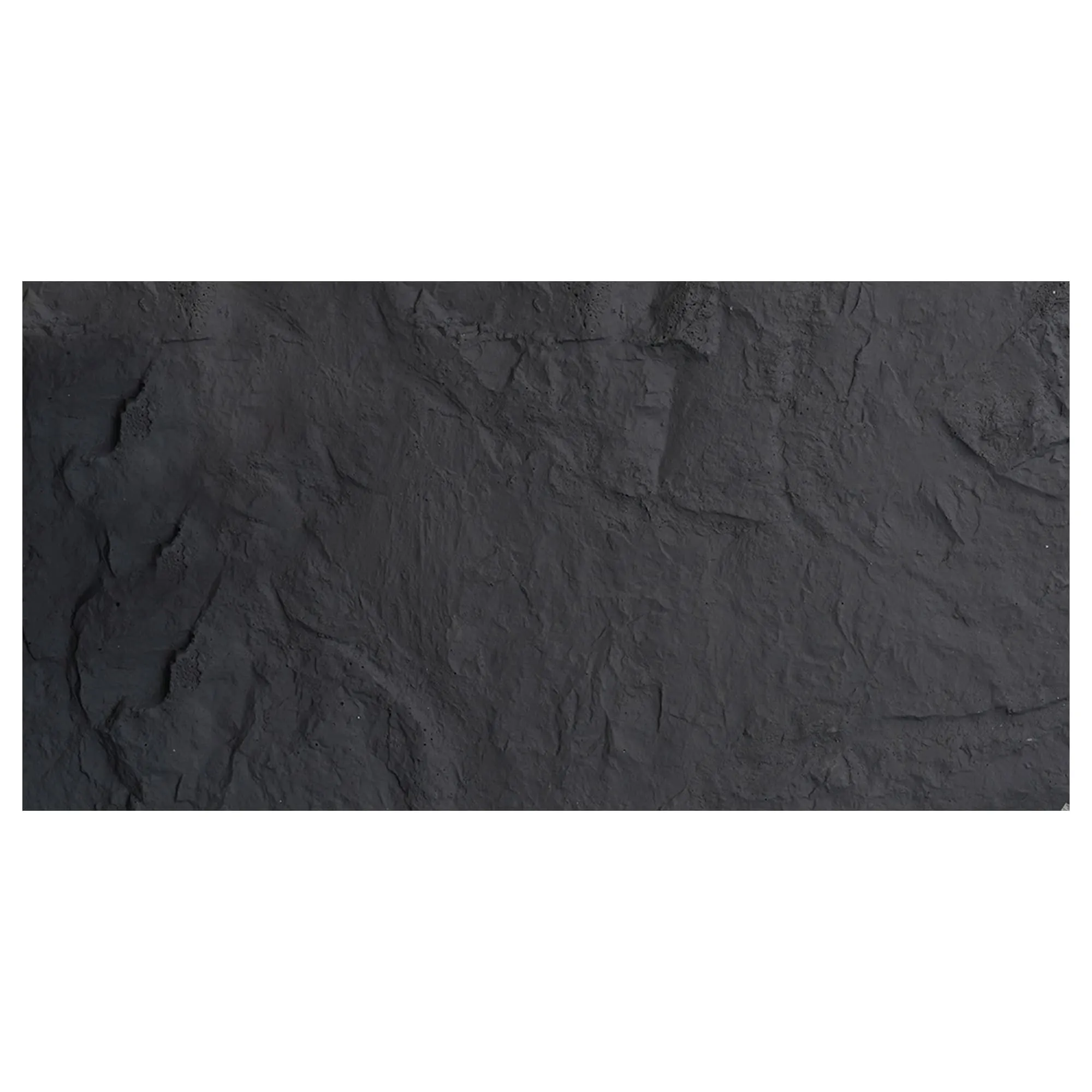
To put Boulder Slab's popularity in context, let's compare it to other trending materials of 2025. We'll focus on three that architects are talking about most: the Lunar Peak Series (silvery, golden, black), Travertine (Starry Green) , and MCM Flexible Stone. Each has its strengths, but as you'll see, Boulder Slab brings a unique combination of benefits to the table.
| Material | Key Features | Aesthetic Range | Sustainability Score (1-10) | Best For |
|---|---|---|---|---|
| Boulder Slab (Vintage Silver/Gold/Black) | Lightweight (25% lighter than natural stone), weather-resistant, recycled content | Bold, textured finishes; metallic and matte options; consistent color matching | 9/10 (High recycled materials, low carbon footprint) | High-rises, statement facades, historic renovations |
| Lunar Peak Series (Silvery/Golden/Black) | Shimmering, iridescent surface; heat-reflective properties | Starry, celestial-inspired finishes; subtle color shifts in light | 8/10 (Energy-efficient, some recycled content) | Cultural centers, museums, buildings aiming for "otherworldly" appeal |
| Travertine (Starry Green) | Natural stone with unique veining; porous texture (requires sealing) | Deep green base with flecks of gold/blue (like a starry night sky) | 6/10 (Natural material but high water usage in quarrying) | Eco-resorts, buildings, earth-toned designs |
| MCM Flexible Stone | Ultra-thin (3mm), bendable for curved surfaces; easy to cut | Variety of stone-look prints; smooth to slightly textured | 8/10 (Low waste in production, lightweight installation) | Curved facades, retail spaces, accent walls |
As the table shows, Boulder Slab isn't the only player in the game—but it's the most versatile. Take the Lunar Peak Series, for example. It's stunning for projects like planetariums or art galleries, where the goal is to create a sense of wonder. But its iridescent finish can be overpowering for everyday buildings like offices or apartment complexes. Travertine (Starry Green), on the other hand, is perfect for connecting a building to nature—think a lodge in the mountains—but its porosity means it needs regular maintenance, which adds long-term costs.
Boulder Slab, by contrast, works in almost any context. It's understated enough for a residential complex (vintage black with wooden accents, for example) but bold enough for a convention center (vintage gold paired with glass). And because it's so durable, building owners don't have to worry about repainting or resealing every few years—a huge plus for budget-conscious developers.
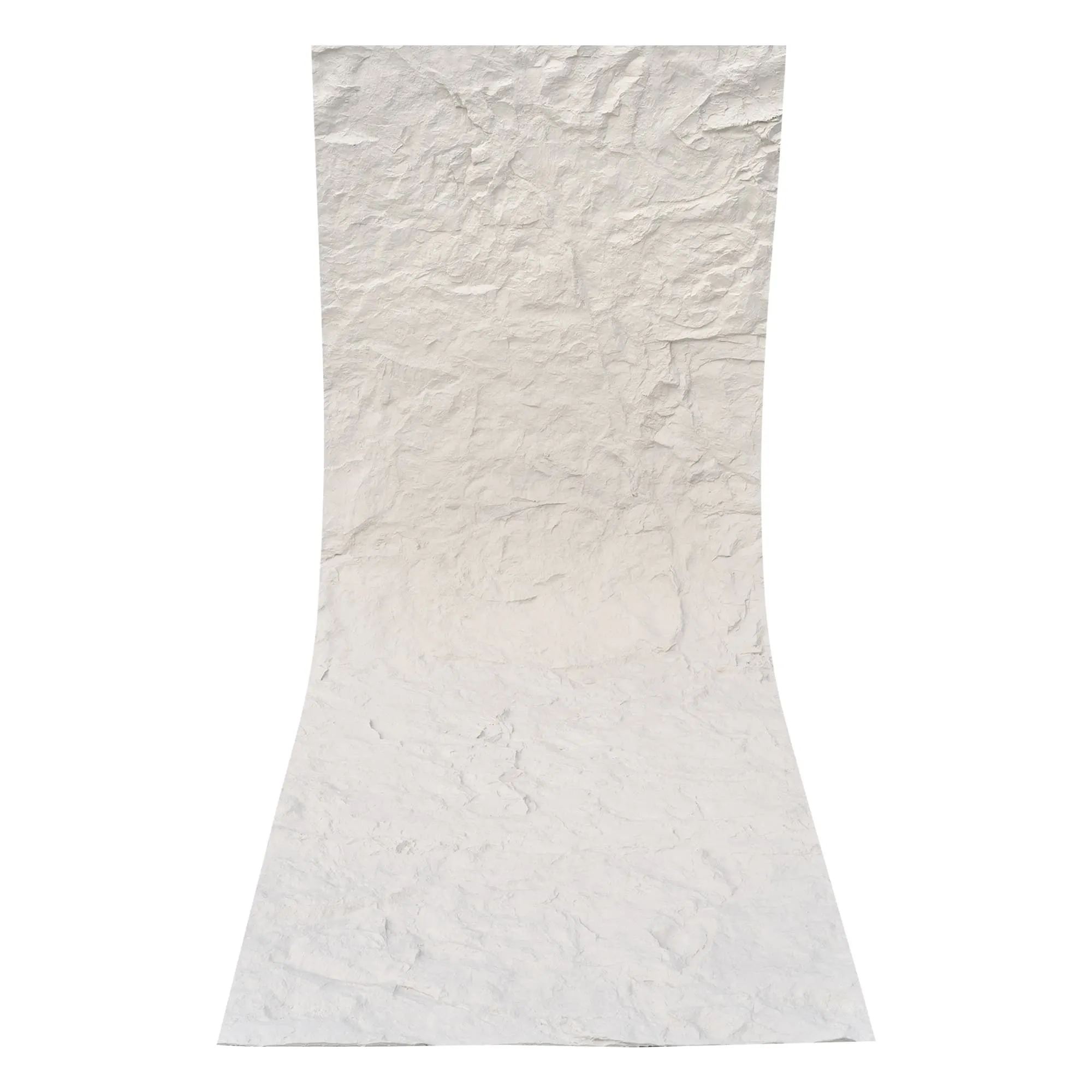
If there's one theme defining architecture in 2025, it's sustainability. Clients—whether they're corporations, governments, or homeowners—are no longer asking, "How much will it cost?" They're asking, "What's its carbon footprint?" "Is it recycled?" "Will it help the building save energy?" Boulder Slab answers all those questions, and that's a big reason it's trending.
Let's break it down. Traditional concrete production, for example, is a major source of CO2 emissions—responsible for about 8% of global greenhouse gases. Natural stone quarrying, meanwhile, can disrupt ecosystems and deplete local water sources. Boulder Slab, by contrast, is made with a blend of recycled stone dust, glass, and polymers. The manufacturing process uses 30% less energy than traditional concrete, and because it's lightweight, transporting it to job sites emits less carbon than hauling heavy stone slabs.
But sustainability isn't just about the material itself—it's about how it performs over time. Boulder Slab's resistance to fading means buildings won't need to be reclad as often, reducing waste. Its heat-reflective properties (especially in the vintage silver finish) can even lower a building's cooling costs by reflecting sunlight away from the interior. In hot climates like Dubai or Phoenix, that's a game-changer for energy efficiency.
Architects are noticing. Maria Gonzalez, a principal at a leading NYC firm, put it this way in a recent interview: "Ten years ago, sustainability was a 'nice-to-have.' Now, it's the first thing clients ask about. Boulder Slab lets us check that box without sacrificing design. We can create a facade that's both eco-friendly and visually stunning—and that's a win-win."
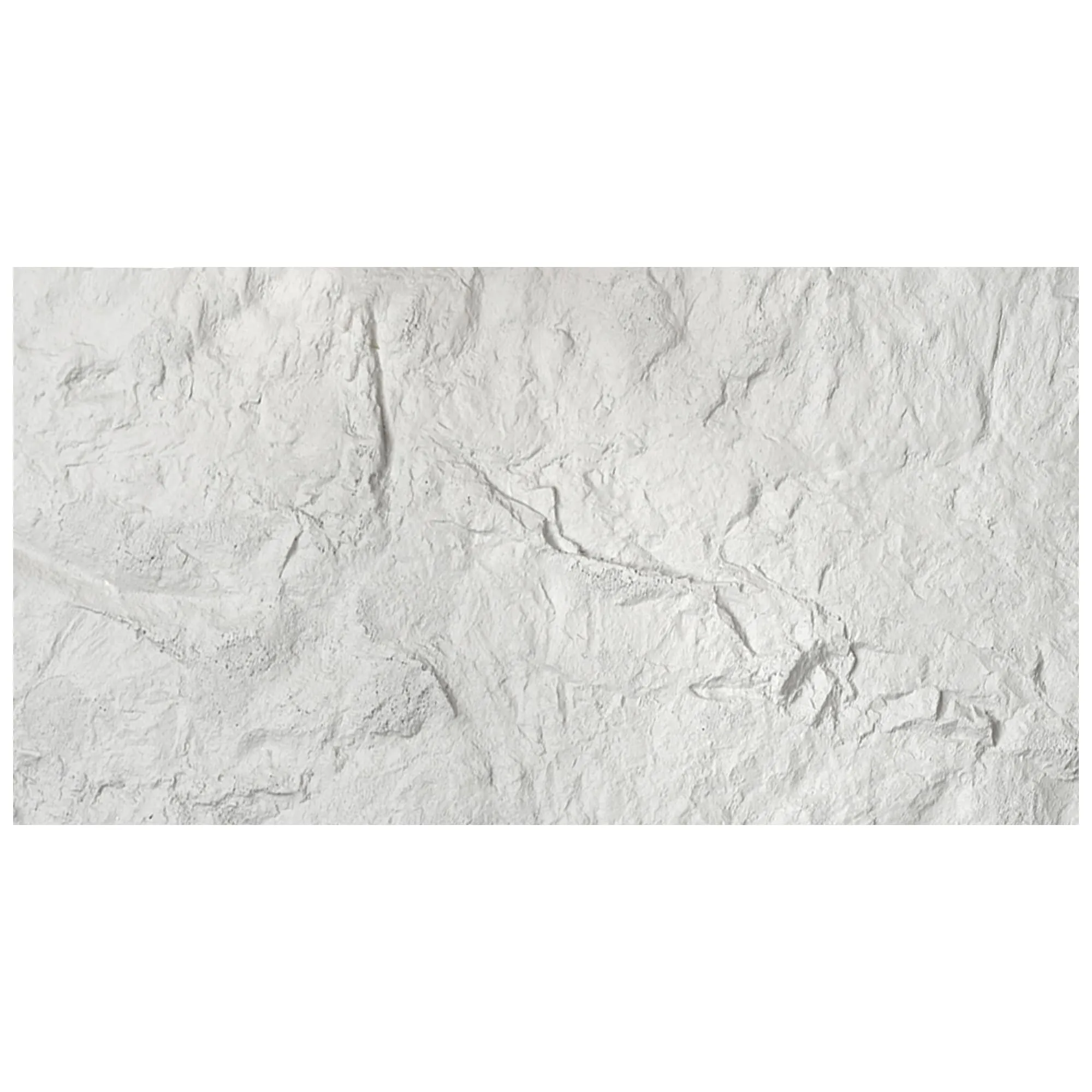
One of the most exciting things about Boulder Slab is how well it plays with others. In 2025, facades are all about layering textures and materials—think Boulder Slab paired with Travertine (Starry Green) accents, or combined with foamed aluminium alloy board (vintage gold) for a modern-industrial look. The possibilities are endless, and that flexibility is a big part of its appeal.
Take the example of a new community center in Portland, Oregon. The design team wanted to honor the city's outdoor culture, so they used Boulder Slab in vintage black for the main facade, giving it a rugged, mountain-like feel. Then, they added vertical strips of Travertine (Starry Green) to mimic forest trees, and topped it off with a foamed aluminium alloy canopy in vintage gold to reflect the sun and create dappled light on the plaza below. The result? A building that feels both grounded and uplifting—like a nod to nature with a modern twist.
Or consider residential design. In Tokyo, where space is tight, a developer used Boulder Slab in vintage silver for the exterior of a mid-rise apartment building. To soften the industrial edge, they added weaving (khaki) panels around the balconies—creating a warm, tactile contrast. Tenants love it, saying the building feels "like a cozy retreat in the middle of the city."
Even in historic districts, Boulder Slab is finding a place. In Rome, a 19th-century palazzo is being converted into a boutique hotel, and the architects chose Boulder Slab in vintage gold for the rear extension. The color and texture complement the original stonework, but because it's lightweight, they didn't have to reinforce the old structure. "It's like adding a modern wing that respects the past," says the project's lead architect. "Boulder Slab made that possible."
So, is Boulder Slab just a passing trend, or is it here to stay? All signs point to the latter. For one, the demand for sustainable, lightweight materials isn't going away—in fact, it's growing as more cities adopt green building codes. For another, manufacturers are already innovating. There's talk of a "Boulder Slab 2.0" that incorporates 3D-printed textures, allowing architects to create custom patterns (think geometric shapes or even abstract art) directly on the panels. That would take the material's versatility to a whole new level, aligning with the MCM 3D Printing Series trend that's gaining steam.
There's also the rise of "smart facades"—buildings that can adapt to changing weather or energy needs. Imagine Boulder Slab panels embedded with tiny sensors that adjust their reflectivity based on the sun's angle, or that generate small amounts of solar power. While that's still in the prototype stage, it's a glimpse of where the industry is heading—and Boulder Slab's durability and adaptability make it a prime candidate for such innovations.
But perhaps the biggest reason Boulder Slab will endure is emotional. At the end of the day, buildings are for people, and people connect with materials that feel authentic. Boulder Slab has that "lived-in" quality—like a material that's been around for ages, even if it's brand new. It doesn't scream "look at me"; instead, it invites you to touch it, to notice the details, to feel a sense of connection to the space around you. In a world that's increasingly digital and disconnected, that human touch is invaluable.
So, the next time you're out and about, take a moment to look up. Chances are, you'll spot a Boulder Slab facade—maybe in vintage silver, catching the light, or vintage black, standing strong against the sky. And as you do, remember: it's not just a building. It's a story. And Boulder Slab is helping write the next chapter.
In 2025, architectural facades are more than just walls—they're expressions of values: sustainability, creativity, and a commitment to designing spaces that matter. Boulder Slab has risen to the top of the trend list not by accident, but because it embodies all those values. It's a material that's as practical as it is beautiful, as forward-thinking as it is timeless.
Whether you're an architect, a developer, or just someone who appreciates good design, Boulder Slab is a reminder that innovation in construction doesn't have to mean sacrificing heart. It's proof that we can build better—for the planet, for our communities, and for the generations who will walk these streets long after we're gone.
So here's to the rise of Boulder Slab—and to the facades of the future: bold, sustainable, and unapologetically human.
Recommend Products












