The Construction Industry's Quiet Revolution
Walk through any city, and you'll notice the buildings tell a story. Some stand tall with gleaming glass, others wear the warmth of stone, and a few feel like they've been carved from the earth itself. But behind those facades lies a hidden challenge that's been plaguing the construction world for decades: how to build structures that are beautiful, durable, and kind to the planet—all at the same time. For too long, the industry has leaned on heavy, resource-intensive materials that strain both budgets and the environment. Stone quarries leave scars on landscapes, concrete production pumps carbon into the air, and transporting massive slabs of traditional materials guzzles fuel. It's a cycle that architects, builders, and sustainability advocates have been desperate to break.
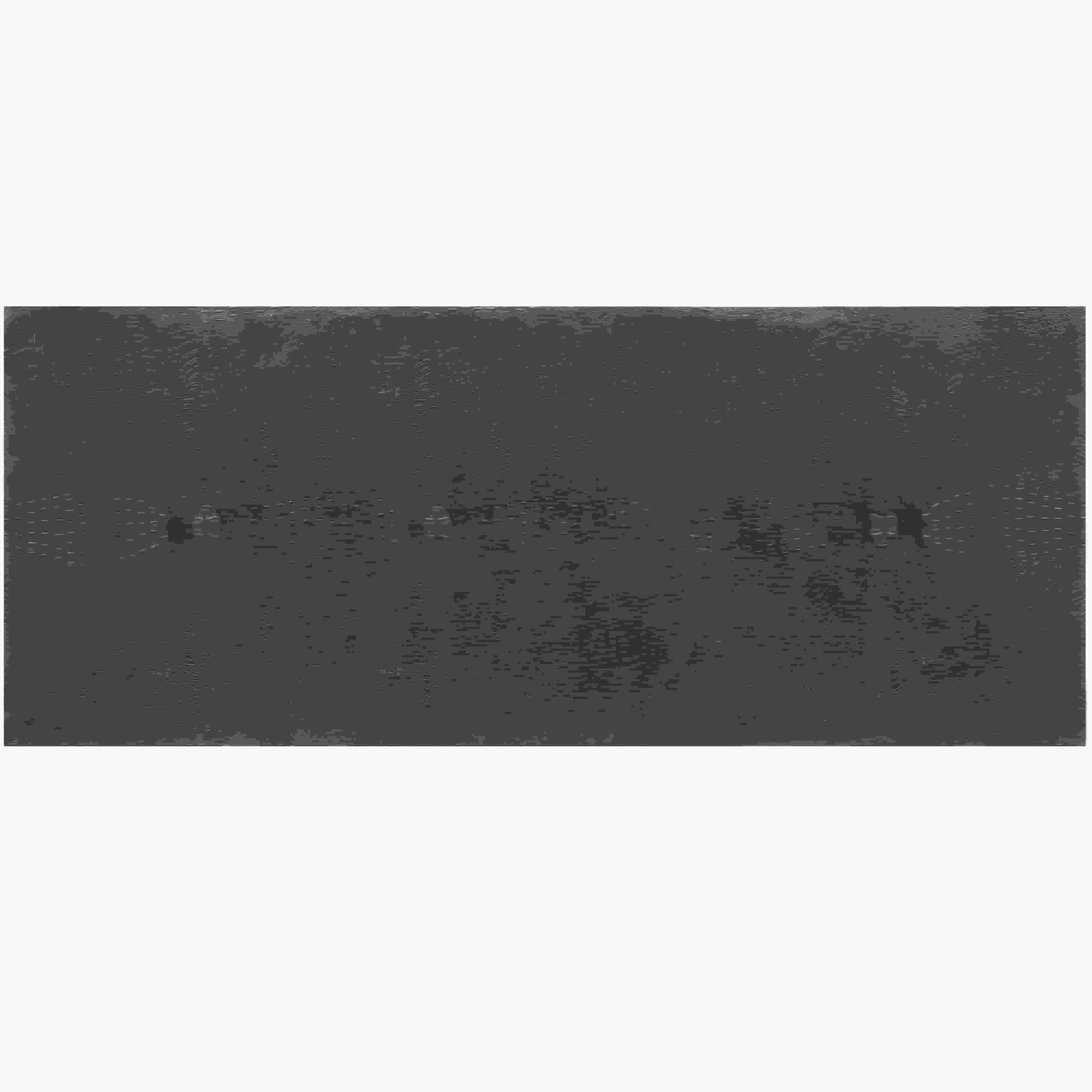
Enter modified cementitious materials, or MCM for short. You might not have heard the term before, but if you've visited a modern office building with a surprisingly lightweight stone facade or a home with walls that seem to blend seamlessly with nature, chances are you've seen MCM in action. These materials are changing the game, and at the forefront of this revolution is
Croco MCM—a company that's not just manufacturing building products, but reimagining what construction can be.
What Exactly Is MCM, and Why Does It Matter?
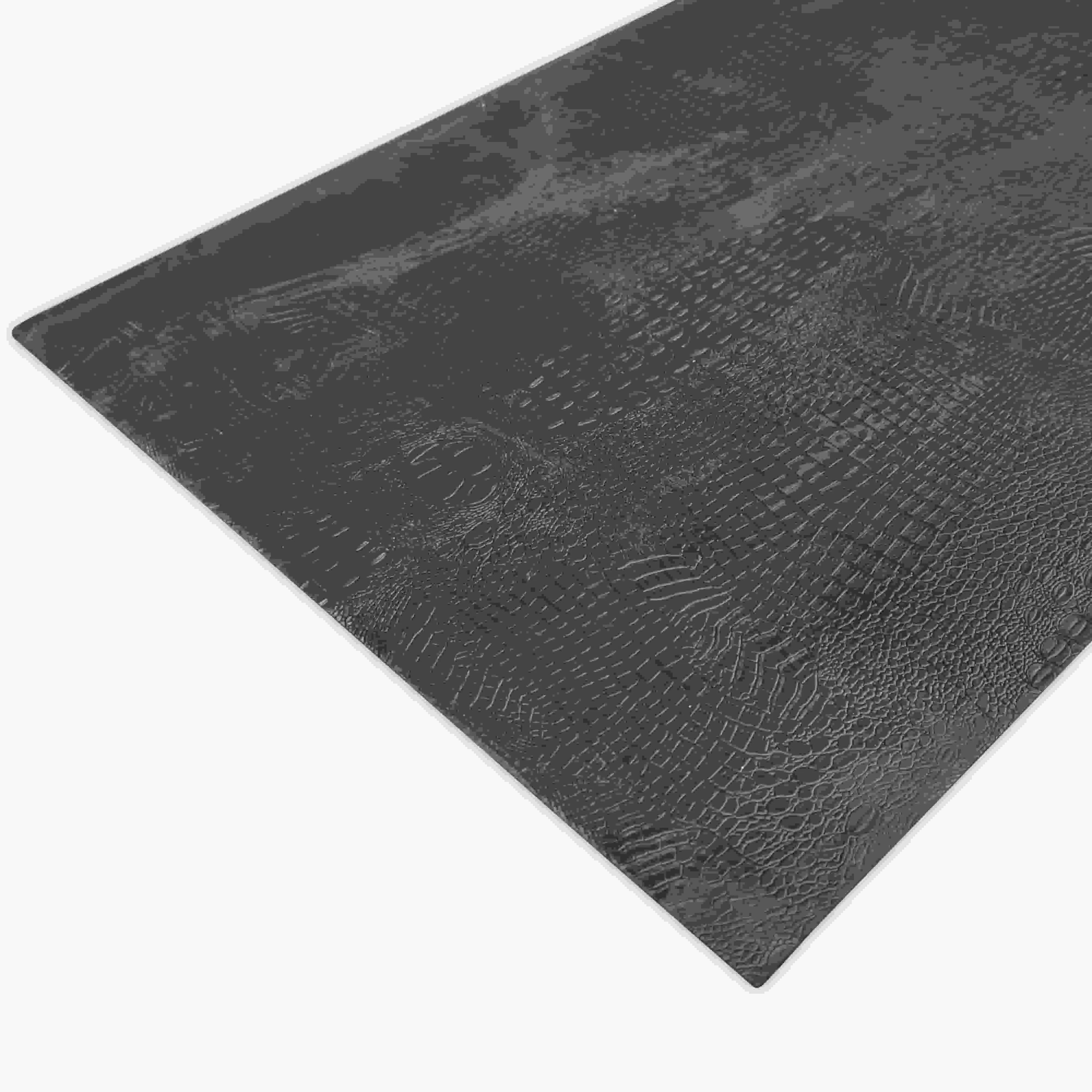
Let's break it down simply: MCM is like traditional cement's smarter, greener cousin. It starts with cement, but instead of being mixed with just sand and gravel, it's blended with polymers, fibers, and other modifiers that supercharge its performance. The result? A material that's lighter, more flexible, and far more sustainable than its ancestors. Think of it as taking the strength of concrete and the versatility of a composite, then adding a dash of design magic.
For years, construction materials were stuck in a trade-off: strong meant heavy, beautiful meant resource-heavy, and sustainable meant sacrificing durability. MCM flips that script. It's strong enough to withstand harsh weather, light enough to reduce structural loads, and designed to minimize waste from the factory to the jobsite. And for
Croco MCM, this isn't just about creating a product—it's about building a future where construction and conservation go hand in hand.
Croco MCM's Innovation Playbook: From Flexible Stone to Big Slabs
Walk into
Croco MCM's, and you'll see a team of engineers and designers obsessing over texture samples, stress-testing panels, and brainstorming ways to make buildings feel more alive. Their secret? They don't just think about materials—they think about people. Architects want to push boundaries without blowing budgets. Builders want to install faster without cutting corners. Homeowners want spaces that feel unique and timeless.
Croco's product lines are built to answer all these needs, starting with their standout innovations.
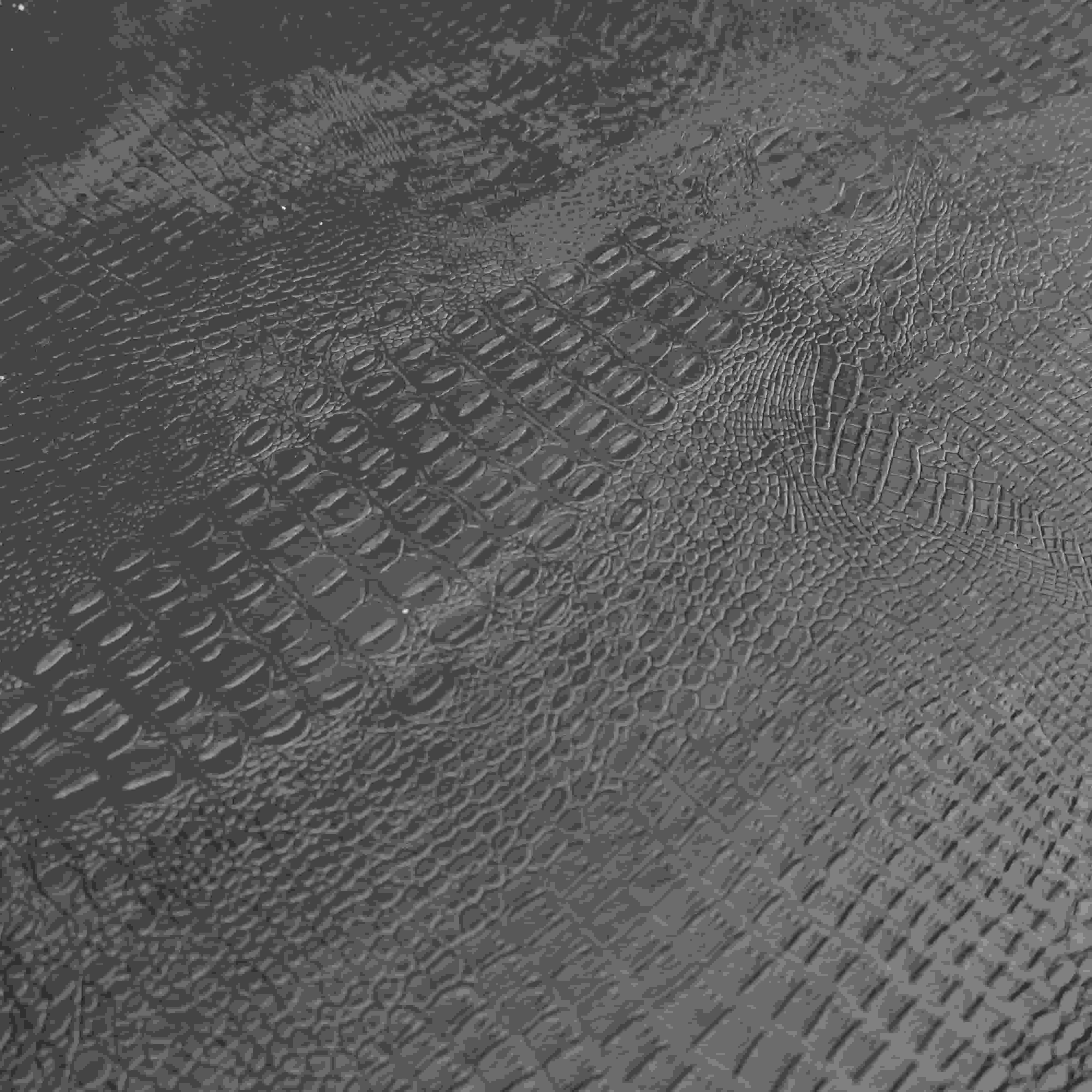
Imagine running your hand over a wall that looks like rough-hewn stone but feels surprisingly light to the touch. That's
MCM flexible stone in action. Traditional stone is heavy, brittle, and hard to install on curved surfaces or high-rise buildings.
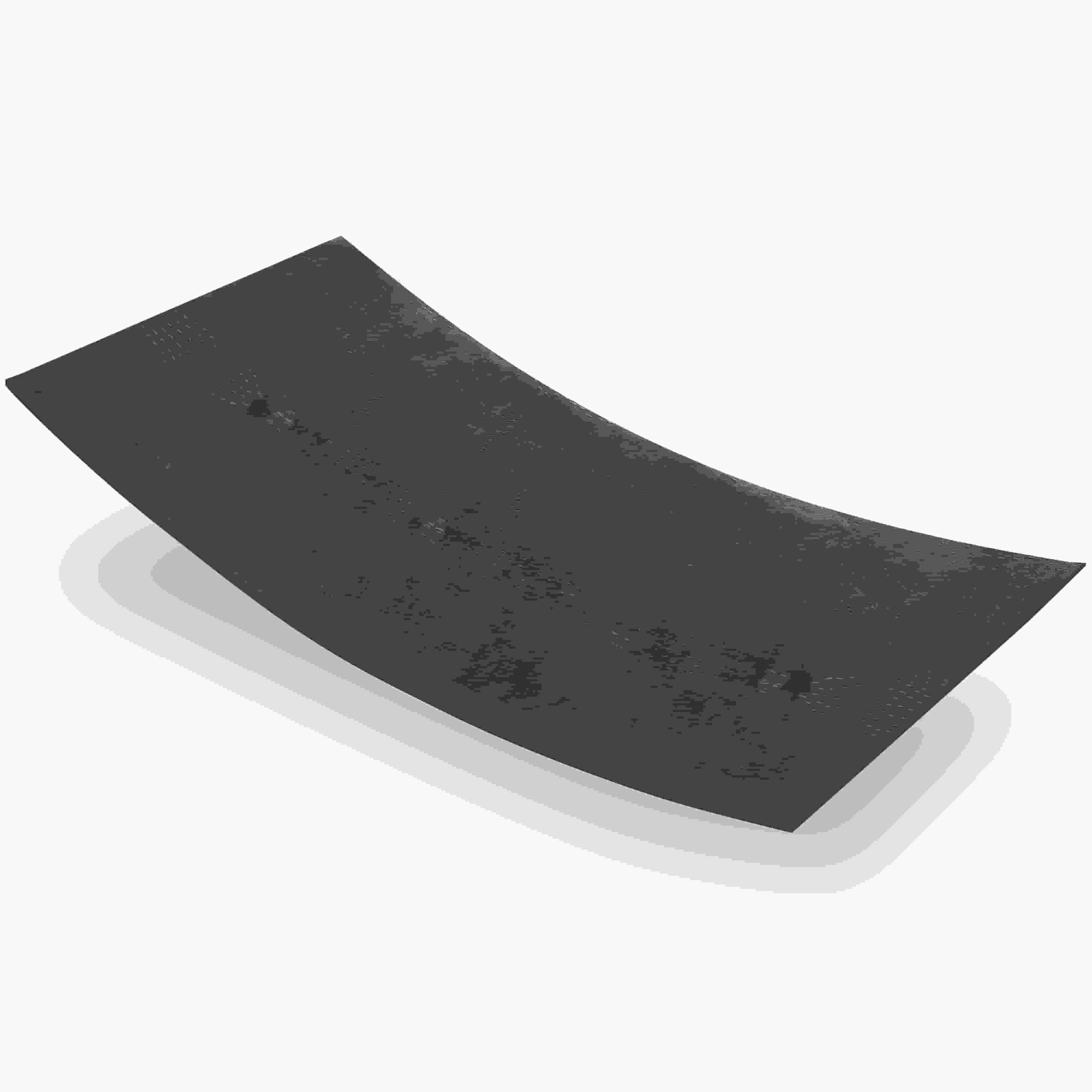
Croco's flexible stone changes that. By combining modified cement with reinforcing fibers, they've created a material that bends without breaking, weighs a fraction of natural stone, and can be applied to almost any surface—from flat facades to archways to custom furniture pieces.
"We had a client once who wanted a curved lobby wall that looked like it was carved from a single piece of
travertine," says Maria Gonzalez, an architect who specializes in sustainable commercial design. "With traditional stone, that would have meant hiring a team to chisel it on-site, tons of waste, and a price tag that made the project risky.
Croco's flexible stone let us wrap that curve perfectly, with zero on-site cutting and a third of the weight. The client was thrilled, and we cut the installation time by half."
It's not just about aesthetics, though.
MCM flexible stone is also a sustainability win. Unlike natural stone, which requires mining and transporting heavy blocks,
Croco's version uses recycled materials in its base and produces minimal waste during manufacturing. For every 1,000 square feet of flexible stone installed, the company estimates a carbon footprint reduction of up to 40% compared to traditional stone cladding. That's the kind of impact that adds up—for buildings and for the planet.
Big Slab Board Series: Less Joints, More Impact
If flexible stone is about adaptability,
Croco's big slab board series is about making a statement. These large-format panels—some as wide as 5 feet and long as 10 feet—are designed to create seamless, uninterrupted surfaces that feel grand and cohesive. Think of a hotel facade that looks like a single sheet of stone stretching from ground to roof, or a living room wall with no visible seams, just the natural flow of texture and color.
"Big slabs are a game-changer for modern design," explains Raj Patel, a construction manager with over 20 years of experience. "Back in the day, if you wanted a large stone wall, you'd have to piece together dozens of small tiles, each with grout lines that would eventually crack or discolor.
Croco's big slabs eliminate that. They're easier to install because there are fewer pieces to align, and they last longer because there are fewer weak points. Plus, the visual impact is undeniable—clients walk in and say, 'Wow, that feels expensive,' but it's actually more cost-effective than traditional methods."
And yes, they're green too. Big slabs mean fewer cuts, less waste, and fewer deliveries to the jobsite.
Croco sources its raw materials locally whenever possible, and the slabs themselves are designed to be reusable—if a building is renovated, the panels can be carefully removed and repurposed elsewhere. It's a circular approach that's rare in an industry used to "use once and discard" practices.
3D Printing Series: Customization Without Compromise
If there's one trend shaping modern construction, it's customization. Architects don't want cookie-cutter buildings, and homeowners want spaces that reflect their personalities. That's where
Croco's 3D printing series comes in. Using advanced 3D printing technology, they can create MCM panels with intricate patterns, textures, and shapes that would be impossible with traditional manufacturing.
"We worked with a school district that wanted a mural on the exterior of their new elementary school—something kid-friendly, colorful, and durable," says James Chen,
Croco's 3D printing product lead. "Instead of painting (which fades) or installing ceramic tiles (which crack), we 3D printed the mural directly into MCM panels. The kids helped design the—dinosaurs, stars, trees—and we brought it to life in 3D. Now, five years later, that mural still looks brand new, and the school uses it as a teaching tool for art and sustainability. That's the power of 3D printing with MCM—you're not just building a wall; you're building a story."
The sustainability angle here is twofold: 3D printing uses only the material needed, so there's minimal waste, and the ability to create complex designs on-site reduces the need for shipping pre-made components from overseas. It's a win for creativity and the planet, all in one.
Beyond the Lab: Real-World Impact of Croco MCM
Numbers and specs are great, but the real test of any building material is how it performs in the real world. Let's take a look at two projects where
Croco MCM has made a tangible difference—for the people who use the buildings, the teams who built them, and the environment.
Case Study 1: The Green Horizon Office Tower
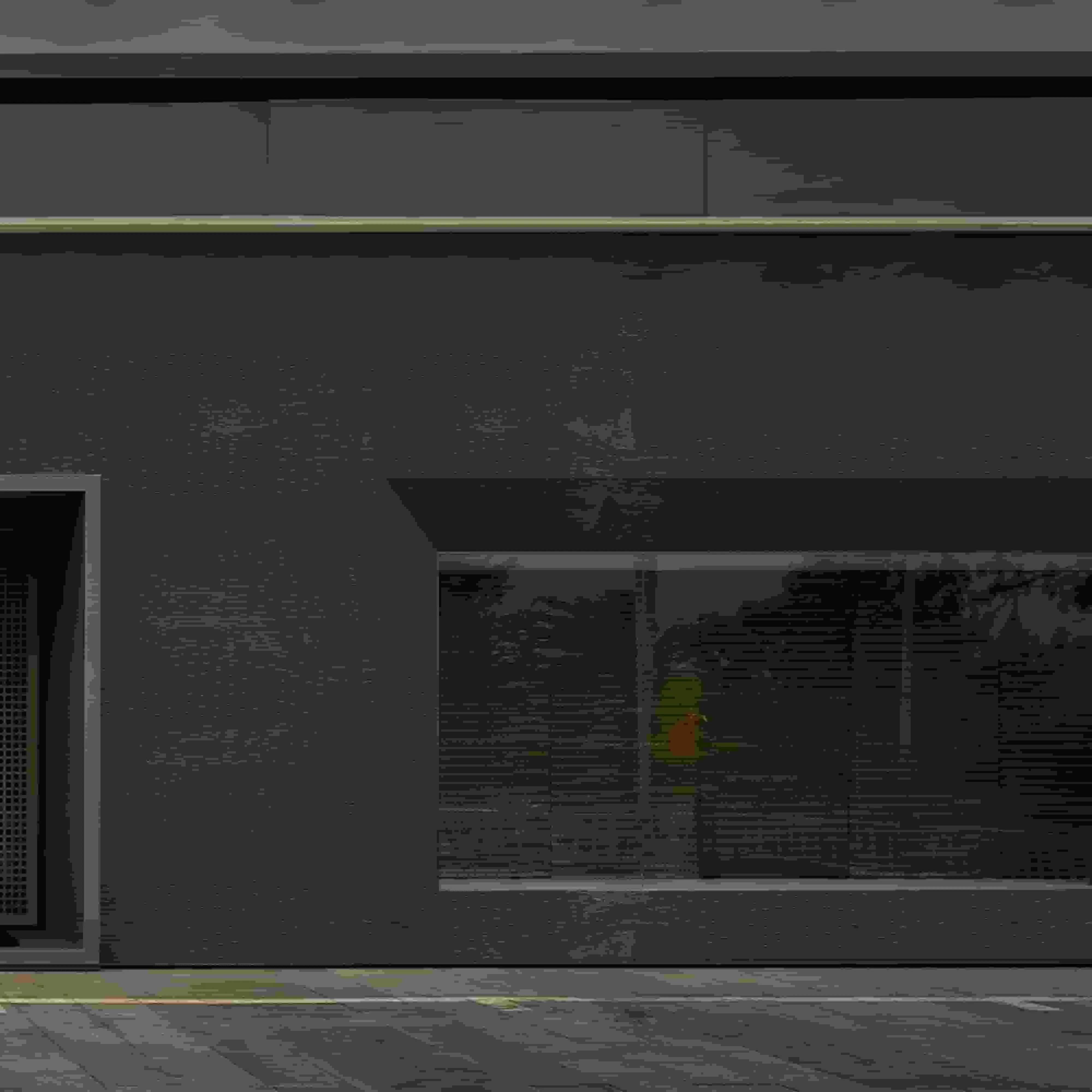
In downtown Portland, the Green Horizon Office Tower stands 18 stories tall, its facade a mix of warm beige MCM big slabs and 3D printed geometric patterns in soft gray. Designed by award-winning firm LMN Architects, the tower was built with sustainability as its core mission. "We wanted to create a building that was LEED Platinum certified, but we also didn't want to sacrifice aesthetics," says lead architect Nathan Lee. "
Croco's MCM was the key. The big slabs gave us the seamless look we wanted, and their 3D printed panels let us add custom art elements without the environmental cost."
The results speak for themselves: The tower's MCM facade weighs 60% less than traditional stone, reducing the need for heavy steel supports and cutting the building's overall carbon footprint by 22%. The 3D printed elements, which include a large-scale mural of local wildlife, were printed on-site, eliminating 12 truck deliveries and tons of packaging waste. "Tenants love the way the light plays off the MCM surfaces," Lee adds. "It feels warm, not cold like glass. And knowing it's better for the planet? That's a selling point for our clients too."
Case Study 2: The Serenity Hills Residential Community
In the suburbs of Denver, Serenity Hills is a collection of 50 single-family homes designed to blend into the natural landscape. Builder Mark Thompson chose
Croco's
MCM flexible stone for the exterior walls and fireplaces, and
fair-faced concrete for the patios and walkways. "Homeowners here want that 'mountain cabin' feel, but they also care about energy efficiency and low maintenance," Thompson explains. "
Croco's flexible stone looks like real river rock but is so much easier to install. We used it on curved fireplace surrounds and exterior accent walls, and the installers kept asking where we found it—it's lightweight, so they could carry panels by hand instead of using cranes."
The
fair-faced concrete, another
Croco staple, added to the sustainability factor. Unlike traditional concrete, which often requires chemical treatments or painting,
fair-faced concrete is left in its natural state, reducing toxic emissions and long-term maintenance costs. "One homeowner told me her energy bills are 30% lower than in her old house," Thompson says. "The MCM walls insulate better, and the
fair-faced concrete absorbs heat during the day and releases it at night. It's a win-win for comfort and the wallet."
The Future of Green Construction: Where MCM Goes Next
As the world grapples with climate change, the construction industry is under increasing pressure to innovate.
Croco MCM isn't resting on its laurels. The company's R&D team is already experimenting with new modifiers to make MCM even more durable and recyclable, and they're exploring partnerships with renewable energy companies to power their factories with solar and wind. "Our goal is to be carbon-neutral by 2030," says CEO Elena Rodriguez. "But it's not just about us. We want to lead the industry toward a future where every building is a force for good—for people, for communities, and for the planet."
Looking ahead, experts predict MCM will play a starring role in net-zero construction, retrofitting old buildings to be more sustainable, and even disaster-resistant housing. "In areas prone to earthquakes or hurricanes, lightweight, flexible materials like MCM could save lives by reducing structural damage," says Dr. Amara Patel, a civil engineering professor at Stanford. "
Croco's work in 3D printing also opens doors for rapid, on-site construction in remote areas or after natural disasters. It's not just building materials—it's humanitarian technology."
"Construction has always been about building up. Now, with MCM, it's about building up without tearing the planet down. That's the future we're working toward." — Elena Rodriguez, CEO,
Croco MCM
Why Croco MCM Matters: It's About More Than Buildings
At the end of the day, buildings are more than just walls and roofs—they're where we work, live, learn, and connect.
Croco MCM understands that. Their materials don't just build structures; they build spaces that feel human. Spaces where a child runs their hand over a 3D printed mural and dreams of becoming an artist. Where an office worker looks out at a MCM facade and feels proud to work for a company that cares about the planet. Where a family gathers around a flexible stone fireplace and feels the warmth of home, not just the fire.
Modified cementitious materials are rising, and
Croco MCM is leading the charge. They're proving that sustainability and beauty don't have to be enemies, that innovation can be accessible, and that the future of construction is lighter, greener, and more human than ever before. So the next time you walk into a building and pause to admire the walls—take a closer look. Chances are, it's not just stone or concrete. It's MCM. And it's changing the world, one panel at a time.