
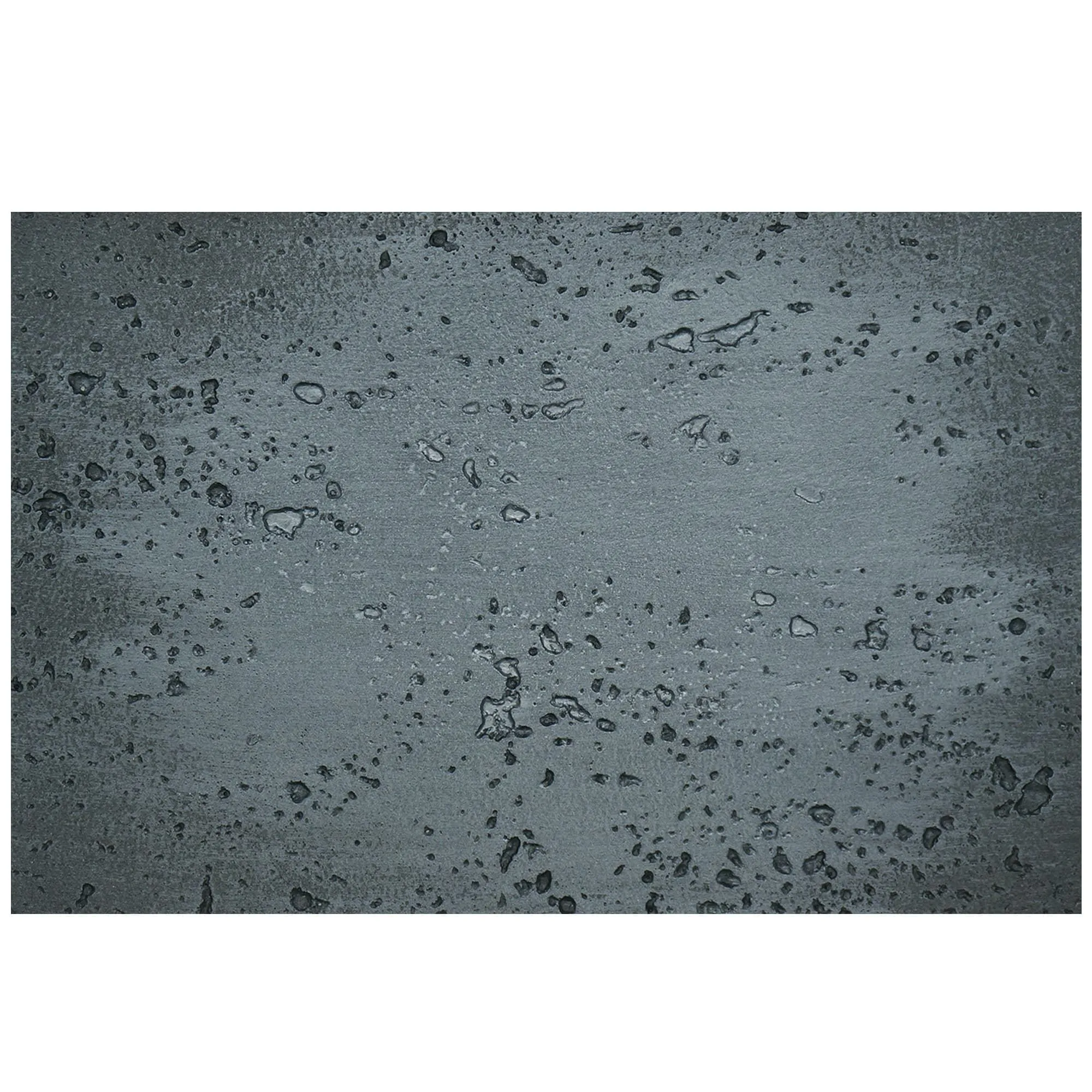
Step into a modern Riyadh villa, and you might notice it first—the soft, silvery glow underfoot, catching the light from floor-to-ceiling windows that frame the desert skyline. It's not polished marble, too cold; nor is it rough sandstone, too casual. It's travertine, but with a twist: a "vintage silver" finish that feels both ancient and new. In Saudi Arabia's evolving design landscape, where heritage meets cutting-edge modernity, this material has quietly become a star. Designers and homeowners alike are drawn to its ability to bridge worlds—echoing the timelessness of desert rock formations while fitting seamlessly into sleek, contemporary spaces. Let's explore why travertine (vintage silver) is no longer just a trend, but a cornerstone of Saudi interior design.
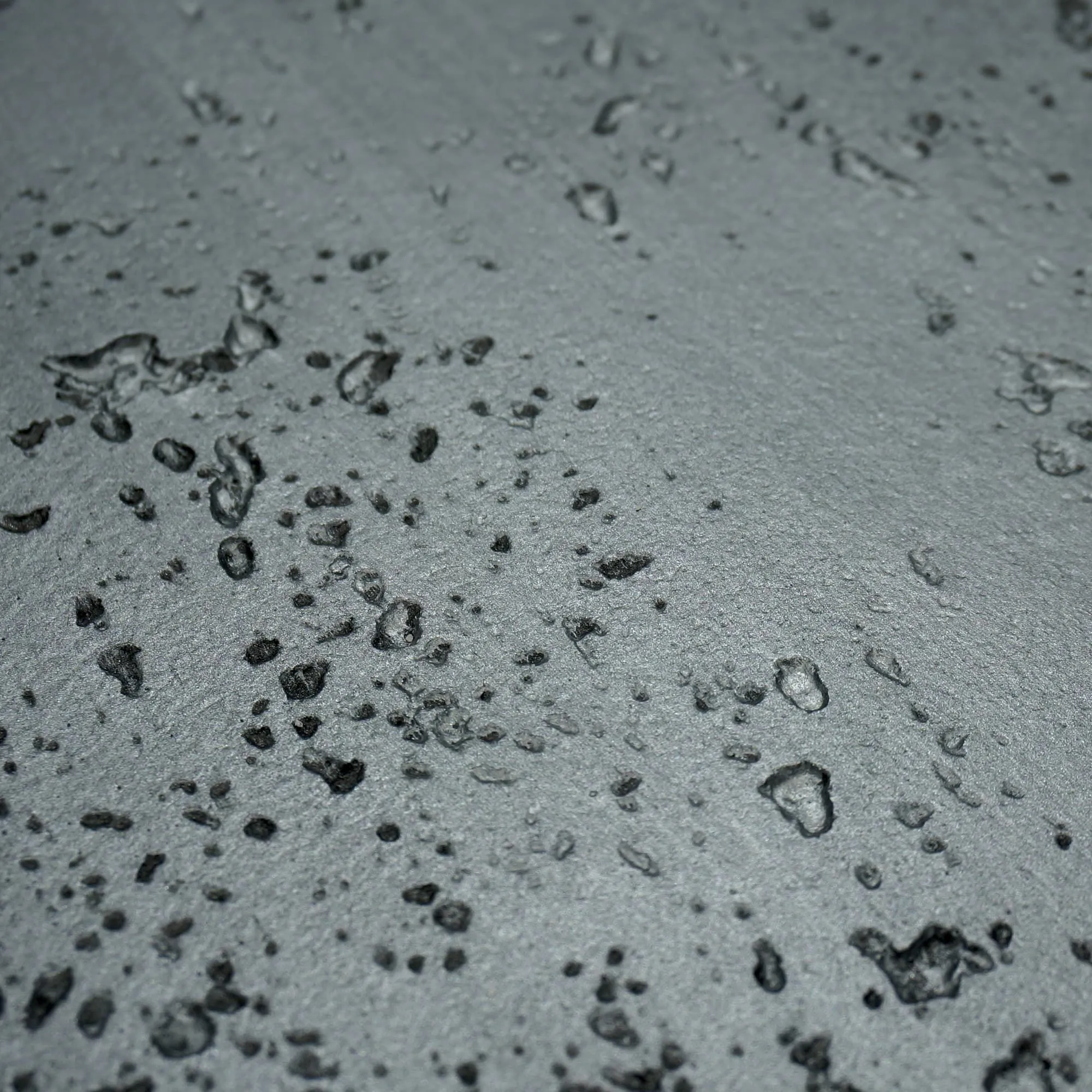
Travertine itself is a natural stone, formed over millennia by mineral-rich hot springs. Its porous, layered texture tells a story of time—bubbles trapped in the stone become tiny pockets, and mineral deposits create unique veining patterns, making each slab one-of-a-kind. But "vintage silver" isn't just a color; it's a finish that transforms this ancient material into something distinctly modern. Unlike the bright whites or warm beiges of traditional travertine, the vintage silver treatment involves subtle chemical etching and sealing that brings out cool, silvery undertones. The result? A stone that shimmers softly, like moonlight on desert sand, with a matte surface that avoids harsh reflections. Run your hand over it, and you'll feel the stone's natural pits and ridges—organic, tactile, and full of character—balanced by that gentle metallic sheen that elevates it beyond the ordinary.
"It's the texture that hooks you," says Lina Al-Mansoori, an interior designer based in Jeddah. "Travertine has always been loved here for its earthiness, but the vintage silver finish adds a layer of sophistication. It's like taking a piece of the desert and giving it a quiet glow—perfect for spaces that want to feel rooted but not stuck in the past."
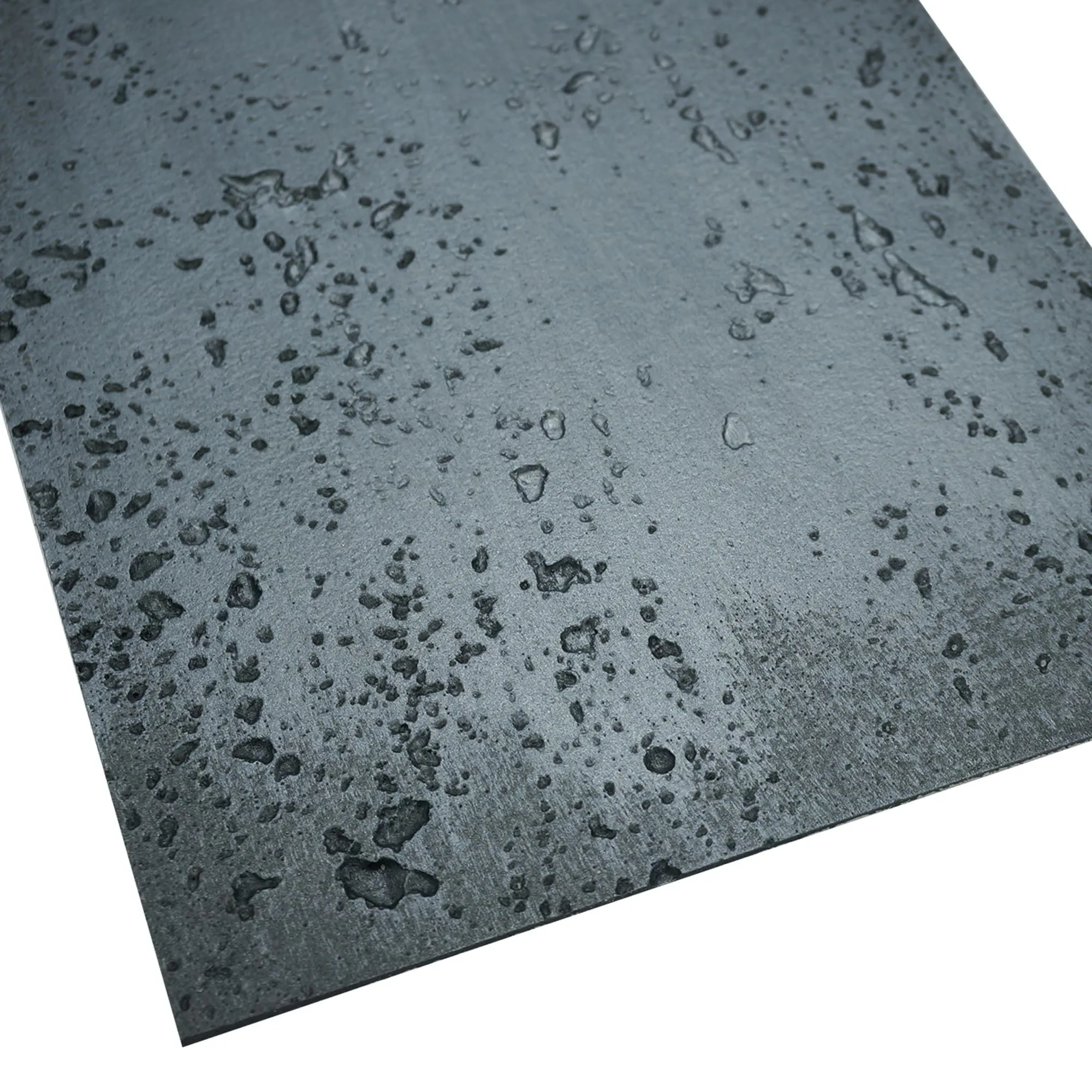
Saudi Arabia's design scene is in the midst of a renaissance. After decades of favoring opulent golds and rich marbles, there's a growing appetite for materials that feel "lived-in"—textures that tell a story, colors that calm rather than dazzle. Travertine (vintage silver) fits this shift perfectly. Its muted palette—think soft grays with hints of silver, warmed by subtle beige undertones—complements the region's love for neutral, desert-inspired hues. Unlike stark whites or bold blacks, it doesn't clash with traditional elements like carved wooden screens or handwoven rugs; instead, it acts as a backdrop, letting those heritage pieces shine.
Durability matters too. In a climate where temperatures soar and sand finds its way into every crevice, materials need to stand up to daily life. Travertine is naturally dense and heat-resistant, and the vintage silver finish—sealed to protect against stains—holds up to foot traffic, spills, and the wear of busy households. "I specify it for both residential and commercial projects," notes Riyadh-based architect Khalid Al-Zahrani. "In a hotel lobby with thousands of guests, or a family home with kids and pets, it maintains that 'just-installed' look for years. Clients love that reliability."
But perhaps its biggest draw is versatility. Travertine (vintage silver) works everywhere: floors that flow from living room to outdoor patio, bathroom walls that turn a utilitarian space into a spa-like retreat, kitchen countertops that pair with brass fixtures for understated luxury. It even shines as a statement piece—think a feature wall in a bedroom, where its texture adds depth without overwhelming the room. "It's not a 'one-trick pony,'" says Al-Mansoori. "You can dress it up with chandeliers and silk cushions, or keep it minimal with concrete and steel. Either way, it feels intentional."
No material exists in a vacuum, and travertine (vintage silver) truly comes alive when paired with others that enhance its strengths. Saudi designers are getting creative, mixing it with everything from industrial metals to artisanal textiles. Here's how some of the most popular companions work:
| Material | Texture & Look | Best For | Aesthetic Vibe |
|---|---|---|---|
| Travertine (Vintage Silver) | Matte surface with silvery-gray veining; natural pits and ridges | Floors, walls, countertops | Timeless, desert-inspired warmth with a modern sheen |
| Foamed Aluminium Alloy Board (Vintage Silver) | Lightweight, porous metal with a brushed, metallic finish | Ceiling panels, decorative screens | Industrial-chic contrast; adds airiness and subtle shimmer |
| Fair-Faced Concrete | Raw, unpolished surface with visible aggregate and texture | Backsplashes, fireplace surrounds | Minimalist, authentic; balances travertine's organic softness |
| Lunar Peak Silvery | Smooth, stone-like surface with a cool, silvery-white tone | Accent walls, vanity tops | Cohesive, monochromatic elegance; amplifies the "vintage" theme |
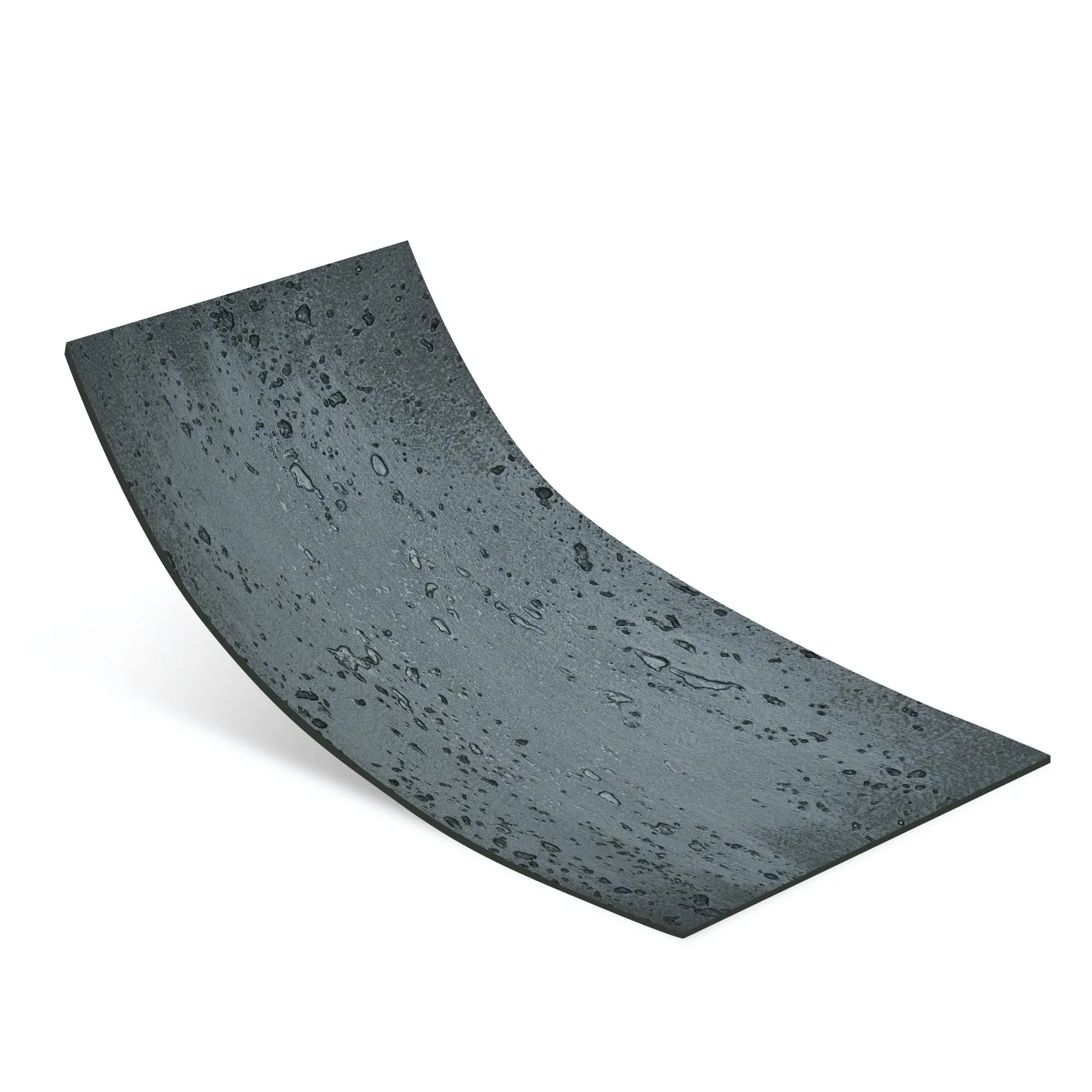
| MCM Flexible Stone | Thin, bendable stone veneer with natural travertine texture | Curved walls, furniture accents | Fluid, sculptural; adds movement to rigid spaces |
Take, for example, the combination of travertine (vintage silver) floors with foamed aluminium alloy board (vintage silver) ceiling panels in a Riyadh restaurant. The stone grounds the space, while the lightweight metal adds height and a touch of industrial edge—perfect for a venue that wants to feel modern but not sterile. Or consider a bathroom where travertine (vintage silver) walls meet fair-faced concrete countertops: the stone's warmth softens the concrete's starkness, creating a space that feels both rugged and refined.
In a sprawling villa in north Riyadh, designer Lina Al-Mansoori used travertine (vintage silver) throughout the main living areas. "The client wanted a home that felt 'grand but not flashy,'" she recalls. "We laid large-format travertine slabs on the floors—60x60cm—with minimal grout lines to create a seamless look. The walls in the formal living room are also travertine, paired with a fireplace clad in Lunar Peak Silvery stone. The effect? A space that feels open and light, with layers of texture that draw the eye without overwhelming." The client, a family with three children, particularly appreciates how the stone hides minor scratches and spills. "They host often, and the floors still look brand-new two years later," Al-Mansoori adds.
For a boutique hotel in Jeddah's Al-Balad district—a historic area undergoing restoration—architect Khalid Al-Zahrani wanted to honor the neighborhood's heritage while appealing to modern travelers. He chose travertine (vintage silver) for the guest room walls and bathroom floors. "Al-Balad is full of old stone buildings, so the travertine connects the hotel to its surroundings," he explains. "But the vintage silver finish gives it a contemporary twist that guests love. We paired it with woven rattan headboards and brass fixtures—traditional materials with a modern silhouette—and the result is rooms that feel both rooted in place and totally current."
A tech startup in Dammam wanted an office that felt creative but professional. Designer Noura Al-Sayed turned to travertine (vintage silver) for the reception area, using it for the front desk and accent wall. "We mixed it with fair-faced concrete for the main walls and foamed aluminium alloy board (vintage silver) for the ceiling," she says. "It's a bold combination—industrial and organic at once—but it works. Clients walk in and immediately comment on how 'un-office-like' it feels. The travertine softens the concrete, making the space feel welcoming, while the aluminium adds energy. It's exactly what the startup wanted: a space that inspires innovation without feeling cold."
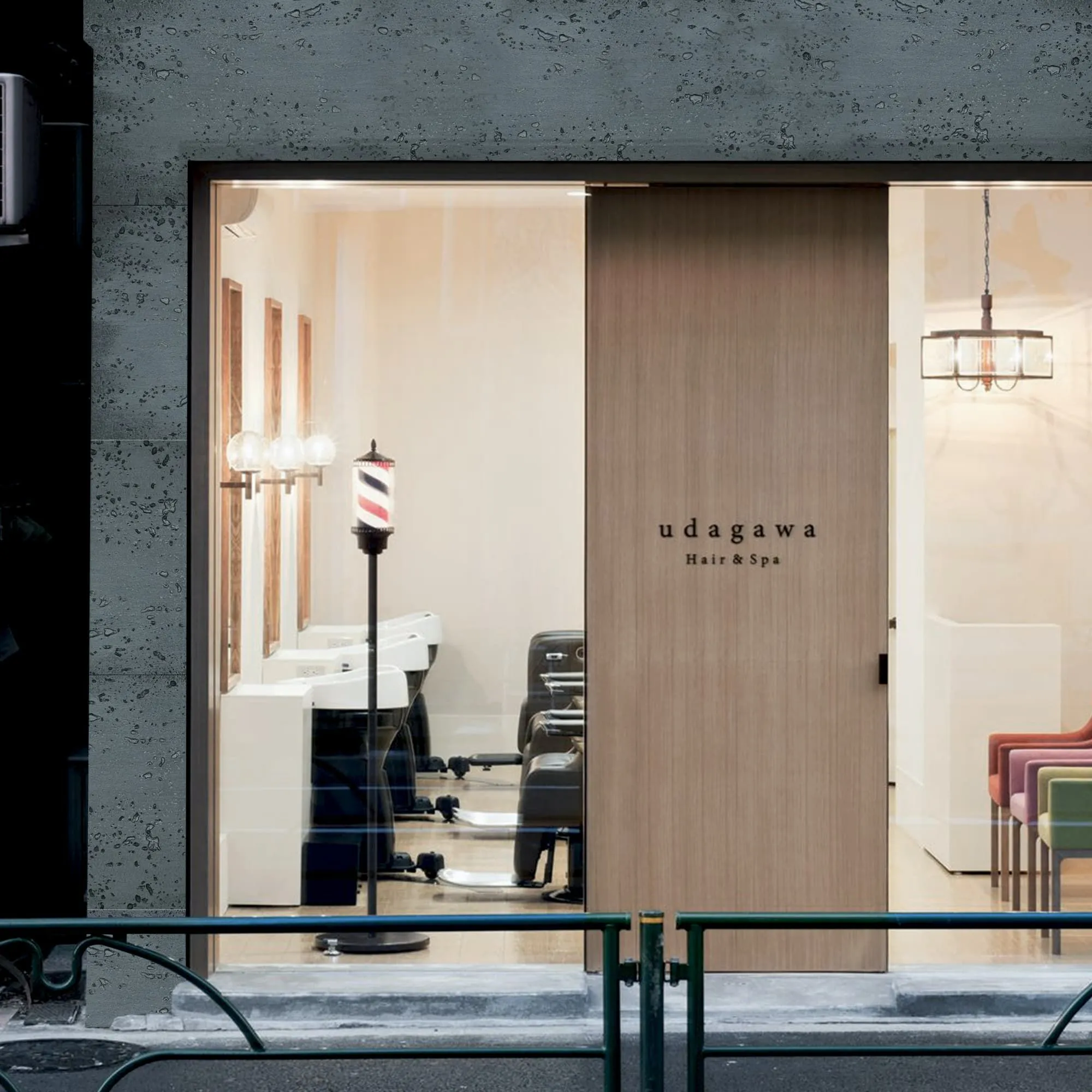
We spoke to three leading Saudi designers to get their take on travertine (vintage silver)'s growing popularity. Here's what they had to say:
So, is this just a passing trend? Designers don't think so. "Travertine has been used in architecture for centuries—think the Colosseum in Rome," notes Al-Zahrani. "The vintage silver finish is just a new chapter in its story. As Saudi design continues to mature, we're gravitating toward materials with history and soul. This stone has both."
Innovations are also keeping it fresh. Manufacturers are experimenting with larger slab sizes (up to 120x240cm) for more seamless installations, and new sealing technologies are making maintenance even easier. Some designers are even using it in unexpected ways—like custom furniture, where travertine (vintage silver) tabletops become the centerpiece of a dining room.
At its core, though, the appeal is emotional. In a world that moves fast, there's comfort in a material that feels steady, reliable, and deeply connected to the earth. Travertine (vintage silver) doesn't shout; it whispers. It says, "This space was made to last." And in Saudi Arabia, where family, legacy, and tradition are cherished, that message resonates.
So the next time you step into a Saudi home or hotel and feel that subtle, silvery warmth underfoot, take a moment to appreciate it. It's more than just stone—it's a symbol of a design culture coming into its own, one that honors the past while building something beautiful for the future. And in that, travertine (vintage silver) has found its place: not just as a material, but as a storyteller.
Recommend Products












