
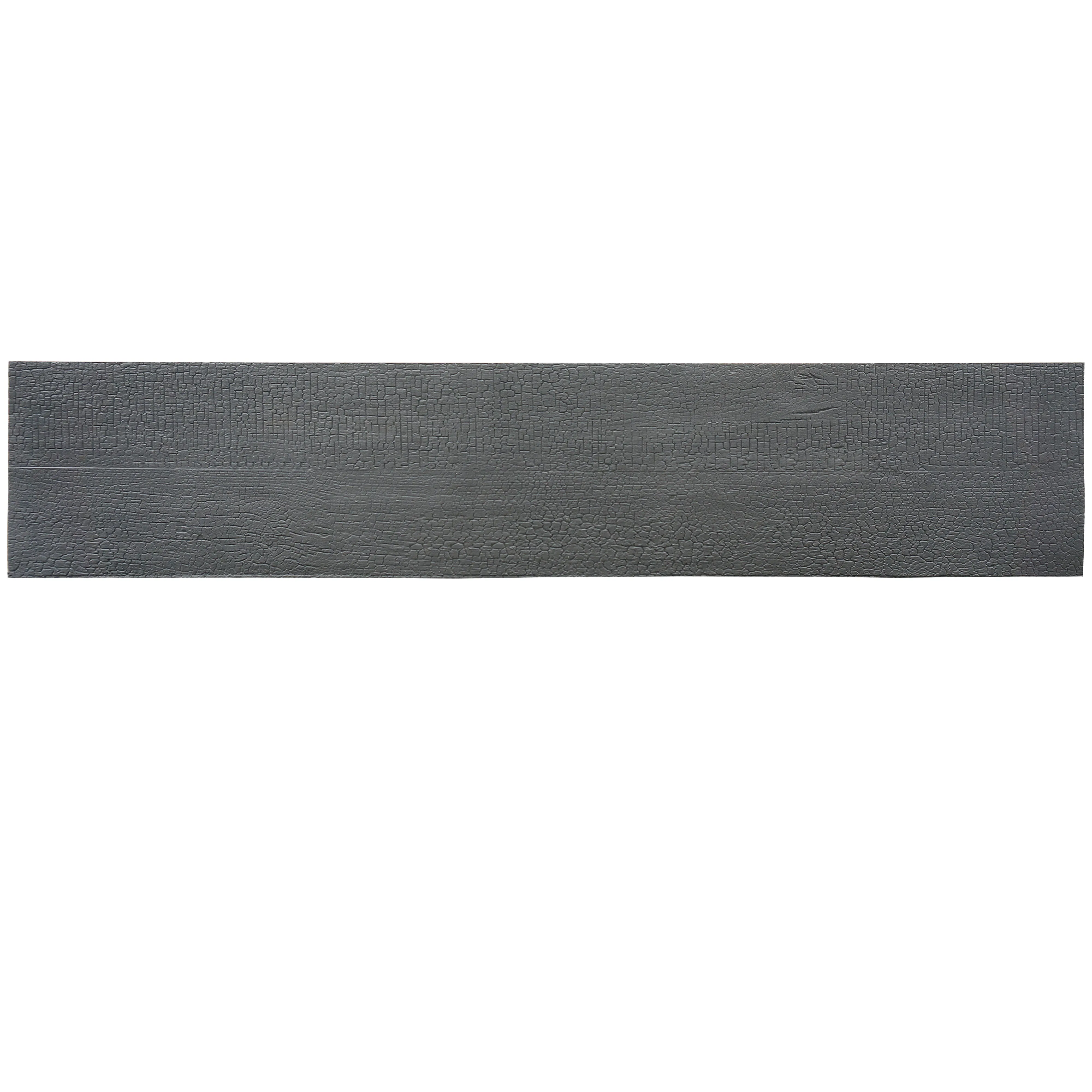
In the world of architecture, a building's facade is more than just a protective shell—it's a narrative. It speaks to the building's purpose, its relationship with the environment, and the emotions it aims to evoke. Modern design, with its love for clean lines and minimalist aesthetics, often risks feeling cold or impersonal. This is where materials like charcoal burnt wood board step in: not just as a surface, but as a bridge between the sleekness of contemporary design and the warmth of nature. It's a material that doesn't just cover walls; it adds soul.
Today, architects and designers are on a quest to create spaces that feel both cutting-edge and grounded. They're blending industrial elements with organic textures, and seeking materials that age gracefully, telling richer stories over time. Charcoal burnt wood board, with its charred surfaces, deep hues, and tactile grain, has emerged as a star player in this movement. Let's explore why this ancient technique, reimagined for the modern age, is becoming indispensable in facade design.
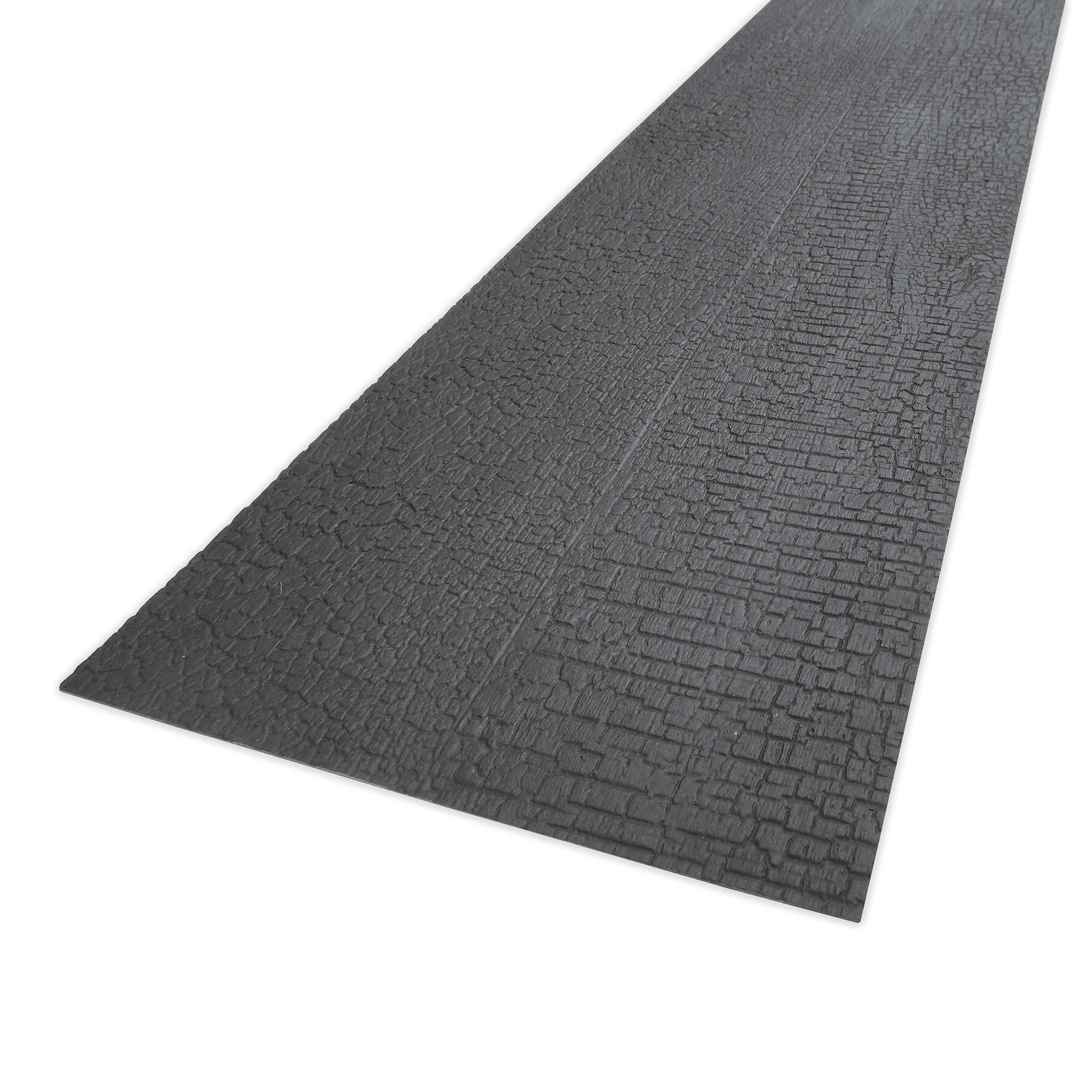
At its core, charcoal burnt wood board is the result of a controlled burning process that transforms ordinary wood into something extraordinary. While its roots can be traced back to traditional techniques like Japan's shou sugi ban —where cedar wood is burned to enhance durability—modern iterations have refined the process for contemporary applications. The wood (often pine, cedar, or oak) is subjected to intense heat, which chars the surface, creating a layer of carbon that acts as a natural barrier against moisture, pests, and decay.
The magic lies in the details. No two boards are identical: the burning process creates unique patterns—swirls of black and umber, cracks that mimic tree bark, and patches where the wood's natural color peeks through like hidden treasures. Run your hand over it, and you'll feel a subtle roughness, a texture that invites touch—a stark contrast to the smooth, uniform surfaces of synthetic materials. It's a material with "memory": the charring process preserves the wood's original grain, so each board carries the story of the tree it came from, now amplified by fire.
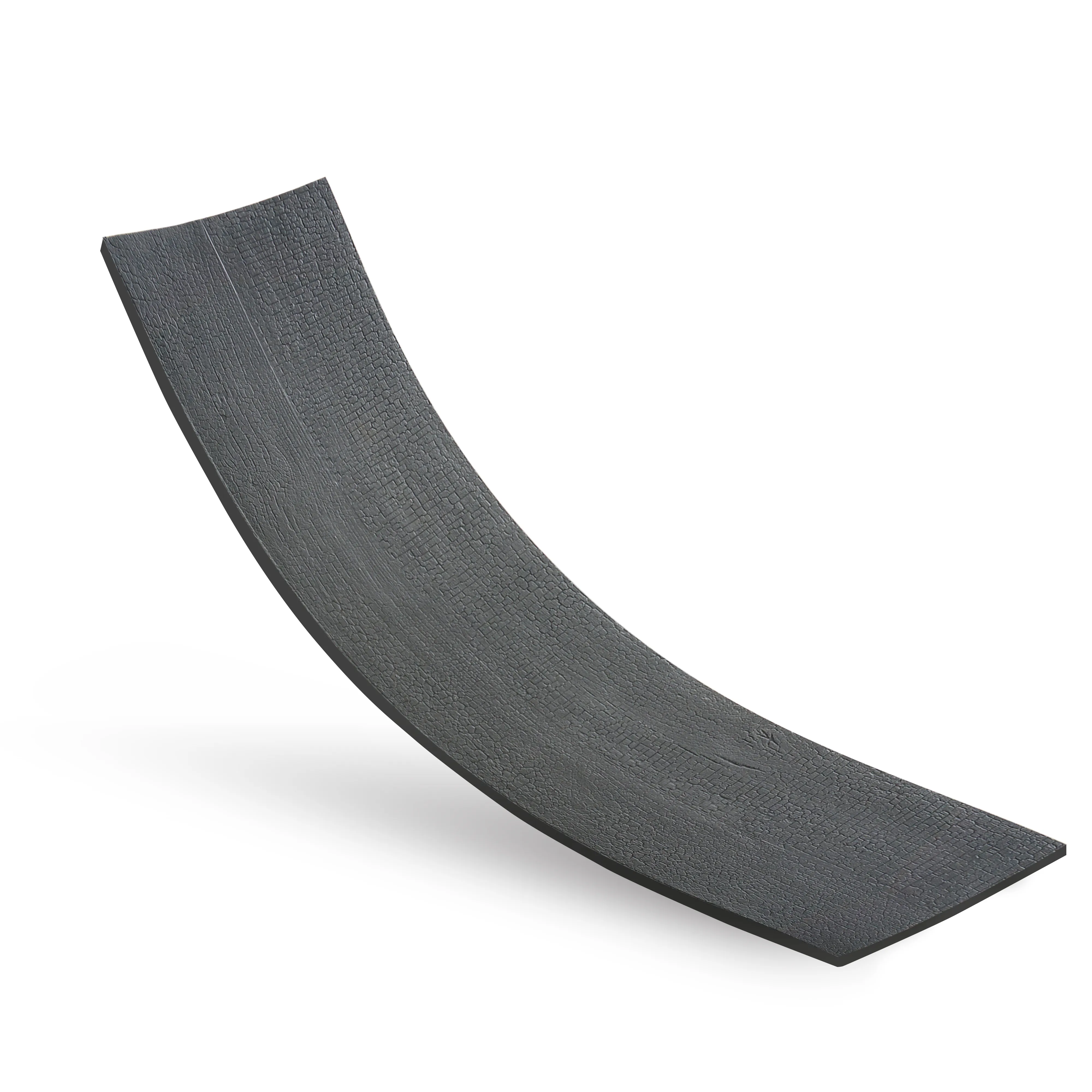
Modern facade design often leans on monochromatic palettes and sleek materials like glass, steel, or fair-faced concrete . While these create a striking, futuristic look, they can lack the warmth that makes a building feel welcoming. Charcoal burnt wood board counterbalances this by introducing organic warmth. Imagine a minimalist home with a facade of smooth, gray fair-faced concrete —stunning, but perhaps a touch sterile. Now add panels of charcoal burnt wood board: suddenly, the facade comes alive. The deep blacks and browns of the charred wood contrast beautifully with the concrete's coolness, creating a dance of light and shadow that changes with the sun's position.
Texture is another superpower of this material. Unlike flat paints or glossy tiles, charcoal burnt wood board has depth. When sunlight hits it, the charred surface absorbs some light and reflects others, creating a dynamic, ever-changing appearance. At dawn, it might glow with amber undertones; at dusk, it could deepen into almost-black, blending with the night sky. This versatility makes it ideal for designers who want facades that evolve with the day, rather than remaining static.
Color-wise, it's surprisingly adaptable. While "charcoal" suggests dark tones, the burning process can be adjusted to create lighter shades—soft grays with hints of brown, or even reddish hues, depending on the wood type and burning duration. This range allows it to complement a variety of design styles, from industrial lofts to coastal homes. Pair it with wood grain board for a layered wood aesthetic, or with metallic accents for a touch of luxury; it never feels out of place.
A great facade material must do more than look good—it needs to perform. Charcoal burnt wood board excels here, thanks to its unique manufacturing process. The charring layer isn't just for show: it's a natural preservative. By burning the wood's surface, we create a barrier that repels water, resists rot, and deters insects. This means less maintenance over time—no need for frequent painting, staining, or sealing. Unlike untreated wood, which fades or warps with exposure to rain and sun, charcoal burnt wood board ages like fine wine: its color deepens slightly, and its texture becomes more pronounced, but it remains structurally sound for decades.
Sustainability is another key advantage. In an era where eco-conscious design is non-negotiable, this material shines. Because it's made from renewable wood, and its longevity reduces the need for frequent replacements, it has a lower environmental footprint than many synthetic alternatives. Additionally, the burning process requires no toxic chemicals, making it a healthier choice for both the planet and the people who interact with the building. It's a material that aligns with the "circular design" philosophy—one that respects nature's resources while delivering long-term value.
Charcoal burnt wood board isn't limited to one type of building. Its versatility makes it suitable for everything from cozy residential facades to bold commercial structures. Let's take a closer look at how it's being used:
Residential Design: Imagine a suburban home where the facade combines horizontal planks of charcoal burnt wood board with vertical wood grain board accents. The contrast in direction and texture adds visual interest, while the warm tones make the house feel inviting. For urban townhouses, it can be used as a feature wall, breaking up the monotony of brick or concrete and adding a touch of nature to the cityscape.
Commercial Spaces: Cafés, boutiques, and offices are using charcoal burnt wood board to create memorable first impressions. A coffee shop with a facade of charred wood feels rustic yet modern, drawing customers in with its cozy, cabin-like vibe. Tech offices, aiming to balance innovation with comfort, pair it with glass walls and fair-faced concrete floors, creating spaces that feel both forward-thinking and grounded.
Public Buildings: Libraries, community centers, and museums are also embracing this material. A library facade clad in charcoal burnt wood board sends a message: this is a space for reflection, for connecting with stories—much like the material itself, which carries its own history. In public parks, pavilions with charred wood exteriors blend seamlessly with the surrounding trees, creating shelters that feel like part of the landscape.
Charcoal burnt wood board is a team player. It shines brightest when paired with materials that highlight its strengths. Here are a few perfect matches:
| Material | Why They Work Together | Design Vibe |
|---|---|---|
| Fair-Faced Concrete | Concrete's cool, gray surface contrasts with the wood's warmth, creating a balanced industrial-organic look. | Modern Industrial |
| Wood Grain Board | Layered wood textures add depth—charred for drama, wood grain for subtlety—creating a rich, natural palette. | Rustic Modern |
| Epoch Stone | Epoch stone's earthy, stone-like texture complements the wood's organic feel, evoking a connection to the earth. | Timeless & Grounded |
| Glass | Transparent glass allows light to filter through, highlighting the wood's texture while keeping the facade light and airy. | Light-Filled Minimalism |
Take, for example, a community center designed with a facade of charcoal burnt wood board and epoch stone . The wood adds warmth and texture, while the epoch stone—with its rough, stone-like finish—adds ruggedness, creating a space that feels both welcoming and durable, perfect for a hub of activity.
As the world becomes more urbanized, people are craving connections to nature more than ever. This has given rise to biophilic design—the practice of integrating natural elements into built environments to improve well-being. Charcoal burnt wood board is perfectly positioned to lead this trend. Its natural origin, tactile texture, and earthy colors make it a powerful tool for bringing "nature inside out" on building facades.
Designers are also experimenting with new ways to use it. Some are combining it with 3D-printed elements for dynamic, sculptural facades; others are using it in modular systems that allow for easy installation and customization. There's even a growing interest in pairing it with sustainable materials like foamed aluminium alloy board (in vintage silver or gold) for a mix of natural and metallic textures, creating facades that feel both ancient and futuristic.
Another trend is the focus on "aging gracefully." Unlike materials that degrade or fade, charcoal burnt wood board gets better with time. Rain and sun will soften its edges slightly, but its core durability remains, meaning the facade will look even more characterful in 10 or 20 years. This aligns with the modern desire for buildings that are not just beautiful on day one, but become more meaningful as they age.
Charcoal burnt wood board is more than a passing trend. It's a material that honors tradition—drawing on ancient wood-burning techniques—while embracing the needs of modern design. It solves the problem of cold minimalism by adding warmth, addresses sustainability concerns with its eco-friendly production, and offers endless versatility for creative expression.
In a world where buildings often feel interchangeable, charcoal burnt wood board helps create facades with personality—facades that don't just stand out, but resonate . They tell stories of craftsmanship, of nature's resilience, and of design's power to connect people to their surroundings. As we move forward, this material will continue to play a vital role in shaping buildings that are not just structures, but sanctuaries—spaces that feel both new and familiar, bold and comforting.
So the next time you pass a building with a charred wood facade, take a moment to appreciate it. It's not just wood and fire; it's a material that's redefining what modern design can feel like—one burnt plank at a time.
Recommend Products












