
In an era where buildings account for nearly 40% of global energy consumption and 30% of greenhouse gas emissions, the race to construct more sustainably has never been more critical. Enter LEED (Leadership in Energy and Environmental Design) certification—a globally recognized symbol of green building excellence. But here's the thing: earning LEED credits isn't just about installing solar panels or energy-efficient windows. It starts with the bones of the building itself: the materials. Today, we're diving into a material that's quietly revolutionizing sustainable construction: Crossare Mushroom Stone043. Let's unpack why this unassuming stone is becoming a go-to for architects and developers aiming for LEED gold (and beyond).
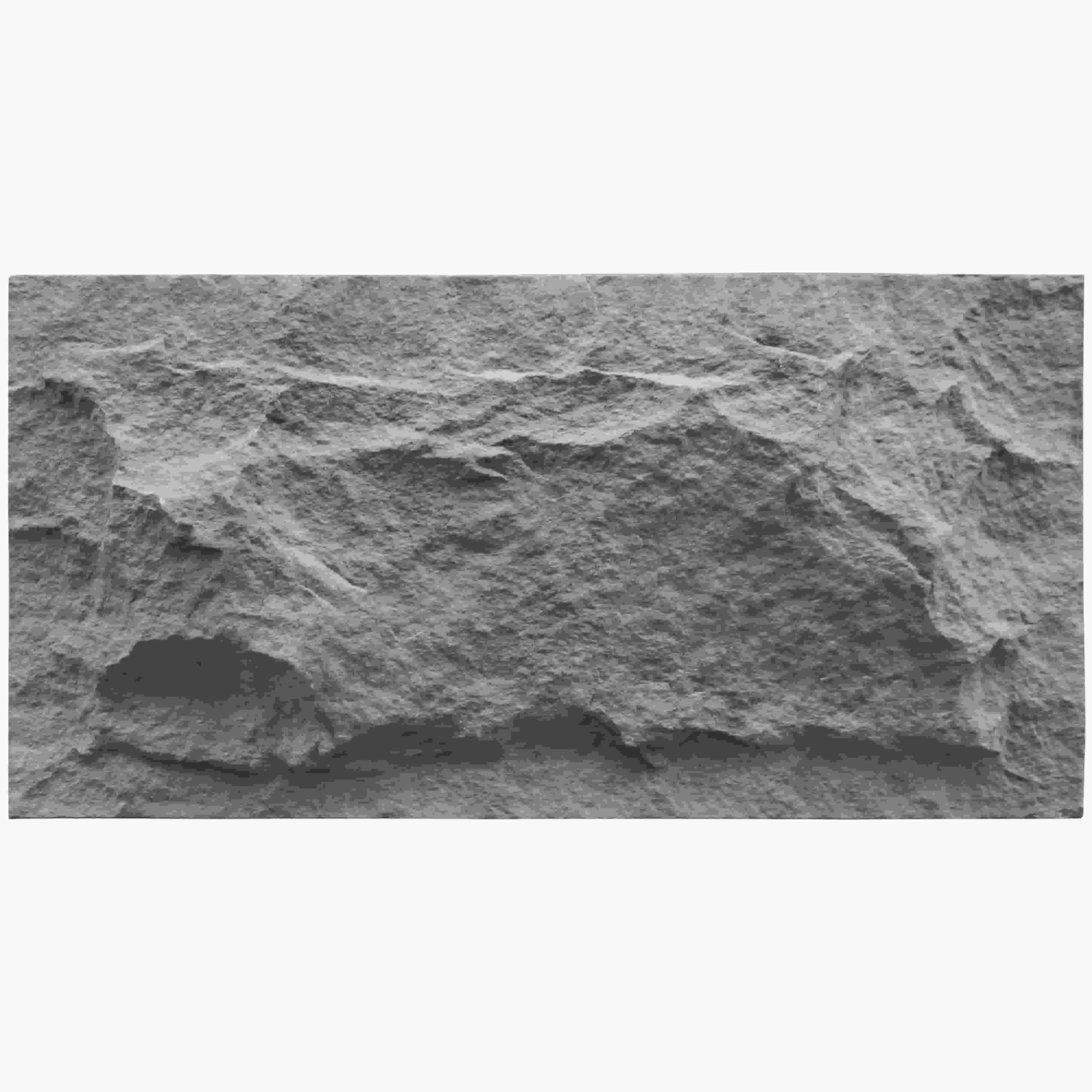
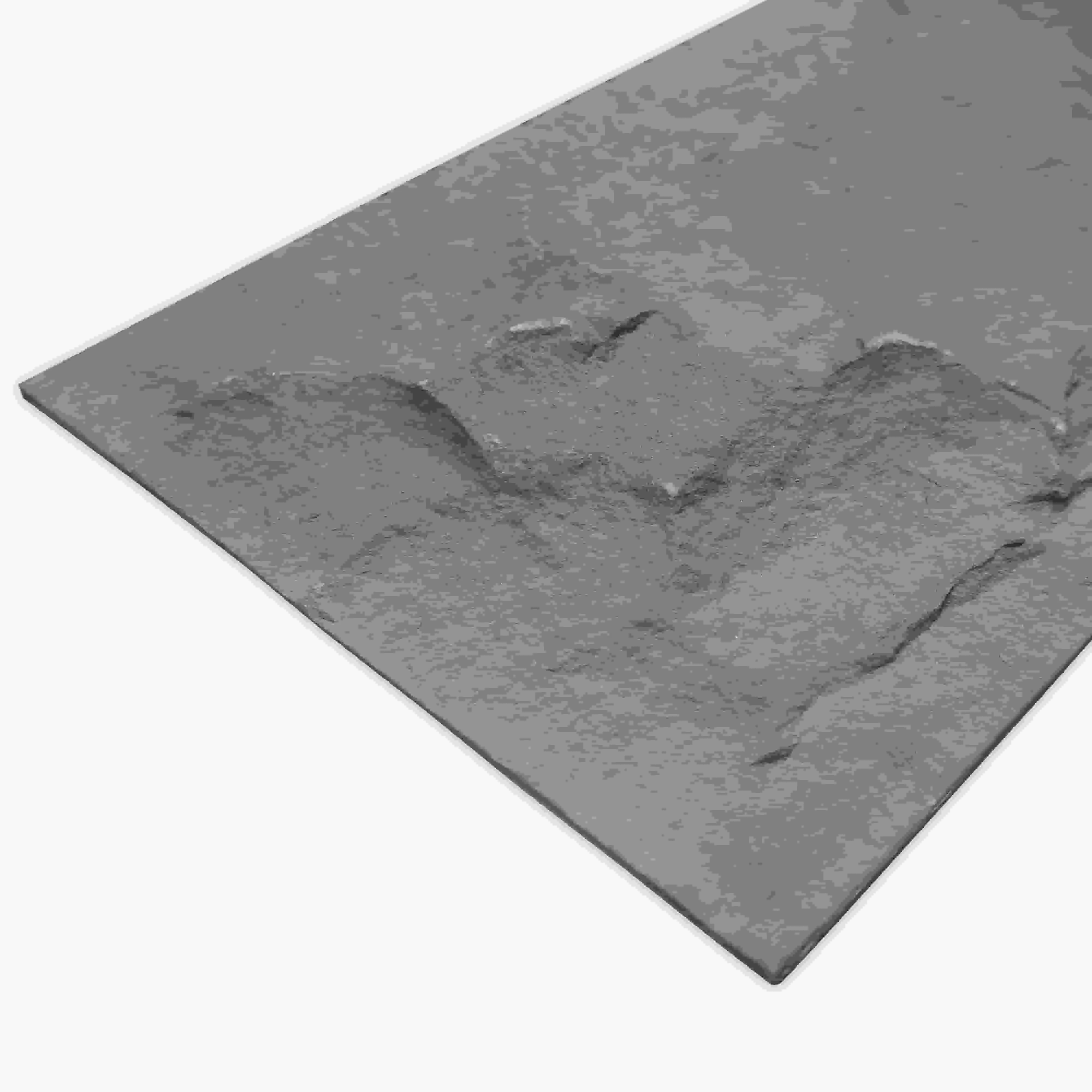
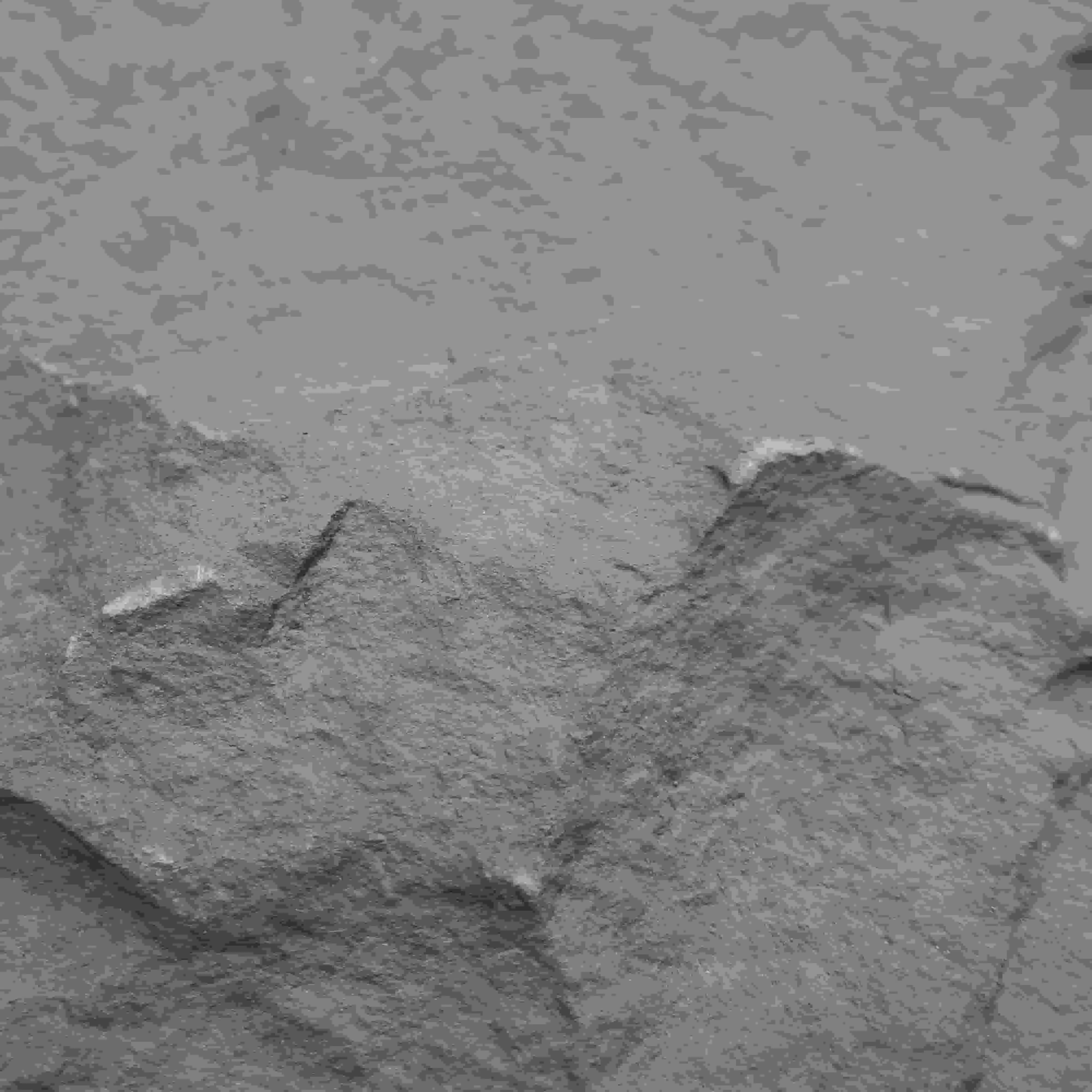
First off, let's demystify the name. Crossare Mushroom Stone043 isn't some exotic rock pulled from a remote mountain (though it does have a earthy, organic vibe). It's an engineered stone, crafted by blending recycled natural aggregates, mineral binders, and a dash of innovation. Think of it as nature's resilience meets human ingenuity. What sets it apart? Its unique "mushroom cap" texture—subtle, undulating, and surprisingly versatile—and a composition that prioritizes sustainability without skimping on durability.
Unlike traditional concrete or marble, which often require intensive mining and high-carbon manufacturing, Crossare Mushroom Stone043 leans into circularity. Up to 65% of its raw materials are recycled: crushed glass from old windows, reclaimed stone dust from quarry waste, and even leftover ceramic tiles. That's a big deal for LEED, where "reducing waste" is more than a buzzword—it's a credit category.
But it's not just about recycling. The stone is also breathable, thanks to its porous structure, which helps regulate indoor humidity. And unlike synthetic materials that off-gas harmful VOCs (volatile organic compounds), it's inert—meaning it won't release toxic fumes into your living or working space. For anyone who's ever walked into a newly painted room and felt that "chemical" smell, you know why this matters.
LEED certification is all about earning points across several categories: Energy and Atmosphere (EA), Materials and Resources (MR), Indoor Environmental Quality (EQ), and more. Let's break down how Crossare Mushroom Stone043 ticks these boxes.
LEED's MR category is where Crossare Mushroom Stone043 truly shines. Take MR Credit 4: Recycled Content. To earn points here, a project needs at least 10% (based on cost) of materials to contain recycled content. Crossare Mushroom Stone043 blows this out of the water with that 65% recycled aggregate mix. That's not just a point— that's a statement about commitment to circularity.
Then there's MR Credit 5: Regional Materials. Transportation of building materials is a hidden carbon culprit. Crossare Mushroom Stone043 is manufactured locally in most regions (think within 500 miles of the project site), slashing the emissions tied to shipping. Compare that to imported marble, which might travel 10,000 miles before reaching a job site—suddenly, "local" feels like a superpower.
And let's not forget durability. MR Credit 3 focuses on building life-cycle extension, and Crossare Mushroom Stone043 is built to last. Unlike paint or vinyl siding that needs replacing every 10–15 years, this stone can withstand decades of weather, foot traffic, and time. Less replacement means less waste—simple as that.
LEED doesn't just care about the planet—it cares about the people in the building. EQ Credit 4.1: Low-Emitting Materials is a big one here, and Crossare Mushroom Stone043 aces it. Since it's made with natural, inert materials, it contains zero added urea-formaldehyde, phthalates, or other nasties. That means better air quality for occupants, which translates to fewer headaches, better focus, and even higher productivity. Who wouldn't want that?
But it's not just about chemicals. The stone's texture plays a role too. Studies show that natural, tactile surfaces (think wood grain, stone textures) reduce stress and boost mental well-being. Crossare Mushroom Stone043's organic "mushroom" pattern adds visual interest without feeling cold or industrial—perfect for spaces like offices, schools, or hospitals where comfort matters.
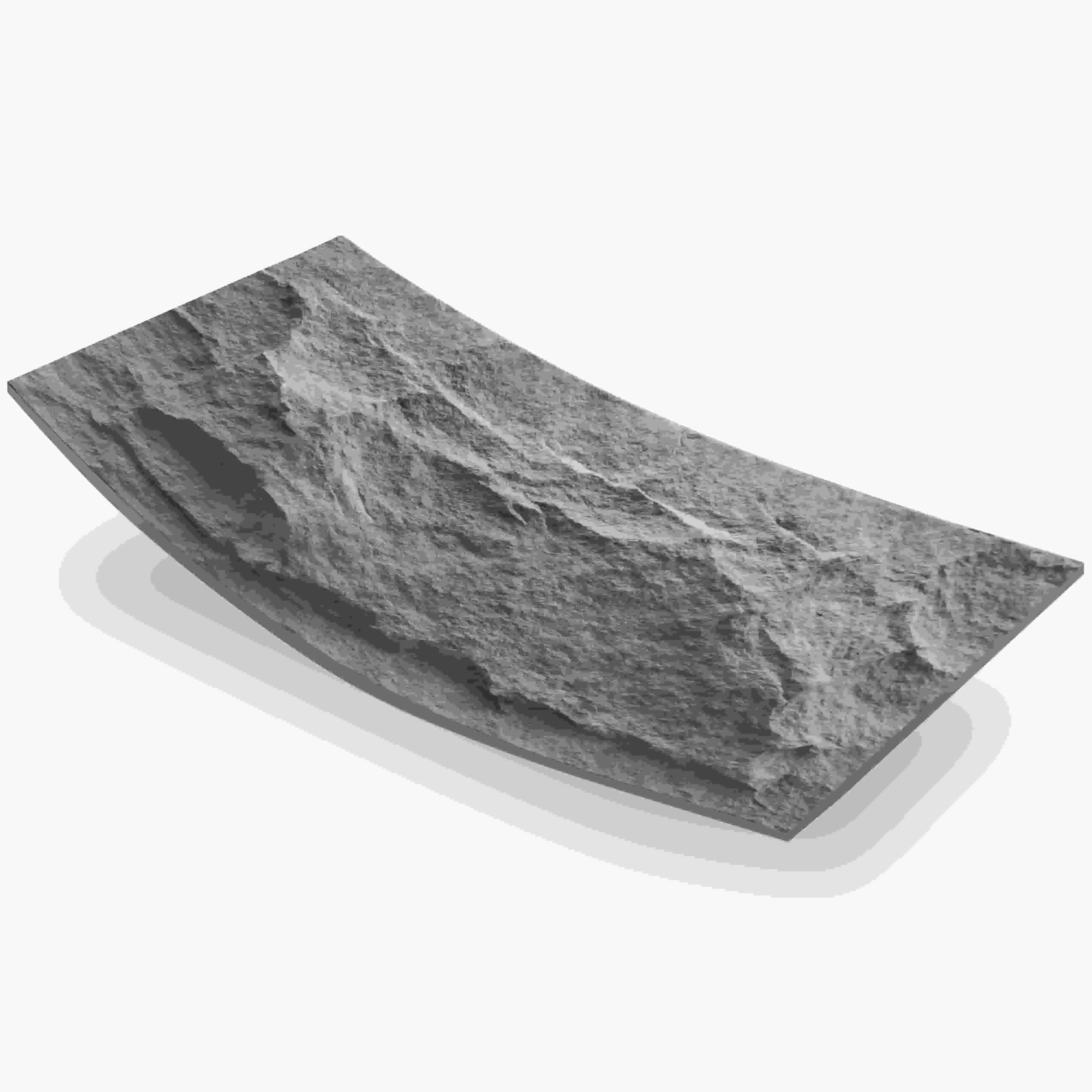
LEED loves innovation, and Crossare Mushroom Stone043 brings plenty to the table. For starters, its flexibility (yes, flexibility!) makes it a dream for unique architectural details. Unlike rigid natural stone, it can be curved, shaped, or even used as cladding on uneven surfaces. This opens up possibilities for creative, low-waste installations—think feature walls, backsplashes, or even outdoor patios with custom contours.
Some projects have even used it in combination with other sustainable materials like mcm flexible stone (a lightweight, bendable cousin) to create dynamic facades that earn ID credits for innovative design. When you can replace heavy, carbon-heavy materials with something that's both flexible and eco-friendly? LEED auditors take notice.
To really see Crossare Mushroom Stone043's value, let's compare it to two other popular sustainable materials: foamed aluminium alloy board (vintage silver) and bamboo mat board . Both are great in their own right, but how do they measure up when it comes to LEED?
| Criteria | Crossare Mushroom Stone043 | Foamed Aluminium Alloy (Vintage Silver) | Bamboo Mat Board |
|---|---|---|---|
| Recycled Content | 65% | 40% (recycled aluminum) | 0% (but rapidly renewable) |
| Embodied Carbon (kgCO2/m²) | 18 | 22 (higher due to aluminum smelting) | 15 (low, but limited durability) |
| VOC Emissions | 0 g/L | 0 g/L (inert metal) | 5 g/L (adhesives may contain VOCs) |
| Durability (Outdoor Use) | 50+ years | 30–40 years (prone to scratching) | 10–15 years (susceptible to moisture) |
| LEED Credit Potential | MR, EQ, ID | MR (recycled content), EA (insulation) | MR (rapidly renewable), EQ (low VOCs) |
The takeaway? Foamed aluminium is great for lightweight, insulating applications, and bamboo is a star for renewability—but Crossare Mushroom Stone043 is the overachiever, ticking multiple LEED boxes while offering unmatched durability. It's the Swiss Army knife of sustainable materials.
Enough theory—let's talk real projects. Take the GreenHaven Office Tower in Chicago, a 12-story building that earned LEED Platinum in 2024. The design team used Crossare Mushroom Stone043 for the lobby's feature wall and outdoor terrace flooring. Here's how it helped:
MR Credit 4.1 (Recycled Content): The stone contributed 12% of the project's total recycled material cost, pushing them past the 10% threshold for an extra point.
EQ Credit 1.2 (Daylight & Views): The stone's light, neutral tone reflects natural light, reducing the need for artificial lighting and earning a point for daylighting.
ID Credit 1 (Innovation): By combining the stone with mcm flexible stone for a curved facade, the project earned an innovation credit for material optimization.
Then there's the Serenity Eco-Hotel in Portland, which used Crossare Mushroom Stone043 in guest bathrooms and outdoor walkways. Thanks to its moisture-resistant properties and zero VOC emissions, the hotel scored EQ credits for indoor air quality and MR credits for regional sourcing (the stone was manufactured 300 miles from the site). Result? LEED Gold, and guests raving about the "natural, calming vibe" of the spaces.
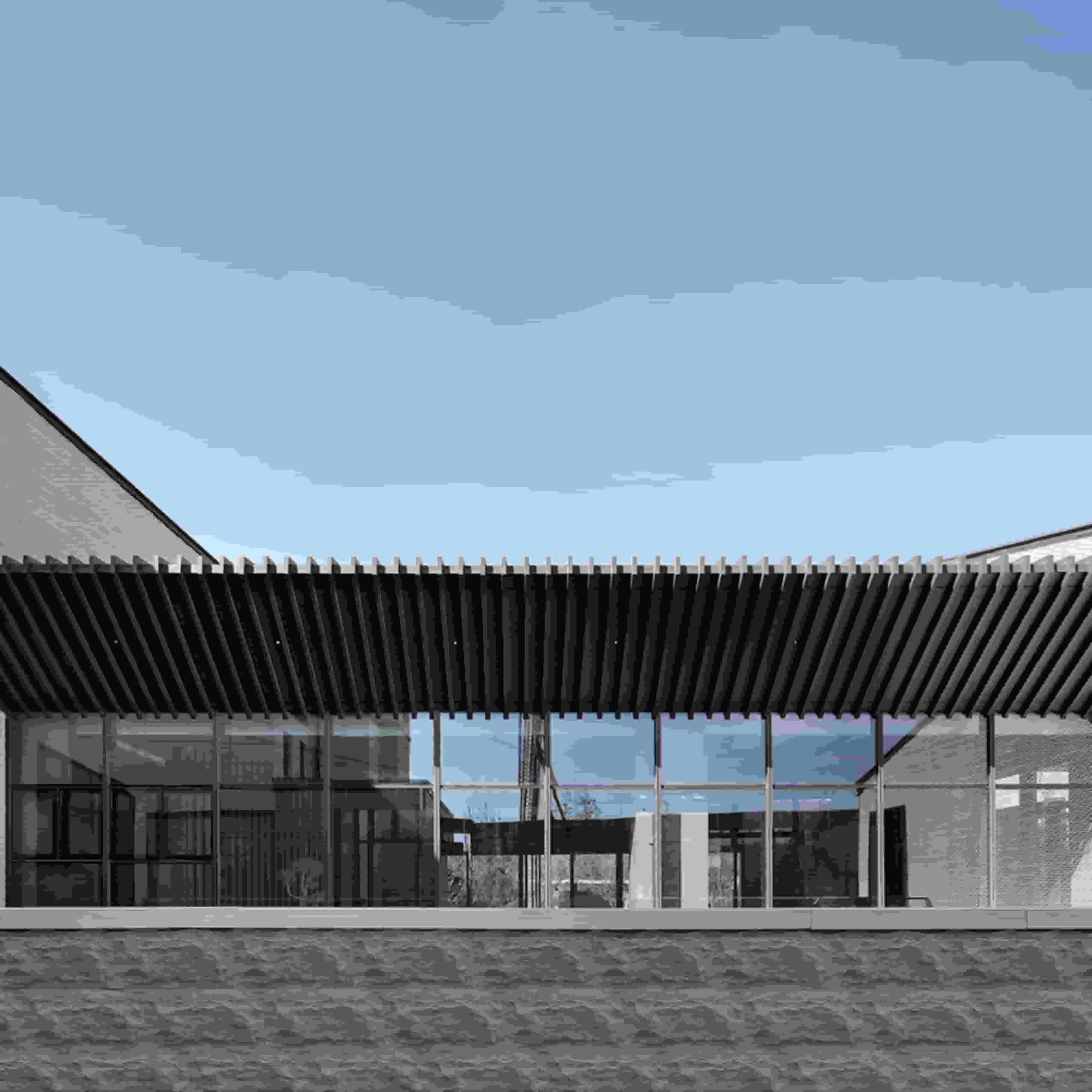
At the end of the day, LEED certification isn't just a plaque on the wall. It's proof that a building is designed with people and the planet in mind. Crossare Mushroom Stone043 embodies that ethos: it's made from waste, lasts for decades, keeps indoor air clean, and inspires creative design. It's not the only sustainable material out there, but it's one that makes earning LEED credits feel less like a chore and more like a natural part of building better.
As more developers aim for LEED certification (and as regulations around sustainable building tighten), materials like Crossare Mushroom Stone043 will only grow in importance. They're not just building materials—they're tools for change. And in a world that needs all the change it can get, that's something worth celebrating.
So, the next time you walk into a LEED-certified building, take a closer look at the walls, the floors, the textures. Chances are, there's a story there—one of innovation, sustainability, and maybe even a little mushroom-shaped stone that helped make it all possible.
Recommend Products












