
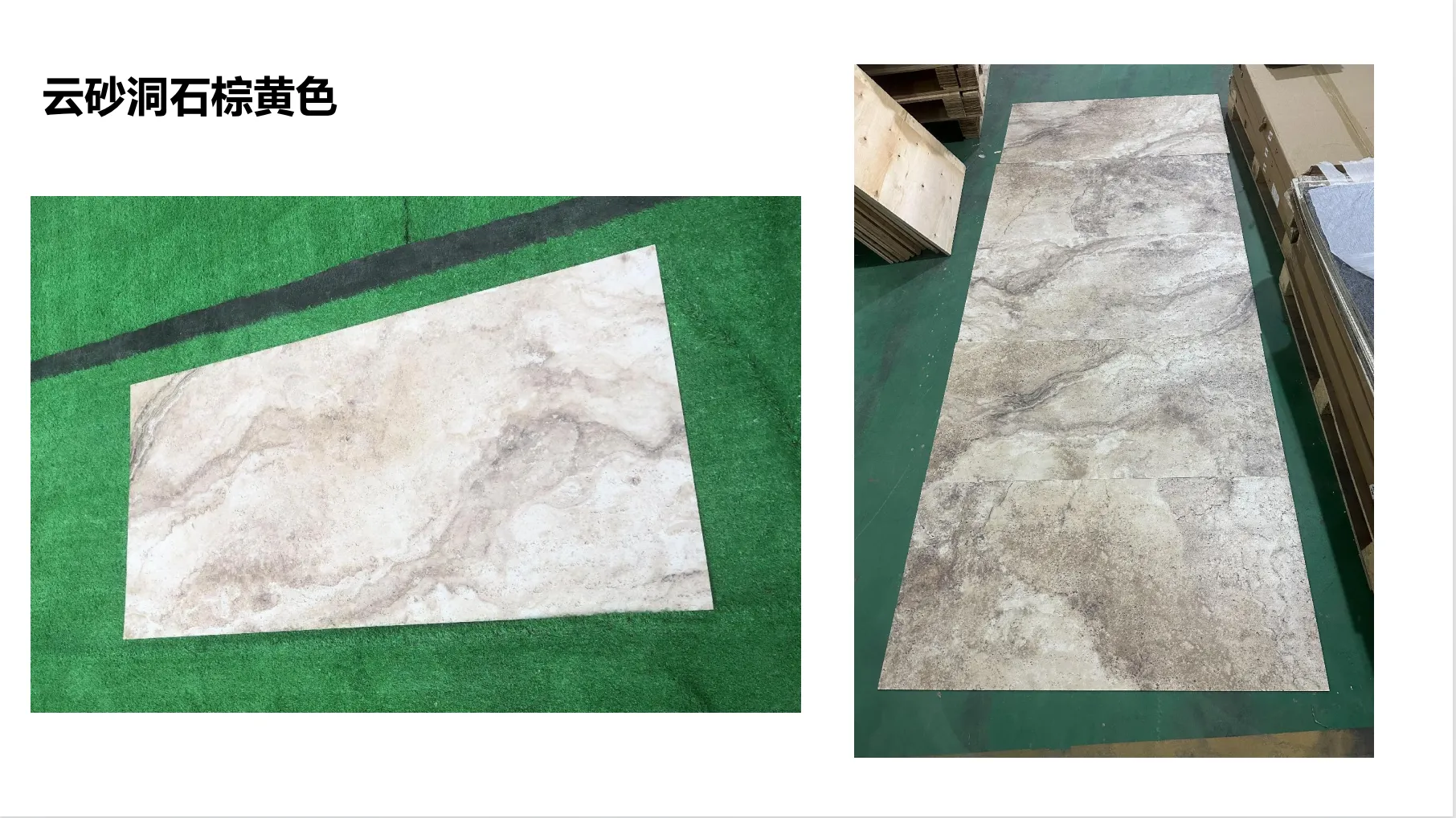
Step into a space clad in Dolomitic Travertine (Claybank), and something subtle yet profound happens. The air feels softer, the light gentler, and the noise of the outside world seems to fade. It's not just a trick of the mind—this warm, earth-toned stone has an almost instinctive way of making us feel grounded, as if we've stumbled upon a quiet corner of the natural world, even in the heart of a bustling city. In an era where our lives are increasingly disconnected from nature, materials like Dolomitic Travertine (Claybank) are more than just building blocks; they're bridges. They reconnect us to the landscapes that shaped human history, to the rivers, valleys, and ancient seabeds that tell stories older than time. This is the magic of biophilic design, and Dolomitic Travertine (Claybank) is one of its most compelling protagonists.
Biophilic design is often oversimplified as adding a few potted plants or a wall of greenery to a room. But it's deeper than that—it's a philosophy rooted in the science of human evolution. For most of our existence, humans lived in close harmony with nature, relying on it for survival, shelter, and sustenance. Our brains and bodies are hardwired to respond positively to natural patterns, textures, and materials. Research backs this up: studies from the World Green Building Council show that spaces with natural elements reduce stress hormones like cortisol by up to 15%, improve cognitive function by 20%, and even speed up recovery in healthcare settings. Biophilic design isn't just about aesthetics; it's about nurturing our innate need to feel connected to the natural world.
At the core of this design philosophy lies the use of natural materials. Unlike synthetic alternatives—cold, uniform, and often emitting harsh chemicals—natural materials carry the "memory" of their origins. A slab of Dolomitic Travertine (Claybank) isn't just a piece of stone; it's a record of millennia of geological activity. Formed by mineral-rich water percolating through layers of sediment, its porous surface, subtle veining, and warm claybank hue echo the riverbeds and mineral springs where it was born. When we interact with such materials, our brains recognize these patterns as "safe" and "familiar," triggering a cascade of calming responses. It's why a room finished with natural stone feels more "alive" than one with plastic panels—we're not just seeing a surface; we're sensing a story.
To truly appreciate Dolomitic Travertine (Claybank), let's start with its name. "Dolomitic" refers to its composition, rich in dolomite—a mineral that gives the stone its unique hardness and resistance to wear. "Travertine" hints at its origins: like classic travertine, it forms in hot springs or limestone caves, where dissolved minerals precipitate out of the water, layer by layer, over centuries. And "Claybank"? That's the color that sets this variant apart—a warm, earthy tone that falls somewhere between terracotta and sand, evoking the sun-baked hills of Tuscany or the soft clay cliffs of a river valley at dawn. It's a color that doesn't shout; it whispers, inviting the eye to linger and explore.
But it's the stone's texture that truly captivates. Run your hand over a polished slab, and you'll feel a surface that's smooth yet not slippery—subtly pitted with tiny pores, like the skin of a river stone worn smooth by currents. These pores aren't flaws; they're part of the stone's charm. They catch and diffuse light, turning harsh overhead glare into a soft, golden glow that fills a room with warmth. In the morning, sunlight filters through windows and dances across the stone's surface, casting delicate shadows that shift as the day progresses. In the evening, artificial light reflects gently, creating an ambiance that feels intimate and cozy. Unlike glossy marble or uniform concrete, Dolomitic Travertine (Claybank) doesn't demand attention—it invites it, rewarding close observation with hidden details: a streak of darker clay here, a cluster of tiny fossilized shells there, reminders of its ancient formation.
What makes this stone particularly special is its versatility. It's equally at home in a rustic countryside villa as it is in a sleek, modern apartment. In a traditional setting, paired with wood beams and terracotta roof tiles, it enhances the sense of timelessness, as if the building has grown organically from the earth. In a contemporary space, juxtaposed with Foamed Aluminium Alloy Board (Vintage Silver) or fair-faced concrete, it adds warmth and depth, softening the sharp edges of modern design. This adaptability stems from its connection to nature—natural materials, by their very nature, transcend trends. They don't go "out of style" because they've never been "in style"; they've simply always been part of the human experience.
Biophilic design isn't just about what we see—it's about engaging all our senses. Dolomitic Travertine (Claybank) excels here, offering a multi-sensory experience that grounds us in the present moment.
Sight: The stone's claybank color palette is inherently calming. Research in color psychology shows that earth tones reduce visual fatigue, making spaces feel larger and more open. Unlike bright whites or bold grays, which can overstimulate the eyes, Dolomitic Travertine (Claybank) creates a neutral backdrop that allows other elements—art, furniture, plants—to shine without overwhelming. Its veining, too, is a study in natural chaos: no two slabs are identical, but the patterns are never random. They flow like rivers, curve like wind-blown sand, or ripple like the surface of a lake—subtle enough to soothe, but interesting enough to hold the gaze.
Touch: There's a tactile satisfaction in touching Dolomitic Travertine (Claybank). Unlike cold marble or slippery granite, it has a slight "grip"—a texture that feels secure underfoot, whether barefoot in a bathroom or shod in shoes in a lobby. In winter, it doesn't feel icy; in summer, it stays cool to the touch, offering relief from the heat. This thermal comfort is key to biophilic design: our bodies respond positively to materials that feel "in tune" with the environment, rather than fighting against it.
Sound: Hard surfaces often create echoey, noisy spaces, but Dolomitic Travertine (Claybank) has a surprising acoustic quality. Its porous structure absorbs sound waves, reducing reverberation and creating a quieter, more peaceful atmosphere. In a busy office or a bustling restaurant, this can make conversations easier and stress levels lower—another subtle way the stone supports well-being.
Even scent: While subtle, natural stone often carries a faint, earthy aroma—especially when dampened by a quick wipe or a morning dew. It's a scent that triggers memories of forests after rain or freshly turned soil, connecting us to the outdoors on a primal level. Synthetic materials, by contrast, often carry chemical odors that can irritate allergies or trigger headaches. Dolomitic Travertine (Claybank), being inert and non-toxic, offers a breath of fresh air—literally.
Biophilic design isn't just about human well-being; it's about honoring the planet, too. In an age of climate crisis, the choice of building materials has never been more critical. Dolomitic Travertine (Claybank) stands out as a sustainable option for several reasons.
First, its longevity. Unlike synthetic materials that degrade over time—vinyl flooring that cracks, laminate that peels, or paint that fades—Dolomitic Travertine (Claybank) is built to last. A well-maintained slab can endure for decades, even centuries, reducing the need for frequent replacements and the waste that comes with them. This longevity also lowers the stone's "embodied carbon"—the total carbon emissions generated during its production, transport, and installation—since it doesn't need to be replaced as often as shorter-lived alternatives.
Second, responsible sourcing. Reputable quarries now prioritize sustainable practices, minimizing environmental impact through controlled blasting, water recycling, and reforestation efforts. Unlike some natural stones that require energy-intensive processing, Dolomitic Travertine (Claybank) often needs minimal treatment: a simple polish to enhance its natural beauty, without harsh chemicals or excessive water use. It's a material that respects the earth it came from, ensuring that future generations can also enjoy its benefits.
Third, its thermal mass. The stone's density allows it to absorb and store heat, helping regulate indoor temperatures. In winter, it retains warmth from sunlight or heating systems, reducing the need for constant energy use. In summer, it stays cool, lowering reliance on air conditioning. This not only cuts energy bills but also reduces a building's carbon footprint—a win-win for both people and the planet.
Dolomitic Travertine (Claybank) is a chameleon in the design world, adapting to a range of spaces and styles. Here are just a few ways it brings biophilic principles to life:
Commercial Spaces: Imagine walking into a hotel lobby where the walls are clad in floor-to-ceiling Dolomitic Travertine (Claybank). The stone's warmth immediately puts guests at ease, creating a sense of arrival that feels both luxurious and welcoming. In office buildings, it works beautifully for reception desks or accent walls, turning sterile waiting areas into calming retreats. Even retail spaces benefit—studies show that natural materials increase customer dwell time, as shoppers feel more relaxed and inclined to explore.
Residential Design: In homes, Dolomitic Travertine (Claybank) adds a touch of understated elegance. Kitchen backsplashes become focal points, their veining echoing the natural world while resisting stains and heat. Bathroom walls and floors feel spa-like, transforming daily routines into moments of self-care. Living room fireplaces clad in the stone become gathering spots, their warm tones enhancing the cozy atmosphere of family nights in. It's also a popular choice for outdoor patios or garden pathways, where it blends seamlessly with landscaping, creating a harmonious transition between indoor and outdoor spaces.
Healthcare and Education: Biophilic design has proven benefits in these settings, and Dolomitic Travertine (Claybank) is an ideal fit. In hospitals, it creates calming environments that reduce patient anxiety and aid recovery. In schools, it fosters focus and creativity, helping students feel more connected to nature even during long classroom hours. Its durability and easy maintenance are added bonuses in high-traffic, hygiene-sensitive spaces.
While Dolomitic Travertine (Claybank) is a star in its own right, it's helpful to see how it compares to other claybank-colored natural materials. Below is a comparison table highlighting key differences and similarities:
| Material | Color Palette | Texture | Evokes | Best For |
|---|---|---|---|---|
| Dolomitic Travertine (Claybank) | Warm claybank, subtle beige, soft terracotta undertones | Porous, slightly pitted, smooth when polished | Riverbeds, mineral springs, sun-baked hills | Walls, floors, backsplashes, facades |
| Stream Limestone (Claybank) | Pale claybank with linear, water-like veining | Dense, smooth, with directional striations | Mountain streams, flowing water | Floors, bathroom walls, accent panels |
| Dolomitic Travertine (Dark Grey) | Deep charcoal, with lighter gray veining | Similar porous texture, more dramatic contrast | Storm clouds, ancient cliffs | Statement walls, fireplace surrounds |
| Wood Grain Board | Warm browns, tans, with wood-like patterns | Smooth with embossed wood texture | Forests, wooden cabins, natural warmth | Ceilings, accent walls, furniture |
What sets Dolomitic Travertine (Claybank) apart is its versatility. While Stream Limestone (Claybank) leans into linear, water-inspired patterns and Wood Grain Board evokes forested landscapes, Dolomitic Travertine (Claybank) offers a more balanced, all-encompassing connection to nature. Its warm color and porous texture make it equally at home in traditional and modern spaces, while its durability ensures it can handle high-traffic areas with ease. It's a material that doesn't just fit into a design—it elevates it, turning ordinary spaces into extraordinary experiences.
Dolomitic Travertine (Claybank) rarely works alone—and that's part of its charm. It pairs beautifully with other natural materials, creating layered, biophilic spaces that feel rich and authentic.
For a rustic, earthy look, combine it with Wood Grain Board. The stone's warm claybank tones complement the wood's natural browns, evoking a cozy cabin in the woods. Add potted plants with broad leaves—monstera, fiddle-leaf fig—to bring in greenery, and you've created a space that feels like a retreat from the modern world.
For a more contemporary vibe, contrast it with Foamed Aluminium Alloy Board (Vintage Silver). The stone's organic texture and warm color balance the metal's sleek, cool surface, creating a dynamic interplay of natural and industrial elements. Add minimalist furniture and geometric lighting, and the result is a space that feels both cutting-edge and grounded.
Water features are another perfect pairing. A small indoor fountain with Dolomitic Travertine (Claybank) surrounds not only adds the soothing sound of flowing water but also enhances the stone's natural beauty—water droplets cling to its porous surface, catching light and creating a shimmering effect that echoes its origins in mineral springs.
As we look to the future, biophilic design isn't just a trend—it's a necessity. With more than half the world's population now living in cities, and urbanization projected to grow, our need for connection to nature will only intensify. Materials like Dolomitic Travertine (Claybank) offer a tangible way to meet this need, turning concrete jungles into spaces that nurture our physical and mental health.
Innovations in stone processing are also expanding possibilities. Thinner slabs now allow the stone to be used in applications once reserved for lighter materials—ceiling panels, furniture, even art installations. Custom cuts and finishes mean designers can create truly unique spaces, from undulating walls that mimic natural landscapes to mosaic patterns that tell stories of local geology.
But perhaps the most exciting aspect is the growing recognition of biophilic design's value. Architects, interior designers, and homeowners are no longer choosing natural materials solely for their beauty—they're choosing them for their ability to improve quality of life. Dolomitic Travertine (Claybank) is at the forefront of this movement, proving that sustainability, aesthetics, and well-being can coexist.
Dolomitic Travertine (Claybank) is more than a building material. It's a reminder of our connection to the earth—a silent storyteller that brings the calm, beauty, and resilience of nature into our daily lives. In a world that often feels fast, cold, and disconnected, it offers a moment of pause, a chance to breathe, and a reminder that we are part of something larger than ourselves.
As biophilic design continues to shape the spaces we live, work, and heal in, materials like Dolomitic Travertine (Claybank) will play an increasingly vital role. They're not just elements of design; they're investments in our health, our planet, and our collective well-being. So the next time you step into a space finished with this remarkable stone, take a moment to appreciate it—not just for its beauty, but for the quiet, profound way it connects us to the natural world. After all, in the end, we're all just creatures of the earth, and there's no place we feel more at home than in its embrace.
Recommend Products












