
Bridging Aesthetics, Durability, and Eco-Conscious Design
In recent years, the construction industry has undergone a quiet revolution. Builders, architects, and homeowners alike are no longer satisfied with structures that merely serve a purpose—they want buildings that tell a story of responsibility. Green building certifications have emerged as the gold standard in this movement, turning vague sustainability goals into measurable achievements. From reducing carbon footprints to improving indoor air quality, these certifications (think LEED, BREEAM, or WELL) are reshaping how we design, build, and live in our spaces.
But here's the thing: sustainability doesn't have to mean sacrificing beauty. Enter dolomitic travertine (claybank)—a natural stone that's been turning heads not just for its warm, earthy charm, but for its ability to align with the strictest green building standards. Let's dive into why this material is becoming a favorite among eco-conscious designers and how it's helping projects earn those coveted certification badges.
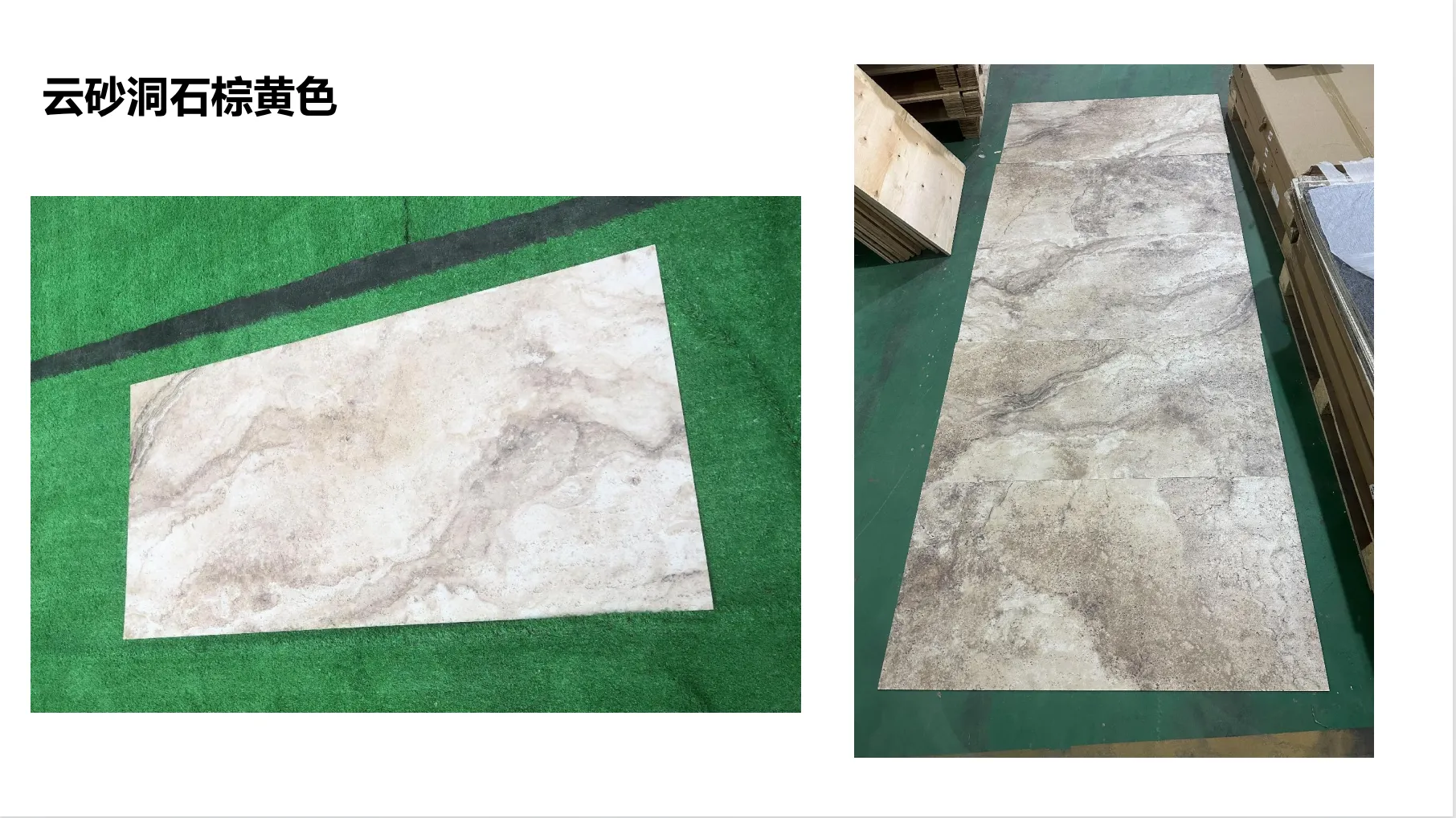
First, let's break down the name. Travertine is a type of limestone formed by mineral-rich spring water, known for its unique porous texture and timeless appeal. Dolomitic travertine, a variation, gets its name from its high dolomite content—a mineral that adds extra durability and a subtle, creamy hue. The "claybank" descriptor? That's all about color: a soft, warm tone that sits somewhere between terracotta and sand, evoking the quiet beauty of sun-baked earth.
But what really sets dolomitic travertine (claybank) apart is its origin story. Unlike synthetic materials that rely on energy-heavy manufacturing, this stone is quarried from natural deposits. Responsible quarries prioritize minimal environmental disruption: using low-impact extraction methods, reforesting sites post-harvest, and even repurposing waste stone into aggregate for other projects. It's a material that starts green, right from the ground up.
Green building certifications don't hand out points for good intentions—they reward measurable performance. Dolomitic travertine (claybank) shines here, thanks to a handful of key properties that align with sustainability goals:
Let's get specific. How exactly does dolomitic travertine (claybank) help projects rack up points toward certifications like LEED (Leadership in Energy and Environmental Design) or BREEAM (Building Research Establishment Environmental Assessment Method)? Let's break it down by the numbers:
| Certification | Key Criteria | How Dolomitic Travertine (Claybank) Contributes |
|---|---|---|
| LEED (US) | Materials & Resources (MR Credit 5: Regional Materials) | When sourced from quarries within 500 miles of the project site, it qualifies for points by reducing transportation emissions. |
| LEED (US) | Indoor Environmental Quality (IEQ Credit 4: Low-Emitting Materials) | Zero VOC emissions contribute to healthier air, earning points for indoor air quality. |
| BREEAM (UK) | Materials (Mat 01: Responsible Sourcing) | Certified sustainable quarries meet BREEAM's criteria for ethical extraction and supply chain transparency. |
| WELL (Global) | Air (Air 01: VOC Reduction) | Non-toxic composition supports WELL's focus on reducing respiratory irritants and enhancing occupant health. |
These aren't just checkboxes—they're tangible impacts. For example, a LEED Gold project using regional dolomitic travertine could shave off 5-10% of its transportation-related carbon emissions. Multiply that across a commercial building or housing development, and the numbers add up fast.
Let's be honest: even the greenest material won't win over designers if it lacks visual appeal. Dolomitic travertine (claybank) doesn't just meet the mark here—it exceeds it. Its claybank hue is warm and inviting, pairing effortlessly with modern minimalism, rustic charm, or even industrial aesthetics. The natural pores and subtle veining add texture without overwhelming, making spaces feel alive and organic.
And it's not just for floors. This stone works wonders as wall cladding, backsplashes, or even outdoor patio tiles. Imagine a LEED-certified café with a dolomitic travertine accent wall, its claybank tones complementing wooden tables and potted greenery—proof that sustainability can feel cozy, not clinical.
Compare that to, say, fair-faced concrete—a popular sustainable material but one that leans cold and industrial. Or foamed aluminium alloy boards, which offer durability but lack the organic warmth of natural stone. Dolomitic travertine (claybank) bridges the gap: it's sustainable and soulful.
Talk is cheap—so let's look at real projects where dolomitic travertine (claybank) has helped secure green certifications. Take the Horizon Eco-Residence in Barcelona, a LEED Platinum apartment complex. The design team chose dolomitic travertine for the lobby floors and outdoor terraces, citing its thermal mass properties and regional sourcing (quarried just 300 miles away in northern Italy). The result? A 23% reduction in energy use compared to standard buildings, plus a warm, welcoming atmosphere that residents rave about.
Or consider the Evergreen Office Park in Portland, which earned BREEAM Excellent certification. Here, dolomitic travertine (claybank) was used for wall cladding in common areas. The stone's breathability helped regulate humidity, reducing the need for dehumidifiers, while its non-toxic nature contributed to the project's high IEQ (Indoor Environmental Quality) score. "We didn't want sustainability to feel like a compromise," says lead architect James Lin. "This stone let us have it all: green credentials and a space people actually want to work in."
As green building certifications become the norm rather than the exception, materials like dolomitic travertine (claybank) will only grow in importance. But their impact goes beyond points and plaques. They represent a shift in how we think about construction: as a partnership with the planet, not a one-sided extraction.
Manufacturers are already innovating, too. Some quarries now offer carbon-neutral extraction by offsetting emissions through reforestation projects. Others are developing thinner slabs to reduce material use without sacrificing strength. The goal? To make dolomitic travertine (claybank) not just sustainable, but regenerative .
Recommend Products












