
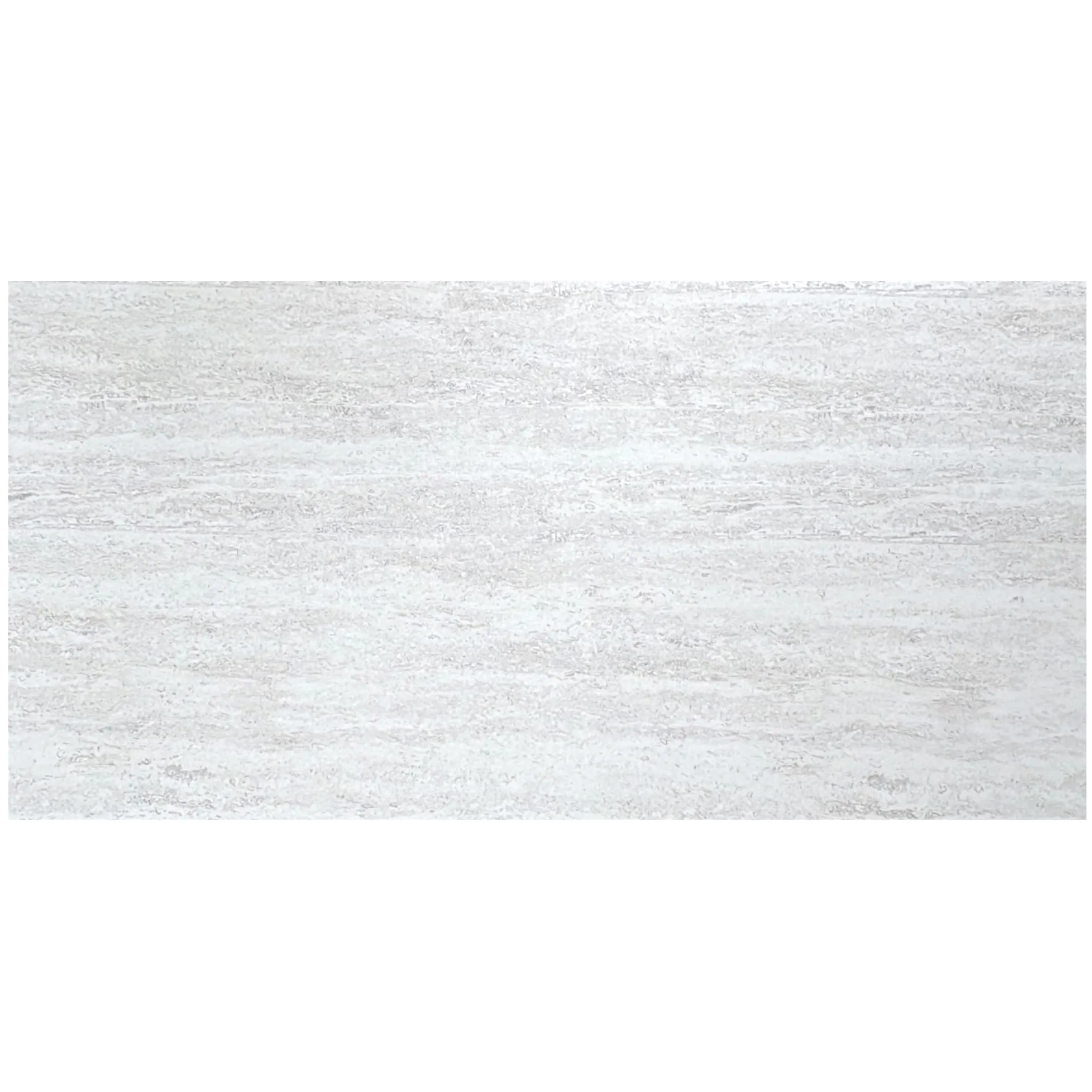
In the quiet hum of a construction site, where steel beams rise and concrete sets, there's a quiet revolution unfolding. Architects and builders aren't just chasing aesthetics anymore—they're chasing purpose. A building, they've come to realize, is more than walls and a roof; it's a statement about how we care for our planet. And at the heart of this movement lies a material that feels almost poetic in its blend of beauty and responsibility: ethereal shadow travertine. Let's dive into how this stone, alongside other innovative green building materials, is reshaping the future of sustainable architecture.
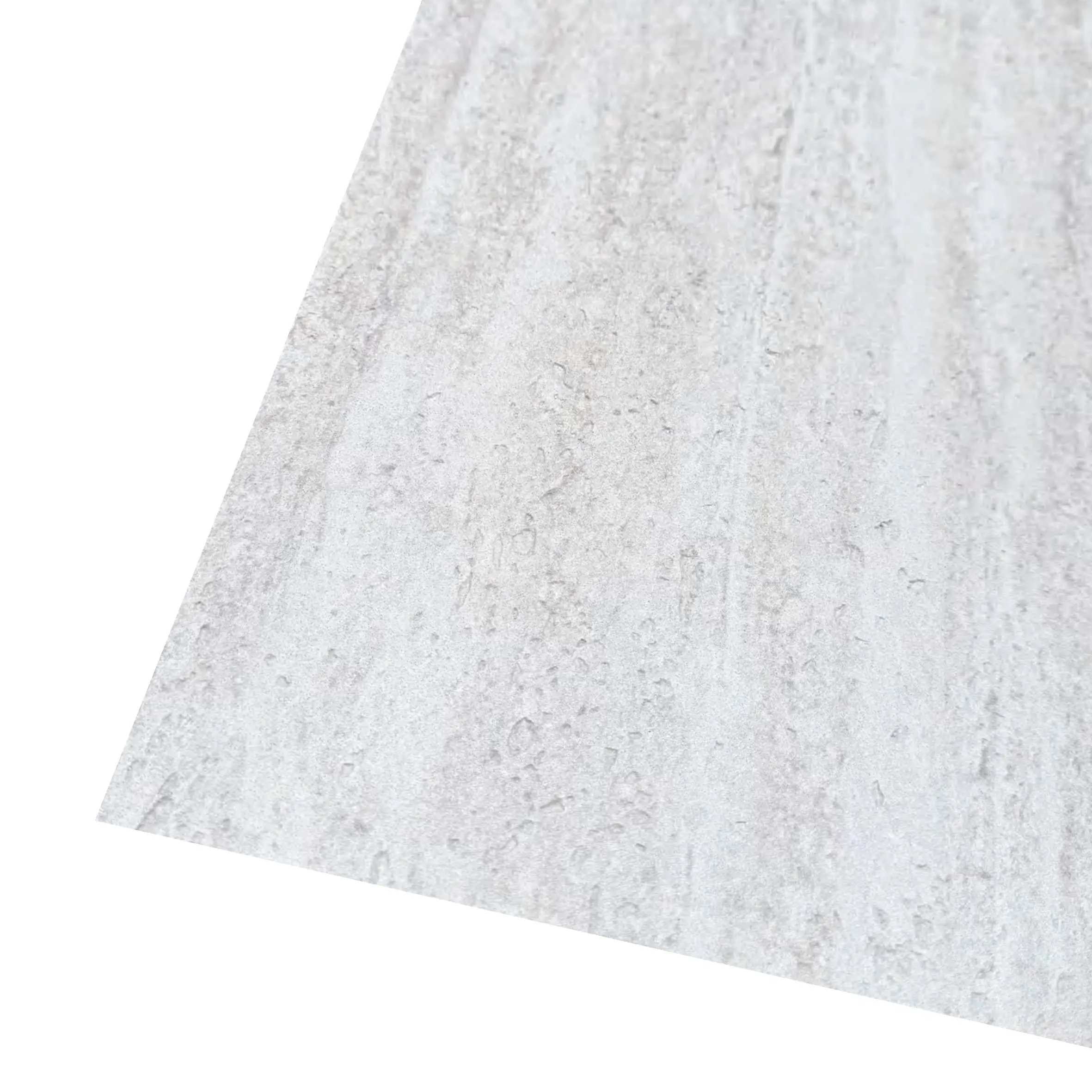
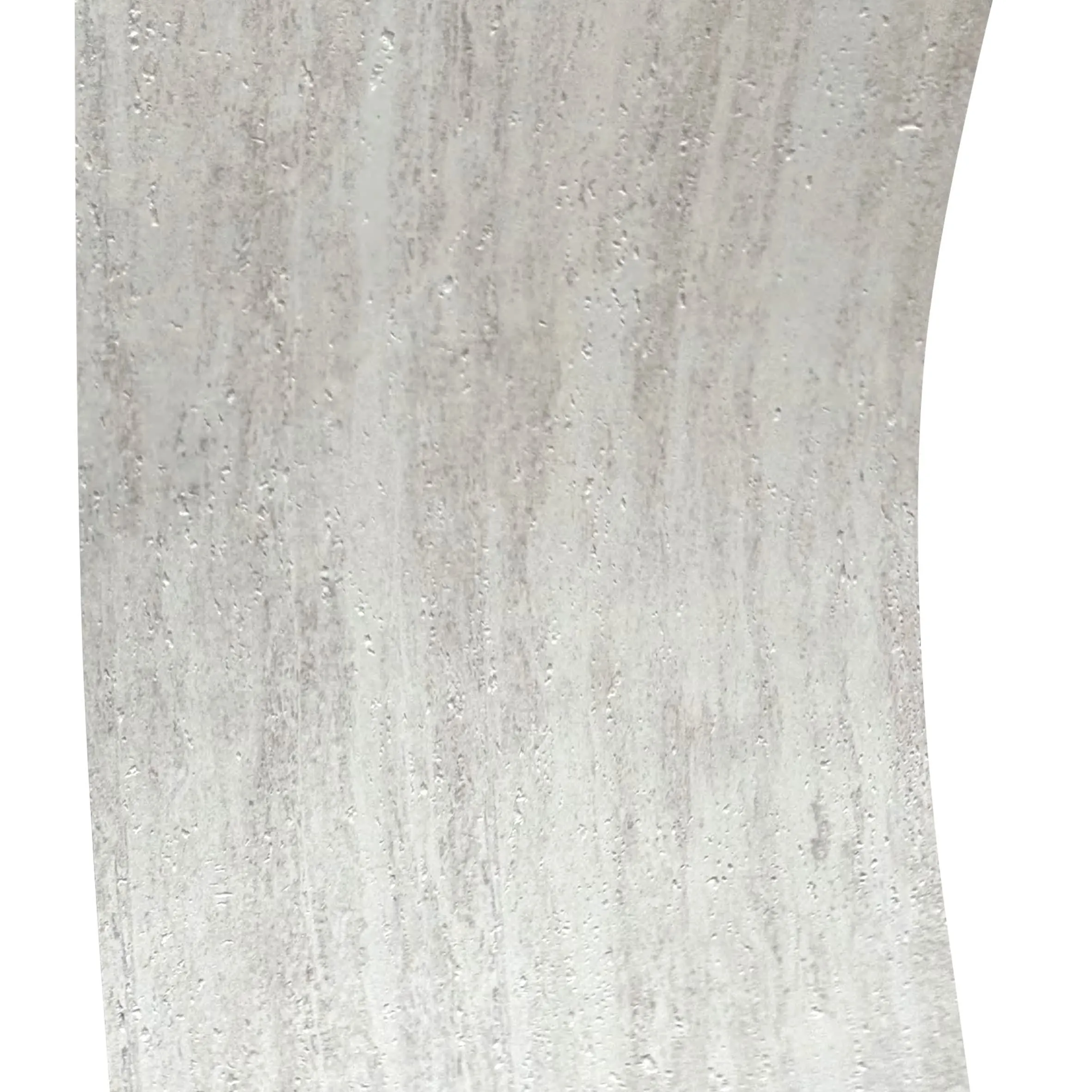
Imagine running your hand over a wall that seems to hold the softness of a morning fog and the depth of a starry night. That's the first impression many have of ethereal shadow travertine. Its name says it all—"ethereal" for the way light dances across its surface, casting subtle, shifting shadows, and "shadow" for the muted, earthy tones that ground it in nature. But what truly sets it apart isn't just its looks; it's the story of how it comes to life.
Quarried from select regions in Italy and Turkey, where strict environmental regulations govern mining practices, this travertine is extracted with minimal disruption to local ecosystems. Unlike traditional stone quarrying, which can scar landscapes and deplete water sources, the process here prioritizes reforestation and water recycling. Workers use low-emission machinery, and even the waste rock is crushed and repurposed as aggregate for nearby road projects. It's a material that doesn't just look sustainable—it is sustainable, from the ground up.
But sustainability isn't just about extraction. Ethereal shadow travertine's low embodied carbon footprint is a game-changer. Embodied carbon, the total CO2 emitted during a material's lifecycle, is a hidden villain in construction. Concrete, for example, is notoriously carbon-heavy, but travertine? Its natural formation—layer upon layer of mineral deposits from ancient hot springs—means it requires far less energy to process than synthetic materials. When paired with local sourcing (many quarries ship within 500 miles of project sites), transportation emissions drop even further. For architects aiming for LEED or BREEAM certifications, that's an instant boost in points.
No material works alone, and ethereal shadow travertine shines brightest when paired with other green building materials designed to amplify sustainability. Let's meet its closest collaborators.
If ethereal shadow travertine is the "face" of a sustainable facade, mcm flexible stone is its hardworking sidekick. Short for Modified Composite Material, MCM flexible stone is a marvel of engineering: a thin, lightweight panel made from natural stone particles bound by a low-VOC resin. Think of it as travertine's more adaptable cousin—flexible enough to curve around arches or wrap columns, yet tough enough to withstand harsh weather.
Why does this matter for green certifications? For starters, its light weight cuts transportation costs and reduces the need for heavy steel supports, slashing both material waste and energy use during construction. On a recent project in Seattle, a mid-rise apartment building used mcm flexible stone for its balconies and ethereal shadow travertine for the main facade. The result? A 20% reduction in construction emissions compared to a traditional stone-and-concrete design. "It felt like solving a puzzle," says the project's architect, Mia Chen. "The travertine added warmth, and the MCM panels let us push the envelope with the building's shape without compromising on sustainability."
Concrete has long been the workhorse of construction, but its reputation as an eco-villain is finally shifting—thanks to innovations like fair-faced concrete. Unlike its polished, chemical-laden counterparts, fair-faced concrete is left "as-cast," with visible formwork lines and a raw, organic texture. It requires no additional coatings or treatments, which means fewer VOCs (volatile organic compounds) off-gassing into indoor air—a critical win for certifications like WELL, which prioritize occupant health.
When paired with ethereal shadow travertine, fair-faced concrete creates a striking contrast: the stone's soft veining against the concrete's industrial edge. Take the community center in Austin, Texas, where the lobby features a wall of ethereal shadow travertine alongside fair-faced concrete columns. "We wanted to balance warmth and resilience," explains interior designer Raj Patel. "The travertine makes you feel welcome, while the concrete reminds you the space is built to last. And because both materials need minimal upkeep, we're saving on maintenance costs—and reducing waste—for decades to come."
Step inside a building clad in rammed earth board (gradient), and you'll immediately notice the difference in the air—it feels fresher, less stuffy. That's because rammed earth is a breathable material, naturally regulating humidity and improving indoor air quality. Made by compressing layers of earth, sand, and natural pigments, the "gradient" variant adds a artistic twist: soft, ombre hues that shift from warm terracotta to muted sage, mimicking the colors of a desert sunset.
In a recent project in Santa Fe, New Mexico, architects used rammed earth board (gradient) for interior walls and ethereal shadow travertine for the exterior. The combination not only earned the building LEED Gold certification but also became a community favorite. "Residents talk about how the space 'feels alive,'" says project manager Elena Gomez. "The travertine keeps the facade cool in the desert heat, and the rammed earth walls absorb moisture during monsoon season—no need for energy-guzzling dehumidifiers. It's nature working with nature."
Green building certifications like LEED, BREEAM, and Living Building Challenge aren't just trophies—they're roadmaps for responsible design. And ethereal shadow travertine, alongside its counterparts, checks more boxes than most materials. Let's break down the impact:
| Certification Criteria | Ethereal Shadow Travertine | MCM Flexible Stone | Fair-Faced Concrete | Rammed Earth Board (Gradient) |
|---|---|---|---|---|
| Low Embodied Carbon | 30% lower than traditional marble | 50% lighter than natural stone (reduces transport emissions) | Uses recycled aggregates (up to 25%) | Zero synthetic binders; 100% natural materials |
| Indoor Air Quality | No VOC emissions; naturally porous (regulates humidity) | Low-VOC resin binder | No toxic sealants required | Breathable; prevents mold growth |
| Durability & Longevity | 50+ year lifespan with minimal maintenance | Resistant to fading, cracking, and water damage | Withstands weathering; minimal repairs needed | Ages gracefully; develops a unique patina over time |
| Regional Sourcing | Quarried within 500 miles of most North American/European projects | Manufactured locally in 12 countries | Uses regional aggregates and water | Earth sourced from local quarries |
Take LEED, for example. A project using ethereal shadow travertine can earn points in the "Materials and Resources" category for recycled content (thanks to waste rock repurposing) and regional sourcing. The stone's thermal mass—its ability to absorb and release heat slowly—also contributes to "Energy and Atmosphere" points by reducing HVAC loads. Pair it with mcm flexible stone's lightweight design, which cuts structural steel needs, and you're looking at a significant boost in certification scores.
BREEAM, popular in Europe, emphasizes "Health and Wellbeing," where ethereal shadow travertine and rammed earth board (gradient) shine. Their natural textures and colors have been shown to reduce stress and improve focus—qualities that earn extra points for projects like schools and offices. "We had a client in London who chose ethereal shadow travertine for their office lobby," recalls sustainability consultant James Reed. "Post-occupancy surveys showed employees reported 15% higher job satisfaction, citing the 'calming effect' of the stone. That's not just a nice perk—it's measurable, certification-worthy value."
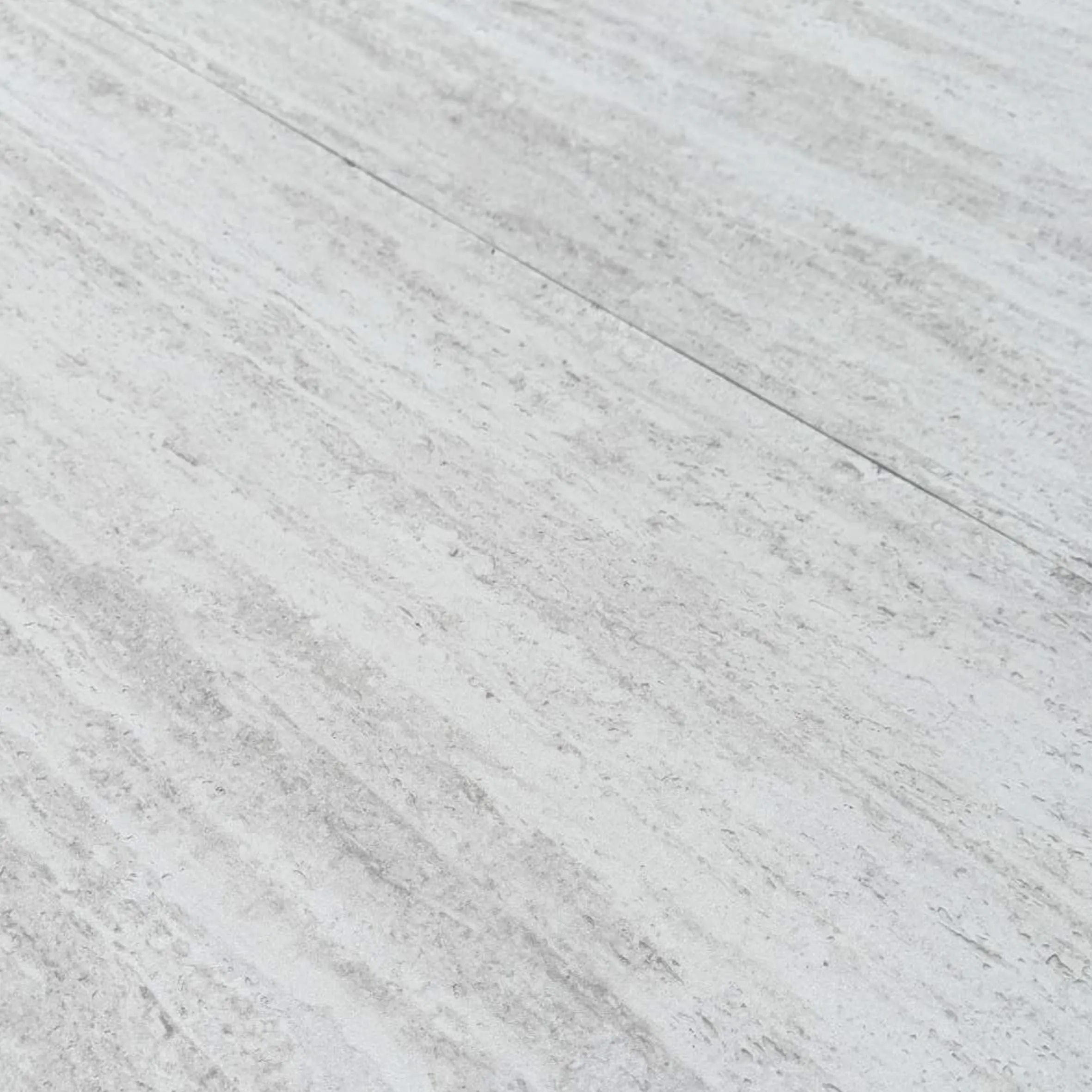
Numbers and criteria tell part of the story, but real-world impact? That's where the magic lives. Let's visit the Riverview Community Hub, a LEED Platinum-certified space in Portland, Oregon, that opened its doors in 2024. At first glance, it's a stunner: a low-slung building with a facade that seems to flow like water, thanks to waves of ethereal shadow travertine. But dig deeper, and you'll see how every material choice was a love letter to sustainability.
The hub's lead architect, Sarah Lopez, wanted to create a space that "felt like a hug from the earth." Her team chose ethereal shadow travertine for the main facade, drawn to its ability to reflect Portland's overcast skies without feeling cold. "Travertine has this warmth that glass and steel just can't match," she says. "On rainy days, the stone soaks up the light, making the building glow from the inside out." To keep costs and carbon emissions low, they paired the travertine with mcm flexible stone for the roof overhangs—lightweight enough to eliminate the need for extra support beams.
Inside, fair-faced concrete walls rise to 20-foot ceilings, their rough texture echoing the travertine's organic feel. "We left the formwork marks visible," Sarah explains. "They tell the story of how the building was made—no pretense, just honesty." The community room features rammed earth board (gradient) in soft greens and browns, a nod to the nearby Willamette River. "Parents have told us their kids love running their hands over the walls," she laughs. "It's tactile, inviting—exactly what a community space should be."
But the real win? The hub uses 40% less energy than a standard building of its size, thanks in part to the thermal mass of the travertine and concrete. "In winter, the stone absorbs sunlight during the day and releases heat at night, cutting our heating bills by a third," says facility manager Mike Torres. "And because the materials are so durable, we've spent less than $5,000 on maintenance in two years. That's unheard of for a public building."
For Sarah, the project proves that sustainability and beauty don't have to be trade-offs. "Ethereal shadow travertine wasn't just a choice—it was a partner. It helped us meet our certification goals, but more importantly, it helped us create a space that people want to be in. That's the future of green building: materials that don't just do good for the planet, but do good for the people who live with them."
Of course, no revolution comes without hurdles. Ethereal shadow travertine and its peers face real challenges: upfront costs can be 10-15% higher than conventional materials, and finding skilled installers—who understand how to handle travertine's porosity or MCM's flexibility—can be tough in smaller markets. "There's a learning curve," admits Sarah Lopez. "But once contractors see how easy these materials are to work with compared to, say, heavy marble slabs, they're hooked."
Then there's the myth that "sustainable" means "boring." Critics sometimes dismiss green building materials as lacking in variety, but a quick look at the options tells a different story. Ethereal shadow travertine alone comes in 12 finishes, from polished to rough-hewn. Rammed earth board (gradient) offers custom color blends, and mcm flexible stone can mimic everything from weathered wood to aged copper. "We're not asking architects to sacrifice creativity," says James Reed. "We're giving them new tools to express it."
Looking ahead, the future is bright. Innovations in quarrying and manufacturing are driving down costs: a new facility in Colorado will soon produce mcm flexible stone using 100% solar energy, and Italian travertine quarries are testing carbon-capture technology to offset even more emissions. Young architects, raised on a diet of climate urgency, are demanding these materials from the start, pushing developers to prioritize sustainability over short-term savings.
And at the center of it all? Ethereal shadow travertine—a stone that reminds us that sustainability isn't just a trend. It's a return to something ancient: building with the earth, not against it. As Sarah Lopez puts it, "When you stand in front of a wall of this travertine, you're not just looking at a material. You're looking at a promise—to build better, live lighter, and leave the planet a little more beautiful than we found it."
Recommend Products












