
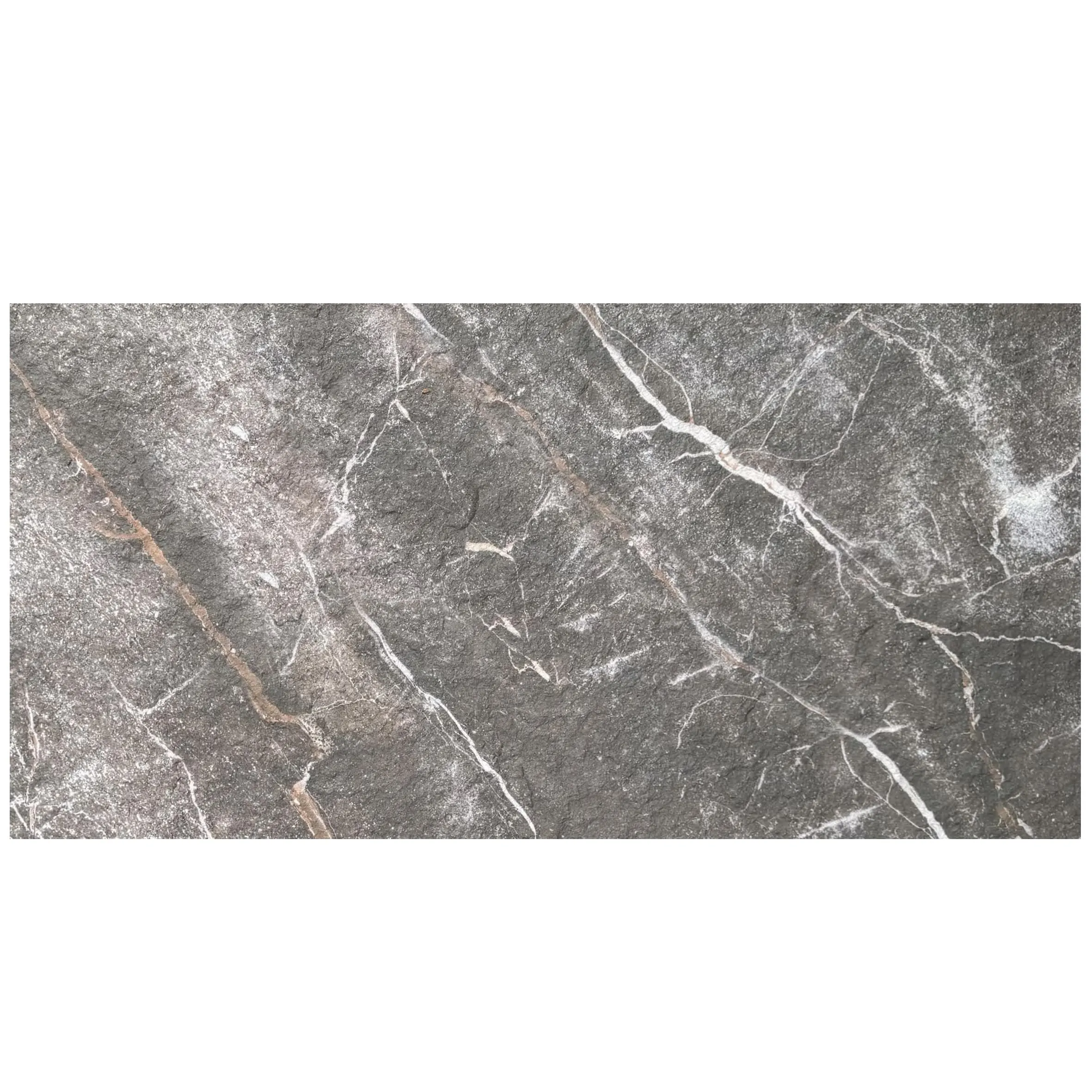
In a world where climate change looms larger with each passing year, the construction industry has emerged as a critical player in the fight for sustainability. Buildings account for nearly 40% of global energy consumption and 30% of greenhouse gas emissions, according to the United Nations Environment Programme. This staggering statistic has driven a seismic shift toward "green building"—a philosophy that prioritizes resource efficiency, environmental responsibility, and human health throughout a structure's lifecycle. At the heart of this movement lie globally recognized certifications like LEED (Leadership in Energy and Environmental Design) and BREEAM (Building Research Establishment Environmental Assessment Method), which set rigorous standards for what constitutes a truly sustainable building.
But here's the thing: green building isn't just about solar panels or energy-efficient windows. It starts with the materials we choose. From the foundation to the facade, every material carries an environmental footprint—from extraction and manufacturing to transportation and disposal. That's why architects, developers, and builders are increasingly turning to materials that don't just meet aesthetic goals but also align with the strict criteria of LEED and BREEAM. Among these materials, one name stands out for its unique blend of durability, beauty, and sustainability: Granite Portoro .
In this article, we'll explore how Granite Portoro, a striking natural stone with a rich history, plays a pivotal role in helping projects achieve LEED and BREEAM certifications. We'll dive into the specific requirements of these certifications, examine how Granite Portoro meets (and often exceeds) them, and even compare it to other popular green building materials like fair-faced concrete and MCM flexible stone. By the end, you'll understand why this iconic stone is more than just a design choice—it's a commitment to a greener, more sustainable built environment.
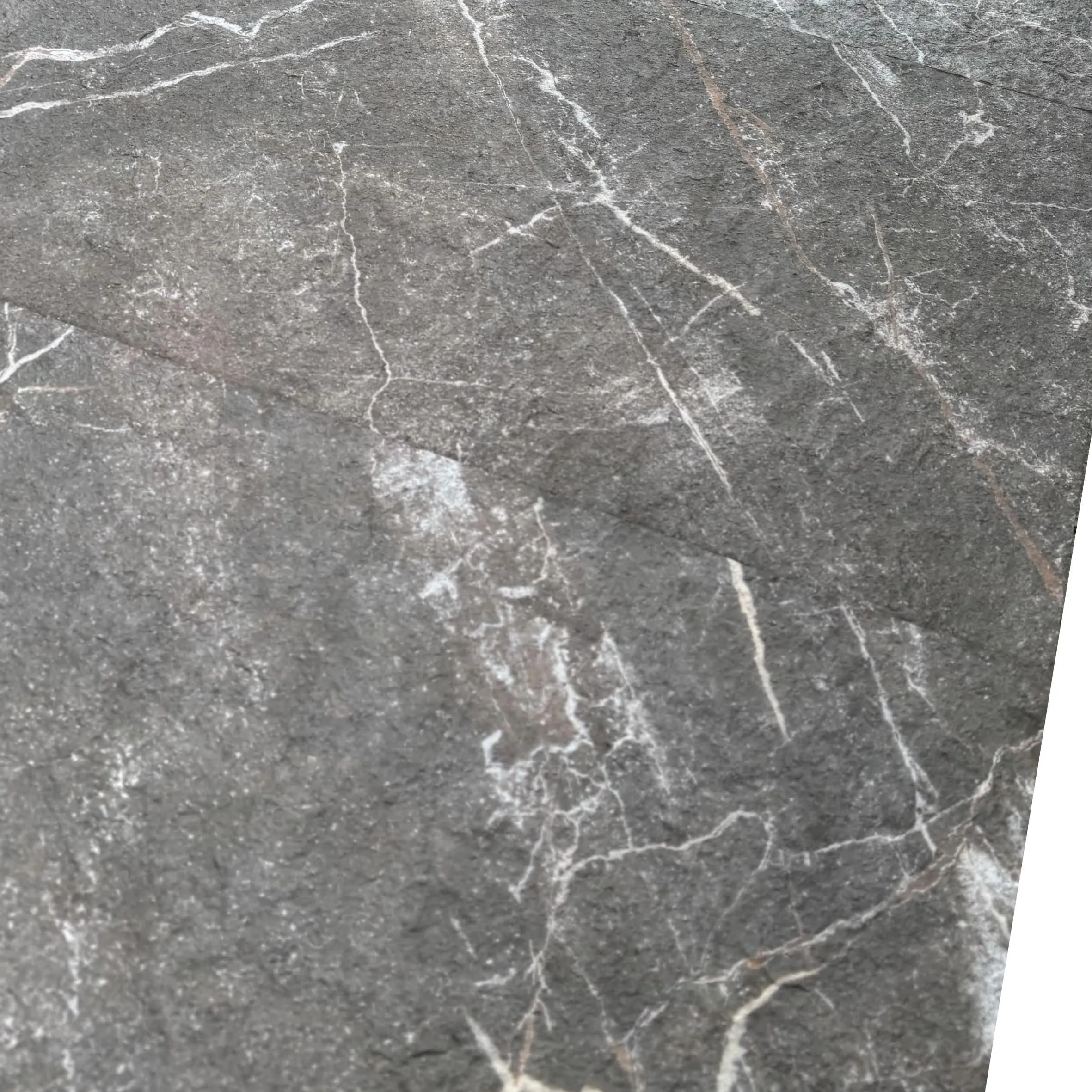
Before we can appreciate Granite Portoro's role in green certifications, let's take a moment to unpack what LEED and BREEAM actually measure. These aren't just labels—they're comprehensive frameworks that evaluate a building's environmental performance across multiple categories, rewarding projects that go above and beyond conventional practices.
Developed by the U.S. Green Building Council (USGBC), LEED is the most widely used green building rating system in the world. It awards points across six core categories, with projects earning certifications at four levels: Certified (40-49 points), Silver (50-59), Gold (60-79), and Platinum (80+). The categories include:
Hailing from the UK, BREEAM is the oldest green building certification system, launched in 1990. It uses a similar point-based system but places a stronger emphasis on health, wellbeing, and lifecycle assessment. BREEAM ratings range from "Pass" (30-44%) to "Outstanding" (85%+), with categories including:
Both certifications share a common thread: materials matter . In LEED, the "Materials and Resources" category accounts for up to 14 points (out of 100), while BREEAM's "Materials" section can contribute significantly to a project's overall score. This is where Granite Portoro shines.
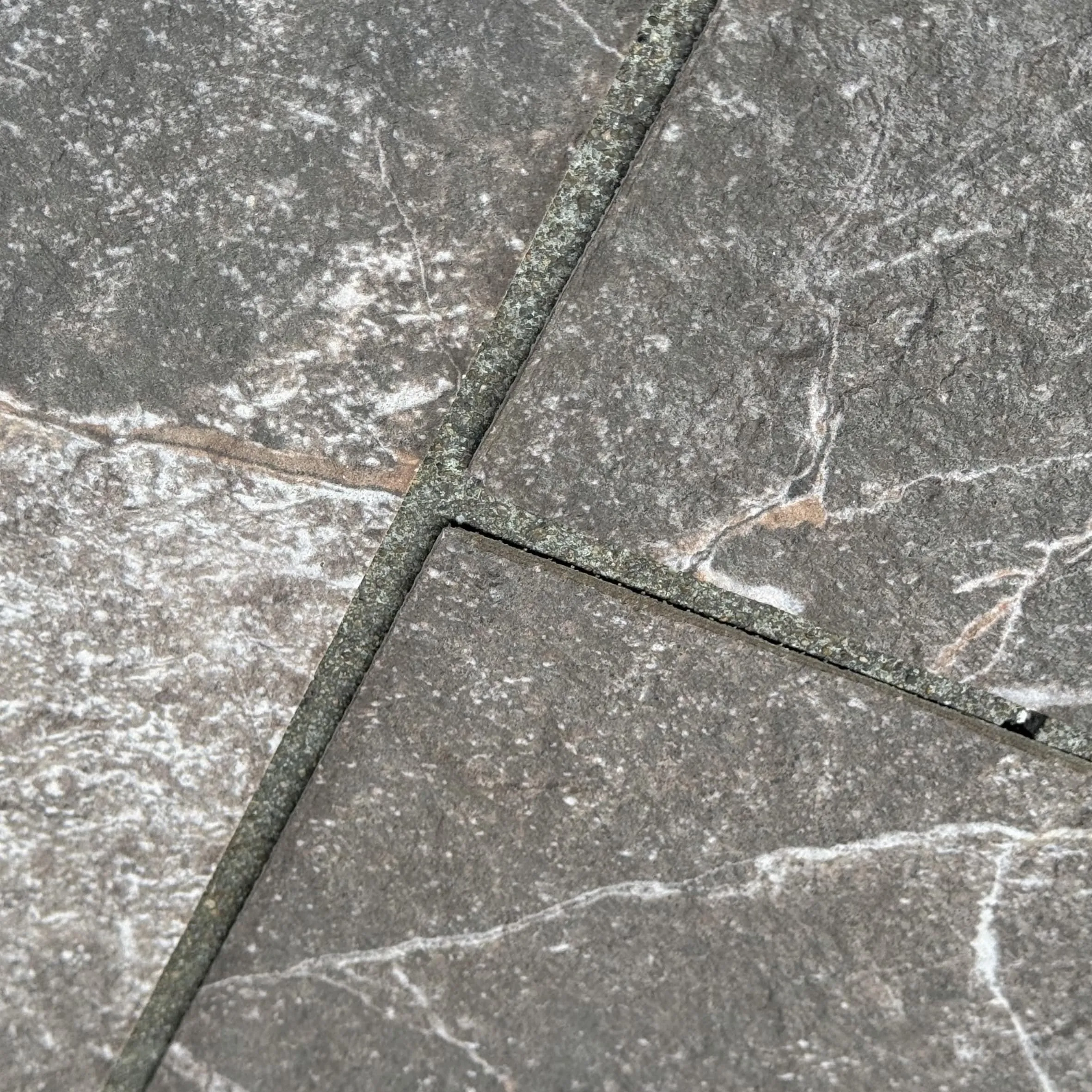
If you've ever walked through a high-end hotel lobby or a luxury retail space, you've probably encountered Granite Portoro without even realizing it. Its dramatic appearance—deep black or dark gray background swirled with golden or white veins—makes it instantly recognizable. But there's far more to this stone than meets the eye. Let's dig into what makes Granite Portoro unique, both aesthetically and sustainably.
Granite Portoro is a type of igneous rock formed over millions of years by the slow crystallization of magma beneath the Earth's surface. Its name is derived from the Italian "porto" (port) and "oro" (gold), a nod to its golden veins that resemble precious metal. While it's found in various regions, the most prized deposits are in Italy, particularly in the Tuscany and Lombardy regions, where the stone's unique mineral composition—quartz, feldspar, and mica—gives it unparalleled strength and beauty.
What makes Granite Portoro a standout for sustainable projects? Let's break it down:
These traits aren't just "nice to have"—they're critical for meeting the strict criteria of LEED and BREEAM. Let's explore exactly how Granite Portoro aligns with each certification.
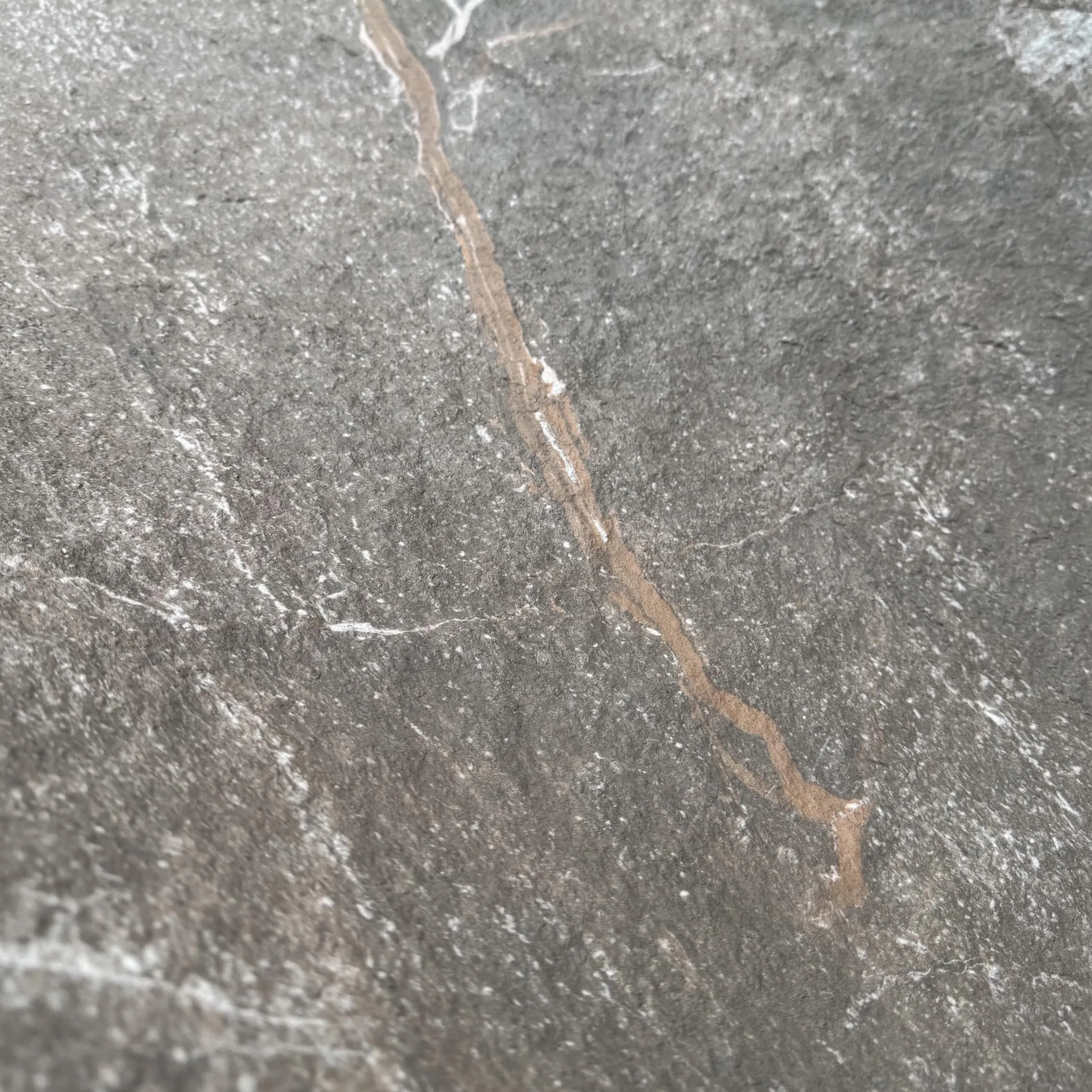
LEED's "Materials and Resources" category is where Granite Portoro truly shines, but its benefits ripple across multiple sections. Let's break down the key areas where this stone contributes to LEED points:
LEED awards points for using materials with recycled content, sourcing locally, and minimizing waste. Granite Portoro excels here:
LEED's "Indoor Environmental Quality" (IEQ) category focuses on creating healthy spaces for occupants. Granite Portoro contributes here in two key ways:
While Granite Portoro doesn't generate energy itself, its thermal properties indirectly reduce energy consumption. For example, a building with Granite Portoro cladding may require 10-15% less energy for heating and cooling compared to one with lightweight synthetic cladding, according to a study by the Stone Sustainability Alliance. This can contribute to LEED points for "Optimized Energy Performance" (LEED EA Credit 1).
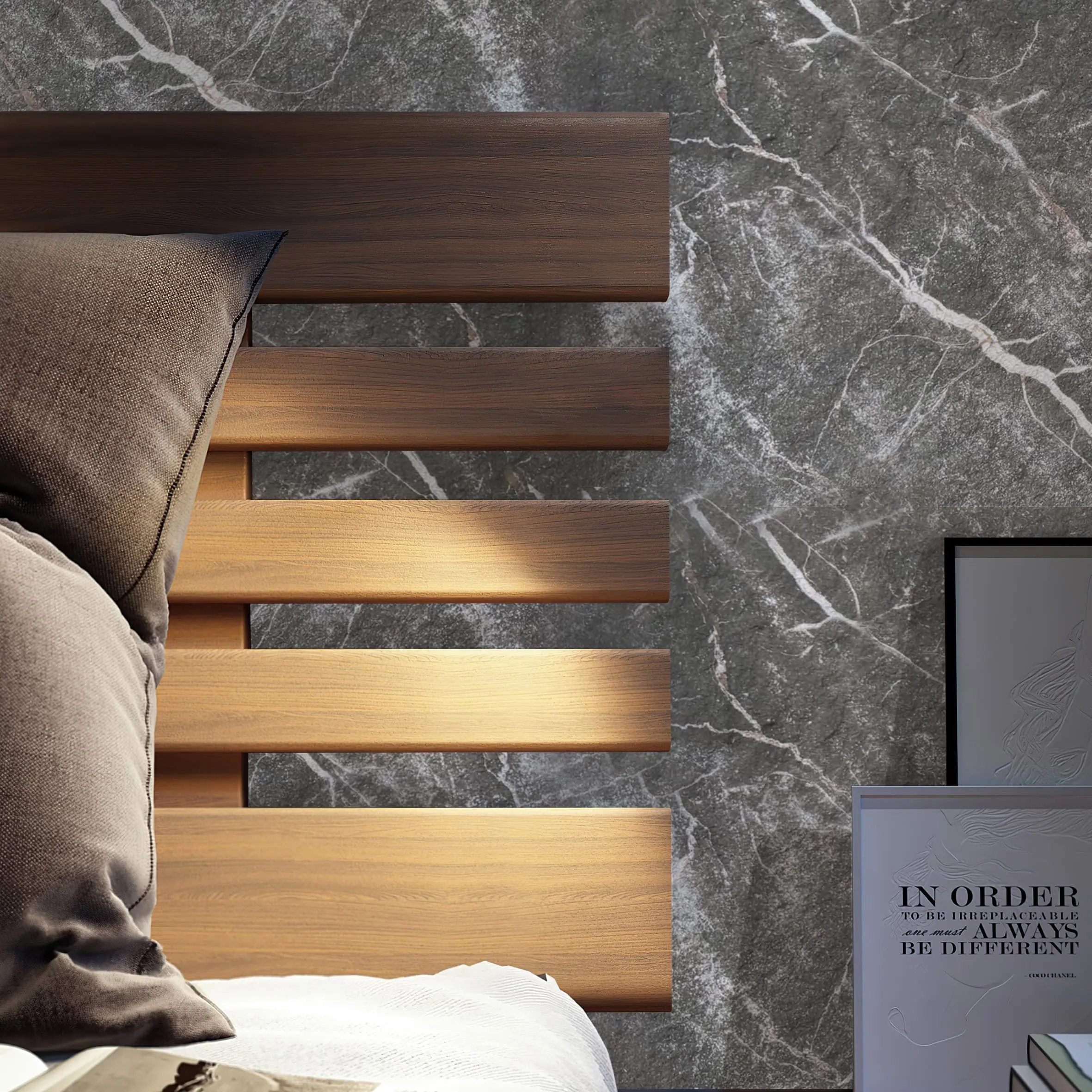
BREEAM's focus on lifecycle assessment and health makes it a perfect match for Granite Portoro's strengths. Let's see how the stone aligns with BREEAM's key categories:
BREEAM's "Health and Wellbeing" category is all about creating spaces that support physical and mental health. Granite Portoro contributes here in several ways:
BREEAM's "Materials" category (MAT) is where Granite Portoro truly stands out, thanks to its long lifespan and responsible sourcing practices:
Similar to LEED, BREEAM's "Energy" category (ENE) values materials that contribute to thermal efficiency. Granite Portoro's thermal mass helps reduce peak heating and cooling loads, which can lower a building's carbon emissions. This is particularly valuable for BREEAM's "Operational Energy" credits (ENE 01), which focus on reducing energy use during occupancy.
Granite Portoro is impressive, but how does it stack up against other popular green building materials? Let's compare it to three alternatives: fair-faced concrete, MCM flexible stone, and boulder slab (a larger-format stone similar to Granite Portoro but with a different aesthetic).
| Material | Recycled Content (%) | Embodied Carbon (kgCO₂/m²) | Durability (Years) | VOC Emissions (g/L) | LEED Points Potential | BREEAM Credits Potential |
|---|---|---|---|---|---|---|
| Granite Portoro | 5-10% (water/energy recycling) | 12-15 | 50+ | 0 | 4-6 (MR, IEQ, EA) | 5-7 (HEA, MAT, ENE) |
| Fair-faced Concrete | 20-30% (recycled aggregates) | 25-30 | 30-40 | 5-10 (if sealed) | 3-5 (MR, EA) | 4-6 (MAT, ENE) |
| MCM Flexible Stone | 15% (recycled stone content) | 8-10 | 25-30 | <5 | 3-4 (MR, EA) | 3-5 (MAT, HEA) |
| Boulder Slab | 5-10% (similar to Granite Portoro) | 10-12 | 40-50 | 0 | 3-5 (MR, IEQ) | 4-6 (MAT, HEA) |
As the table shows, Granite Portoro excels in durability (50+ years vs. 30-40 for fair-faced concrete) and VOC emissions (0 g/L, compared to 5-10 for sealed concrete). While fair-faced concrete has higher recycled content, its higher embodied carbon and shorter lifespan make it less sustainable over the long term. MCM flexible stone has lower embodied carbon but lacks the durability of Granite Portoro. Boulder slab is a close competitor but often has a less distinctive aesthetic, making Granite Portoro the top choice for projects that want both sustainability and visual impact.
Numbers and comparisons are helpful, but nothing illustrates a material's value like real-world examples. Let's look at two projects that used Granite Portoro to achieve top-tier LEED and BREEAM certifications.
A multinational tech company wanted its new European headquarters in Milan to reflect its commitment to sustainability and innovation. The design team chose Granite Portoro for the lobby flooring, reception desk, and exterior cladding, paired with MCM flexible stone for interior accent walls.
A luxury residential developer in London aimed to create the city's first BREEAM Outstanding-certified high-rise. Granite Portoro was selected for communal areas, including the ground-floor lounge and rooftop terrace, alongside fair-faced concrete for structural elements.
As green building standards evolve, so too does the role of materials like Granite Portoro. Here are a few trends shaping its future in sustainable construction:
Quarries are adopting more sustainable practices, from using electric machinery to reduce carbon emissions to implementing water recycling systems that capture and reuse 90% of process water. Some producers are even exploring carbon capture technologies to offset the embodied carbon of extraction. These innovations will make Granite Portoro an even stronger candidate for LEED and BREEAM in the years ahead.
Architects are increasingly pairing Granite Portoro with complementary materials to maximize sustainability. For example, using MCM flexible stone for lightweight cladding (reducing transportation emissions) alongside Granite Portoro for high-traffic areas (maximizing durability). Or combining it with boulder slab for larger-format installations, which reduce jointing and installation waste. These hybrid approaches allow projects to leverage the strengths of multiple materials while meeting certification requirements.
Advances in LCA software are making it easier to quantify Granite Portoro's sustainability benefits. Tools like One Click LCA and Simapro can now model the stone's impact from quarry to disposal, helping projects accurately claim BREEAM credits for lifecycle performance. This transparency will only increase demand for Granite Portoro as developers seek materials with verifiable sustainability credentials.
In the world of green building, every material choice is a vote for the future. LEED and BREEAM certifications aren't just badges of honor—they're proof that a building is designed and built with people and the planet in mind. And at the heart of that proof lies materials like Granite Portoro.
Granite Portoro's unique combination of durability, thermal performance, low toxicity, and aesthetic appeal makes it more than just a stone—it's a sustainable solution. It aligns with LEED's focus on materials and energy efficiency, excels in BREEAM's health and lifecycle categories, and outperforms many alternatives in long-term sustainability. The case studies we explored show that it doesn't just help projects meet certification requirements—it helps them exceed them, creating buildings that are healthier, more efficient, and more beautiful.
As green building standards continue to rise, the demand for materials that can deliver on both sustainability and design will only grow. Granite Portoro, with its timeless beauty and proven performance, is poised to remain a cornerstone of this movement. Whether you're designing a LEED Platinum office tower or a BREEAM Outstanding residential complex, choosing Granite Portoro isn't just about building for today—it's about building for a greener, more sustainable tomorrow.
So the next time you walk into a building with that striking black-and-gold stone, take a moment to appreciate it—not just for its beauty, but for the role it plays in shaping a better built environment. Granite Portoro isn't just a material. It's a statement: that sustainability and luxury can go hand in hand, and that the future of building is both green and grand.
Recommend Products












