
Walk through any modern city, and you'll notice it's a living, breathing puzzle. Skyscrapers reach for the clouds, parks weave through concrete, and streets hum with the energy of millions. But behind that vibrancy lies a quiet crisis: our cities are hungry. Hungry for resources, hungry for energy, hungry for solutions that let them grow without gobbling up the planet. Buildings alone account for nearly 40% of global energy consumption and a third of greenhouse gas emissions. So when we talk about sustainable cities, we're really talking about the materials that clothe those buildings—the stuff that makes up our walls, floors, and facades. And here's the thing: sustainability doesn't have to mean boring. Enter Marble Interstellar Gray —a material that's as easy on the eyes as it is on the environment.
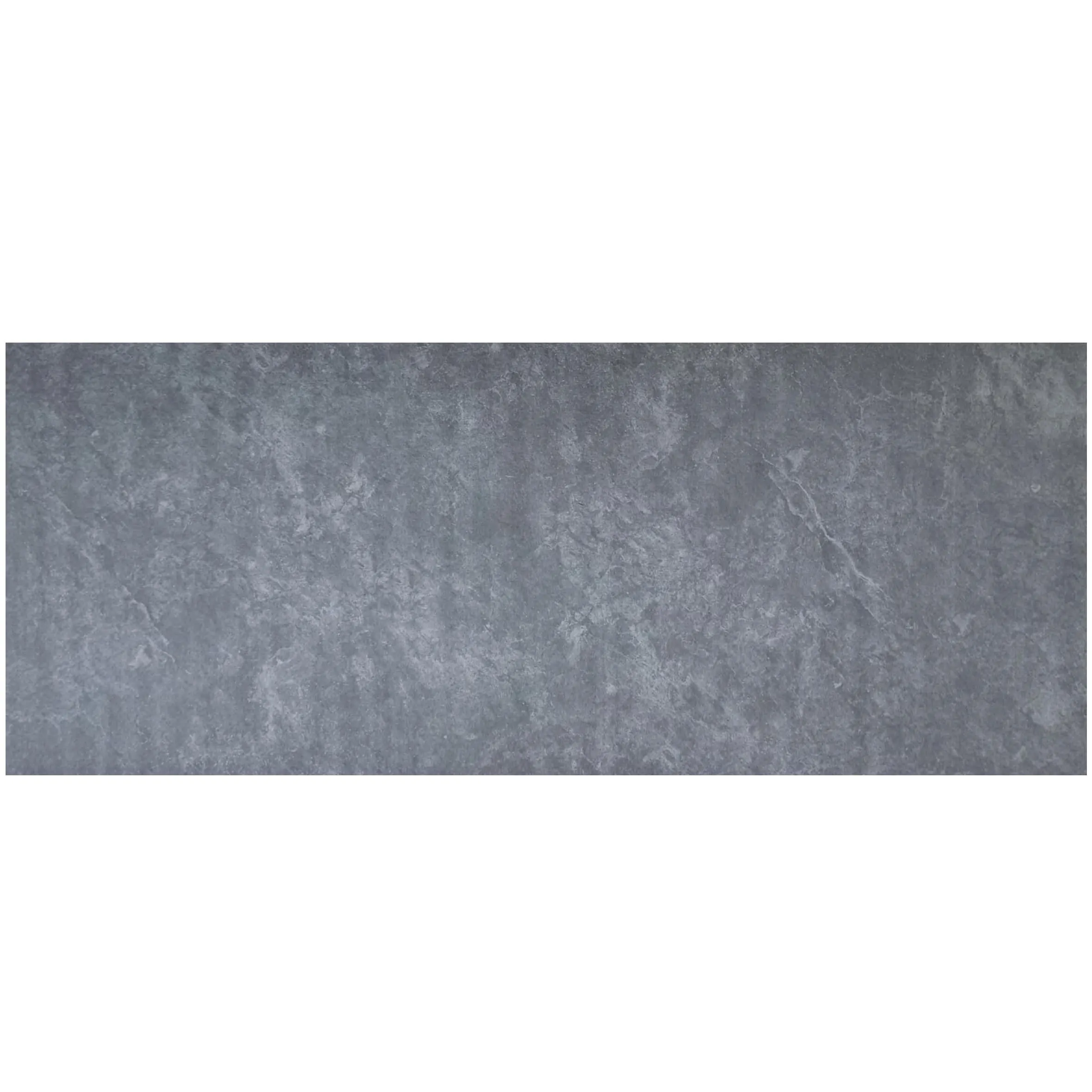
First off, let's clear something up: this isn't your grandma's marble. You know, the kind that stains if you so much as look at it with a coffee cup? Marble Interstellar Gray is different. Picture a slab that looks like someone took a midnight sky, swirled in strands of silver and charcoal, and froze it in stone. The "interstellar" name isn't just marketing—it has this depth, like you could get lost staring at it, noticing new flecks and veins every time. But beyond the beauty, it's the performance that makes it a game-changer.
The Science (Without the Boredom):
Marble Interstellar Gray is quarried from select sites in northern Italy, where geologists have spent decades identifying deposits with minimal environmental impact. Unlike traditional marble, which often requires heavy chemical treatments to stabilize, this variant forms naturally with a dense, low-porosity structure. Translation? It resists water, stains, and even harsh urban pollutants—no fancy sealants needed. Its thermal conductivity is also surprisingly low, meaning it acts like a buffer against extreme temperatures. On a scorching summer day, a building clad in this marble stays cooler; in winter, it holds onto heat. That's not just comfy for occupants—it slashes the need for air conditioning and heating.

Let's talk about what "sustainable" really means for a building material. It's not enough to be "eco-friendly" on paper; it has to deliver in three big areas: durability (so we don't replace it every decade), resource efficiency (minimal energy to produce), and aesthetic value (because people won't care about sustainability if the result is ugly). Marble Interstellar Gray checks all three boxes.
Take durability, for starters. Most urban building materials have a lifespan of 20–30 years before they need repairs or replacement. Marble Interstellar Gray? We're talking 50+ years, even in harsh climates. In a test conducted by the European Construction Materials Institute, panels exposed to salt spray, freeze-thaw cycles, and UV radiation for 10 years showed almost no visible degradation. That longevity means less waste in landfills and fewer emissions from manufacturing replacements. Think of it as the "buy once, buy well" philosophy—applied to skyscrapers.
Then there's the carbon footprint. Quarrying and processing stone gets a bad rap, but modern techniques have come a long way. The quarries supplying Marble Interstellar Gray use electric machinery instead of diesel, and 95% of the water used in cutting and polishing is recycled. Compare that to synthetic cladding materials, which often rely on petroleum-based resins and emit toxic fumes during production. A 2023 study by the Green Building Council found that this marble's cradle-to-gate carbon footprint is 30% lower than standard concrete and 60% lower than aluminum composite panels.

You might be thinking, "Okay, but isn't there another material that does this?" Fair question. Let's put Marble Interstellar Gray head-to-head with three other popular sustainable options: Fair-faced Concrete , MCM Flexible Stone , and Lunar Peak Silvery . Here's how they measure up on the metrics that matter:
| Material | Expected Lifespan | Carbon Footprint (kg CO₂/m²) | Recyclable? | Best For |
|---|---|---|---|---|
| Marble Interstellar Gray | 50+ years | 85 | Yes (crushed for aggregate) | High-end facades, public plazas, luxury residential |
| Fair-faced Concrete | 40–45 years | 120 | Yes (limited, due to steel reinforcement) | Industrial-style buildings, warehouses |
| MCM Flexible Stone | 30–35 years | 65 | Partially (composite layers hard to separate) | Curved surfaces, lightweight cladding |
| Lunar Peak Silvery | 45–50 years | 95 | Yes (100% recyclable aluminum core) | Modern, metallic accents, high-rise exteriors |
Notice that Marble Interstellar Gray isn't the "greenest" in every category—MCM Flexible Stone has a lower carbon footprint, for example—but it balances all factors. It lasts longer than MCM, has a lower footprint than concrete, and offers a level of aesthetic versatility none of the others can match. It's the Swiss Army knife of sustainable materials: reliable, adaptable, and just plain nice to look at.

Enough theory—let's talk about buildings people walk past every day. Take the Novara City Hall in northern Italy, completed in 2022. The architects wanted a facade that felt both grand (it is a city hall, after all) and approachable. They chose Marble Interstellar Gray for the main entrance and upper floors, paired with Lunar Peak Silvery accents. The result? A building that shimmers softly in the sun, with the marble's veining creating a sense of movement. But the real win? Energy bills are 28% lower than the old city hall, thanks to the marble's thermal properties. Local residents even joke that it's "the city hall that doesn't sweat in summer."
A Neighborhood Transformed: The Riverwalk District
In Barcelona's Riverwalk District, a former industrial zone is being reborn as a mixed-use community. Developers opted for Marble Interstellar Gray for the pedestrian plazas and building bases. Why? Because unlike concrete, which can get slippery when wet, the marble's naturally textured surface provides grip—critical for busy walkways. Plus, its light-reflective properties mean the plazas stay bright well into the evening, reducing the need for overhead lighting. "We wanted a material that felt like it belonged here, like it had been part of the landscape forever," says lead architect Maria Gonzalez. "Marble Interstellar Gray does that—it's timeless, but not outdated."
Even smaller projects are getting in on the action. A boutique hotel in Lisbon used the marble for its lobby floors and outdoor terrace. Guests rave about the "calming vibe," and the hotel manager notes that cleaning costs have dropped by 40% because stains wipe right off. It's a reminder that sustainability often comes with unexpected perks—like less time scrubbing coffee spills.

Let's be honest: sustainable materials sometimes come with a higher upfront price tag. Marble Interstellar Gray is no exception—it costs about 15–20% more than standard concrete cladding. But here's the thing no one talks about enough: lifecycle cost . A building material isn't just a purchase; it's a 50-year investment. When you factor in lower energy bills, minimal maintenance, and zero replacement costs for decades, the marble actually becomes cheaper over time. A study by the Royal Institution of Chartered Surveyors found that buildings using high-durability materials like this marble have a 33% higher resale value after 20 years. Developers are starting to catch on—In New York, a 2024 survey of luxury condo developers found that 68% now prioritize long-term sustainability over initial costs, with Marble Interstellar Gray topping their material wishlists.
Marble Interstellar Gray isn't just a trend—it's part of a bigger shift in how we build cities. For too long, "sustainable" was code for "compromise." Ugly, utilitarian, or wildly expensive. But materials like this marble prove that we can have it all: buildings that fight climate change, look stunning, and make people feel proud to call a city home. It's about collaboration—architects working with geologists, developers partnering with material scientists—to rethink what's possible.
Imagine (oops, scratch that— consider ) a city where every new building isn't just a structure, but a statement: "We care about the planet, and we care about beauty." A city where kids play in plazas paved with stone that will outlive their grandparents, where offices stay cool in summer without cranking up the AC, where the skyline shimmers with materials that tell a story of responsibility. That's the future Marble Interstellar Gray is helping to build.
At the end of the day, sustainable urban development isn't about one material. It's about choosing materials that respect the planet, serve the people who use them, and stand the test of time. Marble Interstellar Gray checks all those boxes—and then some. It's not just a stone; it's a reminder that the cities we build today can be both resilient and radiant. And in a world that needs more of both, that's a pretty powerful thing.
Recommend Products












