So, what makes
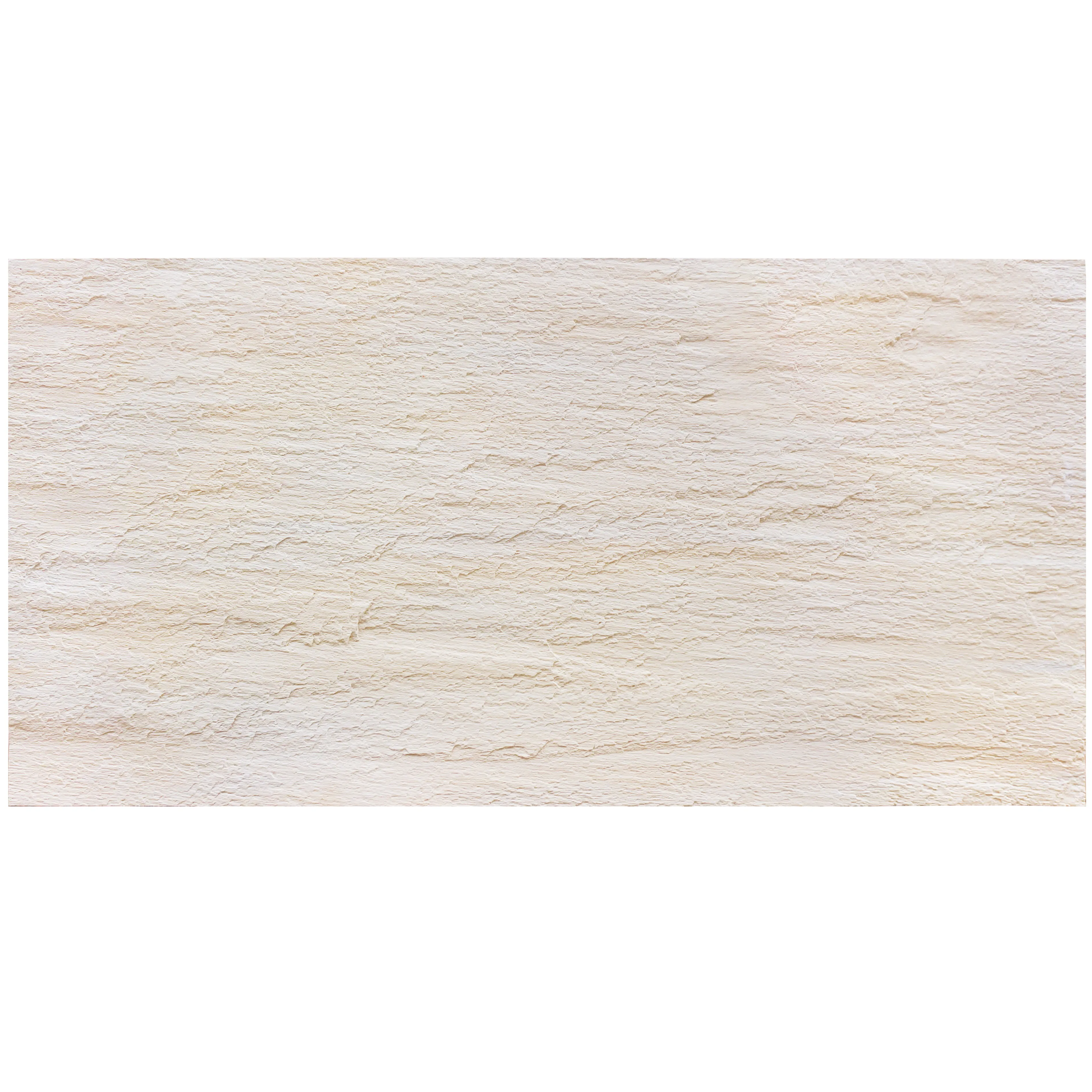
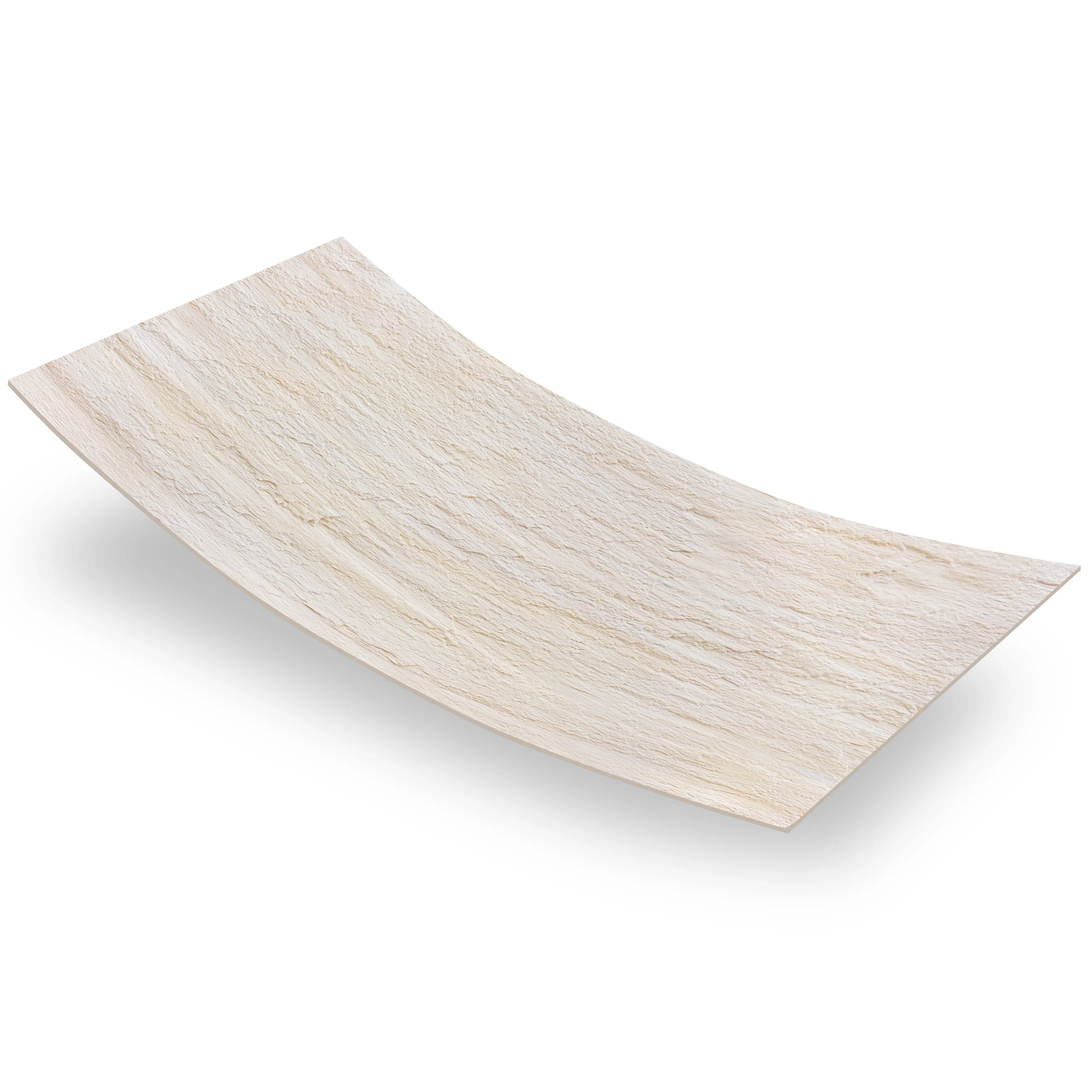
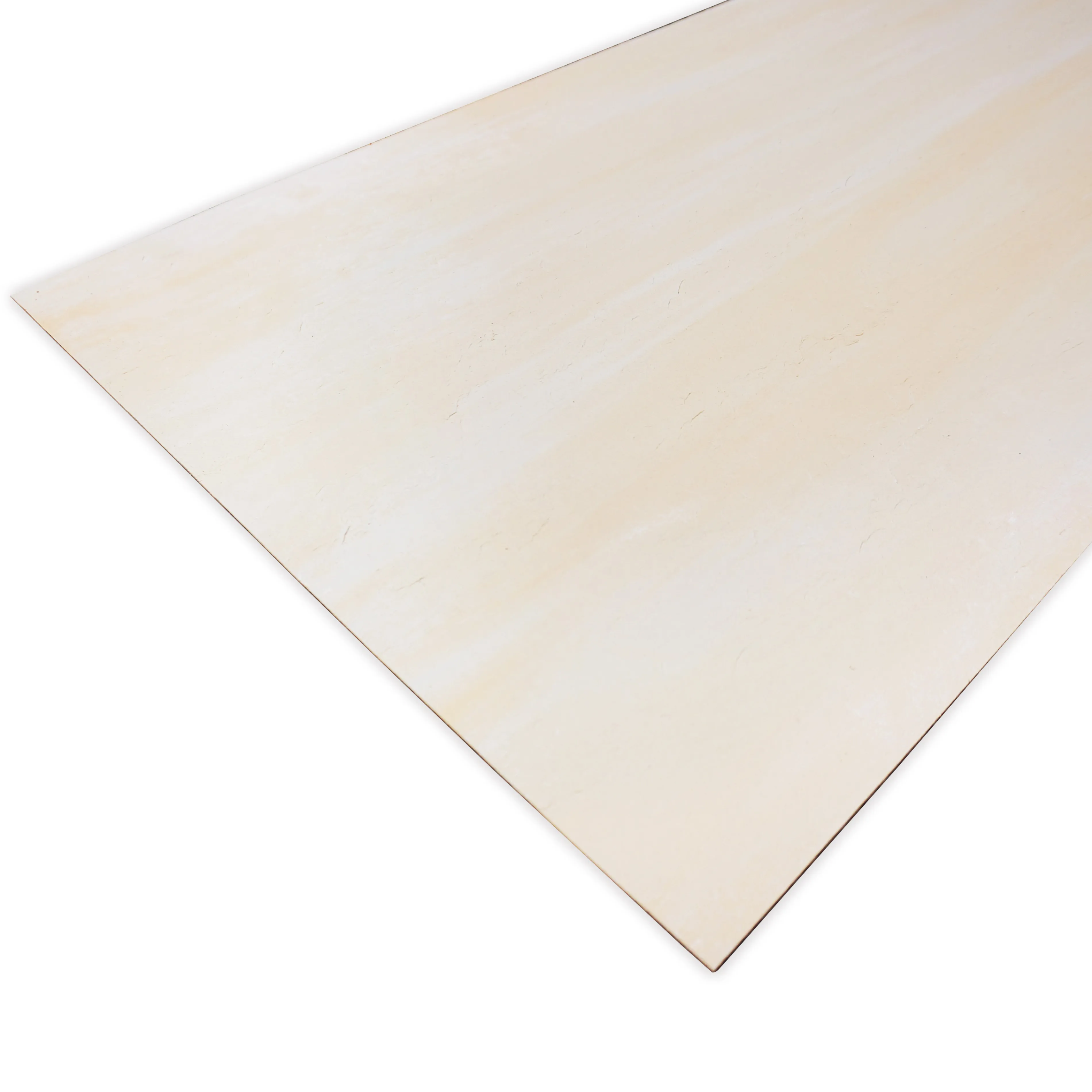
Oasis Stone Foge different? Let's start with the feel of it. Run a hand over its surface, and you'll notice a texture that's both familiar and fresh—reminiscent of weathered limestone or sun-baked adobe, but with a subtle resilience that hints at modern engineering. It's part of
MCM flexible stone family, a line of materials designed to mimic the look and feel of natural stone while offering the durability and versatility of contemporary composites. But
Oasis Stone Foge takes this a step further: it's not just flexible in installation (though its lightweight, panel-based design makes it easier to apply than heavy natural stone); it's flexible in spirit. It adapts to the building it's dressing, rather than forcing the building to adapt to it.
Visually,
Oasis Stone Foge is a master of subtlety. Unlike some modern materials that scream "new," its color palette—soft beiges, muted grays, and earthy tones—echoes the natural patina of aged stone. It plays with light in a way that feels organic: in the morning sun, it warms up, blending with the golden hues of historic brick; in overcast weather, it softens, complementing the moody gray of slate roofs. What's more, it can be customized to match specific historic textures. Need to replicate the rough-hewn look of a 17th-century cottage? Or the smooth, chiseled finish of a neoclassical mansion?
Oasis Stone Foge can be tailored to those details, ensuring that from a distance, the building reads as "original," while up close, it reveals a material that's built to last.
But perhaps its most compelling trait is its ability to work with, not against, the building's existing character. Take, for example, a historic schoolhouse with a facade dotted with small, irregularly placed windows and a patchwork of original and repaired stone. Slapping a uniform modern cladding over that would erase the building's "face"—the quirks that make it unique.
Oasis Stone Foge, with its panel system, can be cut and shaped to fit around those windows, follow the building's natural curves, and even mimic the color variations of the original stone. It's like adding a layer of protection that still lets the building's personality shine through.