
Blending Aesthetics, Durability, and Environmental Stewardship in Modern Building Design
Buildings shape our daily lives. They shelter us, inspire us, and frame the spaces where we work, learn, and connect. But in an era of climate change and resource scarcity, they also carry a deeper responsibility: to coexist harmoniously with the planet. This shift—from buildings as mere structures to buildings as stewards of sustainability—has given rise to a new standard in design: green architecture. At the heart of this movement lies certification systems like LEED (Leadership in Energy and Environmental Design), a globally recognized benchmark that measures a building's environmental performance and human-centric design.
LEED isn't just a label; it's a promise. It tells occupants, communities, and the world that a building was crafted with intention—minimizing waste, reducing energy use, and prioritizing health. Yet, achieving LEED certification isn't a simple feat. It requires every element, from foundation to facade, to align with rigorous criteria. Among the materials rising to this challenge is Oasis Stone Foge, a product that marries the timeless beauty of natural stone with the forward-thinking innovation of sustainable engineering. Let's explore how this unassuming material is redefining what it means to build green.
Before diving into Oasis Stone Foge, it's critical to understand the landscape it operates within. LEED, developed by the U.S. Green Building Council (USGBC), awards points across six categories: Energy and Atmosphere (EA), Materials and Resources (MR), Indoor Environmental Quality (IEQ), Water Efficiency (WE), Sustainable Sites (SS), and Innovation in Design (ID). Buildings earn certifications (Certified, Silver, Gold, Platinum) based on their total points, with Platinum being the highest honor.
For architects and developers, LEED isn't just about checking boxes. It's about reimagining how buildings interact with their surroundings. A Platinum-certified building might harvest rainwater, use 50% less energy than code requirements, or source 90% of its materials locally. Every choice, including the facade material, plays a role. This is where Oasis Stone Foge steps in—not just as a surface, but as a strategic ally in earning those coveted LEED points.
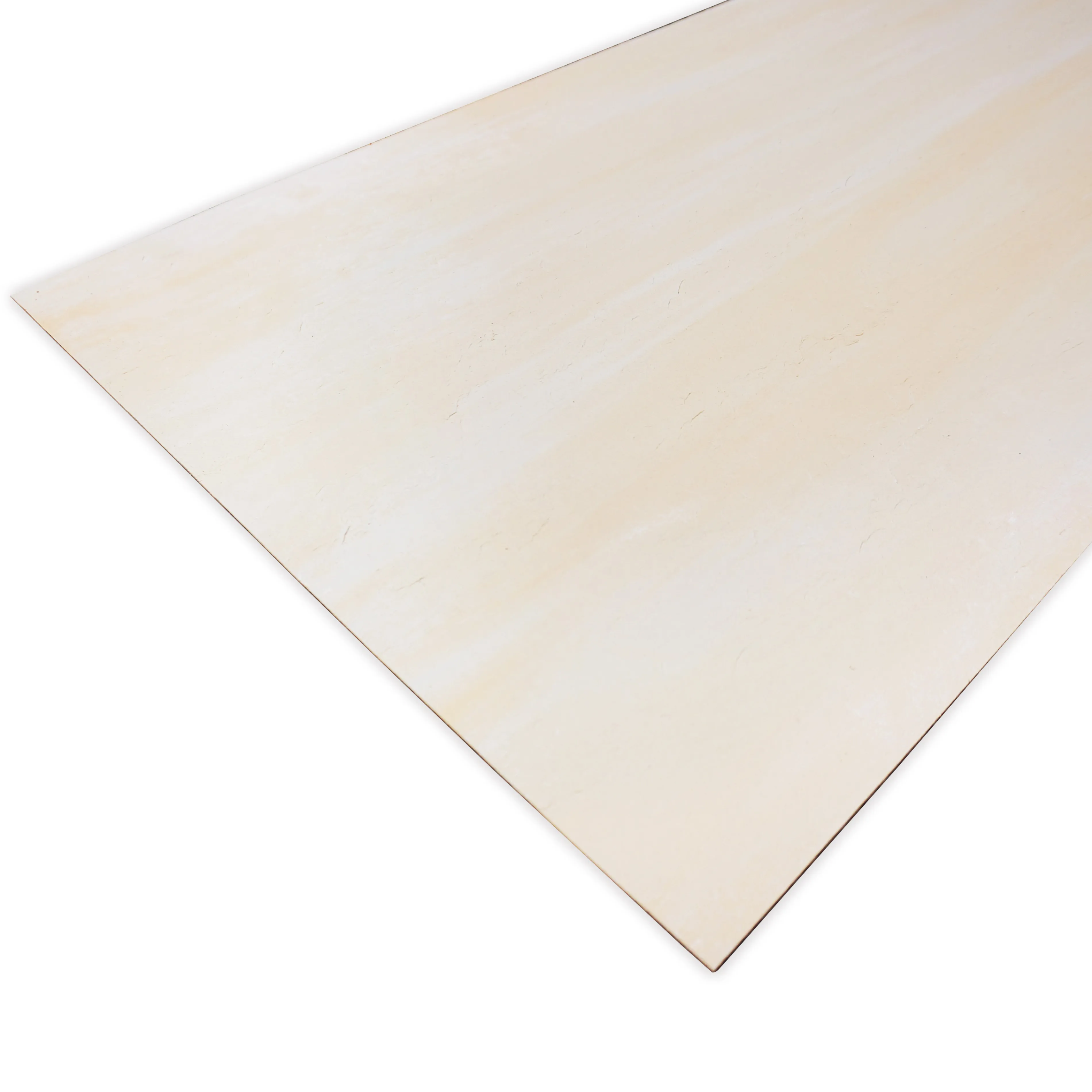
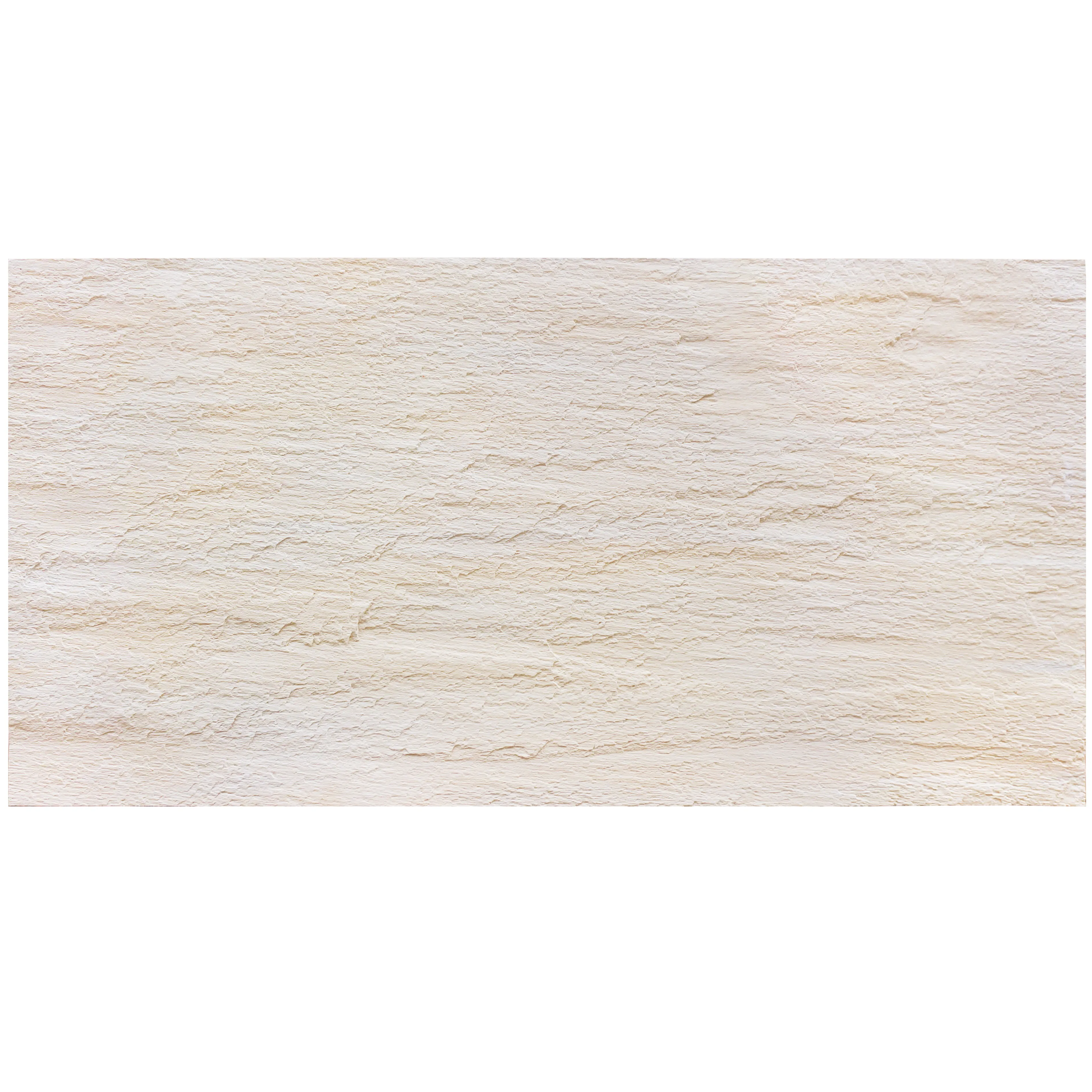
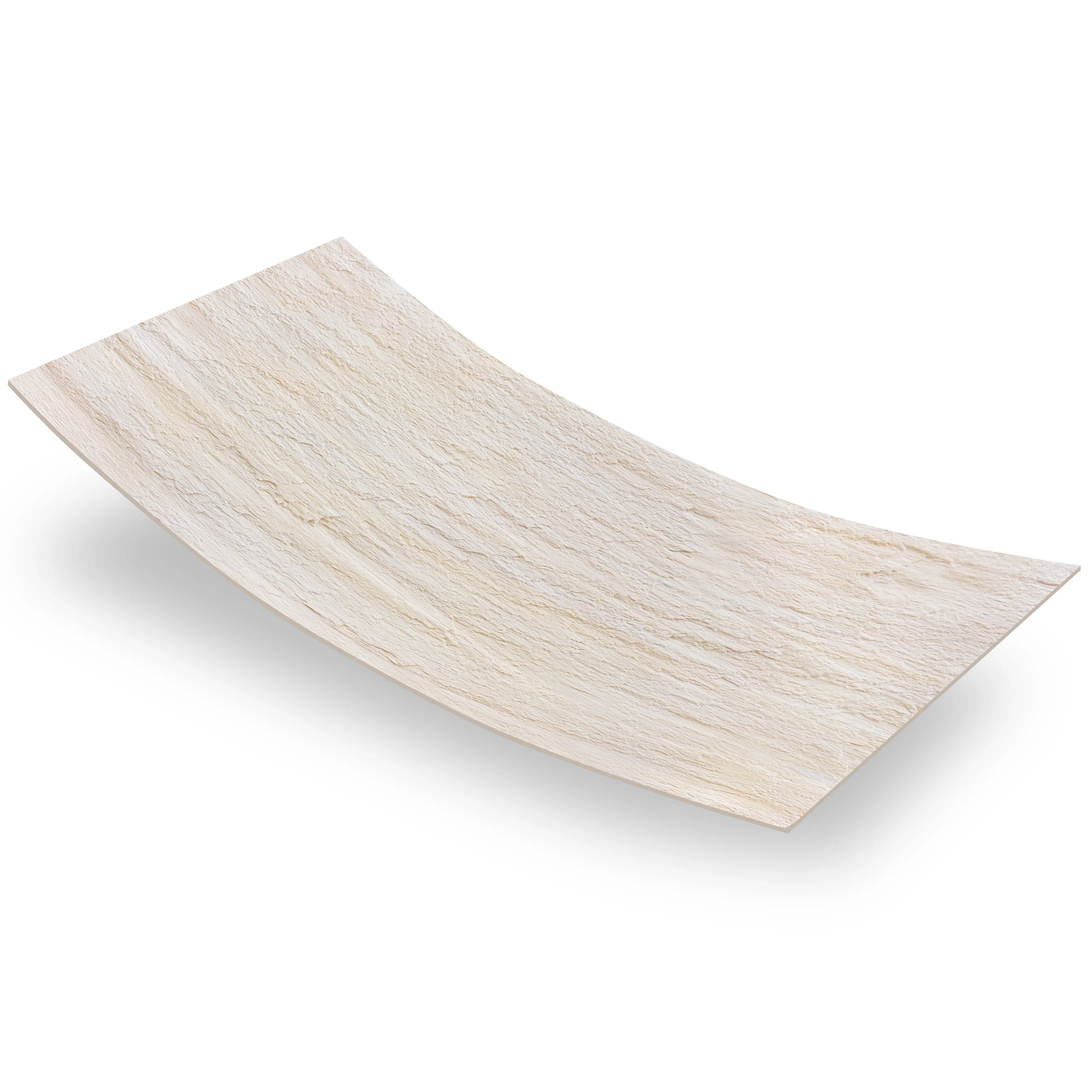
Oasis Stone Foge isn't your typical building material. At first glance, it might evoke the rugged charm of natural stone—think the warm earthiness of travertine or the subtle texture of mcm flexible stone—but beneath its surface lies a story of innovation. Crafted from a blend of recycled stone aggregates, low-VOC (volatile organic compound) binders, and a flexible matrix, it's designed to address two often conflicting goals: durability and sustainability.
What sets it apart? Let's break down its core features:
But perhaps its most compelling trait is its feel . Run a hand over an Oasis Stone Foge panel, and you'll notice the slight irregularities—the echoes of the recycled stone fragments that make each piece unique. It's a material with character, one that doesn't just cover a wall but tells a story of resourcefulness.

To truly grasp Oasis Stone Foge's impact, let's map its features to specific LEED credits. Below is a breakdown of how it contributes to key categories, along with real-world implications for architects and builders:
LEED's MR category rewards projects that prioritize sustainable sourcing, waste reduction, and material reuse. Oasis Stone Foge shines here, particularly in two credits:
Buildings account for nearly 40% of global energy use, with heating and cooling being major culprits. Oasis Stone Foge's thermal resistance helps tackle this:
LEED doesn't just focus on the planet—it prioritizes people, too. Indoor air quality is a key IEQ credit, and Oasis Stone Foge supports this by:
For projects aiming to stand out, LEED's Innovation credits reward creative solutions. Oasis Stone Foge's unique blend of sustainability and aesthetics can qualify for ID Credit 1: Innovation in Design , particularly when paired with other green strategies (e.g., rainwater harvesting, solar integration).
| Material | Key LEED Credit Contributions | Recycled Content | Thermal Conductivity (W/m·K) | Maintenance Needs |
|---|---|---|---|---|
| Oasis Stone Foge | MR (Recycled Content, Regional Materials), EA (Energy Efficiency), IEQ (Low-VOC) | 35% post-industrial | 0.15–0.20 (excellent insulation) | Low (occasional water rinse; no sealants needed) |
| Travertine (Starry Green) | MR (Regional Sourcing, if local) | 0% (virgin stone) | 1.2–1.5 (poor insulation) | High (regular sealing, prone to staining) |
| MCM Flexible Stone | MR (Lightweight, Reduced Transportation Emissions) | 15–20% post-industrial | 0.30–0.35 (moderate insulation) | Moderate (occasional cleaning, limited color options) |
Table 1: Comparative Analysis of Oasis Stone Foge with Traditional and Alternative Materials
Numbers and credits tell part of the story, but real projects bring it to life. Take the Riverbank Community Center in Portland, Oregon—a 45,000-square-foot facility designed to serve as a hub for local events, fitness, and education. The design team set an ambitious goal: LEED Platinum certification. To get there, they needed a facade material that checked three boxes: sustainable, durable, and inviting.
After evaluating options like travertine, mcm flexible stone, and traditional concrete, they chose Oasis Stone Foge for the exterior cladding and interior accent walls. Here's why it worked:
The Riverbank Project: Key Wins with Oasis Stone Foge
"We didn't want sustainability to feel like a compromise," says Maria Hernandez, the project's lead architect. "Oasis Stone Foge let us have it all—something that looked beautiful, performed efficiently, and aligned with our values. The fact that it came from recycled materials? That was the cherry on top."
Of course, no material is without challenges. Oasis Stone Foge, while innovative, does present hurdles for some projects:
These challenges are manageable with foresight. As Hernandez puts it: "Sustainability rarely comes without some upfront effort. But when you see the long-term impact—on the planet, on operating costs, on how people feel in the space—it's worth every bit of planning."
As LEED evolves—with updates to address circular economy principles and carbon neutrality—materials like Oasis Stone Foge will only grow in relevance. Producers are already exploring ways to boost recycled content to 50% and integrate carbon-capturing binders, further aligning with net-zero goals. Meanwhile, architects are finding creative uses: from green roofs (its lightweight design reduces structural load) to acoustic panels (its porous structure dampens sound, supporting IEQ credits for acoustical performance).
Perhaps most exciting is its potential to bridge the gap between "green" and "luxury." For too long, sustainable materials were pigeonholed as utilitarian or bland. Oasis Stone Foge, with its natural texture and versatile finishes, challenges that narrative. It proves that buildings can be both eco-conscious and visually stunning—that sustainability doesn't have to mean sacrificing beauty.
Sustainable architecture is about more than meeting certifications; it's about creating spaces that honor the planet and the people who inhabit them. Oasis Stone Foge, in its quiet way, embodies this mission. It's a material that doesn't just exist in the built environment—it contributes to it, reducing waste, saving energy, and adding soul to spaces.
For architects, builders, and developers eyeing LEED certification, the message is clear: the materials we choose matter. They shape our buildings, our communities, and our future. Oasis Stone Foge isn't the only solution, but it's a powerful one—a reminder that sustainability and beauty can coexist, one panel, one project, one LEED credit at a time.
Recommend Products












