
Bridging Sustainability, Aesthetics, and the Human Touch in Modern Architecture
In the quiet hum of a design studio, where blueprints sprawl across oak tables and architects scribble notes on trace paper, there's a question that echoes more loudly than ever: How do we build spaces that honor both the planet and the people who inhabit them? It's a question that has guided the evolution of green building practices, and at the heart of the answer lies materials that don't just serve a function—they tell a story. Enter Oasis Stone Regular, a material that's redefining what it means to create LEED-certified buildings with soul. More than just a slab of stone, it's a bridge between sustainability and beauty, a testament to how innovation can honor tradition while forging a greener future.
For architects, builders, and homeowners alike, the pressure to "go green" often feels like a tightrope walk. LEED certification—the gold standard for sustainable building—demands rigorous attention to energy efficiency, material sourcing, and environmental impact. Yet, too often, "sustainable" has been code for "compromised aesthetics," leaving projects feeling cold or clinical. Oasis Stone Regular shatters that myth. Born from the marriage of cutting-edge MCM flexible stone technology and a deep respect for natural beauty, it proves that sustainability and soul can coexist.
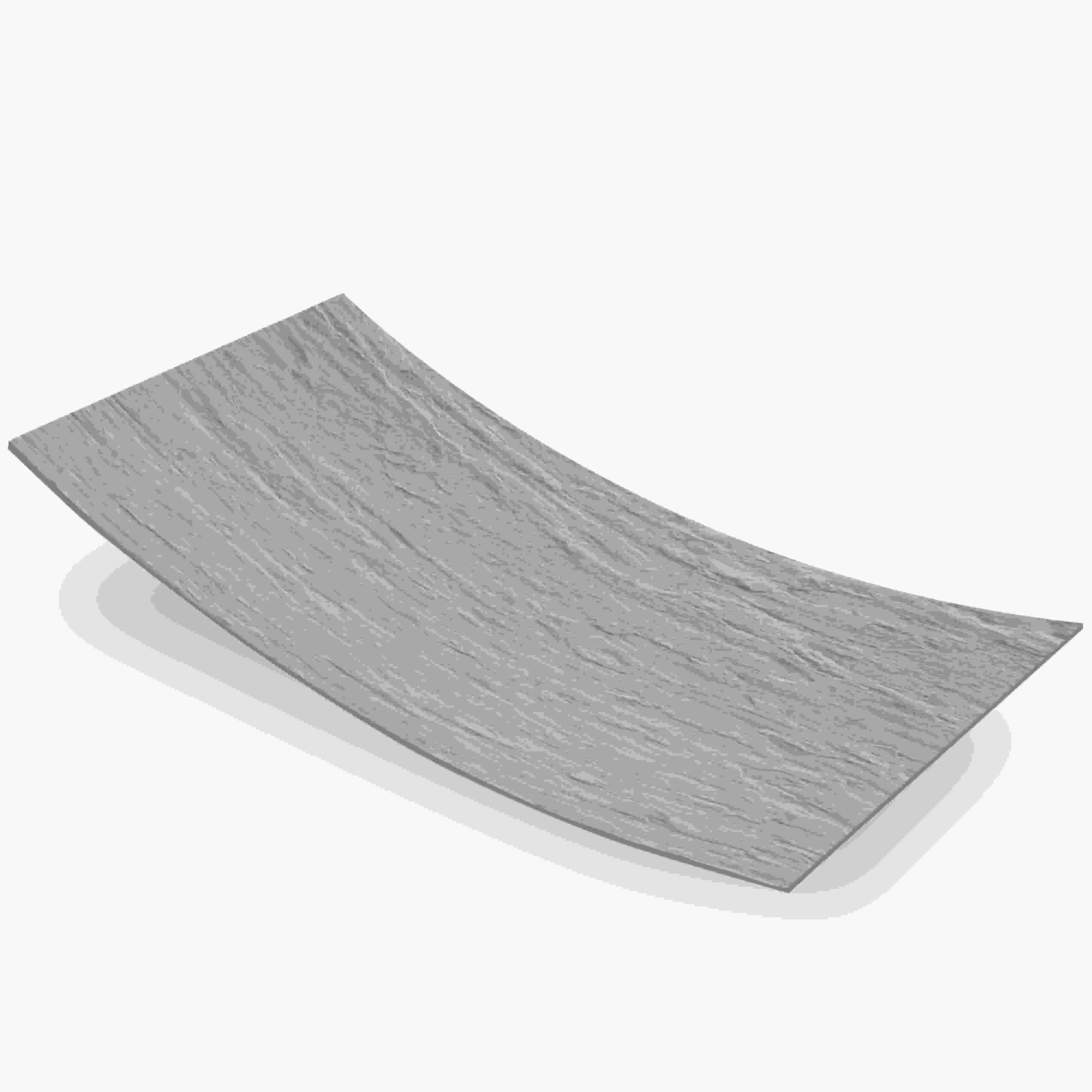
Let's start with the basics: Oasis Stone Regular isn't your average building material. It's part of the broader MCM (Modified Composite Material) family, a category celebrated for its lightweight durability and eco-friendly composition. Unlike traditional stone slabs, which often require heavy extraction and transportation—leaving a large carbon footprint—Oasis Stone is engineered using MCM flexible stone technology, a process that bonds natural minerals with recycled polymers. The result? A material that's 70% lighter than granite, 100% recyclable, and surprisingly resilient, able to withstand harsh weather, UV rays, and the wear and tear of daily life.
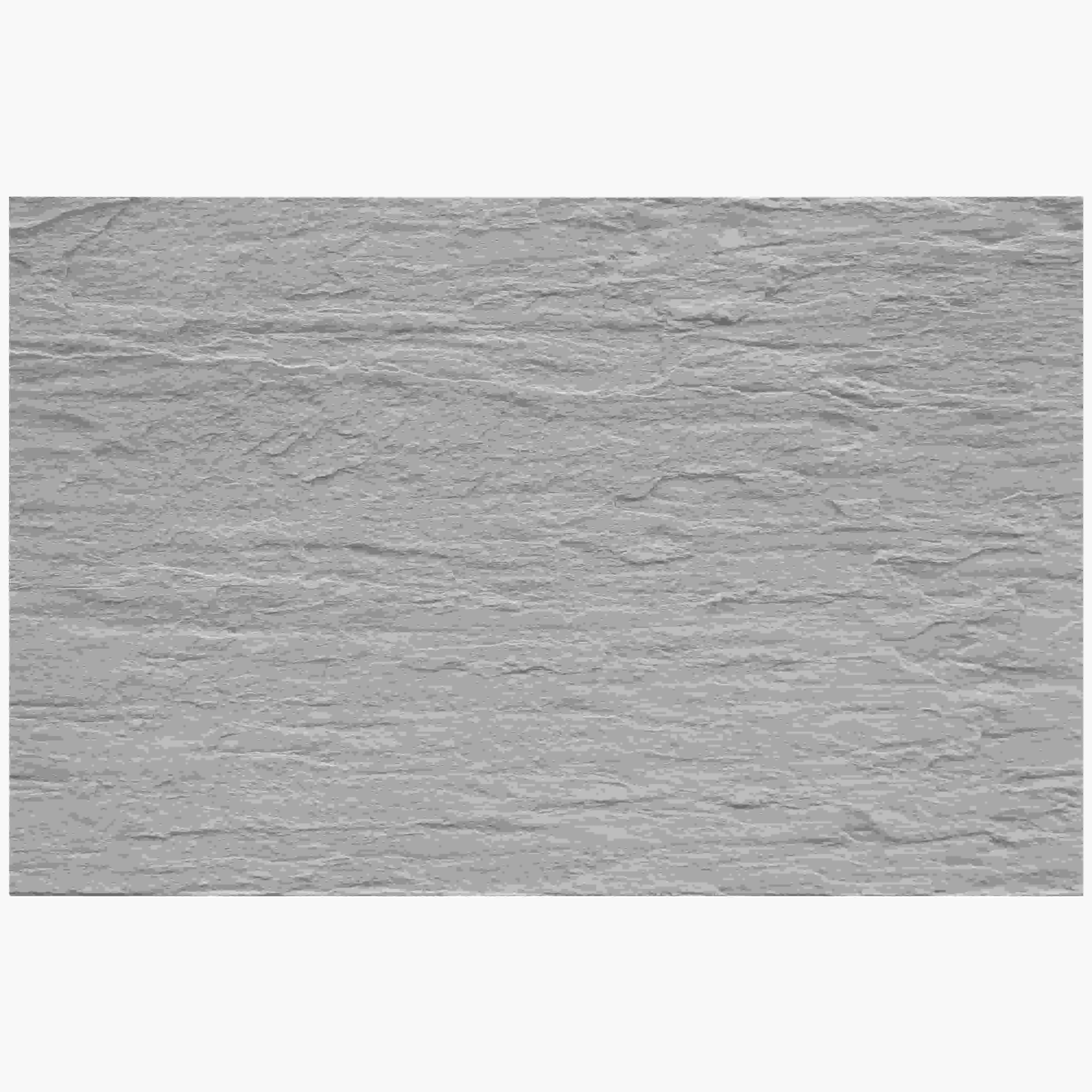
But what truly sets it apart is its heart. Run your hand over its surface, and you'll feel the texture of natural stone—warm, imperfect, full of character. It doesn't feel "manufactured" in the sterile sense; instead, it carries the echoes of the earth, with subtle variations in color and pattern that make every panel unique. This is intentional. The creators of Oasis Stone Regular understood that sustainability shouldn't mean sacrificing beauty—and that beauty, in turn, shouldn't come at the expense of the planet. It's a material designed for spaces that people want to be in, not just need to be in.

LEED certification isn't just a badge—it's a promise. Developed by the U.S. Green Building Council (USGBC), it evaluates buildings based on six key categories: Energy and Atmosphere, Materials and Resources, Indoor Environmental Quality, Water Efficiency, Sustainable Sites, and Innovation in Design. Oasis Stone Regular contributes to nearly all of these, making it a favorite among LEED-focused projects. Let's break down how:
One of LEED's most stringent categories is Materials and Resources, which rewards projects that minimize waste, use recycled content, and source materials locally. Oasis Stone Regular excels here. Its production process generates 90% less waste than traditional stone cutting, and because it's lightweight, transportation emissions are drastically reduced. Additionally, up to 30% of its composition comes from recycled materials, including post-consumer plastic and industrial byproducts. Compare that to historical pathfinders stone—a beautiful but resource-intensive traditional material that often requires quarrying and long-haul shipping—and the difference is clear: Oasis Stone lets builders honor the past without depleting the future.
Buildings account for 40% of global energy consumption, so LEED places heavy emphasis on energy efficiency. Oasis Stone Regular's lightweight nature reduces the structural load of buildings, allowing for slimmer, more energy-efficient support systems. But its real superpower? Thermal performance. The material's unique composition acts as a natural insulator, reflecting heat in summer and retaining warmth in winter. In a LEED Gold-certified office building in Portland, Oregon, architects reported a 15% reduction in HVAC costs after cladding the exterior with Oasis Stone Regular. "It's like giving the building a breathable jacket," one project manager noted. "It doesn't just save energy—it makes the space more comfortable for everyone inside."
LEED doesn't just care about the planet—it cares about the people in the building. Indoor Environmental Quality (IEQ) focuses on air quality, lighting, and acoustic comfort. Oasis Stone Regular is VOC-free (volatile organic compounds, which can off-gas and harm air quality) and mold-resistant, making it ideal for spaces like schools, hospitals, and homes where health is paramount. Unlike some synthetic materials that emit harsh odors, it has a neutral, earthy scent—subtle, but reassuring, like walking into a forest after rain.

To truly grasp its impact, let's compare Oasis Stone Regular with two common alternatives: traditional granite and historical pathfinders stone, a beloved but less sustainable classic. The table below highlights key factors for LEED certification and everyday livability:
| Factor | Oasis Stone Regular | Traditional Granite | Historical Pathfinders Stone |
|---|---|---|---|
| Sustainability | 100% recyclable, 30% recycled content, low-carbon production | High carbon footprint (quarrying, heavy transport) | Limited availability, non-recyclable, high extraction impact |
| Durability | Resistant to cracks, UV rays, and moisture; 50-year lifespan | Durable but prone to chipping; 40-60 year lifespan | Prone to weathering; 20-30 year lifespan |
| Aesthetics | Natural stone texture with consistent quality; 12+ color options | Rich, varied patterns but heavy and difficult to customize | Unique, rustic charm but limited color range |
| LEED Contribution | Eligible for 6+ LEED credits (Materials, Energy, IEQ) | Eligible for 2-3 credits (durability, regional sourcing) | Eligible for 1-2 credits (historic preservation if repurposed) |
Numbers tell part of the story, but real projects tell the rest. Take the "EcoVista Residences" in Austin, Texas—a LEED Platinum apartment complex that opened in 2024. The developers wanted a material that would reflect the city's commitment to sustainability while fitting its modern, outdoor-focused vibe. They chose Oasis Stone Regular for both exterior cladding and interior accent walls. "We had two non-negotiables: it had to be green, and it had to feel like home," says lead architect Maria Gonzalez. "Oasis Stone checked both boxes. The residents love how the lobby walls warm up the space, and we're on track to save over 200,000 kWh annually on energy costs."
Another example is the "Heritage Center" in Boston, a community hub built on the site of a historic textile mill. The project aimed to preserve the mill's industrial character while achieving LEED Gold. Here, Oasis Stone Regular was paired with reclaimed wood and exposed brick, creating a blend of old and new. "We needed something that wouldn't clash with the mill's original stone walls but would still meet modern sustainability standards," explains project manager James Lee. "Oasis Stone's texture complemented the historical pathfinders stone from the 1800s, but without the environmental cost. It's a material that respects the past while building the future."

Sustainability in architecture isn't a trend—it's a responsibility. As LEED standards grow stricter and consumers demand more eco-friendly options, materials like Oasis Stone Regular will become increasingly vital. But its impact goes beyond certifications. It's about redefining what "green" looks like: not stark or utilitarian, but warm, inviting, and full of life. It's about giving architects the freedom to design spaces that make people feel connected—to each other, to the earth, and to the stories buildings tell.
Imagine a world where every home, office, and school is built with materials that care for the planet as much as they care for the people inside. That world isn't far off, and Oasis Stone Regular is helping lead the way. It's more than a building material; it's a statement that sustainability and beauty don't have to be enemies. They can be partners—one that leaves the earth better than we found it, one panel at a time.
Recommend Products












