
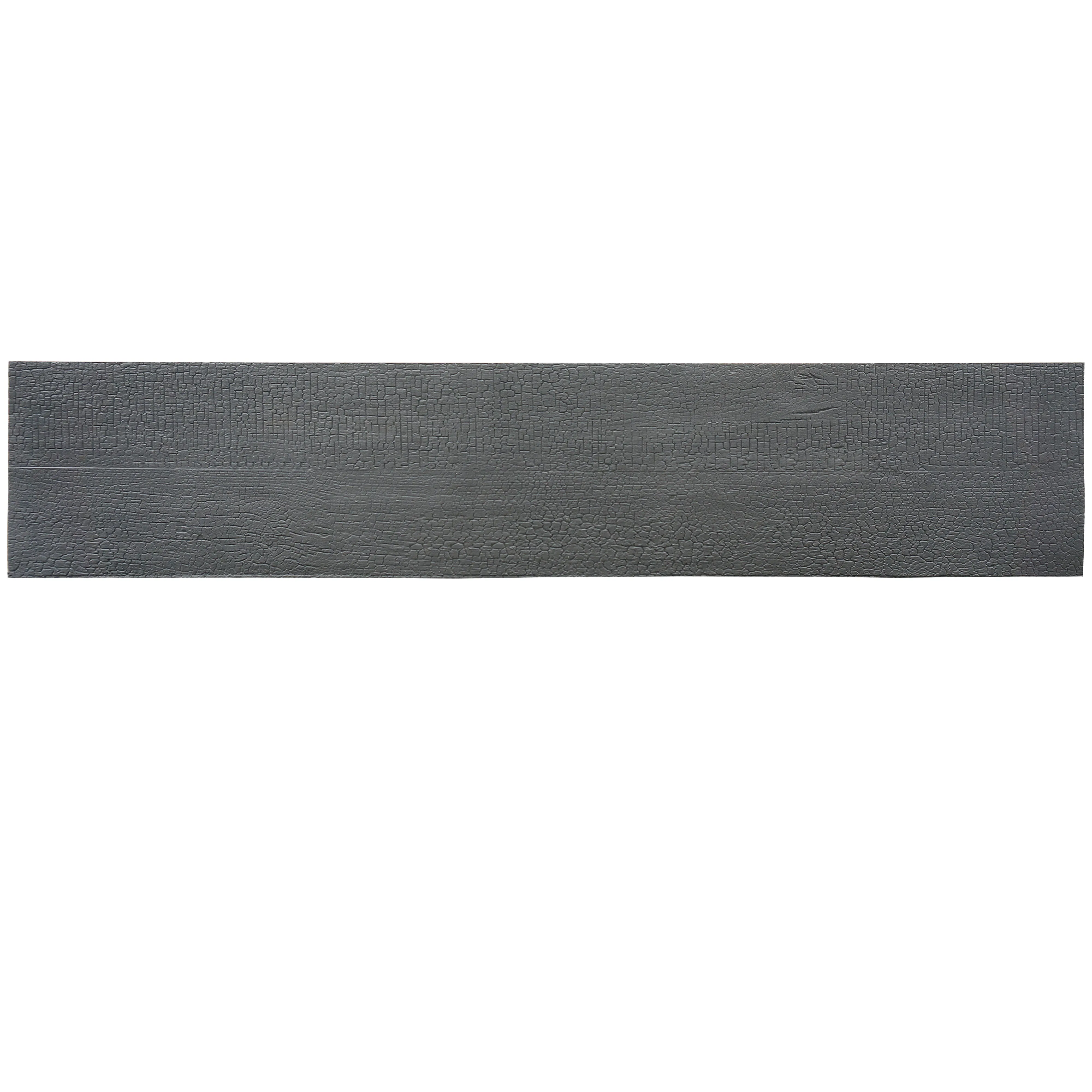
Walk into any modern home or commercial space today, and you'll notice a quiet revolution in building materials. Gone are the days when choices were limited to plain drywall or generic tiles. Designers and homeowners alike are now drawn to materials that do more than just look good—they want surfaces that tell a story, stand up to daily life, and yes, even keep spaces healthier. Enter charcoal burnt wood board, a material that's been turning heads not just for its rustic charm but for a hidden superpower: natural anti-microbial properties. But what makes it tick? The answer lies in something as simple yet powerful as pH. Let's dive into how this unassuming chemical characteristic shapes the performance of charcoal burnt wood board, and why it might just be the material you didn't know you needed.
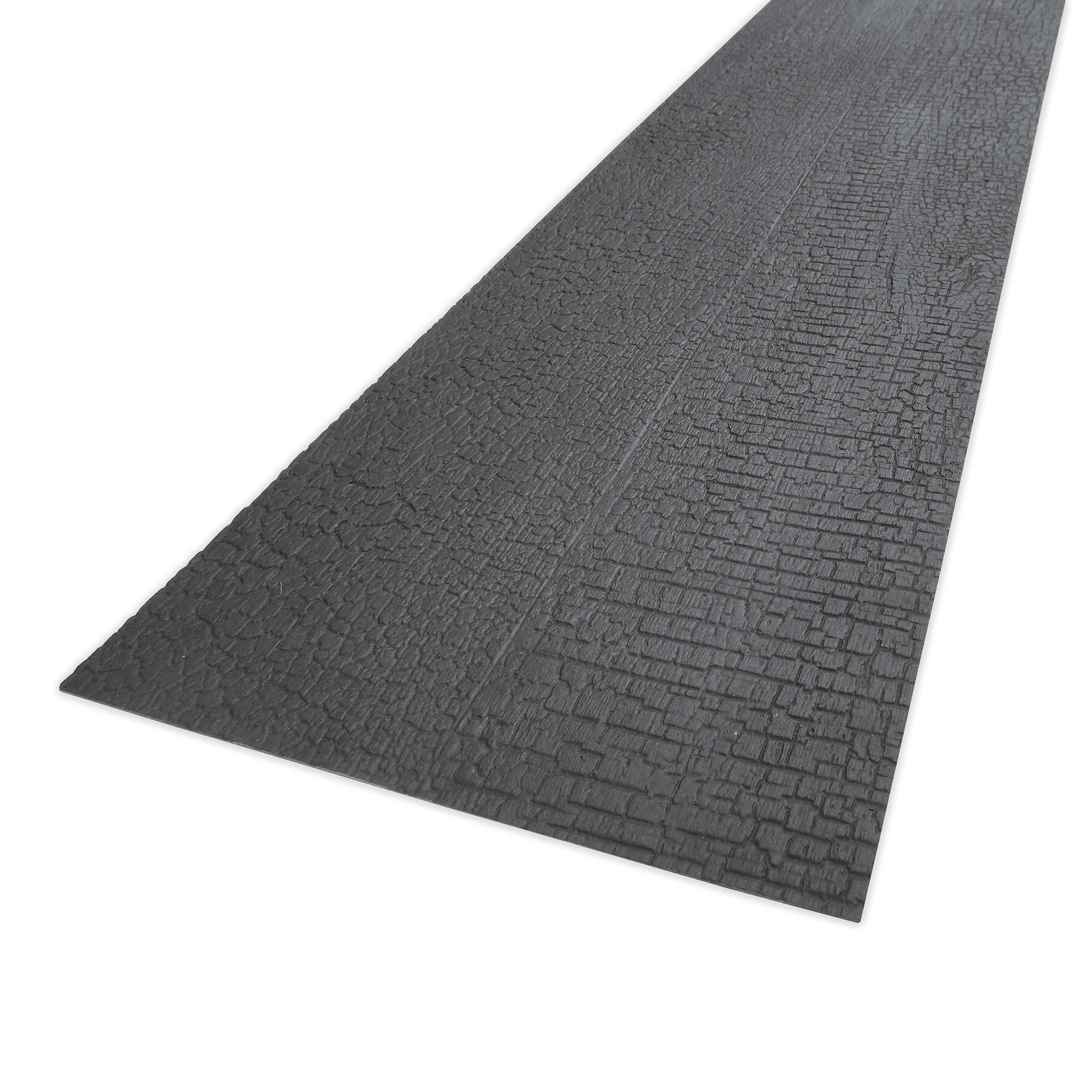
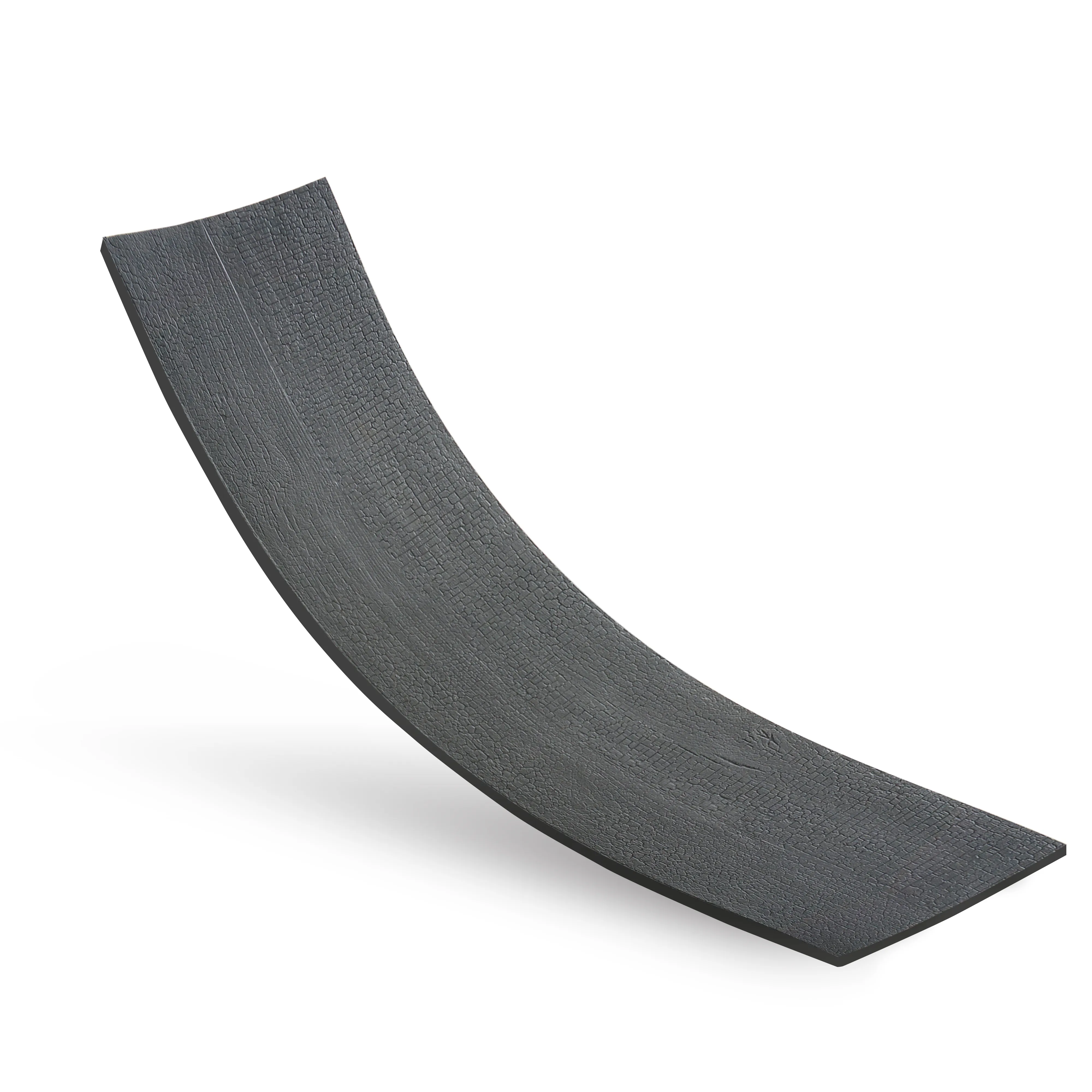
First things first: let's get familiar with the star of the show. Charcoal burnt wood board—sometimes called shou sugi ban, a nod to its Japanese origins—is exactly what it sounds like: wood that's been intentionally burnt to alter its surface. But this isn't your backyard bonfire mishap. The process is controlled, often using a torch to char the wood's outer layer, followed by brushing to remove loose ash and sealing to lock in the finish. The result? A material with a striking, textured appearance—think deep blacks, charred browns, and hints of silver where the wood's grain peeks through. It's no wonder designers love it for adding warmth and character to everything from accent walls to kitchen islands.
But beyond aesthetics, there's a practical reason this technique has been around for centuries. Burnt wood is naturally more resistant to rot, pests, and weathering. Traditional Japanese homes used it for exterior cladding to withstand harsh coastal climates, and today, that durability has translated to indoor spaces too. But here's the twist: modern research is uncovering another benefit—its ability to fight off microbes like bacteria and fungi. And that's where pH comes into play.
If you haven't thought about pH since high school chemistry, let's refresh. pH is a scale that measures how acidic or alkaline a substance is, ranging from 0 (super acidic, like battery acid) to 14 (super alkaline, like drain cleaner). Neutral is 7, right in the middle (think pure water). Now, why does this matter for something you might install on your wall or floor? Because just like us, the tiny microbes that can cause mold, mildew, or even illness have preferences too. Most bacteria and fungi thrive in environments that are slightly acidic to neutral—around pH 6 to 7.5. Outside of that range, their ability to grow, reproduce, and spread takes a hit.
Take a material like rough granite stone (medium grey) , for example. Granite is a popular choice for countertops because it's tough, but its pH tends to hover around 6.5 to 7.5—right in the sweet spot for many microbes. That's why you'll often see granite sealed to prevent stains and microbial growth; its natural pH doesn't do the heavy lifting. On the flip side, fair-faced concrete is known for its high alkalinity, with a pH of 12 to 13. That's way too alkaline for most microbes to handle, which is one reason concrete is so durable in damp environments. But concrete lacks the organic, warm feel of wood—hence the appeal of charcoal burnt wood board, which seems to bridge the gap between natural aesthetics and functional pH-based protection.
To understand why charcoal burnt wood board has such unique pH properties, let's walk through the burning process. Unburnt wood—like the kind used in wood grain board —is naturally slightly acidic, with a pH between 5.0 and 6.0. That's because wood contains organic compounds like lignin and tannins, which lean acidic. But when you apply heat in a low-oxygen environment (a key part of controlled charring), something called pyrolysis happens. Pyrolysis is just a fancy term for the chemical breakdown of wood when it's heated without catching fire. As the wood burns, volatile compounds (like water and acids) are released, and what's left behind is a layer of charcoal rich in carbon, along with minerals and ash.
Here's where the pH magic happens: the ash and minerals formed during burning are often alkaline. Compounds like potassium carbonate and calcium oxide, which are byproducts of burning wood, dissolve in moisture (like humidity in the air) to create hydroxide ions—these are what make a substance alkaline. The longer and hotter the burn, the more of these alkaline compounds are formed. Most charcoal burnt wood boards end up with a pH ranging from 8.5 to 9.5—firmly in the alkaline zone, but not so extreme that it's corrosive (unlike, say, fair-faced concrete's pH of 12+). This sweet spot is key: it's high enough to deter microbes but gentle enough to handle without special protective gear during installation.
But wait—does the pH stay consistent over time? That's a common question, and the answer depends on maintenance. Over time, exposure to rain, harsh cleaning chemicals, or even acidic spills (like lemon juice) can lower the pH of the surface layer. That's why most manufacturers recommend sealing charcoal burnt wood board with a clear, breathable sealant. The sealant acts as a barrier, protecting the alkaline layer from being washed away or neutralized, ensuring the pH (and thus the anti-microbial properties) stick around for years.
Okay, so we know charcoal burnt wood board is alkaline. But how exactly does that translate to fewer microbes? Let's break it down. Microbes are living organisms, and like all living things, they have a narrow range of conditions they can survive in. For most common household bacteria—like E. coli (which causes food poisoning) or Staphylococcus aureus (which leads to skin infections)—their ideal pH is around 6.5 to 7.5. Fungi like mold and mildew prefer slightly more acidic conditions, around 5.0 to 6.0. When they land on a surface with a pH outside their preferred range, their cell membranes start to break down, their enzymes (which help them digest food) stop working, and they can't reproduce. It's like trying to live in a house with the heat cranked up to 120°F—you just can't thrive.
Studies have backed this up. In one experiment, researchers tested microbial growth on charcoal burnt wood board versus untreated wood grain board. After 24 hours, the untreated wood had 10 times more bacterial colonies and visible mold growth, while the burnt wood showed minimal microbial activity. The difference? The untreated wood's acidic pH (5.5) was a microbial paradise, while the burnt wood's alkaline pH (9.0) kept them in check. Another study looked at hospitals, where reducing surface bacteria is critical. When charcoal burnt wood was used for wall panels in patient rooms, staff reported fewer instances of mold growth compared to areas with foamed aluminium alloy board (vintage silver) —a neutral pH material that offers no natural microbial resistance.
It's important to note that pH isn't the only factor at play here. Charcoal itself is porous, which can trap microbes, but the alkaline environment prevents them from multiplying. Plus, the charring process also reduces the wood's moisture content, making it less hospitable for water-loving fungi. So it's a one-two punch: dry, alkaline conditions that microbes just can't stand.
Charcoal burnt wood board isn't the only player in the building materials game, of course. Let's see how it compares to some other popular options when it comes to pH and anti-microbial properties. The table below breaks down five common materials—including a few we've mentioned already—to give you a clearer picture:
| Material | Typical pH Range | Anti-Microbial Rating* | Best For | Key Edge |
|---|---|---|---|---|
| Charcoal Burnt Wood Board | 8.5 – 9.5 (Alkaline) | 4/5 | Flooring, Wall Cladding, Kitchen Backsplashes | Natural anti-microbial + warm, organic aesthetic |
| Wood Grain Board | 5.0 – 6.0 (Acidic) | 2/5 | Furniture, Cabinetry, Shelving | Classic wood look, lower cost |
| Fair-Faced Concrete | 12.0 – 13.0 (Highly Alkaline) | 3/5 | Exterior Walls, Countertops, Industrial Spaces | Extreme durability, fire-resistant |
| Foamed Aluminium Alloy Board (Vintage Silver) | 7.0 (Neutral) | 1/5 | Decorative Panels, Ceilings, Accent Walls | Lightweight, modern metallic finish |
| Rough Granite Stone (Medium Grey) | 6.5 – 7.5 (Neutral) | 2/5 | Outdoor Paving, Fireplaces, Bathroom Vanities | Heat-resistant, natural stone texture |
*Anti-Microbial Rating: 1 = Low (requires frequent cleaning), 5 = High (naturally inhibits microbial growth with minimal maintenance)
As you can see, charcoal burnt wood board holds its own, especially when you value both function and aesthetics. Fair-faced concrete might be more alkaline, but its industrial look isn't for everyone. Wood grain board is beautiful but needs constant cleaning to prevent microbes. And materials like foamed aluminium alloy? They're great for modern design but offer no natural defense against germs. Charcoal burnt wood, with its 4/5 anti-microbial rating and warm appearance, strikes a balance that's hard to beat.
Now that we understand the science, let's talk about where this material shines in real life. Its anti-microbial properties make it a standout choice for spaces where cleanliness is a priority—but its good looks mean it's not limited to sterile environments. Here are a few places where charcoal burnt wood board is making a difference:
Kitchens and bathrooms are breeding grounds for mold and bacteria, thanks to moisture and food particles. Traditional materials like tile can harbor grout lines that trap germs, while wood grain board can warp or grow mold if not sealed religiously. Charcoal burnt wood board, with its alkaline pH and low moisture absorption, is a game-changer. Imagine a kitchen backsplash that resists mold even after years of steam from pots and pans, or a bathroom vanity top that stays cleaner between wipe-downs. Designers are loving it here because it adds warmth to these functional spaces without sacrificing hygiene.
Restaurants, in particular, are catching on. A trendy bistro in Portland recently replaced their wood grain board wall panels with charcoal burnt wood, and staff reported a noticeable reduction in mold growth in the walk-in fridge area. Offices are using it for conference room tables and accent walls, where high traffic means more chances for germs to spread—charcoal burnt wood's anti-microbial surface adds an extra layer of protection. Even museums and schools are using it for exhibit displays and classroom furniture, where durability and low maintenance are key.
Remember its traditional use in Japanese homes? Charcoal burnt wood board is still a star outdoors. Decks made from it resist rot and mildew better than untreated wood, and patio walls stand up to rain and humidity without peeling or discoloring. Unlike rough granite stone (medium grey) , which can get slippery when wet, burnt wood has a textured surface that provides grip—making it safer for poolside areas or rainy climates. Plus, its rich, dark color ages beautifully, developing a silvery patina over time that adds to its rustic charm.
No material is perfect, and charcoal burnt wood board is no exception. Here are a few things to keep in mind before choosing it for your next project:
The good news is that manufacturers are constantly improving the process. Some now offer pre-sealed boards with warranties up to 10 years, and others use automated charring machines to reduce color variation. As demand grows, costs are also starting to come down, making it more accessible for everyday projects.
Charcoal burnt wood board is just the beginning. Researchers are exploring how to harness pH in other materials to create more hygienic spaces. Imagine fair-faced concrete with a slightly lower pH to reduce its alkalinity (making it safer to handle) while still retaining anti-microbial properties, or rough granite stone (medium grey) treated with a natural alkaline coating to boost its germ-fighting abilities. The goal is to create materials that work with nature, not against it—using simple chemistry to keep spaces healthier without relying on harsh chemicals or constant cleaning.
For now, though, charcoal burnt wood board stands out as a material that marries tradition and science. It's a reminder that sometimes the oldest techniques—like charring wood—have hidden secrets waiting to be uncovered by modern science. Whether you're building a new home, renovating a commercial space, or just looking to add a touch of character to a room, it's worth considering. After all, who wouldn't want a material that looks good, lasts long, and quietly keeps microbes at bay? It's pH at its most practical—and most beautiful.
At the end of the day, the role of pH in charcoal burnt wood board's anti-microbial properties is a story of balance—between nature and technology, aesthetics and function, tradition and innovation. It's proof that sometimes the most effective solutions are rooted in simple science, and that building materials can do more than just fill a space—they can actively contribute to our health and well-being. So the next time you're choosing materials for a project, take a moment to think about pH. It might just lead you to a material that's as tough as it is beautiful, and as hygienic as it is historic.
Recommend Products












