
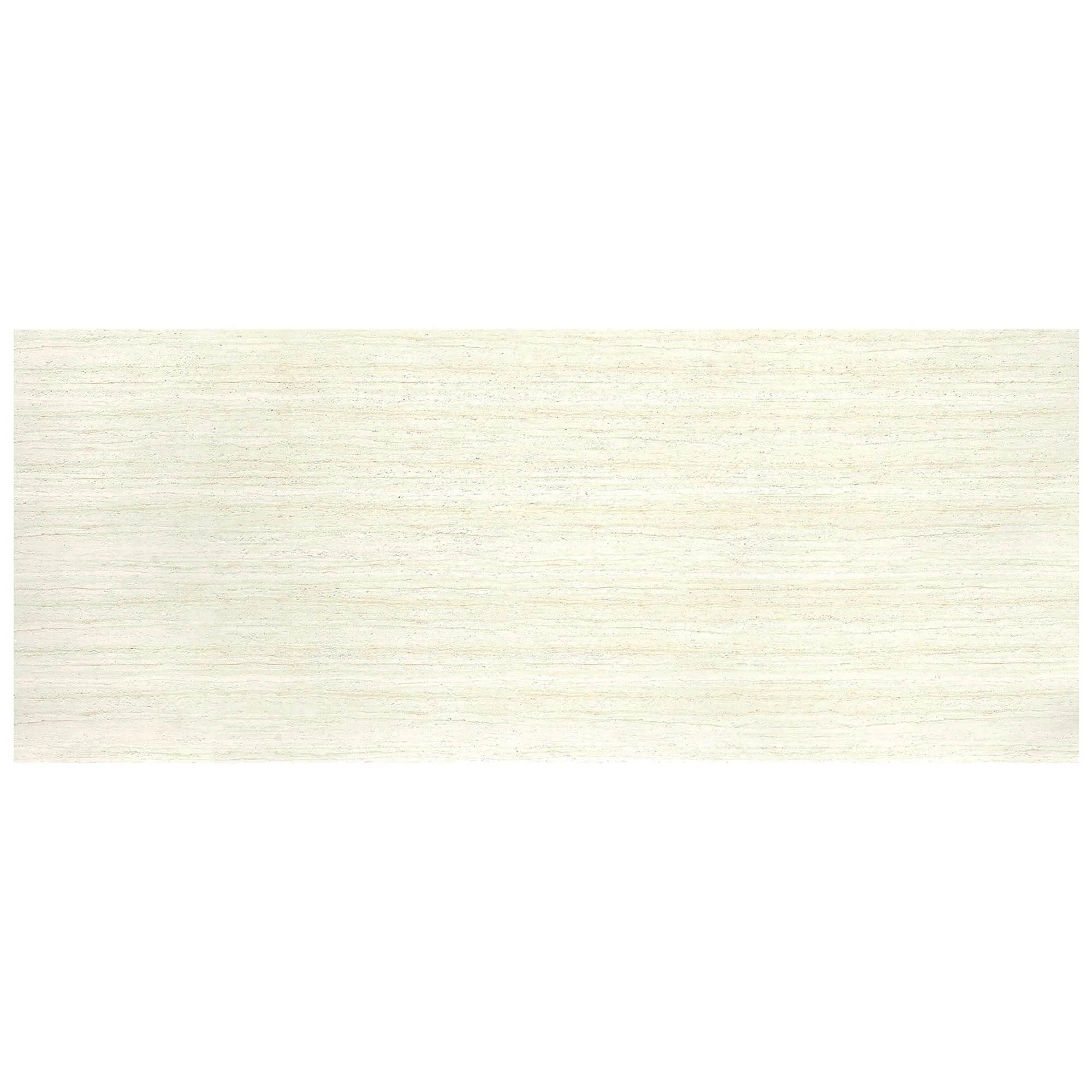
In the world of modern architecture and interior design, few innovations have sparked as much excitement as the MCM Big Slab Board Series . These panels—crafted from materials like flexible stone , engineered composites, and even metallic alloys—blend the grandeur of natural stone with the practicality of lightweight, durable construction. But behind every stunning installation, there's an unsung hero: thread. Not the kind you'd find in a sewing kit, but specialized, high-tensile thread that quietly holds these design dreams together. Today, we're pulling back the curtain to explore how this tiny detail elevates the art of installing MCM big slabs, turning raw materials into spaces that feel both timeless and alive.
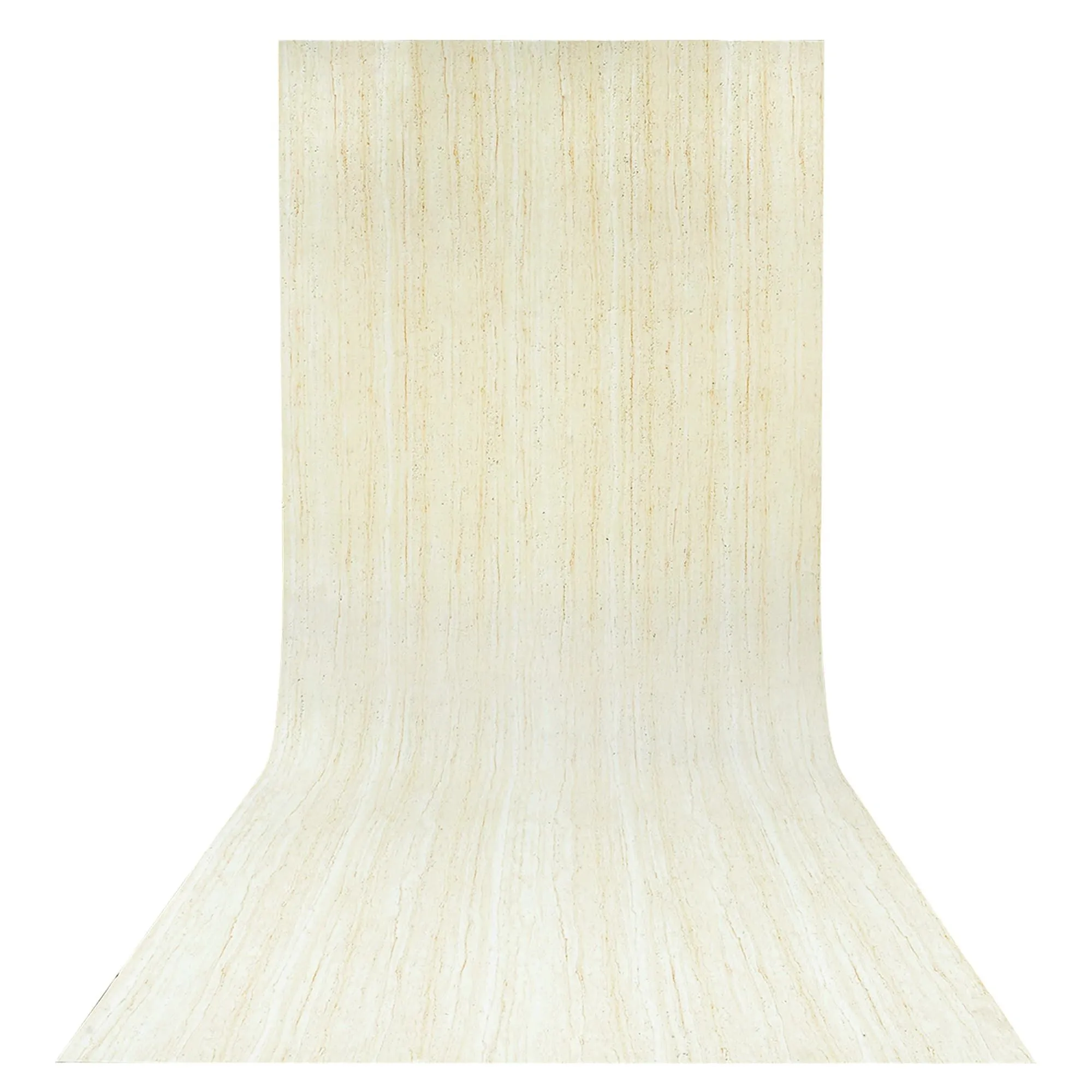
First, let's talk about what makes the MCM Big Slab Board Series so revolutionary. Traditional stone slabs are heavy, brittle, and tricky to transport—limiting their use to grand, industrial-scale projects. MCM (Modified Composite Material) changes that. By combining natural minerals with advanced polymers, these slabs are up to 70% lighter than their natural counterparts, yet just as strong. Take travertine (starry green) , for example: its surface shimmers with flecks of emerald and gold, mimicking a starry night sky, but at a weight that even a small team can maneuver. Or lunar peak silvery , with its metallic sheen that shifts like moonlight on water—once reserved for luxury hotels, now accessible for home accent walls and boutique cafes.
But here's the catch: even lightweight slabs demand precision. A misalignment of just a few millimeters can throw off an entire wall's symmetry. That's where thread steps in. Think of it as the "invisible architect"—guiding alignment, absorbing stress, and ensuring that each slab sits flush, secure, and stunning for decades.
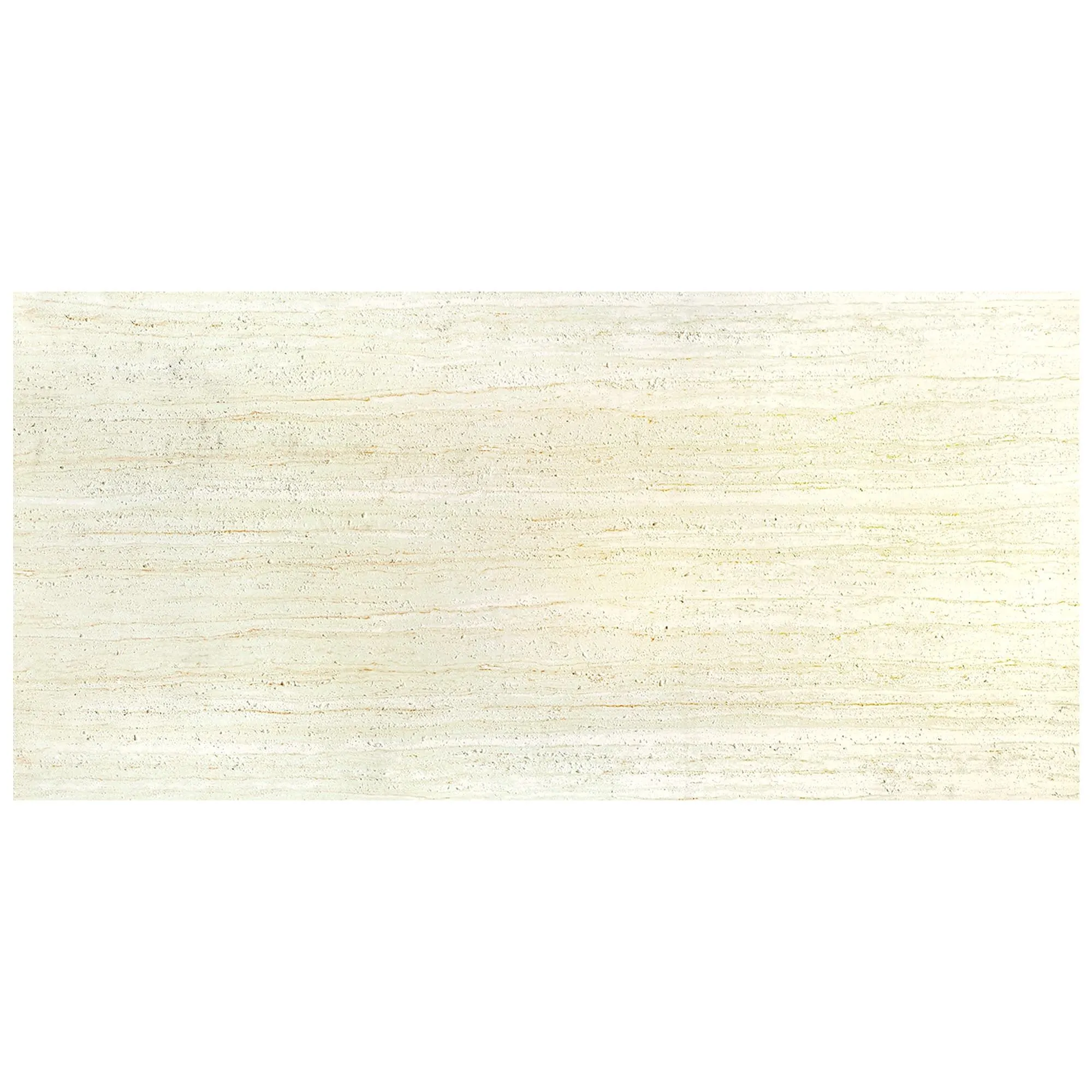
To understand thread's role, let's rewind to a common installation challenge: flexible stone slabs. These panels are designed to bend slightly, making them ideal for curved walls or uneven surfaces. But that flexibility can be a double-edged sword. Without proper support, a slab might warp over time, or worse, detach. Traditional fasteners—like screws or adhesives—can create stress points, marring the slab's surface or limiting its movement. Thread, by contrast, distributes tension evenly. It's like a gentle handshake between the slab and the substrate: firm enough to hold, soft enough to let the material "breathe."
Consider a recent project in downtown Portland, where designers chose fair-faced concrete MCM slabs for a restaurant's exterior. The client wanted a raw, industrial vibe, but the building's old brick structure had subtle bulges. Using polyester thread woven through pre-drilled holes in the slabs, the installation team was able to "float" each panel, letting the thread adjust for the wall's irregularities. The result? A seamless concrete facade that looks intentional, not imperfect—all thanks to thread's ability to bridge gaps without force.
Not all threads are created equal. Just as a designer selects travertine (starry green) for its celestial charm or lunar peak silvery for its modern glow, installers must pair thread with the slab's unique personality. Below is a breakdown of the most common thread types and how they complement MCM materials:
| Thread Material | Tensile Strength | Best For MCM Slabs | Key Benefit |
|---|---|---|---|
| Nylon | 800-1,200 lbs | Flexible stone, travertine (starry green) | Stretches 15-20% under load, ideal for curved installations |
| Polyester | 1,000-1,500 lbs | Lunar peak silvery, fair-faced concrete | Resistant to UV rays and moisture—perfect for exteriors |
| Fiberglass | 2,000+ lbs | Heavy metallic slabs (e.g., foamed aluminium alloy) | Zero stretch, maximum stability for rigid materials |
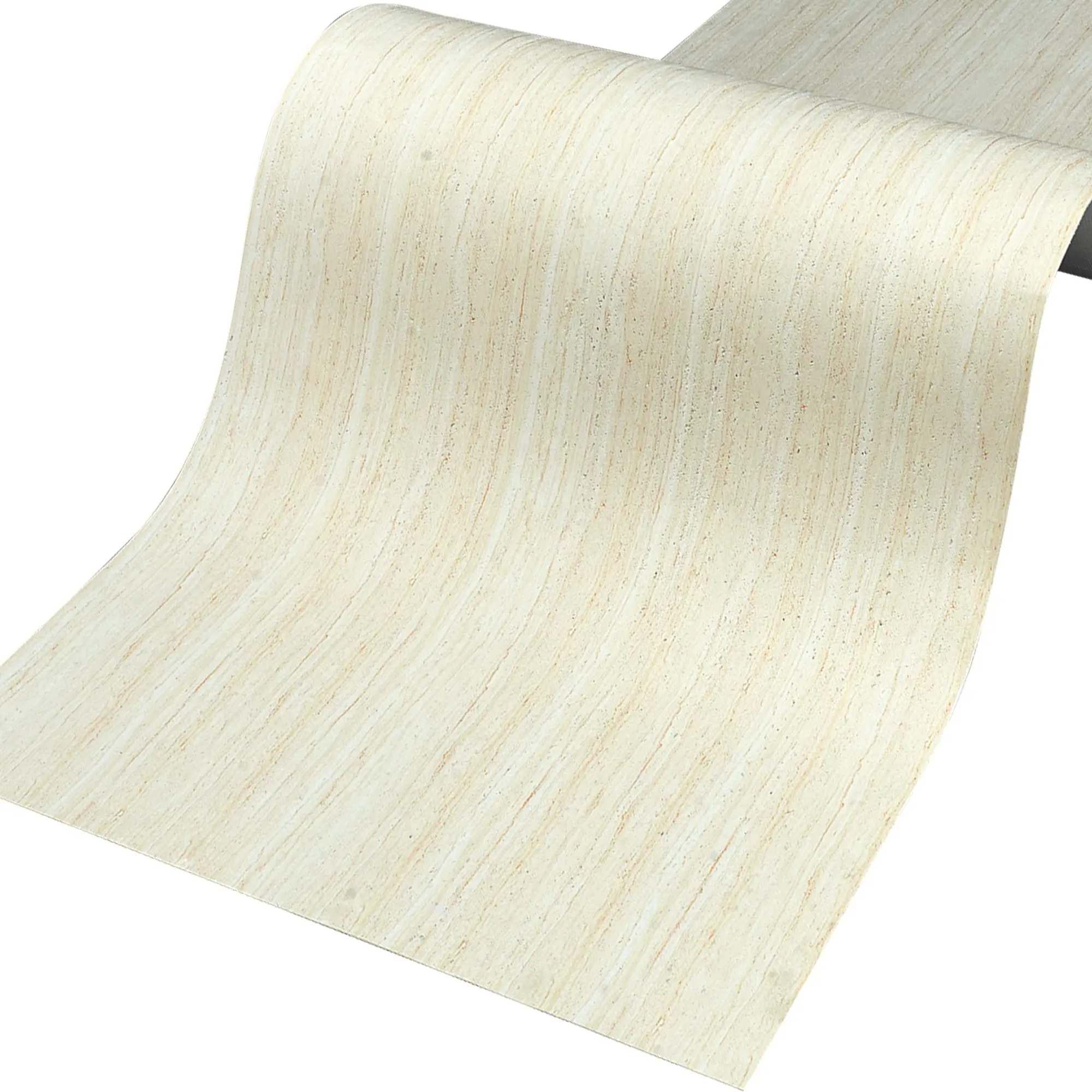
To truly grasp thread's impact, let's walk through a typical installation with Marco, a veteran installer with 15 years of experience. His latest project? A residential living room featuring travertine (starry green) slabs—a client's request to "bring the night sky indoors."
"First, we prepped the wall with a moisture barrier," Marco explains, wiping dust from his hands. "Then, we laid out the slabs on the floor to map the pattern—each starry green slab has unique flecks, so we wanted them to flow like constellations." Next came the thread: nylon, chosen for its flexibility. "We drilled tiny holes along the edges of each slab, threaded the nylon through, and anchored it to the wall studs. The thread acts like a guide rail—when we lift the slab, it hangs straight, and we can tweak the position by adjusting the thread tension. No more wrestling with heavy panels or leaving dents in the drywall."
The client, a teacher named Lila, still gets emotional talking about the finished wall. "I'd seen travertine in magazines, but I never thought it could feel so… personal," she says. "The stars seem to shift when the light changes, and I love knowing there's this hidden thread holding it all together—like a secret between me and the room."
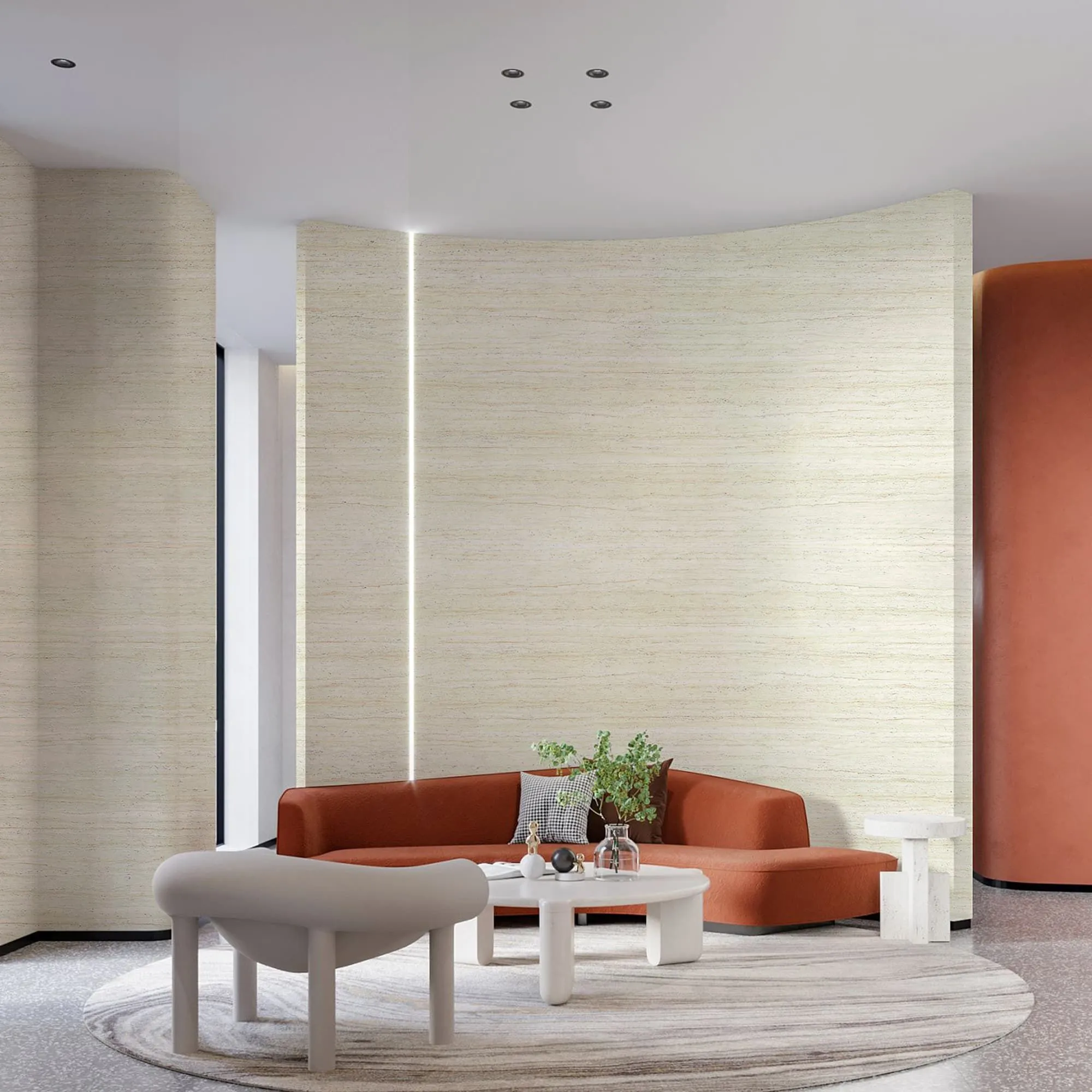
As the industry leans into sustainability, thread is evolving too. Today's eco-friendly options, made from recycled polyester or plant-based fibers, align with MCM's green ethos. For example, fair-faced concrete slabs—celebrated for their raw, unpolished look—pair beautifully with recycled polyester thread, reducing the project's carbon footprint without sacrificing strength. "Clients are asking for 'closed-loop' designs now," says Elena, a sustainability consultant. "They want materials that last, and thread helps extend a slab's lifespan by preventing cracks and water damage. It's not just about installation—it's about making sure these spaces stay beautiful for generations."
At the end of the day, the MCM Big Slab Board Series is more than a product—it's a story of innovation, craftsmanship, and the magic of small details. Flexible stone brings nature indoors; travertine (starry green) sparks wonder; lunar peak silvery adds modern elegance. But thread? It's the quiet promise that these stories won't unravel. It's the reason a homeowner can lean against their accent wall without worry, or a business owner can watch customers marvel at their facade for years to come.
So the next time you admire a stunning MCM installation, take a moment to appreciate the thread. It may be invisible, but its impact is anything but. After all, the best designs aren't just about what you see—they're about what holds it all together.
Recommend Products












