
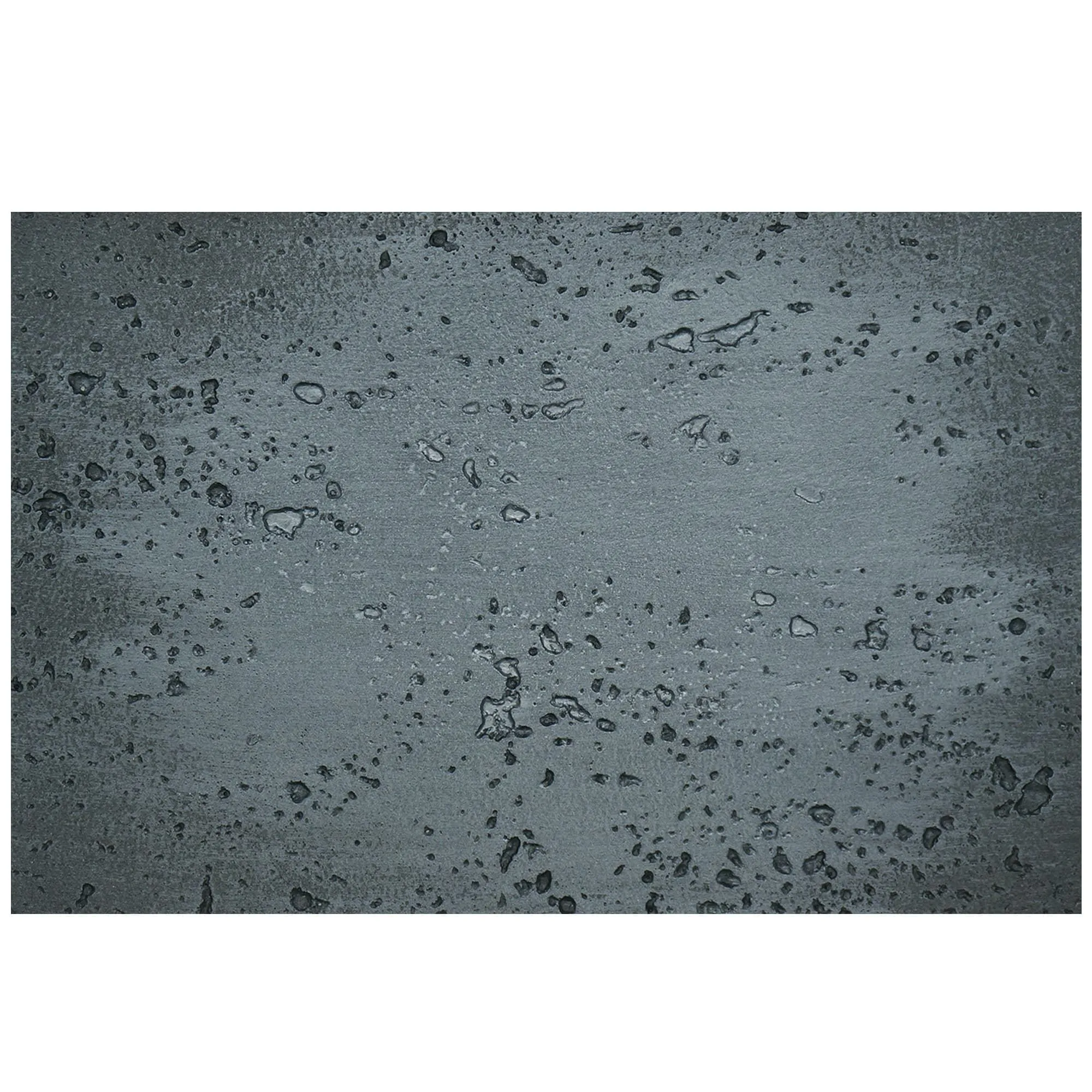
How a Timeless Stone Bridges Eco-Conscious Design and Enduring Beauty
In the world of sustainable construction, we often talk about "reducing carbon footprints" or "minimizing waste"—but what if sustainability could also be about storytelling? About materials that carry the weight of time, yet feel fresh and alive in modern spaces? That's where travertine (vintage silver) comes in. More than just a building material, it's a bridge between the earth's ancient processes and the forward-thinking goals of green building certifications. Let's dive into how this unassuming stone is quietly reshaping what it means to build sustainably—one veined surface at a time.
First things first: Let's demystify the name. Travertine is a natural stone, born from mineral-rich hot springs and rivers over thousands of years. As water flows through the earth, it picks up calcium carbonate, which then deposits and crystallizes into layers of stone—each with unique patterns, pits, and veins that tell the story of its formation. Think of it like a geological diary, written in cream, silver, and soft gray tones.
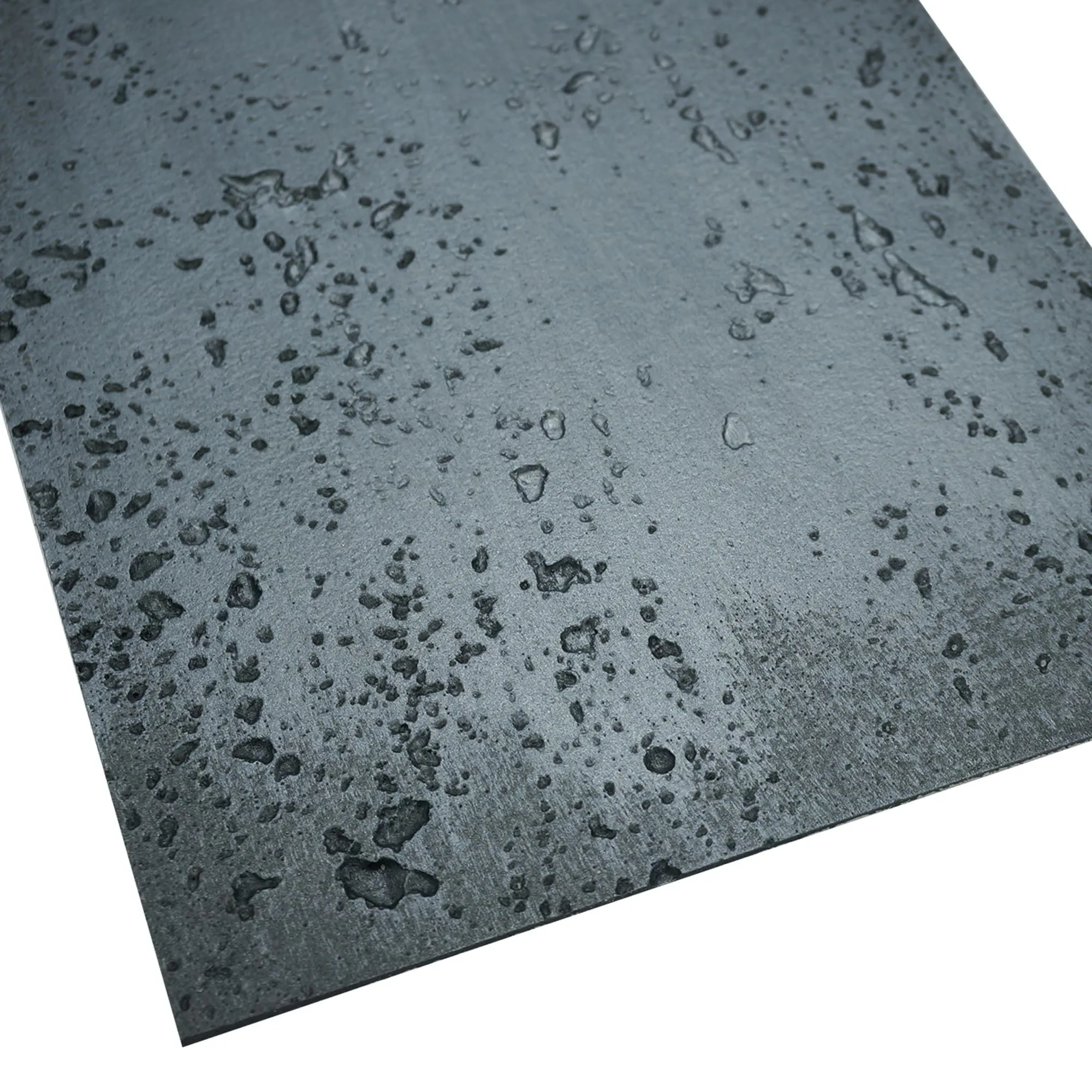
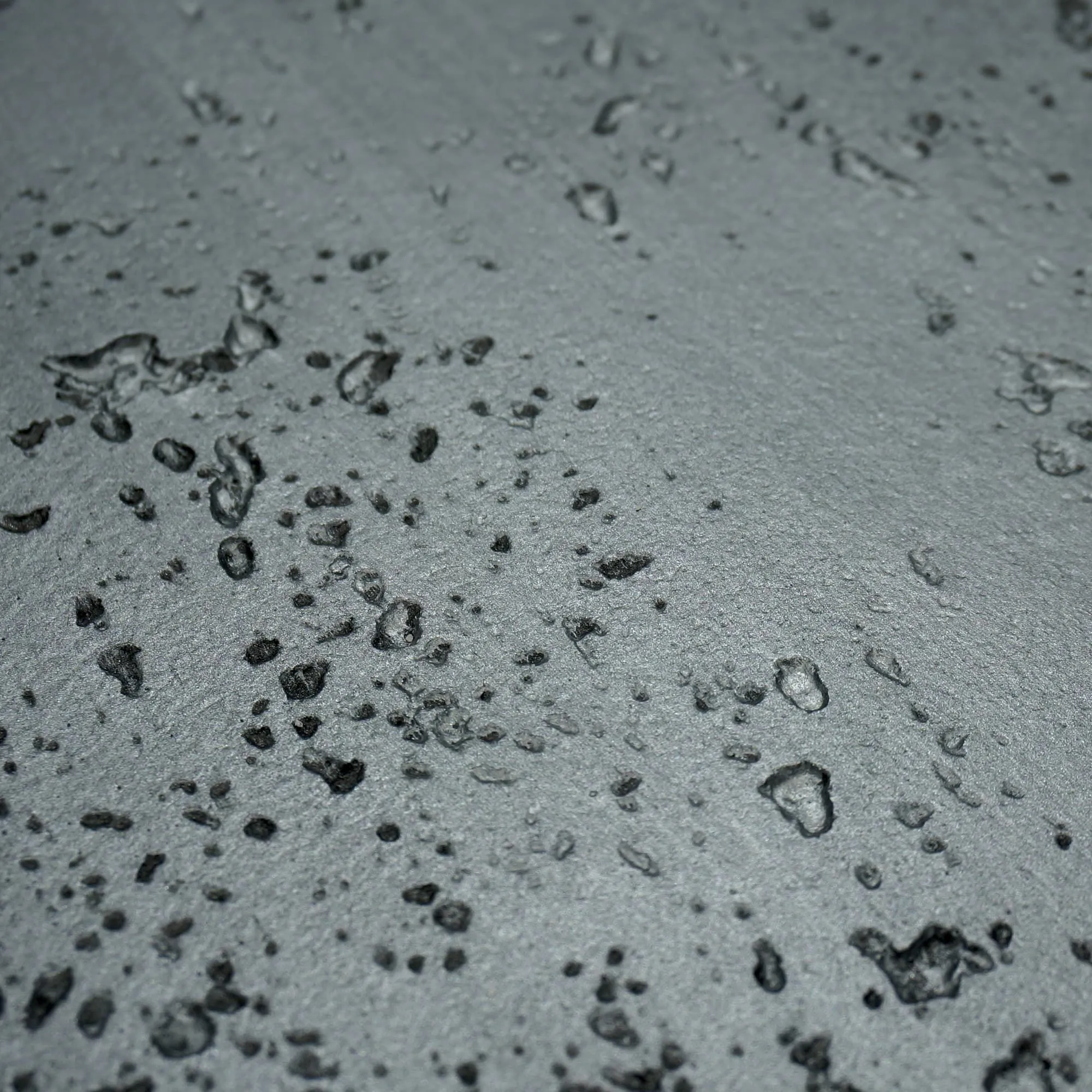
The "vintage silver" finish? That's the magic touch. Unlike polished travertine, which gleams, or honed travertine, which is matte, vintage silver travertine has a gently weathered look—like it's been loved for decades, but never worn out. Its surface shimmers softly, with subtle metallic undertones that catch light without overwhelming a room. It's the kind of material that feels both grounded and elevated, making it a favorite for designers who want spaces to feel lived-in, not just built.
But here's the kicker: travertine (vintage silver) isn't just pretty. It's a workhorse. Its porous structure (those tiny pits you see) actually helps regulate moisture, making it ideal for humid climates. And because it's a natural stone, it's resistant to scratches, heat, and fading—meaning it doesn't need frequent replacement. In a world where "fast fashion" even extends to building materials, that durability is a superpower.
To understand why travertine (vintage silver) matters for sustainable certifications, let's break down what makes a material "sustainable" in the first place. Green building certifications like LEED (Leadership in Energy and Environmental Design) or BREEAM (Building Research Establishment Environmental Assessment Method) don't just check boxes for energy efficiency or recycled content. They look at the full lifecycle of a material: how it's sourced, how it performs, and how it impacts people and the planet long after the building is finished.
Travertine (vintage silver) checks so many of these boxes. Let's start with sourcing. Unlike synthetic materials that require energy-intensive manufacturing (think plastics or some engineered stones), travertine is quarried from the earth. But not all quarries are created equal. Reputable travertine suppliers today prioritize responsible mining practices: reforesting quarried areas, minimizing water use, and reducing carbon emissions from transportation by sourcing locally when possible. This aligns with LEED credits for "Responsible Sourcing of Materials"—a key criteria for projects aiming for Silver, Gold, or Platinum certification.
Then there's the "health" factor. Synthetic building materials often off-gas volatile organic compounds (VOCs), which can irritate lungs and contribute to poor indoor air quality. Travertine? It's all natural. No chemicals, no additives, no weird smells. That's a big win for LEED's "Indoor Environmental Quality" category, which rewards materials that keep indoor air clean and safe for occupants. Imagine walking into an office or a home and breathing easier—not just because the windows are open, but because the walls themselves are working to keep you healthy.
And let's not forget longevity. A travertine (vintage silver) floor or wall isn't something you'll need to replace in 10 years. It can last 50, 100, even 200 years with minimal maintenance. Every time we avoid replacing a material, we cut down on waste, transportation, and the energy needed to produce a new one. That's sustainability in action—not just reducing harm, but preventing it from the start.
Let's get specific. How does travertine (vintage silver) actually help projects earn those coveted green certifications? Let's take LEED, the most widely used green building rating system globally, as an example.
LEED awards points in categories like "Materials and Resources," "Indoor Environmental Quality," and "Sustainable Sites." Travertine (vintage silver) can contribute to several of these:
Over in Europe, BREEAM (Building Research Establishment Environmental Assessment Method) takes a similar approach, with credits for "Responsible Sourcing of Materials" and "Health and Wellbeing." Travertine (vintage silver) shines here too, especially when paired with other sustainable materials like fair-faced concrete —a material celebrated for its raw, industrial look and low environmental impact. Together, they create spaces that are both BREEAM-compliant and visually striking.
Here's the thing about sustainable construction: at the end of the day, buildings are for people. A material could tick every eco-box, but if it feels cold, sterile, or uninspiring, it misses the mark. Travertine (vintage silver) gets this. It's a material that invites touch—those subtle pits and veins beg to be run over with a hand. It warms up a room, making even minimalist spaces feel cozy. And its neutral palette? It plays well with others, whether you're pairing it with warm woods, sleek MCM flexible stone , or bold pops of color.
Take healthcare facilities, for example. LEED-certified hospitals often prioritize materials that reduce stress and promote healing. Travertine (vintage silver)'s soft silver-gray tones create a calm, reassuring atmosphere—no harsh whites or sterile grays. Its natural texture adds visual interest without being overwhelming, which studies show can help patients feel more at ease. That's sustainability with a human touch.
Or consider offices. We spend a third of our lives at work—shouldn't our workspaces feel like they care about us? Travertine (vintage silver) walls or floors add a sense of permanence and quality, making employees feel valued. And because it's so durable, it stands up to the chaos of busy offices—scuff marks from chairs, coffee spills, you name it—without losing its charm. No need for harsh chemical cleaners, either; a little soap and water is all it takes. That's a win for both the environment and the janitorial staff.
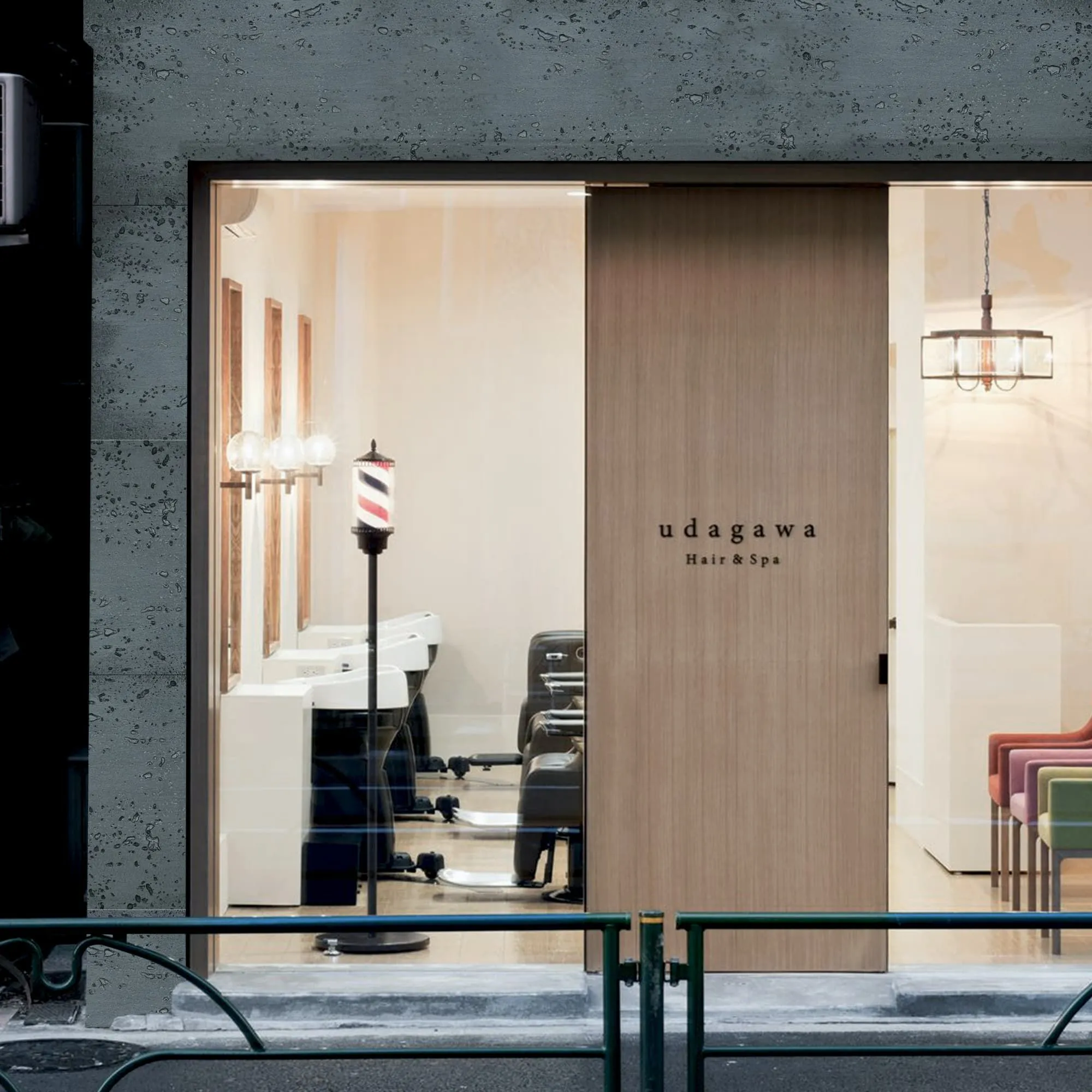
Sustainable design is rarely about one material doing all the work. It's about creating a ecosystem of materials that support each other's strengths. Travertine (vintage silver) is a team player, and it pairs beautifully with other green building materials to create cohesive, certified spaces.
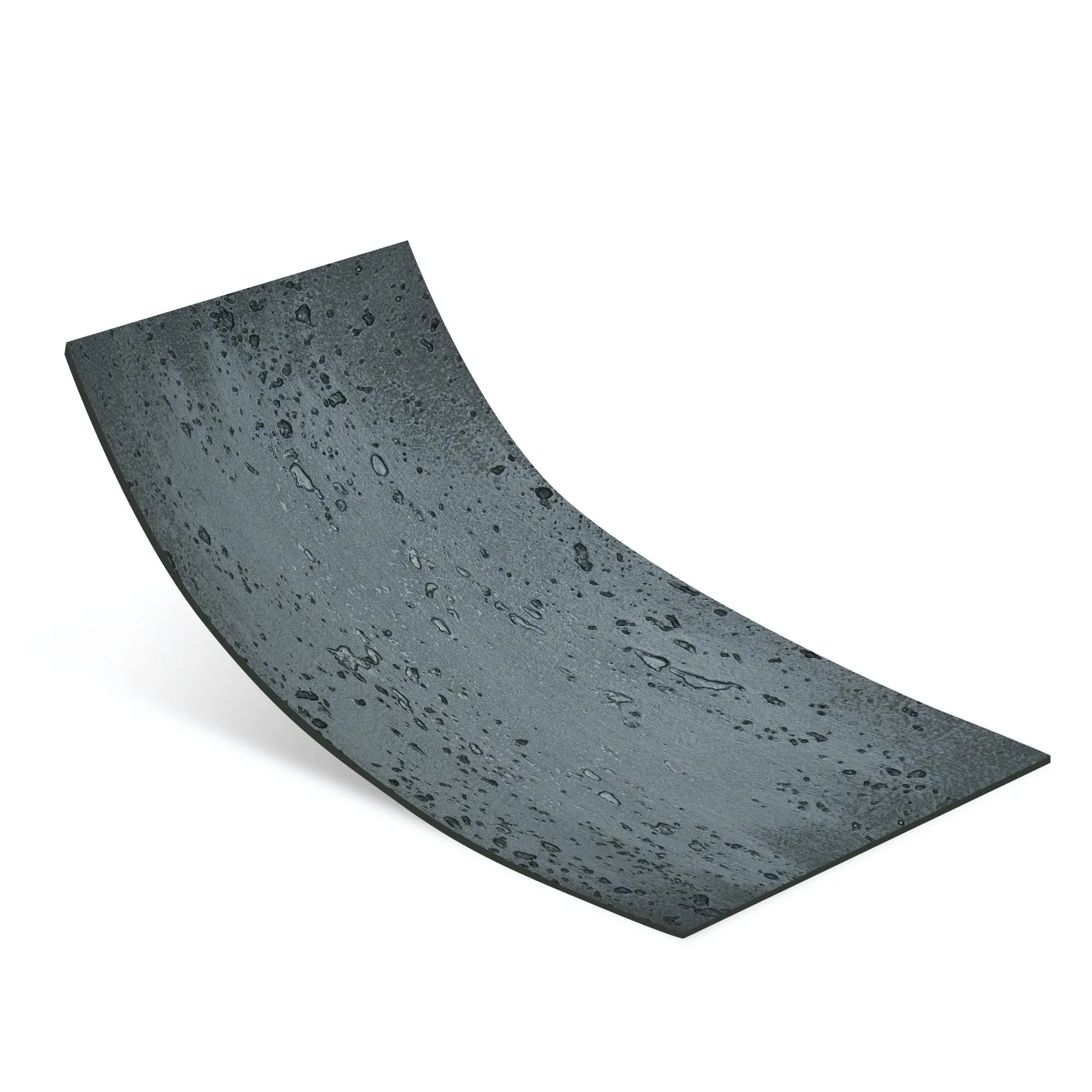
Take MCM flexible stone , for example. MCM (Modified Composite Material) is a lightweight, durable cladding option made from natural minerals and recycled materials. It's flexible, meaning it can be shaped to fit curved walls or unique architectural details—something travertine, with its rigid structure, can't always do. Together, travertine (vintage silver) and MCM flexible stone balance each other: the stone brings warmth and history, while MCM adds versatility and modern flair. A project using both could earn points for material diversity and innovation in LEED's "Materials and Resources" category.
Then there's fair-faced concrete —that raw, uncoated concrete that celebrates texture and imperfection. Fair-faced concrete is prized for its low maintenance and thermal mass (it retains heat, reducing energy use for heating and cooling). Pair it with travertine (vintage silver), and you get a space that feels grounded yet airy—the concrete's cool gray tones complement the stone's silver shimmer, creating a palette that's both industrial and organic. It's the kind of combination that makes sustainability feel intentional, not just mandatory.
And let's not sleep on green building materials like reclaimed wood or bamboo. Travertine (vintage silver)'s neutrality lets these materials take center stage, while adding a layer of sophistication. Imagine a restaurant with reclaimed wood tables, bamboo ceiling panels, and travertine (vintage silver) flooring—each material tells a story of sustainability, and together, they create a space that feels both rustic and refined.
Curious how travertine (vintage silver) compares to other popular building materials in terms of sustainability? Let's break it down with a quick table:
| Material | Durability (Lifespan) | VOC Emissions | Recyclability | Aesthetic Versatility |
|---|---|---|---|---|
| Travertine (Vintage Silver) | 50–100+ years | None (natural stone) | High (can be crushed and repurposed) | High (works in modern, rustic, industrial styles) |
| Porcelain Tile (Glazed) | 20–30 years | Low (some glazes have VOCs) | Low (difficult to recycle) | High (wide range of designs) |
| Engineered Hardwood | 10–20 years (depending on thickness) | Medium (adhesives may contain VOCs) | Low (layers of wood and resin are hard to separate) | Medium (limited to wood-look styles) |
| MCM Flexible Stone | 30–50 years | Low (minimal processing) | Medium (some components recyclable) | High (flexible for unique shapes) |
As you can see, travertine (vintage silver) outperforms many common materials in durability and recyclability, while matching or exceeding them in aesthetic versatility. And with zero VOC emissions, it's a clear winner for indoor air quality—something that matters just as much for certifications as it does for the people using the space.
Let's put this all into context with a real-world example. The Riverbank Office Complex, a LEED Gold-certified building in Portland, Oregon, chose travertine (vintage silver) as its primary flooring and accent wall material. Here's how it worked:
The design team wanted a material that would reflect the building's location—nestled along the Willamette River, where industrial history meets modern sustainability. Travertine (vintage silver) fit the bill: its river-like veins echoed the nearby water, while its vintage finish nodded to the area's old warehouses.
During construction, the team sourced the travertine from a quarry in Utah (local, reducing transportation emissions) with a Responsible Stone Forum certification. They paired it with fair-faced concrete walls and MCM flexible stone cladding on the exterior, creating a cohesive look that earned them points for "Sustainable Sites" (local materials) and "Materials and Resources" (diverse, sustainable material palette).
Post-construction, the building's indoor air quality scores were off the charts, thanks in part to the travertine's low emissions. Employees reported feeling more productive and less fatigued—a win for "Indoor Environmental Quality." And five years later, the travertine floors still look as good as new, with minimal maintenance. No need for refinishing or replacement, which keeps long-term costs (and environmental impact) low.
The result? A building that's not just LEED Gold-certified, but beloved by its occupants. As one employee put it: "The floors feel like they have history, but the space still feels modern. It's like working in a place that respects the past and the future."
At the end of the day, sustainable construction certifications are important—but they're just a starting point. What really matters is creating spaces that people connect with, that feel meaningful, and that stand the test of time. Travertine (vintage silver) does all of that. It's a material that doesn't just check boxes; it creates moments.
Think about it: A hotel lobby with travertine (vintage silver) walls, where guests pause to trace the veins with their fingers. A school hallway where kids run past, and the stone doesn't scratch or chip. A home kitchen where a family gathers, and the countertops tell stories of meals cooked and memories made. These are the moments that make sustainability feel personal—not just a goal for architects or developers, but a gift to the people who use these spaces.
So the next time you hear about green building certifications, remember: it's not just about solar panels or rainwater harvesting. It's about materials like travertine (vintage silver)—quiet, resilient, and full of character. Materials that prove sustainability can be beautiful, and beauty can be sustainable. And in a world that's hungry for both, that's a powerful thing.
Here's to building spaces that honor the earth, tell stories, and feel like home—one vintage silver travertine stone at a time.
Recommend Products












