
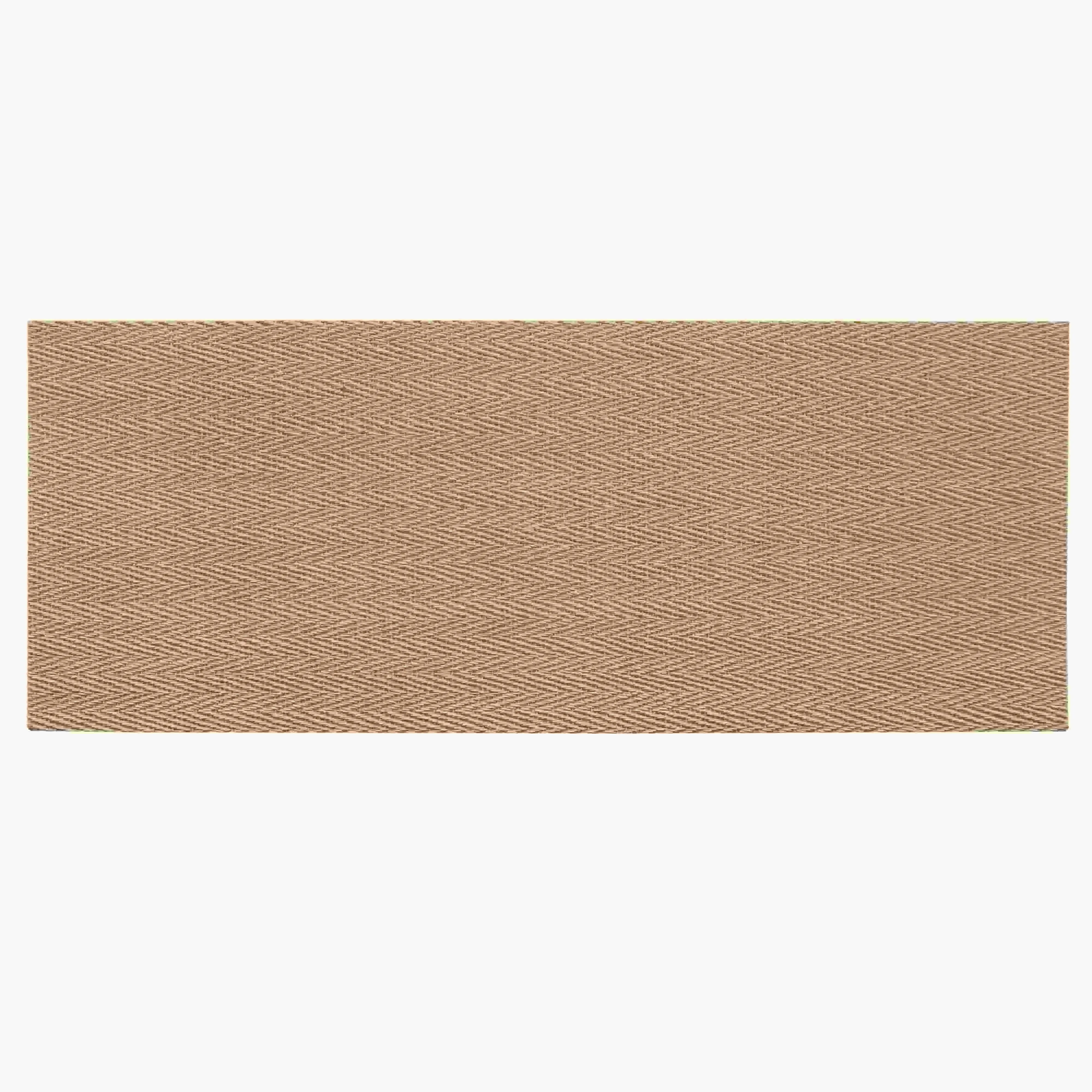
Walk into any modern building—whether a sleek office tower, a cozy community center, or a bustling retail hub—and you'll notice something quiet but powerful: the materials that clothe its walls, floors, and ceilings. They don't just shape how a space looks; they shape how it feels , how it performs, and crucially, how it impacts our planet. In an era where sustainability isn't just a buzzword but a mandate, the choice of building materials has never been more important. Enter Modified Composite Materials (MCM), a category of innovative, eco-conscious solutions that are redefining what it means to build green. Among these, one product stands out for its blend of aesthetics, functionality, and environmental responsibility: Weaving (Khaki) MCM . Let's dive into how this unassuming material is becoming a cornerstone of green building certifications like LEED, and why it matters for the spaces we live and work in.
First things first: let's demystify MCM. Short for Modified Composite Material, MCM is a cutting-edge building material engineered to mimic the look and texture of natural stone, wood, or metal—without the environmental drawbacks of extracting and processing those raw materials. Think of it as nature's beauty, reimagined through science. MCM products are typically lightweight, flexible, and incredibly durable, making them ideal for both interior and exterior applications. And within the vast MCM family, Weaving (Khaki) is a standout star.
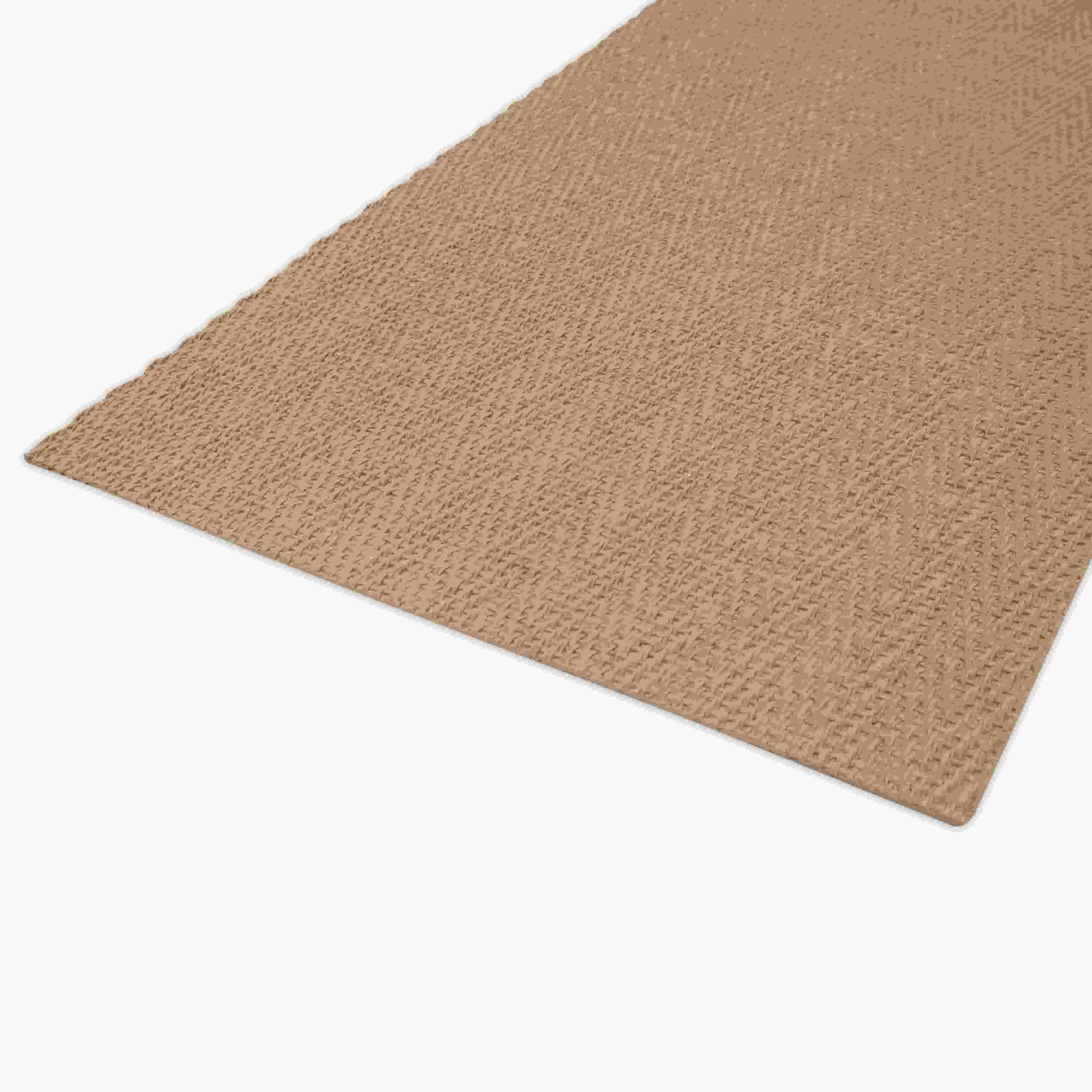
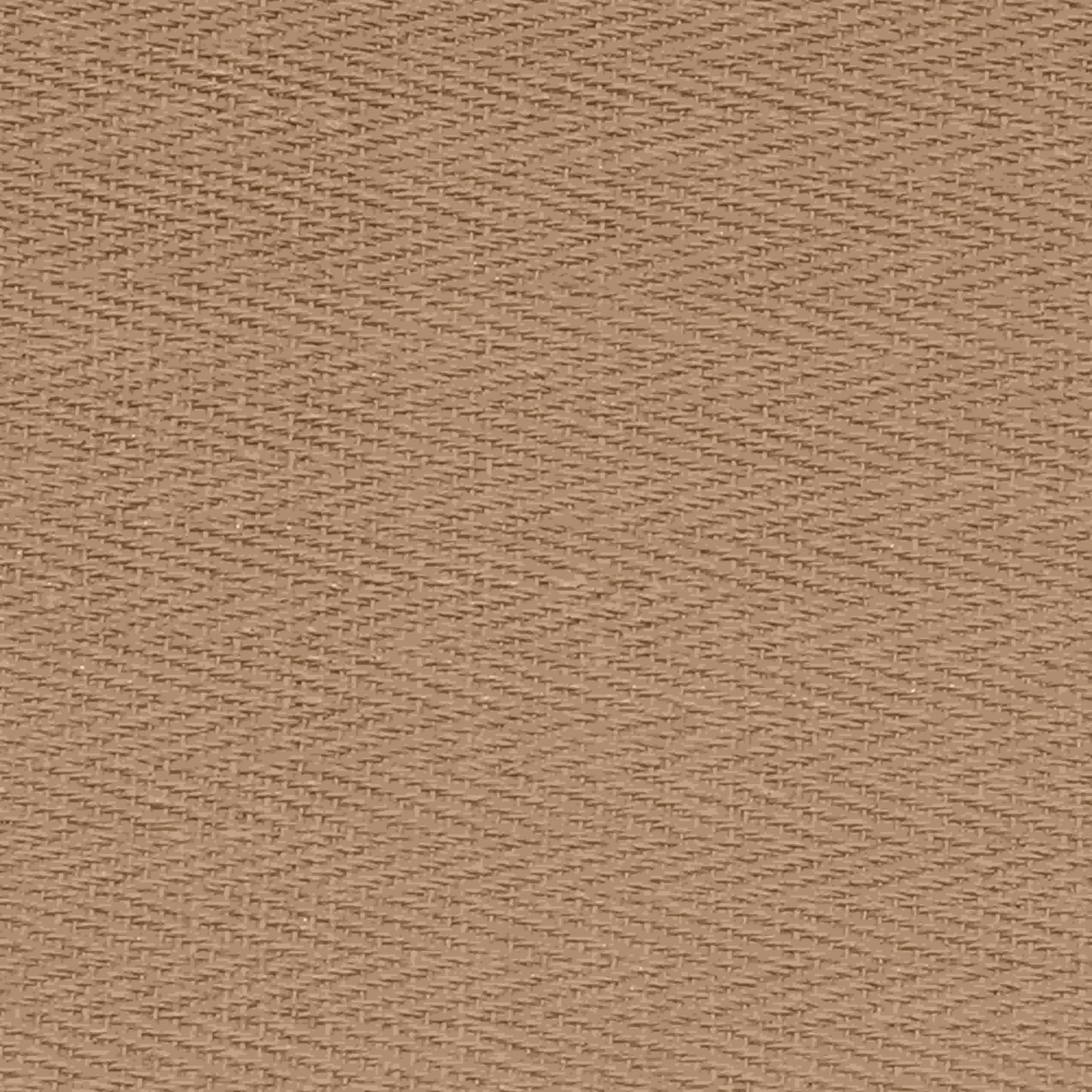
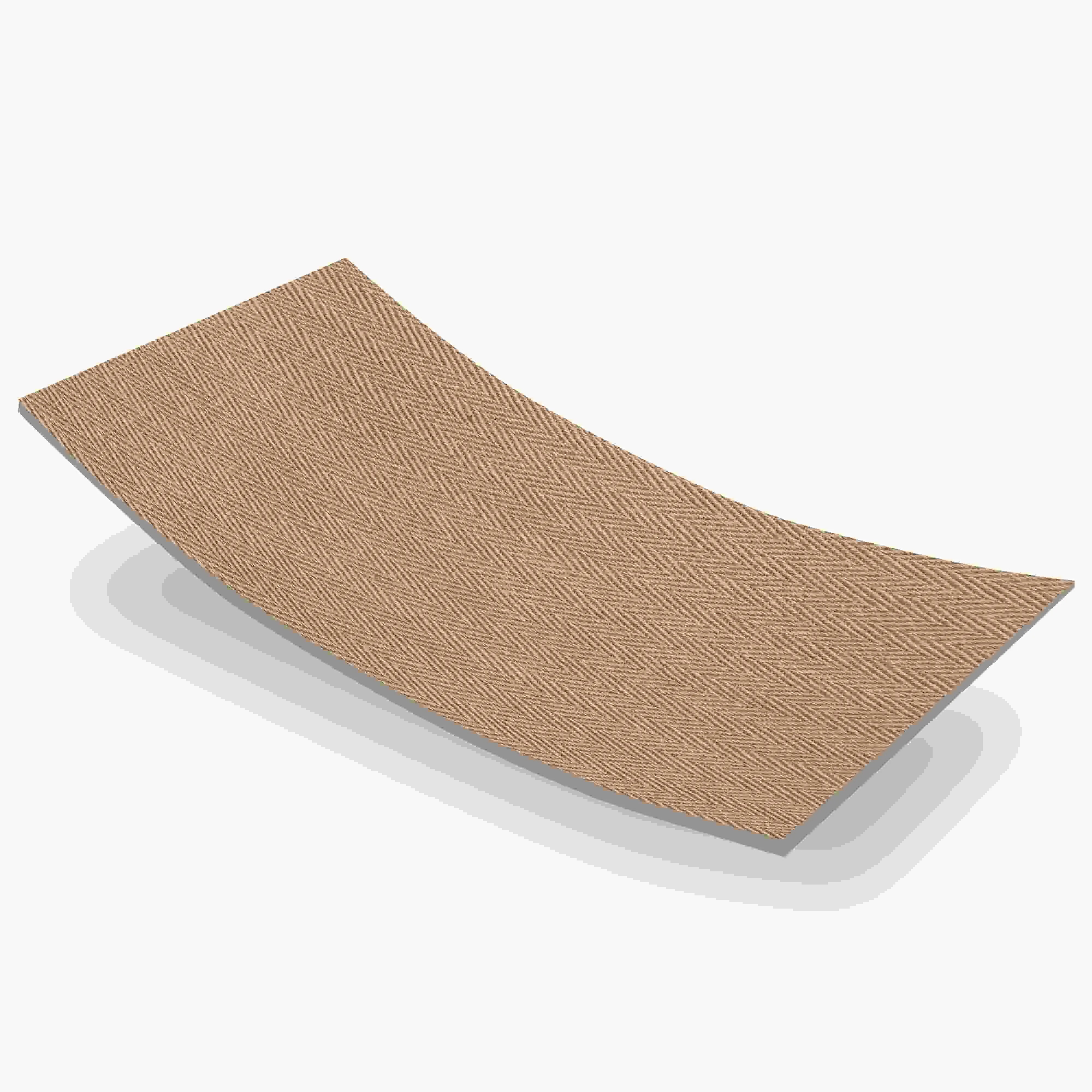
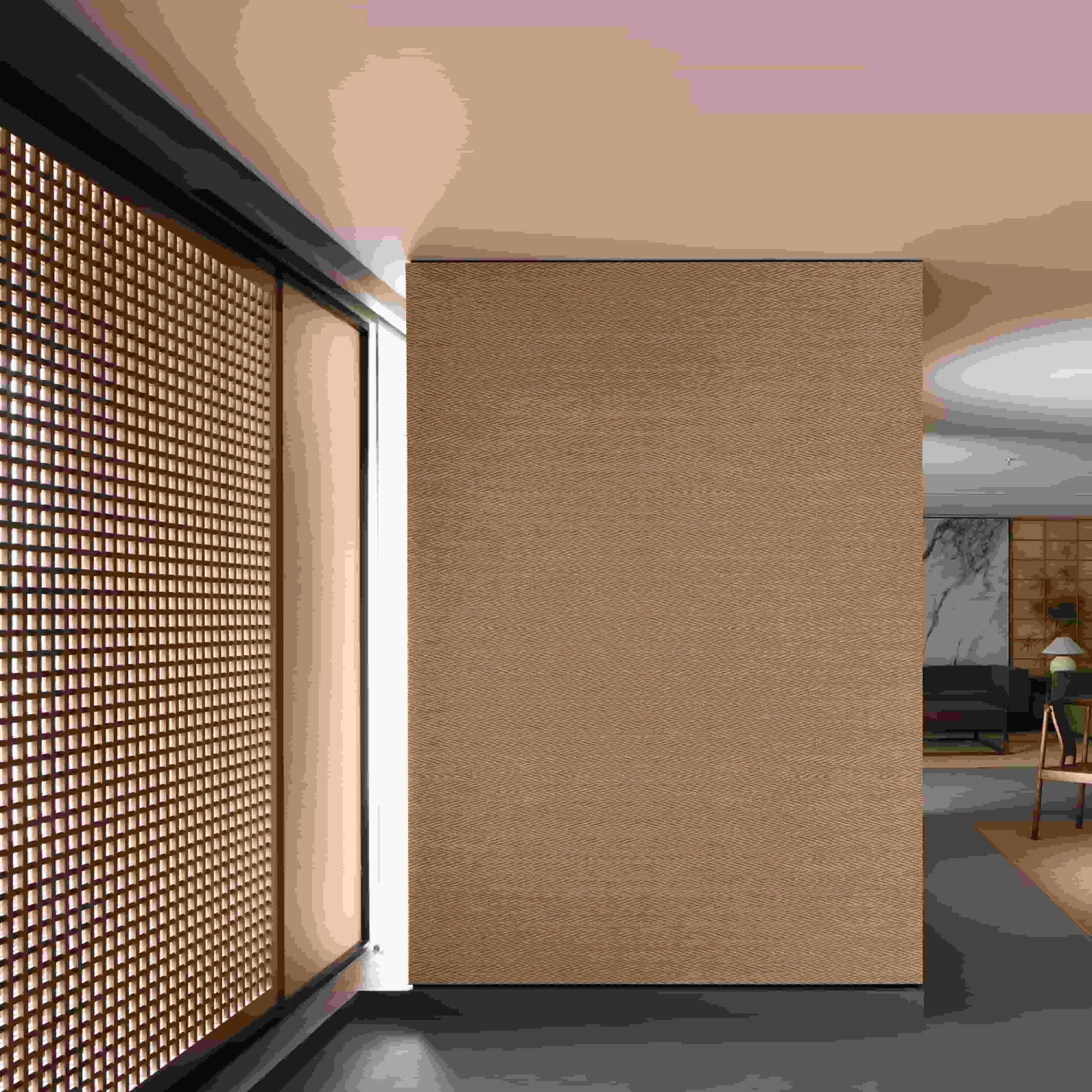
Picture this: a material that looks like a piece of handwoven fabric, its threads interlaced in soft, earthy khaki tones, but with the strength of stone. That's Weaving (Khaki) MCM. Its surface mimics the organic, tactile quality of woven textiles—subtle ridges, gentle variations in color, a warmth that feels almost alive. But unlike actual fabric, it's resistant to water, fire, mold, and the wear and tear of daily life. It's the kind of material that makes you want to reach out and touch it, to run your hand over its surface and appreciate the artistry in its design.
But what really sets Weaving (Khaki) MCM apart isn't just its looks—it's how it's made. Crafted using a blend of natural minerals, recycled polymers, and advanced bonding agents, it's designed to minimize environmental impact from the start. Unlike traditional stone cladding, which requires heavy machinery for quarrying and transportation (racking up carbon emissions), MCM is lightweight—often 70% lighter than natural stone—meaning less fuel is needed to ship it, and installation is faster and more energy-efficient. And because it's a composite, it reduces reliance on finite resources like marble or granite, which take centuries to form and are often extracted in ways that damage ecosystems.
Green building certifications like LEED (Leadership in Energy and Environmental Design), BREEAM (Building Research Establishment Environmental Assessment Method), and WELL aren't just about slapping a "sustainable" label on a building. They're rigorous frameworks that evaluate every aspect of a project, from its energy use to its impact on local communities. For materials like Weaving (Khaki) MCM, sustainability isn't an afterthought—it's baked into every fiber (pun intended).
Embodied carbon—the total greenhouse gas emissions generated during a material's lifecycle, from extraction to manufacturing to disposal—is a big deal in green building. Traditional materials like concrete or natural stone have sky-high embodied carbon because of energy-intensive production processes. Weaving (Khaki) MCM, by contrast, uses recycled materials and requires less energy to manufacture. For example, its base polymers often include post-consumer plastic waste, giving new life to materials that would otherwise end up in landfills. And because it's lightweight, transporting it emits far less CO2 than hauling heavy stone slabs across the country. This low embodied carbon footprint is a huge win for LEED credits under the "Materials and Resources" category, which rewards projects that reduce their carbon impact.
Sustainability isn't just about what goes into a material—it's about how long it lasts. A material that needs frequent replacement is a sustainability nightmare, as it creates more waste and requires more resources to replace. Weaving (Khaki) MCM is built to last. Its composite structure resists fading from UV rays, cracking from temperature fluctuations, and staining from water or chemicals. In fact, many MCM products come with warranties of 20+ years, meaning they'll outlive most traditional cladding materials. This longevity reduces the need for frequent repairs or replacements, cutting down on waste and the carbon emissions associated with manufacturing new materials.
LEED and other certifications don't just focus on the planet—they care about the people inside the building, too. Indoor air quality (IAQ) is a key criterion, as poor IAQ can lead to health issues like allergies, asthma, or "sick building syndrome." Many traditional building materials off-gas volatile organic compounds (VOCs)—harmful chemicals that evaporate into the air over time. Weaving (Khaki) MCM, however, is low-VOC and formaldehyde-free. Its manufacturing process avoids toxic adhesives or sealants, ensuring that once installed, it doesn't release harmful fumes into the air. This makes it a great choice for spaces like schools, hospitals, or offices, where IAQ directly impacts occupant health and productivity.
Even the most durable materials eventually reach the end of their lifecycle. The question is: what happens then? Weaving (Khaki) MCM is designed with circularity in mind. At the end of its life, it can be recycled into new MCM products, reducing the need for virgin materials. Compare that to traditional stone cladding, which often ends up in landfills because it's heavy and difficult to repurpose. This closed-loop approach aligns perfectly with LEED's "Construction and Demolition Waste Management" credits, which encourage diverting waste from landfills.
To really understand why Weaving (Khaki) MCM shines, let's put it head-to-head with some common traditional building materials. The table below compares key sustainability metrics, with a focus on LEED-relevant criteria:
| Metric | Weaving (Khaki) MCM | Natural Stone (e.g., Marble) | Fair-Faced Concrete | Foamed Aluminium Alloy Board (Vintage Silver) |
|---|---|---|---|---|
| Embodied Carbon | Low (uses recycled materials, energy-efficient manufacturing) | High (quarrying, transportation, and processing emit significant CO2) | High (cement production is a major CO2 source) | Moderate (recyclable but energy-intensive to produce) |
| Recyclability | High (can be recycled into new MCM products) | Low (often ends up in landfills due to weight) | Moderate (recyclable but requires crushing and reprocessing) | High (aluminium is highly recyclable with low energy use) |
| Durability | 20+ year lifespan, resistant to UV, water, and impact | 100+ years but prone to cracking and staining | 50+ years but susceptible to spalling in freeze-thaw climates | 30+ years, corrosion-resistant but can dent |
| Installation Efficiency | Lightweight (70% lighter than stone), quick to install, low labor costs | Heavy, requires specialized labor and structural support | Heavy, requires formwork and curing time | Lightweight, but requires precise cutting for complex designs |
| Indoor Air Quality | Low-VOC, formaldehyde-free | Generally low-VOC but may require sealants with VOCs | Can emit VOCs from curing agents | Low-VOC, but may have metallic off-gassing if not coated |
As the table shows, Weaving (Khaki) MCM outperforms traditional materials in key sustainability areas, making it a standout choice for projects chasing LEED certification. But it's not just about checking boxes—it's about creating spaces that are better for people and the planet.
LEED certification is all about earning points across several categories, and Weaving (Khaki) MCM can contribute to multiple credit areas. Let's break down how:
LEED's MR category rewards projects that use sustainable materials, reduce waste, and promote circularity. Weaving (Khaki) MCM can help earn points here in several ways:
LEED EQ credits focus on creating healthy, comfortable indoor spaces. Weaving (Khaki) MCM contributes here by:
LEED loves innovation, and Weaving (Khaki) MCM's unique blend of sustainability and aesthetics can earn points under the ID category. For example, using MCM to create a double-skin facade that improves energy efficiency (by reducing heat gain in summer and heat loss in winter) or integrating it with other green technologies (like solar panels) can qualify for innovation credits.
While LEED is the most well-known green building certification, Weaving (Khaki) MCM also aligns with others, like BREEAM (UK), Green Star (Australia), and CASBEE (Japan). For example, BREEAM's "Materials" category rewards the use of recycled content and low-impact materials, while Green Star emphasizes lifecycle sustainability. No matter the certification, the material's core sustainability features—low embodied carbon, durability, recyclability—make it a versatile choice for global projects.
Talk is cheap—let's look at a real example of how Weaving (Khaki) MCM has made a difference. Take the "EcoVillage Community Center" in Portland, Oregon, a LEED Platinum-certified project completed in 2023. The center's exterior cladding features Weaving (Khaki) MCM, chosen for its sustainability and warm, inviting appearance. The design team wanted a material that would reflect the community's commitment to the environment while creating a space that felt welcoming and connected to nature.
"Weaving (Khaki) MCM was the perfect fit," says Maria Gonzalez, the project's lead architect. "It gave us the texture and warmth of natural materials without the environmental cost. Plus, its lightweight nature meant we could install it quickly, reducing construction time and labor costs. The fact that it contributed to our LEED Platinum certification was the cherry on top." The center now serves as a hub for community events, and visitors often comment on how the cladding's woven texture makes the building feel less like a sterile structure and more like a gathering place.
Weaving (Khaki) MCM isn't just a material—it's part of a larger shift in how we think about building. As the construction industry races to reduce its carbon footprint (responsible for ~39% of global CO2 emissions, according to the UN), innovative materials like MCM are becoming essential tools. They prove that sustainability and beauty don't have to be mutually exclusive—in fact, they can enhance each other.
Looking ahead, we can expect to see even more advancements in MCM technology, with new textures, colors, and performance features. But for now, Weaving (Khaki) MCM stands as a shining example of what's possible when we prioritize both people and the planet. It's a material that tells a story—not just of innovation, but of a future where our buildings are as kind to the Earth as they are inspiring to the people who use them.
In the end, building materials are more than just the stuff our walls are made of—they're the foundation of a sustainable future. Weaving (Khaki) MCM, with its blend of beauty, durability, and eco-conscious design, is helping to redefine what that future looks like. Whether it's earning LEED credits, creating healthier indoor spaces, or reducing our carbon footprint, this innovative material proves that sustainability can be both practical and poetic.
So the next time you walk past a building with a warm, textured facade that makes you pause and appreciate its beauty, take a closer look—it might just be Weaving (Khaki) MCM. And in that moment, you'll be seeing more than a wall. You'll be seeing the future of green building, one woven thread at a time.
Recommend Products












