
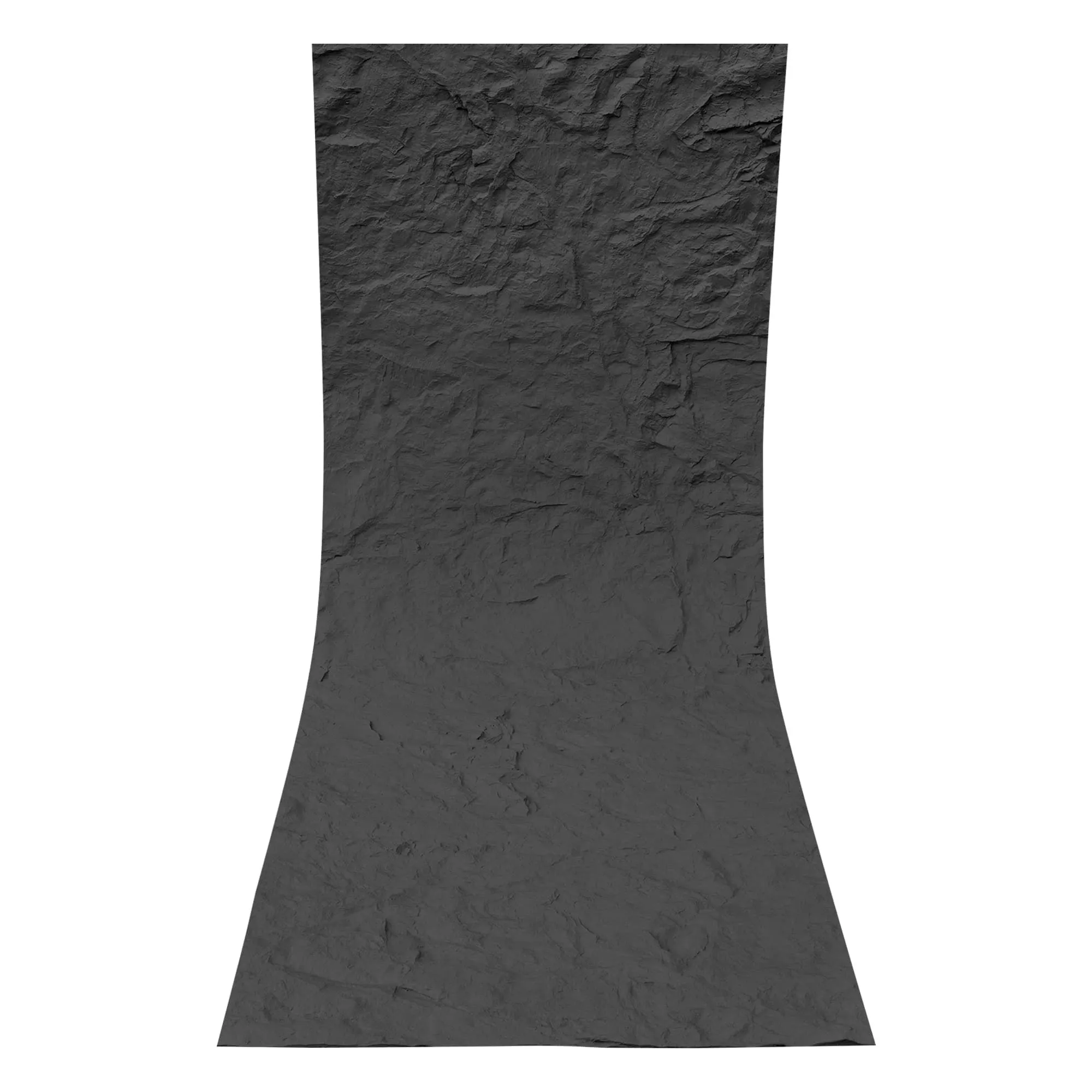
In the world of modern architecture, where form and function dance in delicate balance, the materials we choose shape not just the look of our buildings but their very ability to stand the test of time. Enter the boulder slab —a material that has quietly revolutionized how designers and engineers approach both aesthetics and durability. From the sleek vintage silver facades of urban high-rises to the warm, earthy tones of boutique hotels, boulder slabs have become a staple in projects that demand more than just beauty. But what makes these slabs so special? Behind their striking appearance lies a world of scientific innovation: modified cementitious mixtures that redefine strength, resilience, and versatility in construction. Let's peel back the layers and explore the science that turns a simple mixture of cement and aggregates into a material that's reshaping the future of architecture.
Before diving into the chemistry and engineering, let's start with the basics: What exactly is a boulder slab? At first glance, you might mistake it for natural stone—its textured surface, rich color variations (think vintage silver, gold, or black), and organic-looking edges evoke the rugged beauty of quarried rock. But unlike natural stone, which is hewn from the earth, boulder slabs are man-made, crafted from a specialized blend of cement, aggregates, and modifiers. This isn't your average concrete, though. Boulder slabs are part of a new generation of modified composite material panels , designed to mimic the look of natural stone while outperforming it in key areas like strength, weight, and sustainability.
Traditional concrete, while strong, can be brittle and prone to cracking under stress. Natural stone, on the other hand, is heavy, expensive, and limited by the earth's geological offerings. Boulder slabs bridge this gap. By tweaking the recipe of cementitious mixtures—adding polymers, fibers, and other additives—engineers have created a material that's lightweight enough for cladding, strong enough for structural use, and customizable enough to fit any design vision. It's the kind of innovation that makes architects giddy: a material that doesn't force them to choose between "pretty" and "practical."
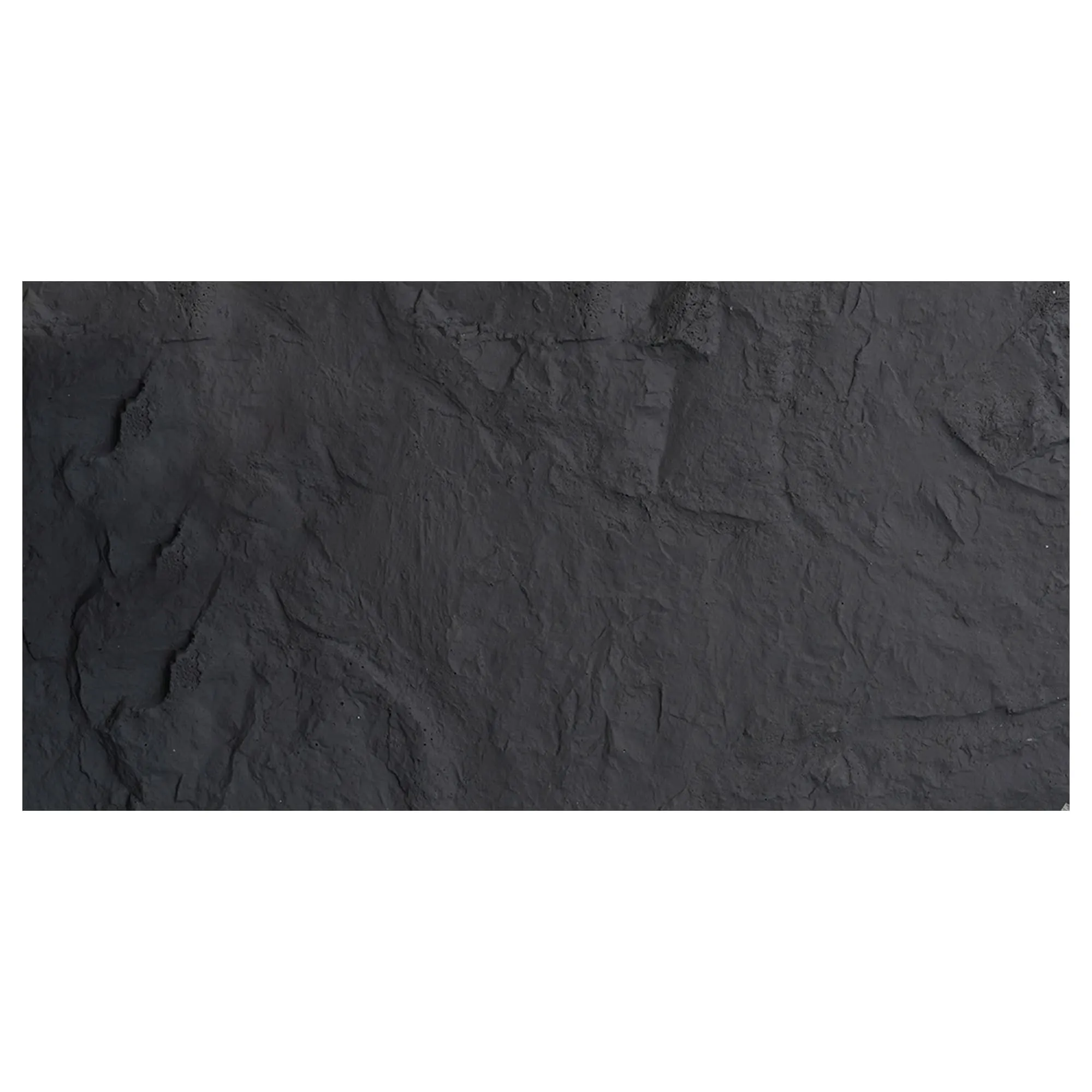
At the heart of every boulder slab is its modified cementitious mixture . To understand why this mixture is so effective, let's start with the basics of traditional concrete. Standard concrete is made by mixing cement (usually Portland cement), water, and aggregates (like sand and gravel). When water and cement react (a process called hydration), they form a paste that binds the aggregates together, creating a hard, solid mass. But standard concrete has limitations: it's strong in compression (able to bear weight) but weak in tension (prone to cracking when pulled or bent). That's where modifications come in.
Modified cementitious mixtures take this basic recipe and supercharge it with additives that address concrete's weaknesses. These additives, or "modifiers," can be polymers, fibers, pozzolans, or chemical admixtures—each chosen to enhance specific properties. Let's break down the key components and how they work together:
The foundation of any cementitious mixture is still cement and aggregates, but not just any cement or aggregates will do. Boulder slabs often use high-performance Portland cement, which has a finer particle size than regular cement, allowing for better hydration and a denser, stronger matrix. Aggregates, too, are carefully selected: a mix of fine aggregates (like silica sand) for smoothness and coarse aggregates (crushed stone or recycled materials) for structural integrity. The ratio of aggregates to cement is critical—too many aggregates can weaken the paste, while too few can make the mixture heavy and prone to shrinkage.
One of the most important modifiers in boulder slabs is polymers. These long-chain molecules act like tiny bridges between the cement paste and aggregates, improving adhesion and reducing brittleness. Think of it like adding a dash of rubber to a clay mixture—it becomes more flexible without losing strength. Common polymers used include acrylics, epoxies, and styrene-butadiene rubber (SBR). When mixed into the cementitious paste, polymers fill in tiny gaps between particles, creating a more uniform structure. This not only boosts tensile strength but also makes the slab more resistant to water penetration and chemical damage—key for exterior applications.
Another secret weapon in modified mixtures is fiber reinforcement. These can be steel fibers, glass fibers, or synthetic fibers (like polypropylene). Unlike traditional steel rebar, which reinforces at the macro level, fibers are dispersed evenly throughout the mixture, acting as "micro-reinforcements." When the slab is stressed—say, by a heavy load or temperature change—the fibers help distribute the force, preventing small cracks from spreading into larger ones. For example, polypropylene fibers are particularly good at improving fire resistance, while steel fibers boost flexural strength (the ability to bend without breaking). In boulder slabs, this fiber-reinforced matrix is what allows the material to be thin yet strong—perfect for cladding panels that need to be lightweight but durable.
Pozzolans are materials like fly ash (a byproduct of coal combustion) or silica fume that react with the calcium hydroxide produced during cement hydration, forming additional binding compounds. This not only reduces the amount of calcium hydroxide (which can weaken concrete over time) but also creates a denser, more impermeable structure. For boulder slabs, pozzolans are a win-win: they enhance strength and durability while reducing the need for Portland cement, cutting down on carbon emissions (since cement production is a major CO2 source). It's a sustainable tweak that aligns with the growing demand for green building materials .
Rounding out the mix are chemical admixtures—small doses of substances that adjust properties like workability, setting time, or color. Superplasticizers, for example, make the mixture more fluid without adding extra water, ensuring it can be poured into intricate molds (like those used for boulder slabs' textured surfaces) while maintaining strength. Retarders slow down setting time in hot weather, preventing the mixture from hardening too quickly, while accelerators do the opposite in cold conditions. Pigments, of course, give boulder slabs their signature hues, from vintage silver to deep black.
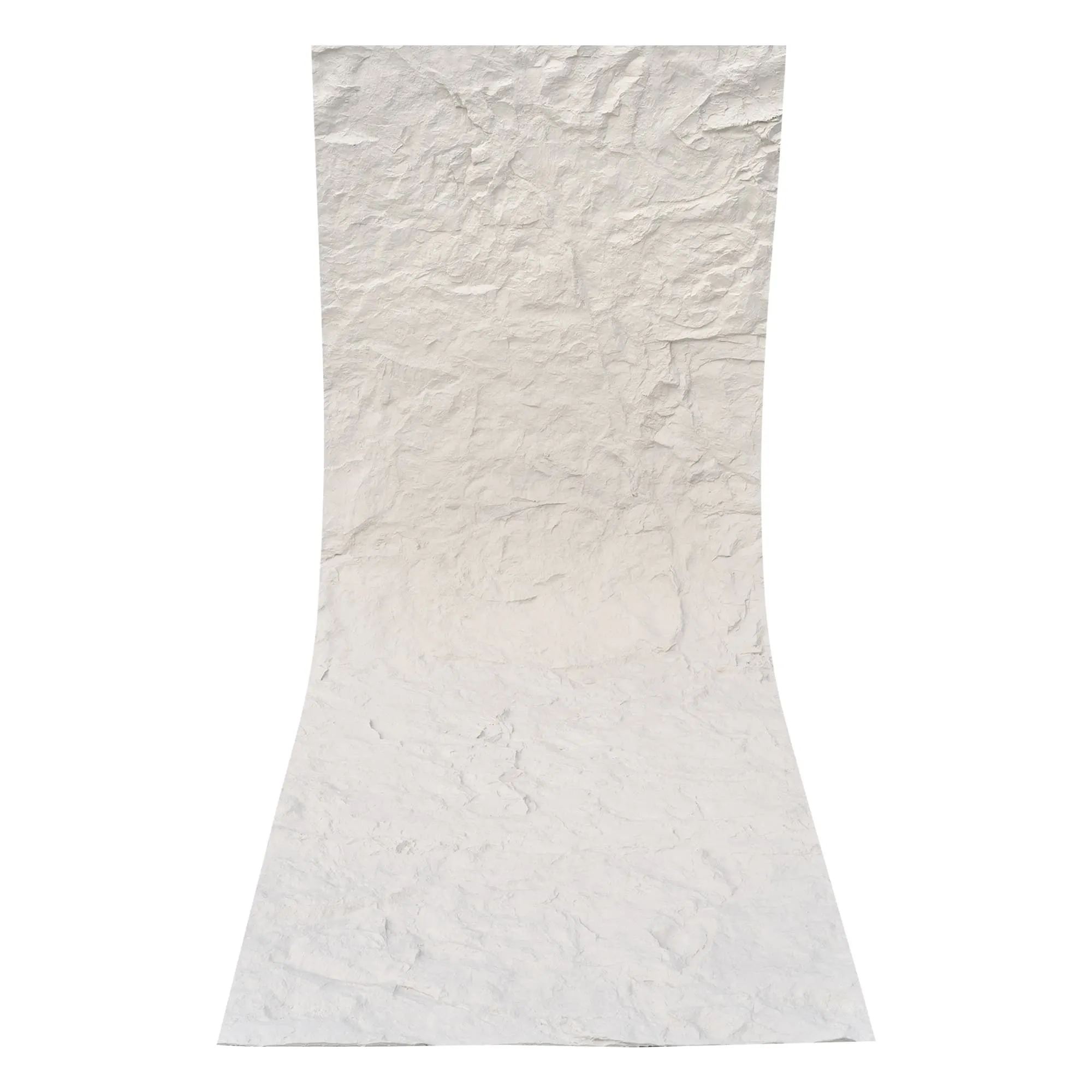
So, we've covered the ingredients—but how do these modifications translate to real-world strength? Let's talk numbers and performance. Boulder slabs aren't just "stronger than concrete"; they're engineered to excel in the specific ways buildings need them to. Here are the key strength metrics that set them apart:
Compressive strength is the ability to withstand axial loads—think of a slab supporting the weight of a roof or a crowd of people. Standard concrete typically has a compressive strength of 20–40 MPa (megapascals), depending on the mix. Modified cementitious mixtures in boulder slabs, however, often hit 50–80 MPa or higher. That's strong enough to be used in structural applications, not just cladding. How? The dense matrix formed by fine cement, well-graded aggregates, and pozzolans leaves fewer voids, while polymers and fibers prevent micro-cracks from propagating under pressure.
If compressive strength is about standing up to weight, flexural strength is about bending without snapping. Imagine a boulder slab used as a cantilevered overhang—if it bends too much, it could crack. Traditional concrete has low flexural strength (around 2–5 MPa), but modified mixtures with fibers and polymers can reach 7–10 MPa. This is a game-changer for cladding panels, which often need to span gaps or withstand wind loads without failing. The fibers act like tiny springs, absorbing energy and allowing the slab to flex slightly before returning to shape.
Tensile strength is concrete's Achilles' heel, but modified mixtures turn this weakness into a strength. Standard concrete has a tensile strength of just 2–5 MPa, but with polymer modification and fiber reinforcement, boulder slabs can see tensile strengths of 4–8 MPa. This is crucial for resisting cracking caused by temperature changes, moisture expansion, or seismic activity. For example, when a building shifts slightly during an earthquake, a boulder slab with high tensile strength will stretch rather than split, keeping the structure intact.
Strength isn't just about withstanding force—it's about lasting. Boulder slabs are engineered for durability, thanks to their dense, impermeable structure. The polymers and pozzolans reduce porosity, making the material resistant to water, salt, and chemicals. That means less damage from freeze-thaw cycles (where water seeps in, freezes, and expands) or exposure to harsh urban pollutants. In coastal areas, for instance, boulder slabs with added corrosion inhibitors can resist saltwater spray, outperforming even natural stone in longevity.
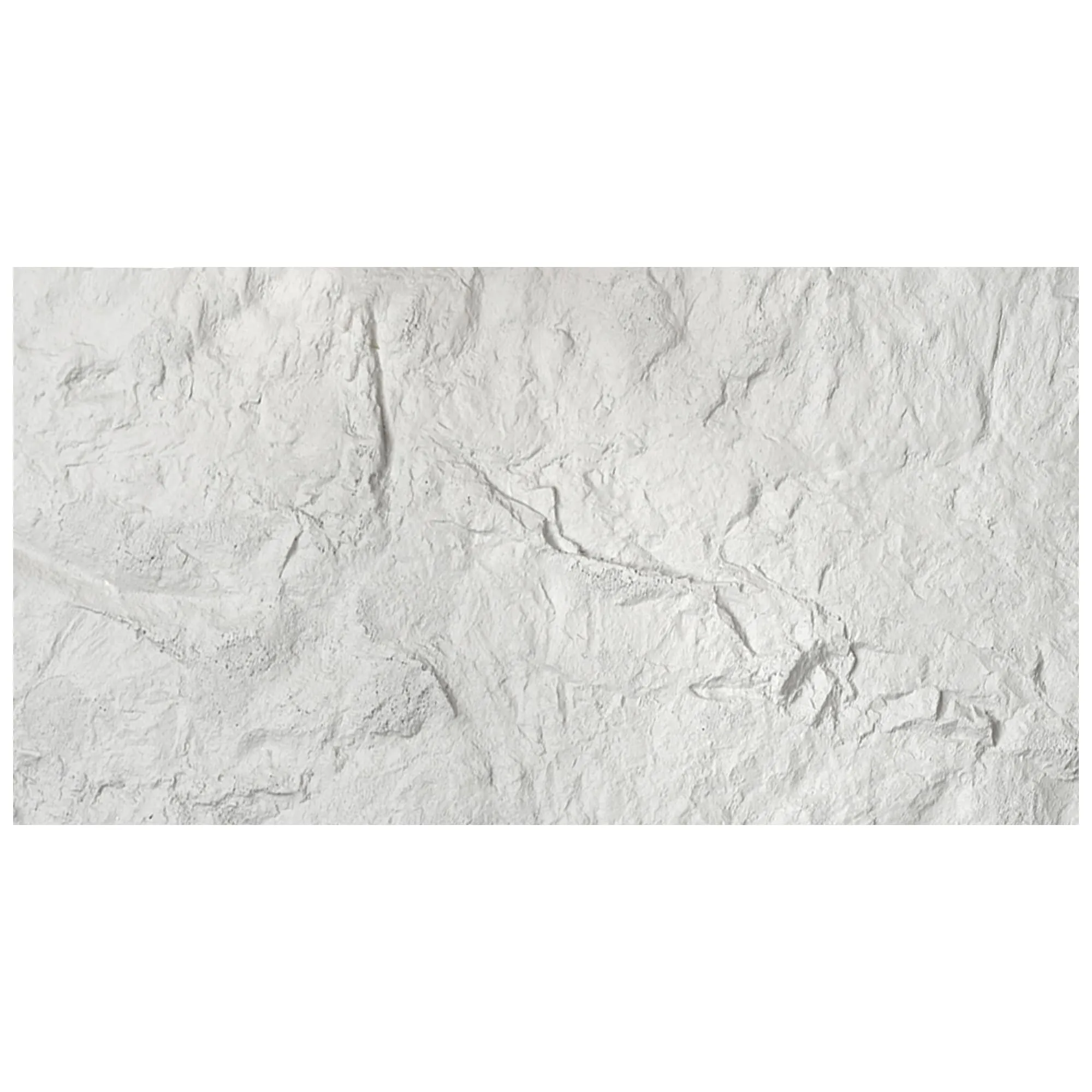
The science of modified mixtures is only half the story—how these mixtures are turned into finished boulder slabs matters just as much. The manufacturing process is a carefully controlled dance of mixing, casting, and curing, all designed to maximize strength and consistency.
It starts with batching: precise amounts of cement, aggregates, modifiers, and water are mixed in a high-shear mixer to ensure even distribution of fibers and polymers. This isn't your backyard cement mixer—industrial mixers rotate at high speeds, breaking up clumps and ensuring every particle is coated in the cement paste. Once the mixture is homogeneous, it's poured into molds. These molds are often custom-made to create the slab's unique texture (like the vintage silver's matte finish or the rough-hewn look of some boulder slab variants).
After casting, the slabs undergo curing—a process where they're kept moist and at a controlled temperature to optimize hydration. Unlike traditional "air curing," which can lead to uneven strength, boulder slabs are often cured in humidity-controlled chambers or with steam, ensuring the cement hydrates fully and uniformly. This slow, steady curing is what locks in the strength gains from the modified mixture. Finally, the slabs are demolded, inspected for flaws, and finished with sealants or coatings to enhance their appearance and durability.
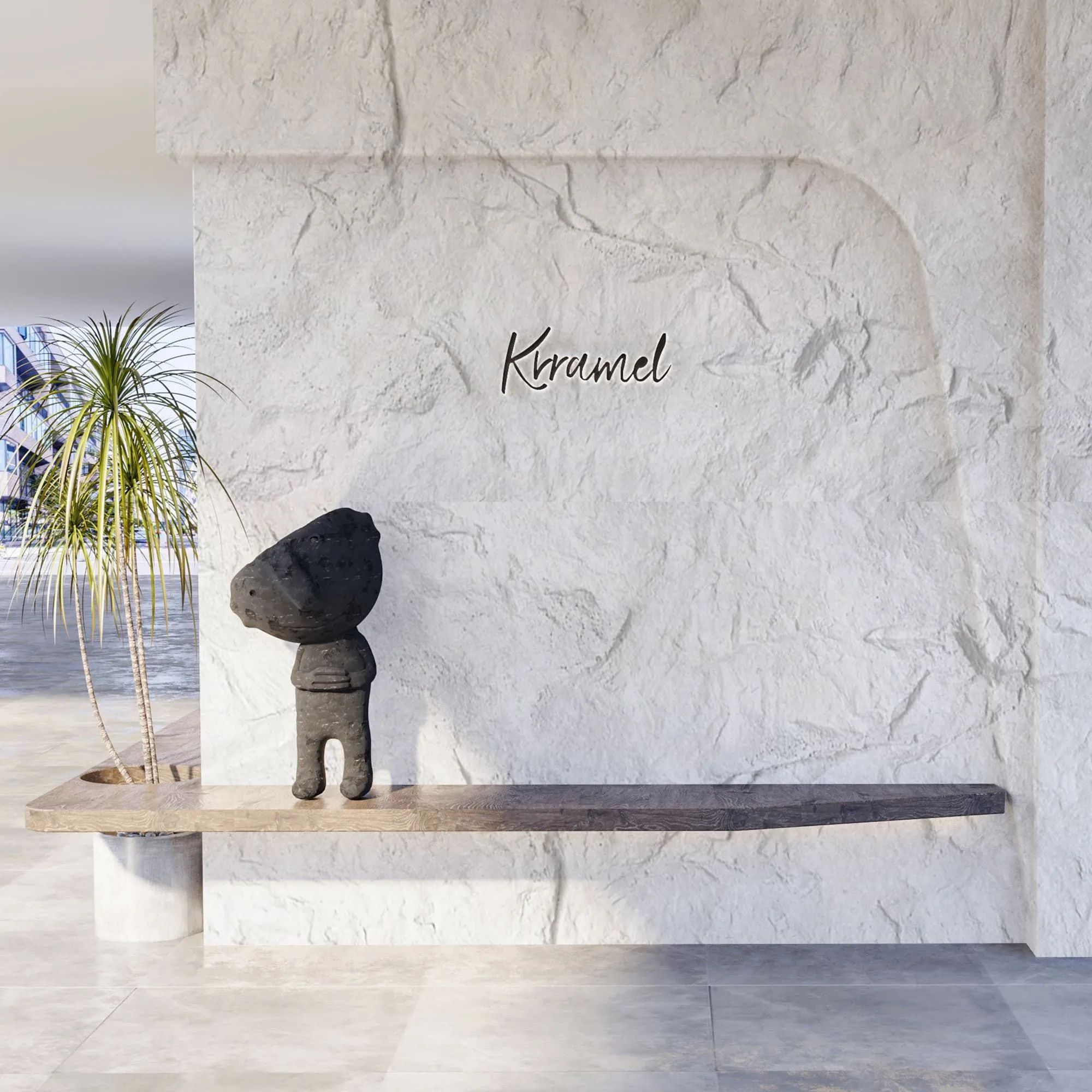
To truly appreciate boulder slabs, it helps to see how they compare to the materials they're replacing. Let's take a look at a side-by-side comparison with natural stone and standard concrete, two common alternatives:
| Material | Compressive Strength (MPa) | Weight (kg/m³) | Durability (Weather Resistance) | Sustainability |
|---|---|---|---|---|
| Natural Stone (Granite) | 100–250 | 2700–3000 | High (but porous; needs sealing) | Low (quarrying is energy-intensive; limited supply) |
| Standard Concrete | 20–40 | 2400–2500 | Moderate (prone to cracking, water damage) | Moderate (high cement use; high carbon footprint) |
| Boulder Slab (Modified Cementitious) | 50–80 | 1800–2200 | Very High (low porosity; resistant to chemicals, freeze-thaw) | High (recycled aggregates; reduced cement use; lower CO2) |
| Fair-Faced Concrete | 30–50 | 2300–2400 | Moderate (needs careful finishing to prevent defects) | Moderate (similar to standard concrete) |
The table tells a clear story: boulder slabs offer a sweet spot of strength, weight, and sustainability. They're not as strong as granite, but they're far lighter (reducing structural load on buildings) and more durable than standard concrete. And unlike natural stone, they're customizable—available in colors like vintage silver, gold, and black—and can be produced with minimal environmental impact, aligning with the green building materials movement.
Let's not forget why boulder slabs catch the eye in the first place: their beauty. The modified cementitious mixture isn't just about strength—it's about versatility. Manufacturers can tweak the color, texture, and finish to mimic everything from weathered steel to rough-hewn stone. Want a sleek, modern look? Opt for a vintage silver boulder slab with a smooth, matte finish. Craving something more rustic? A rough-textured, vintage black slab can evoke the feel of ancient rock formations.
This versatility has made boulder slabs a favorite for both exterior and interior applications. Externally, they're used as cladding panels, adding depth and character to building facades. Internally, they shine as feature walls, countertops, or fireplace surrounds. Unlike fair-faced concrete (which relies on perfect finishing to look good), boulder slabs embrace imperfection—their slight color variations and textured surfaces add warmth and authenticity to spaces.
In an era where "green" isn't just a buzzword but a necessity, boulder slabs stand out as a sustainable choice. Their modified cementitious mixtures use less Portland cement (thanks to pozzolans and recycled aggregates), reducing embodied carbon—the total CO2 emitted during production. For example, replacing 30% of cement with fly ash can cut carbon emissions by up to 25%. Additionally, many manufacturers use recycled aggregates (like crushed concrete or glass) in their mixtures, diverting waste from landfills.
The lightweight nature of boulder slabs also reduces transportation energy—since they weigh 20–30% less than natural stone, fewer trucks are needed to transport them to job sites. And because they're durable, they require less frequent replacement, cutting down on lifecycle environmental impact. It's no wonder that boulder slabs are increasingly specified in LEED-certified projects, where sustainability is a top priority.
As technology advances, the science behind boulder slabs continues to evolve. Researchers are experimenting with new modifiers, like nano-materials that further enhance strength and durability, or self-healing polymers that can repair small cracks automatically. 3D printing, too, is opening new doors—imagine printing custom-shaped boulder slabs on-site, reducing waste and allowing for even more intricate designs. The 3D printing series of construction materials is already hinting at this future, where precision and creativity go hand in hand.
Another trend is customization. With digital color-matching and texture scanning, manufacturers can now replicate the look of rare natural stones (like travertine or marble ) in boulder slabs, making luxury accessible without the environmental cost. And as demand for biophilic design grows (bringing nature into built spaces), we're seeing boulder slabs with organic textures and earthy tones that connect people to the outdoors, even in urban environments.
The boulder slab is more than just a building material; it's a testament to how science and innovation can transform the ordinary into the extraordinary. By reimagining the humble cementitious mixture—adding polymers, fibers, and pozzolans—engineers have created a material that's strong, durable, beautiful, and sustainable. It's a material that lets architects dream bigger, builders construct smarter, and communities live in spaces that are both safe and inspiring.
So the next time you walk past a building with a striking vintage silver facade or run your hand along a textured interior wall, take a moment to appreciate the science beneath the surface. That boulder slab isn't just there to look good—it's a product of countless hours of research, testing, and innovation. And as we continue to push the boundaries of what modified cementitious mixtures can do, the future of construction looks stronger, more sustainable, and infinitely more creative.
Recommend Products












