Science is fascinating, but what really makes
Croco MCM shine is how that science translates into
feeling
. Let's dive into two of its most beloved finishes to see how engineering meets art:
Travertine (Starry Green): A Night Sky in Stone
Natural
travertine is beloved for its porous, "honeycomb" texture and warm earth tones, but it's not perfect—it's porous, prone to staining, and its color varies wildly.
Croco MCM's
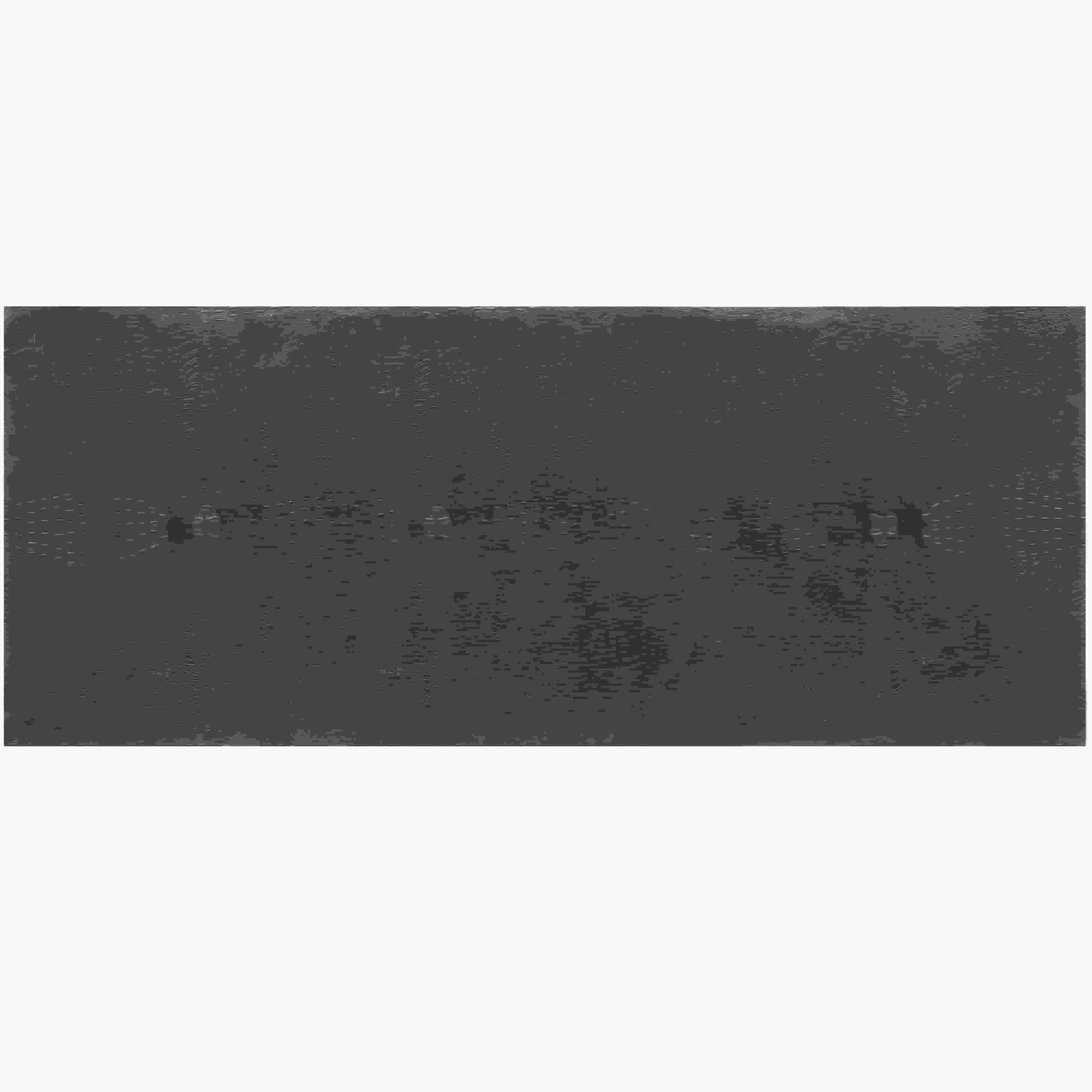
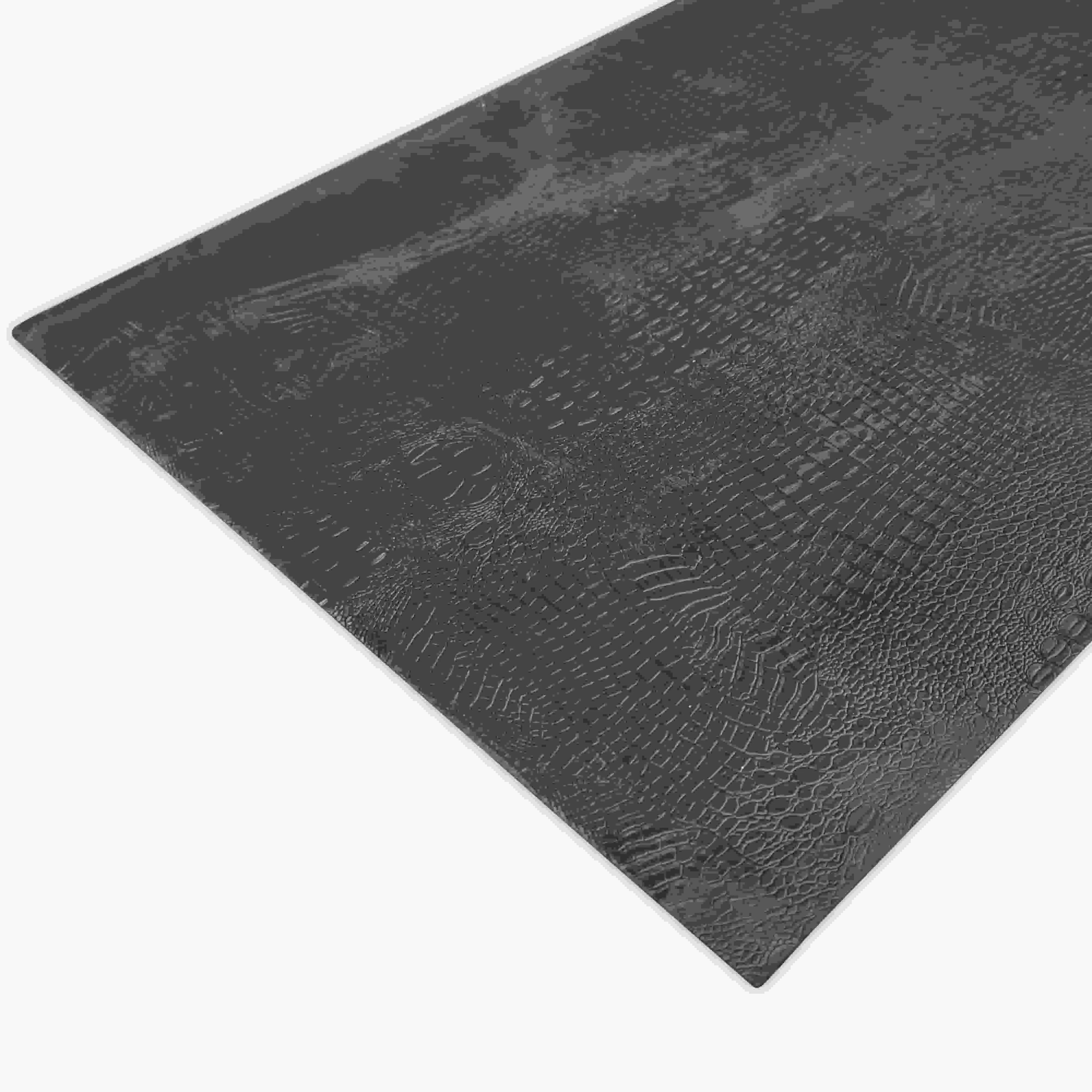
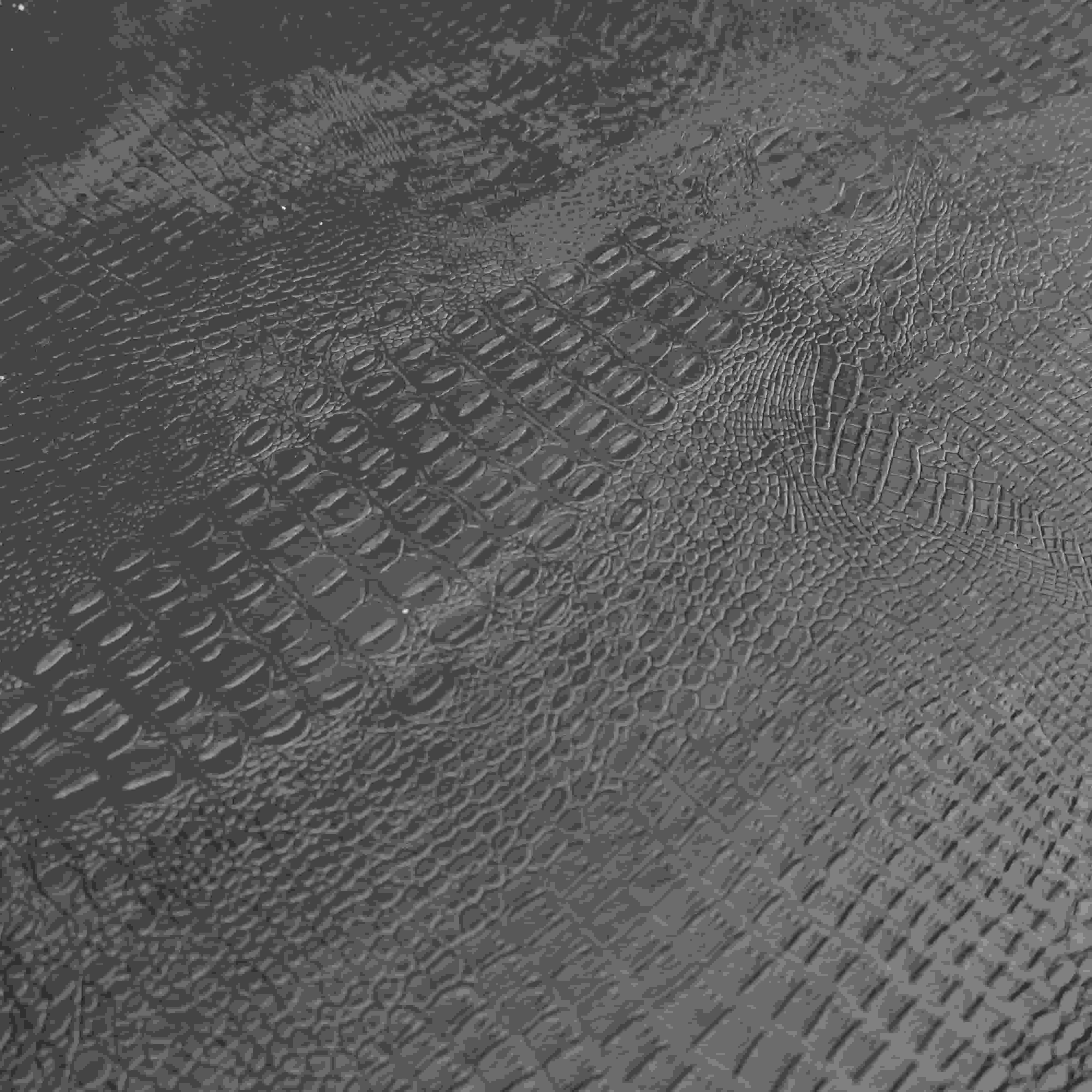
travertine (starry green)
reimagines this classic stone with a twist: instead of random pits, it features uniform, tiny indentations filled with iridescent glass microspheres. When light hits the surface, those microspheres reflect green and gold hues, mimicking a starry night sky.
The science here is in the
particle size control
. During manufacturing, the glass microspheres are precisely calibrated to 50–100 microns in diameter—small enough to fit into the
travertine-like pits, but large enough to catch light. The green pigment, a mix of iron oxide and chromium oxide, is added to the polymer binder, ensuring it's evenly distributed (no splotchy patches). The result? A finish that looks like a slab of
travertine plucked from a forest at twilight—uniform, vibrant, and impossible to tell apart from the real thing (until you try to scratch it;
Croco MCM's polymer coating resists scratches, unlike natural stone).
Lunar Peak Silvery: Celestial Beauty, Down to Earth
If
travertine (starry green)
is a forest night,
lunar peak silvery
is a moonlit mountain. This finish mimics the look of polished silver stone, with a soft, metallic sheen that shifts with the light. But it's not just paint: the "silvery" effect comes from aluminum flakes coated in a thin layer of silica, which are mixed into the MCM matrix. The silica layer prevents the aluminum from tarnishing (no more dull, grayish patches over time), while the flakes are oriented during manufacturing to catch light from all angles—so the surface glows even in low light.
Designers love
lunar peak silvery
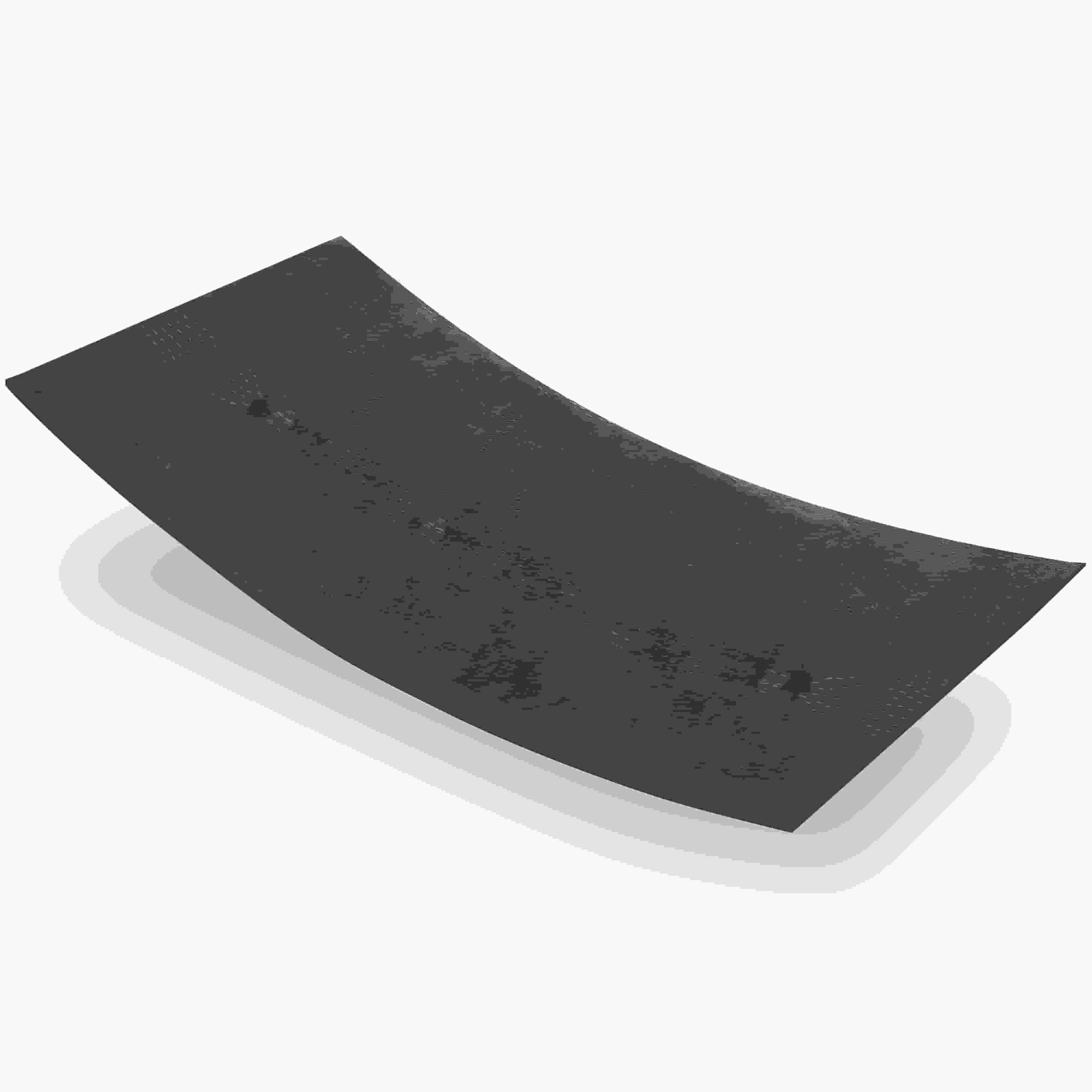
for its versatility. It pairs with warm woods for a cozy modern vibe, or with black metal accents for an industrial-chic look. In commercial spaces, it's often used for accent walls in lobbies or restaurants, where its reflective surface makes rooms feel larger and brighter. One hotel in downtown Chicago even used it to clad a curved staircase—thanks to MCM's flexibility, the panels bent seamlessly around the curve, creating a flowing, sculptural effect that would have been impossible with rigid stone or concrete.