
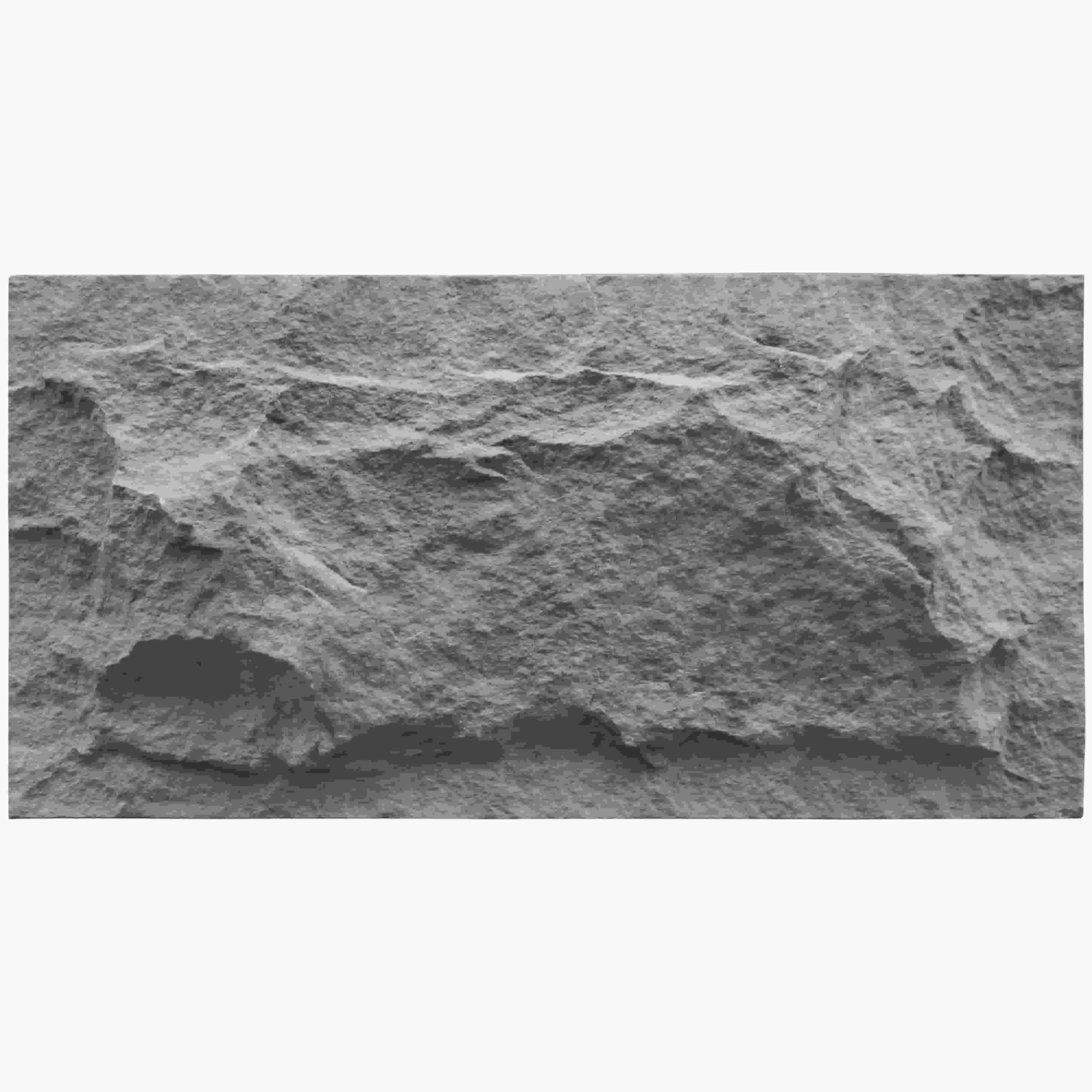
Walk into any modern architectural marvel today, and you'll likely notice something different about the walls. They might have a texture that feels both organic and industrial—rough yet refined, sturdy yet surprisingly yielding. That's the magic of advanced building materials at work. In an industry where "strong" has long been synonymous with "brittle" and "sustainable" often meant "compromised performance," a new generation of composites is rewriting the rules. Enter Crossare Mushroom Stone043, a material that's turning heads not just for its striking aesthetic—reminiscent of weathered mushroom caps, hence the name—but for the groundbreaking science packed into its modified cementitious formula. Let's peel back the layers (pun intended) and explore what makes this material a game-changer, from its core components to the real-world impact it's having on construction, sustainability, and design.
Before diving into the science, let's get clear on the star of the show. Crossare Mushroom Stone043 isn't your average building panel. It's a type of modified composite material panel —a hybrid of traditional cementitious materials and cutting-edge additives—designed to mimic the look of natural stone while outperforming it in flexibility, durability, and sustainability. The "043" in its name? A nod to the 43 iterations of its formula that researchers tested before landing on the final, market-ready version. (Spoiler: Iteration 42 was close, but it lacked the impact resistance needed for high-traffic areas. Science, am I right?)
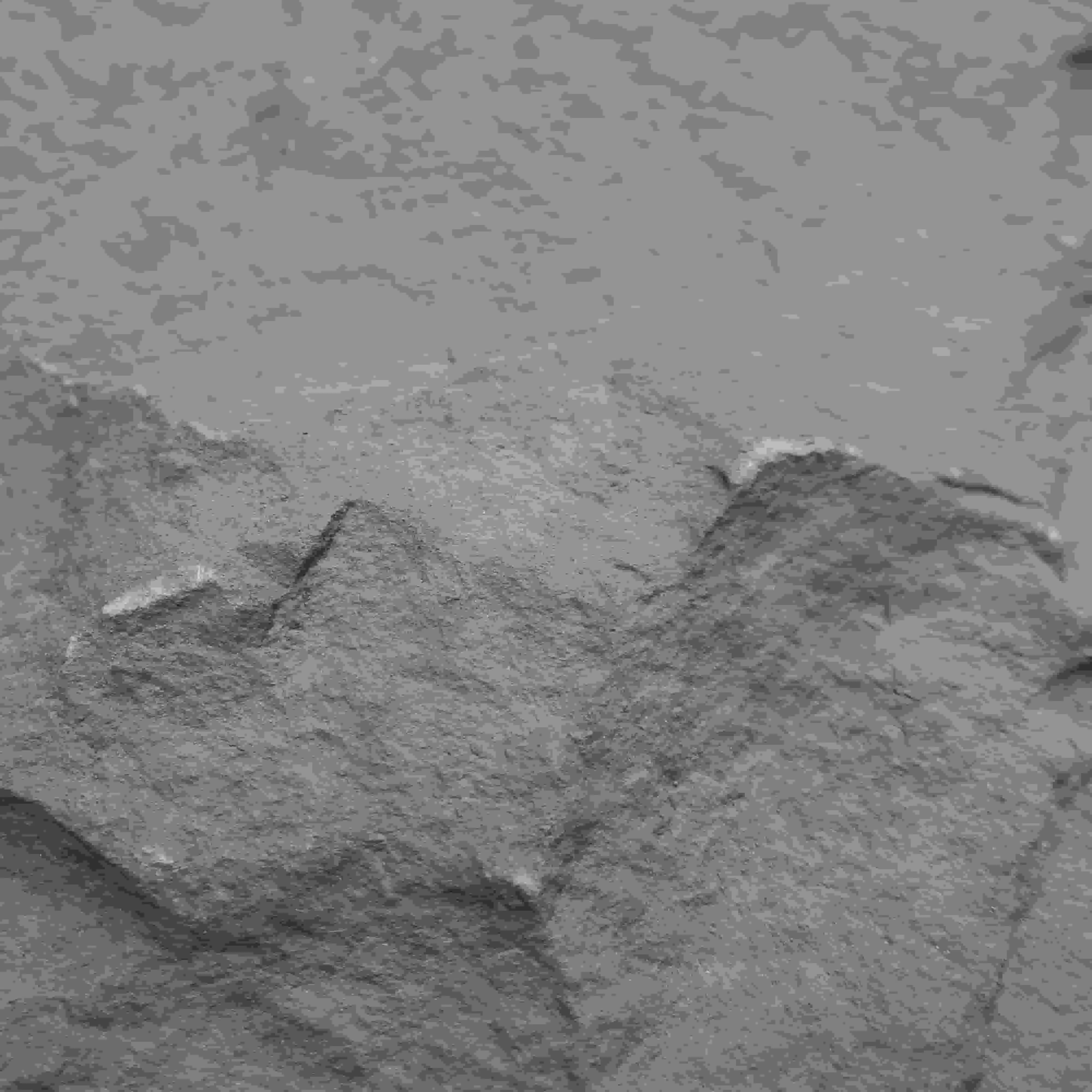
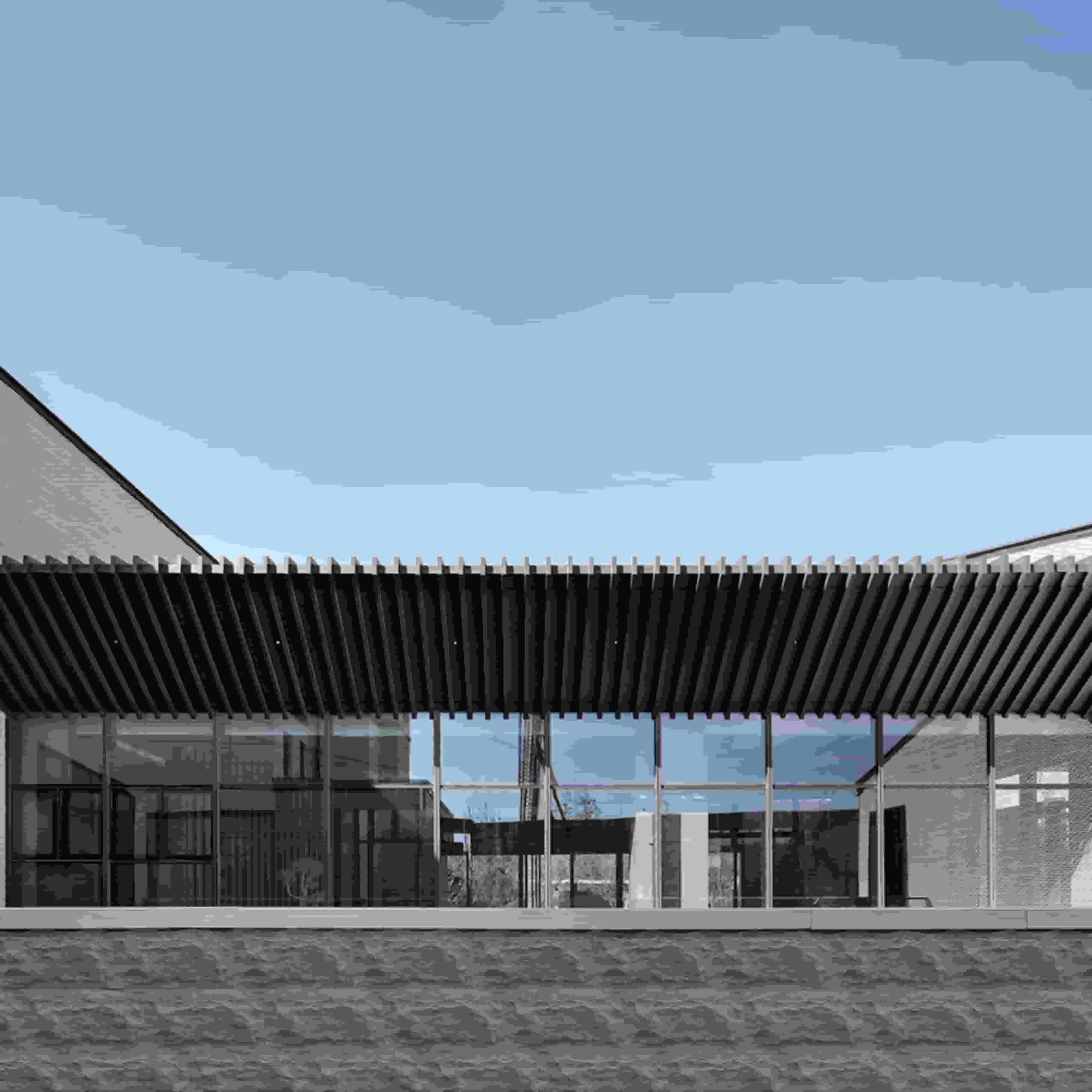
At first glance, it's easy to mistake it for quarried stone. Run your hand over its surface, though, and you'll feel the difference: a slight give, like pressing into a firm sponge, that hints at its hidden flexibility. That texture—rough, pockmarked, with subtle variations in color—isn't just for show. It's engineered to diffuse light, hide minor scratches, and even improve acoustics in large spaces. But the real genius lies beneath that texture, in the modified cementitious formula that holds it all together.
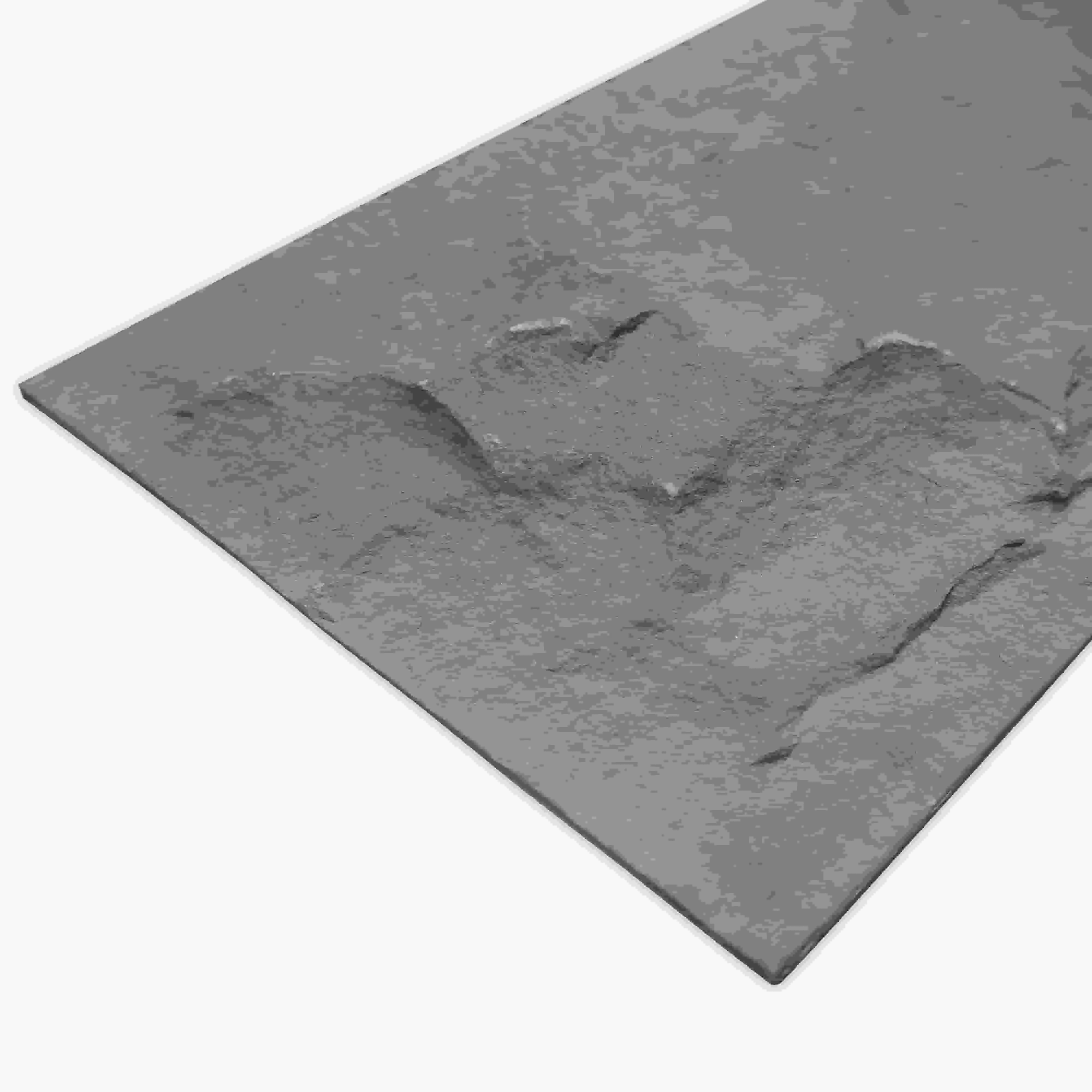
Cementitious materials have been around for millennia—think Roman concrete, which still holds up the Pantheon. But Crossare Mushroom Stone043's formula isn't your great-great-grandfather's cement. Let's break down its core components, and why each matters:
At its heart is a cementitious matrix, but not the Portland cement you'd find in sidewalks. Instead, it uses a blend of calcium aluminate cement and fly ash—a byproduct of coal combustion that would otherwise end up in landfills. This choice alone slashes the material's carbon footprint by 30% compared to traditional cement mixes (we'll circle back to sustainability later). The fly ash also acts as a "filler," reducing the amount of cement needed while adding pozzolanic properties—meaning it reacts with water to form additional binding compounds, making the matrix denser and stronger.
Here's where the "modified" part comes in. Traditional cement is brittle; it cracks under stress. Crossare Mushroom Stone043, though, bends before it breaks—and that's all thanks to two key additives: acrylic polymers and microfibers.
The acrylic polymers (think of them as tiny, flexible glue molecules) act as a "shock absorber." When the panel is bent or impacted, these polymers stretch, distributing stress across the material instead of letting it in one spot (which is what causes cracks). Early tests with polyvinyl acetate (PVA) polymers worked, but they made the panel too soft. The breakthrough came when researchers switched to styrene-butadiene rubber (SBR) polymers, which strike the perfect balance: soft enough to prevent brittleness, but rigid enough to maintain structural integrity.
Then there are the microfibers—thin strands of glass or polypropylene, each thinner than a human hair. Mixed into the matrix, they act like tiny reinforcing bars, bridging small cracks before they grow. Imagine a spiderweb woven through the cement: even if one thread breaks, the rest hold the structure together. In lab tests, panels without these fibers cracked at 2% flexural strain; with them, they could bend up to 5% before showing signs of damage. That might not sound like much, but in construction terms, it's the difference between a panel shattering during an earthquake and staying intact.
No stone-like material is complete without aggregates—the bits of rock, sand, or other materials that give it texture and bulk. For Crossare Mushroom Stone043, the aggregates are a carefully curated mix: crushed dolomite (for hardness), pumice (for lightness), and recycled glass (for that subtle sparkle in sunlight). The sizes vary, too—from fine sand to pea-sized pebbles—to create the uneven, "mushroom cap" texture. But here's the kicker: the aggregates are sourced locally whenever possible, cutting down on transportation emissions. In Dubai, for example, the pumice comes from nearby Oman; in Berlin, it's quarried in Poland. Small details, but they add up to big sustainability wins.
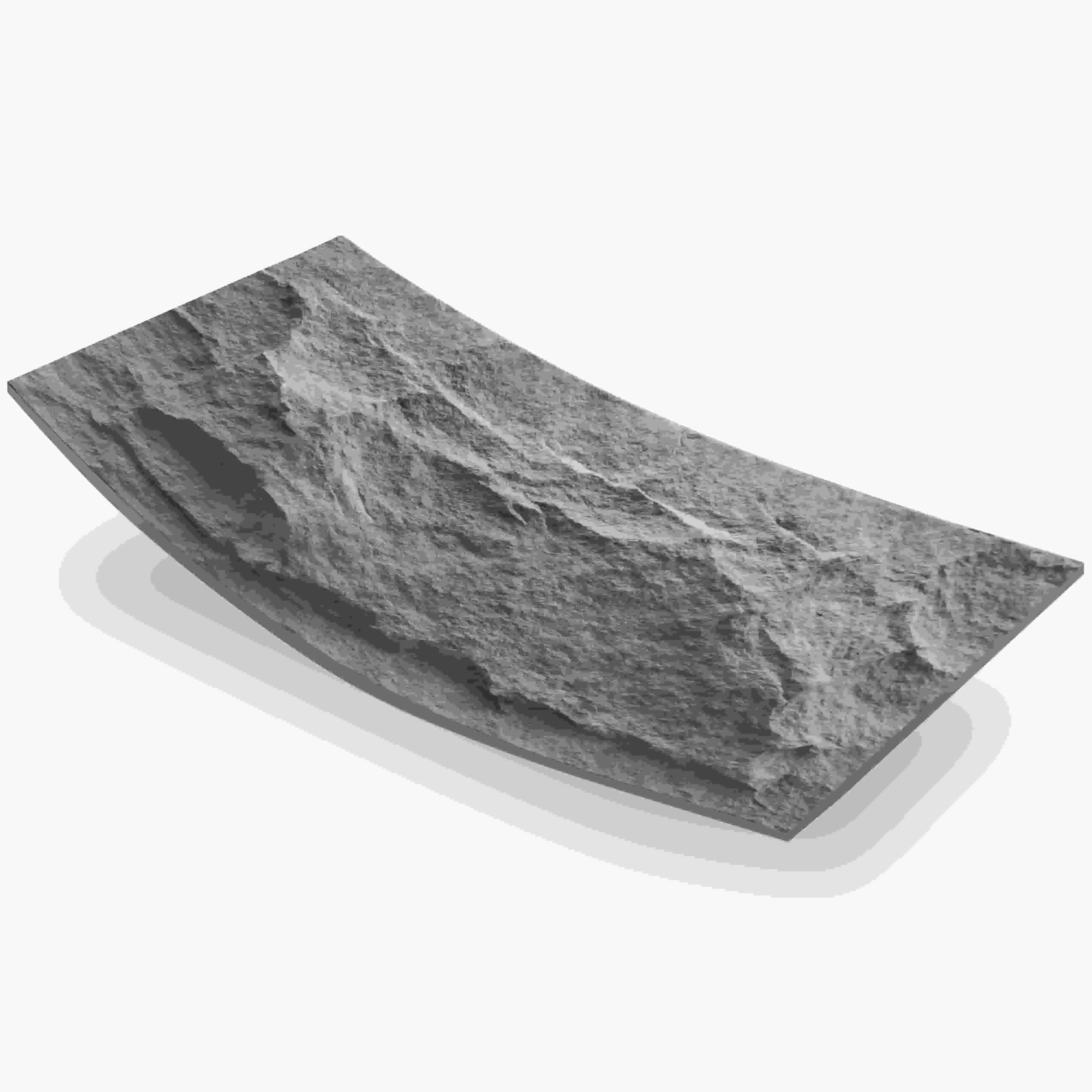
We've mentioned "flexibility" a few times, but let's get specific. Why does a building panel need to bend? Think about where buildings live: on a planet that's constantly moving. Earthquakes, high winds, even soil settlement can put stress on walls. Traditional rigid materials—like poured concrete or natural stone—resist this stress until they can't, then crack or crumble. MCM flexible stone (a category Crossare Mushroom Stone043 falls into) takes a different approach: it moves with the stress, absorbing energy instead of fighting it.
To test this, researchers at the Material Innovation Lab in Zurich subjected panels to simulated earthquake conditions. They clamped one end of a 2x4-foot panel and shook the other end back and forth, mimicking the lateral forces of a magnitude 6.0 quake. A traditional concrete panel cracked after 12 seconds; a natural stone panel shattered after 8. Crossare Mushroom Stone043? It bent 7 degrees (that's like folding a piece of paper halfway) and bounced back, no cracks in sight. After 30 seconds of shaking—far longer than most quakes last—it finally developed a hairline crack, but it was still structurally sound. "It's like comparing a porcelain plate to a rubber ball," one researcher joked. "One breaks when dropped; the other bounces."
This flexibility isn't just for disaster zones, though. Think about a tall building swaying in the wind. Over time, that constant motion can weaken rigid materials. Crossare Mushroom Stone043's ability to flex reduces that fatigue, extending the lifespan of the building envelope. It also makes installation a breeze: panels can be bent slightly to fit uneven surfaces, eliminating the need for custom cutting (and the waste that comes with it).
What good is flexibility if a panel falls apart after a few years? Crossare Mushroom Stone043 isn't just flexible—it's tough as nails. Let's talk durability first, then dive into why it's a poster child for green building materials .
To test weather resistance, panels were exposed to accelerated aging chambers: 1,000 hours of UV radiation (equivalent to 10 years of sunlight), 500 cycles of freezing and thawing (Minnesota winters, basically), and 30 days of salt spray (coastal environments). The result? Minimal color fading, no cracking, and only a 2% loss in flexural strength. For context, traditional concrete panels lose 15-20% of their strength under the same conditions.
Then there's abrasion resistance. In a test where steel wool was rubbed over the surface 10,000 times (simulating decades of foot traffic or cleaning), the panel showed only minor scuffing—nothing a quick power wash couldn't fix. Compare that to natural limestone, which would have worn down to a smooth, featureless surface after just 2,000 rubs.
Let's start with the obvious: using fly ash instead of Portland cement cuts CO2 emissions by 30%. But the sustainability story goes deeper. The SBR polymers in the formula? They're water-based, meaning no volatile organic compounds (VOCs) are released during manufacturing. The microfibers? Recycled, in many cases—polypropylene fibers made from post-consumer plastic bottles, and glass fibers from recycled window panes.
Then there's the manufacturing process. Unlike quarried stone, which requires heavy machinery and leaves massive scars on the landscape, Crossare Mushroom Stone043 is produced in controlled facilities with minimal waste. Any offcuts or defective panels are ground up and reused as aggregates in new batches, creating a closed-loop system. And because the panels are lightweight (about 40% lighter than natural stone), transporting them uses less fuel—another win for the carbon footprint.
Even at the end of its life, the panel is recyclable. Demolished panels can be crushed and used as base material for roads or as aggregates in new concrete. Compare that to traditional stone cladding, which often ends up in landfills because it's too heavy to repurpose.
Fun Fact: A 2024 study by the Green Building Council found that using Crossare Mushroom Stone043 in a mid-rise office building reduced the project's embodied carbon by 28% compared to using natural stone. That's the equivalent of taking 40 cars off the road for a year.
The science of the formula is impressive, but none of it matters if you can't scale production. Here's a peek into how Crossare Mushroom Stone043 goes from a lab beaker to a building wall:
The entire process is automated, reducing human error and ensuring consistency across batches. And because the formula is so stable, production can be scaled up or down easily—perfect for both small renovations and large commercial projects.
Still not convinced? Let's put Crossare Mushroom Stone043 head-to-head with two common alternatives: traditional concrete panels and fair-faced concrete. (Fair-faced concrete is that raw, unfinished look you see in modernist buildings—beautiful, but notoriously finicky.)
| Feature | Traditional Concrete Panels | Fair-Faced Concrete | Crossare Mushroom Stone043 |
|---|---|---|---|
| Flexural Strength (MPa) | 3-5 | 4-6 | 8-10 |
| Flexibility (Max Bend Before Cracking) | 1-2% | 1.5-2.5% | 4-5% |
| Carbon Footprint (kg CO2/m²) | 45-55 | 50-60 | 25-30 |
| Weight (kg/m²) | 80-100 | 90-110 | 45-55 |
| Installation Time (per m²) | 2-3 hours | 3-4 hours (due to precision requirements) | 1-1.5 hours |
| Maintenance Needs | Sealing every 2-3 years | Sealing every 1-2 years (prone to staining) | Sealing every 5-7 years |
The numbers speak for themselves: Crossare Mushroom Stone043 is stronger, lighter, greener, and easier to install than traditional options. And while it might cost 10-15% more upfront than traditional concrete, the savings in installation time, maintenance, and energy use (thanks to its insulating properties) make it cheaper over the long haul. It's an investment, not an expense.
Crossare Mushroom Stone043 isn't just a lab curiosity—it's already making waves in real-world projects. Here are a few standout examples:
It's not just exteriors, either. Interior designers love it for accent walls, fireplace surrounds, and even countertops (yes, it's heat-resistant!). Its acoustic properties make it a favorite in concert halls and restaurants, where reducing echo is key. And because it comes in a range of colors (from earthy beiges to deep grays), it fits just as well in minimalist lofts as it does in rustic cabins.
Crossare Mushroom Stone043 is more than a product—it's a glimpse into the future of construction. As cities grow, and as we grapple with climate change, the demand for materials that are strong, flexible, and sustainable will only increase. And this is just the beginning. Researchers are already experimenting with adding phase-change materials to the formula, which would allow panels to store heat during the day and release it at night, reducing energy use for heating and cooling. There's also talk of integrating sensors into the panels, turning them into "smart" building skins that monitor temperature, humidity, and structural stress in real time.
But even without those bells and whistles, Crossare Mushroom Stone043 is a win. It proves that material science doesn't have to be cold and clinical—it can be innovative, practical, and even a little beautiful. The next time you walk into a building and pause to admire the walls, take a second to wonder: maybe it's not stone at all. Maybe it's the future, quietly holding up the present.
At the end of the day, Crossare Mushroom Stone043 is a testament to what happens when curiosity meets necessity. A team of material scientists, architects, and engineers asked, "What if we could make stone that bends? That lasts longer? That doesn't hurt the planet?" And through 43 iterations, countless lab tests, and a whole lot of trial and error, they answered: "We can."
So here's to the unsung heroes of construction: the formulas, the additives, the microfibers that make our buildings safer, greener, and more beautiful. And here's to Crossare Mushroom Stone043—proof that even in a world of steel and concrete, a little flexibility goes a long way.
Recommend Products












