
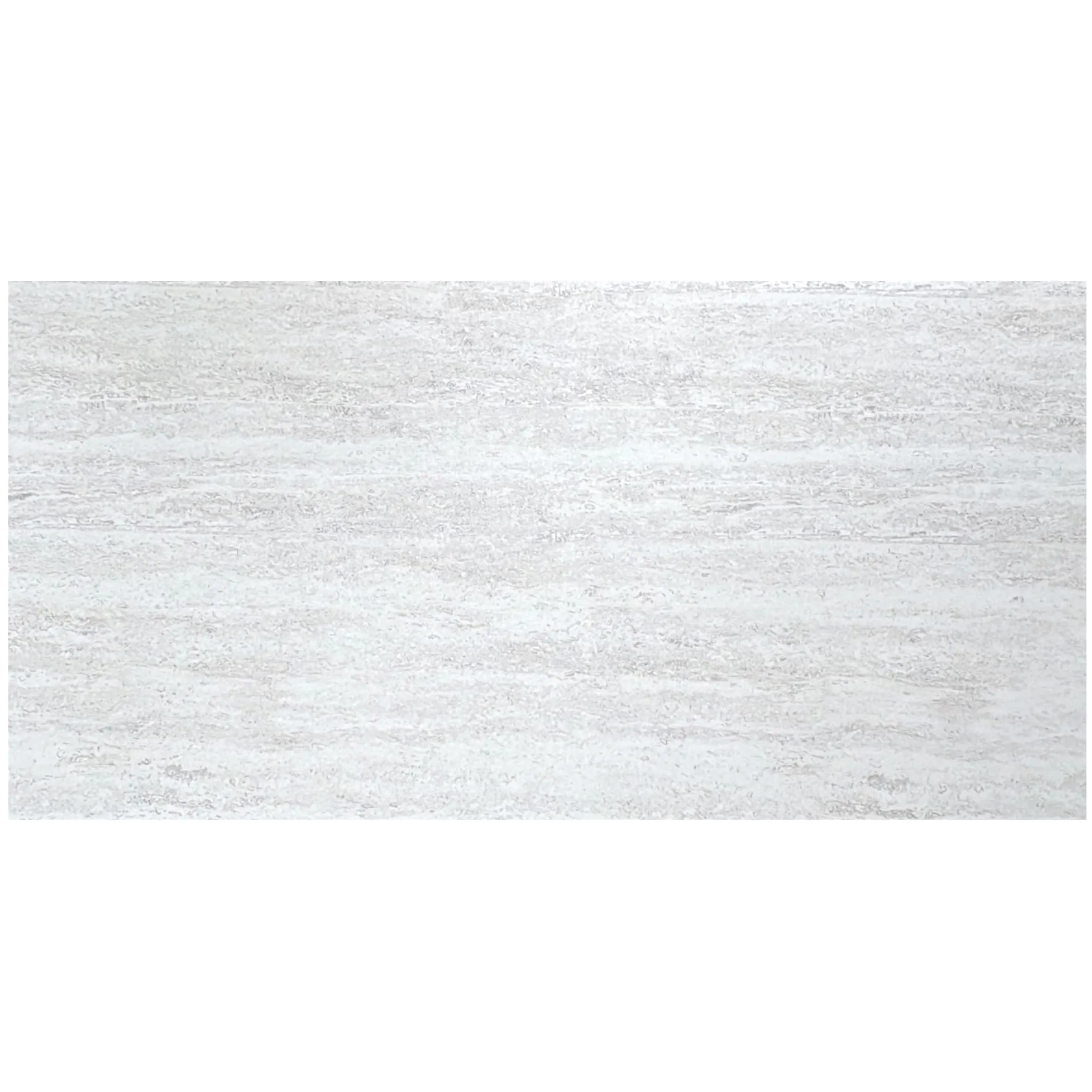
Natural stone has a way of speaking to us—quietly, yet profoundly. It carries the weight of time, the of geological forces, and the artistry of nature's chaos. Among the countless stones that grace our buildings, homes, and public spaces, few command attention quite like Ethereal Shadow Travertine. Part of MCM's renowned MCM Project Board Series , this stone isn't just a material; it's a narrative frozen in calcium carbonate, a dance of shadows and light captured in rock. But what makes its veining so uniquely ethereal? Behind those wispy, cloud-like patterns lies a story of water, time, and the subtle science of mineral deposition. Let's peel back the layers—literally and figuratively—to uncover the magic.
First, let's ground ourselves: Ethereal Shadow Travertine is not your average stone. It belongs to MCM's expansive travertine family, a lineage celebrated for its porous texture, earthy charm, and versatility. Unlike dense marble or crystalline granite, travertine forms in warm, mineral-rich environments—think hot springs, limestone caves, or mineral springs—where water saturated with calcium carbonate (CaCO₃) cools, releases carbon dioxide, and deposits layer upon layer of sediment. Over centuries, these layers compress, harden, and transform into the stone we know.
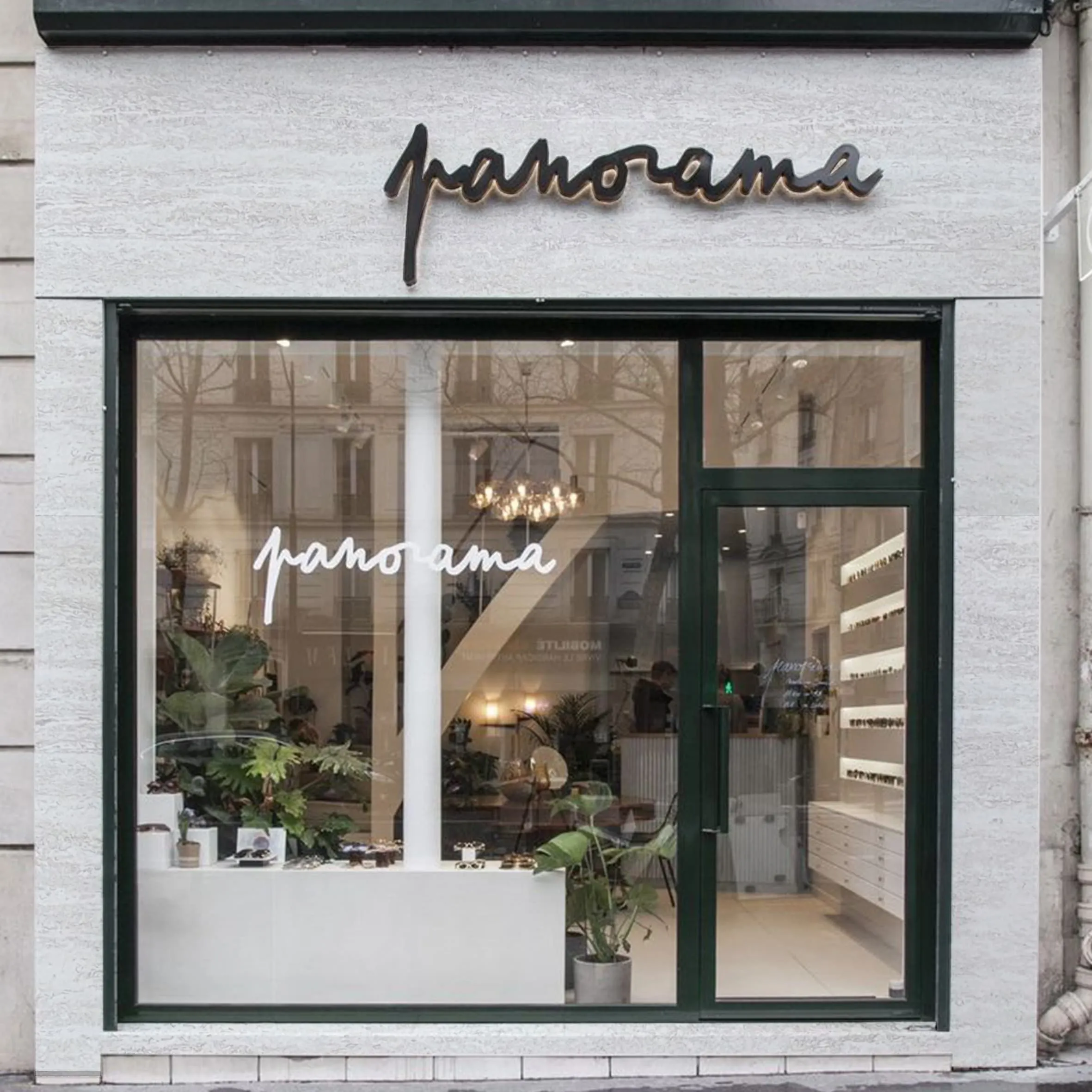
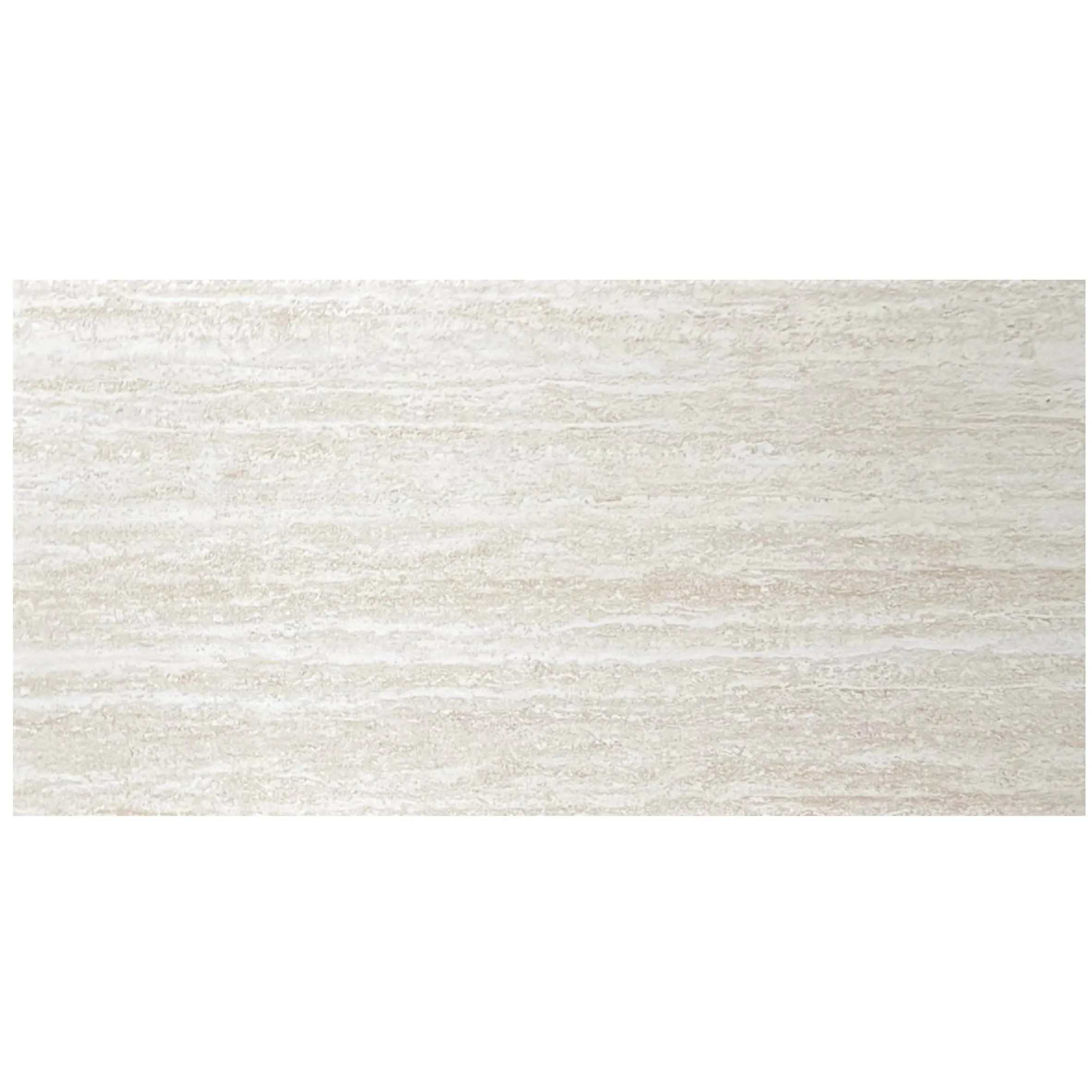
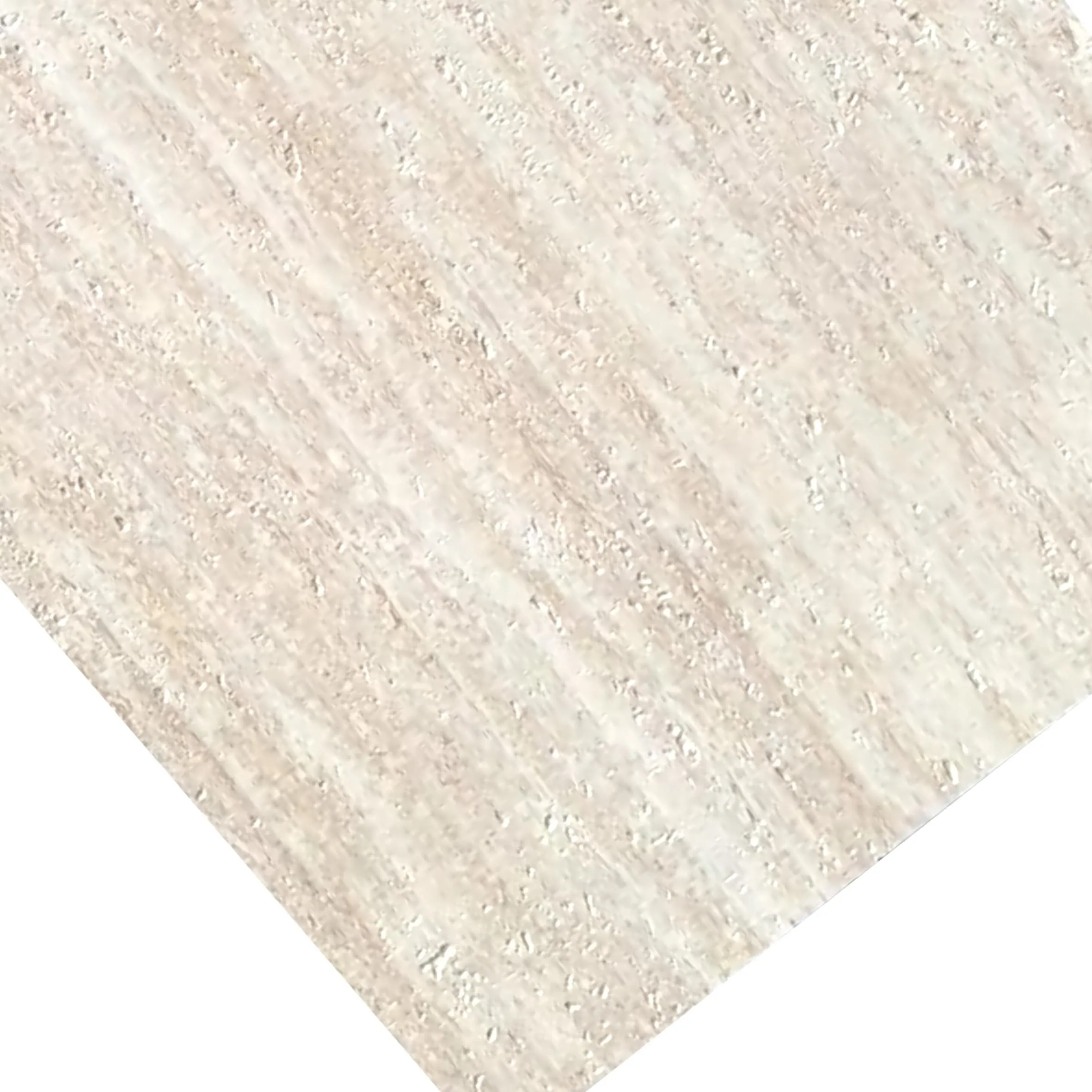
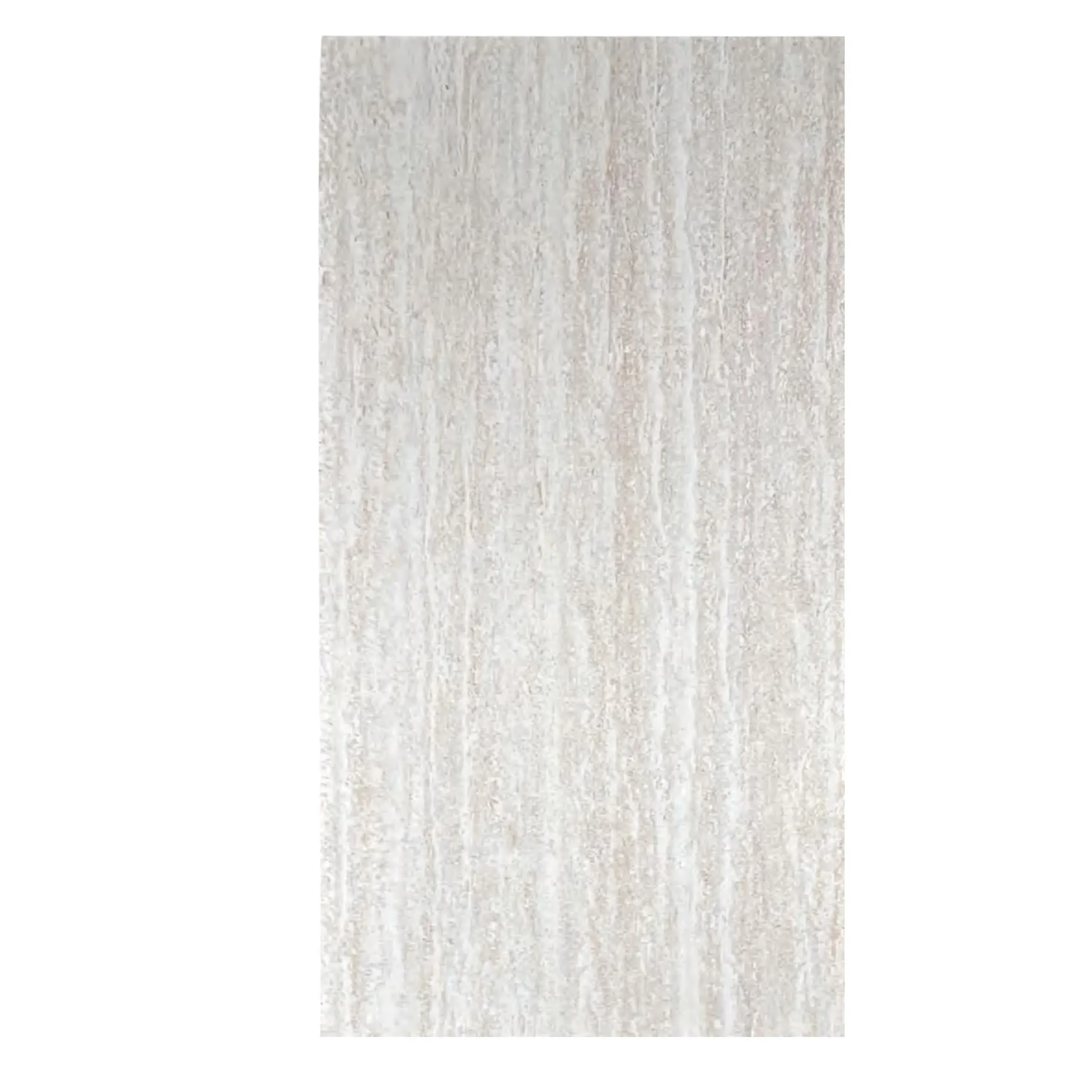
What sets Ethereal Shadow apart is its moody elegance. Its base palette leans into deep, smoky greys, almost charcoal in places, while delicate veins of pearlescent white and soft taupe wind through it—like shadows shifting across a moonlit landscape. This isn't just random beauty; it's the result of millions of years of geological choreography. And thanks to MCM's MCM Flexible Stone technology, this once-fragile natural stone becomes surprisingly adaptable: flexible enough to bend around architectural curves, lightweight for easy installation, and durable enough to withstand the elements. It's nature's art, reimagined for the demands of modern design.
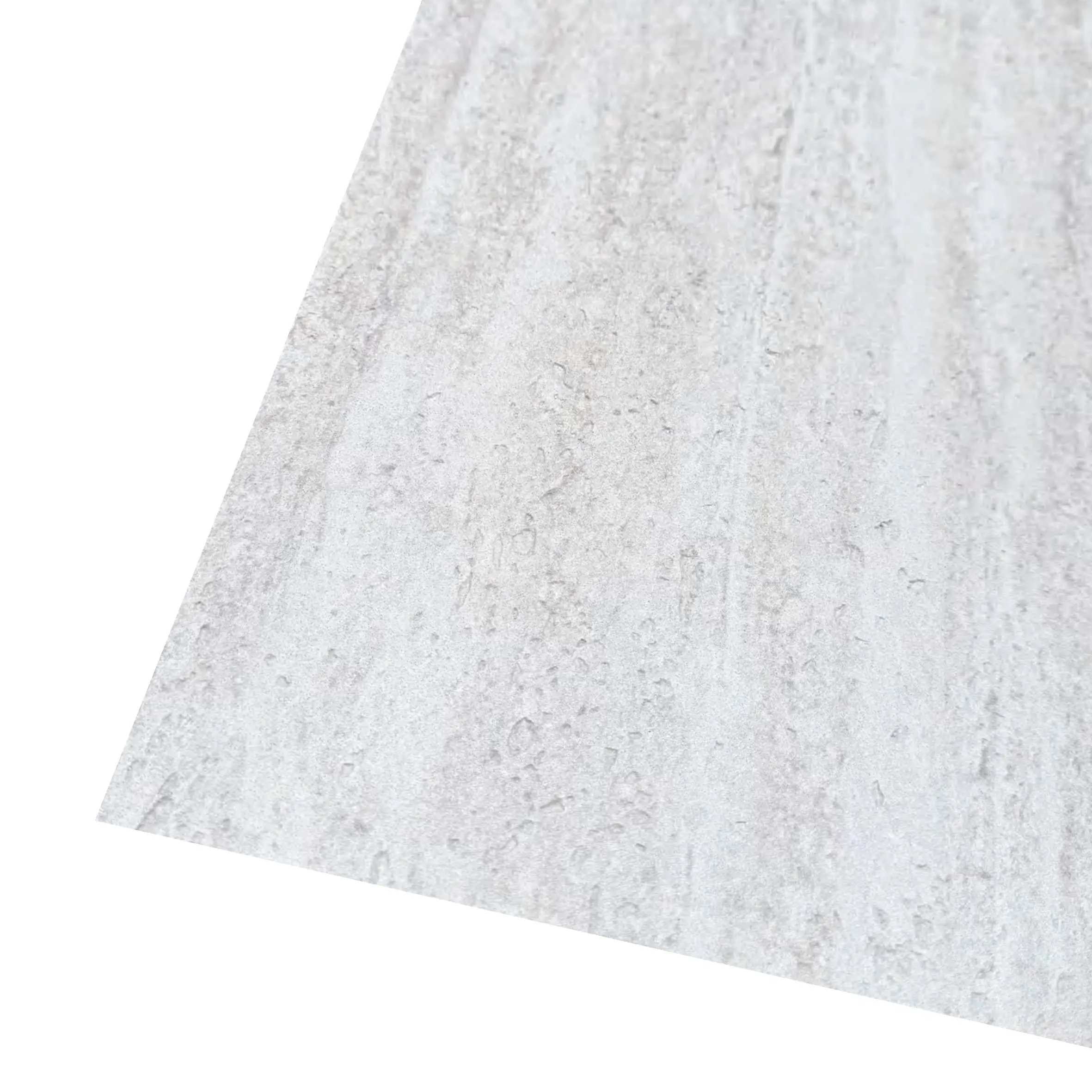
To understand Ethereal Shadow's veining, we need to travel back in time—way back. Picture a prehistoric hot spring, its waters bubbling with dissolved minerals. As the water surfaces, it meets cooler air, causing carbon dioxide to evaporate. This chemical reaction—CO₂ leaving the solution—forces calcium carbonate to precipitate out, forming tiny, needle-like crystals called calcite. These crystals cling to rocks, branches, or even the spring's basin, building up slowly, grain by grain.
Now, here's where the magic happens: the speed of the water flow and the stability of the environment dictate the stone's final appearance. In fast-moving water, calcite deposits in rushed, linear patterns—think of the bold, straight veins in some marbles. But Ethereal Shadow Travertine forms in calmer, slower environments. Imagine a shallow, still pool where water trickles in gently, allowing calcite to settle gradually. Over time, this slow deposition creates layers with varying densities. Denser, darker layers form when more minerals settle, while lighter, porous layers emerge during drier periods. The result? A stone with depth, where light and shadow play across its surface.
The "shadow" effect comes from impurities. Trace elements like magnesium, iron, or manganese seep into the sediment, tinting the base layers with those moody greys. Meanwhile, the veins—those ethereal white streaks—are zones where the water was purer, or where organic matter (like algae or leaves) briefly interrupted deposition, leaving behind lighter, less mineral-dense channels. It's nature's version of a watercolor painting, with the earth as its canvas.
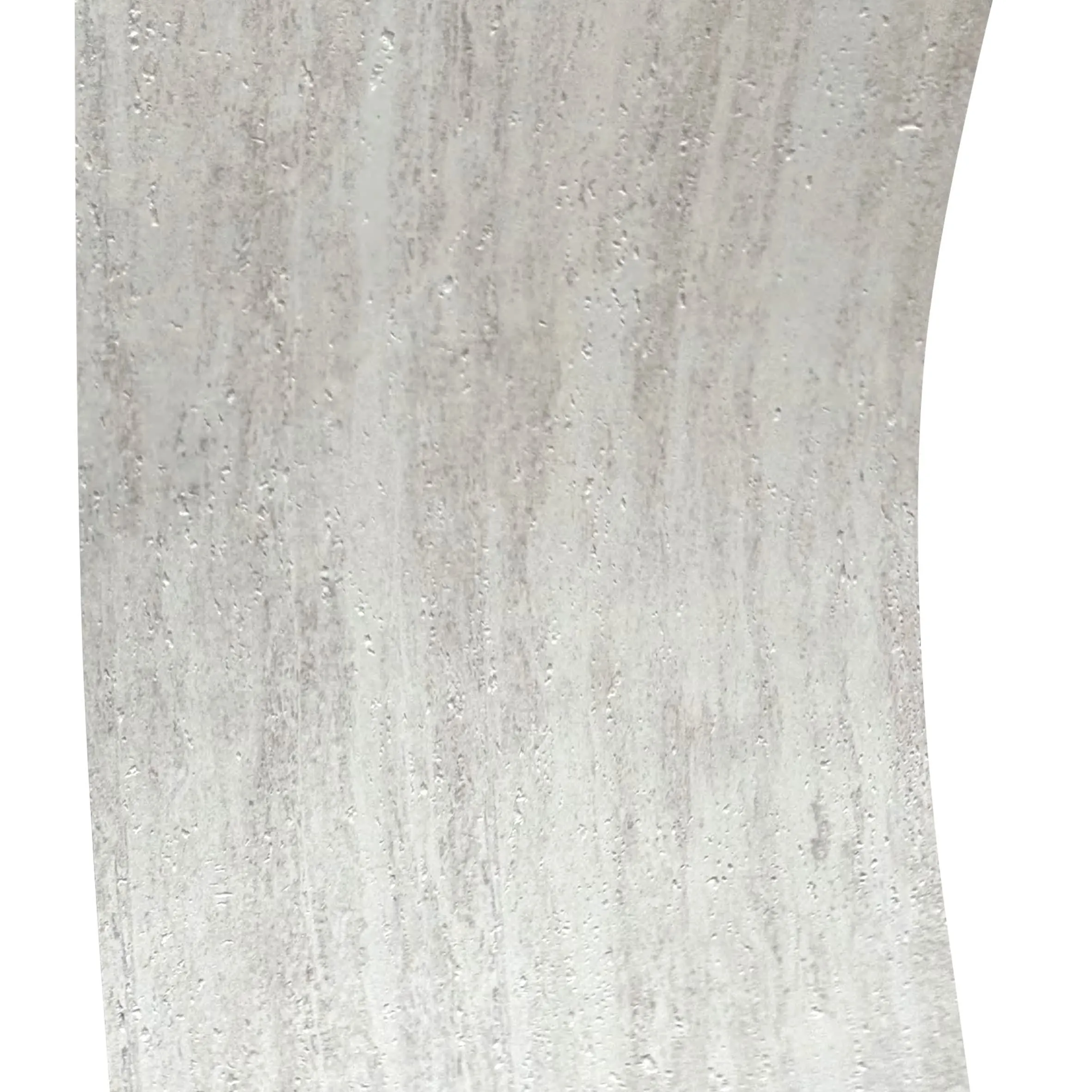
Not all travertine veins are created equal. Take Travertine (Starry Green) , for example—its veins are dotted with tiny, sparkly flecks, like stars in a night sky, formed by mineral deposits that crystallize into micro-sparkles. Or Travertine (Vintage Silver) , which boasts sleek, metallic veins from aluminum-rich water. Ethereal Shadow's veins, though? They're in a league of their own: wispy, irregular, almost alive.
The secret lies in the stone's formation environment. Ethereal Shadow Travertine forms in caves or deep spring pools where water movement is minimal but not stagnant. Think of it like fog rolling over a field—slow, undulating, never quite the same. As water shifts gently, it carries calcium carbonate to new areas, depositing thin, spreading layers that harden into those cloud-like veins. Unlike the sharp, directional veins of faster-flowing environments, these veins meander, merge, and fade, creating the illusion of movement. Run your hand over a slab, and you'll feel the subtle ridges where veins rise slightly above the base—proof of how each layer built upon the last, like a geological Rorschach test.
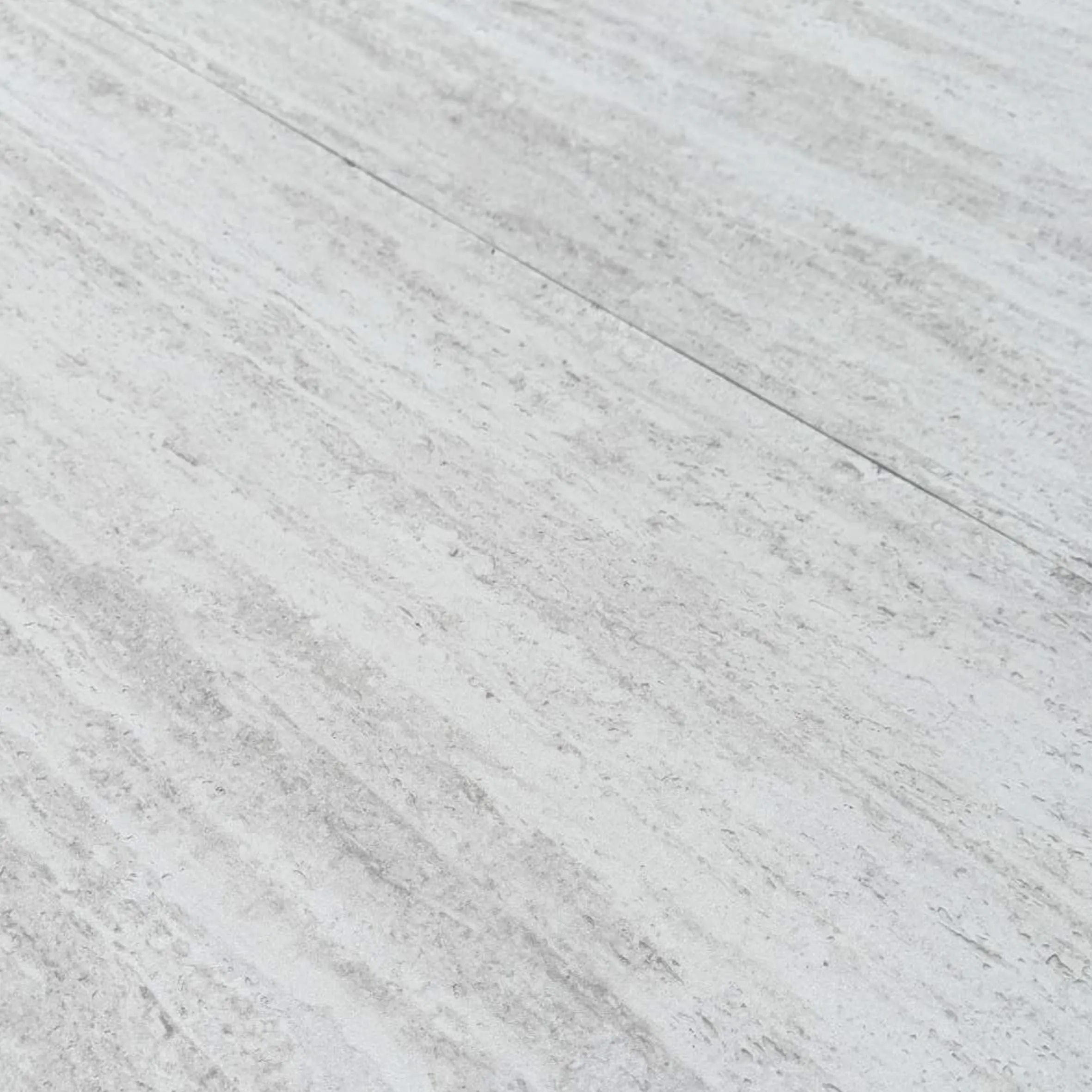
To truly appreciate Ethereal Shadow Travertine, it helps to see how it stands against its travertine cousins. Below is a breakdown of key variants, their traits, and how they fit into design narratives:
| Travertine Variant | Color & Texture | Veining Story | Design Vibe | Perfect Pairings |
|---|---|---|---|---|
| Ethereal Shadow Travertine | Deep greys, charcoal, with pearlescent white veins; porous, matte finish | Slow-moving cave water creates wispy, cloud-like patterns | Modern minimalist, industrial, moody elegance | Lunar Peak Silvery , Fair-faced Concrete , Foamed Aluminium Alloy Board (Vintage Silver) |
| Travertine (Starry Green) | Muted sage greens, olive undertones, star-like mineral flecks | Algae-rich spring water leaves sparkly, scattered veins | Bohemian, nature-inspired, organic warmth | Rust Mosaic Stone , Bamboo Mat Board , Wood Grain Board |
| Travertine (Vintage Gold) | Warm gold base, coppery veins; smooth, slightly polished | Iron-rich water deposits create linear, metallic streaks | Art Deco, luxury, retro-chic | Lunar Peak Golden , Polish Concrete , Marble Interstellar Gray |
| Travertine (Starry Blue) | Soft sky blues, indigo flecks, galaxy-like swirls | Cobalt and copper minerals in volcanic springs form vibrant veins | Coastal, cosmic, whimsical | Stream Limestone (Claybank) , Weaving (Beige) , Slate Veil White |
Ethereal Shadow Travertine isn't just a pretty face. Thanks to MCM's innovative processing, it marries natural allure with real-world functionality. Let's start with MCM Flexible Stone technology: unlike brittle natural stone, Ethereal Shadow can bend up to 30 degrees without cracking. This makes it ideal for curved walls, rounded columns, or even furniture pieces—think a custom with a sweeping, stone-clad front. It's also lightweight, clocking in at just 8-12 kg/m², which cuts down on installation time and structural load.
Durability? Check. MCM treats each slab with a sealant that enhances its natural resistance to moisture, stains, and scratches. Spill coffee on a kitchen backsplash? Wipe it up—no permanent mark. Live in a rainy climate? The stone's porosity is sealed, preventing water damage. And because it's part of the MCM Big Slab Board Series , you can get slabs up to 3m x 1.2m, minimizing grout lines for a seamless look.
Sustainability is another win. MCM sources Ethereal Shadow Travertine from ethical quarries that prioritize reforestation and reduced water usage. The stone itself is 100% natural and recyclable, and MCM's production process cuts waste by 60% compared to traditional stone cutting. For eco-conscious designers, this is a material that aligns with green building certifications like LEED.
Great design is about balance, and Ethereal Shadow Travertine plays well with others. Here's how to make it shine alongside MCM's other stars:
Ethereal Shadow Travertine isn't confined to one space—it adapts, elevates, and transforms. Here are a few ways designers are using it:
Residential Accent Walls: A master bedroom with a headboard wall clad in Ethereal Shadow Travertine feels like a private sanctuary. Pair it with Weaving (Beige) textiles and soft lighting, and suddenly, the room becomes a retreat from the chaos of daily life. The stone's neutral palette also acts as a backdrop for art, letting bold paintings or sculptures take center stage.
Commercial Facades: A boutique hotel in Copenhagen recently used MCM Big Slab Board Series Ethereal Shadow Travertine for its exterior. The large slabs (3m x 1.2m) create a monolithic, imposing look, softened by the stone's organic veins. At night, LED strips behind the slabs highlight the veining, turning the building into a glowing work of art.
Retail Spaces: High-end fashion stores love Ethereal Shadow for its ability to balance luxury and edge. A shoe boutique in Tokyo paired it with Foamed Aluminium Alloy Board (Gold) shelving—sleek metal against the stone's raw texture—creating a space that feels both exclusive and approachable.
Restaurants & Cafés: A farm-to-table restaurant in Portland used Ethereal Shadow for its bar front, paired with Stream Limestone (Claybank) for the countertop. The combination of cool grey and warm beige evokes the region's misty forests and earthy landscapes, tying the space to its culinary ethos.
Ethereal Shadow Travertine is more than a building material. It's a testament to the earth's, shaped by millennia of water, time, and chemistry. MCM hasn't just harnessed that beauty—they've enhanced it, making the stone flexible, durable, and accessible to designers who dare to dream.
Whether you're drawn to its moody elegance, its scientific backstory, or its sustainability, one thing is clear: Ethereal Shadow Travertine isn't just on trend—it's timeless. It's a material that tells a story, and in a world of mass-produced everything, that story is more valuable than ever.
So the next time you see a wall clad in Ethereal Shadow, take a moment to appreciate it. Those wispy veins? They're not just pretty patterns. They're the earth's whispers, captured in stone—and now, in our spaces.
Recommend Products












