
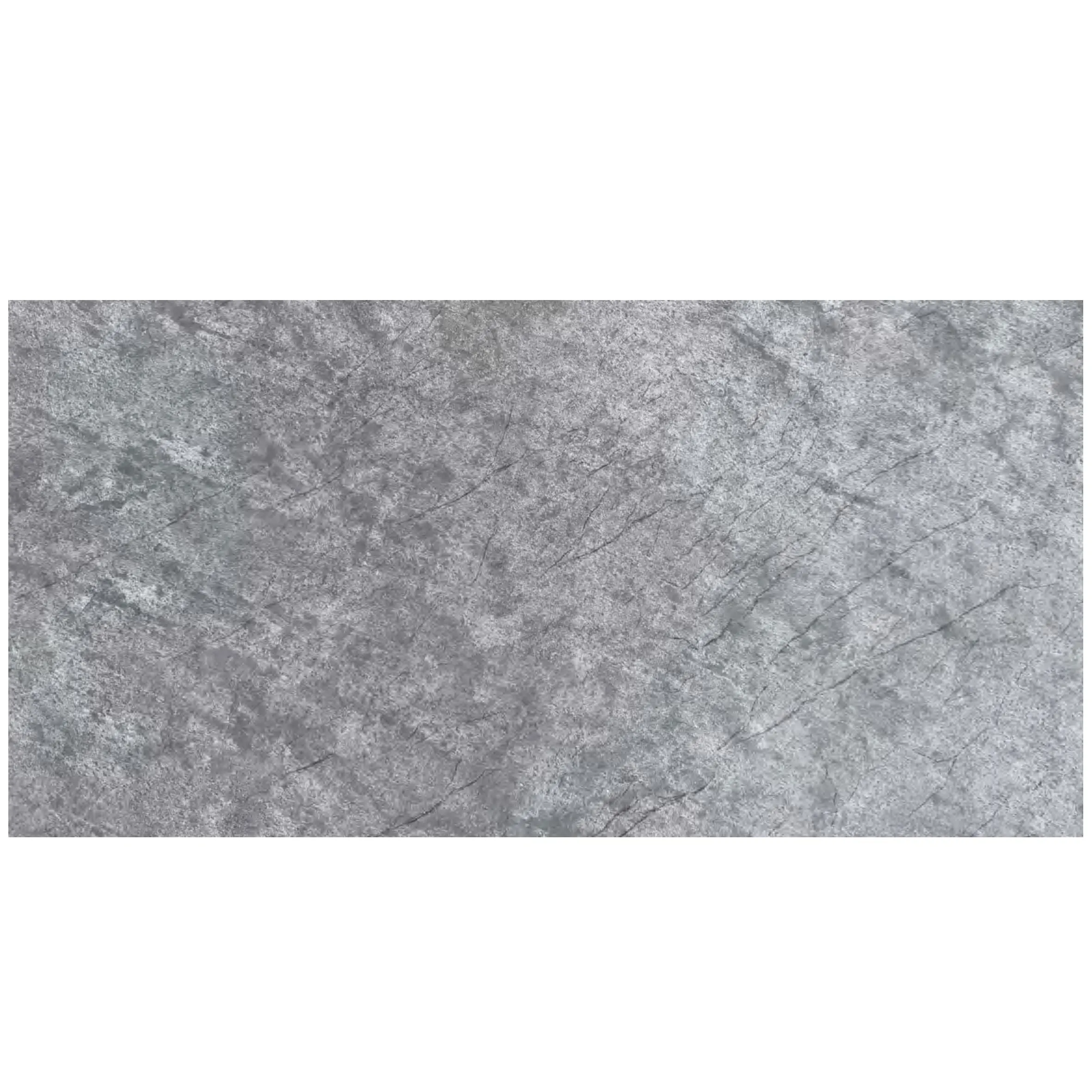
Walk through any historic city, and you'll notice it: the way stone buildings tell stories. Crumbling edges on a cathedral wall, faded hues on a town square fountain, cracks spiderwebbing across a centuries-old mansion's facade. These marks aren't just signs of age—they're reminders of a fundamental challenge architects and builders have faced for millennia: balancing the beauty of natural stone with its stubborn tendency to wear, crack, or fade. Enter modern innovation: COLORIA's Glacial Slate, a standout in the MCM flexible stone lineup, designed to marry the timeless allure of natural stone with the resilience modern structures demand. But what makes it so durable? Let's dive into the science, the testing, and the real-world stories that set Glacial Slate apart.
For decades, natural stone like marble, granite, or travertine has been the gold standard for high-end architecture. Its unique veining, depth of color, and organic texture can turn a mundane wall into a work of art. But here's the catch: natural stone is heavy—often weighing 20-30 kg per square meter. That weight adds stress to building frames, limits where it can be used (think high-rises or renovation projects with load restrictions), and drives up installation costs. Worse, it's porous. Water seeps in, freezes in cold climates, expands, and cracks the stone from the inside. UV rays fade its color. Salt from coastal air eats away at its surface. Even "durable" options like fair-faced concrete or epoch stone struggle—concrete can spall, and epoch stone, while tough, lacks the nuanced beauty of natural stone.
Take, for example, a luxury hotel in Norway that opted for traditional travertine on its exterior. Within five years, the harsh winters had left the stone pockmarked with freeze-thaw damage; the once-vibrant beige had faded to a dull gray. The hotel spent millions on repairs, ripping out and replacing entire sections. "We loved the look, but we didn't anticipate how quickly the elements would degrade it," the project architect later told a trade magazine. "It felt like choosing a beautiful but fragile painting for a rain-soaked wall."
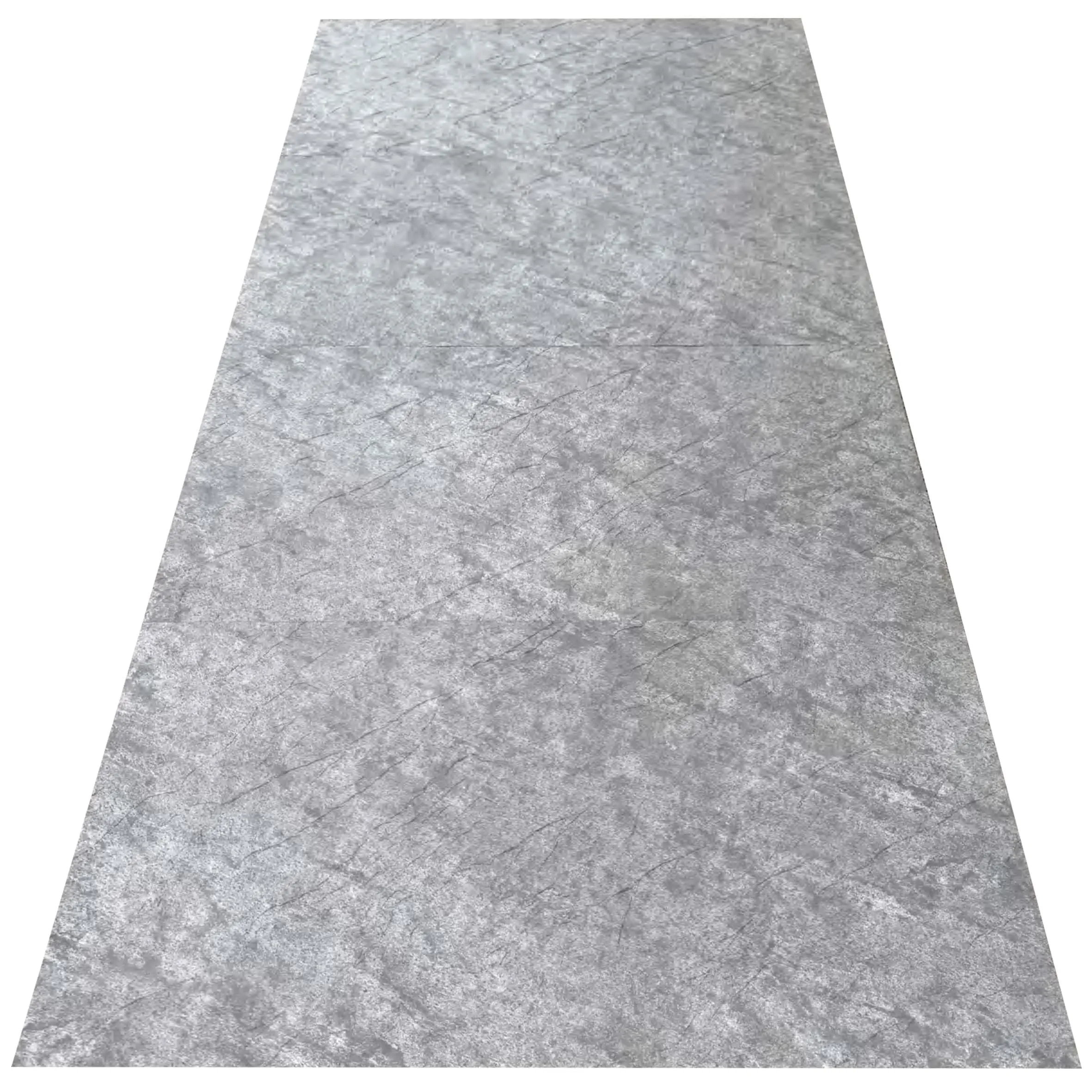
This is where MCM (Modified Composite Material) flexible stone comes in. Developed in the early 2000s, MCM reimagines stone as a lightweight, durable composite. At its core, MCM starts with a thin layer of natural stone aggregate—crushed marble, granite, or in Glacial Slate's case, premium dolomitic travertine—bonded to a flexible, high-strength backing (often fiberglass or a polymer composite). The result? A material that's 70-80% lighter than natural stone (just 5-8 kg per square meter), flexible enough to bend without cracking, and engineered to resist the elements. It's not a "fake" stone—it's real stone, reborn for the demands of modern construction.
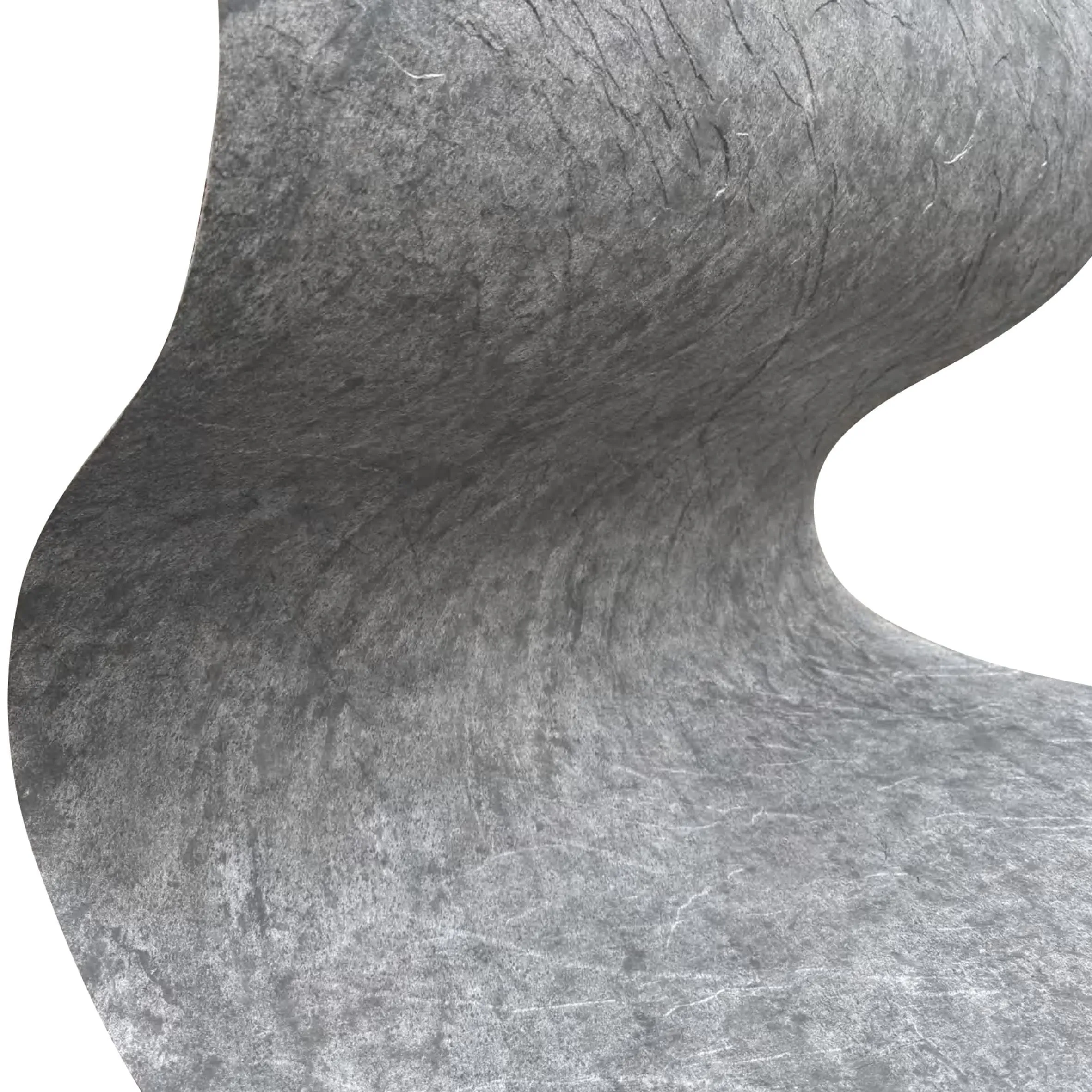
Glacial Slate isn't just another MCM product. COLORIA's team spent three years refining its formula, drawing inspiration from the resilience of stone formed by glacial activity—tough, layered, and resistant to erosion. Let's break down what makes it tick:
At first glance, Glacial Slate looks like quarried stone, with cool gray tones, subtle veining, and a matte finish that mimics the weathered surface of glacial rock. But its secret starts with the aggregate. COLORIA sources dolomitic travertine from select quarries in northern Italy, known for its high density and low porosity. The stone is crushed into fine particles (0.1-0.5mm) and mixed with a proprietary binder—a blend of polymer resins and mineral additives—that fills in microscopic gaps, creating a tight, non-porous matrix. This isn't just glue; it's a chemical bond that fuses the aggregate particles together, making the material resistant to water, salt, and chemicals.
While the aggregate provides the stone's look and hardness, the backing is what gives Glacial Slate its flexibility. Unlike rigid natural stone, which snaps under stress, Glacial Slate uses a 0.2mm-thick fiberglass mesh embedded in the binder layer. This mesh acts like a skeleton, allowing the material to bend up to 12 degrees without cracking—critical for installations on curved surfaces (think museum facades or rounded columns) or buildings prone to minor structural movement (common in earthquake zones). The backing also adds tensile strength, preventing the material from tearing during installation or high winds.
Even the toughest aggregate needs protection from UV rays and abrasion. Glacial Slate's surface is treated with a nanotechnology-based sealant—so thin it's invisible to the eye, but powerful enough to block 99% of UV radiation. This coating also repels water, oil, and stains (coffee, wine, even graffiti wipes off with a cloth). Unlike traditional stone sealants, which need reapplication every 2-3 years, this one is baked into the material during manufacturing, lasting the lifetime of the product.
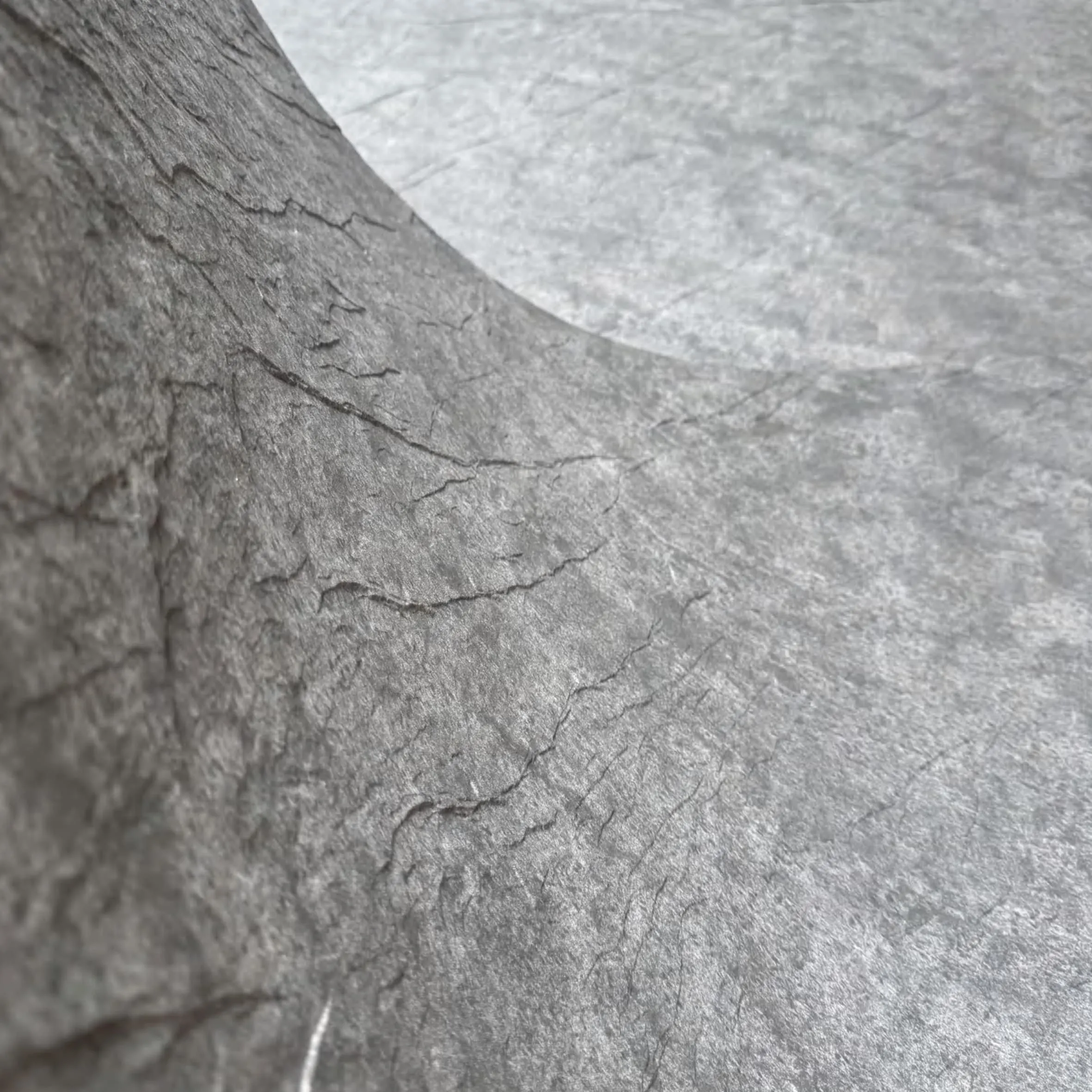
COLORIA doesn't just claim Glacial Slate is durable—it proves it. The material undergoes over 20 rigorous tests in accredited labs, simulating decades of wear and tear in months. Below is a snapshot of key results, compared to industry standards and other popular materials like lunar peak silvery (another COLORIA MCM product) and traditional travertine:
| Test Type | Glacial Slate Result | Lunar Peak Silvery Result | Traditional Travertine Result | Industry Standard Requirement |
|---|---|---|---|---|
| Tensile Strength | 28 MPa | 25 MPa | 12 MPa | ≥ 15 MPa |
| Impact Resistance | No cracking at 5J impact | No cracking at 4J impact | Cracks at 2J impact | No cracking at 3J impact |
| Freeze-Thaw Cycles | 500 cycles (no damage) | 450 cycles (no damage) | 200 cycles (visible cracking) | 300 cycles (no damage) |
| UV Resistance (1000 hours) | ΔE < 1 (no color change) | ΔE < 1.5 (minimal change) | ΔE = 4 (significant fading) | ΔE < 3 (moderate change acceptable) |
| Water Absorption | < 0.1% | < 0.2% | 3-5% | < 1% |
*ΔE (color difference) < 1 is imperceptible to the human eye; higher values indicate noticeable fading.
One test stands out as the ultimate durability gauge for cold climates: freeze-thaw cycling. Here's how it works: samples of Glacial Slate are submerged in water for 4 hours, then frozen to -20°C for 4 hours, then thawed to 20°C for 4 hours. This cycle repeats—500 times. For context, a harsh winter in Chicago might see 50 freeze-thaw cycles; 500 cycles simulate 10 years of brutal winters. After testing, Glacial Slate showed zero signs of damage: no cracks, no spalling, no loss of strength. Traditional travertine? It cracked after just 200 cycles, with water absorption rising to 8% (meaning more damage in future cycles).
For flooring applications, abrasion resistance is key. Glacial Slate undergoes the Taber Abrasion Test, where a rotating wheel with abrasive discs rubs against the surface under controlled pressure. After 10,000 cycles (equivalent to decades of foot traffic), the material loses just 0.02g of weight—compared to 0.15g for fair-faced concrete and 0.3g for traditional marble. In real terms, that means a Glacial Slate floor in a busy airport terminal would still look new after 20 years.
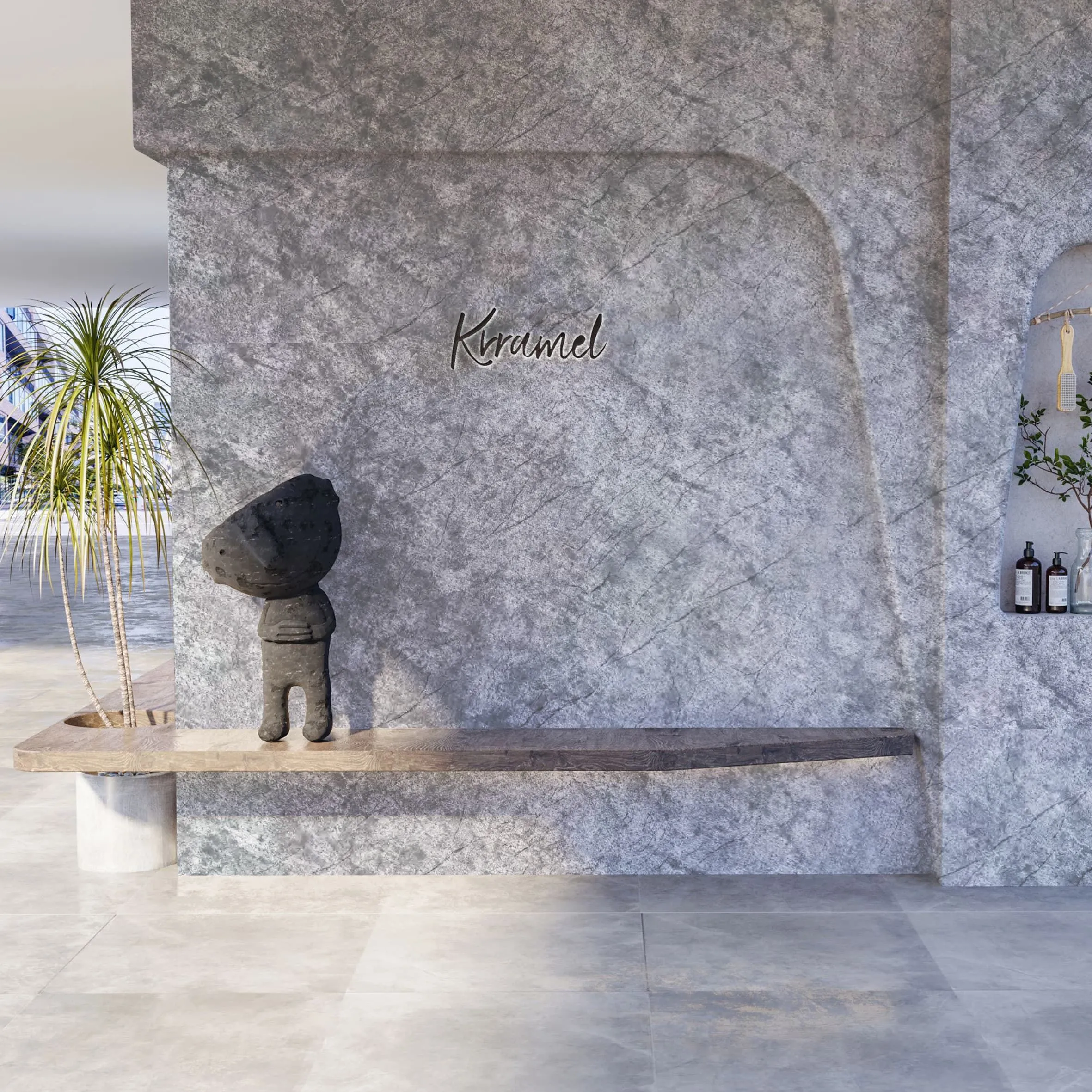
Tests are one thing—real buildings are another. Let's look at two projects where Glacial Slate proved its mettle:
Tromsø is one of the coldest cities in Europe, with average winter temperatures of -10°C and 120+ freeze-thaw cycles annually. The Arctic Research Center needed a facade material that could withstand extreme cold, high winds, and salt spray from the nearby fjord. Architects initially considered epoch stone , but its weight (25 kg/m²) exceeded the building's load capacity. Enter Glacial Slate. Over 3,000 m² of the material now clads the center's exterior. Three years later, inspections show no signs of cracking, fading, or water damage. "We expected some wear, but it looks exactly like the day it was installed," says project engineer Lars Hansen. "And because it's lightweight, we saved €120,000 on structural reinforcements."
Miami's harsh environment—90% humidity, intense UV rays, and salt air—destroys traditional stone quickly. The Coastal Mall wanted an outdoor patio that could handle rain, sun, and thousands of daily visitors. They chose Glacial Slate for its slip-resistant finish and durability. Two hurricane seasons later, the patio shows no fading, and salt spray has left zero pitting. "We used to resurface our outdoor areas every 3-4 years with travertine," says mall manager Maria Gonzalez. "With Glacial Slate, we're projecting 15+ years before needing any maintenance. That's a game-changer for our budget."
Durability isn't just about longevity—it's about sustainability. Traditional stone quarrying is energy-intensive, with heavy machinery and massive waste (up to 30% of quarried stone is discarded as "scrap"). Glacial Slate, by contrast, uses that "scrap" aggregate, diverting waste from landfills. Its lightweight design also reduces transportation emissions (fewer trucks needed) and lowers building energy use—since it's thinner, it requires less structural support, cutting down on concrete and steel consumption. Plus, because it lasts longer, it reduces the need for replacement materials, further shrinking its carbon footprint.
At the end of the day, Glacial Slate isn't just about science or test results. It's about giving architects, builders, and homeowners the freedom to dream. Imagine a skyscraper clad in stone that doesn't weigh it down, a coastal home with a stone facade that won't erode, a historic renovation that preserves character without sacrificing modern durability. That's the promise of MCM flexible stone—and Glacial Slate delivers it. It's a material that respects the past (by honoring the beauty of natural stone) while embracing the future (through engineering and innovation).
After thousands of hours of testing, real-world applications, and scientific analysis, one thing is clear: Glacial Slate isn't just durable—it's redefining what durability means for building materials. Its blend of engineered aggregate, flexible backing, and protective coating creates a product that outperforms traditional stone, fair-faced concrete , and even other MCMs in key categories. Whether you're building in the Arctic, on the coast, or in a bustling city, Glacial Slate stands ready to tell a story—one that won't fade, crack, or crumble for decades to come.
In a world where so much is disposable, Glacial Slate is a reminder that innovation and longevity can go hand in hand. It's not just a material—it's a commitment to building better, smarter, and more beautifully. And that's a story worth building with.
Recommend Products












