
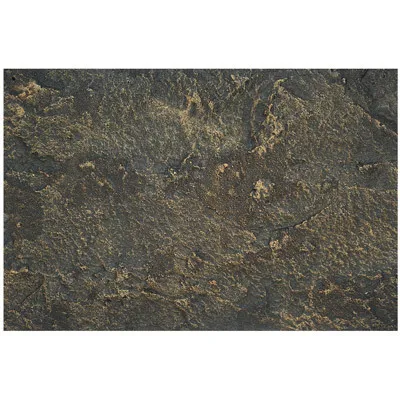
In the ever-evolving world of architecture and design, the quest for the perfect material is perpetual. We seek materials that not only capture our aesthetic imagination but also stand the test of time, weather, and environmental scrutiny. Imagine a material with the timeless elegance of natural stone, the warmth of a golden sunset, and the resilience to clad the most ambitious architectural forms. This is not a designer's distant dream; it's the reality crafted by material science. Enter Lunar Peak Golden, a signature finish from COLORIA GROUP's revolutionary MCM line. It's more than just a product; it's a narrative of innovation. This article invites you to go beyond the surface, to explore the intricate science and engineering behind Modified Cement Technology, and to understand why it's changing the very fabric of modern construction.
Before we can appreciate the artistry of the "Lunar Peak Golden" finish, we must first understand the groundbreaking canvas upon which it is created. At its core is MCM, or Modified Cementitious Material. The name itself hints at a familiar substance—cement—but elevates it through a process of profound transformation. To truly grasp its significance, let's first consider the materials it challenges.
For centuries, architects have relied on a palette of traditional materials. Natural stone, like marble and granite, offers unparalleled beauty but comes at a great cost—both financially and environmentally. It's immensely heavy, requiring reinforced structures and costly transportation. Its quarrying leaves permanent scars on the landscape. Traditional ceramic and porcelain tiles are durable, but they are rigid, brittle, and their high-temperature firing process is incredibly energy-intensive. Concrete, the backbone of modern construction, is strong in compression but heavy, porous, and aesthetically limited without complex and expensive treatments.
These materials, for all their virtues, present a set of compromises: weight versus beauty, durability versus flexibility, cost versus sustainability. It was in the face of these challenges that the need for a new category of material became apparent—a material that could harmonize these conflicting demands.
Modified Cementitious Material is not simply a new type of tile or cladding. It is a composite material born from a sophisticated understanding of chemistry and physics. Think of it as a high-tech recipe where common, natural ingredients are transformed into something extraordinary. The fundamental components are surprisingly simple and earth-friendly: natural inorganic materials like modified soil, stone powder, sand, and other mineral powders. These are the "cementitious" part of the equation.
The magic, however, lies in the "modification." This is achieved by introducing a proprietary blend of water-soluble polymers and plasticizers. This polymer matrix acts as a powerful binder, but it does much more than simply hold the mineral particles together. Through a process of photochemical isomerization and controlled, low-temperature baking (typically between 100-120°C), the material undergoes a profound change at the molecular level. The polymers cross-link with the inorganic particles, creating a new, stable, and remarkably versatile substance.
This low-energy process stands in stark contrast to the 1200°C kilns required for ceramics or the massive energy footprint of cement production. This makes the production of MCM inherently greener, reducing carbon emissions and reliance on fossil fuels. The result is a material that is at once robust and pliable, lightweight yet durable—a true paradigm shift in building materials.
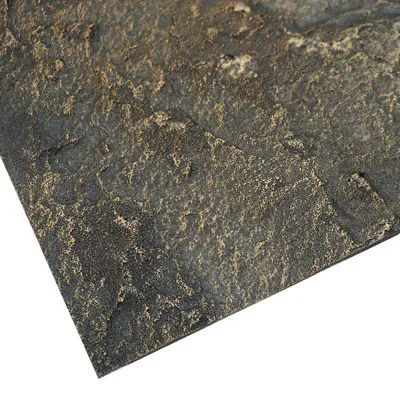
With a foundational understanding of MCM, we can now turn our attention to the specific masterpiece that is the "Lunar Peak Golden" finish. This isn't a mere paint or a surface-level effect. The color, texture, and character are integral to the material itself, born from the same process that gives MCM its remarkable properties. It's where science enables art.
The "Golden" hue in Lunar Peak Golden isn't derived from synthetic pigments or dyes. It is the authentic color of the earth. COLORIA GROUP's material scientists meticulously source and blend specific mineral powders—ochres, siennas, and other iron-oxide rich clays and sands—from various geographic locations. Each source provides a unique shade and undertone. The process is akin to a master painter mixing colors, but the palette is the planet itself. These powders are ground to a specific micron-level fineness to ensure perfect dispersion within the polymer matrix. When the material is cured, these particles are locked in place, ensuring the color is fade-resistant, UV-stable, and consistent throughout the entire thickness of the panel. It will not chip or wear away to reveal a different color underneath, because the color *is* the material.
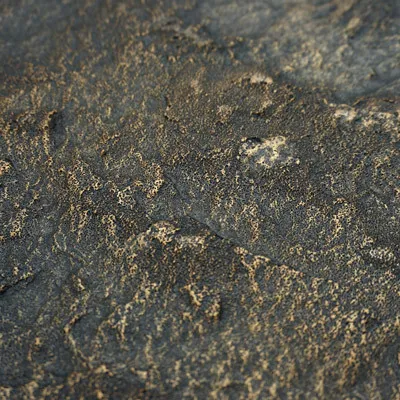
The "Lunar Peak" texture evokes the rugged, cratered surface of a celestial body—a landscape of subtle peaks, valleys, and veins. This complex, natural-looking texture is achieved through advanced molding techniques. Unlike the flat, repetitive patterns of many manufactured materials, the molds for Lunar Peak Golden are created from high-resolution scans of natural rock formations or are algorithmically generated to produce non-repeating, organic patterns.
During manufacturing, the wet MCM mixture is cast into these molds. The material's unique viscosity allows it to perfectly replicate the finest details—every tiny fissure, every subtle undulation. The controlled curing process then solidifies the material in this form. This is where COLORIA GROUP's expertise in material behavior is critical. The temperature and humidity of the curing ovens are precisely managed to prevent shrinkage or distortion, ensuring the final product is a perfect, hardened replica of the mold's intricate design. This dedication to texture brings a tactile dimension to architecture, inviting touch and creating a dynamic interplay of light and shadow on the building's surface. The principles learned here also inform the development of even more advanced product lines, such as the innovative MCM 3D Printing Series, which pushes the boundaries of custom architectural forms.
What's truly fascinating is the harmony between the "Golden" color and the "Lunar Peak" texture. The mineral powders that create the color are not uniform in size or density. During the casting and curing process, a subtle migration of these particles occurs. Heavier particles may settle into the "valleys" of the texture, while finer particles might be more prominent on the "peaks." This micro-settling creates natural-looking variations in color and sheen, mimicking the geological processes that form real stone over millennia. It's a scientifically engineered process that results in an organically beautiful product.
Aesthetics are only half the story. A building material, especially for exterior use, must perform flawlessly under pressure. This is where the "modified" nature of MCM truly shines, endowing it with a suite of properties that outperform traditional materials in almost every metric. Let's examine the engineering that makes this possible.
| Property | COLORIA GROUP MCM | Natural Stone (e.g., Granite) | Traditional Ceramic/Porcelain |
|---|---|---|---|
| Weight | Extremely light (approx. 4-8 kg/m²) | Very heavy (approx. 50-80 kg/m²) | Moderately heavy (approx. 15-25 kg/m²) |
| Flexibility | High; can be bent to fit curved surfaces | None; rigid and brittle | None; rigid and brittle |
| Thickness | Ultra-thin (typically 2-5 mm) | Thick (typically 20-30 mm) | Moderately thick (typically 8-12 mm) |
| Installation | Fast, easy, less structural load, lower labor cost | Slow, requires heavy machinery, structural reinforcement | Moderately difficult, requires precise leveling |
| Environmental Impact | Low energy production, uses natural/recycled materials | High impact from quarrying and transportation | High energy consumption (firing), quarrying for raw materials |
| Safety (Fire) | Class A Fire Rated (non-combustible) | Excellent (non-combustible) | Excellent (non-combustible) |
As the table shows, one of MCM's most dramatic advantages is its light weight. At just a fraction of the weight of stone or even standard tiles, the implications are enormous. From a structural engineering perspective, it reduces the dead load on a building's frame, potentially leading to significant savings in steel and concrete, especially in high-rise constructions. For logistics, it means more square meters can be shipped per container, lowering transportation costs and the associated carbon footprint. For installers, it means the material is easier and safer to handle, can be cut on-site with simple tools, and can be installed much faster, reducing labor costs and project timelines.
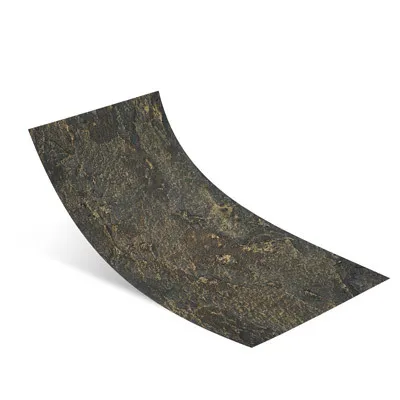
The polymer network within MCM grants it a property that is alien to stone and ceramic: flexibility. Products like MCM Flexible Stone can be bent, often to a surprising radius, without cracking or breaking. This single property unlocks a new world of design possibilities. Architects are no longer confined to flat planes and sharp angles. MCM can elegantly wrap around curved façades, cylindrical columns, and undulating interior walls, creating fluid, organic forms that were previously difficult and expensive to achieve. This flexibility also makes it more durable. It can absorb minor building movements and thermal expansion/contraction cycles that would cause rigid materials to crack or their grout lines to fail.
A beautiful façade is worthless if it fades, stains, or deteriorates. The science of MCM ensures longevity. The cross-linked polymer-mineral structure is highly resistant to water penetration, yet it remains micro-porous, allowing the wall system to "breathe." This prevents moisture from being trapped behind the panels, which can lead to mold, mildew, and structural damage. The inorganic mineral components and stable polymers are inherently resistant to UV degradation, ensuring that the Lunar Peak Golden color remains vibrant for decades. Furthermore, the material has been rigorously tested for freeze-thaw resistance, making it suitable for a wide range of climates, from the scorching heat of Saudi Arabia to the freezing winters of colder regions.
The underlying technology of MCM is not a one-size-fits-all product but a versatile platform. COLORIA GROUP has leveraged this platform to create a comprehensive portfolio of solutions, each tailored to specific architectural needs. This demonstrates their role not just as a manufacturer, but as a true one-stop solution provider for the architectural surface industry.
For projects that demand a powerful, monolithic aesthetic, the MCM Big Slab Board Series is the perfect expression of the technology. By engineering the material for large-format production, COLORIA GROUP enables architects to design vast, sweeping surfaces with minimal joint lines. Imagine an entire building façade or a grand hotel lobby wall clad in the Lunar Peak Golden finish, appearing as if it were carved from a single, massive slab of cosmic rock. These large formats reduce installation time and create a clean, modern, and high-impact visual statement.
While its durability makes it an ideal exterior cladding, the applications for MCM are limited only by imagination. Its lightweight and thin profile make it perfect for interior renovations, where it can be applied directly over existing surfaces like old tiles or drywall with minimal preparation. It's an ideal choice for:
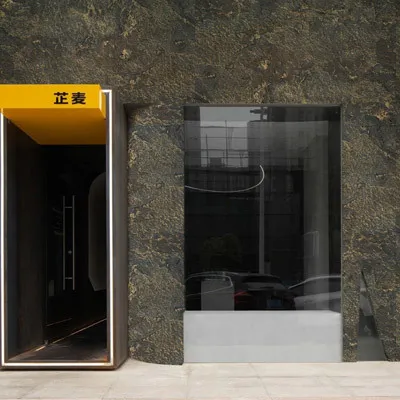
The Lunar Peak Golden MCM finish is far more than an attractive surface. It is the physical manifestation of decades of research and a commitment to pushing the boundaries of what is possible. It represents the perfect synergy of nature's raw beauty and human ingenuity. By modifying the humble elements of the earth—soil, sand, and minerals—COLORIA GROUP has unlocked a material with superior performance, unparalleled design flexibility, and a responsible environmental footprint.
As we look to the future of architecture, the demand for smarter, greener, and more versatile materials will only grow. The science behind Modified Cementitious Material positions it as a cornerstone of this new era. It proves that we don't have to choose between beauty and performance, or between innovation and sustainability. With materials like Lunar Peak Golden, we can build a future that is not only more resilient and efficient but also infinitely more beautiful.
Recommend Products












