
Walk through any modern city, and you'll notice buildings that seem to defy the limits of traditional materials—facades that curve like waves, interiors with marble-like elegance but none of the weight, and outdoor claddings that withstand harsh weather without losing their luster. These aren't just feats of architecture; they're the result of innovation in building materials. At the heart of this revolution lies the MCM Marble Series, a line of products powered by modified cementitious technology. More than just a new material, it's a blend of science, sustainability, and design that's redefining how we build. Let's dive into the science behind it, and explore why it's becoming the go-to choice for architects and designers worldwide.
To understand modified cementitious technology, let's start with the basics: cement. For centuries, cement has been the backbone of construction—durable, abundant, and reliable. But traditional cement has its flaws: it's heavy, rigid, and prone to cracking under stress or temperature changes. Enter modified cementitious technology, which takes this tried-and-true material and supercharges it. By blending cement with polymers, natural aggregates, and specialized additives, scientists and engineers have created a material that retains cement's strength while adding flexibility, lightness, and a host of other benefits.
Think of it as cement 2.0. The "modified" part is key here. Unlike traditional cement mixes, which rely mostly on cement, water, and sand, modified cementitious technology introduces polymers (long-chain molecules) that act as a binding agent, reducing brittleness. Natural aggregates—like crushed stone, marble dust, or even recycled materials—add texture and strength, while additives enhance properties like UV resistance, water repellency, and fire safety. The result? A material that's not just stronger than traditional cement, but smarter, too.
The magic of modified cementitious technology lies in its precise composition and manufacturing process. Let's break it down step by step. First, the base: Portland cement, chosen for its high compressive strength. Then, polymers—often acrylic or epoxy-based—are mixed in. These polymers act like microscopic bridges between cement particles, allowing the material to flex without breaking. Next, natural aggregates are added; these can be anything from fine marble chips to travertine fragments, which give the material its aesthetic appeal and additional structural support.
But the real secret is in the additives. Think of them as the "secret sauce." Some additives improve workability, making the mix easier to shape into slabs or panels. Others, like fibers or nanoparticles, enhance tensile strength, preventing cracks. UV stabilizers ensure the material doesn't fade in sunlight, while water-repellent additives make it resistant to rain and moisture. Even color pigments can be added here, creating vibrant or subtle hues that mimic natural stone, wood, or metal.
The manufacturing process is equally critical. Unlike traditional cement, which is often poured into molds and left to cure, modified cementitious materials undergo a controlled curing process. This might involve heat treatment, pressure, or even vacuum sealing to remove air bubbles, ensuring uniformity and strength. For products like MCM big slab board series, the material is pressed into large, thin sheets—sometimes as thin as 3-5mm—making them lightweight yet surprisingly tough. This thin profile is a game-changer: it reduces the weight of cladding by up to 70% compared to natural stone, easing installation and reducing stress on building structures.
So, why choose MCM Marble Series over traditional materials? Let's start with the obvious: lightweight . A typical natural marble slab weighs around 20-30 kg per square meter; MCM panels, by contrast, weigh just 4-6 kg per square meter. That's a huge difference for architects and builders. Lighter materials mean easier transportation, simpler installation (no need for heavy machinery), and less strain on building foundations. For high-rise buildings, this translates to cost savings and greater design flexibility—imagine cladding a skyscraper with marble-like panels that don't require reinforced steel supports.
Then there's flexibility . Traditional stone is rigid; it cracks if bent or twisted. MCM materials, thanks to their polymer additives, can flex up to 5-8 degrees without damage. This makes them ideal for curved surfaces, like the facade of a museum or the interior of a circular lobby. MCM flexible stone, for example, can be wrapped around columns, arches, or even furniture, turning once-static designs into flowing, organic forms.
Durability is another standout feature. Modified cementitious materials are resistant to impact, scratches, and weathering. Unlike natural travertine, which is porous and prone to staining, MCM travertine panels are sealed during manufacturing, making them easy to clean and maintain. They're also fire-resistant, with many products meeting international fire safety standards, a crucial factor for commercial and residential buildings alike.
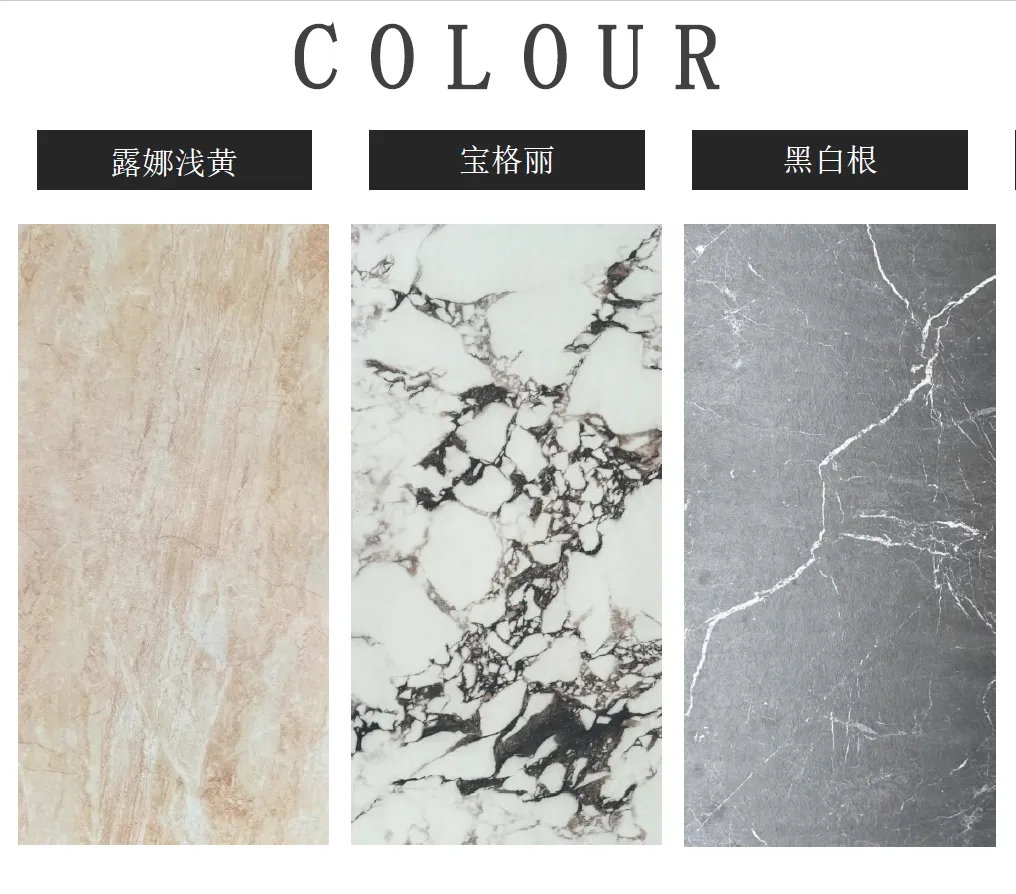
Finally, aesthetic versatility . MCM Marble Series doesn't just perform well—it looks stunning. By blending natural aggregates and pigments, manufacturers can replicate the look of rare marbles, rustic slates, or even metallic finishes. Whether you want the warm glow of lunar peak silvery or the vibrant speckles of travertine (starry green), there's an MCM product to match. And because the color and texture are integrated into the material itself, they won't fade or wear off over time.
MCM flexible stone is a perfect example of how modified cementitious technology solves traditional material problems. Traditional stone cladding is heavy and rigid, limiting its use to flat surfaces. MCM flexible stone, by contrast, is thin (3-4mm), lightweight, and can bend up to 90 degrees. Imagine cladding a curved wall with the look of natural stone—no gaps, no cracks, just a seamless flow. It's ideal for both interior accent walls and exterior facades, adding texture and depth without the structural hassle. And because it's so light, it can even be used on ceilings or furniture, opening up new design possibilities.
For architects craving large, uninterrupted surfaces, MCM big slab board series delivers. Traditional stone slabs are limited by size—natural marble, for example, rarely comes in slabs larger than 2x3 meters, and even those are extremely heavy. MCM big slabs, however, can be produced in sizes up to 1200x2400mm (and larger for custom orders), with a weight of just 15-20 kg per square meter. This means fewer joints, a cleaner aesthetic, and easier installation. Whether used for flooring, wall cladding, or countertops, these slabs create a sense of spaciousness and luxury, mimicking the look of rare natural stone without the logistical headaches.
Travertine is beloved for its porous, honeycomb-like texture, but traditional travertine is prone to staining and requires constant sealing. MCM travertine (starry green) reimagines this classic material. Using modified cementitious technology, manufacturers replicate travertine's natural pores but fill them with a polymer sealant during production, making the surface non-porous and stain-resistant. The "starry green" variant adds a playful twist: tiny, iridescent particles are mixed into the aggregate, creating a subtle shimmer that catches the light—like stars twinkling in a green night sky. It's a modern take on a timeless material, blending tradition with innovation.
Lunar peak silvery is a fan favorite for its sleek, metallic finish that mimics the moon's silvery glow. Traditional metallic cladding often uses aluminum or steel, which can corrode over time. Lunar peak silvery, made with modified cementitious technology, achieves that same metallic look using reflective pigments and aggregates, paired with a UV-resistant coating. It's durable, weatherproof, and adds a touch of modern elegance to any space—think a commercial lobby with lunar peak silvery panels, catching the light and creating a sense of luxury without the high cost of real metal.
Fair-faced concrete (also known as "exposed concrete") celebrates the raw, industrial look of concrete, but traditional fair-faced concrete is prone to cracks and uneven coloring. MCM fair-faced concrete panels solve this by using modified cementitious technology to ensure uniform texture and color, with additives that prevent cracking. The result is a material that looks like poured concrete but is lightweight, easy to install, and consistent across panels. It's perfect for minimalist designs, adding a touch of urban sophistication to both interior and exterior spaces.
MCM Marble Series isn't just a curiosity—it's already making waves in real-world projects. Take, for example, the new cultural center in downtown Seoul, where architects used MCM flexible stone to clad the building's undulating facade. The light weight of the material meant the building's foundation didn't need extra reinforcement, saving time and money. Inside, MCM big slab board series in lunar peak silvery lines the main hall, creating a seamless, reflective surface that amplifies natural light.
In residential design, MCM products are equally popular. A boutique hotel in Bali used travertine (starry green) panels for its outdoor terraces, blending in with the lush surroundings while withstanding the island's tropical rains. The panels' non-porous surface means no mold or mildew, keeping the terraces looking fresh year-round. Even heritage restoration projects are turning to MCM: in Rome, a 19th-century building's facade was repaired using MCM fair-faced concrete panels, which matched the original concrete's texture and color so closely that visitors can't tell the difference.
The versatility of MCM Marble Series is part of its appeal. It works in high-end commercial projects, cozy homes, and everything in between. Whether you're designing a skyscraper or a small café, there's an MCM product that fits the vision—and the budget.
In an era where sustainability is non-negotiable, modified cementitious technology shines. Traditional building materials have a heavy environmental footprint: natural stone mining disrupts ecosystems, while traditional cement production is a major source of CO2 emissions (accounting for ~8% of global emissions). MCM Marble Series addresses both issues.
First, reduced raw material use. MCM products use up to 30% recycled aggregates (like crushed stone waste from quarries), reducing the need for new mining. The manufacturing process also uses less energy than traditional stone cutting or cement production, thanks to lower curing temperatures and efficient production lines. Then there's transportation: since MCM panels are lightweight, they require fewer trucks to transport, cutting down on carbon emissions.
Durability is another sustainability win. MCM products have a lifespan of 50+ years, far longer than many synthetic cladding materials. And when they do reach the end of their life, they're recyclable—crushed MCM panels can be used as aggregate in new construction materials, closing the loop.
The MCM Marble Series, powered by modified cementitious technology, isn't just a new line of building materials—it's a paradigm shift. It takes the best of traditional materials (strength, beauty) and fixes their flaws (weight, rigidity, sustainability) through science and innovation. From MCM flexible stone that bends to MCM big slabs that simplify large-scale design, these products are enabling architects and designers to dream bigger, build smarter, and create spaces that are both beautiful and sustainable.
As we look to the future of construction, one thing is clear: materials matter. They shape how we live, work, and interact with our environment. Modified cementitious technology is leading the charge, proving that progress doesn't mean sacrificing tradition—it means reimagining it. So the next time you walk past a building with a stunning, curved stone facade or a seamless marble-like interior, take a closer look. Chances are, it's MCM Marble Series—and it's a sign of the innovative, sustainable future of building.
Recommend Products












