
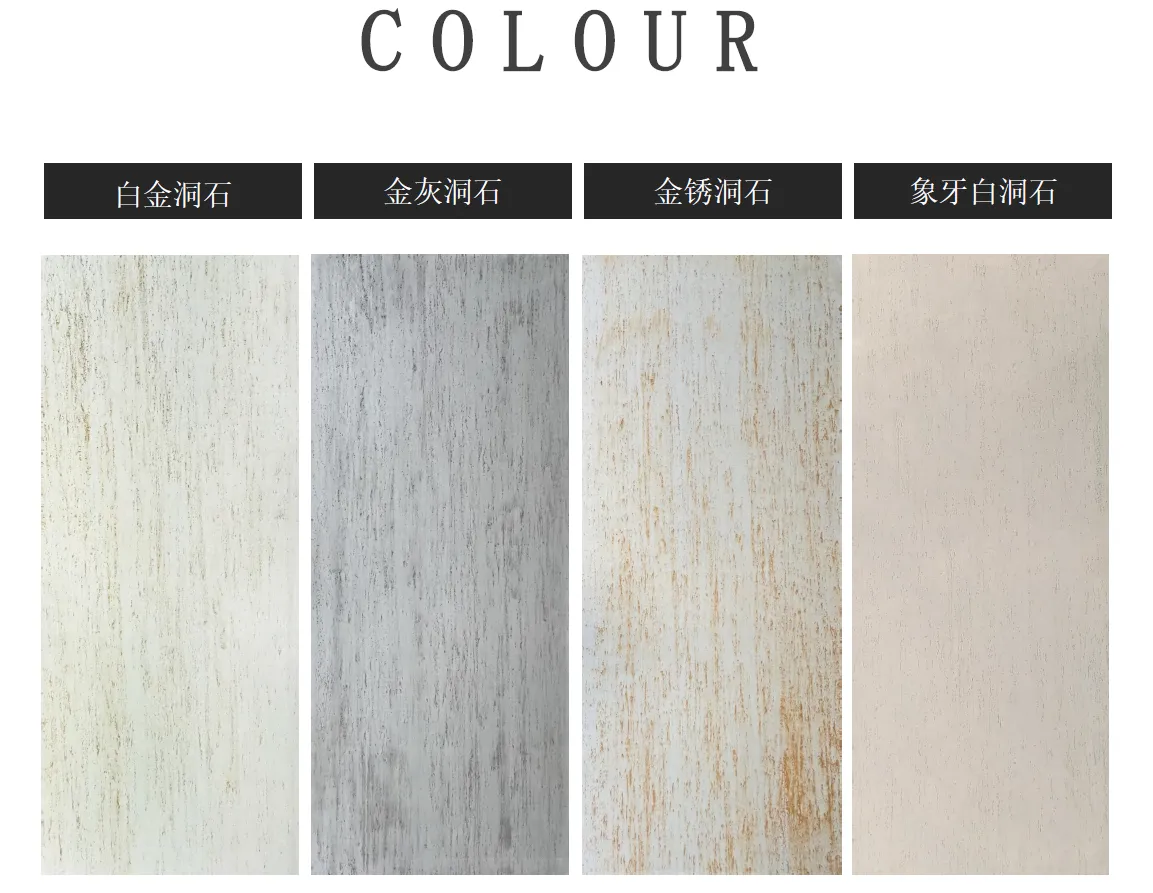
Walk through the ruins of ancient Rome, and you'll feel the weight of history in every block of travertine. For millennia, this natural stone has been a cornerstone of architectural grandeur—from the Colosseum's arches to the Trevi Fountain's intricate carvings. Roman Huge Travertine, with its warm tones and unique veining, isn't just a material; it's a legacy. But as architects and builders look to the future, they're asking a critical question: Can we honor that legacy while demanding more? More strength. More flexibility. More resilience against the elements. Enter MCM—Modified Composite Material—a modern innovation that doesn't just rival travertine's beauty; it redefines durability for the ages.
There's no denying the allure of Roman Huge Travertine. Formed by mineral-rich hot springs over centuries, each slab tells a story in its pores, layers, and earthy hues. But nature's artistry comes with trade-offs. Travertine is porous by design, meaning it soaks up water like a sponge—great for ancient aqueducts, not so great for modern buildings in rainy or coastal climates. Over time, that moisture leads to cracks, stains, and even mold. Then there's weight: a single square meter of natural travertine can weigh upwards of 60 kg, putting strain on structural foundations and limiting where it can be used. And let's not forget consistency—natural stone is unpredictable. One slab might be dense and strong, the next brittle and prone to chipping. For architects aiming for precision, that variability is a headache.
Worst of all? Durability. Even with careful sealing, Roman travertine struggles to stand up to today's harsh urban environments—acid rain, pollution, and extreme temperature swings take their toll. By contrast, MCM isn't bound by nature's whims. It's engineered from the ground up to solve these very problems, starting with its core: MCM flexible stone .
At its heart, MCM is a masterpiece of material science. Imagine combining the best of polymers, minerals, and fibers into a composite that's not just strong, but smart. Unlike travertine, which forms haphazardly in the earth, MCM is crafted in controlled environments, where every ingredient is measured, mixed, and molded to exact specifications. The result? A material that's lightweight (as little as 6 kg per square meter), flexible (it can bend without breaking), and tough enough to withstand the harshest conditions.
Take MCM 3D printing series as an example. Traditional travertine cutting is a messy, wasteful process—quarries, heavy machinery, and piles of discarded stone. MCM's 3D printing technology, on the other hand, builds panels layer by layer, using only the material needed. This precision isn't just eco-friendly; it lets engineers tailor the internal structure for maximum strength. Want a panel that resists impact? Reinforce the layers. Need better thermal insulation? Add micro-air pockets. It's like designing a material with a superpower for every scenario.
Then there's MCM big slab board series —a game-changer for large-scale projects. These panels, which can span up to 3 meters in length, maintain MCM's signature lightness while delivering the grandeur of natural stone. Imagine cladding a skyscraper with slabs that look like solid travertine but weigh a fraction of the real thing. No more reinforcing walls or limiting design heights. MCM big slabs turn "impossible" architectural dreams into reality.
Let's get technical. What makes MCM so much more durable than Roman Huge Travertine? It all comes down to four key factors: resistance, weight, consistency, and longevity. To see the difference, let's put them side by side:
| Property | Roman Huge Travertine | MCM (e.g., MCM Big Slab Board) |
|---|---|---|
| Weight (per sqm) | 50–70 kg | 6–12 kg |
| Water Absorption | 8–12% (prone to staining/mold) | <0.5% (virtually waterproof) |
| Flexural Strength | 3–5 MPa (brittle, prone to cracking) | 15–20 MPa (flexible, bends without breaking) |
| Resistance to Freeze-Thaw Cycles | Poor (water expands in pores, causing spalling) | Excellent (no water absorption, no cracking) |
| Estimated Lifespan (outdoor use) | 20–30 years (with heavy maintenance) | 50+ years (minimal maintenance) |
The numbers speak for themselves. MCM's low water absorption alone makes it a champion in wet climates, while its flexural strength means it can handle everything from high winds to accidental impacts. And that lightweight design? It reduces structural stress, lowers transportation costs, and opens up new possibilities for interior and exterior applications alike.
Here's the best part: MCM doesn't just outperform travertine in durability—it matches (and often exceeds) its beauty. Thanks to advanced surface treatments and color-matching technology, MCM can replicate the look of almost any natural material, from the starry sparkle of travertine (starry green) to the organic texture of bamboo mat board or the sleek grain of wood grain board .
Take the lunar peak series — lunar peak silvery , lunar peak golden , and lunar peak black . These panels capture the otherworldly shimmer of moonlit stone, with a metallic sheen that shifts in the light. They're not just durable; they're dramatic. Or consider wave panel , which mimics the gentle undulation of ocean waves frozen in stone. Install it on a facade, and the building seems to breathe with the wind—all while standing strong against storms.
For industrial-chic designs, foamed aluminium alloy board (vintage silver) offers the raw elegance of aged metal without the rust. Pair it with fair-faced concrete finishes, and you get a look that's both modern and timeless. MCM even pays homage to travertine's legacy with variants like travertine (vintage silver) and travertine (starry red) —materials that capture the stone's warmth but with none of its weaknesses.
Durability isn't just about how long a material lasts—it's about how it impacts the planet. Quarrying Roman Huge Travertine is resource-intensive: it requires heavy machinery, disrupts ecosystems, and generates tons of waste. MCM, by contrast, is a sustainability standout. Its 3D printing process cuts material waste by up to 70%, and its lightweight design reduces carbon emissions during transportation. Plus, MCM panels are 100% recyclable at the end of their lifespan, closing the loop on waste.
Names like epoch stone and century stone aren't just marketing—they're promises. MCM is built to last for generations, reducing the need for frequent replacements and the environmental toll that comes with them. In a world where "sustainable architecture" is more than a buzzword, MCM delivers on the promise of building smarter, not just stronger.
Roman Huge Travertine will always hold a special place in architectural history. It's a symbol of human ingenuity, a reminder of what we can build when we work with nature. But nature isn't perfect, and neither is travertine. MCM doesn't replace that legacy—it elevates it. It takes the beauty of natural stone, the strength of modern engineering, and the heart of sustainable design, and wraps it into a material that's as durable as it is stunning.
Whether you're designing a cozy café with bamboo mat board accents or a soaring skyscraper clad in MCM big slab board series , MCM doesn't just meet the demands of modern architecture—it sets new standards. It's a material for the ages, built to outlast trends, weather storms, and keep telling stories long after the last drill bit has fallen silent.
So the next time you walk past a building that seems to defy time—its facade unblemished by rain, its colors as vivid as the day it was built—chances are, it's wrapped in MCM. And in that moment, you'll see it: the future of architecture isn't just about looking back at what we've built. It's about building something that future generations will admire, too.
Recommend Products












