
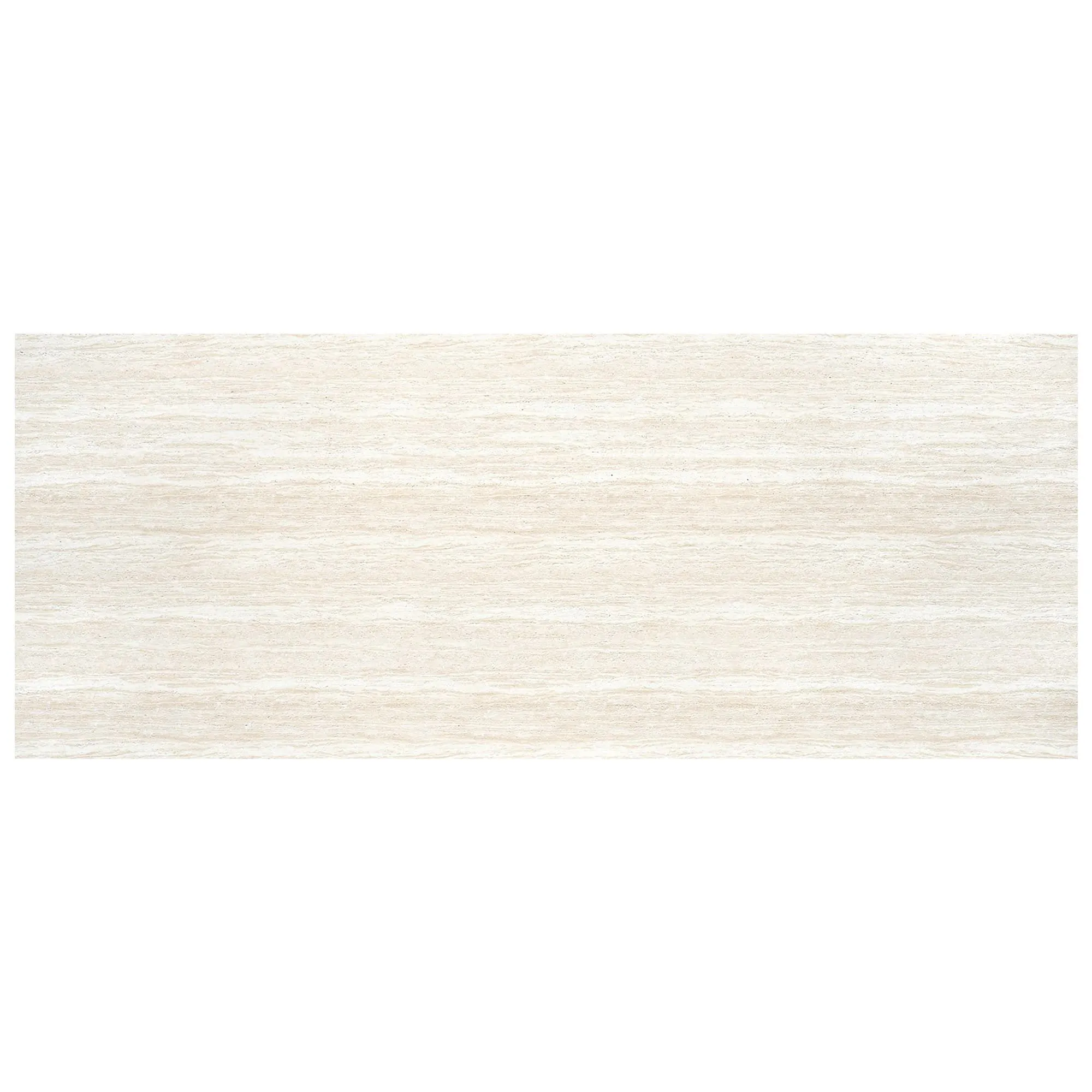
Step into a modern café, a boutique hotel, or even a cozy home office these days, and you might notice something intriguing: walls, ceilings, or accent panels that exude the warm, organic charm of wood—rich grains, soft textures, that timeless "lived-in" appeal. But here's the twist: run your hand over the surface, and it feels sturdier than solid oak. Lean in, and there's no hint of splinters or the faint scent of polish. Chances are, you're looking at MCM Wood Line—a material that's redefining how we think about design, durability, and the future of building materials.
At its core, MCM Wood Line isn't just another "wood-look" product. It's a feat of materials science, born from the marriage of traditional cementitious technology and cutting-edge engineering. In this deep dive, we'll peel back the layers to understand the science behind its creation, why it outperforms both natural wood and conventional concrete, and how it's quietly transforming spaces around the world. Whether you're a designer chasing both beauty and resilience, a homeowner tired of wood's high maintenance, or simply curious about the innovation shaping our built environment, this is the story of how science turned "too good to be true" into "this is how we build now."
Let's start with the basics: MCM stands for Modified Cementitious Material, a category of engineered composites designed to tackle the limitations of traditional building materials. Within the MCM family, the "Wood Line" is a specialized range crafted to mimic the aesthetic of natural wood—from the subtle knots in pine to the bold grains of walnut—while packing in the strength, flexibility, and longevity that wood alone can't match.
Think of it as nature's beauty, amplified by science. Unlike vinyl planks or laminate, which often feel plasticky or flat, MCM Wood Line captures the depth and warmth of real wood because its surface isn't just printed—it's engineered to replicate wood's microtextures. And unlike solid wood, it won't warp in humidity, rot in rain, or become a snack for termites. It's part of a broader ecosystem of MCM solutions, including the versatile MCM project board series , but what makes the Wood Line stand out is its singular focus on blending wood's emotional resonance with industrial-grade performance.
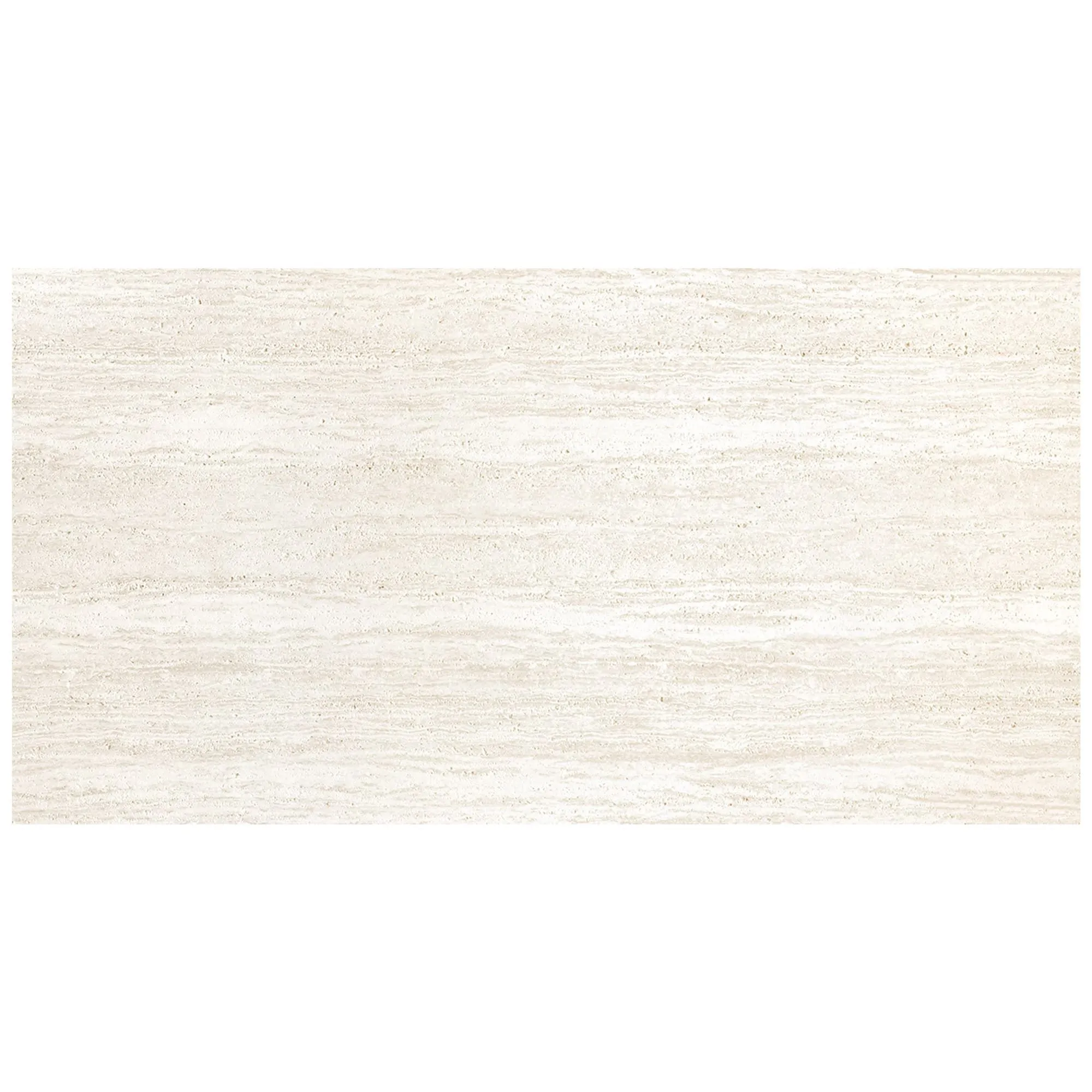
To understand MCM Wood Line, we need to get cozy with its star ingredient: modified cementitious materials. Traditional cement is a wonder of chemistry—mix cement, water, and aggregates (like sand or gravel), and you get a hard, durable matrix. But it's also brittle, heavy, and about as flexible as a brick. MCM Wood Line changes the game by "modifying" this matrix, turning something rigid into something that bends, lasts longer, and weighs less. Here's how the magic happens:
At its foundation, MCM Wood Line still relies on cement—a material we've used for millennia—for its compressive strength (the ability to bear weight without crumbling). But traditional cement paste is porous and prone to cracking under stress. To fix this, MCM engineers add two key modifiers: polymer additives and reinforcing fibers .
Polymers (think of them as super-strong, flexible molecules) act like a "glue" that fills in the gaps between cement particles, reducing porosity and making the matrix more cohesive. Fibers—often made from glass, carbon, or natural materials like cellulose—are mixed into the paste to act as tiny "shock absorbers." When stress is applied (like a strong wind hitting an exterior panel or a heavy object dropping on a floor), these fibers distribute the force, preventing cracks from spreading. It's similar to how adding rebar to concrete makes buildings stronger, but on a micro scale.
Here's where the science gets really interesting: MCM Wood Line isn't just "less brittle" than traditional cement—it's flexible . How do you make a cement-based material bend without breaking? It all comes down to the polymer-cement ratio and fiber distribution .
Too much polymer, and the material loses strength; too little, and it's back to being brittle. MCM engineers spend years fine-tuning this ratio, using computer simulations to model how the polymer chains interact with cement hydrates (the crystalline structures that form when cement cures). The result? A matrix that can flex up to 5% of its length without permanent damage—a feat traditional cement (which cracks at 0.1% strain) can't touch.
Then there's fiber alignment. In MCM Wood Line, fibers are distributed evenly throughout the material, not just layered on top. This "3D reinforcement" ensures that no matter which direction stress comes from—tension, compression, or shear—the fibers are there to resist it. It's like weaving a safety net into the very fabric of the material.
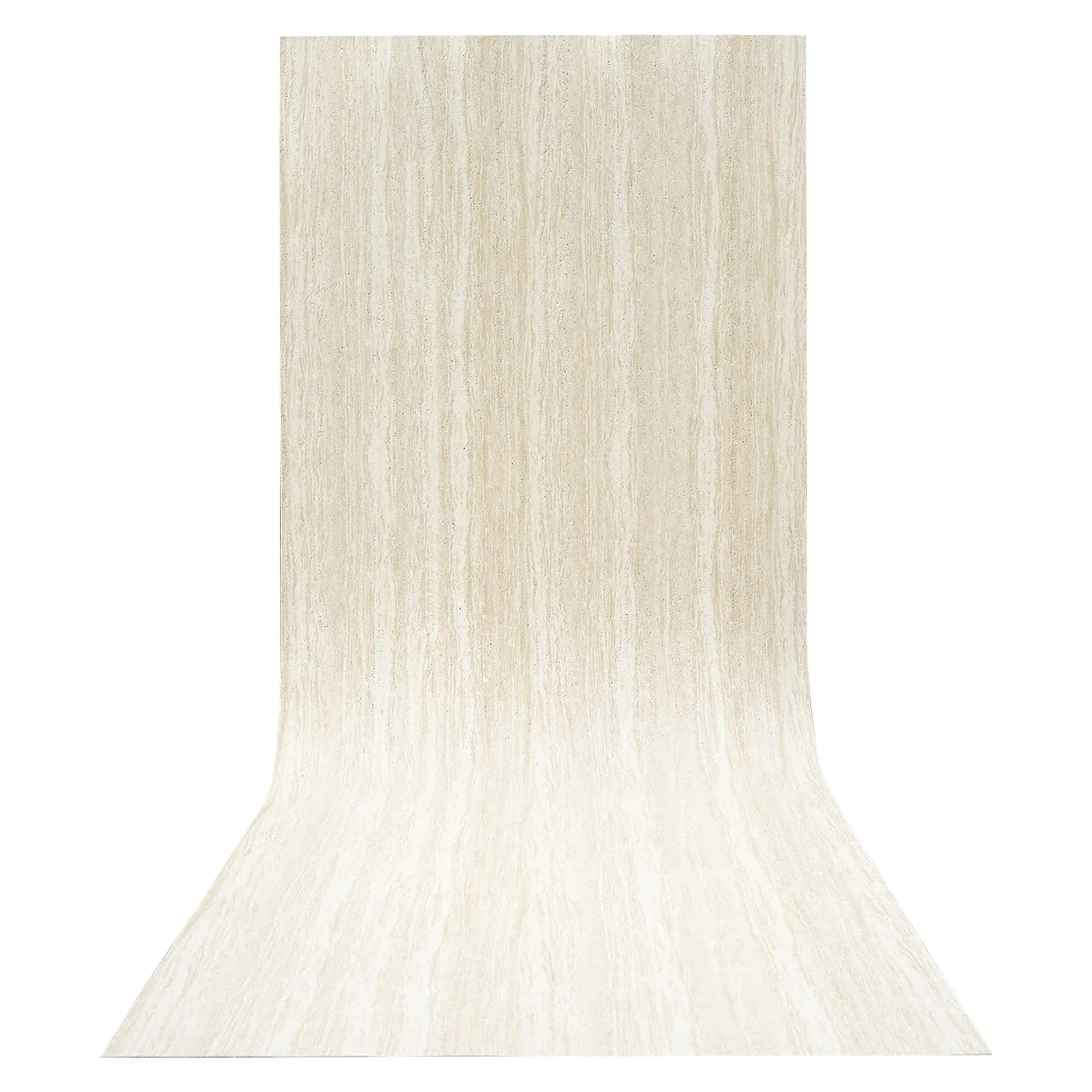
Let's put this flexibility into context. Imagine hanging a large MCM Wood Line panel on an exterior wall. When a storm hits, the wall expands and contracts with temperature changes. A rigid material like natural stone or traditional concrete would crack over time as it resists this movement. But MCM Wood Line? It bends slightly, absorbing the stress, then snaps back to its original shape. That's the difference between a material that lasts 5 years and one that lasts 50.
This flexibility is also why MCM Wood Line is a favorite for curved surfaces—think arched doorways, rounded accent walls, or even custom furniture. Traditional wood can be bent, but it requires steaming, cutting, or laminating, and it often springs back over time. MCM Wood Line, by contrast, can be molded into complex shapes during manufacturing and retains those curves permanently. It's a level of design freedom that architects and designers once only dreamed of.
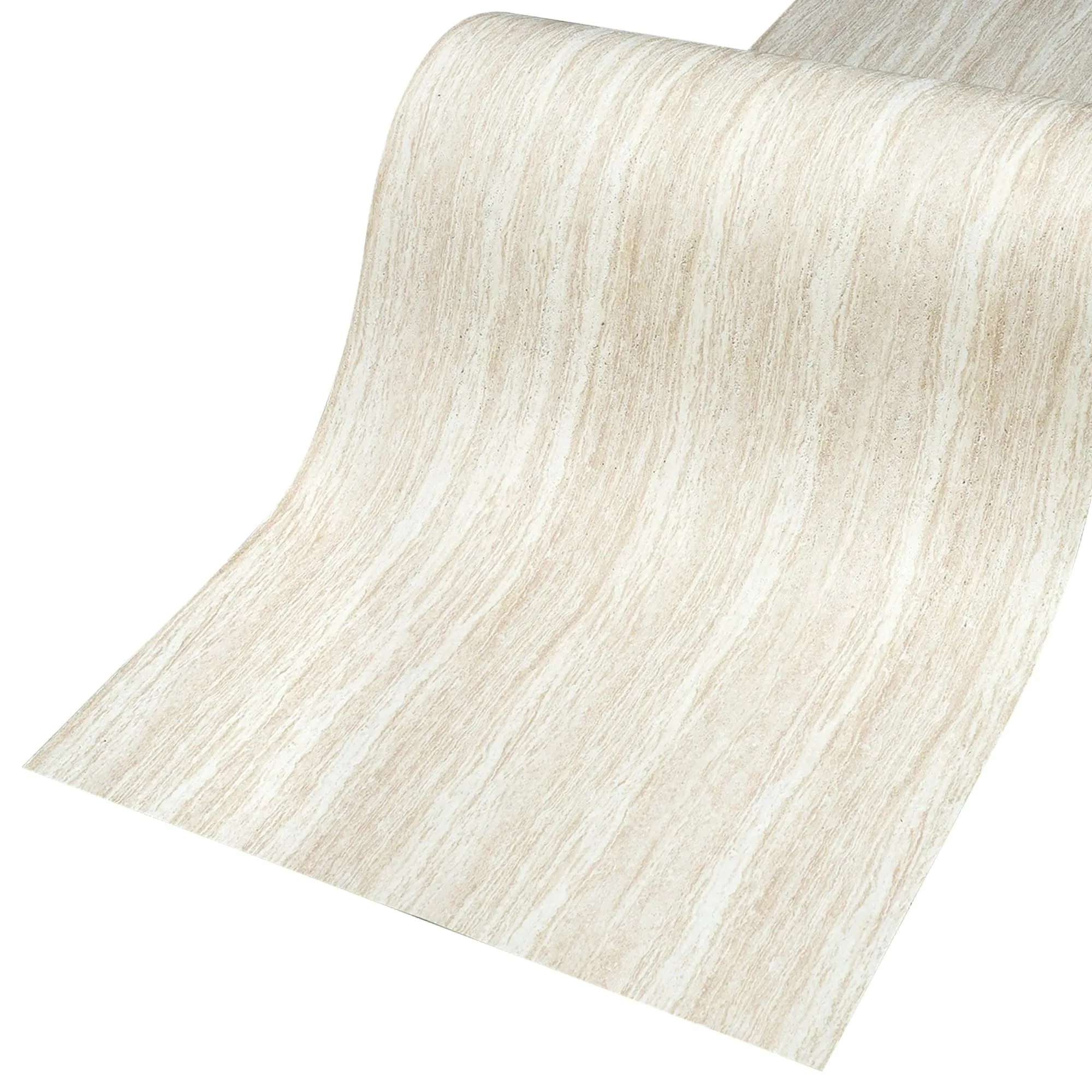
Beauty is fleeting, but performance is forever—and MCM Wood Line delivers on both. Let's talk about why it's not just a pretty face:
Natural wood is a hygroscopic material, meaning it absorbs and releases moisture with changes in humidity. That's why your wooden deck swells in the rain, shrinks in the sun, and eventually warps or rots. MCM Wood Line, thanks to its polymer-modified matrix, is almost non-porous. Water beads on its surface like it does on a waxed car, and what little moisture seeps in is blocked by the polymer barrier. No moisture, no mold, no rot—simple as that.
Termites, carpenter ants, and wood-boring beetles? They might as well pack their bags. MCM Wood Line has no organic content for pests to eat—unlike natural wood, which is essentially a carbohydrate buffet. And when it comes to fire, MCM Wood Line doesn't burn; it chars. The cement matrix acts as a fire barrier, and the polymer additives release flame-retardant gases when heated, slowing the spread of fire. Compare that to natural wood, which ignites at around 570°F (300°C), and you see why it's a top pick for commercial spaces and homes in wildfire-prone areas.
Ever noticed how a wooden fence turns gray and weathered after a few years in the sun? That's UV radiation breaking down wood's lignin (the compound that gives it color and structure). MCM Wood Line's surface is treated with UV-resistant coatings, and its color is integrated into the material, not just painted on. So even after years of direct sunlight, that warm oak tone stays warm, and that rich walnut stays rich—no refinishing required.
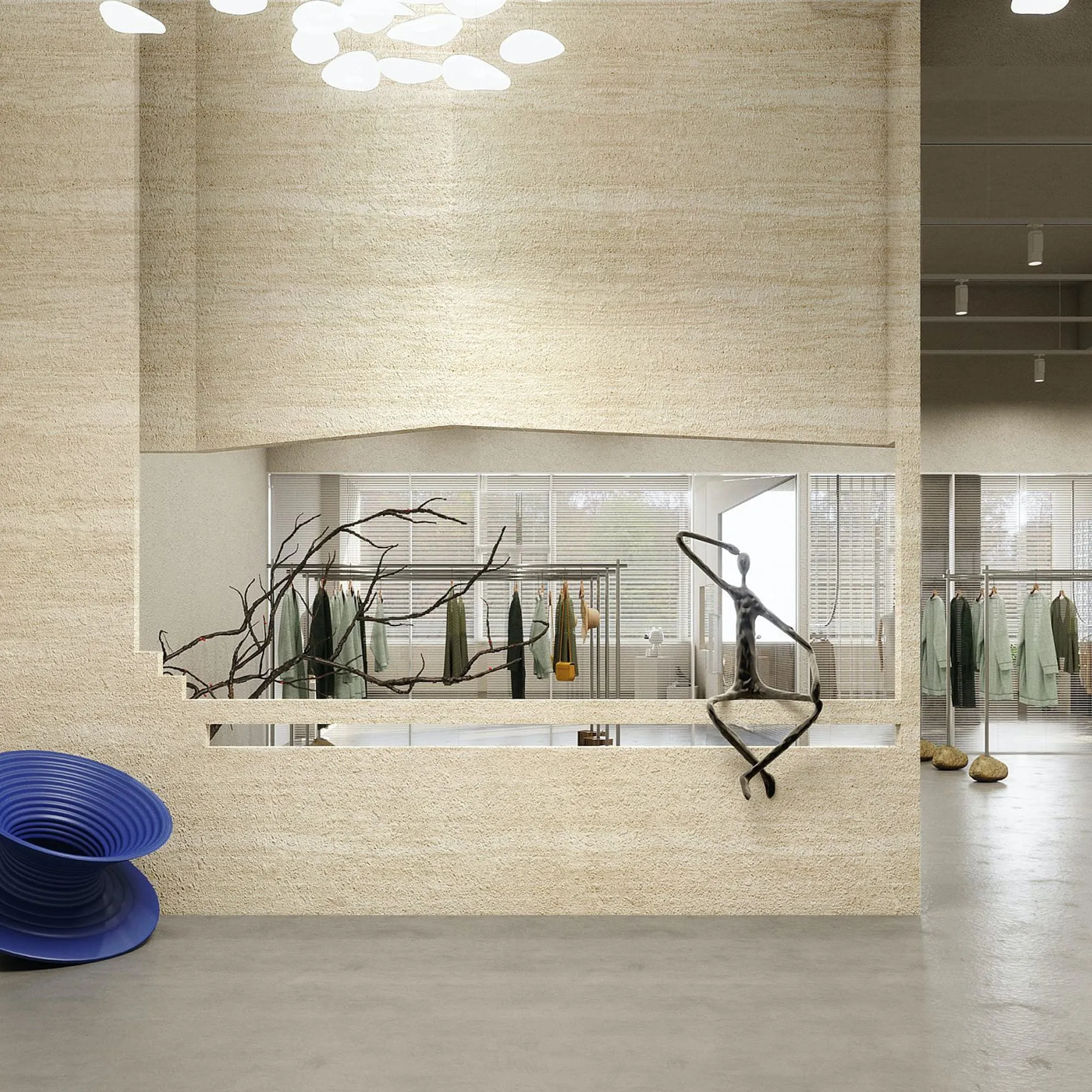
Creating MCM Wood Line is part science experiment, part artisanal craft. Let's walk through the process step by step to see how raw materials become the panels that grace your favorite spaces:
It all starts with the "mix": cement (often a high-performance Portland cement), fine aggregates (like silica sand for smoothness), polymer resins (acrylics or epoxies for flexibility), and reinforcing fibers (glass or carbon for strength). The ratios here are critical—too much fiber, and the material becomes heavy; too little polymer, and it loses flexibility. Engineers test hundreds of formulations to find the sweet spot for the Wood Line's unique needs.
The ingredients are mixed in a high-speed blender, where the polymer resins coat each cement particle, creating a uniform paste. This paste is then poured into molds—some flat for wall panels, some curved for custom designs. Here's where the wood magic starts: the mold's surface is etched with a 3D scan of real wood grain, transferring that texture to the MCM panel as it cures. For extra depth, some molds even replicate the slight indentations of wood knots or the subtle ridges of growth rings.
Unlike traditional concrete, which cures quickly, MCM Wood Line undergoes a controlled curing process. It's kept in a humidity and temperature-controlled chamber for days, allowing the cement to hydrate slowly and the polymer matrix to cross-link (form strong chemical bonds). This slow curing reduces internal stress, making the material less prone to cracking later.
Once cured, the panels are sanded to smooth out any imperfections, then treated with a multi-step coloring process. Pigments are mixed into sealants that penetrate the surface, mimicking the way wood's natural oils and tannins create depth of color. The final step? A clear, UV-resistant topcoat that protects the finish without dulling the wood-like texture. The result? A panel that looks, feels, and even reflects light like wood—because light bounces off its textured surface just as it does off real wood grain.
Still not convinced MCM Wood Line is a game-changer? Let's put it head-to-head with the materials it's replacing: natural wood and traditional concrete. The table below breaks down how they compare in key categories—spoiler: MCM Wood Line doesn't just win; it sets a new standard.
| Feature | MCM Wood Line | Natural Wood (Oak/Pine) | Traditional Concrete |
|---|---|---|---|
| Weight | Light (15-20 lbs/sq ft) | Medium (25-30 lbs/sq ft for solid wood) | Heavy (40-50 lbs/sq ft) |
| Flexibility | High (bends up to 5% strain without breaking) | Low (brittle when dry; prone to splitting) | Very Low (cracks under minimal bending) |
| Moisture Resistance | Excellent (resists rot, swelling, and mold) | Poor (absorbs water; warps or rots over time) | Good (resists water but is porous; can stain) |
| Pest Resistance | Excellent (no organic content for pests) | Poor (vulnerable to termites, beetles, and fungi) | Excellent (no organic content) |
| Fire Resistance | Excellent (chars slowly; does not ignite) | Low (ignites at ~570°F; spreads fire quickly) | Excellent (fire-resistant but brittle when heated) |
| Installation | Easy (lightweight; can be cut with standard tools) | Moderate (requires specialized tools; pre-drilling to avoid splitting) | Difficult (heavy; requires professional lifting equipment) |
| Maintenance | Low (occasional cleaning; no sealing or refinishing) | High (annual sealing, sanding, or staining) | Low (sealing every 5-10 years) |
| Lifespan | 20+ years (with minimal wear) | 5-15 years (outdoors); 10-30 years (indoors, with care) | 50+ years (but prone to cracking; heavy to replace) |
Great science is only as good as its real-world impact, and MCM Wood Line is showing up in spaces you might already know. Here are a few places where it's making a difference:
Walk into a trendy café, and you'll likely spot MCM Wood Line on accent walls or ceiling panels. It adds that "cozy cabin" vibe without the worry of coffee spills, humidity, or heavy foot traffic wearing it down. Hotels love it for lobbies and guest rooms—imagine a beachfront resort where the "wooden" headboards don't warp from salt air, or a mountain lodge where the "timber" walls resist snow and ice.
Outdoor spaces are where MCM Wood Line truly flexes its muscles. Traditional wood decks require annual staining and sealing to survive rain, sun, and snow; MCM Wood Line decks? Hose them off, and they're good to go. Homeowners in hurricane-prone areas are swapping wooden fences for MCM Wood Line panels that stand up to 100+ mph winds without splintering. Even pool surrounds benefit—no more slippery, water-damaged wood underfoot.
Sustainability isn't just a buzzword; it's a necessity. MCM Wood Line checks the boxes here, too. It uses less cement than traditional concrete (reducing carbon emissions from cement production), and many formulations incorporate recycled aggregates (like crushed glass or reclaimed stone). Plus, its long lifespan means less frequent replacement, cutting down on waste. For projects aiming for LEED or Green Building certification, it's a material that aligns with both eco-goals and design dreams.
As technology advances, so does MCM Wood Line. Engineers are already experimenting with MCM 3D printing series integration, which could allow for on-site printing of custom Wood Line panels, reducing waste from pre-cutting. There's also work on bio-based polymers (made from plant starches) to make the material even more sustainable, and nano-coatings that self-clean when exposed to sunlight, reducing maintenance further.
But perhaps the most exciting development is the push to replicate even more wood species—think rare woods like teak or mahogany, which are over-harvested in the wild. MCM Wood Line could offer a way to enjoy these woods' beauty without contributing to deforestation. It's not just about building better—it's about building more responsibly.
MCM Wood Line isn't just a material; it's a story of problem-solving. For decades, designers and builders have been stuck in a trade-off: choose beauty (wood) and sacrifice durability, or choose durability (concrete) and sacrifice warmth. MCM Wood Line breaks that cycle by asking, "Why not both?"
At its heart, it's a reminder that the best innovations don't just fix what's broken—they reimagine what's possible. So the next time you step into a space with those warm, inviting wood tones, take a closer look. If it feels too perfect—no cracks, no warps, just that timeless wood charm—chances are, you're standing in the future of building. And that future? It's built on science, designed for life, and beautiful enough to feel like home.
Recommend Products












