
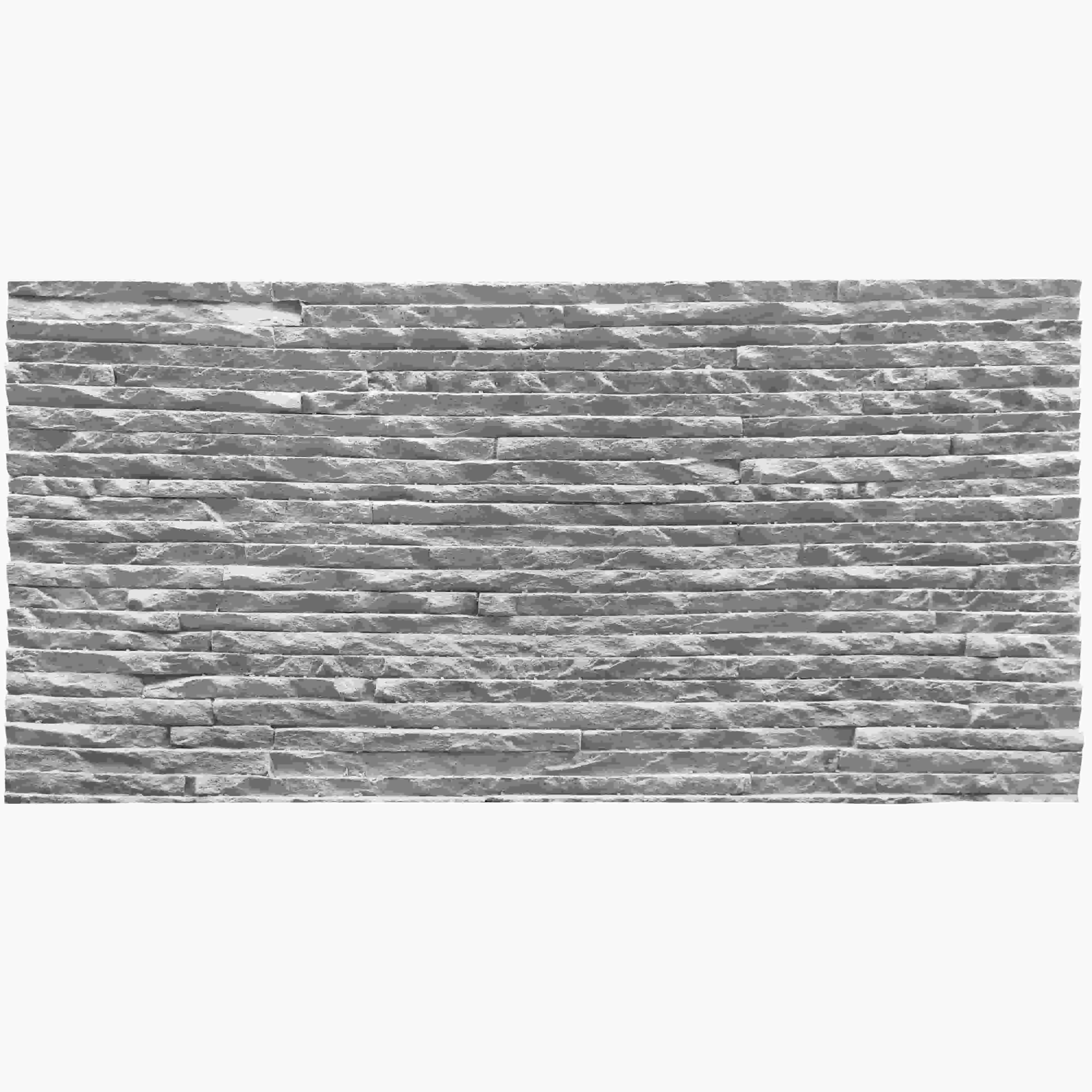
Walk through any modern city, and you'll notice a quiet revolution unfolding on building facades, interior walls, and public plazas. Building materials are no longer just about holding structures together—they're storytellers, blending function with feeling, and sustainability with style. Among these innovators is COLORIA's Muretto Stone (Light Grey), a material that marries the raw beauty of natural stone with the precision of cutting-edge engineering. But what makes this stone more than just a pretty face? Let's dive into the science of modified cementitious materials, the technology that powers Muretto Stone, and why it's redefining how we think about construction.
Cement has been the backbone of construction for centuries, but traditional cement-based materials have always come with trade-offs: heavy, prone to cracking, and limited in design flexibility. Enter modified cementitious materials (MCMs)—a class of engineered composites that retain cement's strength while addressing its flaws. At its core, an MCM like the one used in Muretto Stone (Light Grey) is a masterful blend of ordinary Portland cement, carefully selected aggregates (think fine sands and mineral powders), polymer modifiers, and specialized additives. This isn't just cement with extras; it's a reimagined material where every component plays a role in performance and aesthetics.
To understand the leap forward, compare MCMs to fair-faced concrete—a material celebrated for its industrial-chic look but often criticized for its weight and brittleness. Traditional fair-faced concrete relies on a simple mix of cement, water, and coarse aggregates, resulting in a dense, rigid slab that's heavy to transport and tricky to install on large surfaces. Muretto Stone's modified cementitious matrix, by contrast, swaps some of the coarse aggregates for finer, lightweight minerals and adds polymer resins that act like microscopic "shock absorbers." These polymers create a flexible network within the material, allowing it to bend slightly under stress instead of cracking—a game-changer for buildings in seismic zones or areas with extreme temperature fluctuations.
Let's break down the chemistry. The magic starts with the binder: a high-performance cement base that provides the material's foundational strength. To this, COLORIA adds a proprietary blend of aggregates, including silica fume and fly ash—byproducts of industrial processes that not only reduce waste but also enhance durability. Silica fume, for example, fills in the tiny pores between cement particles, making the material denser and more resistant to water penetration. Fly ash, on the other hand, reacts with calcium hydroxide (a byproduct of cement hydration) to form additional binding compounds, boosting long-term strength.
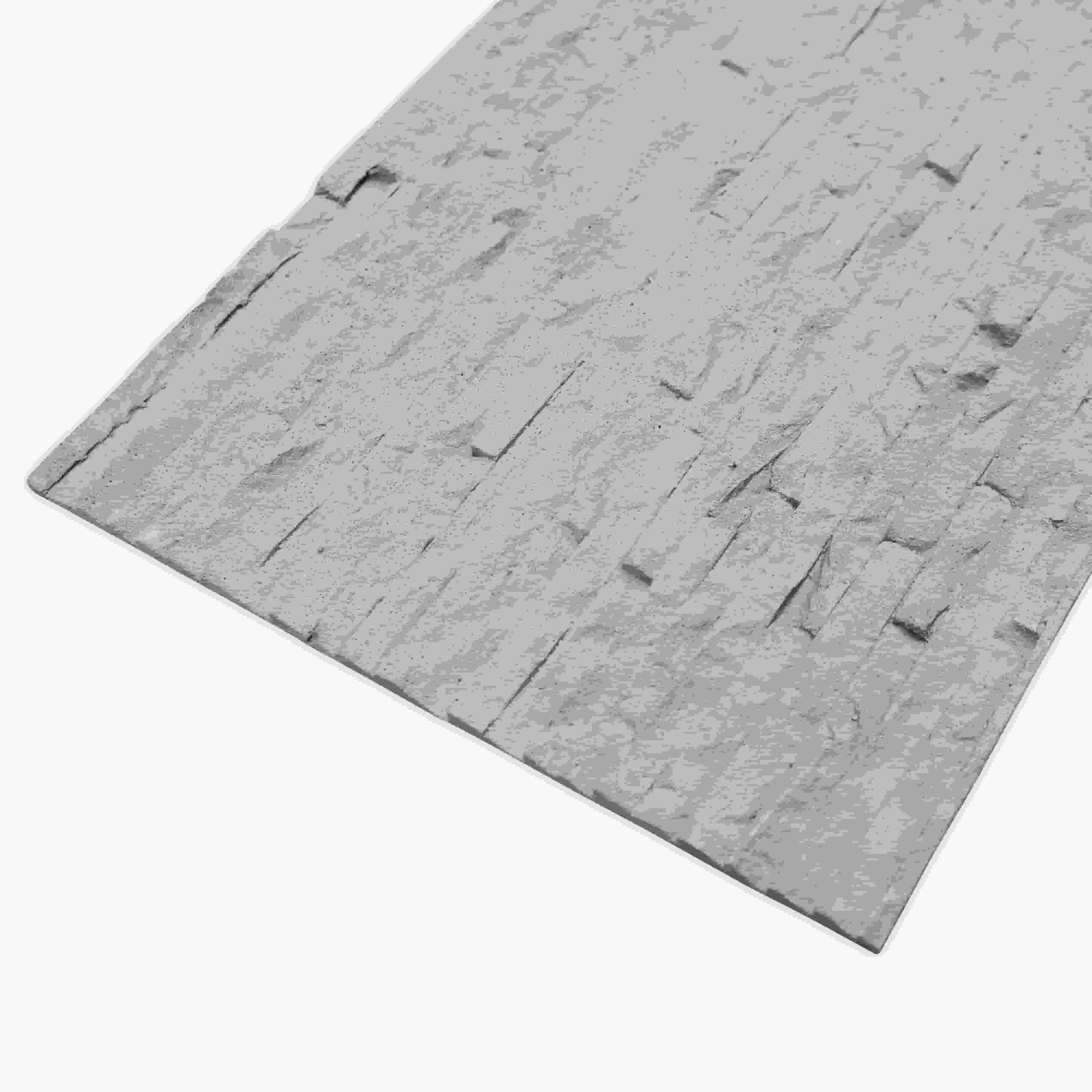
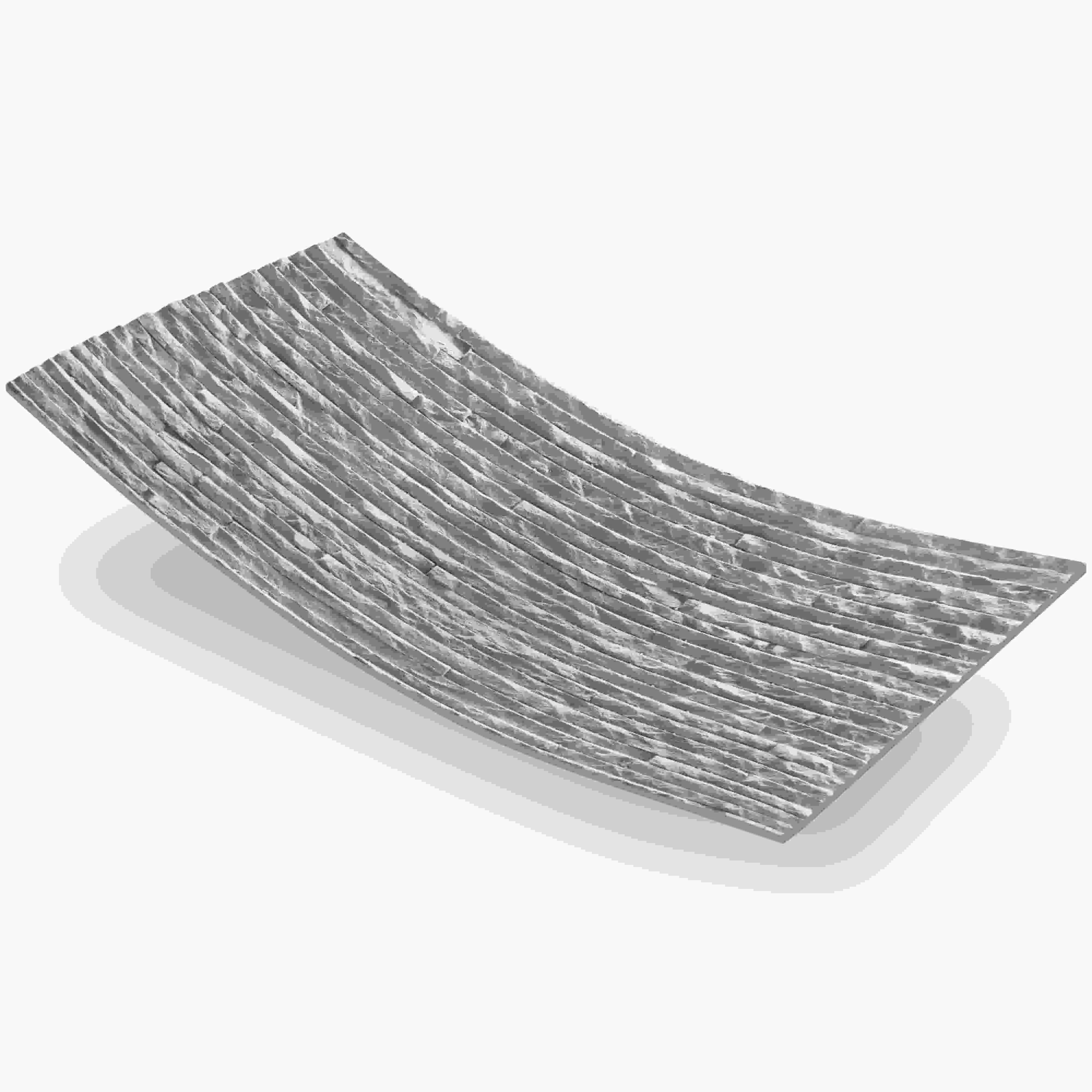
Then there are the polymer modifiers—synthetic resins that coat the cement particles and aggregates, creating a flexible interlayer. Imagine tiny elastic bands holding the material together: when pressure is applied, they stretch instead of snapping. This is why Muretto Stone (Light Grey) is often grouped under "flexible stone" categories—a term that might sound contradictory until you see it in action. Unlike rigid natural stones like travertine (starry green), which can crack if dropped during installation, Muretto Stone can bend up to 5 degrees without permanent damage, making it easier to handle and install on curved surfaces.
Color stability is another key feat. The "light grey" hue of Muretto Stone isn't just dyed; it's achieved through mineral pigments that are integrated into the mix during production. These pigments are resistant to UV radiation, so unlike some natural stones that fade under sunlight, Muretto Stone retains its soft, uniform grey tone for decades. Even when exposed to rain, snow, or pollution, the material's dense surface prevents staining—a stark contrast to porous stones like travertine (starry green), which often require regular sealing to maintain their appearance.
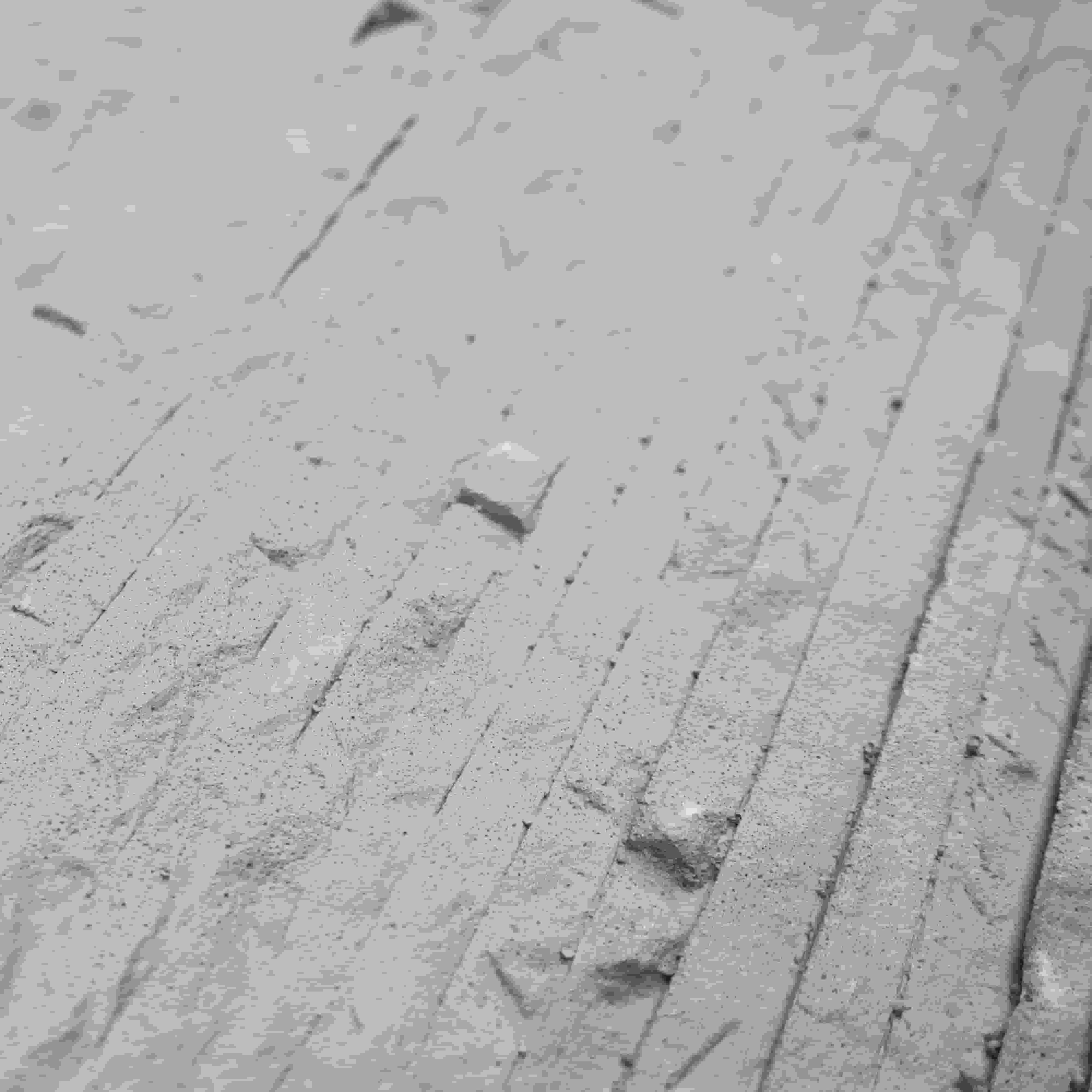
COLORIA's manufacturing process for Muretto Stone (Light Grey) is a blend of art and science, combining traditional craftsmanship with state-of-the-art technology. It starts with raw material preparation: the cement, aggregates, polymers, and pigments are measured with precision (down to the gram) to ensure consistency. This dry mix is then fed into a high-speed mixer, where water and chemical additives are introduced to trigger the hydration process—the chemical reaction that turns cement into a solid.
Once the mix reaches the ideal viscosity, it's poured into molds designed to replicate the texture of natural stone. Here's where MCMs shine: unlike natural stone, which is quarried and cut, Muretto Stone's moldable nature allows for intricate textures—from the subtle grain of weathered limestone to the rough-hewn look of chiseled rock. The molds are treated with release agents to ensure the material doesn't stick, and then the slabs are cured in a controlled environment. Instead of air-drying (which can take weeks and lead to uneven curing), COLORIA uses accelerated curing chambers that maintain optimal temperature and humidity, speeding up the process to just 24–48 hours while ensuring uniform strength.
The final step is surface treatment. Muretto Stone (Light Grey) undergoes a precision grinding and sealing process that enhances its durability and texture. The result? A material that looks and feels like natural stone but weighs up to 70% less. Compare that to foamed aluminium alloy board (vintage silver)—another innovative cladding material known for its lightweight properties—Muretto Stone offers the best of both worlds: the warmth of stone and the practicality of a lightweight panel. This reduced weight translates to easier transportation, lower installation costs, and less structural load on buildings—especially important for retrofits or high-rise constructions.
| Property | Muretto Stone (Light Grey) | Fair-Faced Concrete | Travertine (Starry Green) | Foamed Aluminium Alloy Board (Vintage Silver) |
|---|---|---|---|---|
| Weight (kg/m²) | 12–15 | 22–25 | 18–20 | 8–10 |
| Flexibility | High (bends up to 5°) | Low (prone to cracking) | Low (brittle) | High (ductile) |
| Water Resistance | Excellent (porosity < 1%) | Good (porosity ~5%) | Poor (porosity 8–12%) | Excellent (non-porous) |
| Color Stability | High (UV-resistant pigments) | Low (fades over time) | Moderate (may fade without sealing) | High (anodized finish) |
| Sustainability | High (recycled aggregates, low embodied carbon) | Moderate (high cement content, heavy transportation) | Low (quarrying impacts, high waste) | Moderate (recyclable but energy-intensive production) |
| Installation Cost | Moderate (lightweight, easy to cut) | High (heavy, requires specialized labor) | High (fragile, requires skilled installers) | High (specialized fastening systems) |
In an era where sustainability is no longer optional, Muretto Stone (Light Grey) stands out for its eco-friendly credentials. Let's start with raw materials: COLORIA sources over 30% of its aggregates from recycled or industrial byproducts, reducing the need for quarrying and mining. The polymer modifiers used are low-VOC (volatile organic compounds), meaning they don't release harmful chemicals into the air during production or installation—unlike some traditional sealants used on natural stones.
Energy efficiency is another highlight. The accelerated curing process uses 60% less energy than traditional air-drying, and COLORIA's manufacturing facilities run on a mix of solar power and grid electricity, further reducing their carbon footprint. Even the water used in production is recycled: up to 80% of the water from washing molds and equipment is treated and reused, minimizing waste.
Longevity plays a role too. A building clad in Muretto Stone (Light Grey) won't need replacement for 50+ years, reducing the lifecycle environmental impact compared to materials that degrade faster. And when it does reach the end of its life, the material is recyclable—crushed into aggregate for use in road construction or as a base for new MCM panels. Compare this to foamed aluminium alloy boards, which, while recyclable, require significant energy to melt down and reprocess, making Muretto Stone a more sustainable choice for long-term projects.
Muretto Stone (Light Grey) isn't just a technical marvel—it's a designer's dream, versatile enough to adapt to any space. Its neutral light grey tone makes it a chameleon, complementing bold colors (like the vibrant hues of travertine (starry green) or the metallic sheen of foamed aluminium alloy board (vintage silver)) or standing alone as a sophisticated backdrop.
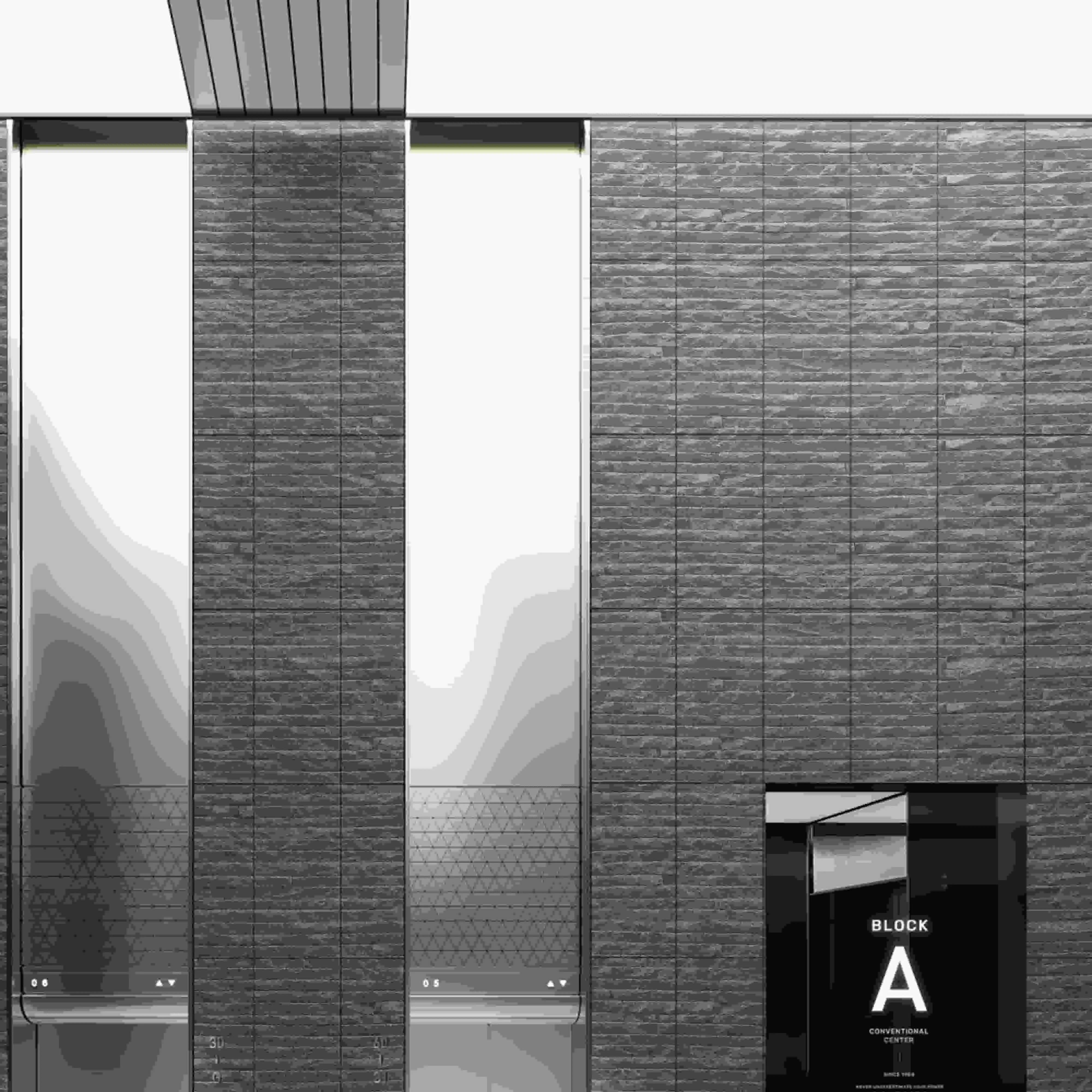
Exterior applications are where Muretto Stone truly excels. Its weather resistance makes it ideal for building facades, where it withstands rain, wind, and temperature extremes without cracking or fading. Imagine a modern office building with a Muretto Stone facade: the light grey panels catch the sunlight, shifting from warm silver to cool charcoal as the day progresses, creating a dynamic visual experience. For residential projects, it's perfect for accent walls, garden pathways, or pool surrounds—areas where durability and slip resistance are key.
Interior designers love Muretto Stone for its texture and warmth. Unlike the cold, sterile look of polished concrete, Muretto Stone's subtle texture adds depth to living rooms, kitchens, and bathrooms. It pairs beautifully with wood, metal, and glass, making it a staple in contemporary, industrial, and even minimalist designs. One popular trend is using Muretto Stone as a backsplash in kitchens, where its resistance to heat and stains outperforms natural stone or ceramic tiles.
Heritage restoration is another niche where Muretto Stone shines. Its ability to mimic the look of aged stone makes it a respectful choice for restoring historic buildings, where matching the original material is crucial. Unlike natural stone, which can vary widely in color and texture, Muretto Stone ensures consistency, helping preserve the building's character while adding modern durability.
Muretto Stone (Light Grey) is more than just a product—it's a glimpse into the future of construction: a future where materials are not just functional, but intelligent, sustainable, and designed with both people and the planet in mind. By reimagining cement as a flexible, lightweight, and aesthetically versatile material, COLORIA has challenged the notion that "engineered" means "cold" or "unnatural."
As cities grow and the demand for sustainable construction rises, materials like Muretto Stone will play a pivotal role. They bridge the gap between tradition and innovation, offering the beauty of natural stone without the environmental cost, and the strength of concrete without the weight. Whether you're a homeowner looking to renovate, an architect designing the next iconic building, or simply someone who appreciates the art of construction, Muretto Stone (Light Grey) invites you to rethink what's possible with building materials.
In the end, buildings are more than just structures—they're the spaces where we live, work, and connect. Muretto Stone (Light Grey) doesn't just build walls; it builds experiences, one lightweight, durable, and stunning panel at a time.
Recommend Products












