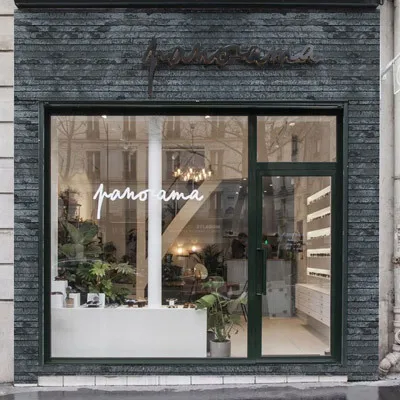
How a modern composite material is redefining what stone can do in architecture
When Stone Met Flexibility: A New Architectural Language
Picture this: an architect stands before a curved facade, sketch in hand, excitement in their eyes. For years, they've dreamed of wrapping a building in the warmth of natural stone, but traditional slabs are heavy, rigid, and unforgiving. A slight curve? Almost impossible. A textured wall on a high-rise? Risky, with weight and installation challenges. Then, they discover Muretto Stone—a material that bends, adapts, and yet feels every bit as authentic as the quarried stone they love. Suddenly, that curved facade isn't just a sketch anymore. It's a reality.
Muretto Stone, part of the broader MCM (Modified Composite Material) family, has quietly revolutionized how we think about stone in design. It's not just a product; it's a solution to a centuries-old problem: how to marry the beauty of natural stone with the practical demands of modern architecture. But what makes it flexible? How does a material that looks and feels like stone bend without breaking? Let's dive into the science, the stories, and the innovation behind Muretto Stone's game-changing flexibility.
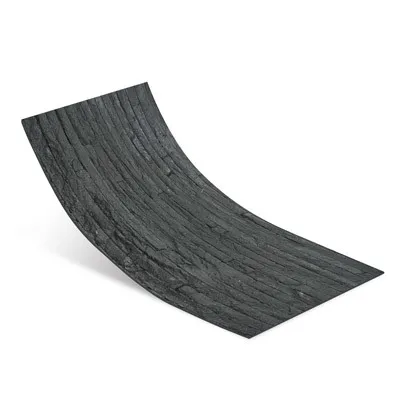
First things first: Muretto Stone isn't your grandparent's stone. It's a engineered composite, born from a blend of natural stone aggregates, high-performance polymers, and reinforcing fibers. Think of it as stone's smarter cousin—retaining the texture, color, and character of natural stone but with a flexibility that traditional quarried stone can only dream of.
Available in three core variants—
Muretto stone (light grey)
,
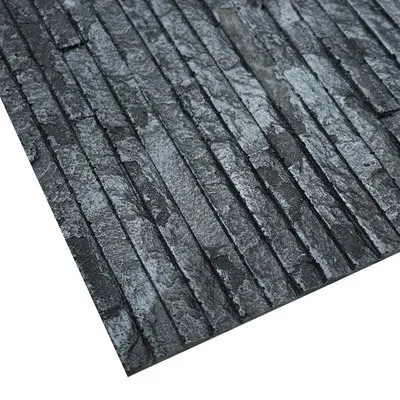
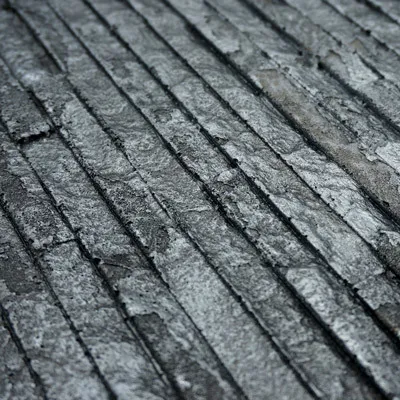
Muretto stone (dark grey)
, and
Muretto stone (beige)
—it's designed to fit seamlessly into diverse architectural styles, from minimalist modern to rustic traditional. Each variant carries the same flexible core but with unique colorways that mimic the subtle variations found in natural stone quarries. Light grey leans into soft, airy spaces; dark grey adds depth and drama; beige brings warmth, like sun-baked earth. But regardless of color, the magic lies in that shared trait: flexibility.
Unlike solid stone slabs, which are mined, cut, and shipped as rigid blocks, Muretto Stone comes in thin, lightweight panels—typically 3-5mm thick—making it ideal for
flexible stone cladding panels
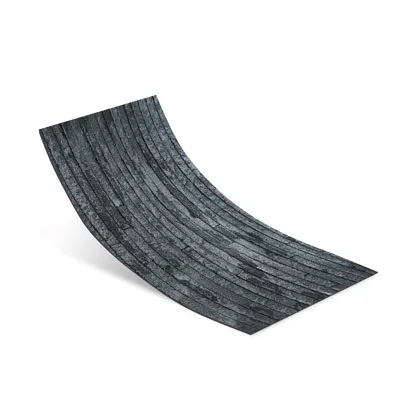
. These panels can be bent, curved, and even rolled (within limits) to hug the contours of a building, turning once-impossible designs into achievable feats.
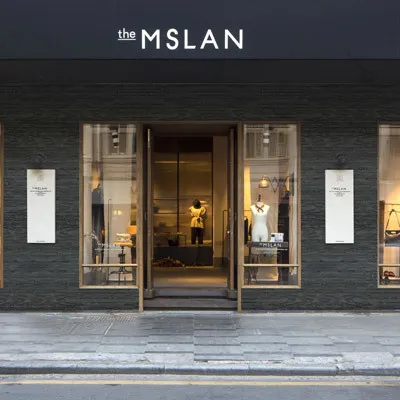
The Recipe for Flexibility: Breaking Down the Composition
To understand Muretto Stone's flexibility, we need to peek into its "ingredients." At its core, it's a
modified composite material panel
—a term that sounds technical but simply means it's a mix of materials, each chosen for a specific job. Let's break it down:
-
Natural Stone Aggregates:
The "stone" part. Crushed fragments of marble, limestone, or travertine (depending on the variant) give Muretto its authentic texture and appearance. These aggregates are ground into fine particles, ensuring the final panel feels like real stone to the touch.
-
Polymer Matrix:
The "flexibility" engine. A high-quality polymer resin acts as the binder, holding the aggregates together. Unlike rigid cement or mortar, this polymer is elastic—meaning it can stretch and return to its shape, absorbing stress without cracking.
-
Reinforcing Fibers:
The "strength" secret. Tiny glass or carbon fibers are woven into the mix, acting like microscopic rebar. They distribute stress evenly across the panel, preventing cracks from spreading and adding tensile strength (the ability to bend without breaking).
-
Additives:
The "finishing touches." UV stabilizers protect against sun damage, water repellents resist moisture, and color pigments ensure the hue stays vibrant over time. These additives fine-tune the panel's performance for real-world conditions.
It's the dance between these ingredients that creates flexibility. The polymer matrix allows the panel to bend, the fibers keep it from tearing, and the aggregates provide the stone-like character. Together, they form a material that's greater than the sum of its parts.
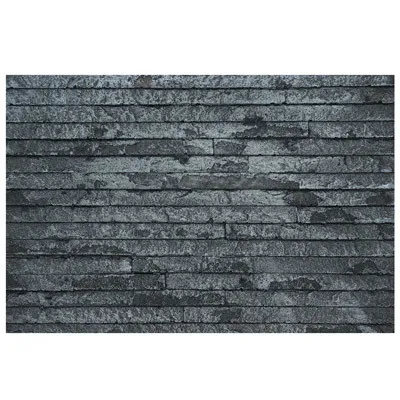
The Science of "Bend Without Break": How Flexibility Works
Flexibility in materials isn't just about being "bendy"—it's about controlled deformation. When you bend a Muretto Stone panel, it doesn't snap; it flexes, then (springs back). How does that happen at a microscopic level?
Microstructure: The Hidden Architecture
Under a microscope, Muretto Stone looks like a busy cityscape. The stone aggregates are the "buildings," irregularly shaped and tightly packed. The polymer matrix is the "roads" and "plazas" between them, a continuous, elastic network. The reinforcing fibers are the "utility lines," crisscrossing through the matrix to connect everything.
When force is applied (say, a strong wind pushing against a facade, or the panel being bent around a curve), the polymer matrix stretches. Instead of the aggregates grinding against each other and cracking (as they would in solid stone), the elastic polymer acts as a buffer, absorbing the stress. The fibers, meanwhile, act like shock absorbers—if a small crack starts to form, the fibers pull tight, stopping it from spreading. It's a bit like how a spider's web stretches to catch prey without tearing: the threads (fibers) and the web's structure (polymer matrix) work together to distribute force.
Bonding: Sticking Together, Even When Bent
Another key piece is the bond between the aggregates and the polymer. Traditional stone relies on rigid chemical bonds (like the calcium carbonate in limestone), which are strong but brittle. Muretto Stone uses a combination of chemical and mechanical bonding. The polymer seeps into tiny pores in the stone aggregates, creating a "mechanical lock"—think of Velcro, where hooks (polymer) grip loops (aggregate pores). This lock holds tight even when the panel bends, preventing the aggregates from slipping apart.
Testing the Limits: How Durable Is "Flexible"?
You might wonder: if it bends, does it wear out faster? The short answer: no. Muretto Stone undergoes rigorous testing to ensure flexibility doesn't come at the cost of durability. In bend tests, panels are repeatedly flexed to a radius of 50cm (about the curve of a large drum) thousands of times—far more than they'd ever experience in real-world use—and show no signs of cracking or weakening. Impact tests simulate hailstones or debris hitting the panel; the polymer absorbs the shock, and the fibers prevent damage from spreading.
Thermal expansion is another test: stone, like all materials, expands in heat and contracts in cold. Traditional stone, being rigid, can crack if these movements aren't accounted for. Muretto Stone's polymer matrix expands and contracts with temperature changes, "breathing" with the building instead of fighting against it. This makes it ideal for climates with extreme temperature swings, from desert heat to snowy winters.
Muretto Stone vs. Traditional Stone: A Side-by-Side Look
To truly appreciate Muretto Stone's innovation, let's compare it to traditional solid stone. The table below pits the three Muretto variants against a common traditional stone, like limestone, on key properties:
|
Property
|
Muretto Stone (Light Grey)
|
Muretto Stone (Dark Grey)
|
Muretto Stone (Beige)
|
Traditional Limestone
|
|
Flexibility (Bend Radius)
|
Up to 50cm (repeated bending)
|
Up to 50cm (repeated bending)
|
Up to 50cm (repeated bending)
|
Brittle; cracks at radii > 2m (one-time bend)
|
|
Weight (per sqm)
|
8-10kg
|
8-10kg
|
8-10kg
|
20-30kg (for 2cm slab)
|
|
Water Absorption
|
< 1% (resistant to moisture)
|
< 1% (resistant to moisture)
|
< 1% (resistant to moisture)
|
5-10% (prone to staining, freeze-thaw damage)
|
|
Best For
|
Light, airy facades, interior walls
|
Modern, dramatic exteriors, accent walls
|
Rustic, warm interiors, heritage building cladding
|
Flat surfaces, low-stress applications
|
The takeaway? Muretto Stone isn't just "flexible"—it's lighter, more durable in dynamic conditions, and easier to work with. For architects and builders, this translates to lower transport costs (thanks to lighter weight), faster installation (panels are easy to handle), and fewer callbacks for repairs (no cracking from movement or moisture).
Where Muretto Stone Shines: Real-World Applications
Muretto Stone's flexibility opens doors (or rather, walls, facades, and ceilings) that traditional stone can't. Here are a few places it's making waves:
Curved Facades
Imagine a museum with a sweeping, organic facade that mimics the curve of a wave. Traditional stone would require custom-cut, wedge-shaped blocks—expensive, time-consuming, and prone to cracking at the joints. Muretto Stone panels, bent to the desired curve, wrap around the building in a continuous, seamless skin. The
Muretto stone (dark grey)
variant, with its deep, moody tone, was used exactly this way in a coastal art gallery in Portugal, where the curved walls reflect the ocean's movement.
Interior Design: Beyond Flat Walls
Inside, Muretto Stone turns ordinary spaces into extraordinary ones. A boutique hotel in Tokyo used
Muretto stone (beige)
to line a curved staircase, creating a warm, inviting path that feels like walking through a natural stone grotto. In another project, a restaurant ceiling was clad in
Muretto stone (light grey)
, curved to mimic cloud formations—something impossible with heavy, rigid stone.
Heritage Renovations
Older buildings often have uneven walls or delicate structures that can't support heavy stone. Muretto Stone's light weight (8-10kg/sqm vs. 20-30kg/sqm for traditional stone) makes it ideal for restoring heritage sites. A 19th-century church in Italy, for example, needed to repair its crumbling stone cladding without adding stress to the aging structure.
Muretto stone (beige)
, matched to the original stone's color, was installed with minimal weight, preserving the church's historic look while adding durability.
Outdoor Spaces
From garden walls to pool surrounds, Muretto Stone holds up to the elements. Its water-resistant additives mean it won't stain or degrade in rain, and its flexibility resists cracking from freeze-thaw cycles. A public park in Canada used
Muretto stone (light grey)
for a curved bench—functional art that's comfortable to sit on (no sharp edges!) and tough enough to handle snow and ice.
The Future of Flexible Stone: What's Next?
Muretto Stone is just the beginning. As composite material science advances, we're likely to see even more innovations: panels with embedded insulation for energy efficiency, self-healing polymers that repair small cracks automatically, or even color-changing variants that shift hue with light. Imagine a facade clad in Muretto Stone that lightens in bright sun to reflect heat and darkens in the shade to absorb warmth—all while staying flexible.
Sustainability is another focus. Muretto Stone already uses recycled stone aggregates (reducing quarry waste) and low-VOC polymers (minimizing harmful emissions). Future iterations could incorporate bio-based polymers, making the panels even more eco-friendly. For architects aiming for net-zero buildings, this would be a game-changer—combining beauty, flexibility, and sustainability in one material.
Final Thoughts: Stone, Redefined
Muretto Stone isn't just a material—it's a shift in how we think about stone. For centuries, stone has been admired for its strength and beauty but limited by its rigidity. Muretto Stone keeps the beauty, adds flexibility, and opens a new chapter in architectural design.
Whether it's the soft neutrality of
Muretto stone (light grey)
, the bold presence of
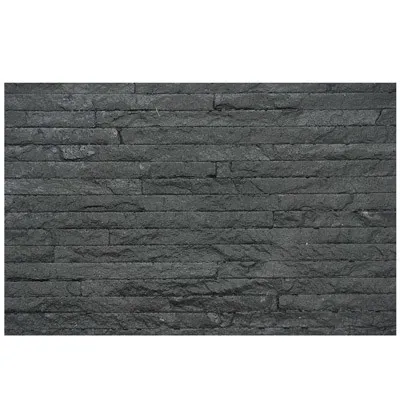
Muretto stone (dark grey)
, or the earthy warmth of
Muretto stone (beige)
, each variant tells a story of innovation. It's a story where science and nature collaborate, where "bend" doesn't mean "break," and where the buildings of tomorrow are limited only by imagination—not by the materials we build them with.
So the next time you walk past a building with a curved stone facade, or touch a wall that feels like stone but seems impossibly light, take a closer look. Chances are, you're looking at Muretto Stone—proof that even the oldest building materials can learn new tricks.