
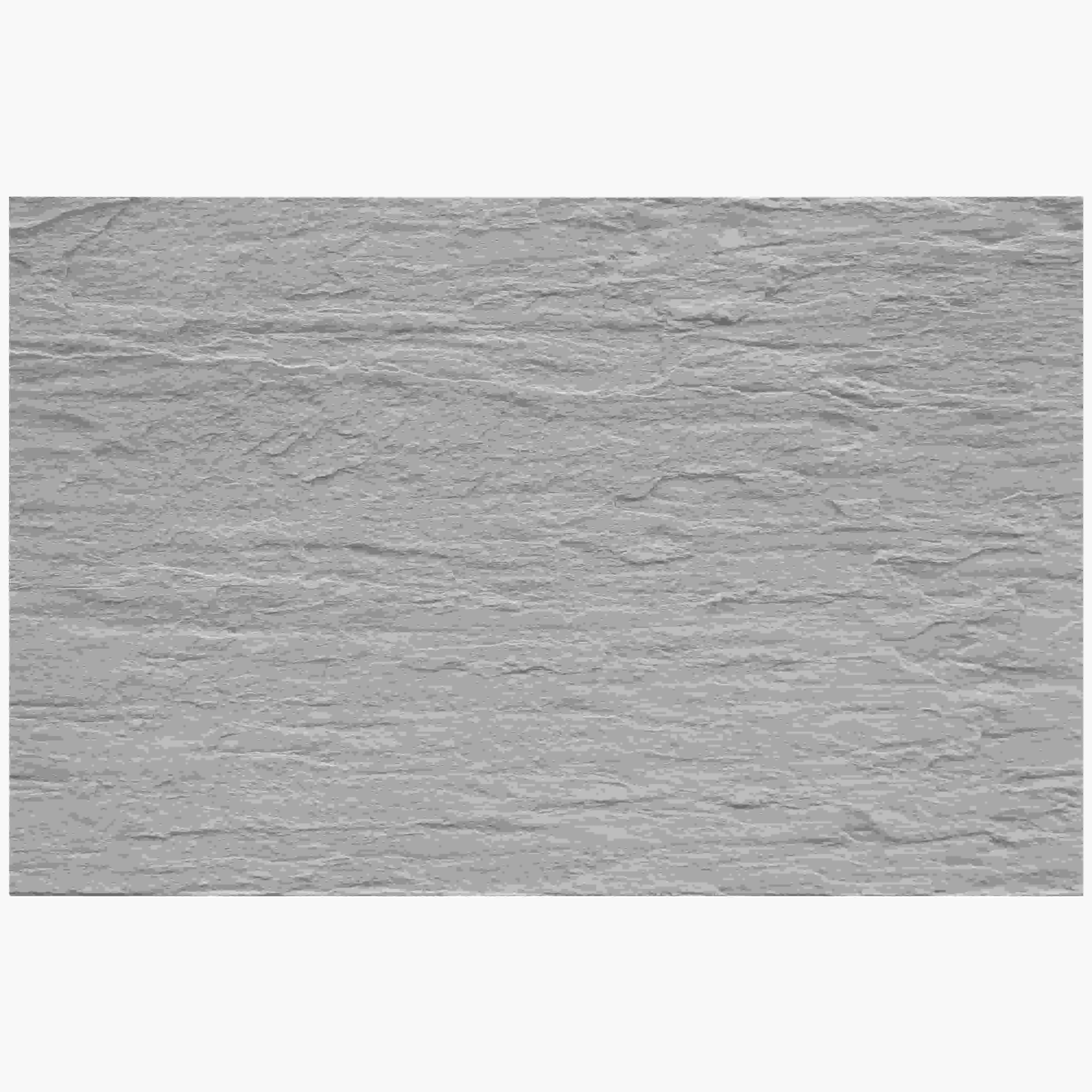
Walk through any modern city, and you'll notice a quiet revolution happening on building facades, interior walls, and even outdoor landscapes. Architects and designers are no longer confined to the heavy, brittle limits of traditional stone or concrete. Instead, they're reaching for materials that bend without breaking, stand strong against the elements, and yet feel light enough to transform impossible designs into reality. At the heart of this revolution is a material that's been turning heads in the construction world: Oasis Stone Regular. But what makes it so special? It's not magic—it's science. Let's dive into the engineering and chemistry that gives Oasis Stone Regular its remarkable flexibility and strength, and why that matters for the future of building.
Before we get into the lab coats and microscopes, let's start with the basics. Oasis Stone Regular is part of a broader category known as MCM flexible stone—a term that stands for Modified Composite Material. Unlike natural stone, which forms over millions of years under geological pressure, or concrete, which hardens into a rigid block, MCM flexible stone is a crafted material. It's designed from the ground up to solve a specific problem: the age-old trade-off between strength and flexibility. For decades, builders have had to choose: heavy, strong materials that can't curve or flex, or lightweight ones that lack durability. Oasis Stone Regular says, "Why not both?"
Imagine a material that can wrap around a curved museum facade like a second skin, withstand hurricane-force winds without cracking, and weigh so little that it reduces structural stress on buildings. That's Oasis Stone Regular in a nutshell. But to understand how it does all that, we need to peek under the hood—or rather, under the surface of its microstructure.

At its core, Oasis Stone Regular is a modified composite material panel . Think of a composite as a team of materials working together, each bringing its own superpower. In this case, the "team" includes three key players: a base matrix, reinforcing fibers, and natural stone aggregates. Let's break them down:
The matrix is the material that holds everything together—like the resin in a fiberglass boat or the cement in concrete. But unlike concrete's rigid cement matrix, Oasis Stone Regular uses a polymer-based matrix engineered for flexibility. Polymers are long-chain molecules that can stretch and bend without breaking, thanks to their ability to slide past each other when force is applied. Think of a Slinky: individual coils (molecules) move, but the whole structure stays intact. This polymer matrix is the first secret to the material's flexibility.
If the polymer matrix is the muscle, the reinforcing fibers are the bones. These tiny fibers—often made of glass, carbon, or natural materials like basalt—are woven or dispersed throughout the matrix. When force is applied (say, a strong wind pushing against a facade), the fibers absorb and distribute the stress, preventing cracks from forming. It's similar to how rebar strengthens concrete, but on a microscopic scale. The fibers act like a safety net, catching stress before it can tear the material apart.
What good is a flexible, strong material if it doesn't look the part? Oasis Stone Regular includes finely ground natural stone aggregates—think marble, limestone, or travertine particles—that give it the texture and appearance of real stone. These aggregates are mixed into the matrix, creating a surface that's indistinguishable from natural stone at first glance. But unlike natural stone, which is solid and dense, these aggregates are suspended in the flexible matrix, letting the material bend without shattering.

Flexibility is more than just "being able to bend." In materials science, it's about elasticity —the ability to deform under stress and return to its original shape. Brittle materials like natural stone or traditional concrete have low elasticity: bend them even a little, and they crack. Oasis Stone Regular, on the other hand, has high elasticity. So what's the science here?
Zoom in on a cross-section of Oasis Stone Regular with a microscope, and you'll notice something fascinating: it's not a solid block. Instead, the matrix and fibers form a network with tiny, controlled voids and channels. These voids act like shock absorbers. When the material is bent, the voids compress slightly, allowing the matrix and fibers to shift without snapping. It's like how a sponge bends because of its air pockets—except here, the "sponge" is engineered to snap back into shape.
Remember that polymer matrix we talked about earlier? Its chemical structure is key. The polymers in Oasis Stone Regular are cross-linked , meaning their long molecular chains are tied together at intervals like a net. When you pull or bend the material, these chains stretch, but the cross-links prevent them from sliding apart permanently. It's similar to a rubber band: stretch it, and the molecules elongate; let go, and they snap back. In contrast, natural stone has no such cross-linked structure—its molecules are locked in place, so any stretching leads to fractures.
Not all fibers in Oasis Stone Regular are randomly scattered. Engineers align some fibers in specific directions to enhance flexibility where it's needed most. For example, in panels designed for curved surfaces, fibers might run parallel to the curve, allowing the material to bend more easily along that axis. This "directional reinforcement" is why Oasis Stone Regular can be customized for different applications—whether it's a flat wall that needs to flex in high winds or a spiral staircase that curves upward.
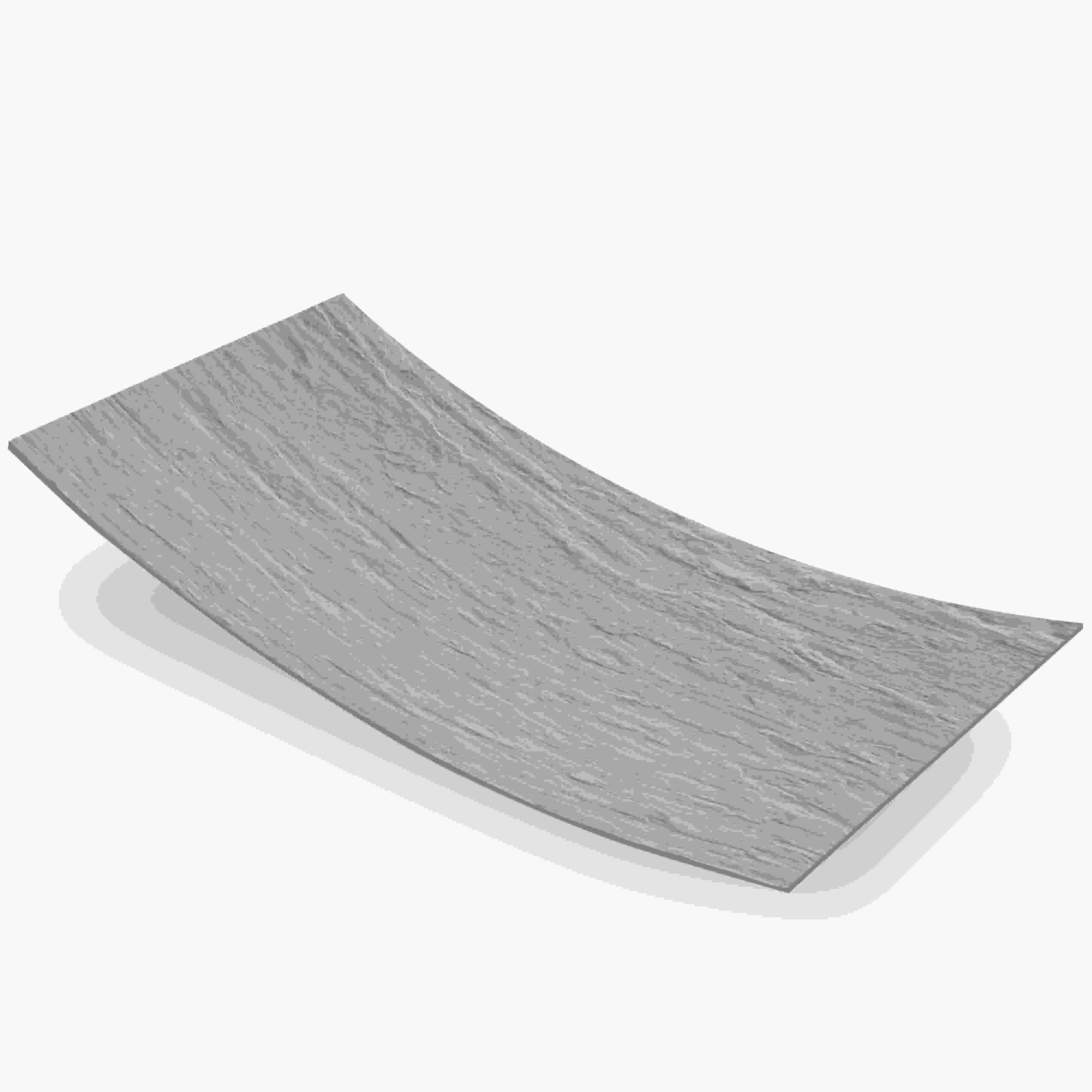
Flexibility is impressive, but what good is a material that bends if it tears under pressure? Oasis Stone Regular isn't just flexible—it's strong . We're talking tensile strength (resistance to pulling), compressive strength (resistance to squeezing), and impact strength (resistance to being hit) that rivals, and sometimes exceeds, traditional building materials. How does it pull that off?
The polymer matrix in Oasis Stone Regular isn't just stretchy—it's also sticky . The molecules in the matrix form strong chemical bonds with the reinforcing fibers and stone aggregates. This means when stress is applied, the load is shared across the entire material, not just one weak spot. It's like a team holding hands during a tug-of-war: everyone pulls together, so no single person (or molecule) bears the brunt of the force. This "adhesion" between components is what prevents the material from delaminating (peeling apart) or crumbling.
One of the biggest myths about lightweight materials is that they're weak. Oasis Stone Regular proves that wrong. As a lightweight flexible stone sheet , it typically weighs 3-5 kg per square meter—compared to natural stone, which can weigh 20-30 kg per square meter. But its low weight doesn't come from skimping on strength. Instead, it's from density optimization . The material is dense enough to resist impact and compression but not so dense that it becomes heavy. Think of it as a high-performance athlete: lean, but packed with muscle.
Talk is cheap—so manufacturers of Oasis Stone Regular put their money where their mouth is with rigorous testing. We're talking freeze-thaw cycles (to simulate harsh winters), UV exposure (to mimic years of sunlight), and flexural strength tests (bending the material repeatedly until it breaks). In one test, panels are bent to a 90-degree angle over 10,000 cycles—enough to simulate decades of wind stress—and still retain 95% of their original strength. For context, traditional limestone would crack after just a few hundred cycles. These tests aren't just for show; they're proof that the science works.

To really appreciate Oasis Stone Regular's superpowers, let's see how it compares to other common building materials. The table below breaks down key metrics like flexibility, strength, weight, and sustainability—so you can see why architects are making the switch.
| Material | Flexibility (1-10, 10=Most Flexible) | Tensile Strength (MPa) | Weight (kg/m²) | Sustainability (1-10, 10=Most Eco-Friendly) |
|---|---|---|---|---|
| Oasis Stone Regular | 9 | 25-30 | 3-5 | 8 |
| Natural Limestone | 2 | 5-10 | 22-28 | 6 (quarrying impacts) |
| Traditional Concrete Panel | 3 | 15-20 | 18-22 | 4 (high carbon footprint) |
| Natural Marble | 1 | 7-12 | 24-30 | 5 (limited supply, quarrying) |
| Other MCM Flexible Stone | 7-8 | 20-25 | 4-6 | 7 |
Note: Tensile strength measures resistance to pulling forces; higher numbers mean stronger materials. Sustainability scores consider factors like recycled content, production energy use, and recyclability.
In today's world, building materials aren't just judged on performance—they're judged on their impact on the planet. That's where Oasis Stone Regular checks yet another box: it's a green building material . Let's break down why sustainability and performance go hand in hand here.
Remember those lightweight flexible stone sheets we mentioned? Their low weight isn't just good for building safety—it's good for the environment. Heavier materials require more fuel to transport, more structural steel to support, and more energy to install. Oasis Stone Regular cuts down on all three. A study by the Green Building Council found that using lightweight MCM panels like Oasis Stone can reduce a building's carbon footprint by up to 20% compared to traditional stone. That's because fewer trucks are needed for transport, less steel is required for structural support, and installation is faster (meaning less energy used on-site).
Oasis Stone Regular's modified composite material panels often include recycled stone aggregates and post-consumer polymers, reducing the need for mining new materials. Additionally, the production process emits fewer volatile organic compounds (VOCs)—harmful chemicals that off-gas from some building materials—making it safer for indoor air quality. For schools, hospitals, and homes, that's a big win: a material that's strong, flexible, and won't make you sick.
Sustainability isn't just about what goes into a material—it's about how long it lasts. Oasis Stone Regular's durability means buildings need fewer repairs and replacements over time. A traditional stone facade might need patching or replacement every 20-30 years; Oasis Stone Regular can last 50+ years with minimal maintenance. That's less waste in landfills and fewer resources spent on replacements. It's the ultimate "reduce, reuse, recycle" story: reduce the need for new materials by reusing the same panel for decades.
Enough with the science—let's talk real projects. From luxury hotels to public parks, Oasis Stone Regular is making its mark in ways that traditional materials never could. Here are a few standout examples:
A recent museum in Dubai features a facade that curves upward like a wave, symbolizing the city's rise from desert to global hub. Traditional stone was out of the question—it would have been too heavy to support the curve and too brittle to shape. Instead, architects used Oasis Stone Regular panels, which were cut to fit the curve and installed in weeks (instead of months). Today, the facade bends gently in the wind, catching the light in ways that rigid stone never could.
In earthquake-prone regions like Japan, building materials need to flex with the earth's movements to avoid collapse. Oasis Stone Regular's flexibility makes it ideal for residential exteriors. In a recent housing development in Tokyo, homes clad in Oasis Stone survived a magnitude 6.2 earthquake with zero damage—while neighboring homes with concrete facades cracked. The secret? The panels bent with the tremors and snapped back into place, absorbing the shock without breaking.
A LEED Platinum-certified office park in Portland, Oregon, chose Oasis Stone Regular for its facades and outdoor walkways. The lightweight panels reduced the building's structural load, allowing for a smaller foundation (and lower concrete use). The recycled content and low VOCs helped the project meet strict green building standards, and tenants report lower energy bills thanks to the material's insulating properties. It's proof that sustainability and aesthetics don't have to be enemies.
Oasis Stone Regular isn't just a material—it's a glimpse into the future of construction. As cities grow taller, climates become more extreme, and sustainability becomes non-negotiable, materials that blend flexibility, strength, and eco-friendliness will lead the way. What makes Oasis Stone Regular so exciting isn't just that it solves today's problems; it opens doors to designs we haven't even imagined yet—curved skyscrapers, floating pavilions, or disaster-resistant homes that adapt to their environment.
At the end of the day, the science behind Oasis Stone Regular's flexibility and strength is a story about innovation. It's about taking what nature does well (stone's durability) and what humans do well (engineering solutions) and merging them into something better. So the next time you walk past a building with a stunning curved facade or a lightweight, durable exterior, take a closer look—it might just be Oasis Stone Regular, quietly revolutionizing the way we build, one flexible, strong panel at a time.
Recommend Products












