
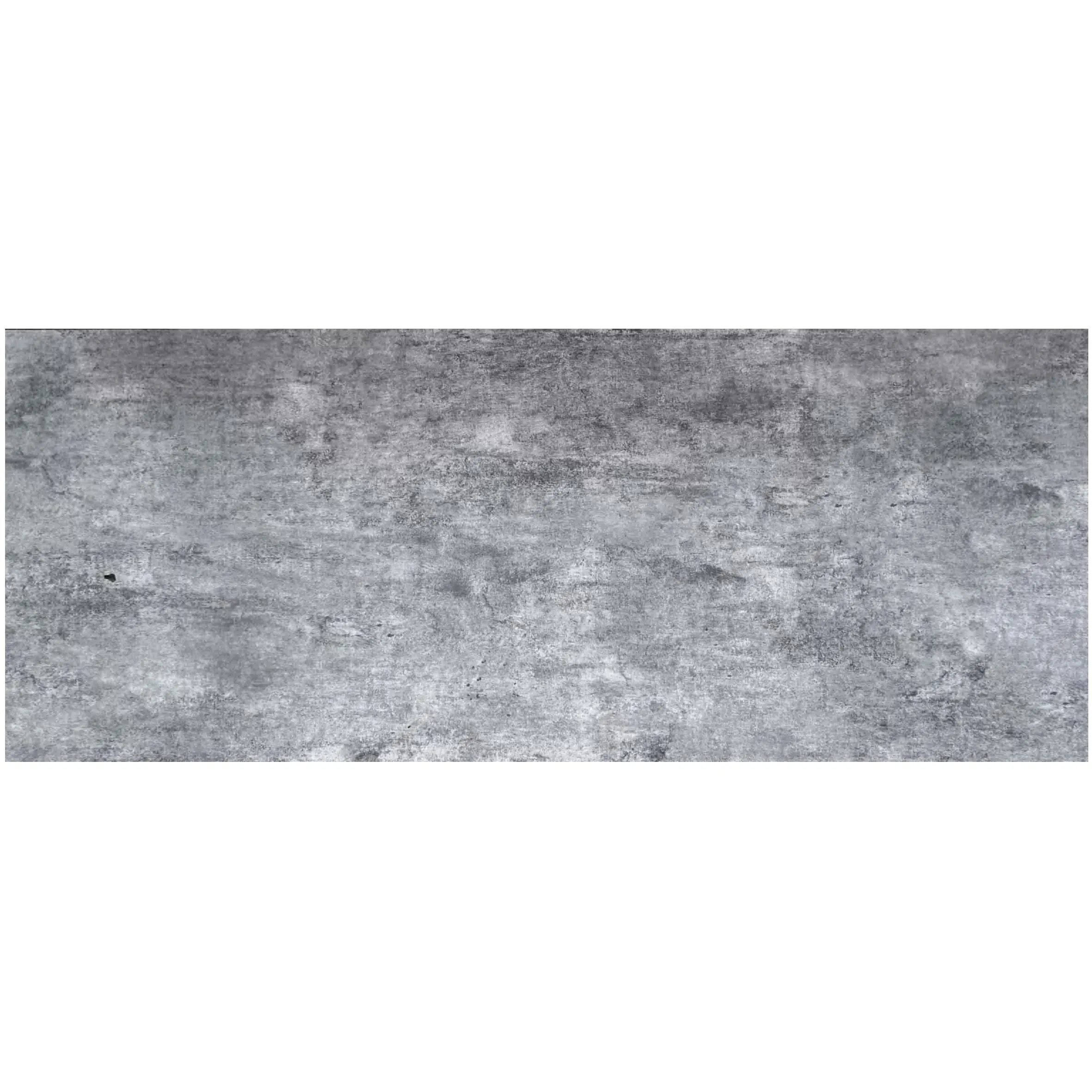
Walk into any modern café, boutique hotel, or sleek office lobby these days, and there's a good chance your eyes will linger on the floor. Not because it's flashy or covered in expensive tiles, but because it's polish concrete —a material that's quietly revolutionized how we think about building surfaces. What was once dismissed as "cold" or "industrial" has become a darling of architects and designers, prized for its raw beauty, durability, and versatility. But have you ever stopped to wonder: What makes a polish concrete floor so different from the drab gray slabs of yesteryear? And how has COLORIA MCM, a leader in innovative building materials, taken this technology to new heights with formulations that blend science, sustainability, and artistry?
In this deep dive, we're peeling back the layers of polish concrete—literally and figuratively. We'll explore the chemistry that gives it strength, the engineering that makes it shine, and how COLORIA MCM's unique approach, including their MCM flexible stone and mcm big slab board series , is redefining what's possible. Whether you're a homeowner considering a kitchen renovation, an architect hunting for the next big material, or just someone who appreciates the intersection of science and design, this is the story of how concrete went from a utilitarian workhorse to a star of the built environment.
Concrete is one of humanity's oldest building materials. The Romans mixed volcanic ash, lime, and water to create a version they used to build the Pantheon's dome—still standing after 2,000 years. Fast forward to the 19th century, and Portland cement (the basis of modern concrete) was invented, turning concrete into the backbone of skyscrapers, highways, and bridges. But for most of its history, concrete was valued for one thing: strength. Aesthetics? Not so much. Traditional concrete floors were often left unfinished, prone to cracking, and about as visually appealing as a parking garage.
Then came polish concrete. In the 1990s, as industrial spaces began being repurposed into lofts and studios, designers started noticing something: when old concrete floors were ground down and sealed, they revealed a hidden beauty—specks of aggregate, subtle color variations, a smoothness that felt both modern and timeless. The trend took off, but it wasn't until companies like COLORIA MCM stepped in that polish concrete truly came into its own. By reimagining the recipe and the process, they turned a simple material into something that could mimic marble, complement wood, or stand alone as a statement piece.
But to understand COLORIA's innovation, we first need to understand the basics: What's in a batch of polish concrete, and how does it transform from a wet mix to a glossy, durable surface?
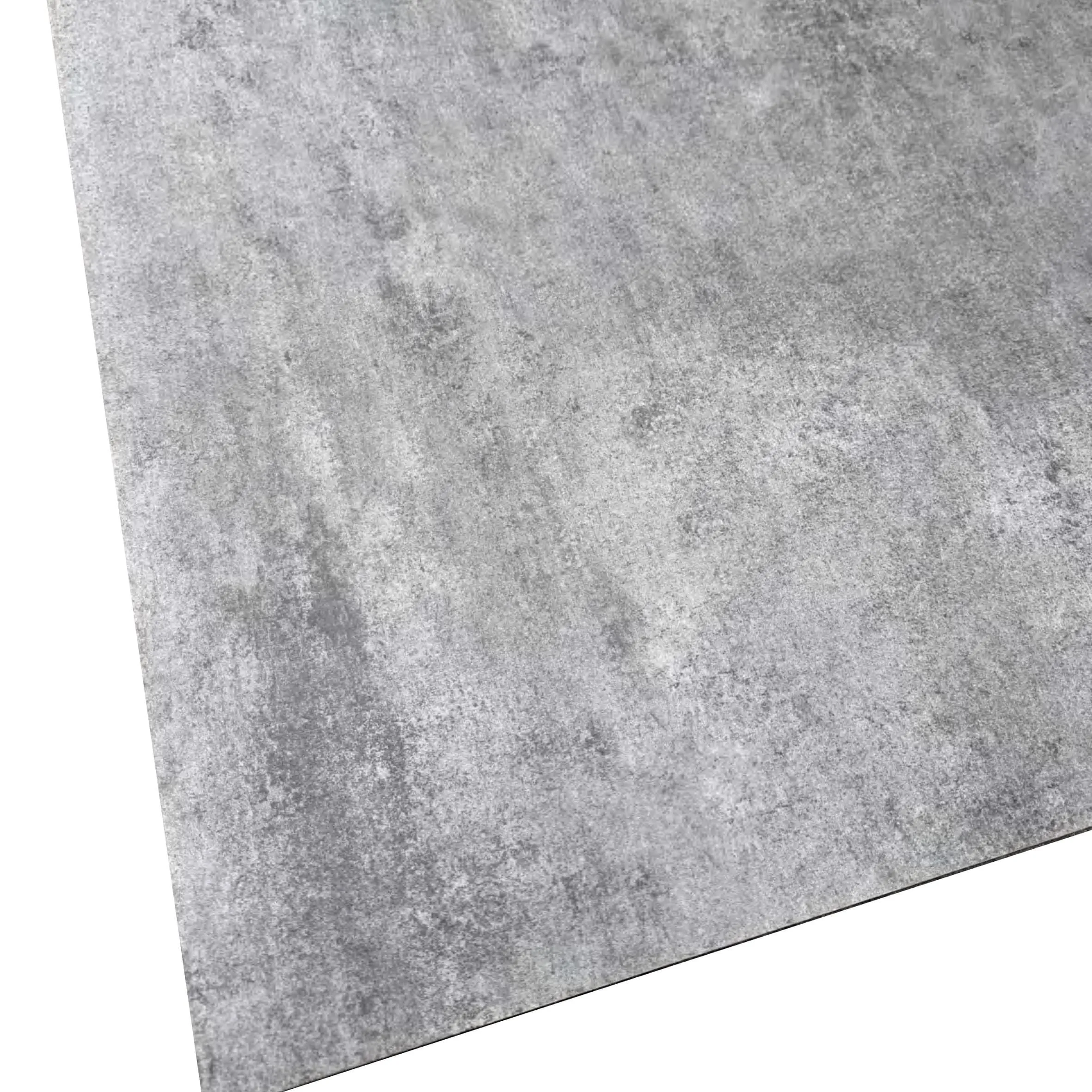
At its core, concrete is a mix of three ingredients: aggregates (think sand, gravel, or crushed stone), a binder (usually Portland cement), and water. When mixed, the cement reacts with water in a process called hydration, forming a hard, stone-like mass that binds the aggregates together. But polish concrete isn't just "regular concrete with a shine"—its magic lies in the precision of the mix and the post-curing treatment.
Let's break it down:
Even the best mix is just a rough slab until it's polished. The process is part art, part science, and it's where COLORIA's expertise really shines. Here's how it works:
First, the concrete is poured and cured for at least 28 days (the time it takes for hydration to complete). Then, using diamond-impregnated pads (think ultra-hard sandpaper), the surface is ground down in stages—starting with coarse grit (30-50) to level the slab and expose the aggregates, then moving to finer grits (100-400) to smooth the surface. Between each stage, a densifier is applied: a liquid chemical (usually lithium silicate) that reacts with the concrete's calcium hydroxide to form a hard, glassy layer called calcium silicate hydrate. This fills in tiny pores, making the surface more resistant to stains and scratches.
Finally, the slab is polished with extra-fine grit pads (800-3000) to achieve the desired sheen—from a matte "honed" finish to a high-gloss mirror effect. A sealer is then applied to lock in the shine and protect against daily wear. The result? A surface that's not just hard (up to 8,000 psi in compressive strength, compared to 3,000 psi for traditional concrete), but also surprisingly warm and inviting.
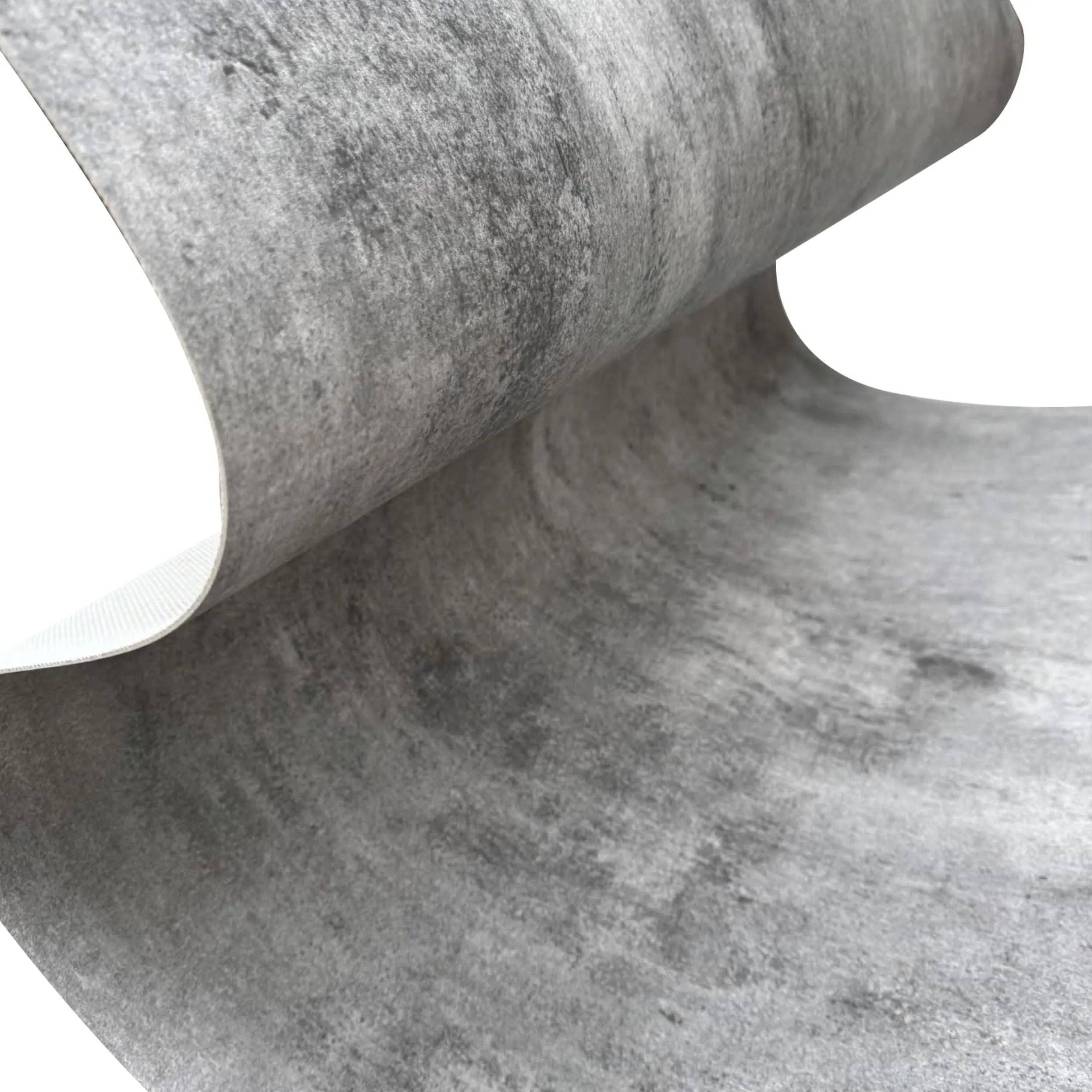
So, what makes COLORIA MCM's polish concrete different from the rest? It's not just better ingredients—it's a holistic approach to material science. Let's look at three key innovations that set them apart:
Traditional concrete is rigid, which is great for structural support but terrible for surfaces that need to adapt—like floors in older buildings or walls with curved designs. Enter COLORIA's MCM flexible stone technology. MCM, or Modified Composite Material, is a proprietary blend of natural stone aggregates, polymers, and fibers that's mixed into the concrete matrix. The result? A material that's 30% lighter than traditional concrete but just as strong, and with enough flexibility to bend up to 2 degrees without cracking. This is why their mcm big slab board series is so popular: these massive slabs (up to 12 feet long) can be installed in one piece, eliminating the need for grout lines and creating a seamless, modern look. Imagine a living room floor that flows from wall to wall, no breaks, no gaps—just the quiet beauty of polished concrete. That's the MCM difference.
In an era where "green building" is more than a buzzword, COLORIA MCM has baked sustainability into their polish concrete formulations. They use 40% recycled aggregates (like crushed concrete from demolition sites) in their mixes, reducing the need for mining new stone. Their water-based sealers and polymer additives are low-VOC (volatile organic compounds), meaning they don't off-gas harmful chemicals into your home or office. Even the polishing process is eco-friendly: their diamond pads are recyclable, and the water used during grinding is filtered and reused. Compare that to traditional flooring materials like marble or hardwood, which often require intensive mining or logging, and it's clear why polish concrete is becoming the go-to for LEED-certified projects.
Gone are the days when concrete meant "one shade of gray." COLORIA's polish concrete is a playground for color and texture. Want a floor that looks like travertine (starry blue) ? They can mix in blue pigments and glass aggregates to mimic the look of natural stone. Prefer the warmth of wood? Their wood grain board techniques use stamping and staining to create the illusion of planks, but with the durability of concrete. Even fair-faced concrete gets a makeover: by adjusting the aggregate size and curing time, they can achieve a range of textures, from smooth as silk to rough-hewn and industrial. It's concrete, but make it art.
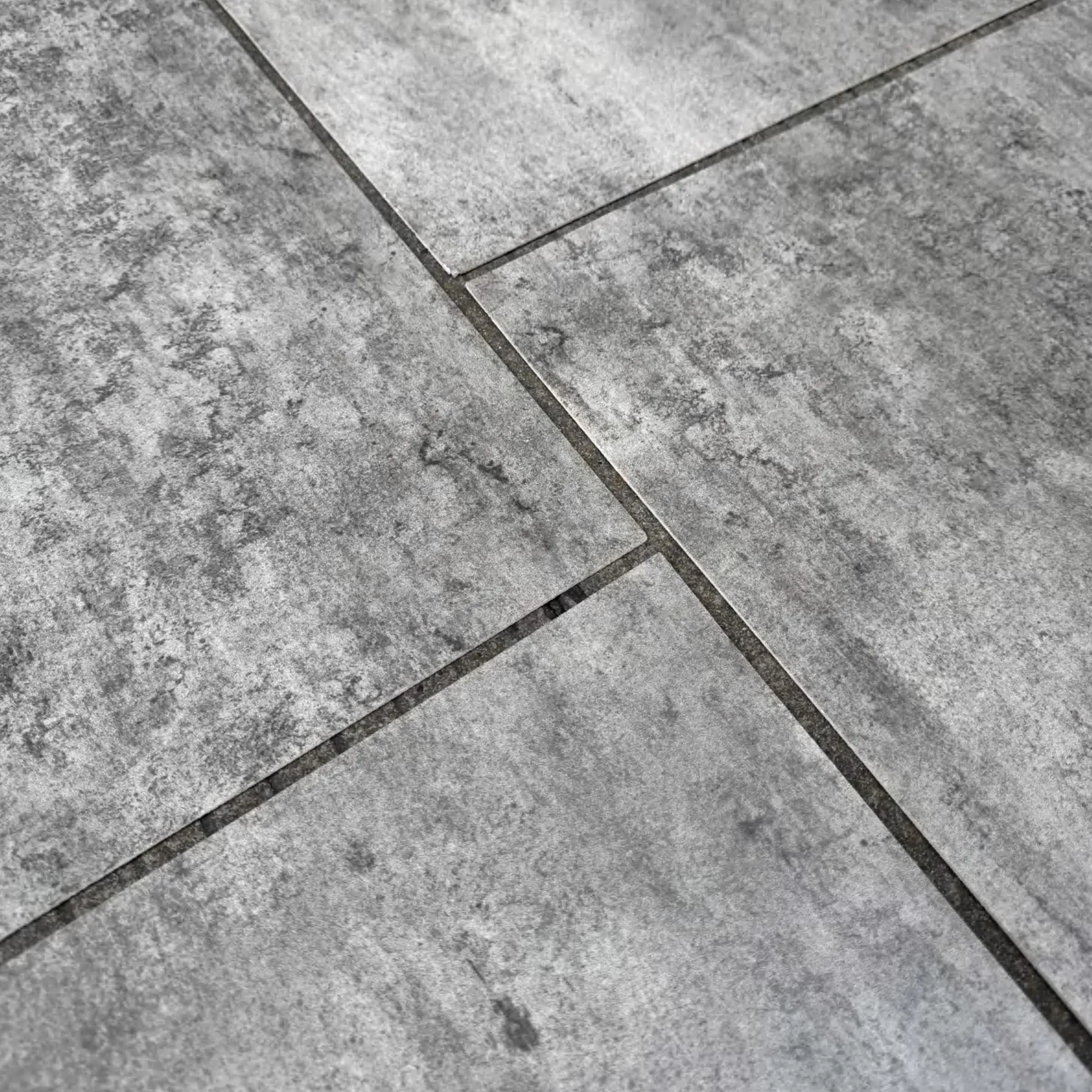
Still not convinced that COLORIA's polish concrete is worth the investment? Let's put it head-to-head with traditional concrete and other popular flooring materials. The table below breaks down key factors like durability, maintenance, and aesthetics:
| Factor | Traditional Concrete | Marble/Hardwood | COLORIA Polish Concrete (with MCM) |
|---|---|---|---|
| Compressive Strength | 3,000-4,000 psi | Marble: 10,000 psi (but brittle); Hardwood: 1,500 psi | 6,000-8,000 psi |
| Porosity (Stain Resistance) | High (absorbs liquids easily) | Marble: High (etches with acid); Hardwood: Medium (needs sealing) | Low (polymer-modified mix + sealer = stain-resistant) |
| Flexibility | Brittle (prone to cracking) | Marble: Brittle; Hardwood: Some flexibility (but scratches easily) | Flexible (up to 2-degree bend without cracking) |
| Maintenance | High (needs regular sealing; stains easily) | High (marble needs polishing; hardwood needs refinishing) | Low (sweep, mop with mild soap; reseal every 3-5 years) |
| Sustainability | Medium (high carbon footprint for cement) | Low (marble mining; hardwood deforestation) | High (40% recycled aggregates; low-VOC additives) |
| Aesthetic Versatility | Low (limited color/texture options) | High (but expensive and less durable) | Very High (custom colors, aggregates, textures; mimics stone/wood) |
The verdict? COLORIA's polish concrete isn't just better than traditional concrete—it holds its own against luxury materials like marble and hardwood, offering the best of both worlds: durability, sustainability, and endless design possibilities.
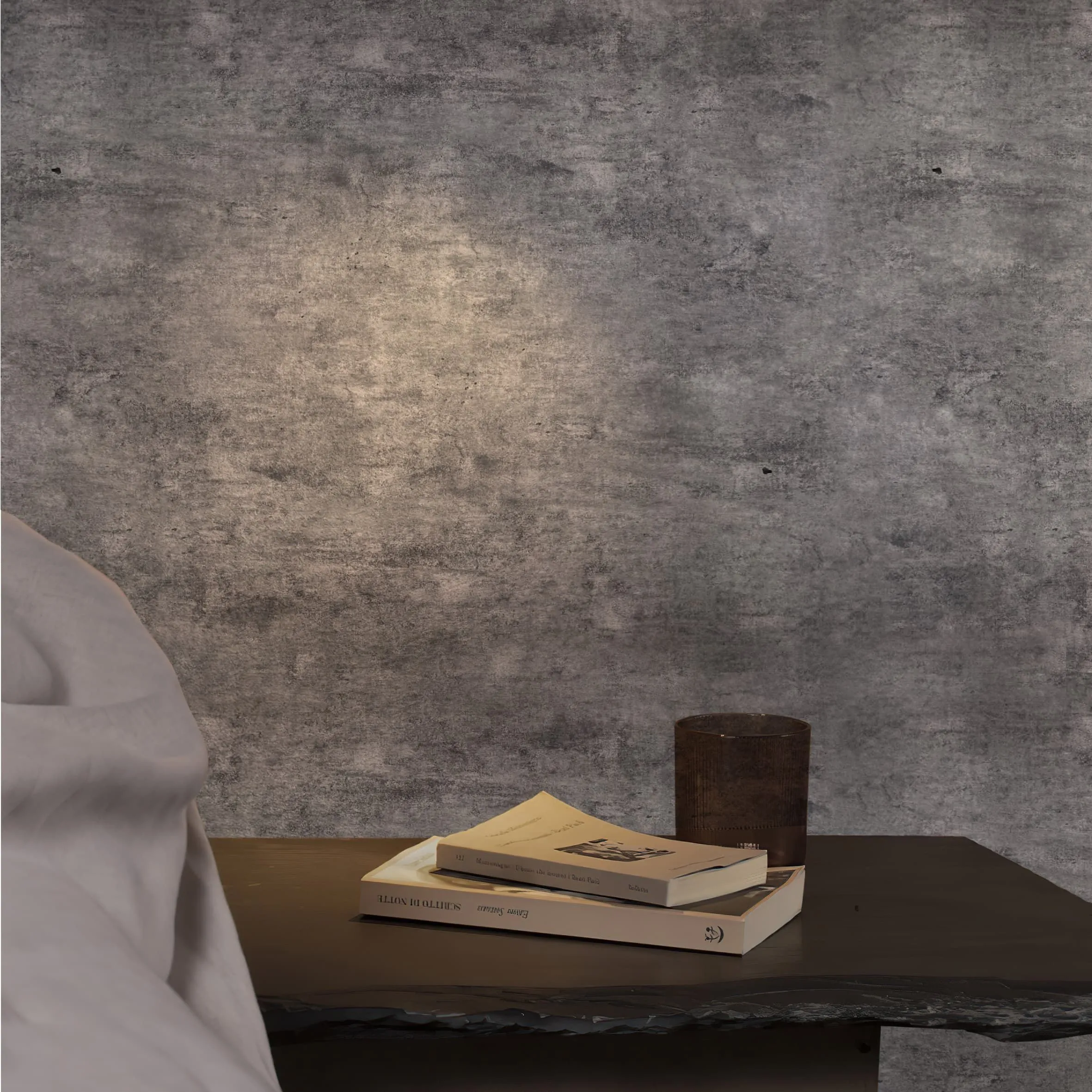
Polish concrete isn't just for floors. COLORIA's formulations are versatile enough to be used in walls, countertops, and even furniture. Let's explore a few standout applications:
Homeowners are falling in love with polish concrete for its low maintenance and timeless appeal. A kitchen with a polish concrete countertop? It's heat-resistant (no need for trivets!), scratch-proof (so your kids can roll out dough directly on it), and customizable—stain it a soft beige to match your cabinets, or leave it natural for an industrial-chic vibe. In bathrooms, COLORIA's fair-faced concrete walls add texture without the risk of mold (thanks to its low porosity). And in living rooms, their mcm big slab board series floors create a seamless flow that makes small spaces feel larger. One homeowner in Chicago raved, "I have two dogs and a toddler, and this floor has survived everything—spilled juice, muddy paws, toy trucks. It still looks as good as the day it was installed."
Restaurants, retail stores, and offices need surfaces that can handle heavy foot traffic and make a statement. COLORIA's polish concrete delivers on both. A trendy café in Portland used their travertine (starry orange) inspired polish concrete floors to complement their warm, earthy brand—imagine terracotta hues with tiny flecks of gold, like a sunset frozen in stone. A tech startup in San Francisco opted for the fair-faced concrete look in their office lobby, pairing it with glass walls and greenery for a "raw meets refined" aesthetic that reflects their innovative spirit. Even museums are using polish concrete for exhibition spaces: its neutral palette lets art take center stage, while its durability ensures it can handle thousands of visitors' footsteps.
Parks, airports, and community centers need materials that can withstand the elements and heavy use. COLORIA's polish concrete is ideal here, thanks to its freeze-thaw resistance and low maintenance. A public library in Seattle installed their mcm big slab board series in the reading courtyard, creating a large, open space where kids can play and adults can read without worrying about cracks or stains. The city's maintenance team reported that after two years, the surface still looks new—no patching, no resurfacing, just a quick power wash once a month.
As technology advances, so does polish concrete. COLORIA MCM is already experimenting with exciting new formulations, like adding conductive materials to their mixes to create heated floors (perfect for cold climates!) or integrating LED lights into the concrete for interactive installations. They're also exploring bio-based polymers, made from plant oils instead of petroleum, to make their mixes even more sustainable. Imagine a polish concrete floor that's not just beautiful and durable, but also carbon-negative—absorbing more CO2 than it emits during production. That's the future COLORIA is building.
They're also pushing the boundaries of texture. Their wave panel inspired finishes mimic the ripples of water, adding movement to walls and ceilings, while their thread texture series creates subtle, fabric-like patterns that soften concrete's industrial edge. The goal? To make concrete feel less like a "material" and more like a medium for storytelling—each surface telling a unique story of color, texture, and light.
Polish concrete has come a long way from its humble beginnings. What started as a utilitarian material has evolved into a canvas for design, thanks to advances in science and innovation. COLORIA MCM's approach—blending traditional concrete chemistry with cutting-edge technologies like MCM flexible stone and mcm big slab board series —has turned concrete into something personal, sustainable, and infinitely adaptable.
So the next time you walk across a polish concrete floor, take a moment to appreciate the science beneath your feet: the aggregates carefully selected for shine, the polymers that make it flexible, the diamond pads that turned rough into radiant. It's more than just a surface—it's a testament to human ingenuity, proving that even the oldest materials can be reimagined. And with COLORIA leading the charge, the future of polish concrete looks brighter (and more beautiful) than ever.
Recommend Products












