
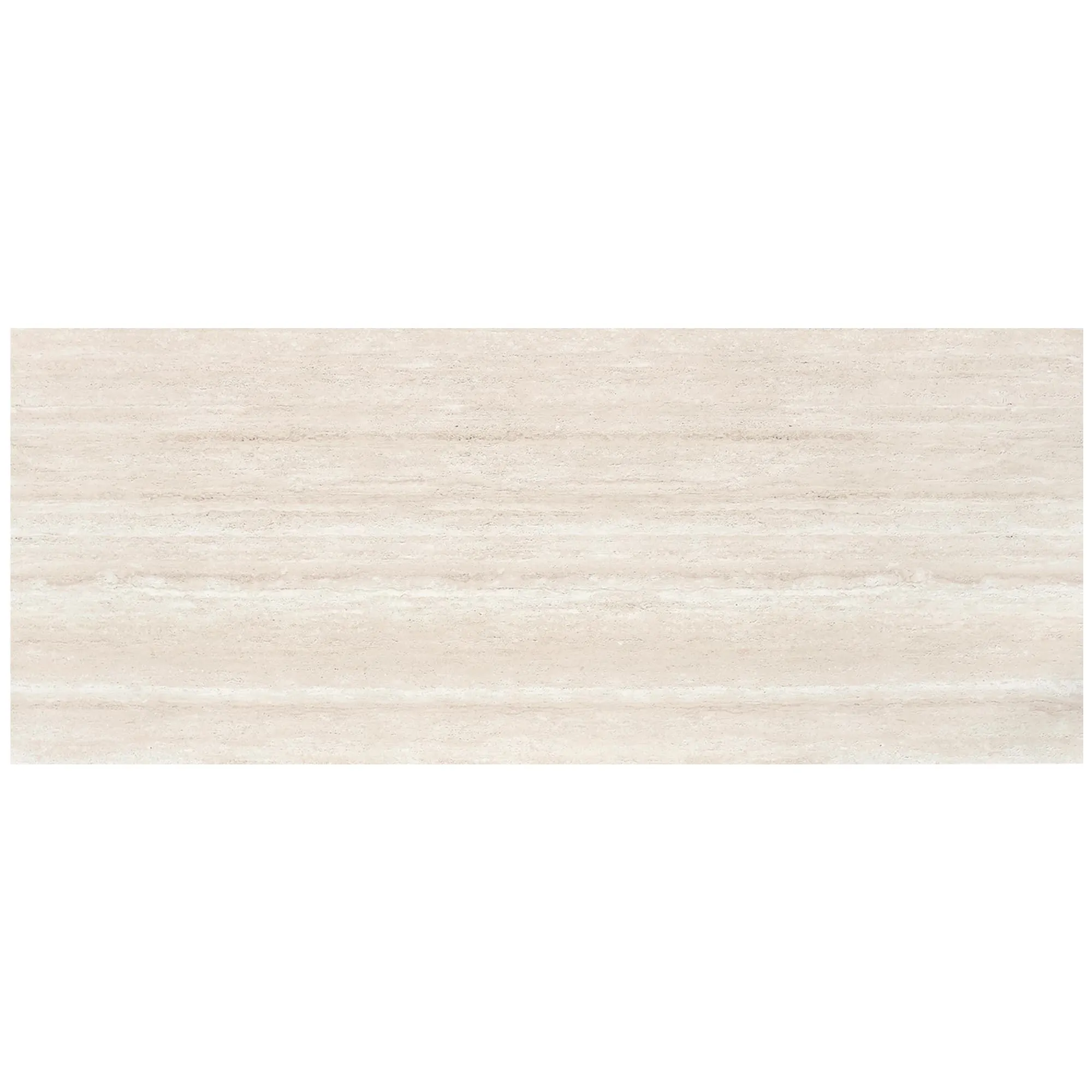
Walk through any modern city, and you'll notice a quiet revolution unfolding across its skyline. Buildings are no longer just structures—they're stories told in stone, metal, and color. Among the most compelling new chapters in this narrative is Rona Yellow MCM , a material that's turning heads not just for its warm, sunlit hue but for the groundbreaking science that brings it to life. Behind this innovation is COLORIA GROUP, a name synonymous with blending cutting-edge technology with the timeless art of architectural design. Let's dive into the world of Modified Composite Material (MCM) and uncover why Rona Yellow isn't just a color—it's a leap forward for the future of construction.
Before we get to the vibrant allure of Rona Yellow, let's start with the basics: MCM flexible stone . Short for Modified Composite Material, MCM is a game-changer in construction. Imagine a material that's as durable as traditional stone but flexible enough to wrap around curved surfaces, lightweight enough to reduce structural load, and sustainable enough to align with green building standards. That's MCM in a nutshell. Unlike rigid slabs of marble or concrete, MCM bends without breaking, installs with fewer labor hours, and resists the wear and tear of harsh weather—all while weighing up to 70% less than natural stone.
COLORIA GROUP didn't stop at flexibility, though. Their MCM 3D printing series takes innovation further, using advanced 3D modeling to craft intricate textures and patterns that were once impossible with traditional manufacturing. From the organic ripples of a wave panel to the precise lines of a linear travertine, 3D printing lets designers turn bold ideas into tangible surfaces. And for large-scale projects, the MCM big slab board series delivers seamless, expansive panels that minimize joints and create a sleek, modern look. It's material science meets artistic freedom.
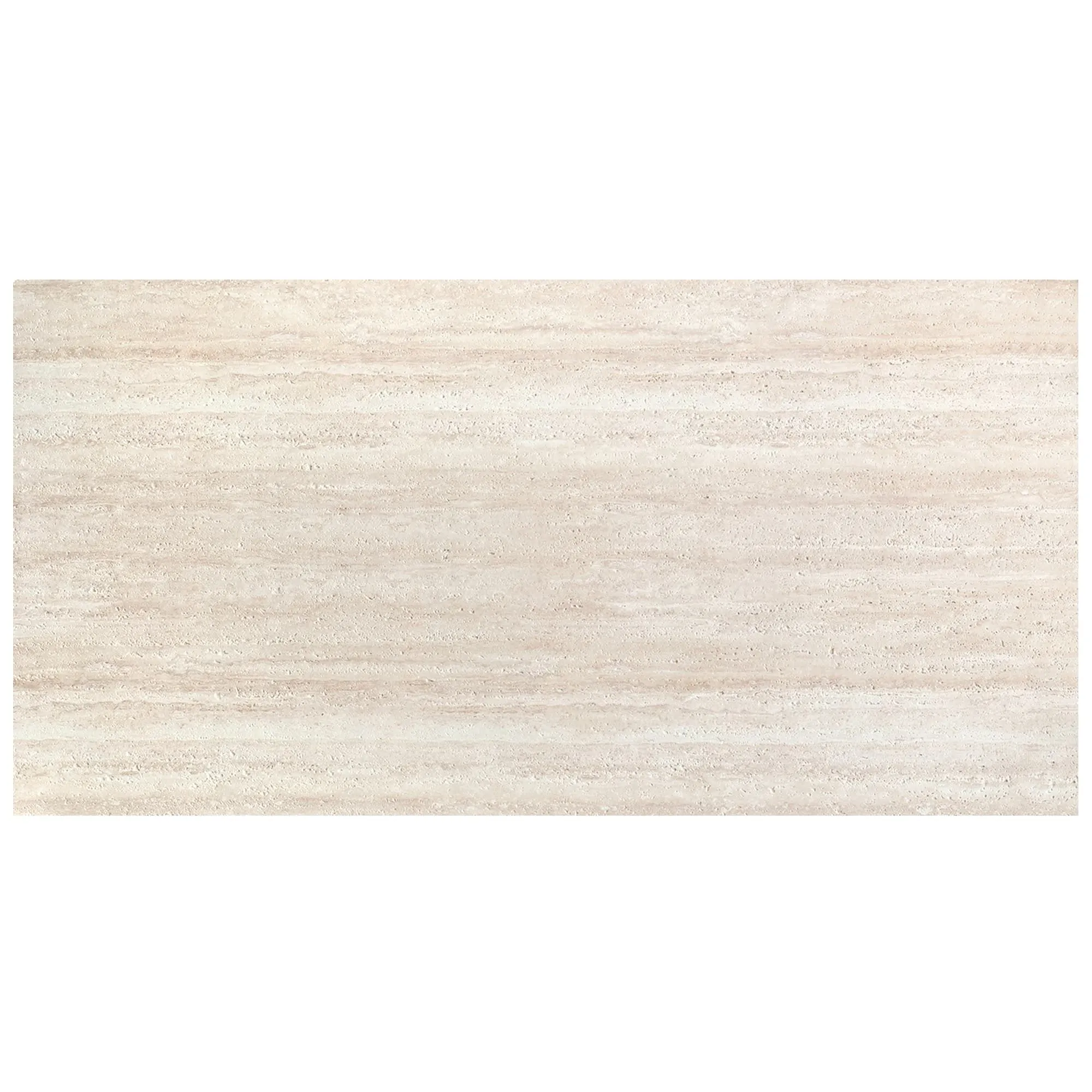
So, what makes Rona Yellow stand out in COLORIA's vast palette? It's not just a pretty shade—it's a carefully engineered color system designed to evoke emotion while standing the test of time. Named for its warm, golden undertones (think late-afternoon sunlight filtering through a window), Rona Yellow was born from a simple question: How can a building material do more than just cover a wall? How can it feel like part of the space it inhabits?
For architects and designers, color is a language. Cool grays might signal professionalism; deep blues, calm. But Rona Yellow speaks of warmth, community, and energy. It's the color of a neighborhood café that feels like home, a school hallway that sparks creativity, or a hotel lobby that welcomes guests with open arms. But making that color last—through rain, snow, UV rays, and decades of foot traffic—required some serious science.
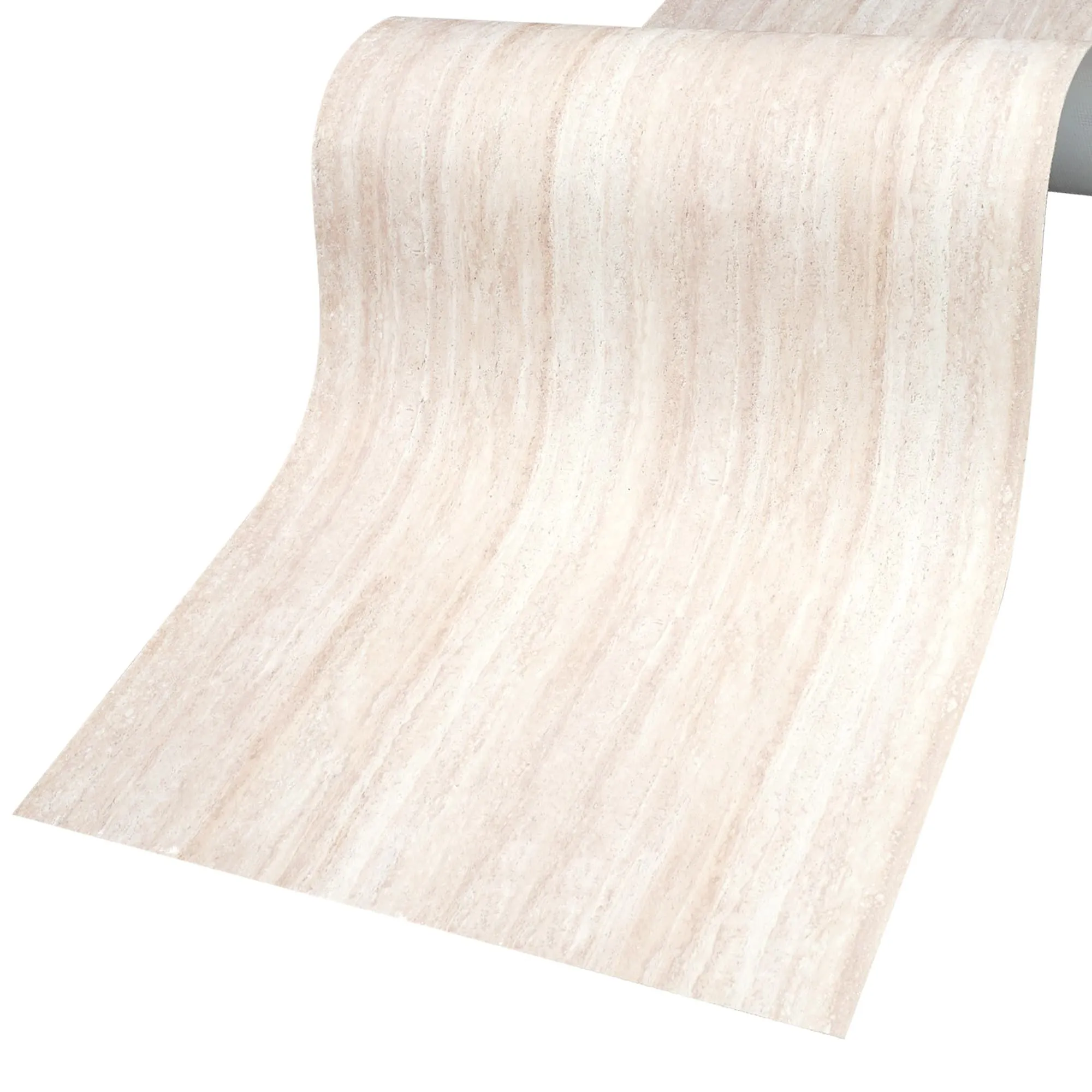
At the heart of Rona Yellow's appeal is its color stability, a feat achieved through nanotechnology and pigment engineering. Traditional paints or surface coatings fade over time, leaving once-vibrant walls looking dull. But Rona Yellow's color is embedded within the MCM matrix, not just layered on top. COLORIA's researchers developed a proprietary blend of inorganic pigments—tiny particles measuring just 50-100 nanometers—that bond with the composite material at a molecular level. This means the color doesn't chip, peel, or fade, even after years of exposure to harsh sunlight or pollution.
But it's not just about durability. The hue itself is a masterpiece of precision. Rona Yellow is calibrated to reflect light in a way that feels natural, not artificial. Unlike the brash yellows of cheap plastics or the uneven tones of natural travertine, Rona Yellow has a consistent, soft luminosity. COLORIA's color lab spent months testing different pigment ratios, even simulating how the color would look under various lighting conditions—morning sun, evening shade, indoor LEDs—to ensure it always reads as warm and inviting.
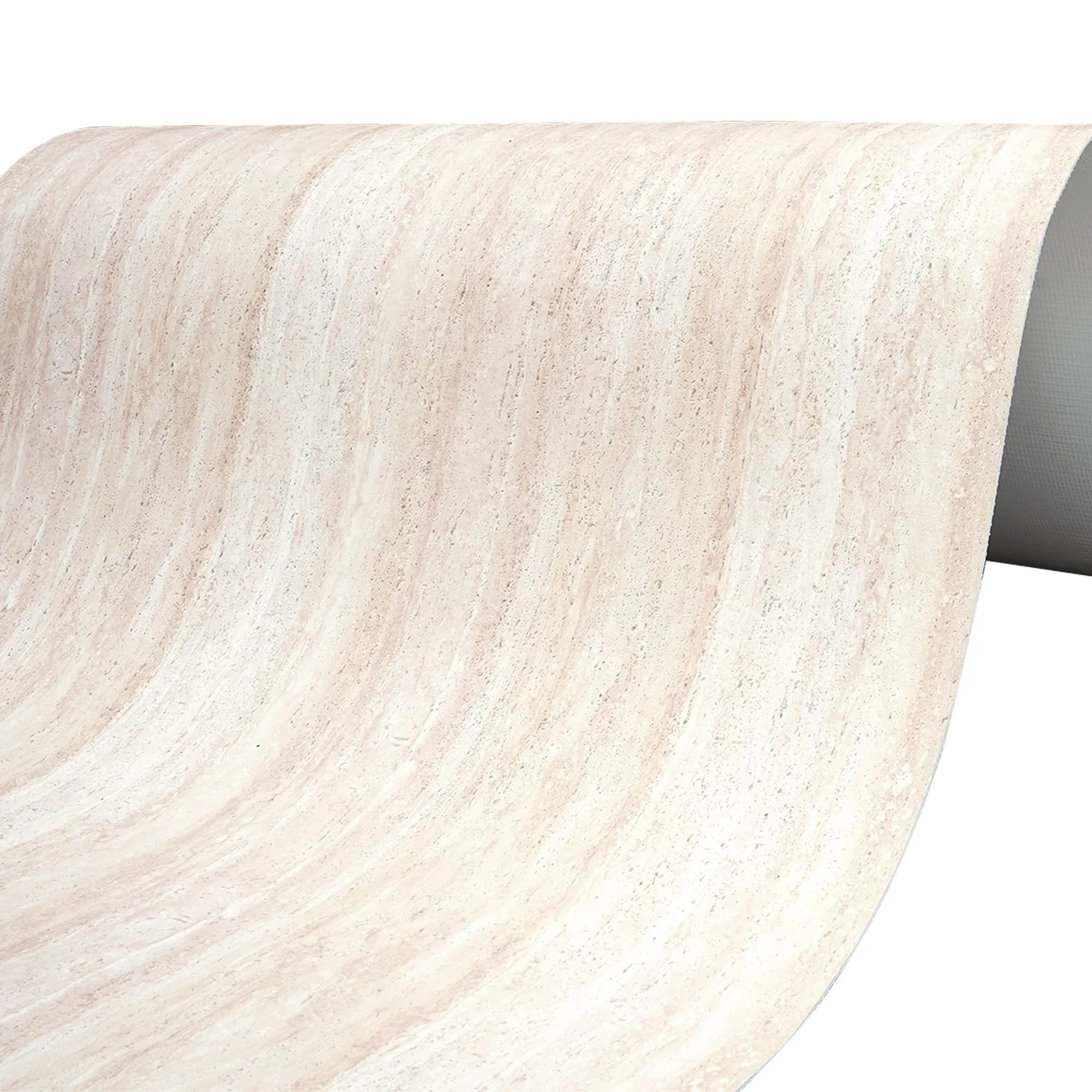
Creating Rona Yellow MCM is a dance between high-tech machinery and human expertise. It starts with raw materials: a base of mineral aggregates, polymer resins, and recycled fibers (sustainability is key here—COLORIA uses up to 30% recycled content in their MCM panels). These ingredients are mixed in precise proportions, then fed into the MCM 3D printing series machines, where layer by layer, the panel takes shape.
3D printing isn't just for small trinkets here. COLORIA's industrial 3D printers can produce panels up to 3 meters long, with textures so detailed they mimic the look of hand-chiseled stone or woven fabric. For Rona Yellow, the printer adds the pigment-infused layer during the build process, ensuring the color runs through the material, not just on top. After printing, the panels are cured in a controlled environment, where heat and pressure bond the layers into a single, flexible sheet. The result? A material that's strong enough to withstand impact, flexible enough to curve around a building's facade, and light enough to install with basic tools.
Compare that to traditional materials like fair-faced concrete, which requires heavy formwork, cures slowly, and often cracks over time. Or natural travertine, which is porous, heavy, and prone to staining. Rona Yellow MCM bridges the gap between beauty and practicality—a rare win-win in construction.
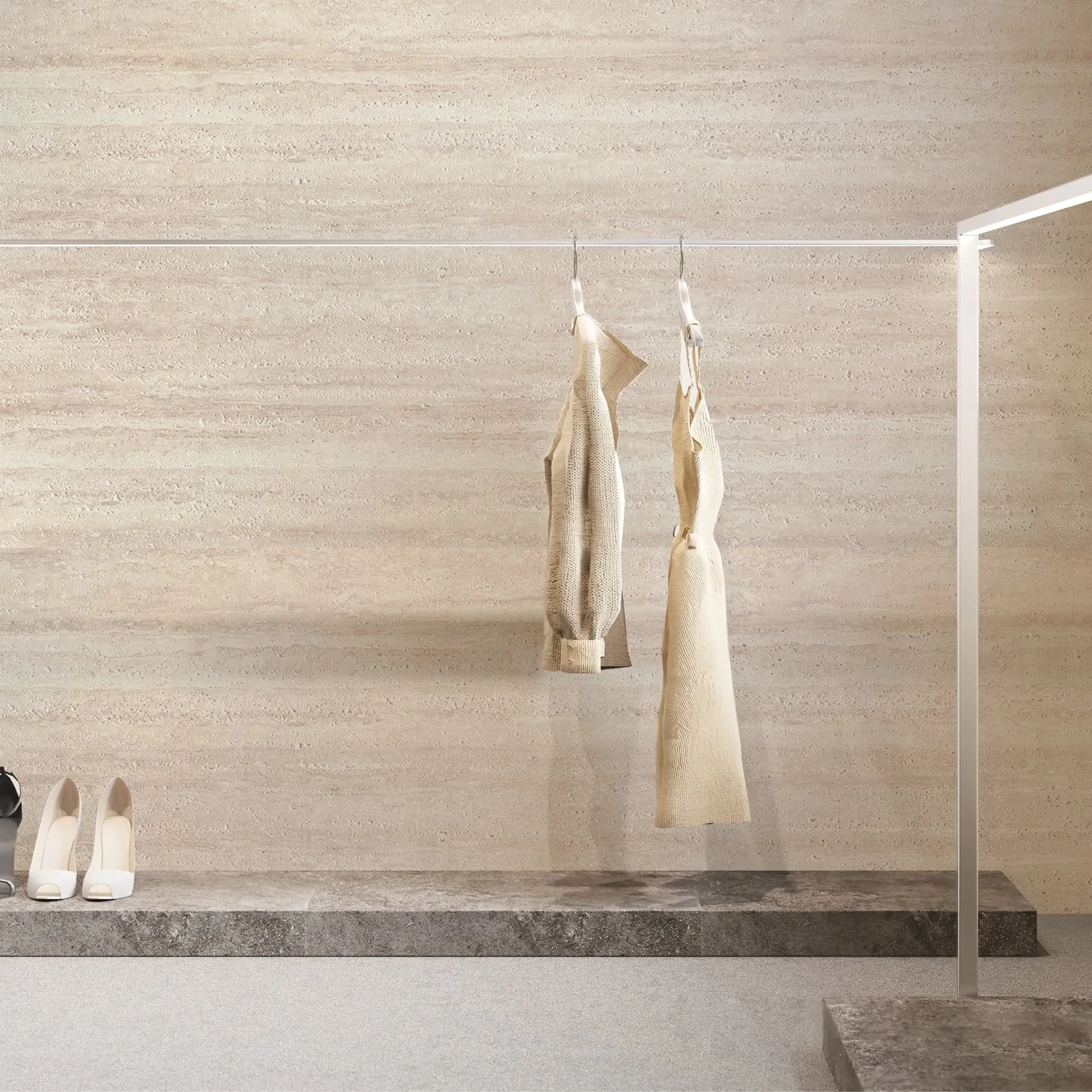
Curious how Rona Yellow MCM measures up against old standbys? Let's break it down:
| Feature | Rona Yellow MCM | Traditional Travertine | Fair-Faced Concrete |
|---|---|---|---|
| Weight (per sq.m) | 8-12 kg | 25-30 kg | 20-25 kg |
| Flexibility | Bends up to 30° without cracking | Rigid; prone to breaking under stress | Low flexibility; cracks over time |
| Color Retention | UV-resistant; no fading for 20+ years | Fades/weathers unevenly; requires sealing | Discolors with moisture; stains easily |
| Installation Time | 2-3 hours per sq.m (lightweight, easy to cut) | 5-6 hours per sq.m (heavy, requires specialized tools) | 4-5 hours per sq.m (requires curing time) |
| Sustainability | 30% recycled content; low VOC emissions | Mined from quarries; high carbon footprint | High cement usage; energy-intensive production |
Numbers tell part of the story, but real impact comes from how Rona Yellow transforms spaces. Take the Riverfront Community Center in Portland, Oregon, for example. Designed to be a hub for local events, the center needed a facade that felt welcoming but durable enough to handle rain and foot traffic. The architects chose Rona Yellow MCM panels for the main entrance, pairing them with wood grain board accents. "We wanted something that would stand out but not clash with the surrounding greenery," says lead architect Maria Gonzalez. "Rona Yellow feels like a hug—warm, inviting, and it changes with the light. In the morning, it's bright and energetic; in the evening, it glows softly. It's become the heart of the building."
Or consider the renovation of a 1920s theater in Chicago. The historic building needed updates to meet modern safety codes, but the owners were determined to preserve its classic charm. Enter Rona Yellow MCM in the MCM big slab board series . The large, seamless panels were custom-cut to match the theater's original archways, their warm hue complementing the vintage brickwork. "We could have used traditional stone, but the weight would have required reinforcing the structure," explains restoration specialist James Chen. "Rona Yellow gave us the look of old-world elegance with new-world practicality. It's a material that respects history while moving it forward."
Rona Yellow isn't a one-off for COLORIA GROUP—it's part of a larger mission to reimagine building materials. Founded in 2005, the company has always prioritized research and development, investing over 15% of its annual revenue into labs and testing facilities. Their team of materials scientists, architects, and designers works together to solve real-world problems: How can we make buildings lighter? More sustainable? More expressive?
The MCM 3D printing series is a perfect example. By adopting 3D technology, COLORIA eliminated the need for expensive molds, allowing for custom textures and patterns at a fraction of the cost. And their commitment to sustainability goes beyond recycled content—their factories run on solar power, and waste from production is repurposed into new materials. It's a circular approach that's earned them certifications from LEED and the Green Building Council.
But perhaps the most inspiring thing about COLORIA is their belief that innovation should be accessible. Rona Yellow, for all its advanced science, is priced competitively with high-end natural stone, making it a viable option for projects big and small. "We don't want great design to be a luxury," says COLORIA's chief innovation officer, Dr. Elena Patel. "Materials like Rona Yellow are about giving every designer, every builder, the tools to create spaces that matter."
As we look ahead, Rona Yellow MCM is just the beginning. COLORIA GROUP is already experimenting with self-healing MCM (materials that repair small cracks on their own) and color-changing panels that adjust to temperature. But even as technology evolves, the core idea remains the same: buildings are for people. They should make us feel safe, inspired, and connected to our surroundings.
Rona Yellow embodies that idea. It's a material that doesn't just exist in a space—it enhances it. Whether it's warming up a hospital waiting room, defining a corporate lobby, or preserving the character of a historic landmark, Rona Yellow proves that science and soul can coexist. And in a world where we spend 90% of our time indoors, that's a innovation worth celebrating.
So the next time you pass a building with a facade that makes you pause and smile, take a closer look. It might just be Rona Yellow MCM—and behind it, a team of innovators at COLORIA GROUP who refused to ask, "What's possible?" and instead asked, "What if?"
Recommend Products












