
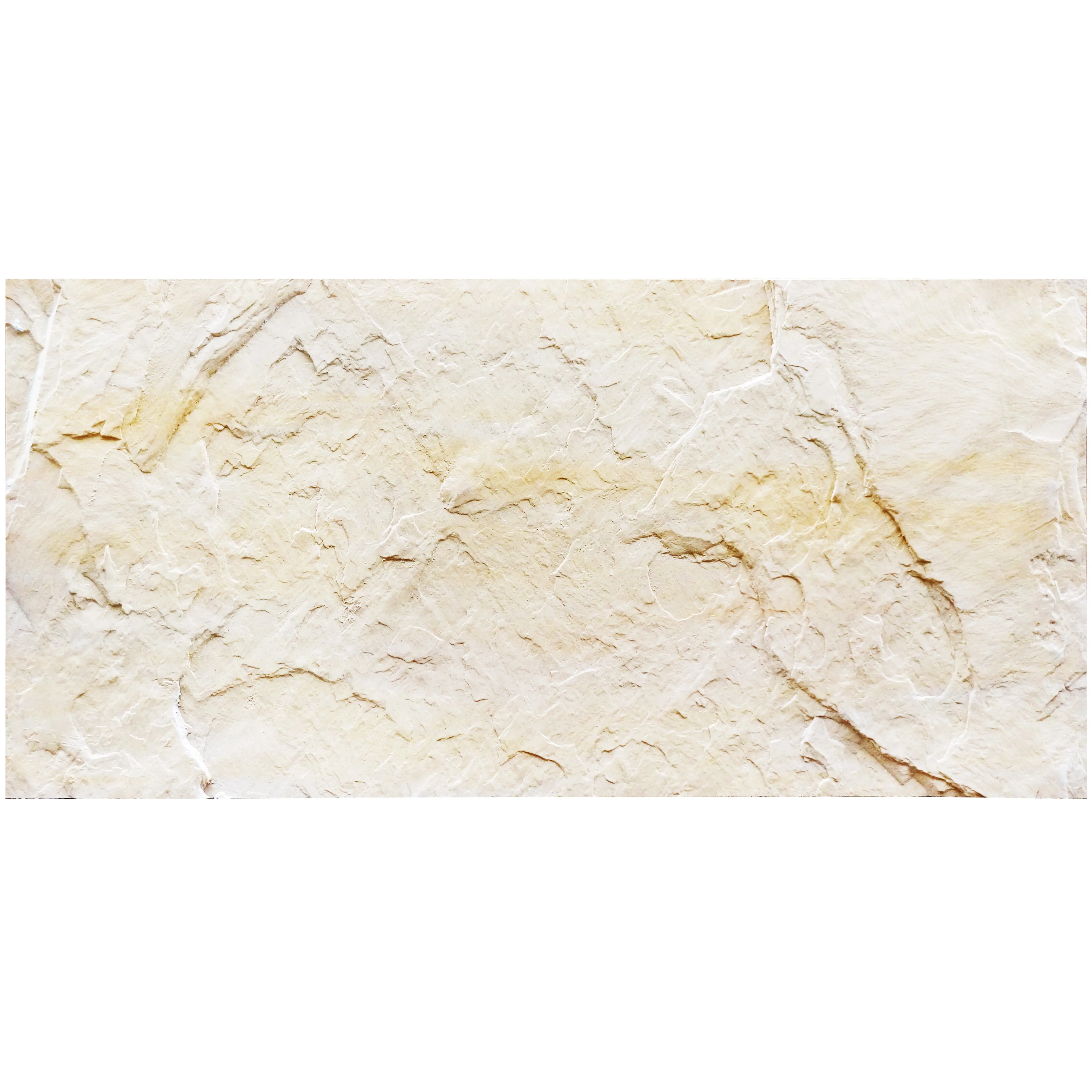
How a modern building material is bending the rules of architecture—literally
Walk through any major city today, and you'll notice a shift in the skyline. Gone are the days when buildings were confined to sharp angles and boxy silhouettes. Instead, architects are reaching for curves—sweeping facades that mimic natural landscapes, undulating walls that invite touch, and rounded interiors that feel less like a room and more like a hug. But here's the thing about curves: they're beautiful, but they've never been easy to pull off.
Traditional building materials—think thick stone slabs, rigid concrete panels, or heavy ceramic tiles—are designed to be strong and stable, not flexible. To create a curved surface with these materials, you'd need custom cutting, complex scaffolding, and a whole lot of patience. Even then, the result often feels forced, with visible seams or uneven edges that break the illusion of fluidity. And don't get me started on weight: a curved wall made of solid granite? You'd need a foundation strong enough to support a small mountain.
Enter Slate Sunnye. If you've ever wondered how today's most stunning curved structures—from boutique hotels with winding lobbies to art galleries with vaulted ceilings—manage to look so seamless, this material might just be the secret. It's not just another pretty stone; it's a feat of engineering that marries the timeless appeal of natural texture with the kind of flexibility that makes architects do a double-take. Let's dive into the science behind its bendable magic.
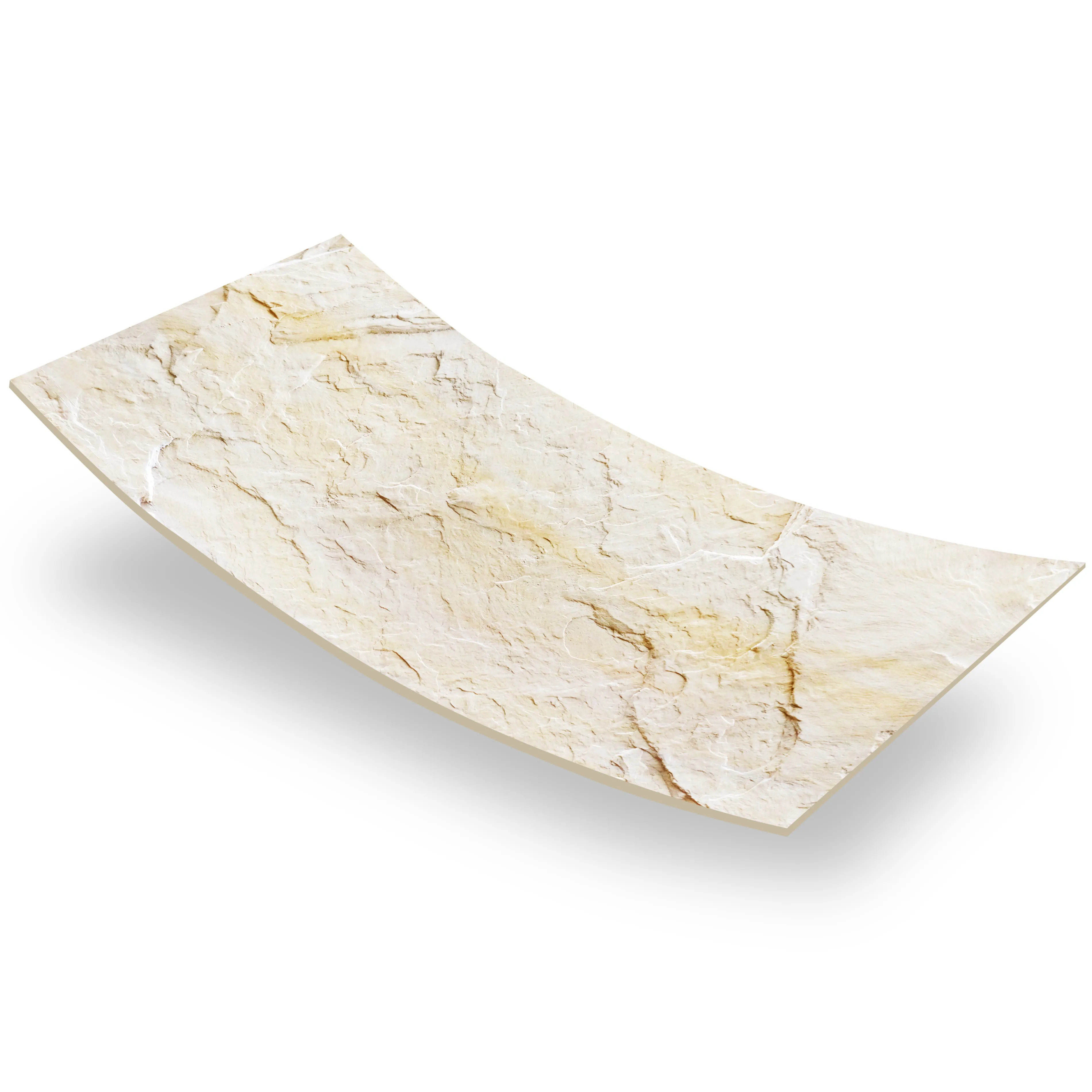
First off, let's clear something up: Slate Sunnye isn't your grandma's slate. Traditional slate is brittle, prone to cracking if you so much as look at it wrong. But run your hand over a Slate Sunnye panel, and you'll notice the difference immediately. It's thinner—usually around 4-6mm thick—yet surprisingly sturdy. Flex it gently (go on, try it), and it bends like a stiff piece of cardboard, not a rigid rock. How is that possible?
The answer lies in its composition. Slate Sunnye is part of the broader MCM flexible stone family—a category of materials that reimagine what "stone" can be. Instead of using solid blocks of quarried rock, MCM (Modified Composite Material) flexible stone starts with natural stone aggregates—think crushed slate, marble, or travertine—mixed with a high-performance polymer resin. This blend is then layered, compressed, and cured under controlled conditions to create a panel that's both lightweight and remarkably flexible.
But Slate Sunnye takes this a step further. Its unique formula includes a proprietary mix of resins that enhance elasticity without sacrificing durability. Think of it like a well-made yoga mat: it stretches and bends, but it always snaps back into shape. This isn't just about being "bendable for the sake of it"—it's about solving a real problem for architects and builders.
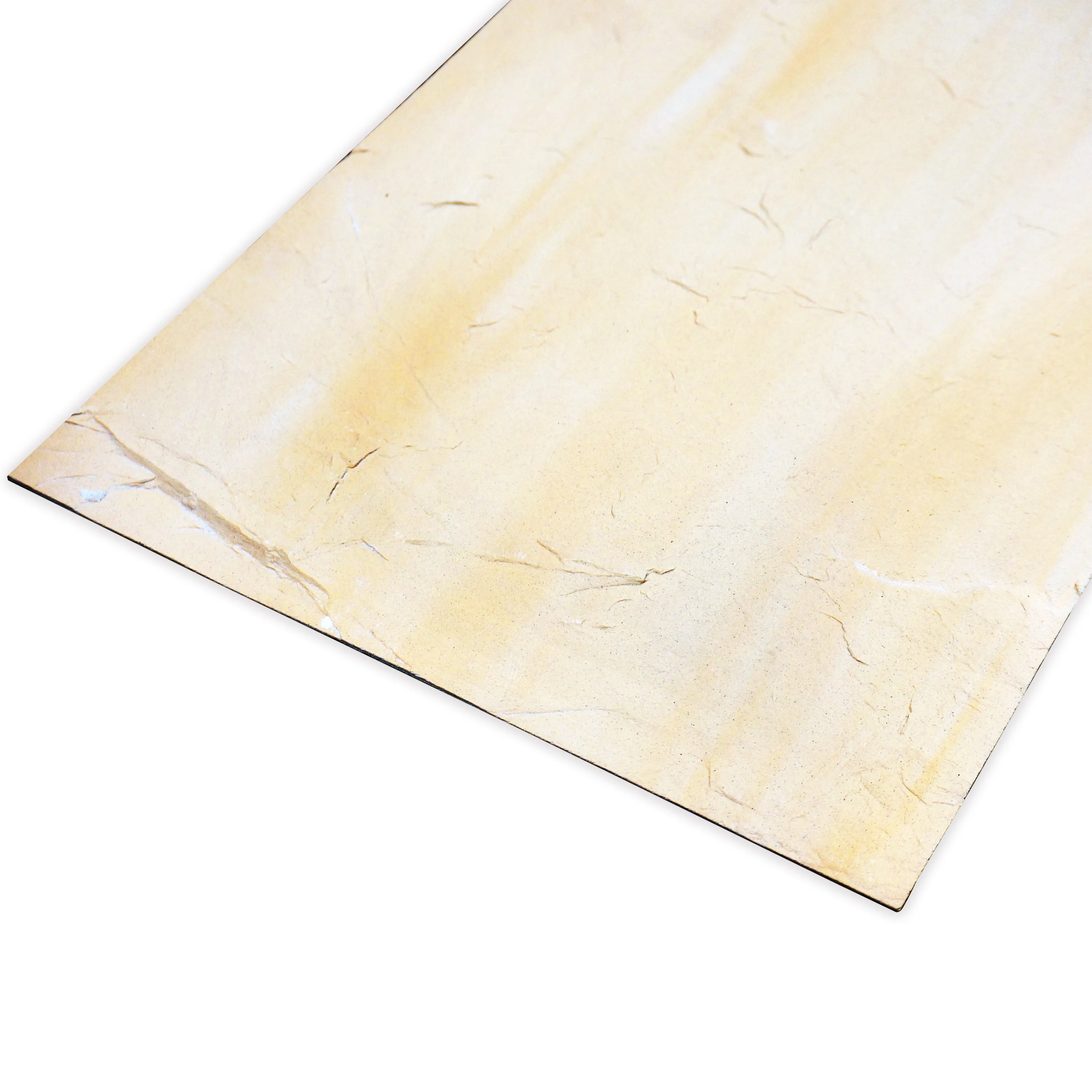
Slate Sunnye's flexibility starts with its structure. Unlike solid stone, which is homogeneous (the same all the way through), Slate Sunnye is built in layers. Imagine a sandwich: a core of lightweight, flexible resin, sandwiched between thin layers of stone aggregate. This "layered composite" design is key. When you bend the panel, the layers work together: the resin core stretches, while the stone aggregates—held in place by the resin—distribute stress evenly, preventing cracks.
To put it in simple terms: solid stone bends until it reaches a breaking point (which isn't very far). Slate Sunnye's layers allow it to "give" without reaching that point. It's like the difference between bending a wooden ruler (which snaps) and bending a laminated wooden board (which bends smoothly). This structure also makes the panels surprisingly lightweight—around 6-8 kg per square meter, compared to 20-30 kg for traditional slate. That might not sound like a big deal, but for a curved ceiling or a high-rise facade, every kilogram saved reduces structural stress and cuts installation time.
Not all resins are created equal. The polymer resin used in Slate Sunnye is specially formulated to be both strong and elastic. It's similar to the resins used in high-performance plastics or even some sports equipment—think of a tennis racket frame, which needs to flex on impact but retain its shape. When mixed with stone aggregates, this resin acts like a "shock absorber," allowing the panel to bend under pressure and then return to its original form.
But here's the clever part: the resin doesn't just hold the stone together—it also protects it. Traditional stone is porous, meaning it absorbs water, stains, and even pollution over time. Slate Sunnye's resin matrix seals the stone aggregates, making the panels water-resistant, stain-proof, and UV-stable. So, it's not just flexible—it's durable, too. That's a big win for exterior applications, where weather can wreak havoc on less resilient materials.
Creating a flexible stone panel isn't as simple as mixing resin and rock. The manufacturing process for Slate Sunnye involves tight control over temperature, pressure, and curing time. Each panel is pressed under high pressure to ensure the layers bond evenly, then cured in a controlled environment to let the resin set without developing weak spots. This precision ensures that every panel bends consistently—no surprises on the job site.
Fun fact: The bending radius (how tightly the panel can curve) is tested rigorously during production. Most Slate Sunnye panels can handle a minimum bending radius of 50cm, which is more than enough for most architectural curves. Compare that to fair-faced concrete, which often requires a radius of several meters (or more) to avoid cracking, and you start to see why Slate Sunnye is a game-changer.
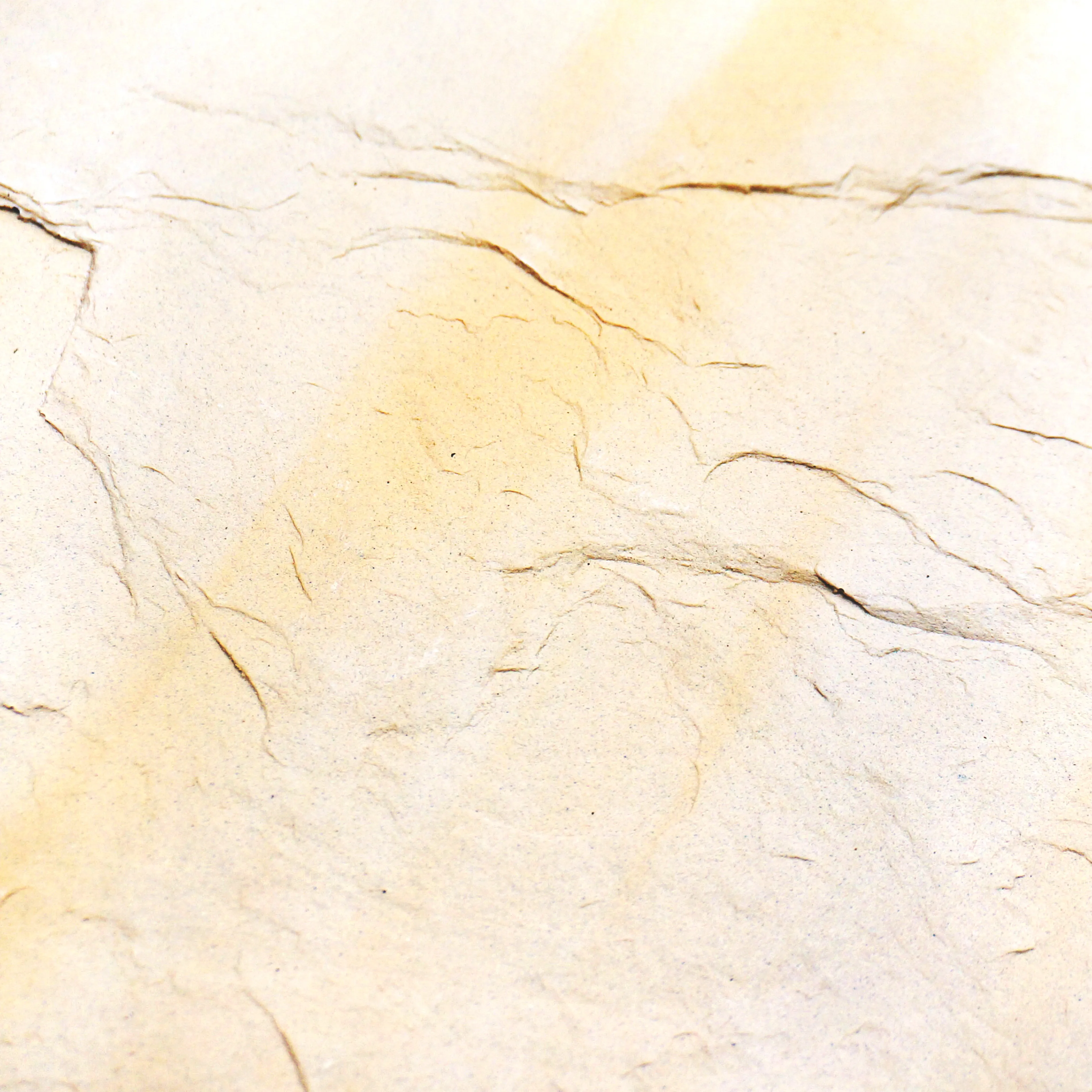
Flexibility is great, but how does Slate Sunnye compare to other materials architects might consider for curved surfaces? Let's break it down. Below is a side-by-side comparison with three common alternatives: fair-faced concrete (a rigid classic), bamboo mat board (a textured, organic option), and Lunar peak silvery (another popular MCM flexible stone with a metallic finish).
| Material | Max Bending Radius | Weight (kg/m²) | Durability (UV/Water Resistance) | Best For |
|---|---|---|---|---|
| Slate Sunnye | 50cm (tight curves) | 6-8 kg | Excellent (resin-sealed) | Curved facades, interior accent walls, vaulted ceilings |
| Fair-faced Concrete | 3m+ (gentle curves only) | 20-25 kg | Good (but porous; needs sealing) | Large, flat surfaces; minimal curves |
| Bamboo Mat Board | 80cm (moderate curves) | 7-9 kg | Moderate (prone to warping if wet) | Interior walls, ceilings (dry environments) |
| Lunar peak silvery | 60cm (moderate curves) | 7-9 kg | Excellent (metallic finish resists fading) | Modern, sleek exteriors; accent panels |
The takeaway? Slate Sunnye isn't just "flexible"—it's practically flexible . Its tight bending radius and lightweight design make it the go-to for projects where curves are non-negotiable. Fair-faced concrete, while durable, simply can't compete when it comes to creating the kind of sweeping, organic shapes that define modern architecture. And while bamboo mat board and Lunar peak silvery have their merits, Slate Sunnye balances flexibility, durability, and aesthetics in a way that's hard to match.
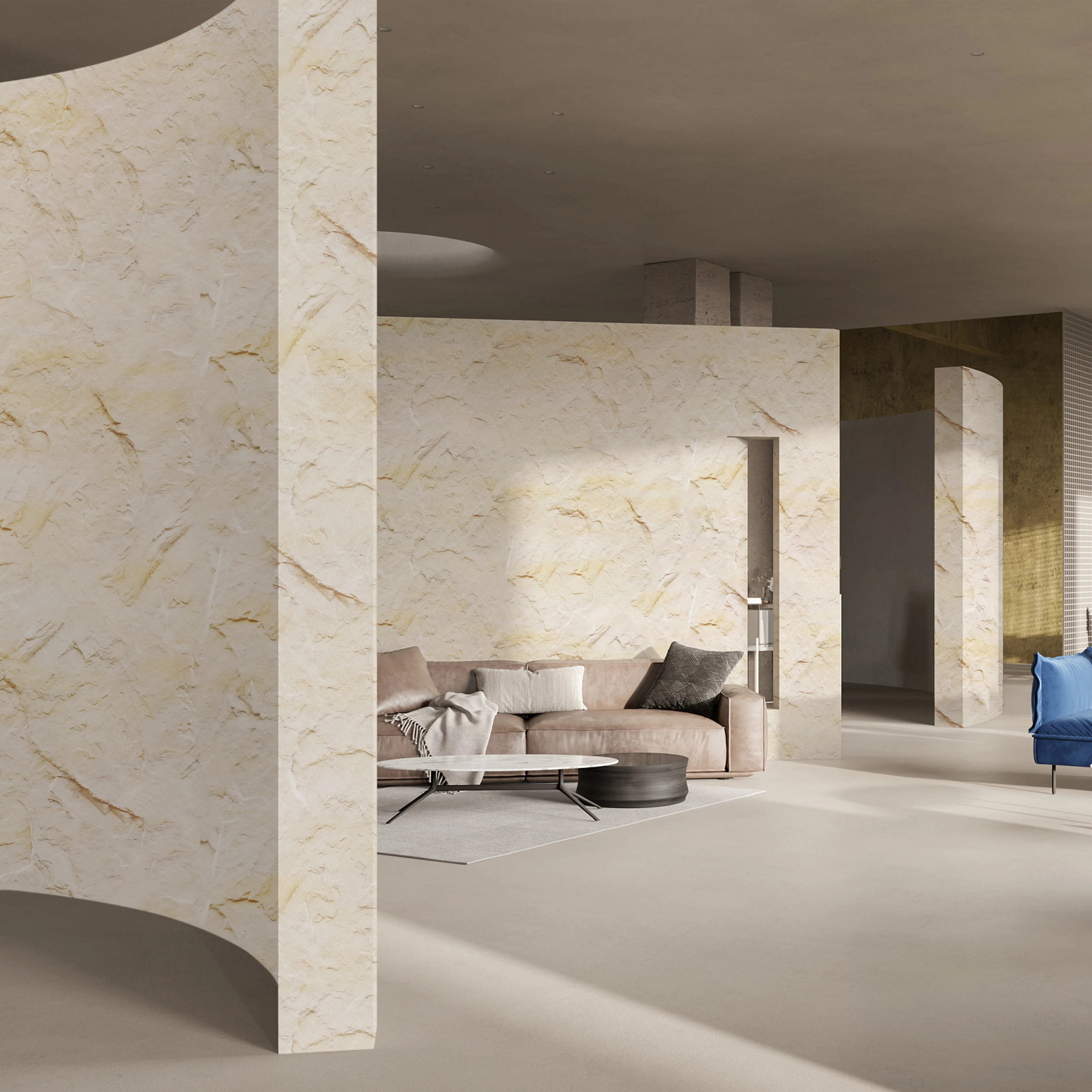
So, where exactly is Slate Sunnye making an impact? Let's look at a few scenarios where its flexibility shines:
Imagine walking into a hotel where the lobby isn't just a room—it's an experience. The walls curve gently from floor to ceiling, guiding your eye toward a sunlit atrium. The material? Slate Sunnye in a soft, earthy tone. Traditional stone would require the walls to be thick and supported by bulky frames, but Slate Sunnye's thin profile means the curves feel light and airy. Plus, because it's lightweight, installation was a breeze: workers could carry panels by hand, no heavy machinery needed. The result? A space that feels intimate and grand, all at once.
Museums often struggle with balancing art and architecture—you want the building to complement the exhibits, not overshadow them. A recent museum in Europe solved this by using Slate Sunnye for its vaulted ceiling. The panels were curved to mimic the shape of a wave, creating a sense of movement that mirrors the dynamic art below. Because Slate Sunnye is fire-resistant and moisture-resistant, it's also practical for a space that needs to protect valuable artwork. And unlike painted concrete, it adds texture without overwhelming the room.
Outdoor spaces are getting more ambitious, and curved outdoor kitchens are a hot trend. But traditional materials like tile or stone can crack in extreme temperatures, and wood needs constant maintenance. Slate Sunnye? It's UV-resistant, so it won't fade in the sun, and its resin seal keeps moisture out—perfect for a kitchen that's exposed to rain, snow, or humidity. One homeowner in California used Slate Sunnye for their curved kitchen backsplash, pairing it with bamboo mat board for the cabinet fronts. The result? A space that feels both rustic and modern, with curves that make cooking outdoors feel like a luxury.
At this point, you might be thinking, "Okay, it bends—so what?" But for architects and designers, flexibility isn't just a cool party trick. It's about freedom. Freedom to design without being limited by rigid materials. Freedom to create buildings that feel human, not machine-made. Freedom to turn a sketch on a napkin into a real, buildable structure.
Take, for example, the challenge of retrofitting a historic building with modern amenities. Many older structures have curved walls or irregular shapes that don't play well with modern, flat materials. Slate Sunnye can conform to those curves, preserving the building's character while updating its functionality. Or consider sustainability: because Slate Sunnye is lightweight, it reduces the need for heavy structural support, which means less concrete, less steel, and a smaller carbon footprint overall.
And let's not forget about cost. Traditional curved stonework is expensive—custom cutting, specialized labor, and long installation times add up fast. Slate Sunnye panels come pre-cut to size, and because they're flexible, they can be installed with standard tools. One contractor I spoke to estimated that using Slate Sunnye cut installation time for a curved facade by nearly 40% compared to traditional stone. That's a huge savings in both time and money.
As architecture continues to evolve, curves are here to stay. We're moving away from the "boxy" aesthetic of the 20th century and toward buildings that feel more connected to nature—organic, flowing, and yes, curved. Slate Sunnye isn't just keeping up with this trend; it's helping to drive it.
Looking ahead, we might see even more innovations in flexible stone technology—thinner panels, more custom colors, or blends with other materials like foamed aluminium alloy board for added strength. But for now, Slate Sunnye stands out as a material that solves a problem we've been grappling with for decades: how to make curves both beautiful and buildable.
So, the next time you walk past a building with a curved facade that takes your breath away, take a closer look. Chances are, it's not magic holding it all together—it's science. And Slate Sunnye is leading the charge, one bendable panel at a time.
Recommend Products












