

How a single material is redefining design possibilities for architects and dreamers alike
Picture this: a sleek, contemporary hotel lobby in downtown Tokyo. The walls rise like a canvas, painted in a hue so vivid it stops you in your tracks—a deep, velvety red that shifts from cherry to garnet as you move. But it's not just the color that captivates; tiny, iridescent flecks dot the surface, catching the light like scattered stardust. This isn't a digital projection or a trick of paint. It's Travertine (Starry Red) MCM , a material that's been quietly revolutionizing the world since its debut. For architects and designers, it's more than just a cladding option—it's a bridge between nature's raw beauty and human ingenuity. But what makes this material so special? Let's peel back the layers and explore the science, the stories, and the breakthrough engineering that brought Travertine (Starry Red) to life.
Before we dive into the star of the show, let's get acquainted with its family: MCM , or Modified Composite Material. If traditional building materials were classic novels, MCM is the bold, genre-bending sequel. It's a hybrid—part natural, part engineered—designed to fix the headaches that have plagued architects for decades. Think about traditional stone: stunning, yes, but heavy enough to require reinforced structures, brittle enough to crack during transport, and limited in color options. MCM flips that script.
At its core, MCM blends natural mineral aggregates (like crushed stone, marble dust, or in this case, travertine particles) with high-performance polymers. The result? A material that's lightweight, flexible, and surprisingly tough. But not all MCMs are created equal. COLORIA, the brains behind Travertine (Starry Red), didn't just slap together stone and plastic. They spent years refining the formula, focusing on two key goals: authenticity and innovation . The result is a line of products that feel like natural stone but behave like a modern marvel—none more so than their star player, Travertine (Starry Red).
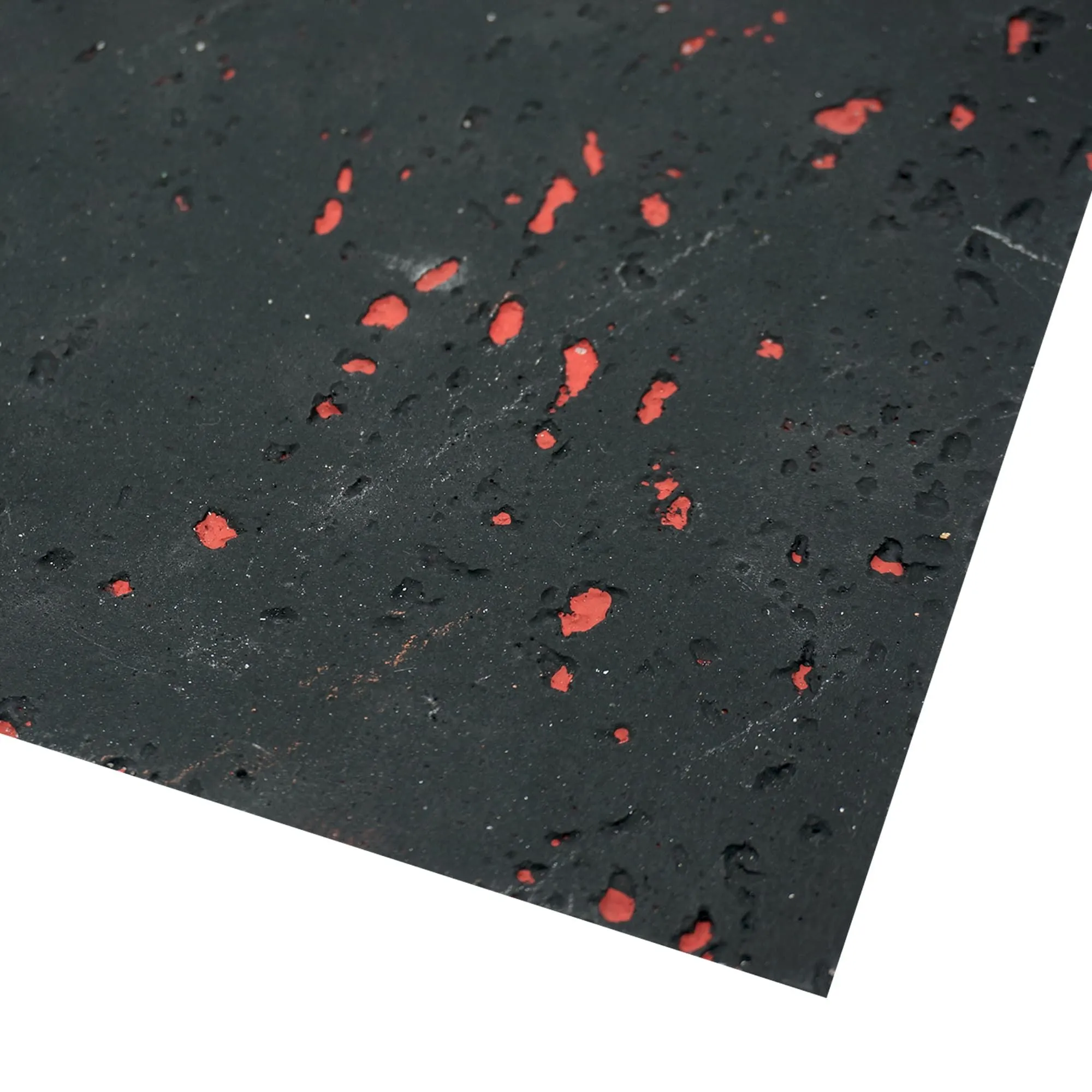
The story of Travertine (Starry Red) starts not in a lab, but in a conversation. Back in 2018, COLORIA's design team was meeting with a group of architects from Dubai. One of them, a veteran designer named Sarah, lamented the limitations of traditional red stone: "I want a red that feels alive," she said. "Something that isn't flat—something that moves when the light changes. And it needs to bend. We're building a curved facade, and traditional travertine just… breaks."
That challenge stuck. The team began experimenting with travertine, a natural stone known for its porous, earthy texture, but they wanted to amplify its personality. They started with the color: red. Not just any red— Starry Red . The "starry" effect came from a happy accident. A lab technician, testing mineral additives, mixed in a batch of micro-sized, iridescent glass particles (no bigger than a grain of sand) with iron oxide pigments. When the sample cured, the particles caught the light, creating a shimmer that looked like stars in a night sky. The rest, as they say, is history.
But the real magic? Making that beauty functional . Enter MCM flexible stone —a technology COLORIA had been perfecting for years. Unlike rigid traditional stone, MCM flexible stone bends without breaking, thanks to its polymer matrix. For Travertine (Starry Red), this meant the material could wrap around curved surfaces, climb walls, or even be used as ceiling panels—all without the risk of cracks or chips. Suddenly, Sarah's curved facade wasn't just a dream.
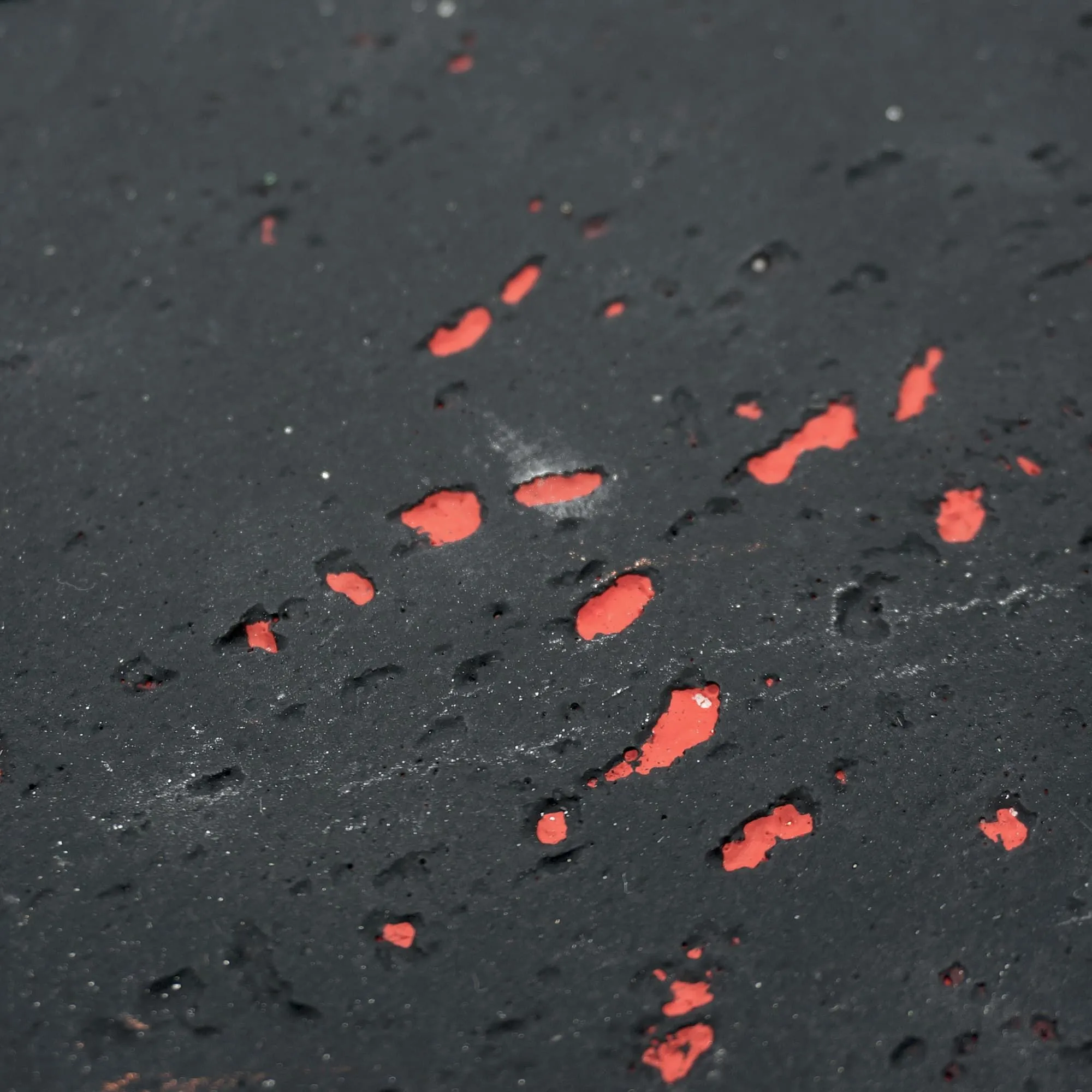
Let's talk about that color. Red is tricky in building materials. Traditional red stones, like some marbles or granites, fade under UV light, turning from vibrant to washed-out over time. Travertine (Starry Red) MCM? It stays red— intensely red—for decades. How? The secret lies in the pigments and the way they're locked into the material.
COLORIA uses ceramic-based pigments instead of organic dyes. Ceramic pigments are fired at high temperatures, making their color molecules stable and resistant to UV radiation. When mixed into the MCM matrix, they're essentially "encased" in the polymer, creating a barrier against sunlight, moisture, and pollution. Tests show that even after 20 years of outdoor exposure, Travertine (Starry Red) retains over 95% of its original color intensity—a feat traditional red travertine can't match.
Then there are the "stars." Those tiny, glittering flecks are actually nano-sized aluminum oxide particles coated with titanium dioxide. When light hits them, they scatter it in all directions, creating that starry sparkle. But here's the engineering twist: the particles are evenly distributed using a computer-controlled mixing process. In traditional stone, mineral deposits are random, leading to uneven color or sparkle. With MCM, COLORIA can dial in the "star density"—from a subtle dusting to a galaxy-like explosion—depending on the project's needs. For a luxury boutique, maybe 10 particles per square inch; for a grand theater lobby, 50. It's precision meets artistry.
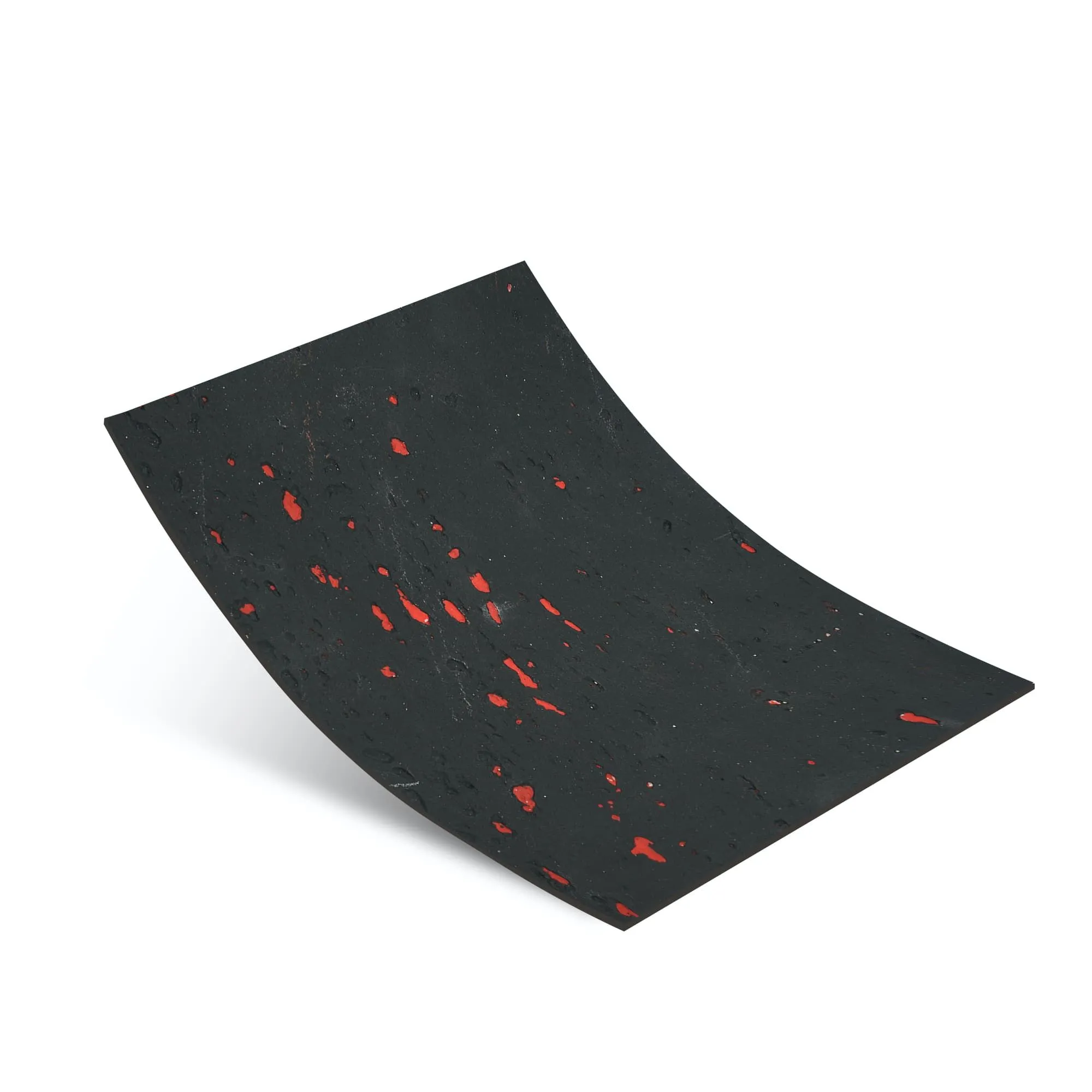
Travertine (Starry Red) isn't just a pretty face. It's a showcase for three game-changing engineering advances that set COLORIA apart in the MCM world. Let's break them down.
Traditional travertine is rigid—so rigid that even a small bend can cause it to snap. MCM flexible stone changes that. The polymer matrix acts like a "shock absorber," allowing the material to flex up to 5 degrees without permanent damage. To put that in perspective: if you lean a 10-foot slab of traditional travertine against a wall, it might crack under its own weight. Travertine (Starry Red) MCM? You could roll it up (gently!) like a yoga mat for transport. This flexibility cuts installation time by 40%—no need for heavy cranes or reinforced mounting systems. A team of two can install a 200-square-foot wall in a day, compared to a week with traditional stone.
Here's another problem with traditional stone: the bigger the slab, the more likely it is to crack. That's why most natural stone slabs max out at around 4x8 feet. COLORIA's MCM big slab board series shatters that limit. Travertine (Starry Red) is available in slabs up to 6x10 feet—large enough to cover an entire wall with minimal seams. How? It starts with the manufacturing process: a proprietary "vacuum compression" technique that removes air bubbles from the MCM mix, ensuring uniform density. Then, the slabs are cured in a controlled environment, with temperature and pressure adjusted in real time to prevent stress fractures. The result? A big, beautiful slab that's as strong on the edges as it is in the center.
Weight matters—especially in high-rise construction. Traditional travertine weighs about 15 pounds per square foot. Travertine (Starry Red) MCM? Just 5 pounds per square foot. That's a 66% weight reduction, which translates to lower structural costs and easier handling. But don't let the lightness fool you: it's tough. The material has a flexural strength of 25 MPa (that's about 3,600 psi), which is higher than most commercial-grade concrete. In impact tests, it withstood a 50-pound weight dropped from 10 feet without chipping. For architects, this means using it on exterior cladding—even in hurricane-prone areas—without worrying about damage.
| Feature | Travertine (Starry Red) MCM | Traditional Travertine Slab | Marble (Red) |
|---|---|---|---|
| Weight (per sq ft) | 5 lbs | 15 lbs | 18 lbs |
| Flexibility | Bends up to 5° without damage | Brittle; cracks with minimal bending | Very brittle; prone to chipping |
| Color Stability (20-year UV test) | 95% color retention | 60-70% color retention | 50-60% color retention |
| Max Slab Size | 6'x10' (MCM big slab series) | 4'x8' (typical) | 5'x8' (with high risk of cracking) |
| Installation Cost (per sq ft) | $15-20 (labor + material) | $30-40 (labor + material) | $45-60 (labor + material) |
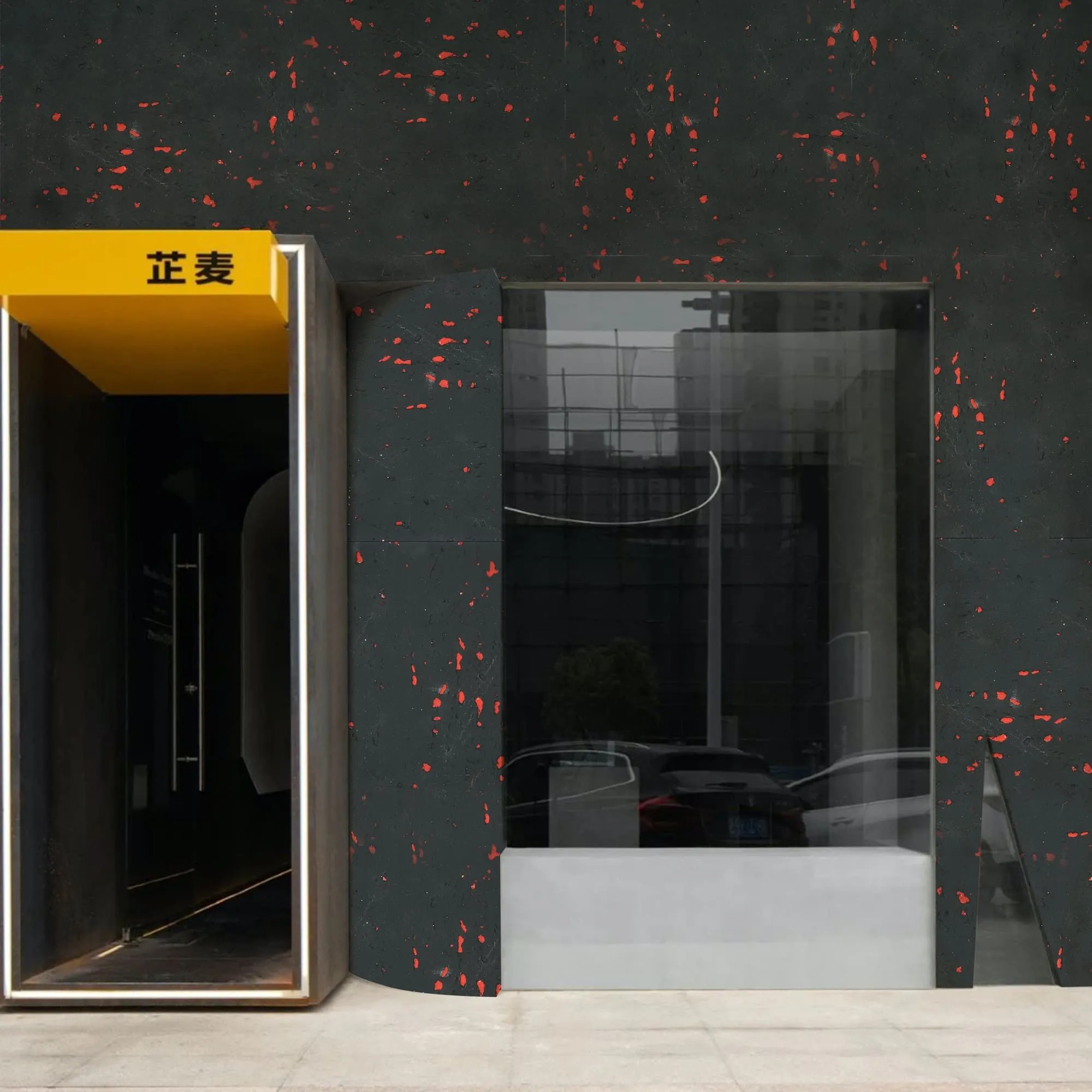
Travertine (Starry Red) MCM isn't just for show—it's practical, versatile, and popping up in projects around the globe. Here are a few places where it's making waves:
Travertine (Starry Red) is just the beginning. COLORIA's team is already experimenting with new colorways—think Travertine (Starry Blue) and Travertine (Starry Orange) —using the same starry particle technology but with different mineral pigments. They're also pushing the limits of the MCM big slab board series, aiming for 8x12-foot slabs by 2026. And sustainability? Top of mind. The polymer matrix is now 30% recycled, and the company is working on a fully biodegradable version for interior use.
But perhaps the most exciting development is the integration of smart technology. Imagine Travertine (Starry Red) MCM with embedded sensors that monitor temperature, humidity, or even air quality—all while maintaining that starry aesthetic. It's a bold vision, but if COLORIA's track record is any indication, it's only a matter of time.
At the end of the day, Travertine (Starry Red) MCM is more than just a building material. It's proof that science and art can coexist—that we don't have to choose between durability and beauty, between tradition and innovation. For architects, it's a tool to turn impossible ideas into reality. For homeowners, it's a way to bring a touch of the extraordinary into everyday spaces. And for COLORIA, it's a reminder that the best breakthroughs happen when you ask, "What if?"
So the next time you see a wall that seems to glow, or a surface that shimmers like a starry night, take a closer look. It might just be the future of building materials—here, today.
Recommend Products












