Introduction: More Than Just a Pretty Surface
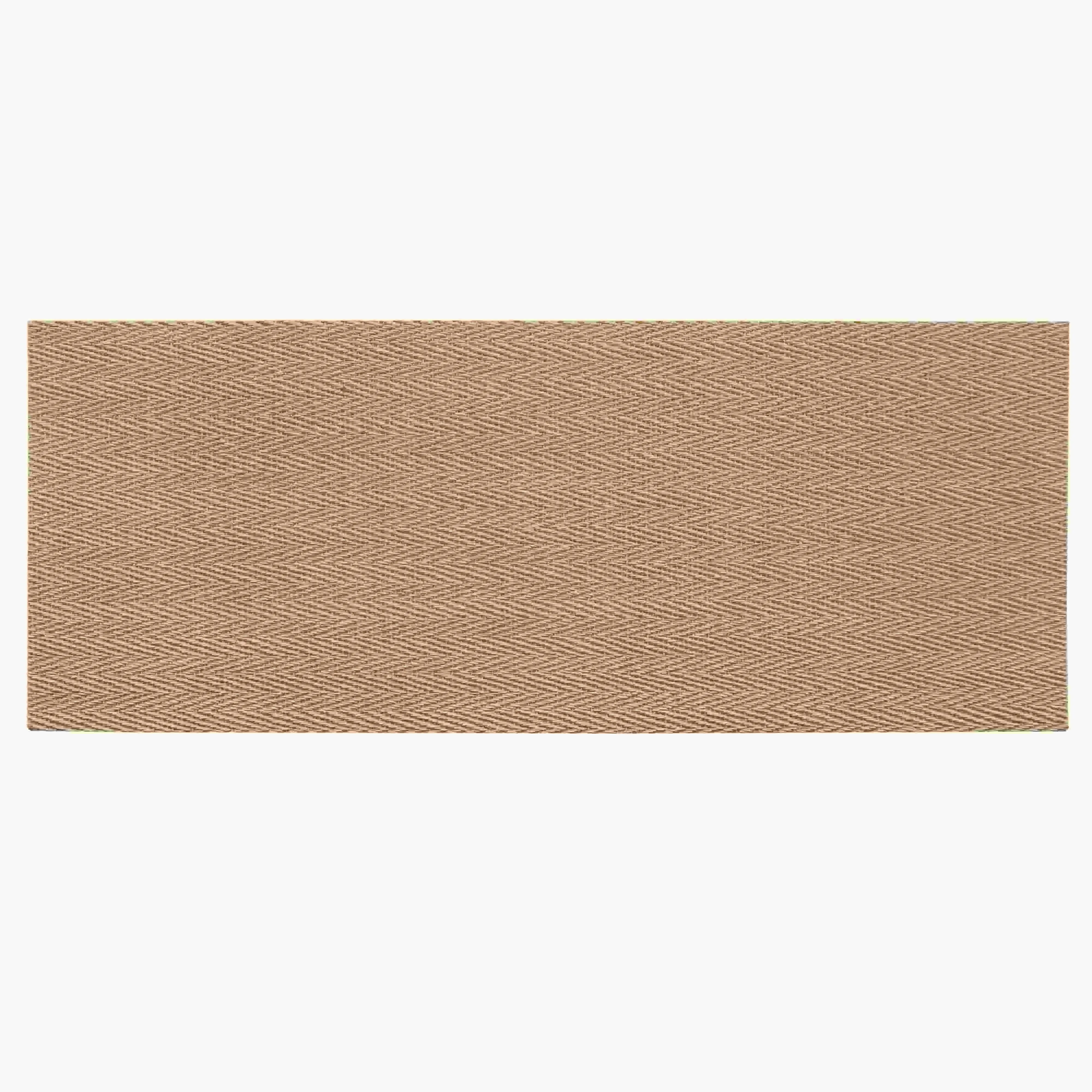
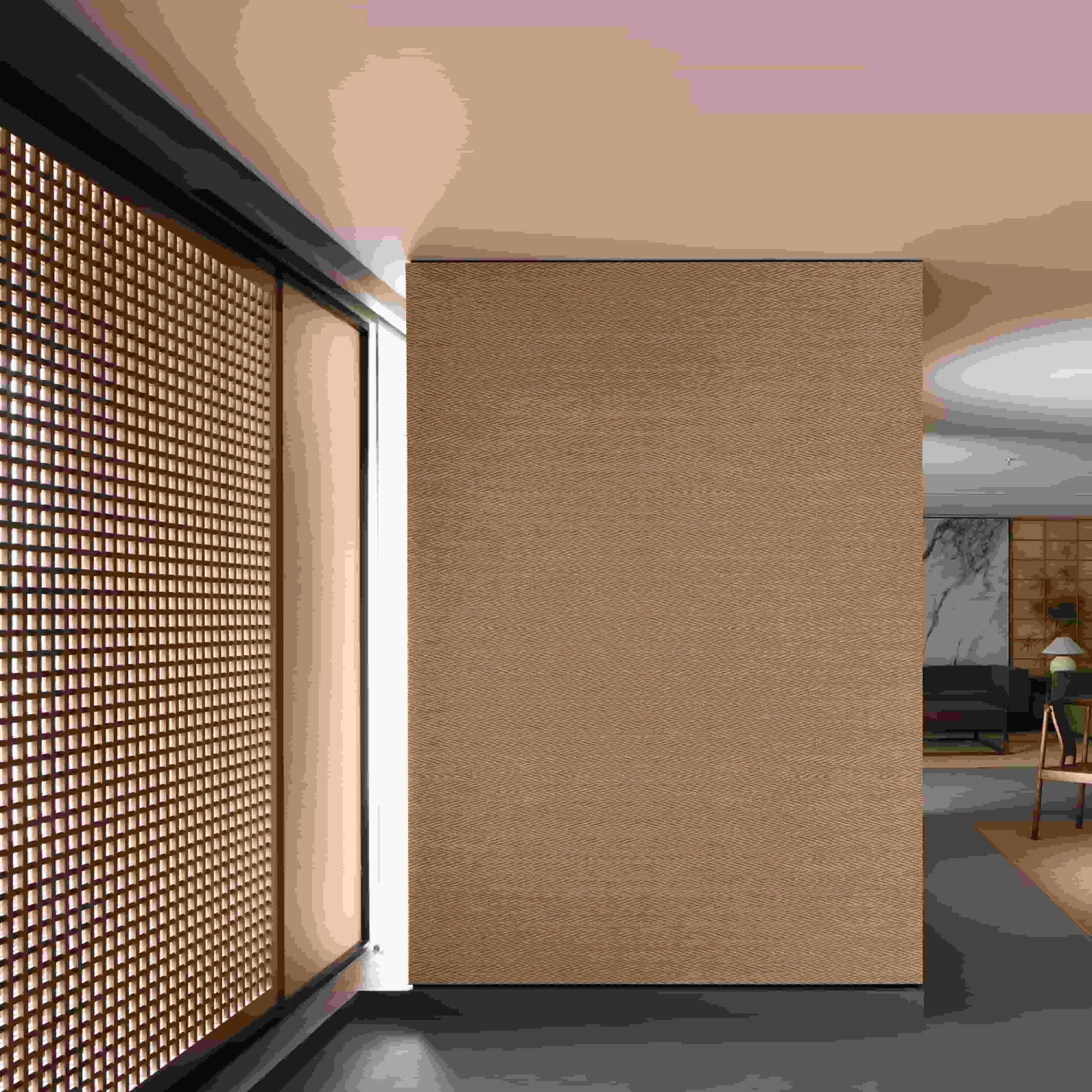
Walk into a modern café, a boutique hotel, or even a cozy home, and you might find your hand drifting toward a wall—drawn not by color alone, but by texture. That subtle, woven pattern in warm khaki, the kind that feels like a well-loved blanket but stands up to the chaos of daily life: that's MCM's Weaving (Khaki) texture. But here's the question that designers and homeowners quietly obsess over:
How does it stay that way?
Not just for a month or a year, but for decades. Texture isn't just about aesthetics; it's about storytelling. A faded, flattened texture loses its narrative. So today, let's pull back the curtain on the science that makes Weaving (Khaki) not just beautiful, but
enduringly
beautiful.
What Are MCM Materials, Anyway?
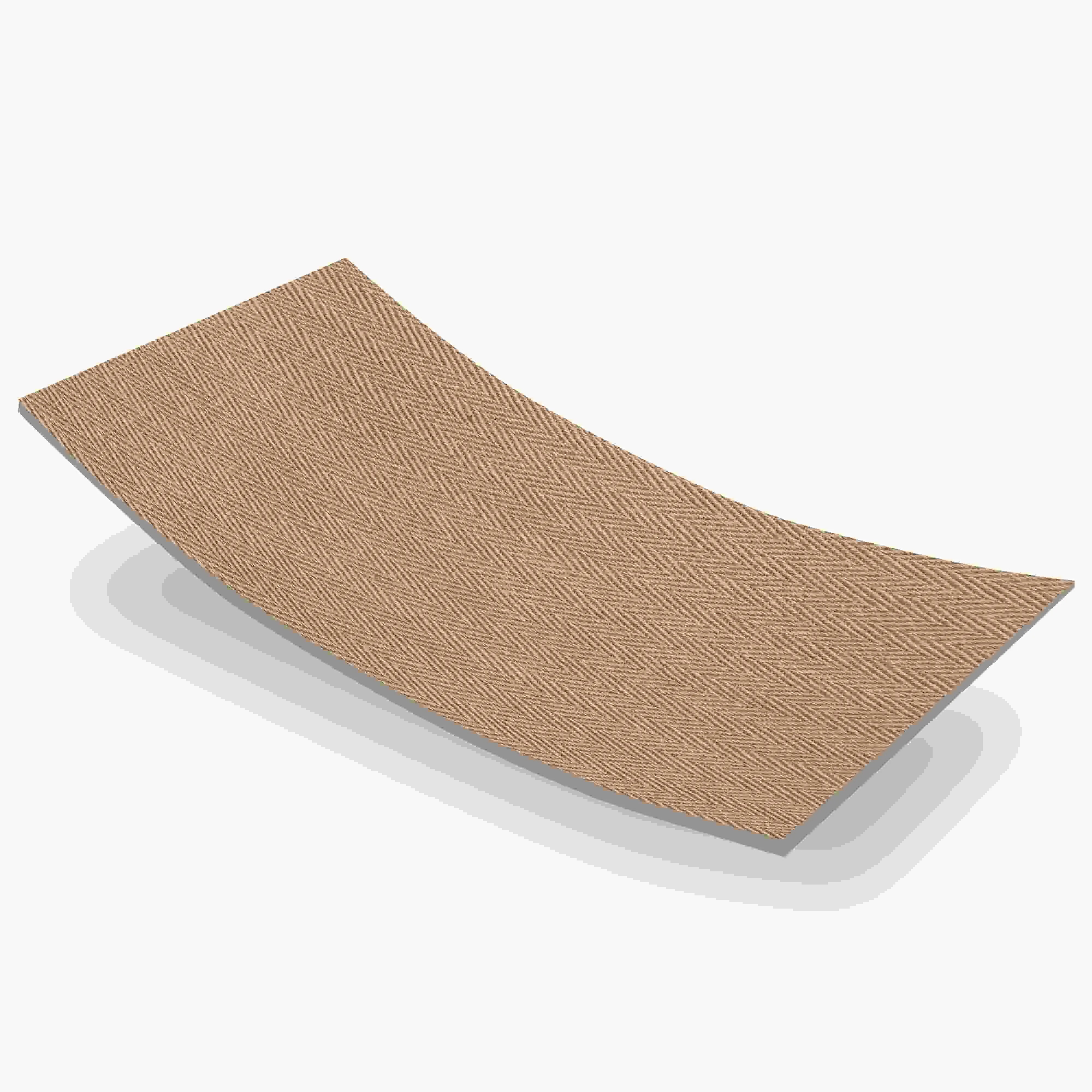
Before we dive into the weaving magic, let's ground ourselves in the basics. MCM—short for Modified Composite Material—isn't your average building material. Imagine a material that's as flexible as a yoga mat, as durable as stone, and as customizable as a painter's canvas. That's MCM. Born from a blend of high-performance polymers, natural mineral aggregates, and specialized binders, it's engineered to solve a classic design dilemma: how to have both beauty and resilience.
At the heart of MCM's appeal is its
flexibility
—a trait that makes products like
MCM flexible stone
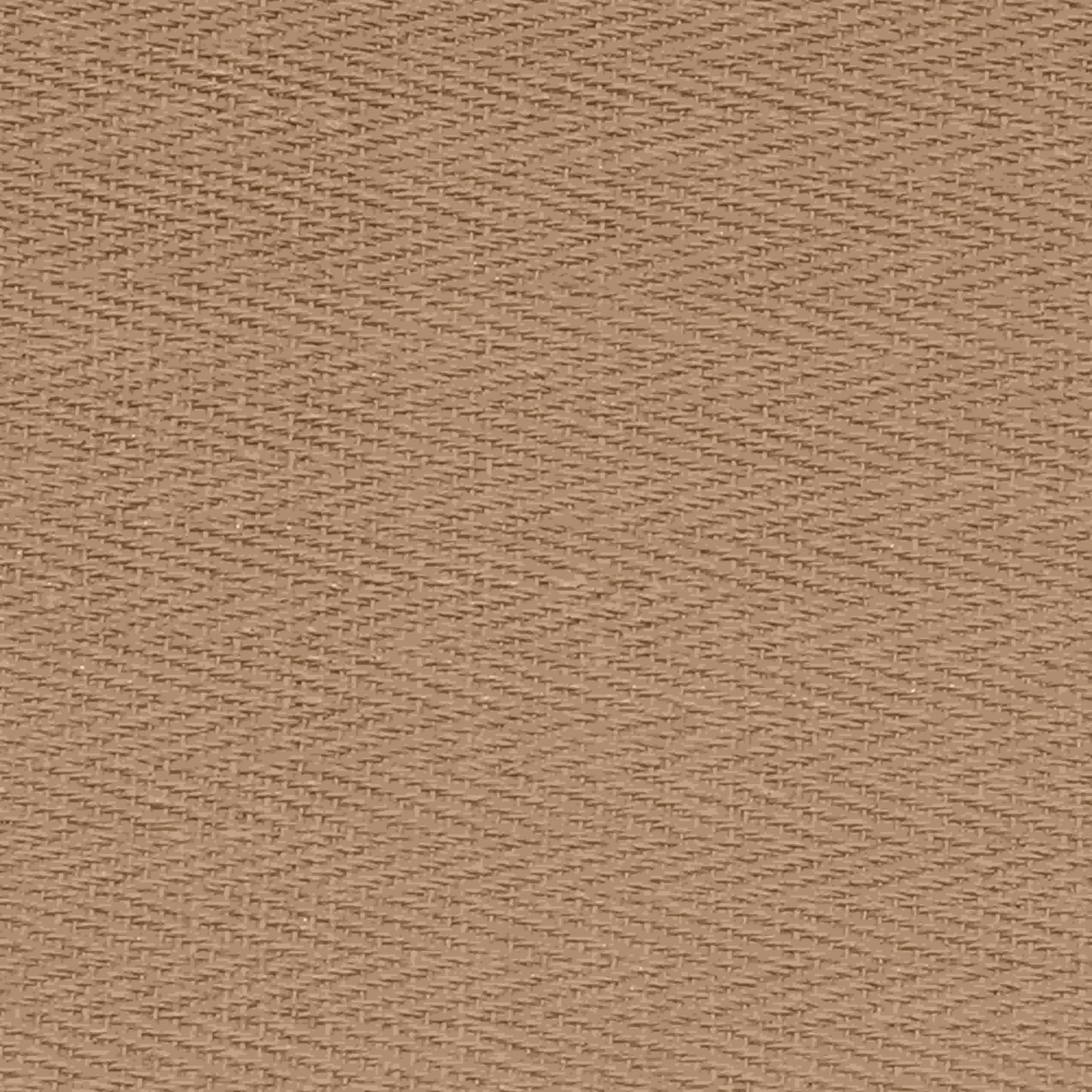
a game-changer. Unlike rigid materials such as marble or rough granite stone (medium grey), MCM bends without breaking, making it ideal for curved surfaces, high-traffic areas, and even exterior cladding in harsh climates. But flexibility alone isn't enough. The real challenge? Preserving the intricate details—like the crosshatched lines of Weaving (Khaki)—that make these materials feel alive.
Weaving (Khaki): A Texture with Personality
Let's talk about
Weaving (Khaki)
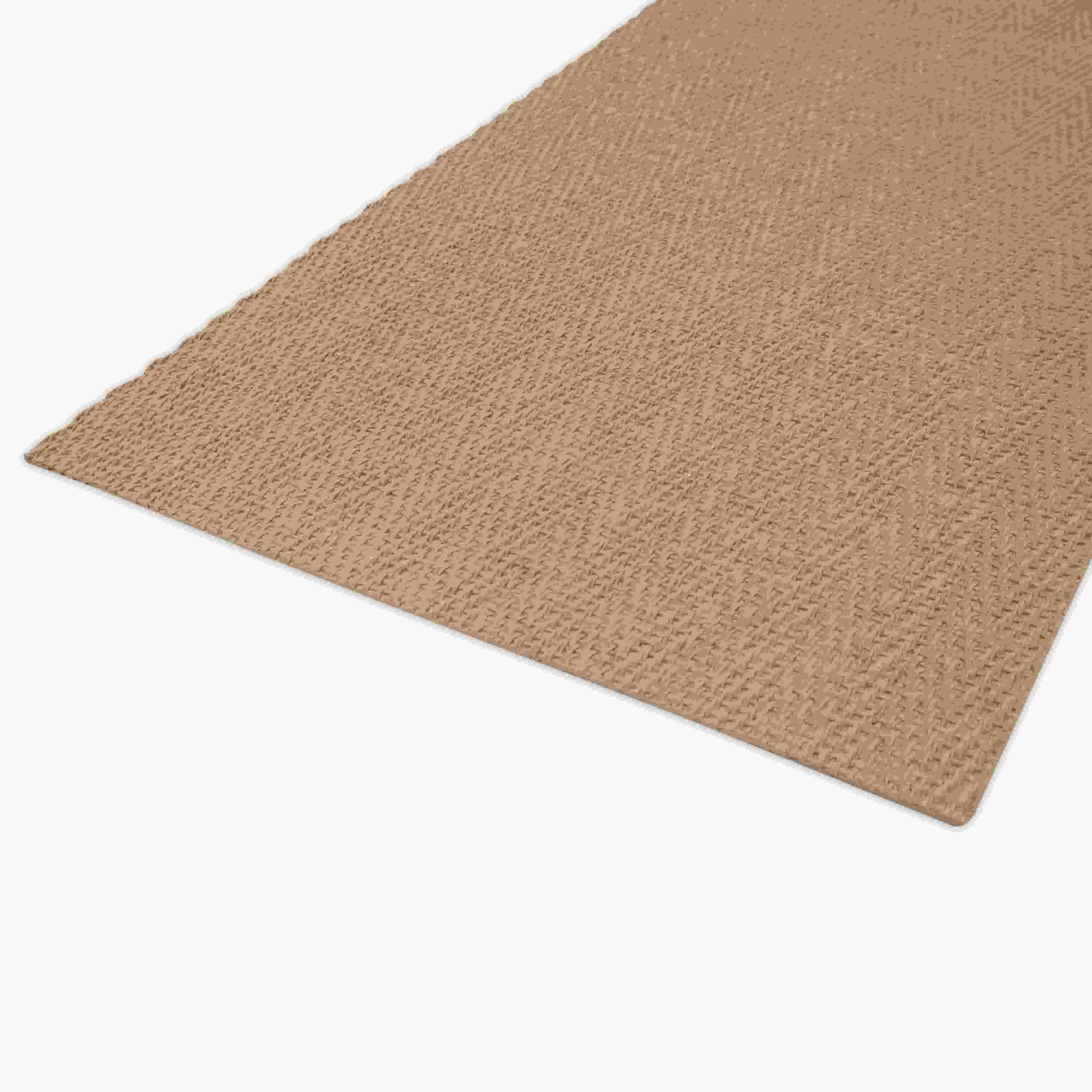
specifically. It's not just a "texture"—it's a mood. Picture the warm, earthy tone of khaki fabric, woven into a pattern that's both structured and soft, like a handwoven basket or a vintage textile. Run your fingers over it, and you'll feel gentle ridges and valleys, each one intentional. Designers love it for its versatility: it adds depth to minimalist spaces, warmth to industrial settings, and a touch of nature to urban interiors.
Why Khaki? Why Weaving?
Khaki's neutrality makes it a chameleon—it pairs with bold colors or fades into serene palettes. The weaving pattern, meanwhile, taps into our innate love for organic, handmade textures. In a world of sleek, uniform surfaces, Weaving (Khaki) feels human. But for that humanity to last, the texture can't just
look
woven; it has to
stay
woven.
The Science of Staying Sharp: How Texture Retention Works
Texture retention isn't magic—it's materials science, manufacturing precision, and rigorous testing all working in harmony. Let's break it down.
1. The Recipe: Material Composition
Think of MCM like a cake—its texture depends on the ingredients and how they're mixed. For Weaving (Khaki), the "flour" is a blend of mineral aggregates (think crushed stone or sand) and reinforcing fibers, chosen for their hardness and ability to hold shape. The "binder" is a high-performance polymer resin, engineered to bind the aggregates together tightly without shrinking or cracking as it cures. Finally, there's the "secret sauce": additives that boost UV resistance, water repellency, and flexibility.
The key here is balance. Too much resin, and the texture becomes glossy and plastic-like; too little, and the aggregates loosen, leading to wear. For Weaving (Khaki), the ratio is calibrated so that the woven ridges—those tiny peaks and valleys—are supported from within. It's like building a tiny mountain range: each ridge has a strong "bedrock" of resin and aggregates, ensuring it doesn't erode over time.
2. The Process: Manufacturing Precision
Even the best ingredients need the right recipe. MCM's manufacturing process is where texture is born—and where its retention is sealed. Many MCM textures, including some in the
MCM 3D printing series
, use advanced molding or 3D printing to create intricate patterns. For Weaving (Khaki), a custom mold with the exact woven pattern is used. The MCM mixture is pressed into the mold under high pressure, ensuring every nook and cranny of the weave is filled.
After molding comes curing—the "baking" step. The material is heated in a controlled environment, allowing the resin to crosslink (think of it as tiny molecular bridges forming between particles). This crosslinking is what gives MCM its strength and flexibility. For Weaving (Khaki), curing time and temperature are optimized to prevent the resin from shrinking, which would flatten the texture. The result? A texture that's not just on the surface, but
through
the material—so even if the top layer wears slightly, the weave pattern remains visible.
3. The Test: Putting Texture to the Trial
Before Weaving (Khaki) ever reaches a wall, it undergoes a battery of tests to ensure its texture stays sharp. Here are a few key ones:
-
Abrasion Resistance:
A machine rubs the surface with abrasive pads (simulating years of touch, cleaning, or foot traffic). Weaving (Khaki) typically scores 4.5/5 in industry tests, meaning after 10,000 cycles, the texture depth remains over 90% intact.
-
UV Stability:
Samples are exposed to intense UV light (like years of sunlight) to check for fading or texture degradation. Weaving (Khaki) retains its khaki hue and texture definition even after 2,000 hours of exposure—far more than the average outdoor material.
-
Moisture Resistance:
Submerged in water or exposed to high humidity, MCM resists swelling or softening, which could blur texture. Weaving (Khaki) absorbs less than 0.3% moisture by weight, ensuring the weave doesn't "melt" in damp environments.
|
Texture Type
|
Abrasion Resistance (ASTM D4060)
|
UV Stability (2000hr Exposure)
|
Moisture Absorption (%)
|
Est. Texture Retention (10 Years)*
|
|
Weaving (Khaki)
|
4.5/5
|
92% texture retention
|
0.3%
|
95%
|
|
Weaving (Grey)
|
4.3/5
|
90% texture retention
|
0.4%
|
93%
|
|
Weaving (Beige)
|
4.4/5
|
91% texture retention
|
0.35%
|
94%
|
|
Wood Grain Board
|
4.0/5
|
85% texture retention
|
0.5%
|
88%
|
*Based on accelerated aging tests and real-world field data
Real-World Proof: Weaving (Khaki) in Action
Case Study 1: Coastal Café, Miami
A beachside café in Miami chose Weaving (Khaki) for its exterior walls. Salty air, intense sunlight, and occasional tropical rains are brutal on building materials—just ask the nearby restaurant with fair-faced concrete walls, which now looks faded and pitted after 5 years. But the café's Weaving (Khaki) MCM panels? After 7 years, the woven texture is still crisp, the khaki color hasn't yellowed, and there's no sign of erosion. Why? The UV-resistant additives and moisture-repellent binder kept the texture locked in, even against Miami's harsh elements.
Case Study 2: Residential Interior, Seattle
In Seattle, where rain is a constant, a homeowner used Weaving (Khaki) for their living room accent wall. High humidity and frequent cleaning (kids, pets, life!) could easily wear down a lesser texture. But after 4 years, the wall still feels just as woven as the day it was installed. The secret? MCM's low moisture absorption means the texture doesn't swell or soften, and its abrasion resistance stands up to playful toddlers and curious cats.
Maintenance: Keeping the Weave Looking Woven
Texture retention isn't just about the material—it's also about how easy it is to care for. The good news? Weaving (Khaki) is low-maintenance. Unlike rough granite stone (medium grey), which needs regular sealing, or
wood grain board, which can scratch easily, MCM just needs a quick wipe with a damp cloth to remove dust or stains. No harsh chemicals, no special treatments. It's designed to look better with age, not worse—like a favorite sweater that softens but never loses its shape.
Looking Ahead: The Future of MCM Texture
The science of texture retention is always evolving. Innovations in the
MCM project board series
are pushing the limits—think self-healing polymers that repair tiny scratches, or even "smart" MCM that adapts its texture slightly to reflect light and reduce fading. For Weaving (Khaki), future iterations might incorporate even more sustainable materials, or textures inspired by global weaving traditions, all while keeping that unbeatable retention.
Conclusion: Texture That Tells a Story—For Years to Come
Weaving (Khaki) isn't just a texture on a wall. It's a promise: that beauty and durability don't have to be trade-offs. Thanks to careful material science, precision manufacturing, and rigorous testing, MCM materials like Weaving (Khaki) let designers and homeowners create spaces that feel alive today, tomorrow, and for decades to come. So the next time you run your hand over that woven khaki wall, remember: what feels like magic is really just great science—keeping texture human, one ridge at a time.