
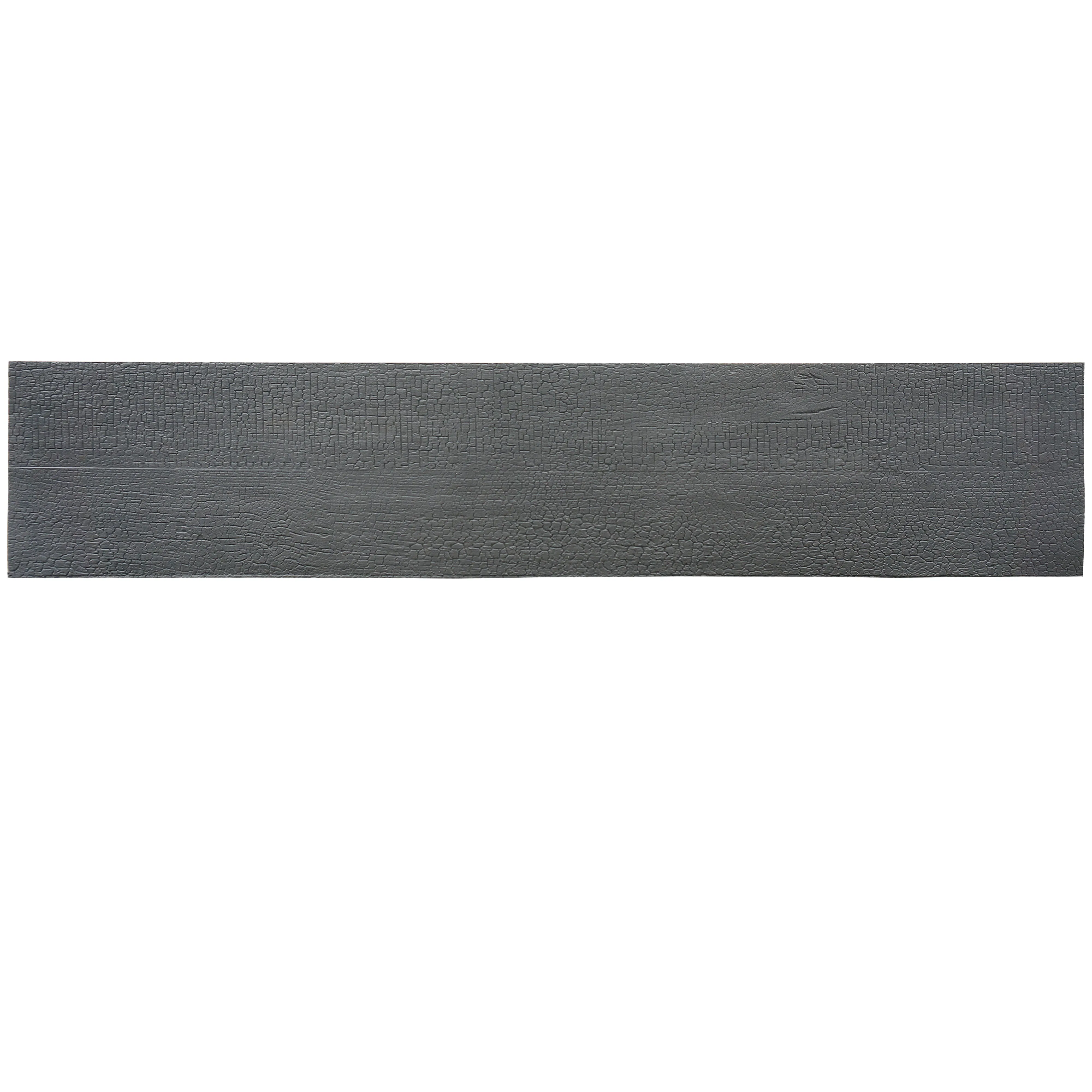
In recent years, walking through a modern home or office building often feels like stepping into a gallery where every wall, floor, and surface tells a story. We've fallen in love with materials that blend beauty, durability, and a nod to sustainability—but what if the materials we choose have a secret life, one that impacts the world beyond our four walls? That's the question I found myself pondering recently, as I watched a team install charcoal burnt wood board on a boutique café's exterior. Its rich, charred texture looked stunning, but I couldn't help wondering: What does this material "say" to the environment around it? Specifically, how does its pH level—something we rarely think about in design—affect the soil, water, and ecosystems it interacts with over time?
Sustainability in architecture isn't just a trend; it's a responsibility. We're no longer choosing materials based solely on how they look or how long they last. Today, we're asking: Does this material harm the planet? Can it coexist with nature, or does it leave a trail of unintended consequences? Charcoal burnt wood board, with its rising popularity in both residential and commercial spaces, is a perfect example of a material that's beloved for its aesthetic and functional perks—but its environmental impact is a chapter we've only just started to read. In this article, we'll dive into the science of pH in building materials, zoom in on charcoal burnt wood board specifically, and explore why its acidity or alkalinity matters more than you might think. We'll also compare it to other eco-conscious options like wood concrete board and fair-faced concrete, uncovering how small chemical details can make a big difference for our planet.
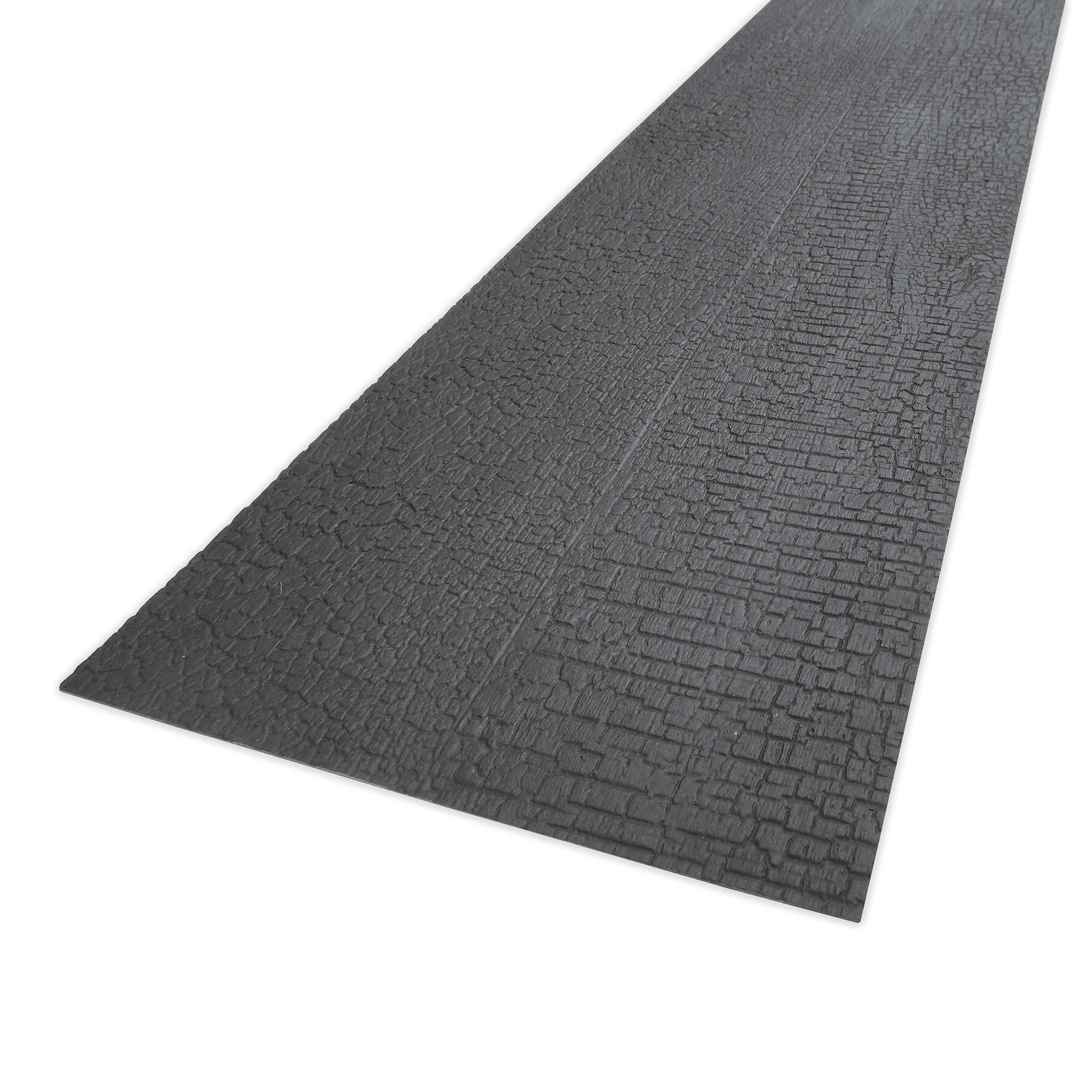
Before we get into the nitty-gritty of pH, let's take a moment to appreciate the star of our story: charcoal burnt wood board. If you've seen a building with walls that look like they've been kissed by fire—deep, smoky blacks and browns with a rough, almost volcanic texture—you've probably admired this material. Its roots trace back centuries, most notably to the traditional Japanese technique called shou sugi ban , where cedar wood is burned, scraped, and sealed to make it resistant to rot, insects, and fire. In recent years, this ancient method has been reimagined for modern design, with artisans using different woods (like pine, oak, and even bamboo) and burning techniques to create unique finishes. The result? A material that's not just durable but also visually striking, with each plank telling a story of transformation through fire.
But what makes charcoal burnt wood board so appealing beyond its looks? For starters, it's often marketed as an eco-friendly alternative to chemically treated wood. Instead of relying on pesticides or preservatives to extend its life, the burning process itself changes the wood's cellular structure, making it naturally resistant to decay. This has made it a favorite among designers aiming for a "green" aesthetic without compromising on performance. From residential siding to restaurant accent walls, it's everywhere—and for good reason. But here's the catch: while we're focused on what it doesn't contain (harmful chemicals), we might be overlooking what it does bring to the table: a specific pH level that could influence its environmental footprint.
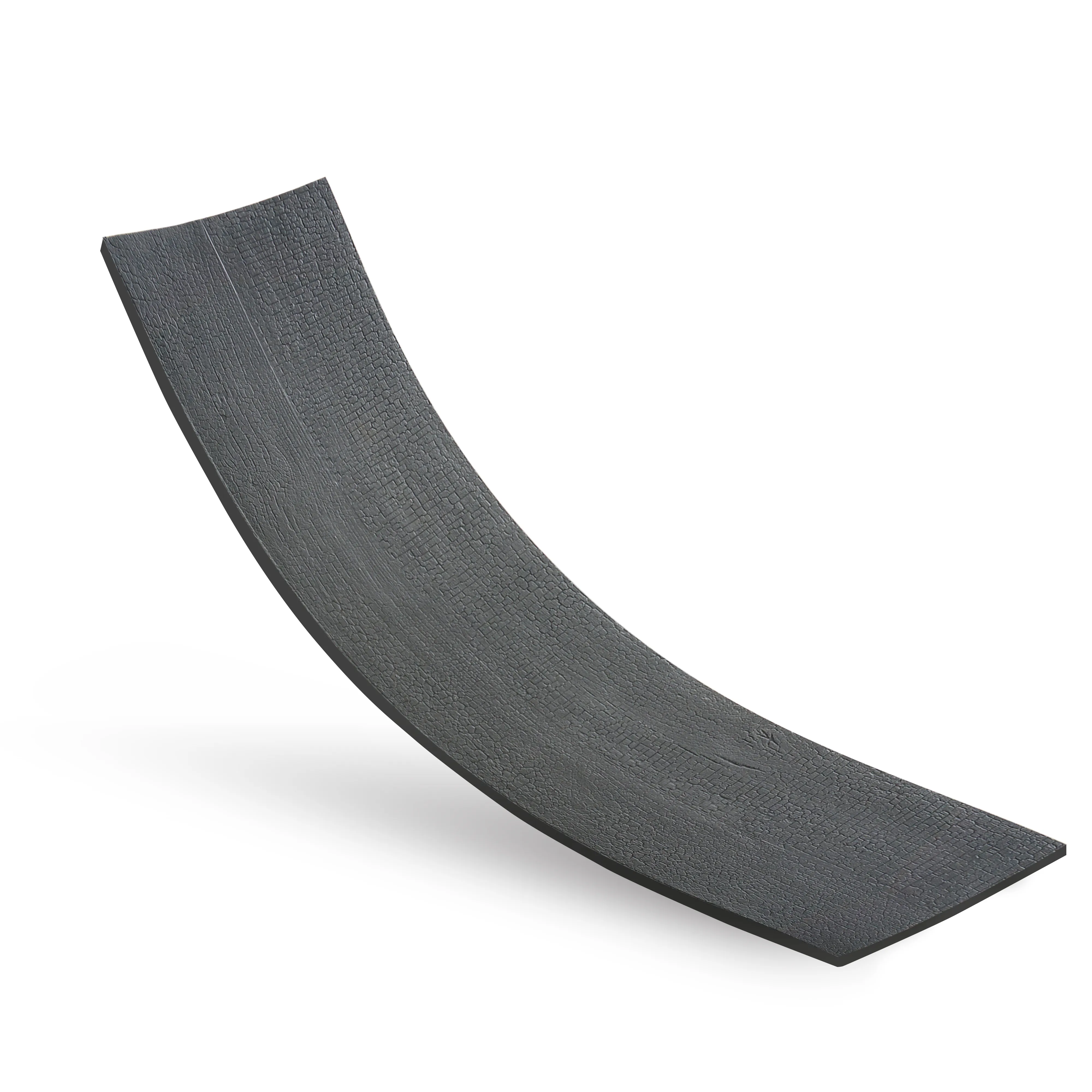
Let's backtrack to high school chemistry for a second—remember the pH scale? It's that 0-14 scale that measures how acidic or alkaline a substance is, with 7 being neutral (like pure water). Acids fall below 7, alkalines (or bases) above. Simple enough, right? But why does this matter for something as solid as a building material? Well, think about it: over time, every material we use outdoors (and even some indoors) interacts with the elements. Rainwater washes over it, snow melts on its surface, and as it ages, tiny particles might leach into the soil or runoff into nearby water sources. Those particles carry with them the chemical signature of the material—including its pH. And that pH can have a big impact on the world around it.
For example, if a material is highly acidic (pH below 5), rainwater running off it could lower the pH of soil, making it harder for plants to absorb nutrients. On the flip side, a highly alkaline material (pH above 9) might increase soil pH, disrupting the delicate balance of microorganisms that keep soil healthy. In aquatic ecosystems, even small changes in pH can stress fish, amphibians, and aquatic plants, altering food chains and reducing biodiversity. So, when we talk about a material's pH, we're not just talking about a number—we're talking about its potential to influence the health of the environments it touches.
Now, how do we measure the pH of a building material like charcoal burnt wood board? It's not as simple as dipping a litmus strip into a puddle. Researchers typically use a method called "leaching testing," where samples of the material are submerged in water (simulating rain or groundwater) for a set period. The water is then tested for pH, giving an idea of how the material might affect its surroundings over time. For charcoal burnt wood board, this process is particularly interesting because the burning itself changes the wood's chemical composition. When wood is burned, its natural sugars, resins, and organic compounds are broken down, leaving behind a layer of carbon (charcoal) and ash. Ash, as you might guess, is often alkaline, thanks to minerals like calcium, potassium, and magnesium. This suggests that charcoal burnt wood board might lean toward the alkaline side of the pH scale—but how much? And what does that mean for the environment?
To get a clearer picture, I reached out to a materials science lab that specializes in testing sustainable building products. They shared some fascinating data from recent studies on charcoal burnt wood board. Let's break it down: unburnt wood typically has a slightly acidic pH, ranging from 4.5 to 6.0, depending on the species. But after burning, that number shifts. The lab tested samples of pine-based charcoal burnt wood board (a common choice for exterior use) and found that its leachate pH ranged from 7.5 to 9.0—firmly in the alkaline zone. Why the shift? As wood burns, the organic acids in the wood (like acetic acid) are vaporized, while the minerals in the ash (calcium carbonate, potassium oxide) remain. These minerals dissolve in water, increasing the pH of the runoff.
But here's where it gets nuanced: the pH level isn't static. The lab noted that freshly burnt wood tends to have a higher pH (closer to 9.0), but as it weathers, that number gradually decreases. After six months of exposure to rain and sun, the same pine samples had a leachate pH of 7.8 to 8.2—still alkaline, but less so. This makes sense: over time, the soluble minerals in the ash are washed away, leaving the more stable carbon layer behind. So, the environmental impact of charcoal burnt wood board might be most significant in its early years, then mellow out as it ages. That's an important distinction for anyone considering it for a project: the "peak impact" isn't permanent, but it's still worth accounting for, especially in sensitive ecosystems.
Another factor to consider is the type of wood used. The lab also tested oak-based charcoal burnt wood board and found its pH range was slightly lower: 7.2 to 8.5 initially, dropping to 7.0 to 7.5 after weathering. Oak has a naturally higher tannin content, which might buffer the alkalinity of the ash. This suggests that material selection—even within the same category—can influence pH and, consequently, environmental impact. It's a reminder that sustainability isn't one-size-fits-all; the choices we make at every step (from wood species to burning technique) matter.
So, what does an alkaline pH mean for the world around charcoal burnt wood board? Let's start with soil. Most plants thrive in slightly acidic to neutral soil (pH 6.0 to 7.0). If a building with charcoal burnt wood siding is near a garden or a natural area, rainwater running off the siding could increase the soil's pH over time. In small doses, this might not be a problem—some plants actually prefer alkaline soil (like lavender or lilacs). But in larger quantities, or in areas with naturally acidic soil (like pine forests or heathlands), increased alkalinity could disrupt the balance. Soil microorganisms, which play a crucial role in breaking down organic matter and making nutrients available to plants, are also sensitive to pH changes. A sudden shift toward alkalinity could reduce their activity, slowing down the soil's natural cycles.
Then there's water. If runoff from charcoal burnt wood board enters streams, ponds, or groundwater, it could temporarily raise the pH of the water. Aquatic ecosystems are even more sensitive to pH fluctuations than soil. Most freshwater fish and invertebrates prefer a pH between 6.5 and 8.0. A spike above 8.5 could stress them, affecting their ability to breathe (water's oxygen-holding capacity decreases in alkaline conditions) and reproduce. Again, context matters: a single home with charcoal burnt wood siding is unlikely to cause significant harm, but a large development with acres of this material might contribute to localized pH changes in nearby water bodies. It's a classic case of "the dose makes the poison"—small-scale use is manageable, but we need to be mindful of cumulative effects.
It's also worth noting that not all alkaline materials are created equal. For example, some concrete products have a much higher pH (11.0 to 13.0) and can leach calcium hydroxide, a strong base, into the environment. Compared to that, charcoal burnt wood board's pH range (7.5 to 9.0) is relatively mild. This is where context and comparison become key: to truly understand its environmental impact, we need to see how it stacks up against other common building materials.
To put charcoal burnt wood board's pH and environmental impact in perspective, let's compare it to four other popular sustainable building materials: wood concrete board, fair-faced concrete, travertine (beige), and foamed aluminium alloy board (vintage silver). Each has its own pH profile and eco-story, and seeing them side by side might help us make more informed choices.
| Material | Typical pH Range (Leachate) | Key Environmental Impact Notes |
|---|---|---|
| Charcoal Burnt Wood Board | 7.5–9.0 (initial); 7.0–8.2 (weathered) | Mildly alkaline; leaching decreases over time. Low risk in small-scale use; monitor in sensitive ecosystems (acidic soil/water). |
| Wood Concrete Board | 6.5–7.5 | Near-neutral pH. Made from wood fibers and cement; cement's alkalinity is buffered by wood. Minimal leaching impact; considered eco-friendly due to recycled wood content. |
| Fair-Faced Concrete | 10.0–12.0 | Highly alkaline; can leach calcium hydroxide. Significant pH impact on soil/water; often requires sealing for exterior use to reduce runoff. |
| Travertine (Beige) | 7.0–8.0 | Near-neutral to slightly alkaline. Natural stone with minimal leaching; calcium carbonate content may buffer soil pH but generally low environmental risk. |
| Foamed Aluminium Alloy Board (Vintage Silver) | 6.8–7.2 | Neutral pH. Lightweight, recyclable metal; minimal leaching. Low environmental impact but higher embodied energy in production. |
Looking at this table, a few things stand out. First, charcoal burnt wood board, while alkaline, is far less so than fair-faced concrete, which is known for its high pH and potential to affect surrounding ecosystems. This makes it a more environmentally gentle choice for exterior use than traditional concrete, especially in areas where water runoff is a concern. Second, wood concrete board—another popular "green" material—has a near-neutral pH, making it one of the most eco-friendly options in terms of leaching impact. Its blend of wood fibers and cement seems to balance out the alkalinity of the cement, resulting in minimal disruption to soil and water.
Travertine (beige), a natural stone often used for flooring and facades, also scores well with a near-neutral pH. As a sedimentary rock formed from mineral-rich springs, it's inherently stable, with little to no leaching of harmful substances. Its neutrality makes it a safe bet for sensitive environments, though its extraction and transportation can have their own environmental costs (something to keep in mind). Then there's foamed aluminium alloy board (vintage silver), which has a perfectly neutral pH. While its production requires more energy than wood-based materials, its longevity and recyclability make it a strong contender for eco-conscious design—plus, its neutral pH means it plays nice with just about any ecosystem.
So, armed with this knowledge, how can we enjoy the beauty of charcoal burnt wood board while minimizing its environmental impact? It starts with mindful placement. If you're building in an area with naturally acidic soil (like a pine forest) or near a sensitive water body (a stream, wetland, or lake), consider limiting the use of charcoal burnt wood board to interior spaces, where runoff is minimal. For exterior use, opt for weathered or aged boards, which have already lost some of their initial alkalinity. Alternatively, look for manufacturers that pre-treat the boards to reduce soluble minerals—some use a post-burning washing process to rinse away excess ash, lowering the initial pH.
Another strategy is to pair charcoal burnt wood board with materials that balance its pH. For example, using it alongside wood concrete board (with its neutral pH) can help dilute any alkaline runoff. Landscaping can also play a role: planting alkaline-loving plants (like yarrow, coneflowers, or ornamental grasses) near the base of a charcoal burnt wood wall can create a buffer, as these plants will thrive in the slightly elevated pH soil. Additionally, installing a simple rain garden or permeable paving near the building can filter runoff before it reaches natural water sources, trapping sediment and balancing pH.
Finally, consider the bigger picture: the entire lifecycle of the material. Charcoal burnt wood board is durable, but eventually, it will need to be replaced. Choosing boards made from sustainably sourced wood (FSC-certified, for example) ensures that the trees used are part of a regenerative forestry system. And when it does come time to remove old boards, consider repurposing them—charcoal burnt wood makes beautiful garden mulch (once fully weathered, its pH is gentle enough for most plants) or even artisanal furniture. By extending its lifecycle, we reduce the need for new materials and minimize overall environmental impact.
As I stood back and watched that café's charcoal burnt wood board siding take shape, I realized something: beauty and sustainability don't have to be at odds—but they do require intention. Charcoal burnt wood board is a stunning material, with a history and character that's hard to replicate. Its pH level, while a small detail, is a reminder that every choice we make as designers, builders, and homeowners ripples outward. By understanding its alkaline nature and taking steps to mitigate its impact—through placement, pairing with other materials, or mindful landscaping—we can enjoy its aesthetic without compromising the health of our planet.
But this isn't just about charcoal burnt wood board. It's about shifting our mindset: asking not just "Does this look good?" but "What does this do?" As we continue to innovate in sustainable building, materials like wood concrete board, travertine (beige), and foamed aluminium alloy board (vintage silver) remind us that there are multiple paths to eco-friendly design. Each has its own strengths and weaknesses, and the best choice depends on the context—where the building is, what ecosystem surrounds it, and how the material will interact with the elements over time.
At the end of the day, the goal isn't perfection; it's awareness. By educating ourselves about the hidden properties of the materials we love—like pH—we become better stewards of both design and the environment. So, the next time you're choosing a material for your project, take a moment to dig deeper. Ask about its pH, its lifecycle, its impact. You might just find that the most beautiful spaces are the ones that honor both the eye and the earth.
Recommend Products












