
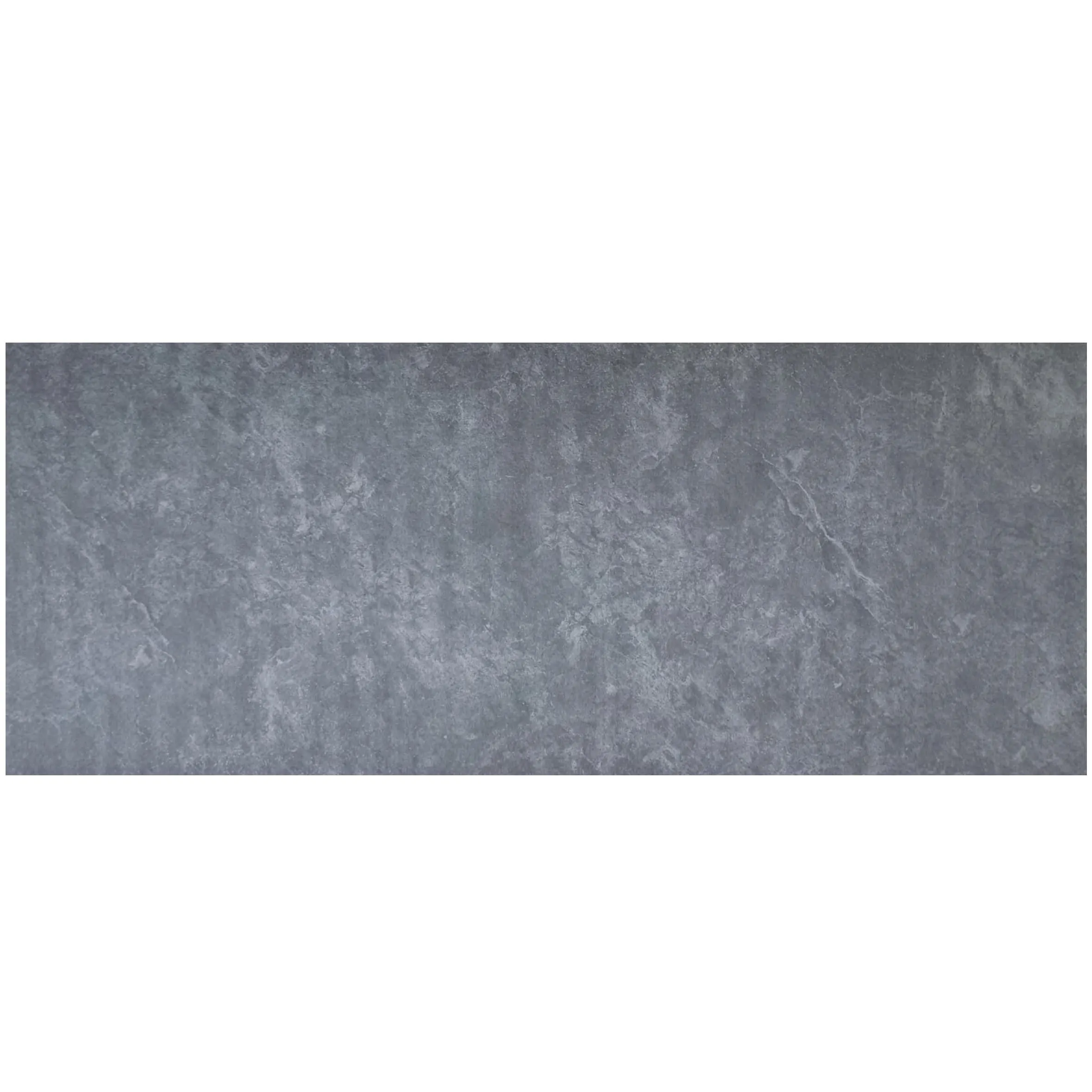
Where quiet meets elegance in modern spaces
Picture this: It's a Tuesday evening, and you're trying to focus on a work deadline. Outside, a street vendor's cart blares music; upstairs, your neighbor's toddler is practicing tap dance; and your partner, on a video call, is laughing loudly. Sound familiar? In a world that never seems to hit pause, noise has become the unsung stressor of modern life. From the hum of traffic to the buzz of open offices, the constant din wears on our concentration, our mood, and even our health. We crave quiet—not the sterile silence of a vacuum, but the kind of calm that lets us breathe, think, and connect. That's where materials like marble interstellar gray panels step in: not just as design elements, but as silent guardians of acoustic comfort.
Marble has long been celebrated for its luxury, but marble interstellar gray isn't just about looks. It's a fusion of natural beauty and engineering smarts, designed to tackle one of our biggest daily battles: noise. In this article, we'll dive into how these panels transform chaotic spaces into havens of calm, the science behind their sound absorption magic, and why they're quickly becoming a favorite among architects, designers, and homeowners alike. We'll also compare them to other popular materials—like fair-faced concrete and mcm flexible stone—to see how they stack up. Let's start with the basics: what even is marble interstellar gray, and how does it turn sound waves into serenity?
First things first: Marble interstellar gray isn't your grandmother's marble. It's a modern take on a classic material, engineered to blend the timeless elegance of natural stone with the practical needs of today's spaces. Think of it as marble with a mission. The "interstellar gray" name hints at its appearance—deep, moody gray tones swirled with subtle veining that mimic the night sky, flecked with hints of silver and charcoal. It's bold enough to make a statement but neutral enough to complement almost any design style, from minimalist lofts to industrial cafes.
But what really sets it apart is its composition. Unlike solid marble slabs, which are dense and often reflective, marble interstellar gray is a type of marble concrete board—a hybrid material that combines crushed marble aggregates with a lightweight concrete matrix. This process creates a panel that's both durable and porous, with tiny air pockets and irregular surfaces that do more than just look good. Those micro-pores are the secret to its sound absorption superpowers. And while it's sturdy enough for high-traffic areas (we're talking commercial lobbies, busy restaurants, even schools), it's surprisingly lightweight, making installation a breeze compared to traditional stone.

Before we get into how marble interstellar gray works, let's talk about why sound absorption matters. Sound travels in waves, bouncing off hard surfaces like walls, floors, and ceilings. In a room with lots of reflective materials—think glass, tile, or smooth concrete—those waves keep bouncing, creating echo, reverb, and that "loud" feeling even if no one's speaking loudly. This is called reverberation , and it's why a crowded restaurant can feel deafening even when everyone's talking at a normal volume. Over time, constant exposure to high noise levels raises stress hormones, lowers productivity, and makes it hard to focus or relax.
Sound absorption materials interrupt this cycle by trapping sound waves instead of reflecting them. When a sound wave hits a porous surface, it seeps into the tiny gaps, where friction converts the sound energy into heat (don't worry—you won't feel it). The more porous the material, the more sound it can absorb. Professionals measure this using the Noise Reduction Coefficient (NRC) , a rating from 0 to 1.0, where 0 is completely reflective (like a mirror for sound) and 1.0 absorbs all sound. Most materials fall somewhere in between: thick carpets might have an NRC of 0.4, while specialized acoustic foam can hit 0.8. So where does marble interstellar gray land? We'll get to that—but first, let's see how it stacks up against other common materials.

To truly appreciate marble interstellar gray, it helps to see how it compares to other materials often used for both aesthetics and sound management. Let's break down three popular options: fair-faced concrete, mcm flexible stone, and traditional marble.
| Material | NRC Rating (Average) | Aesthetics | Durability | Best For |
|---|---|---|---|---|
| Marble Interstellar Gray | 0.6–0.7 | Luxurious gray veining, natural stone look | High (resistant to scratches, moisture) | Living rooms, offices, restaurants, hotels |
| Fair-Faced Concrete | 0.1–0.2 | Raw, industrial, matte finish | Very high (weather-resistant, low maintenance) | Exteriors, garages, high-traffic commercial spaces |
| MCM Flexible Stone | 0.4–0.5 | Versatile; mimics stone, wood, or metal | Medium (flexible but less impact-resistant) | Curved walls, accent pieces, lightweight installations |
| Traditional Marble | 0.2–0.3 | Classic, high-end, polished finish | Medium (prone to staining, requires sealing) | Foyers, bathrooms (with sealing), decorative accents |
Let's unpack this. Fair-faced concrete is beloved for its industrial chic and durability, but its dense, non-porous surface makes it a poor sound absorber—great for exteriors or spaces where noise isn't a concern, but not ideal for interiors where you want to keep the peace. MCM flexible stone, on the other hand, is a lightweight, adaptable material that can mimic almost any texture, from slate to wood. It has better sound absorption than concrete, thanks to its composite structure, but it still falls short of marble interstellar gray. Traditional marble, while stunning, is too dense to trap sound waves effectively, making it more of a sound reflector than absorber.
Marble interstellar gray hits that sweet spot: an NRC of 0.6–0.7 means it absorbs most mid-to-high frequency sounds (think voices, dishes clinking, keyboard taps) without feeling overly "acoustic" (no weird foam panels here). And because it looks like natural stone, it adds warmth and luxury to a space—something that can't be said for many purely functional acoustic materials.

So, what makes marble interstellar gray so effective? Let's zoom in. Under a microscope, the surface of these panels is a landscape of tiny peaks and valleys, with pores ranging from 0.1 to 1 millimeter wide. When sound waves hit this surface, they don't just bounce off—they get "caught" in the irregularities. Some waves bounce between the micro-crevices, losing energy with each collision. Others seep into the porous concrete matrix, where air pockets act like mini shock absorbers, converting sound energy into heat (a process called viscous damping ). The result? Less echo, less reverb, and a room that feels "quieter" even when the same amount of noise is present.
But it's not just the pores. The color plays a role too. Darker surfaces absorb more light, but did you know they can also subtly enhance sound absorption? While the effect is minor compared to porosity, the deep gray hue of marble interstellar gray reduces light reflection, which in turn can make a space feel more intimate and less "echoey" to the eye—a psychological boost that complements the acoustic benefits. It's a one-two punch: your ears hear less noise, and your brain perceives the space as calmer.
Another key factor is thickness. Most marble interstellar gray panels come in 12mm or 18mm thicknesses, which strike a balance between absorption and structural integrity. Thicker panels (18mm) are better for lower-frequency sounds (like a booming TV or a bass-heavy playlist), while thinner ones (12mm) excel at mid-to-high frequencies (voices, dishes, typing). This versatility means you can customize based on the room's needs—no one-size-fits-all solution here.

Marble interstellar gray isn't just for show—it's a workhorse. Let's explore some of the spaces where it shines brightest, proving that acoustic comfort and design don't have to be enemies.
If you've ever tried to take a Zoom call while your roommate blasts music or your dog barks at the mailman, you know the struggle of working from home. Marble interstellar gray panels installed on one wall (or even as a backsplash behind your desk) can cut down on background noise by 30–40%, according to acoustic engineers. Pair them with a thick rug and closed-back bookshelves, and you've got a home office that feels like a private sanctuary—no soundproofing foam required. Bonus: the sleek gray tone looks professional on camera, making your virtual meetings feel that much more polished.
Restaurants are notorious for noise. Hard floors, high ceilings, and lots of people talking can turn a cozy dinner into a shouting match. Marble interstellar gray panels on the walls or ceiling (yes, ceiling installations work too!) can transform the vibe. Imagine a bustling bistro where you can actually hear your date across the table, or a coffee shop where you can work without cranking up your headphones. One restaurant in Chicago recently installed these panels in their dining area and reported a 25% increase in positive reviews mentioning "ambiance" and "comfortable noise levels." Patrons stayed longer, ordered more drinks, and left happier—proof that quiet sells.
Teachers and students alike suffer when classrooms are too noisy. Studies show that excessive background noise can lower test scores and increase teacher stress. Marble interstellar gray panels in classrooms absorb the chatter of group work, the scrape of chairs, and the hum of HVAC systems, creating an environment where students can focus and teachers can speak at a normal volume. Libraries, too, benefit—imagine a study space where the rustle of pages and soft conversations don't echo, making it easier to concentrate. And since the panels are durable and easy to clean (just a damp cloth!), they hold up to the wear and tear of busy schools.
Home theaters are all about immersion, but nothing breaks that immersion like sound leaking out (annoying the neighbors) or echoing back (ruining the dialogue). Marble interstellar gray panels on the walls and ceiling help contain sound within the room and reduce echo, making movie nights feel more like a trip to the cinema—without the sticky floors. Pair them with blackout curtains and a plush rug, and you've got a space that's as functional as it is stylish. Pro tip: Use the 18mm panels for lower bass frequencies, and add a layer of acoustic insulation behind them for extra oomph.
One of the best things about marble interstellar gray is that you don't have to sacrifice style for sound absorption. Let's talk design—how to weave these panels into your space so they feel like a intentional choice, not an afterthought.
Color Palettes: The deep gray of the panels pairs beautifully with warm tones (think burnt orange cushions, honey wood floors) to create contrast, or with cool tones (navy, sage, silver) for a monochromatic look. It also plays well with metallics—brass fixtures, chrome hardware, or gold accents pop against the gray, adding a touch of glamour.
Layout Ideas: Install panels on a single accent wall to make a statement, or cover entire walls for maximum sound absorption. For a modern twist, arrange them in a herringbone pattern or mix sizes (some 60x60cm, some 30x90cm) for visual interest. In ceilings, they can be used in a grid pattern or as linear strips, breaking up the monotony of a plain white ceiling while improving acoustics.
Textural Contrast: Marble interstellar gray has a slightly rough, matte finish—perfect for balancing smoother materials. Pair it with glossy tiles in a bathroom, velvet sofas in a living room, or glass partitions in an office. The mix of textures adds depth to the space, making it feel layered and inviting.
Lighting: Since the panels are dark, lighting is key. Use warm, indirect lighting (sconces, floor lamps) to highlight the veining and create a cozy glow. Avoid harsh overhead lights, which can make the gray look flat. In commercial spaces, track lighting aimed at the panels can turn them into a focal point, showcasing their natural beauty while keeping the room bright enough for work or dining.
Worried about installing marble interstellar gray? Don't be. These panels are designed for ease—even if you're not a DIY pro. Most come with a tongue-and-groove system, meaning they lock together like puzzle pieces, reducing the need for messy adhesives. For walls, they can be mounted directly to studs using screws or construction adhesive (for concrete or brick walls). Ceiling installations may require a supporting framework, but it's nothing a contractor can't handle in a day or two.
Pro tip: Leave a 2–3mm gap between panels and the floor/ceiling to allow for expansion (marble concrete board can swell slightly with humidity). This gap can be hidden with baseboards or trim, so it won't affect the look. Also, consider adding a layer of acoustic membrane behind the panels for extra sound blocking—great for shared walls or noisy neighbors.
Maintenance is equally straightforward. Unlike traditional marble, which requires regular sealing, marble interstellar gray is pre-sealed during manufacturing, making it resistant to stains, moisture, and even mild chemicals. A quick wipe with a damp microfiber cloth is usually all it takes to remove dust or spills. For tougher stains (like coffee or wine), mix a little mild dish soap with water and gently scrub—no harsh abrasives needed. Avoid steam cleaning, though, as excessive heat can damage the sealant over time.
With proper care, these panels can last 20+ years, making them a long-term investment in both your space and your well-being. They won't fade in sunlight, crack in cold weather, or warp in humidity—perfect for high-moisture areas like bathrooms or kitchens (just avoid direct contact with standing water).
At the end of the day, marble interstellar gray is about more than sound absorption. It's about redefining what "quiet" looks like. In a world that glorifies busyness, we often overlook the value of spaces that let us slow down—spaces where we can hear ourselves think, connect with others, or simply enjoy the silence. These panels don't just reduce noise; they create environments that nurture our mental health, boost our productivity, and make everyday moments feel more intentional.
And let's not forget the beauty factor. Too often, acoustic materials are functional but frumpy—think beige foam tiles or industrial felt. Marble interstellar gray flips that script, proving that you can have it all: a material that works hard to keep your space quiet and makes it look like a million bucks. It's luxury with a purpose, elegance with a mission.
So, whether you're designing a home office, a restaurant, or a classroom, consider this: noise isn't just an annoyance—it's a barrier to living well. Marble interstellar gray panels tear down that barrier, one quiet room at a time. After all, in a world that's always talking, sometimes the most luxurious thing you can give yourself (and others) is the gift of silence—wrapped in a little bit of marble magic.
Recommend Products












