
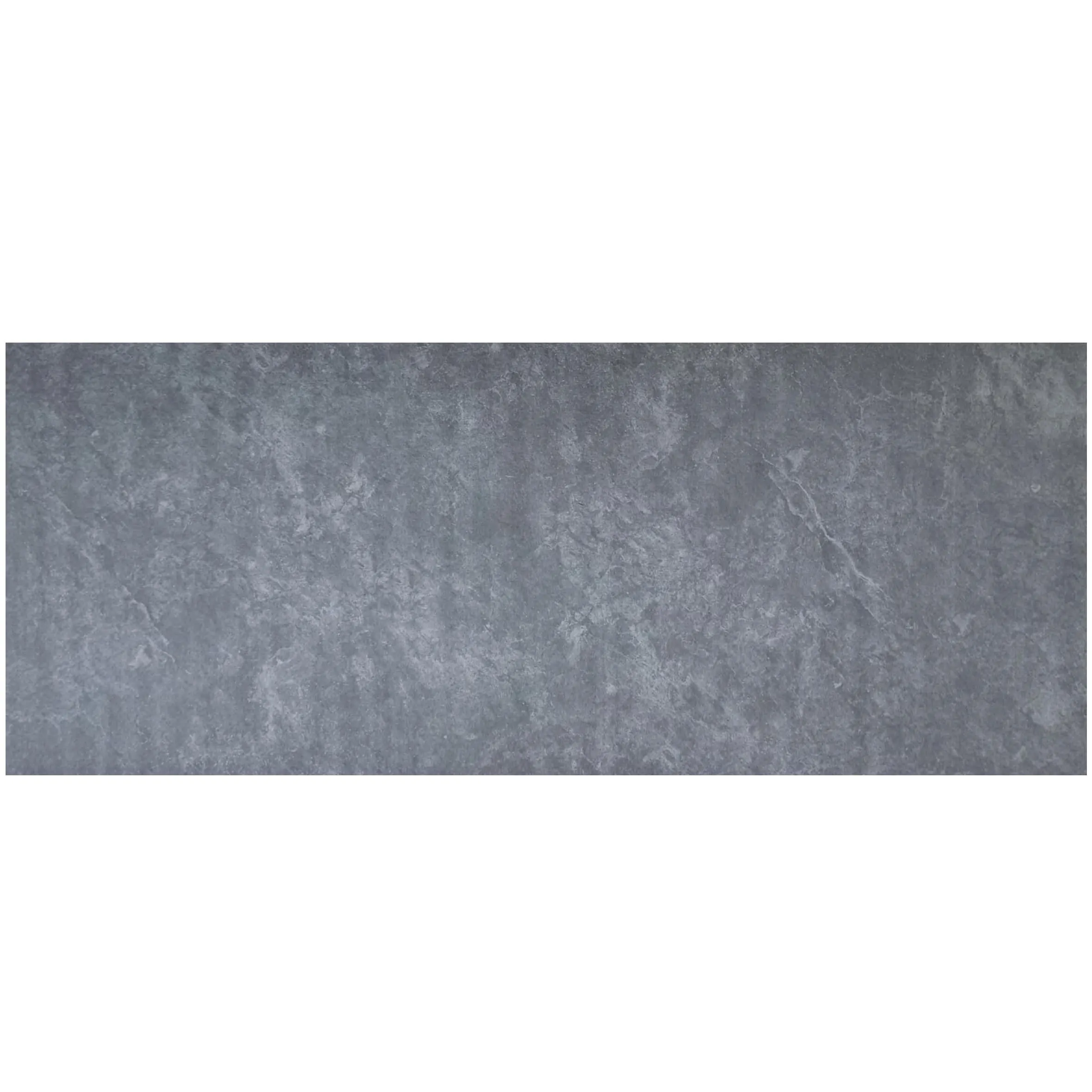
We spend roughly 90% of our lives indoors—at home, in offices, or exploring public spaces. The materials that shape these environments don't just affect how a room looks or feels; they leave a lasting mark on the planet, too. In recent years, the construction industry has started waking up to this reality, shifting from resource-heavy practices to ones that prioritize sustainability. Enter Marble Interstellar Gray —a material that's not just turning heads for its sleek, modern aesthetic but also for its surprisingly eco-friendly credentials. Let's dive into why this stone is becoming a go-to for architects and designers who want to build beautifully without costing the Earth.

Traditional building materials have a dirty secret: they're major contributors to global carbon emissions. From quarrying raw stone to manufacturing synthetic alternatives like certain plastics or heavily processed concrete, the industry is responsible for nearly 11% of global CO2 output, according to the United Nations. That's where green building materials come in. These are materials designed to minimize environmental harm across their lifecycle—from extraction and production to use and disposal. They're durable, energy-efficient, and often recyclable, reducing the need for constant replacements and cutting down on waste.
Marble Interstellar Gray fits squarely into this category, but it's not alone. Materials like MCM flexible stone (a lightweight, durable composite) and fair-faced concrete (which requires minimal finishing, saving energy) are also gaining traction. What sets Marble Interstellar Gray apart, though, is its unique blend of natural beauty and sustainable performance—a combination that's hard to beat.

One of the biggest selling points of Marble Interstellar Gray is its recyclability. Unlike some synthetic materials that end up in landfills, this stone is 100% natural, meaning it can be crushed, repurposed, or reused without losing its structural integrity. Let's break it down:
Waste Reduction During Quarrying: Modern quarrying techniques for Marble Interstellar Gray are far more precise than they used to be. Instead of blasting large sections of rock (which creates massive waste), companies now use diamond-tipped saws and water jets to extract slabs with minimal damage to the surrounding environment. Any leftover stone—chips, dust, or offcuts—isn't discarded. It's collected, crushed into aggregate, and used in other construction projects, like road bases or concrete mixes. This closed-loop system means almost no waste goes to landfill.
End-of-Life Reuse: Even after decades of use in a building, Marble Interstellar Gray doesn't lose its value. When a structure is renovated or demolished, the stone slabs can be carefully removed, cleaned, and reinstalled elsewhere. Think of it like vintage furniture—its character only deepens with time. Some architects even seek out reclaimed Marble Interstellar Gray for projects, drawn to the unique patina that develops from years of exposure to light and air. This reuse drastically reduces the need for new quarrying, lowering the material's overall carbon footprint.
Low-Impact Recycling: If the stone can't be reused whole, recycling it is still a breeze. Unlike plastics or metals, which require high heat or chemical processes to recycle, Marble Interstellar Gray simply needs to be crushed into smaller pieces. This process uses minimal energy and produces no harmful byproducts, making it a truly circular material.

Recyclability is just one piece of the puzzle. The way a material is produced matters, too. Marble Interstellar Gray's production process is designed to be as gentle on the planet as possible, starting with where it's sourced.
Responsible Quarrying: Reputable suppliers of Marble Interstellar Gray prioritize quarries located in areas with low biodiversity, avoiding sensitive ecosystems like rainforests or endangered habitats. They also implement reforestation programs, planting native trees and shrubs around quarry sites to restore soil health and prevent erosion once extraction is complete.
Energy-Efficient Processing: Cutting and finishing the stone used to be energy-intensive, but new technologies have changed that. Many factories now run on solar or wind power, and water used in cooling and polishing is recycled up to 10 times before being released (and even then, it's treated to remove any impurities). Compare this to travertine —another popular natural stone—which sometimes requires more water and energy for processing due to its porous nature. Marble Interstellar Gray's dense composition means it needs less finishing, translating to lower energy use.
Local Sourcing: To reduce transportation emissions, Marble Interstellar Gray is often quarried and processed close to where it's sold. For example, European suppliers might source from Italy or Greece, while Middle Eastern projects might use stone from Turkey or Iran. This "local for local" approach cuts down on the carbon footprint associated with shipping heavy materials across oceans.

To truly understand Marble Interstellar Gray's sustainability, it helps to see how it stacks up against other popular building materials. Let's take a closer look:
| Material | Recyclability | Production Carbon Footprint | Durability (Lifespan) | Weight (Lightweight = Lower Transport Emissions) |
|---|---|---|---|---|
| Marble Interstellar Gray | 100% recyclable/reusable | Low (minimal processing, local sourcing) | 50–100+ years | Medium (dense but transport-efficient) |
| Fair-Faced Concrete | Recyclable as aggregate | Medium (cement production is carbon-heavy) | 30–50 years | Heavy (high transport emissions) |
| Travertine | Recyclable/reusable | Medium (more water/energy for processing) | 40–80 years | Medium |
| MCM Flexible Stone | Limited (composite materials harder to recycle) | Low (lightweight, energy-efficient production) | 20–30 years | Lightweight (excellent transport efficiency) |
As the table shows, Marble Interstellar Gray excels in recyclability and durability, with a lower carbon footprint than fair-faced concrete and travertine. While MCM flexible stone is lighter, its shorter lifespan and limited recyclability make Marble Interstellar Gray a better long-term choice for sustainability.
Marble Interstellar Gray isn't just sustainable—it's versatile, too. Its cool, muted gray tone with subtle veining makes it a chameleon in design, fitting everything from modern offices to rustic homes. Here are some of the most common ways it's used:
Flooring: Its durability and resistance to scratches make it perfect for high-traffic areas like lobbies, hallways, and kitchens. Plus, its natural coolness helps regulate indoor temperatures, reducing the need for air conditioning in warm climates.
Wall Cladding: Whether used as an accent wall in a living room or to cover the exterior of a commercial building, Marble Interstellar Gray adds texture and depth without overwhelming the space. Its fire-resistant properties also make it a safe choice for public buildings.
Countertops: In kitchens and bathrooms, the stone's non-porous surface resists stains and bacteria, making it both hygienic and easy to clean. Unlike synthetic countertops, it won't fade or degrade under UV light, so it stays looking new for decades.
Landscaping: From garden paths to outdoor patios, Marble Interstellar Gray holds up well to rain, snow, and extreme temperatures. Its natural slip resistance (when finished with a matte texture) also makes it a safe choice for wet areas.
As governments around the world tighten regulations on carbon emissions and green building certifications like LEED (Leadership in Energy and Environmental Design) become the norm, demand for sustainable materials will only grow. Marble Interstellar Gray is perfectly positioned to meet this demand, thanks to its recyclability, low-impact production, and timeless appeal.
But the future isn't just about using sustainable materials—it's about innovating how we use them. Architects are already experimenting with combining Marble Interstellar Gray with MCM flexible stone to create lightweight, energy-efficient facades, or pairing it with fair-faced concrete for a raw, industrial look that's also eco-friendly. These hybrid designs leverage the best properties of each material, proving that sustainability and style can go hand in hand.
Another trend to watch is the rise of "biophilic design"—creating spaces that connect people with nature. Marble Interstellar Gray, with its organic veining and earthy tone, fits naturally into this movement. It brings a piece of the outdoors inside, reducing stress and boosting wellbeing, all while being kind to the planet.
Marble Interstellar Gray isn't just a building material—it's a statement. It says that you care about the planet without compromising on quality or design. Its recyclability, low-impact production, and durability make it a standout in the world of green building materials, proving that natural stone can be just as sustainable as cutting-edge composites.
As we look to the future, materials like Marble Interstellar Gray will play a crucial role in reducing the construction industry's environmental footprint. They remind us that sustainability isn't a trend; it's a responsibility. So the next time you walk into a building with sleek gray stone floors or a textured wall, take a moment to appreciate the thought that went into choosing it. Chances are, it's not just there to look good—it's there to build a better world, too.
Recommend Products












