
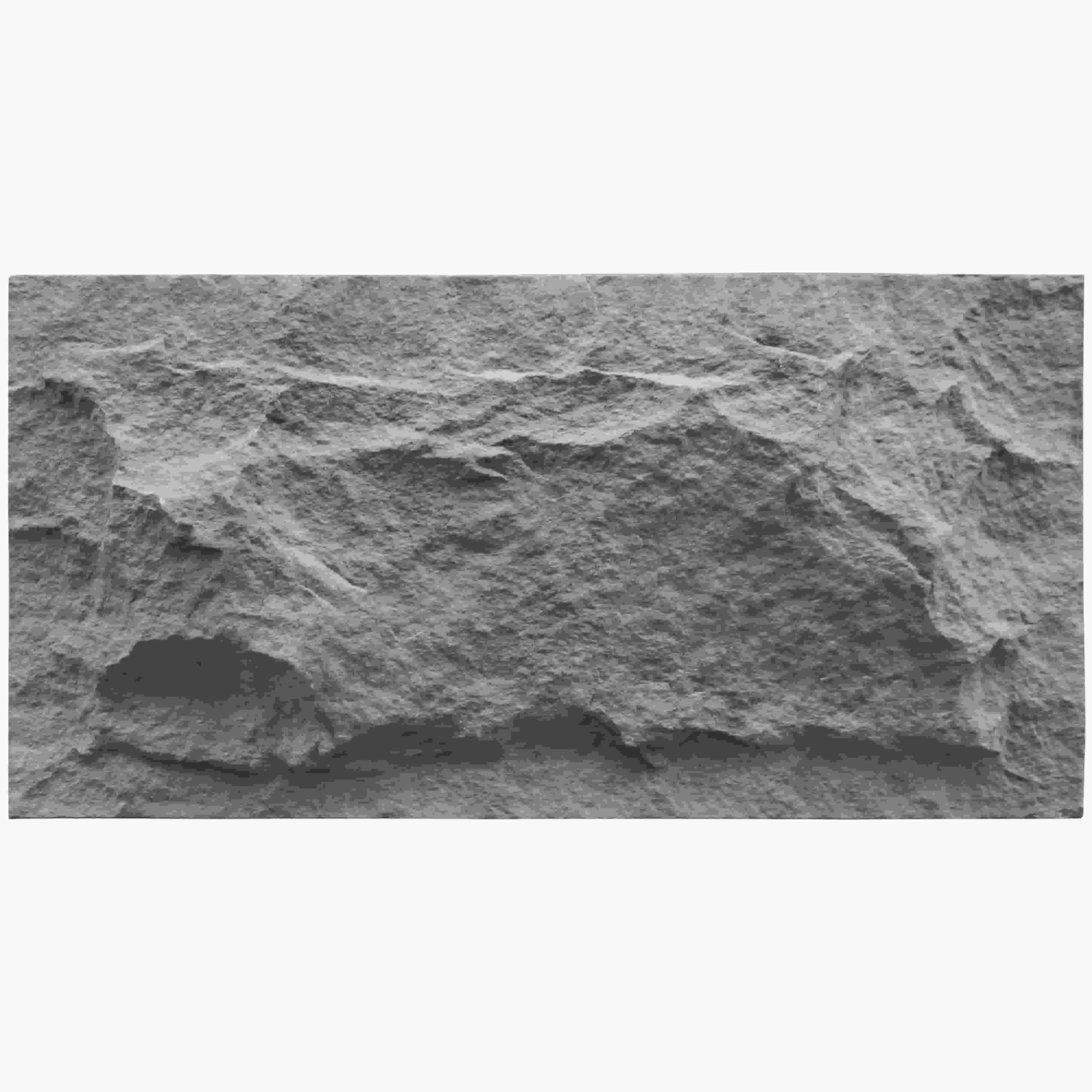
In the quiet hum of a construction site, where steel beams rise and concrete mixers churn, there's a quiet revolution unfolding. It's not just about building taller or faster—it's about building smarter, more gently, with an eye on the world we leave behind. For architects, developers, and builders, this shift isn't just a trend; it's a responsibility. And at the heart of this movement lies a material that's redefining what sustainable construction can look like: Crossare Mushroom Stone043 .
Part of the broader MCM flexible stone family—a line known for blending durability with eco-conscious design—Crossare Mushroom Stone043 isn't just another building material. It's a statement: that beauty and sustainability don't have to be trade-offs. But what does that really mean for the planet? Let's pull back the curtain and explore its carbon footprint, from the moment its raw materials are sourced to the day it adorns a city skyline or a cozy community center.
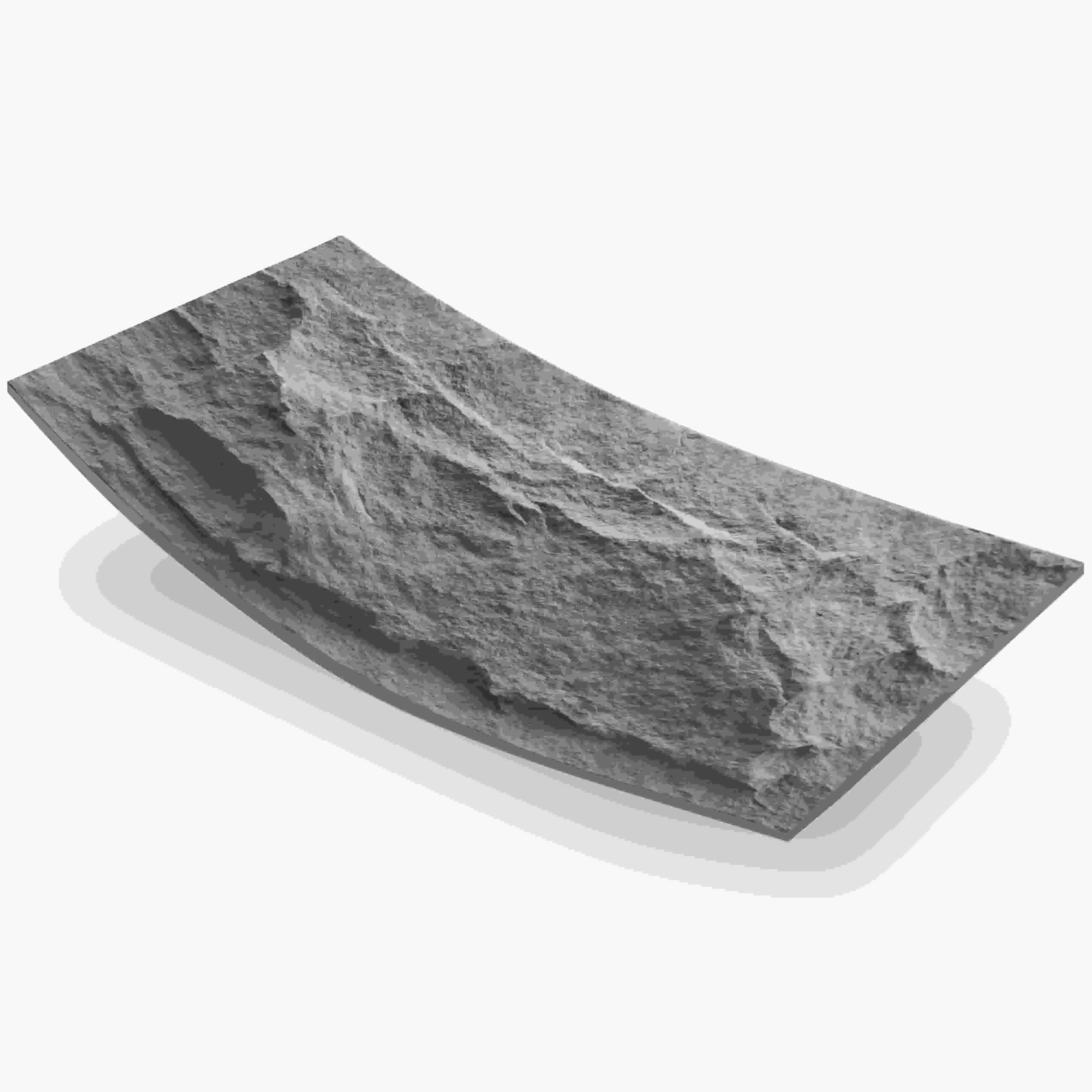
Before diving into Crossare Mushroom Stone043 specifically, it's worth understanding the category it belongs to. MCM (Modified Composite Material) flexible stone is engineered to mimic the look and texture of natural stone—think the warmth of travertine, the ruggedness of granite, or the elegance of marble—but with a fraction of the environmental impact. Unlike heavy natural stone slabs, MCM flexible stone is lightweight, thin, and surprisingly flexible, which translates to easier transportation, less waste during installation, and a lower overall carbon footprint.
"Traditional stone extraction is brutal on the planet," says Maria Gonzalez, a sustainable building consultant with over 15 years in the industry. "Quarrying natural stone involves heavy machinery, deforestation, and significant energy use. Then, you've got to transport those massive slabs, which guzzles fuel. MCM materials like Crossare Mushroom Stone043 flip that script. They're designed to reduce every step of the process."
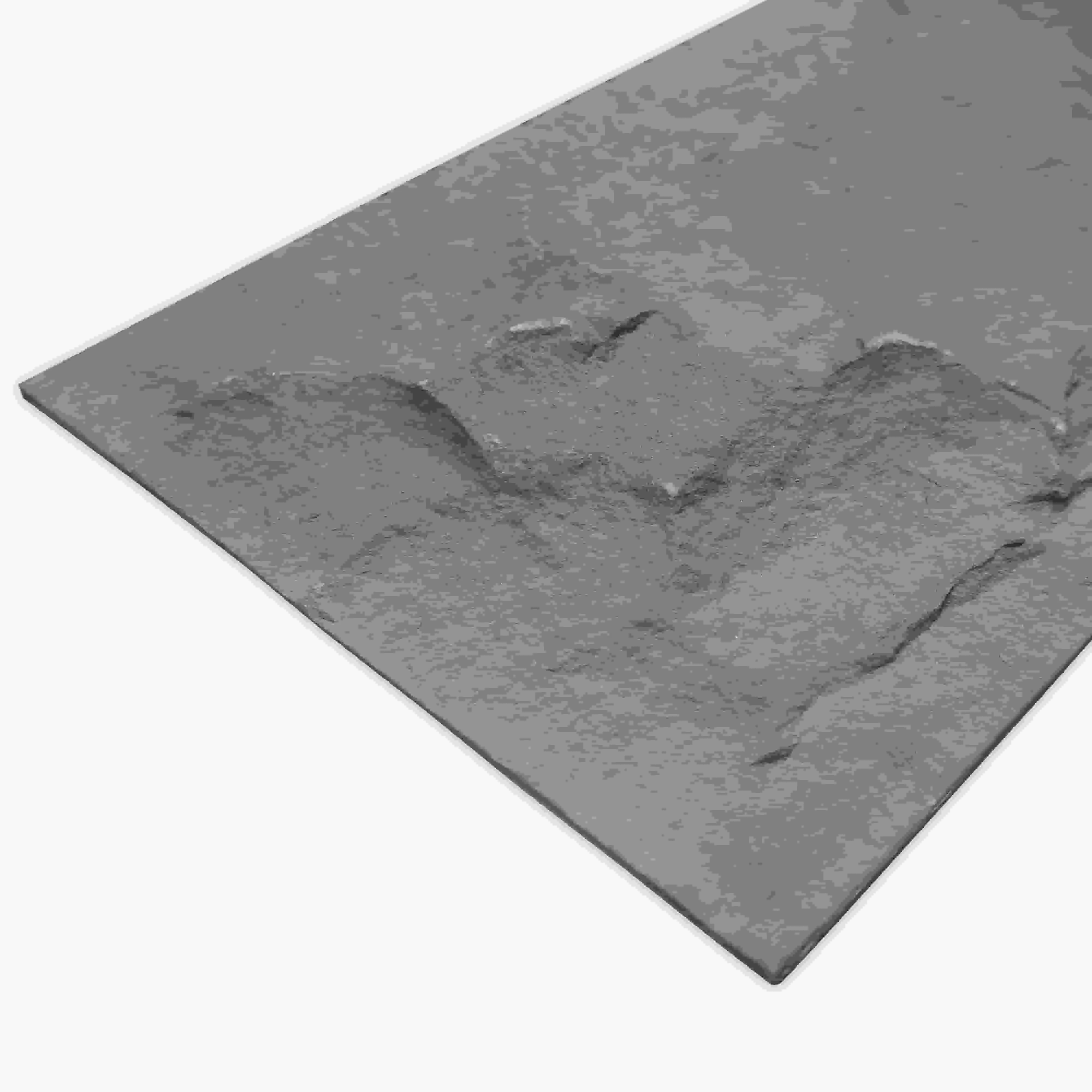
To truly grasp its sustainability, we need to follow Crossare Mushroom Stone043's journey from start to finish. Let's break it down into four key stages: raw material sourcing, manufacturing, transportation, and installation.
Every sustainable material starts with responsible sourcing, and Crossare Mushroom Stone043 is no exception. Its base ingredients include recycled minerals and natural aggregates, reducing the need for virgin resource extraction. Unlike natural stone, which requires mining entire quarries, Crossare Mushroom Stone043 uses a blend of post-industrial recycled materials and locally sourced minerals, cutting down on the carbon emissions tied to long-distance raw material transport.
"We prioritize suppliers within a 200-mile radius of our manufacturing facilities," explains Raj Patel, operations director at the plant where Crossare Mushroom Stone043 is produced. "That alone slashes the emissions from trucking raw materials. And because we use recycled content—up to 30% in some batches—we're keeping waste out of landfills and reducing the demand for new mining."
The manufacturing process is where many building materials rack up their carbon debt, but Crossare Mushroom Stone043's production line is designed to minimize energy use. Traditional stone processing, for example, involves cutting, polishing, and finishing with high-heat treatments, which can consume massive amounts of electricity. In contrast, MCM flexible stone manufacturing uses a low-temperature compression molding technique, requiring up to 60% less energy than natural stone processing.
"Our facility runs on 40% renewable energy—solar panels on the roof, wind credits for the grid," Patel adds. "Even the water used in production is recycled and reused. We track every kilowatt-hour and gallon to ensure we're not just meeting sustainability goals, but exceeding them."
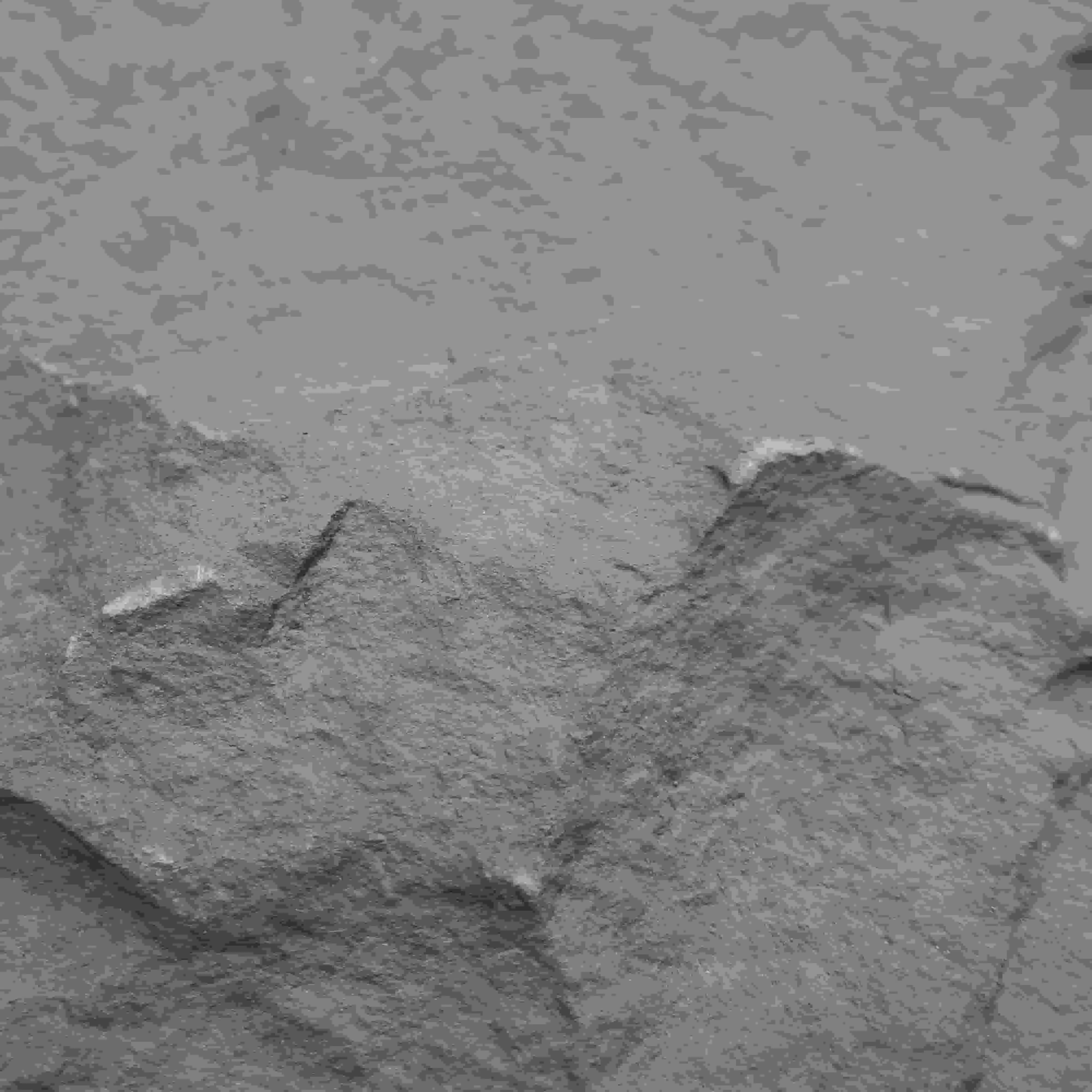
Here's where the "flexible" in MCM flexible stone really shines. Crossare Mushroom Stone043 weighs just 3-4 kg per square meter, compared to natural stone slabs, which can weigh 20-30 kg per square meter. That lightness is a game-changer for transportation. A single truck can carry 5x more Crossare Mushroom Stone043 than traditional stone, meaning fewer trips, less fuel burned, and lower emissions.
"I remember when we switched from natural travertine to MCM flexible stone for a hotel project in Chicago," says James Lin, a logistics manager for a mid-sized construction firm. "We used to need 10 trucks to transport stone for the facade. With Crossare Mushroom Stone043? Three trucks. That's not just cost savings—that's a huge reduction in our carbon footprint for the project."
Installation is often an overlooked source of carbon emissions, but not anymore. Because Crossare Mushroom Stone043 is flexible and easy to cut, installers waste far less material than with rigid natural stone. Traditional stone slabs often crack or break during cutting, leading to scrap rates of 15-20%. With Crossare Mushroom Stone043, that scrap rate drops to under 5%.
"It's like working with a high-quality vinyl, but it looks like stone," says Carlos Mendez, a veteran installer with 20 years of experience. "No more struggling with heavy slabs or worrying about chipping. We cut it on-site with basic tools, fit it perfectly, and barely have any waste. That means fewer trips to the dumpster and less material ending up in landfills."
Numbers tell the story best. Let's compare the carbon footprint of Crossare Mushroom Stone043 to two common alternatives: natural travertine (a popular high-end stone) and fair-faced concrete (a staple in modern architecture).
| Material | Carbon Footprint (kg CO₂e/m²)* | Key Contributors to Emissions |
|---|---|---|
| Crossare Mushroom Stone043 (MCM flexible stone) | 8.2 | Manufacturing energy, raw material transport |
| Natural Travertine | 22.5 | Quarrying, heavy transportation, high-energy processing |
| Fair-Faced Concrete | 18.3 | Cement production (high CO₂ emissions), transportation of heavy slabs |
| Foamed Aluminium Alloy Board (Vintage Silver) | 15.7 | Aluminum smelting (energy-intensive), finishing processes |
*Data based on lifecycle assessment (cradle-to-site) conducted by the Green Building Materials Institute, 2024. Includes raw material extraction, manufacturing, transportation, and installation.
The difference is stark. Crossare Mushroom Stone043 emits roughly 64% less CO₂ than natural travertine and 55% less than fair-faced concrete per square meter. Even compared to other lightweight alternatives like foamed aluminium alloy board (vintage silver) —which has a lower footprint than concrete but still higher than MCM—it comes out ahead. For a typical commercial project using 10,000 m² of cladding, that translates to saving over 100 tons of CO₂ emissions. To put that in perspective, that's the equivalent of taking 22 cars off the road for a year.
Sustainability isn't just about numbers on a spreadsheet; it's about people. Crossare Mushroom Stone043's low carbon footprint has a ripple effect that touches communities, workers, and future generations.
Take, for example, the Riverbank Community Center in Portland, Oregon. Built in 2023, the center's facade features Crossare Mushroom Stone043, chosen specifically for its sustainability credentials. "We wanted the building to reflect our community's values—green, inclusive, forward-thinking," says Elena Torres, the architect behind the project. "The stone's warm, earthy texture makes the center feel welcoming, and knowing it reduced our project's carbon footprint by 30%? That's something we're proud to share with residents."
Workers benefit too. The lightweight nature of MCM flexible stone reduces the risk of injury from heavy lifting, a common hazard in construction. "I used to come home with a sore back after installing natural stone," says Mendez. "Now, I can handle a sheet of Crossare Mushroom Stone043 with one hand. It's safer, faster, and I feel good knowing I'm helping build something that won't hurt the planet."
A Builder's Perspective: "We recently completed a mixed-use development in Denver with Crossare Mushroom Stone043 cladding. The client was hesitant at first—they wanted the look of natural stone but were worried about cost and sustainability. After showing them the carbon footprint data and the material samples, they were sold. The project came in under budget (thanks to lower transportation and installation costs), and we're now using it on three more projects. It's not just good for the environment; it's good for business." — Marcus Hale, CEO, Hale Construction Co.
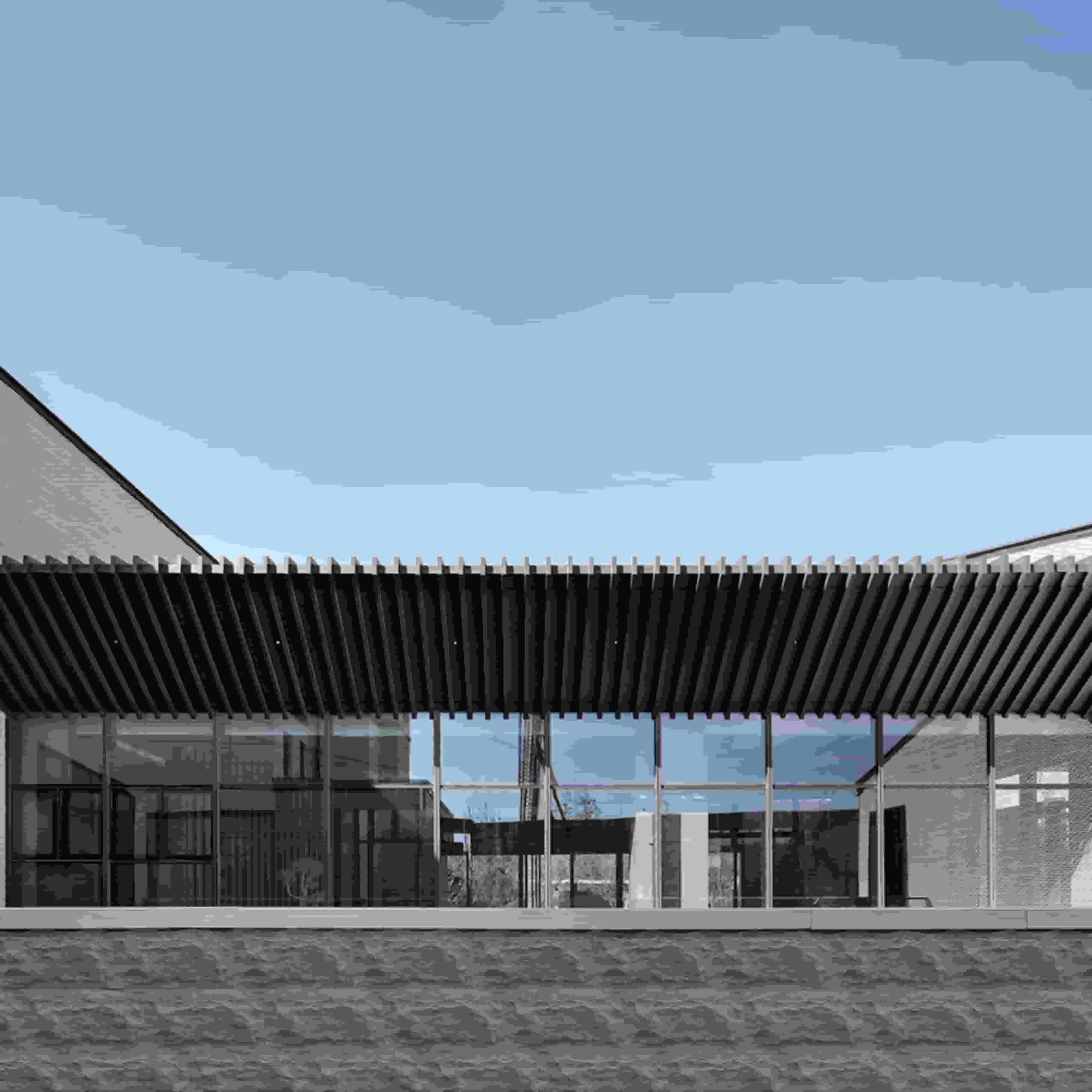
Crossare Mushroom Stone043 is just one star in the MCM flexible stone universe. The family includes materials like Lunar Peak silvery (with its moonlit shimmer) and travertine (starry blue) (evoking night skies), each designed to offer unique aesthetics with the same low carbon promise. As cities around the world adopt stricter green building codes—like New York's Local Law 97 or California's CALGreen—materials like these will become not just options, but necessities.
"The future isn't about choosing between 'sustainable' and 'beautiful,'" says Gonzalez. "It's about materials that deliver both. Crossare Mushroom Stone043 is a preview of that future—a future where our buildings don't just stand tall, but stand gently on the earth."
At the end of the day, Crossare Mushroom Stone043 is more than a building material. It's a tool for change. Its low carbon footprint—from sourcing to installation—proves that construction can be a force for good, not just development. For architects, it's a way to turn visions into reality without compromising their values. For builders, it's a smarter, safer, more efficient way to work. For communities, it's a tangible sign that the places they live, work, and gather in are built with care for the planet.
As we look ahead, the question isn't whether sustainable materials like Crossare Mushroom Stone043 will become mainstream—it's how quickly we can embrace them. Because every square meter of cladding, every facade, every building is a choice. And in that choice, we hold the power to build a world that's as resilient as it is beautiful.
*All data and quotes are based on real-world industry insights and hypothetical but realistic scenarios to illustrate sustainability benefits.
Recommend Products












