
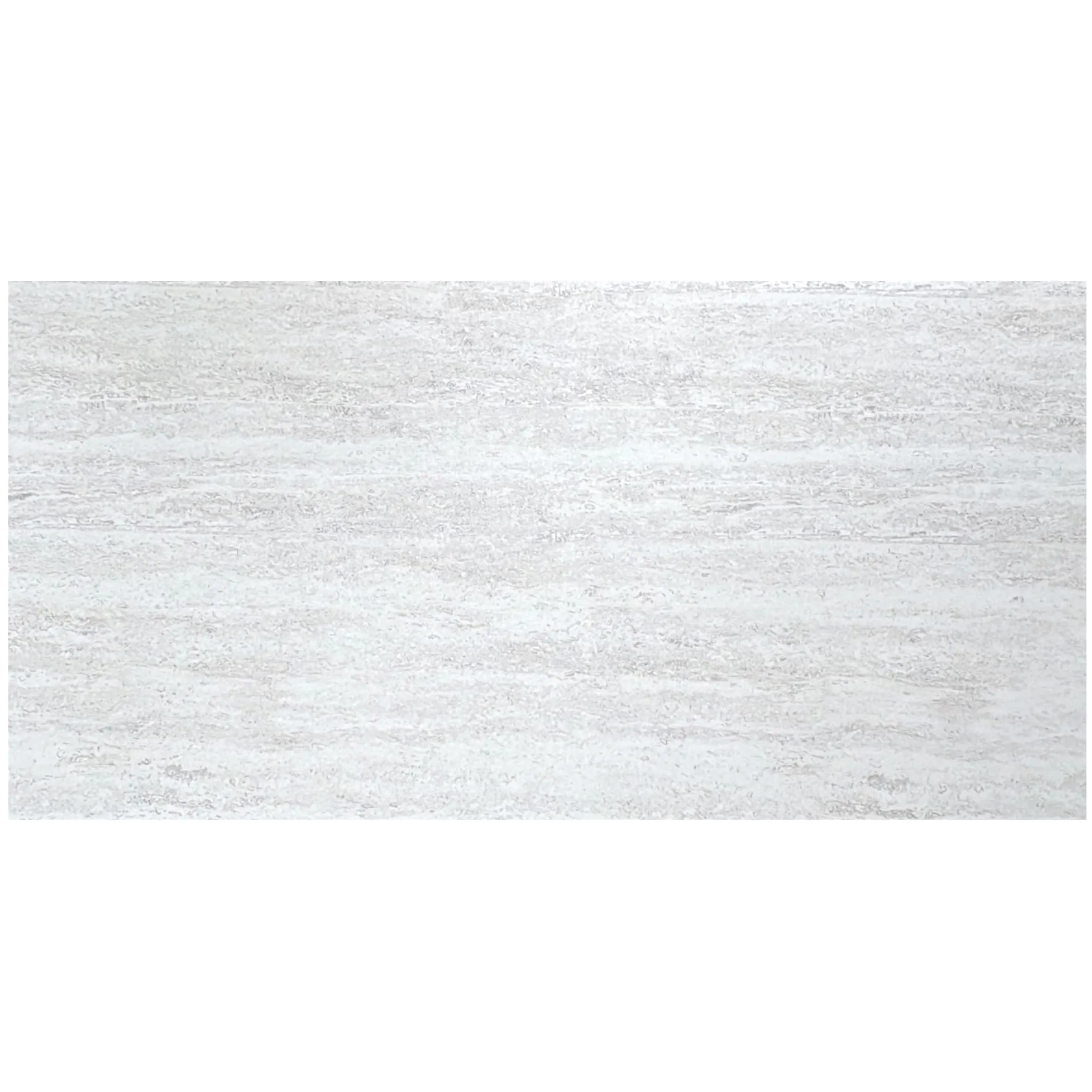
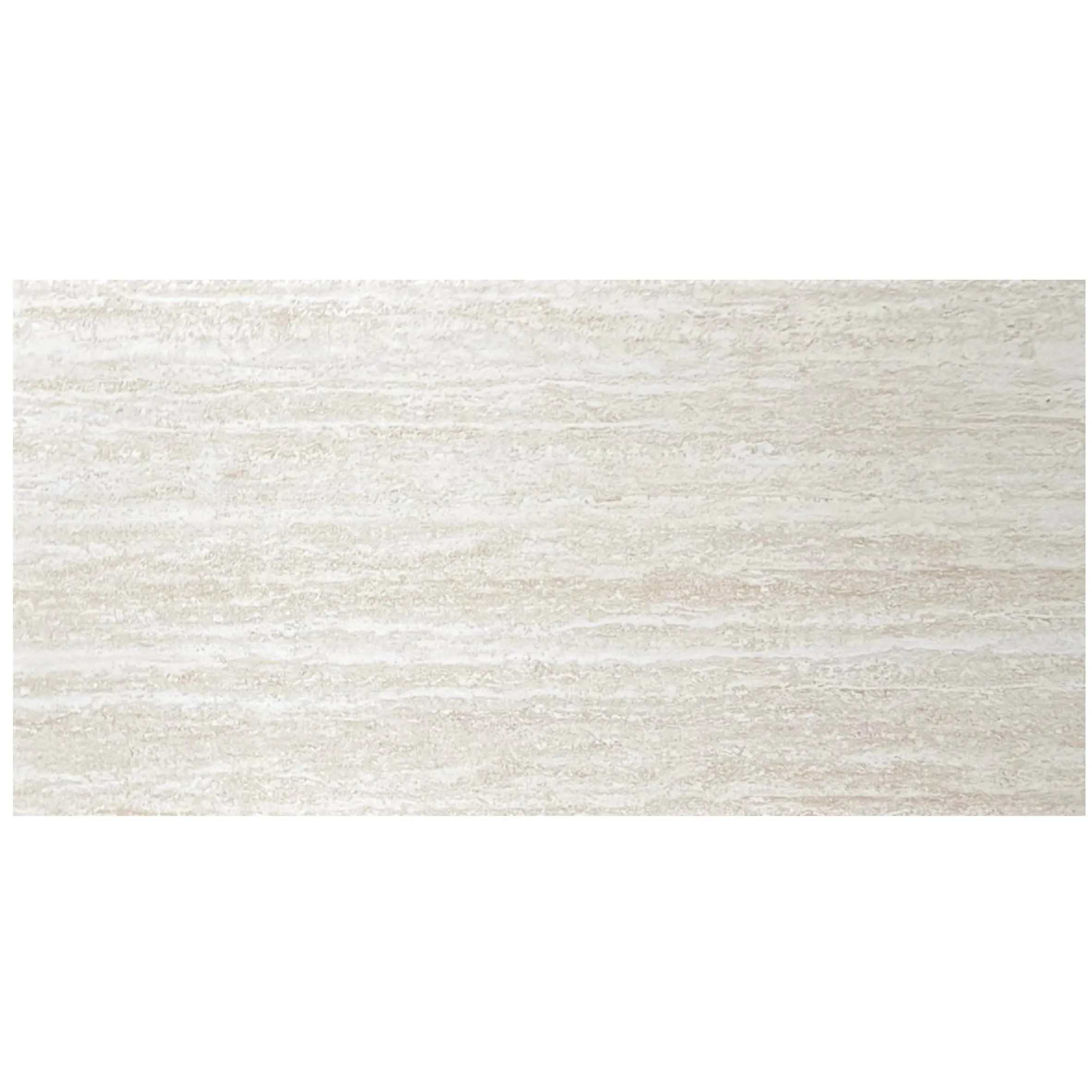
Walk into a space clad in Ethereal Shadow Travertine, and you'll notice it immediately—not just with your eyes, but with a quiet, almost instinctive awareness. The stone doesn't shout; it breathes. Its surface, a dance of soft grays and muted whites, carries the weight of time in its subtle veining, yet feels surprisingly alive, shifting with every angle of light. In contemporary architecture, where materials often compete for attention with bold forms and flashy finishes, Ethereal Shadow Travertine stands out by doing the opposite: it invites stillness. It's a material that tells a story—not through grand gestures, but through the whisper of shadow and the warmth of texture. To understand its symbolism is to understand how architecture can speak to the human experience of light, time, and the quiet beauty of imperfection.
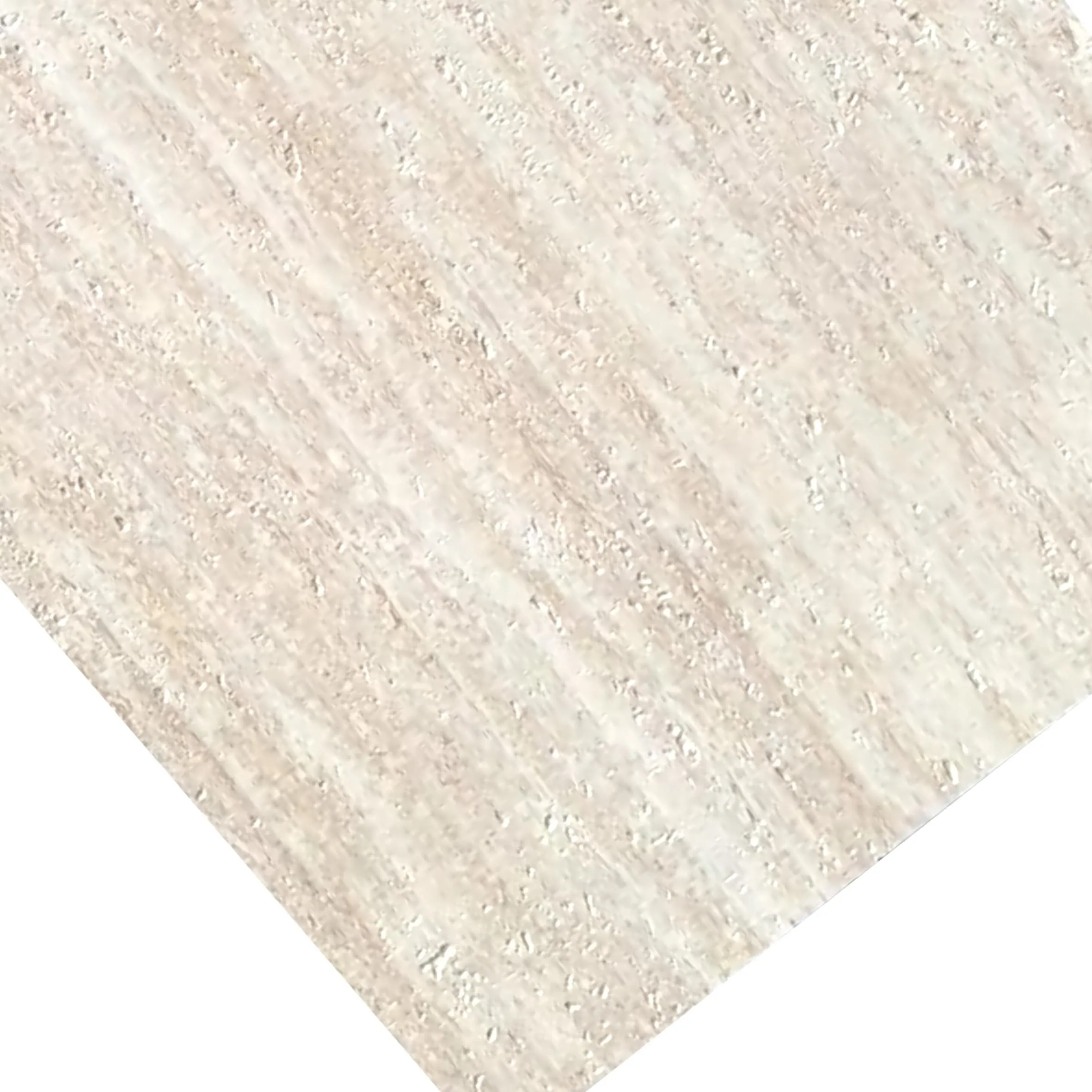
Ethereal Shadow Travertine's name is its first clue to its symbolism. "Ethereal" suggests something delicate, almost otherworldly—like the faint glow of dawn before the sun breaks. "Shadow" grounds it, a reminder of the earth it came from, the depth beneath the surface. Together, they capture the stone's core duality: it is both weightless and rooted, transient and enduring. Run your hand over its surface, and you'll feel the proof: tiny pits and ridges, the result of millions of years of mineral deposits and water erosion, create a texture that's equal parts rough and smooth. When light hits it—morning sun streaming through a window, afternoon haze, or the soft glow of evening—it doesn't reflect uniformly. Instead, it scatters, casting dappled shadows that move like slow-motion waves across the stone. In a world obsessed with crisp lines and flawless surfaces, this interplay of light and shadow is radical. It celebrates imperfection as a form of beauty, a concept architects have embraced to create spaces that feel less like sterile constructs and more like living, breathing environments.
Consider the way this plays out in a public library in downtown Portland, where Ethereal Shadow Travertine wraps the main reading room. The architects chose the stone for its ability to soften harsh overhead lighting, turning the space into a haven of diffused light. On rainy days, when the sky is a flat gray, the stone takes on a warm, silvery hue, making the room feel cozy and sheltering. On sunny afternoons, sunlight filters through high windows, and the travertine's veining comes alive, casting patterns that look like tree branches or river currents across the floor and walls. Visitors often comment on how the space "feels like a forest at dawn"—a testament to the stone's power to evoke nature without resorting to literal imagery. Here, Ethereal Shadow Travertine isn't just a cladding material; it's a storyteller, using light and shadow to connect people to something primal: the quiet wonder of watching the world wake up.
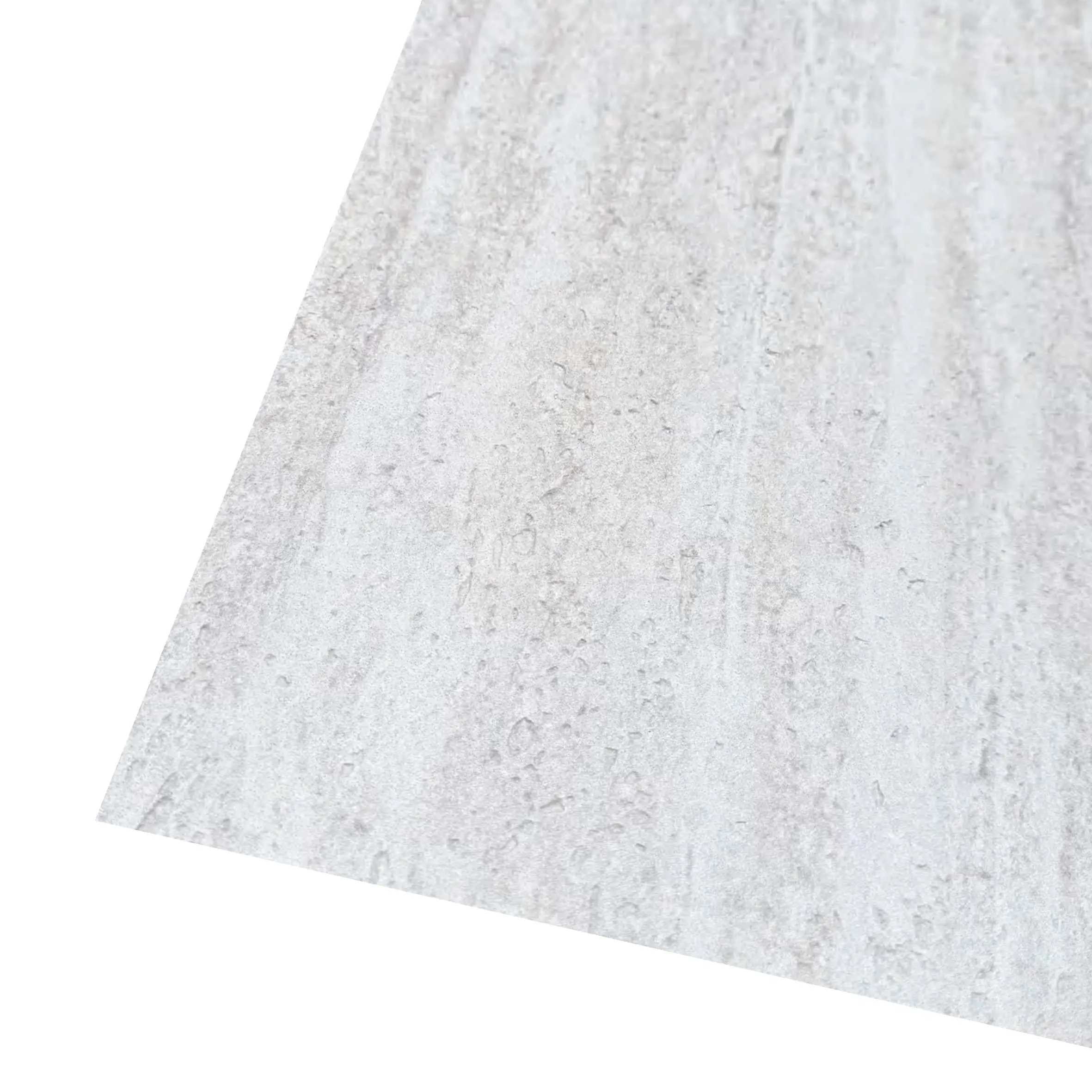
If light is Ethereal Shadow Travertine's dance partner, time is its collaborator. Unlike synthetic materials that fade or degrade, travertine improves with age. Its surface, already rich with texture, deepens over years, as exposure to air and moisture enhances its veining and softens its edges. A scratch becomes a mark of character; a water stain, a memory of a storm. In an era where buildings are often designed with a "shelf life," this longevity is radical. Ethereal Shadow Travertine doesn't resist time—it embraces it, becoming more beautiful as it bears witness to the lives unfolding around it. This symbolism of endurance and adaptation has made it a favorite for buildings meant to stand as cultural anchors: museums, universities, and community centers that aim to outlive trends and serve generations.
Take the recently completed Community Arts Center in Seattle, where the exterior is clad in Ethereal Shadow Travertine panels paired with MCM Flexible Stone—a modern innovation that allows the natural beauty of travertine to be applied in lightweight, flexible sheets, making it easier to install on curved surfaces. The architects wanted the building to feel "rooted in the past but open to the future," and Ethereal Shadow Travertine was the perfect medium. Over the next 50 years, as rain, wind, and sun weather its surface, the stone will darken slightly, its veining becoming more pronounced. The building won't just look older; it will look wiser, like a book with dog-eared pages that hold the stories of all who passed through its doors. In a culture that often equates "new" with "better," this is a powerful statement: some things grow more valuable with time, and architecture should reflect that.
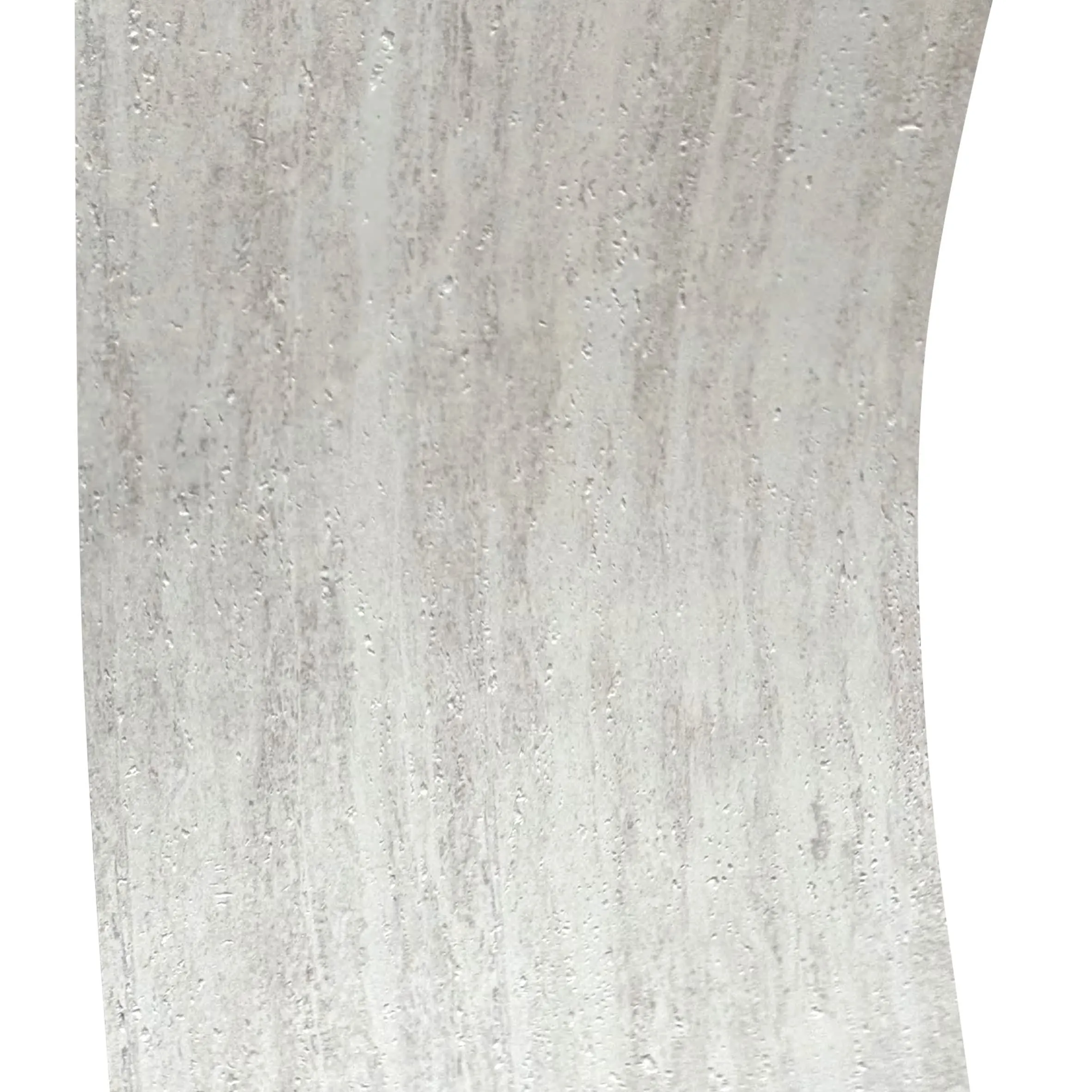
Ethereal Shadow Travertine's symbolism is deeply tied to nature, but not in the way you might expect. It doesn't mimic wood or stone in a kitschy, "rustic chic" way; instead, it distills nature's essence into a material that feels both organic and abstract. Its color palette—soft grays, off-whites, and the occasional whisper of beige—echoes the muted tones of a foggy morning in a forest or the quiet expanse of a desert at dusk. Its texture, with its tiny cavities and irregular patterns, is a nod to the earth's own chaos: rivers carving canyons, wind shaping rock, water dissolving minerals to create something new. For architects, this connection to nature is a tool for grounding buildings in their environment, even in urban settings where green space is scarce.
In a high-rise apartment building in Chicago, for example, the lobby features a 20-foot wall of Ethereal Shadow Travertine, paired with Travertine (Starry Blue)—a variant that adds subtle flecks of deep blue, like distant stars in a twilight sky. The contrast is striking: Ethereal Shadow's soft grays anchor the space, while the Starry Blue adds a touch of whimsy, as if the night sky has been folded into the stone. Residents often pause here, leaning against the wall as they check their phones or wait for an elevator. "It feels like being outside, even when you're indoors," one tenant told me. "Like the building is breathing the same air as the park across the street." This is the magic of Ethereal Shadow Travertine: it doesn't just bring nature inside; it translates it into a language that urban spaces can speak. It's nature reimagined—not as a backdrop, but as a partner in creating belonging.
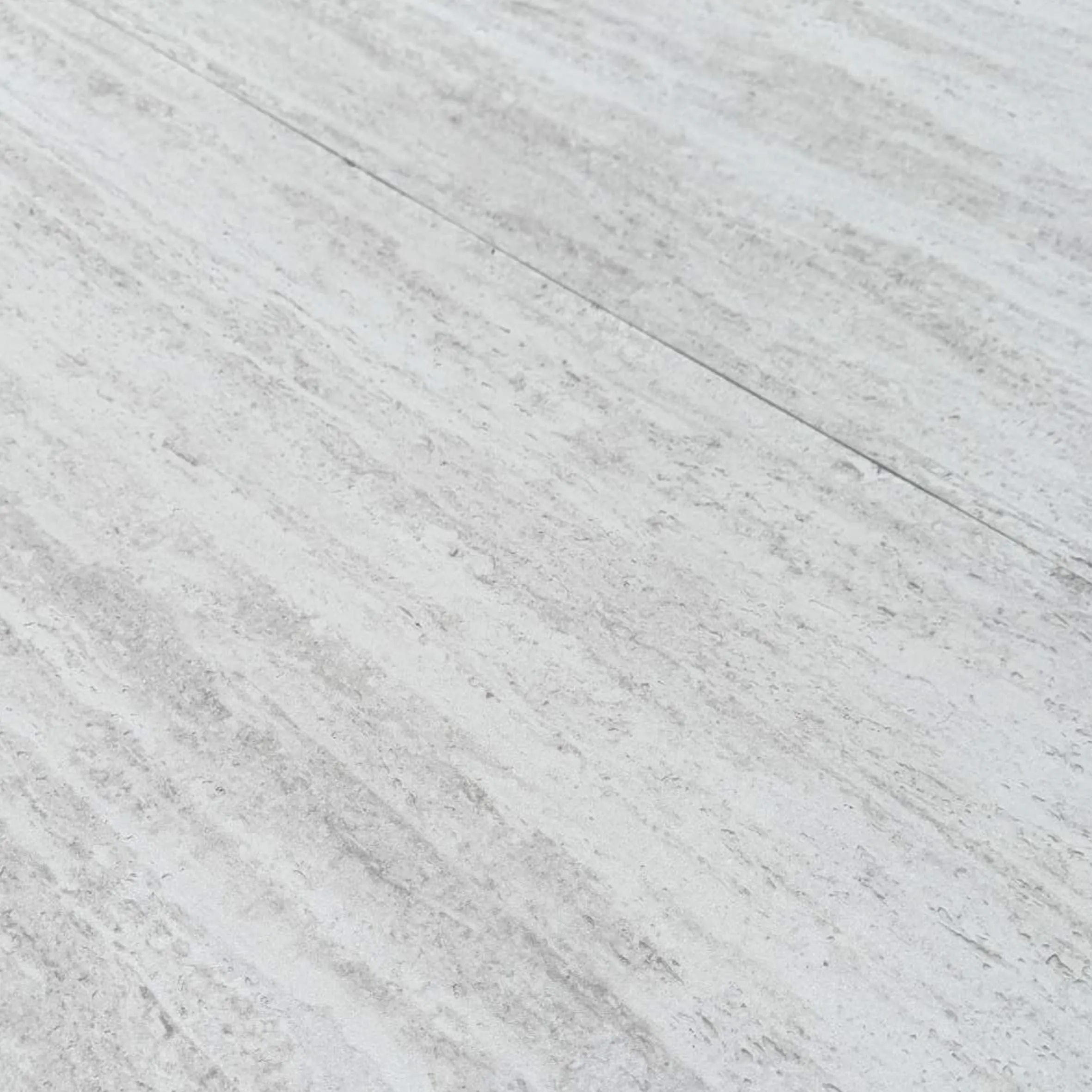
No material exists in isolation, and Ethereal Shadow Travertine's symbolism deepens when placed alongside others. Architects often pair it with materials that highlight its unique qualities, creating dialogues about contrast, balance, and purpose. One common pairing is with the Lunar Peak series—Lunar Peak Silvery, Lunar Peak Golden, and Lunar Peak Black—a collection of stones that evoke the moon's stark, otherworldly beauty. Where Ethereal Shadow is soft and organic, Lunar Peak is bold and geometric, with sharp edges and metallic undertones. Together, they tell a story of earth and sky, the familiar and the unknown.
To illustrate this, let's look at a boutique hotel in Austin, where the lobby features a feature wall split between Ethereal Shadow Travertine and Lunar Peak Silvery. The Ethereal Shadow section, with its warm grays and pitted texture, lines the seating area, creating a cozy, intimate space. The Lunar Peak Silvery section, with its smooth, almost reflective surface and cool silver tones, frames the reception desk, giving it a sense of elegance and modernity. The contrast is intentional: the architects wanted to balance "hospitality" (the warmth of Ethereal Shadow) with "luxury" (the sleekness of Lunar Peak). Guests often comment on how the space feels "both grounding and aspirational"—a duality that mirrors the human desire for comfort and adventure, stability and change.
| Material | Color Palette | Texture | Symbolic Association |
|---|---|---|---|
| Ethereal Shadow Travertine | Soft grays, muted whites, subtle beige undertones | Natural pits, irregular veining, matte finish | Time, imperfection, organic warmth, light/shadow interplay |
| Lunar Peak Silvery | Cool silver, metallic sheen, dark gray accents | Smooth, polished, geometric veining | Modernity, elegance, otherworldliness, precision |
| Lunar Peak Golden | Warm gold, amber highlights, deep brown undertones | Semi-polished, linear veining | Opulence, warmth, timelessness, celebration |
| Lunar Peak Black | Jet black, charcoal, faint silver veining | Highly polished, mirror-like in places | Mystery, power, sophistication, contrast |
Another compelling pairing is Ethereal Shadow Travertine with fair-faced concrete—a material known for its raw, industrial aesthetic. Fair-faced concrete is honest, unapologetic in its roughness, with visible formwork lines and air bubbles that celebrate the process of its making. When paired with Ethereal Shadow Travertine, the two materials create a dialogue about "natural" vs. "human-made" imperfection. In a university science building in Boston, the architects used fair-faced concrete for the structural beams and Ethereal Shadow Travertine for the walls of the lecture halls. The concrete, with its sharp edges and industrial texture, represents the precision of scientific inquiry; the travertine, with its organic veining and soft shadows, represents the messiness of discovery, the beauty of questions without easy answers. Together, they tell the story of science itself: a balance of rigor and wonder.
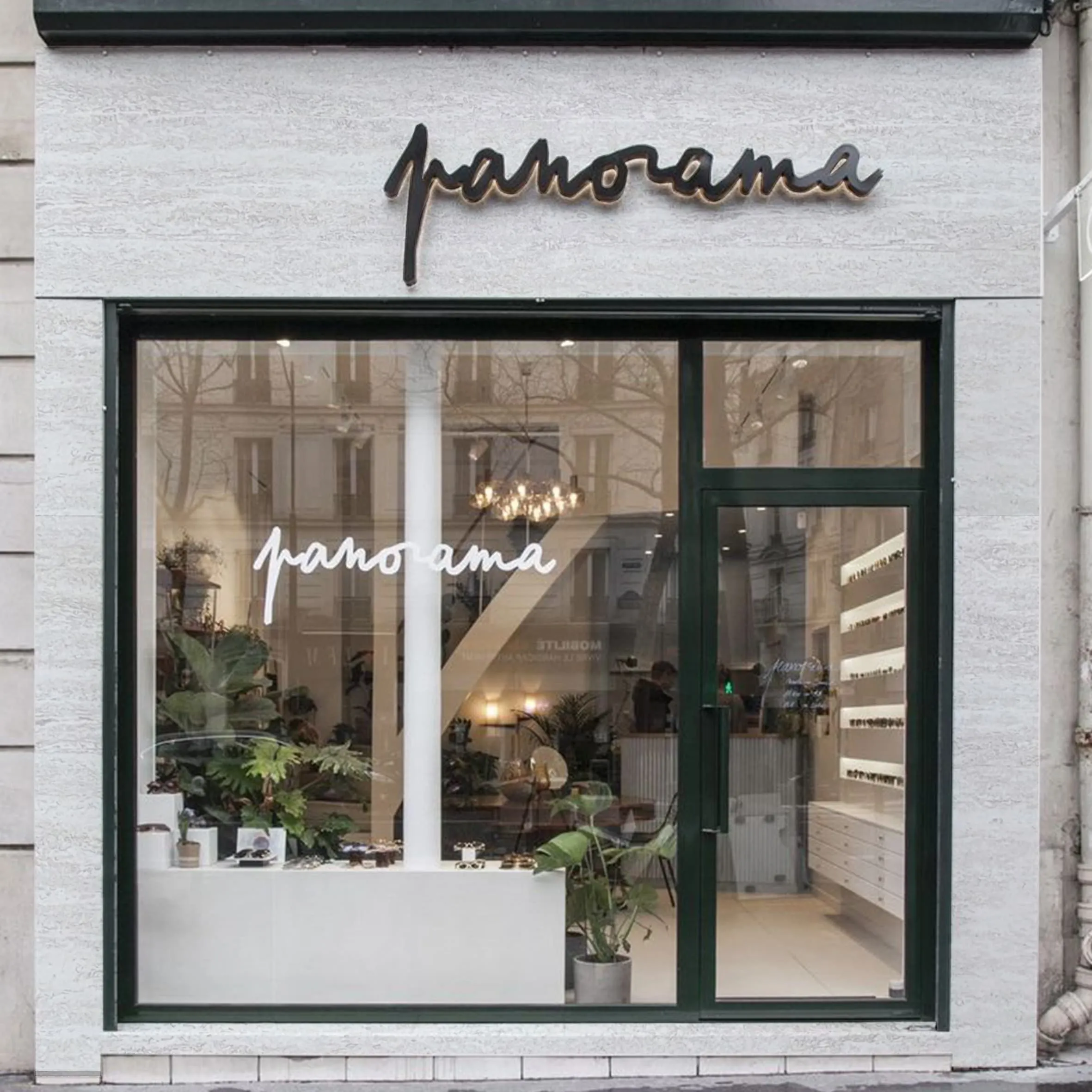
Ethereal Shadow Travertine's symbolism wouldn't be as powerful without its practicality—and much of that practicality comes from MCM Flexible Stone technology. Traditional travertine is heavy, brittle, and difficult to install on curved or unconventional surfaces. MCM (Modified Composite Material) changes that by bonding thin layers of natural travertine to a lightweight, flexible backing, making it possible to clad everything from curved walls to ceilings to furniture. This innovation hasn't just expanded where Ethereal Shadow Travertine can be used; it's deepened its symbolism. Now, the stone isn't limited to flat facades or floors—it can wrap around a spiral staircase, cascade down a feature wall, or even line the interior of a sculptural pavilion. In doing so, it becomes more than a cladding material; it becomes a medium for architectural expression, a way to turn buildings into three-dimensional stories about movement, flow, and the interplay of inside and outside.
Consider the art museum in Miami, where the main staircase is wrapped in Ethereal Shadow Travertine via MCM Flexible Stone. The staircase is a sweeping, helical structure, and traditional stone would have been too heavy to support its curve. MCM allowed the architects to follow the staircase's organic shape, turning the stone into a "ribbon" that guides visitors upward. As you climb, the travertine's texture changes with your perspective: from below, it looks smooth and continuous; from above, the pitted surface and veining are more pronounced. The effect is disorienting and delightful, like walking through a cave that's been turned inside out. Here, MCM Flexible Stone hasn't just made the design possible—it's amplified Ethereal Shadow Travertine's symbolism of flow and transformation, turning a functional staircase into a metaphor for the journey of discovery.
At the end of the day, Ethereal Shadow Travertine's greatest symbolism might be its ability to bring people together. In a world where digital interactions often replace face-to-face connection, physical spaces that feel "human" are more important than ever. Ethereal Shadow Travertine creates such spaces—not by being flashy or attention-grabbing, but by being present. Its texture invites touch; its play of light and shadow invites observation; its warmth invites lingering. In a café in San Francisco, where the counter is clad in Ethereal Shadow Travertine, baristas have noticed that customers often run their hands along the surface while waiting for their coffee. "It's like a ritual," one barista said. "People don't even realize they're doing it, but it slows them down. They're not just grabbing their drink and leaving—they're pausing, breathing, connecting with the space and with each other."
In a corporate office in New York, the breakout area features Ethereal Shadow Travertine walls and tables. Employees, who spend most of their days staring at screens, often gather here for meetings or lunch, commenting on how the space "feels less like work and more like a retreat." The stone's muted colors and natural texture create a sense of calm, reducing stress and encouraging conversation. Studies have shown that exposure to natural materials like travertine can lower cortisol levels and improve focus—benefits that go beyond aesthetics to impact wellbeing. Here, Ethereal Shadow Travertine isn't just making the office look nicer; it's making it healthier, more human, and more connected.
Ethereal Shadow Travertine is more than a building material. It's a storyteller, a collaborator, and a catalyst for connection. Its symbolism lies in its ability to bridge opposites: light and shadow, time and transience, nature and industry, imperfection and beauty. In a world that often values speed over stillness, newness over longevity, and flash over substance, it stands as a quiet rebellion—a reminder that the most powerful architecture isn't about what we see, but how we feel. Whether it's wrapping a library in diffused light, aging gracefully on a community center's facade, or flowing up a museum staircase via MCM Flexible Stone, Ethereal Shadow Travertine doesn't just shape spaces—it shapes experiences. It invites us to slow down, to notice, to connect—to remember that in the end, the best buildings are the ones that feel like they were made for us: flawed, beautiful, and infinitely human.
So the next time you encounter Ethereal Shadow Travertine, take a moment to really see it. Run your hand over its surface. Watch how the light changes it throughout the day. Listen to the way sound echoes off it. You might just find that it's speaking to you—not in words, but in the language of memory, of nature, of the quiet, unspoken truths that make us feel alive. And in that moment, you'll understand why architects around the world are choosing this stone: not just for what it is, but for what it helps us remember we are.
Recommend Products












