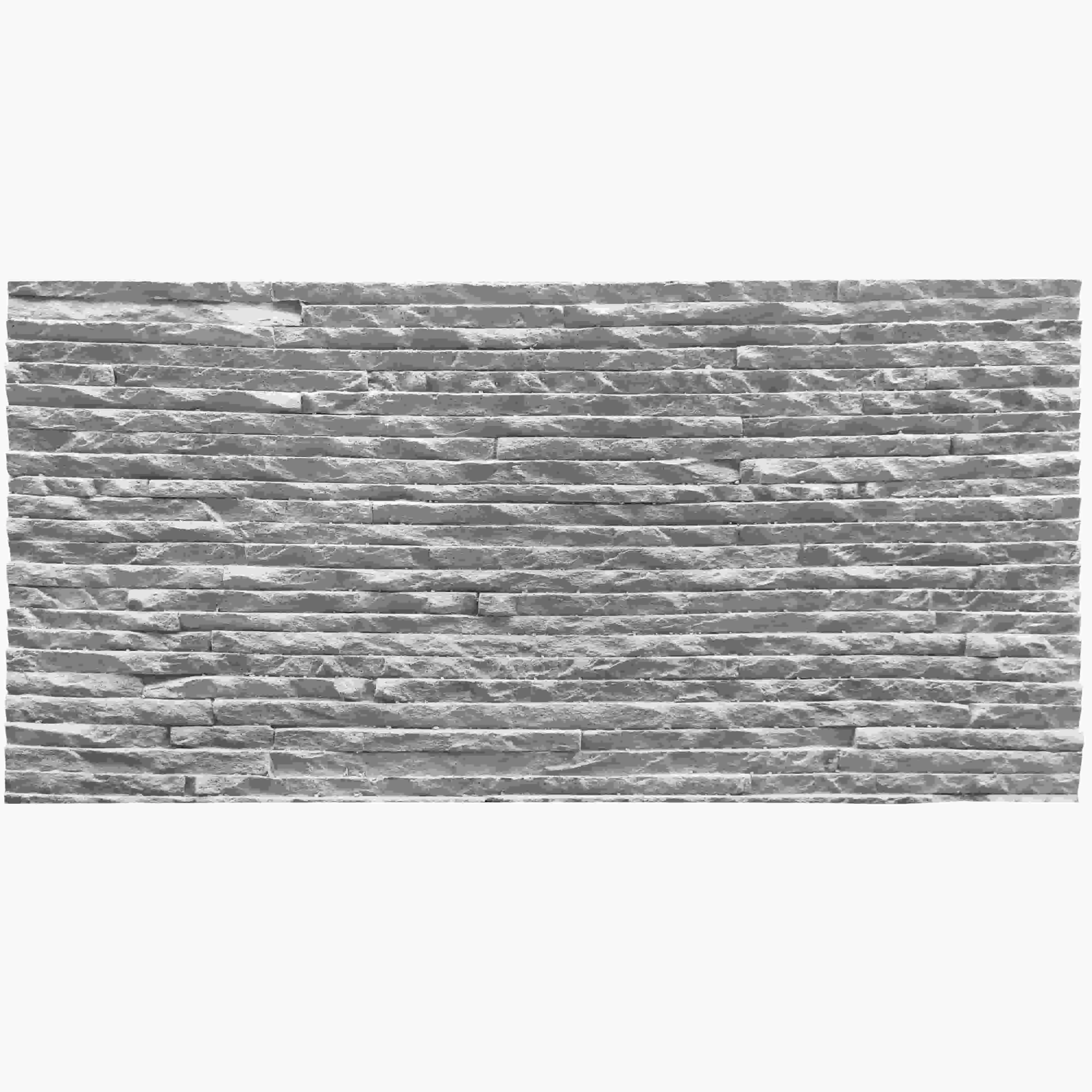
Walk down any modern city street, and you'll notice buildings are no longer just functional structures—they're canvases. Architects and designers chase materials that tell stories, balance durability with beauty, and adapt to the demands of 21st-century living. Enter
Muretto Stone (Light Grey), a material that's quietly revolutionizing facades, interiors, and even landscape design. Soft yet strong, understated yet striking, it's become a favorite for projects aiming to blend timeless elegance with cutting-edge performance. But what exactly makes this light grey wonder stand out? Let's dive into the technology that powers
Muretto Stone, starting with the modified cementitious materials at its core.
What Are Modified Cementitious Materials, Anyway?
If you're picturing traditional cement—dull, brittle, and heavy—think again. Modified cementitious materials are like the upgraded version of that classic building block. At their heart is ordinary Portland cement, but they're supercharged with additives, fibers, and composite elements that transform their properties. Imagine taking a basic recipe and adding secret ingredients to make it lighter, stronger, and more flexible. That's essentially what modified cementitious materials do.
For
Muretto Stone (Light Grey), the magic lies in "
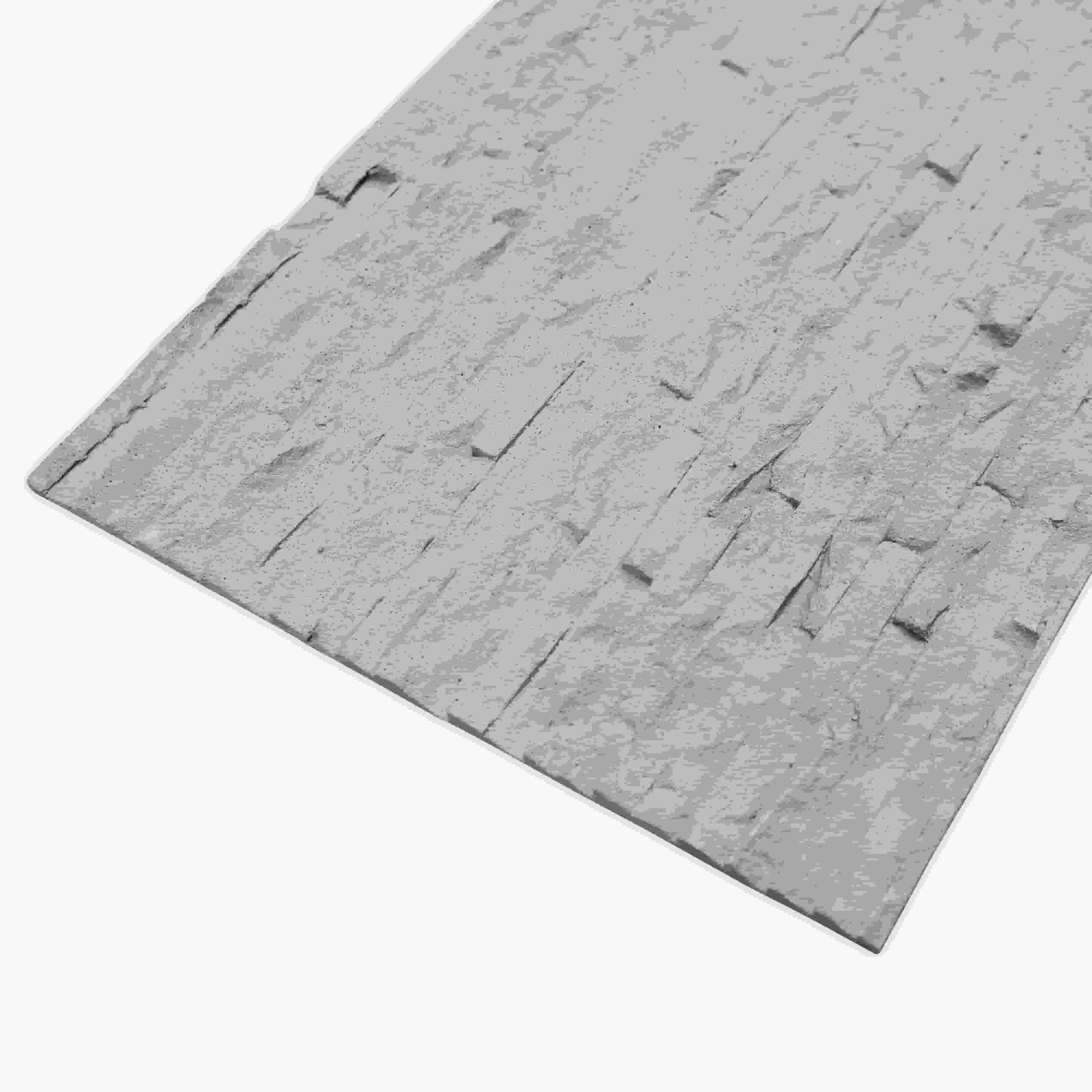
modified composite material panels." These panels aren't just cement mixed with water; they're engineered blends of cement, polymer resins, glass fibers, and mineral aggregates. The result? A material that retains cement's durability but gains flexibility, reduced weight, and a texture that mimics the warmth of natural stone—without the hassle of quarrying or the inconsistencies of raw rock.
From Lab to Panel: The Making of Muretto Stone (Light Grey)
Creating
Muretto Stone isn't a haphazard process—it's a dance of science and art. Let's break down the steps:
1. Sourcing the "Secret Sauce"
The journey starts with selecting high-grade raw materials. The base is white Portland cement (for that clean, light grey base), mixed with fine silica sand for texture, and chopped glass fibers for tensile strength. Then come the polymers—these are the game-changers. Polyvinyl alcohol (PVA) fibers, for example, act like tiny reinforcements, preventing cracks and adding flexibility. Mineral pigments are added to achieve that signature light grey hue, with batches tested rigorously to ensure color consistency across panels.
2. Mixing: Where Science Meets Consistency
The ingredients are blended in computer-controlled mixers, ensuring precise ratios. Too much fiber, and the mix gets stiff; too little polymer, and flexibility suffers. The goal? A homogeneous slurry that's thick enough to hold shape but fluid enough to fill molds evenly. This step is critical—even tiny variations can affect the panel's final strength and appearance.
3. Molding: Crafting Texture and Form
The slurry is poured into molds designed to replicate the subtle, weathered texture of natural stone. Some molds mimic the rough-hewn look of ancient masonry, while others create smoother, more contemporary finishes. For
Muretto Stone (Light Grey), the mold patterns are chosen to enhance the light grey color—subtle grooves and matte surfaces that catch light without overwhelming the eye.
4. Curing: Building Strength, Slowly but Surely
Unlike traditional cement, which cures quickly, Muretto panels undergo a controlled curing process. They're placed in humidity-controlled chambers for 24–48 hours, allowing the cement to hydrate slowly and the polymers to bond with the fibers. This slow curing prevents shrinkage cracks and ensures the panel develops maximum strength. After curing, panels are dried and sanded to refine edges and texture.
What Makes Muretto Stone (Light Grey) a Standout?
Lightweight, But Don't Let That Fool You
Traditional natural stone panels can weigh 50–80 kg per square meter—heavy enough to require reinforced structural support.
Muretto Stone (Light Grey), by contrast, clocks in at just 15–20 kg/m². That's a game-changer for installation. Lighter panels mean easier transport, fewer workers needed on-site, and reduced strain on building frames. For renovation projects or structures with weight restrictions, this is a lifesaver.
Flexible Enough to Roll With the Punches
Ever noticed how natural stone facades sometimes crack after a freeze-thaw cycle? That's because stone is rigid—it can't bend with temperature changes or minor structural shifts.
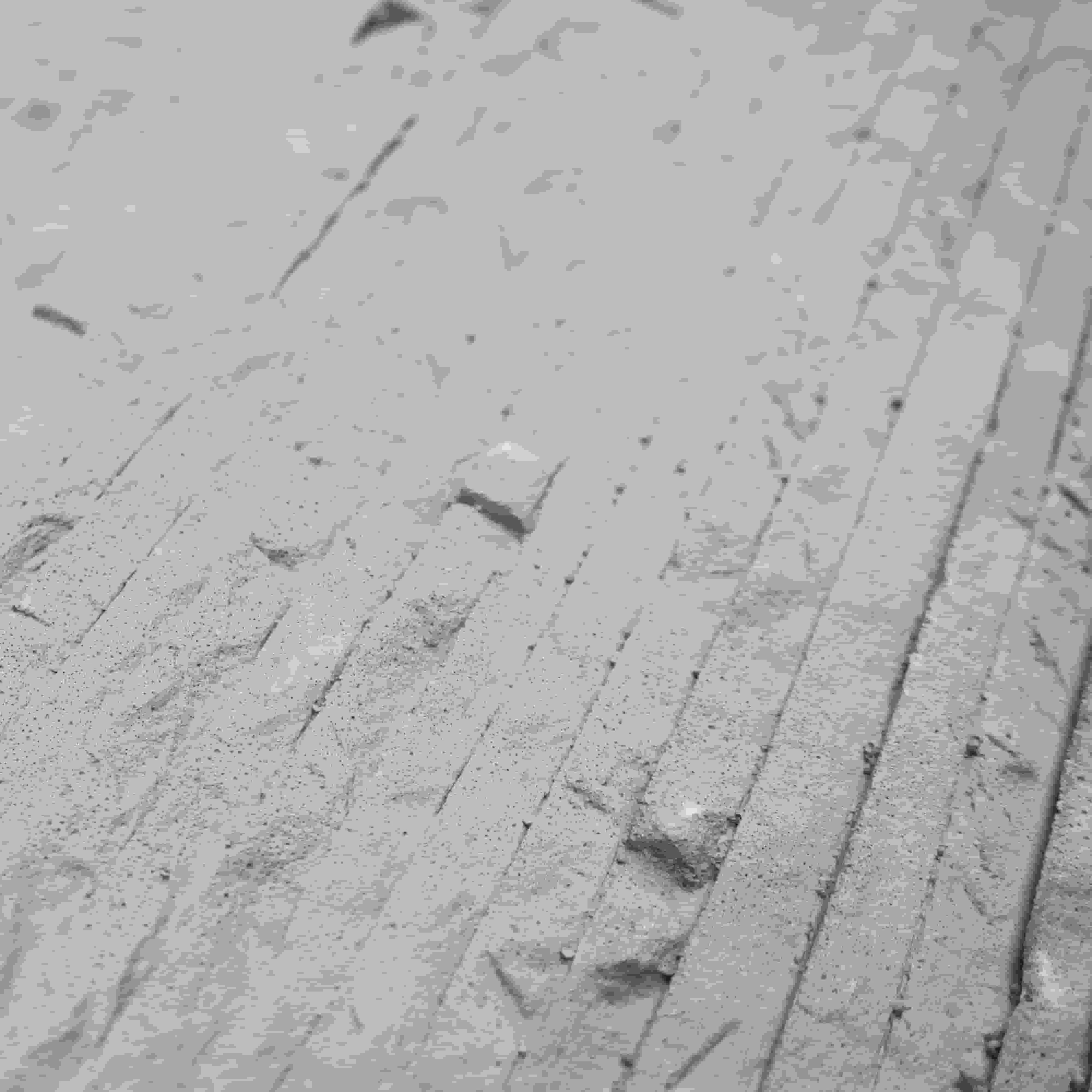
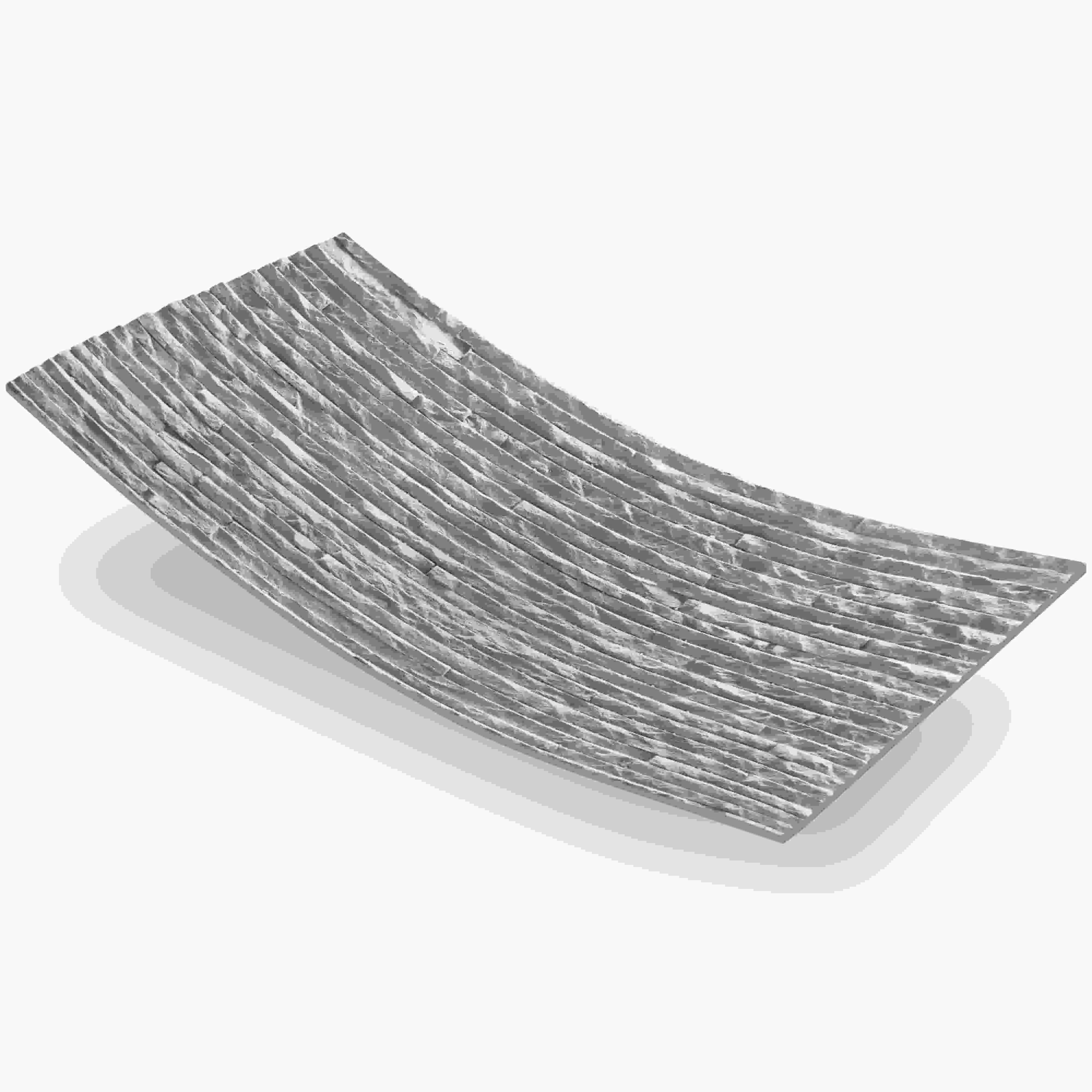
Muretto Stone (Light Grey), thanks to its fiber-reinforced matrix, is flexible. It can deflect up to 3mm under stress without cracking, making it ideal for regions with extreme weather. This flexibility also makes it a star in "
flexible stone cladding panels" systems, where panels need to adapt to curved surfaces or dynamic building designs.
Aesthetic Versatility: More Than Just Light Grey
While we're focusing on the light grey variant,
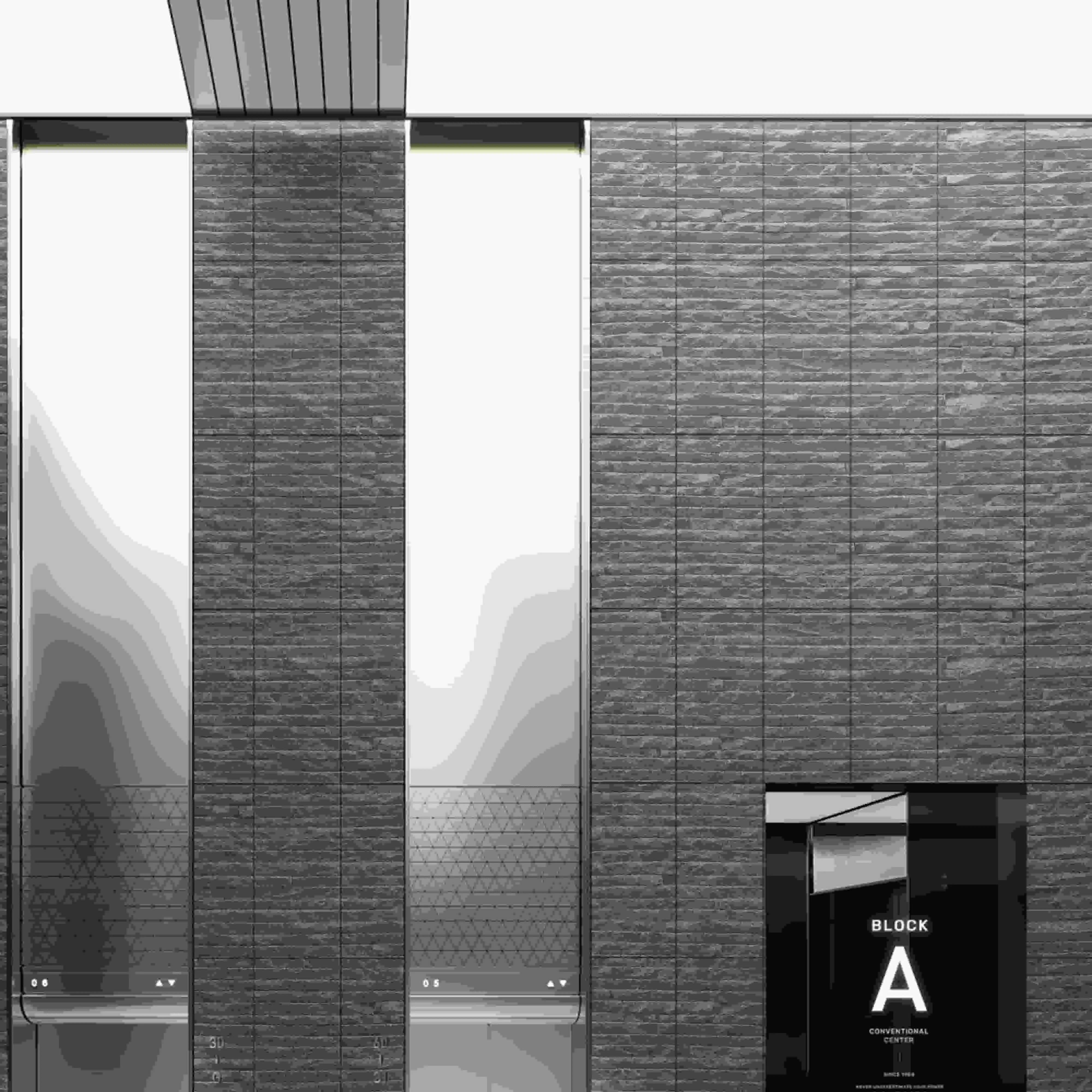
Muretto Stone's color range is impressive. The modified cementitious base takes pigments evenly, so you can find it in beiges, charcoals, and even subtle pastels. But the light grey version? It's a crowd-pleaser for a reason. Its neutral tone complements everything from warm wood accents to bold metal fixtures, and its matte finish softens harsh sunlight, giving buildings a gentle, inviting glow. Unlike polished concrete or glossy marble, it doesn't show fingerprints or water spots—perfect for high-traffic areas.
Muretto vs. the Classics: How Does It Stack Up?
|
Property
|
Muretto Stone (Light Grey)
|
Fair-Faced Concrete
|
Natural Travertine
|
|
Weight (kg/m²)
|
15–20
|
22–25
|
40–60
|
|
Flexibility
|
High (resists cracking)
|
Low (prone to shrinkage cracks)
|
Very low (brittle)
|
|
Installation Ease
|
Easy (lightweight, can be cut on-site)
|
Moderate (requires formwork)
|
Challenging (heavy, needs skilled labor)
|
|
Water Absorption
|
Low (polymer sealants reduce porosity)
|
Moderate (can stain if unsealed)
|
High (porous, needs regular sealing)
|
|
Aesthetic Range
|
Wide (custom colors, textures)
|
Limited (gray, rough finish)
|
Natural variations (unique but inconsistent)
|
The table tells the story:
Muretto Stone (Light Grey) outperforms
fair-faced concrete in flexibility and weight, and it's far more practical than
travertine for large-scale projects. It offers the best of both worlds—natural stone's beauty with concrete's reliability, minus the drawbacks of either.
Where Can You Find Muretto Stone in Action?
Muretto Stone (Light Grey) isn't just for skyscrapers—it's versatile enough for all kinds of projects:
Commercial Spaces
Boutique hotels love it for exterior cladding, as it adds sophistication without looking cold. Cafés use it for accent walls, pairing the light grey with warm lighting to create cozy atmospheres. Even retail stores are jumping on board—its durability stands up to shopping carts and foot traffic, while its neutral backdrop makes merchandise pop.
Residential Design
Homeowners are using
Muretto Stone for feature walls, outdoor kitchens, and even fireplace surrounds. Its lightweight nature makes it ideal for upper-floor exteriors, and its resistance to mold and mildew works well in humid climates. One California homeowner recently replaced their cracked stucco with Muretto panels, noting, "It looks like stone, but it doesn't require the same upkeep. And it kept our home cooler in summer—bonus!"
Public Projects
Parks, libraries, and community centers are turning to Muretto for its low maintenance and cost-effectiveness. A recent city hall renovation in Oregon used
Muretto Stone (Light Grey) for its facade, blending in with the historic district while meeting modern energy codes. Its sound-absorbing properties even make it a favorite for auditoriums and lecture halls.
As technology advances, so does Muretto. Manufacturers are experimenting with "3D printing series" production, which could allow for even more intricate textures and custom shapes. Imagine a facade that mimics the ripples of a lake or the peaks of a mountain—all printed with modified cementitious materials. There's also talk of adding thermal insulation directly into the panels, making buildings even more energy-efficient.
And while
Muretto Stone (Light Grey) is a standout, we might see more color variations soon—think soft blues, earthy terracottas, or even gradient hues. The goal? To keep pushing the boundaries of what modified cementitious materials can do, proving that "concrete" doesn't have to mean "boring."
Final Thoughts: Muretto Stone as a Bridge Between Eras
At the end of the day,
Muretto Stone (Light Grey) is more than a building material—it's a symbol of how far we've come in balancing tradition and innovation. It takes the reliability of cement, the beauty of natural stone, and the flexibility of modern composites, and wraps them into a panel that's as practical as it is poetic. Whether you're an architect designing a landmark or a homeowner updating your patio, it's a choice that says: "I care about how things look, how they last, and how they fit into the world around them."
So the next time you pass a building with a soft, light grey facade that seems to glow in the sun, take a closer look. Chances are, it's
Muretto Stone—quietly proving that the future of construction isn't just about building higher or faster, but about building smarter, more beautifully, and more thoughtfully.