
Let's be honest—when we think about building materials, "thermal insulation" isn't usually the first thing that comes to mind. We're drawn to the look: the texture of stone, the warmth of wood, the sleekness of concrete. But here's the thing: a building isn't just a shell. It's a living, breathing space where we work, rest, and thrive. And if that shell can't keep the heat in during winter or the cool air in during summer, comfort flies out the window—along with your hard-earned money on energy bills. That's where materials like Marble Interstellar Gray panels come in. They're not just about aesthetics (though they've got that in spades); they're about redefining what a building material can do. Today, we're diving deep into how these panels stand out as a thermal insulation powerhouse, and why they might just be the unsung hero your next project needs.

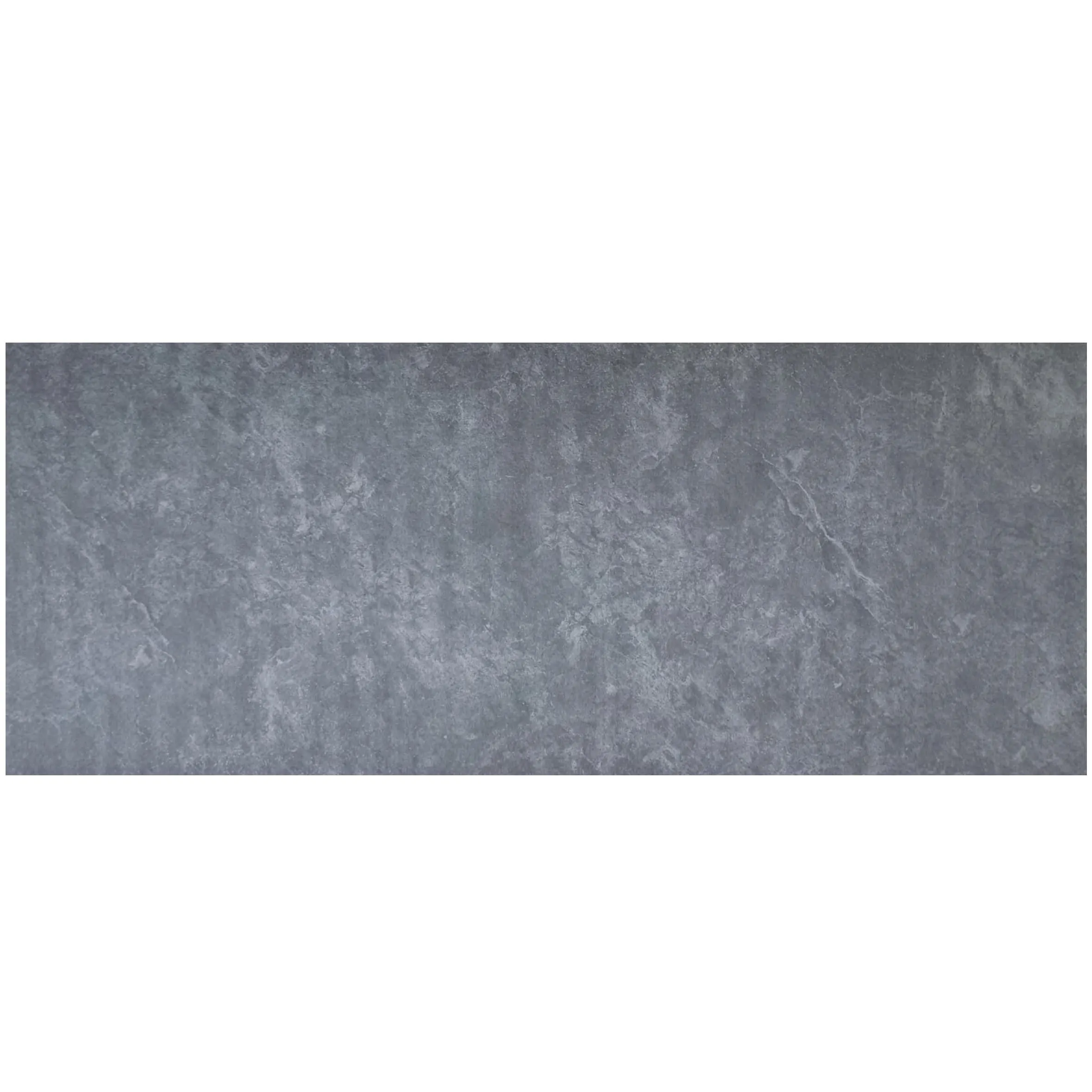
First things first: let's get to know the star of the show. Marble Interstellar Gray is part of the MCM (Modified Composite Material) panel family—a line of products designed to marry the beauty of natural materials with the performance of modern engineering. If you've heard of MCM flexible stone, you're already halfway there. These panels take that same lightweight, durable technology and crank up the aesthetic ante with a finish that mimics the depth and elegance of natural marble. The "Interstellar Gray" name isn't just marketing fluff, either. Picture a deep, moody gray base swirled with subtle silver and charcoal veining, like a snapshot of the night sky—hence "interstellar." It's the kind of material that makes you do a double-take: "Is that real marble?" Spoiler: it looks like it, but it works harder.
But here's where it gets interesting: unlike traditional marble, which is heavy, porous, and prone to heat transfer, Marble Interstellar Gray is engineered to be lightweight (think 3-5 kg per square meter, compared to natural stone's 20+ kg) and packed with performance upgrades. It's part of a new generation of building materials that say, "Why choose between beauty and function when you can have both?" And when it comes to thermal insulation, that "function" part is where it truly shines.

Let's keep this simple: thermal insulation is all about slowing down heat transfer. In winter, you want to keep the warm air inside your home from escaping outside. In summer, you want to block the hot outside air from seeping in. The better a material is at this, the more comfortable your space stays—and the less you'll spend on heating and cooling.
Two key terms to know: thermal conductivity (k-value) and R-value. Thermal conductivity measures how well a material transfers heat—lower numbers mean better insulation. R-value is the opposite: it measures a material's resistance to heat flow, so higher numbers are better. For example, a thick wool blanket has a high R-value (it traps heat), while a metal spoon has a low R-value (heat zips through it).
So where does Marble Interstellar Gray fit in? Its secret lies in its composite structure. While natural marble has a thermal conductivity of around 2.0 W/m·K (that's pretty conductive—heat moves through it easily), Marble Interstellar Gray's MCM core is designed with tiny air pockets and insulating layers that act like a thermal barrier. Think of it as a blanket for your building: the panel itself is rigid and strong, but the inner layers work overtime to trap air and slow down heat transfer. The result? A thermal conductivity as low as 0.4 W/m·K, making it a far better insulator than traditional stone—and even some common building materials like concrete.

Numbers are great, but context is better. Let's see how Marble Interstellar Gray compares to other popular building materials when it comes to thermal insulation. We'll look at thermal conductivity (lower = better) and R-value (higher = better) to get the full picture.
| Material | Thermal Conductivity (W/m·K) | R-Value (m²·K/W)* | Key Thermal Trait |
|---|---|---|---|
| Marble Interstellar Gray | 0.4 | 2.5 | Low conductivity; traps air in composite layers |
| Fair-Faced Concrete | 1.4 | 0.7 | High conductivity; heat transfers quickly |
| Lunar Peak Silvery | 0.5 | 2.0 | Good insulator; metallic finish reflects some heat |
| Travertine (Starry Blue) | 0.6 | 1.7 | Natural stone pores help, but less than MCM panels |
| MCM Flexible Stone (General) | 0.35 | 2.9 | Lightweight core with exceptional insulation |
*Approximate values for 10mm thickness. R-value increases with thickness.
The table tells the story: Marble Interstellar Gray outperforms fair-faced concrete by a mile, and even holds its own against other premium materials like Lunar Peak Silvery and travertine (starry blue). While MCM flexible stone (the broader category) has a slightly higher R-value, Marble Interstellar Gray's edge is its marble-like aesthetic—you get that high-end look without sacrificing insulation. For architects and homeowners who refuse to choose between style and substance, that's a game-changer.

Okay, so the science checks out—but what does this mean for your daily life? Let's break it down into tangible benefits:
Heating and cooling account for about 40% of the average home's energy use, according to the U.S. Department of Energy. If your walls are leaking heat like a sieve, your HVAC system has to work overtime to compensate. Marble Interstellar Gray's insulation properties mean your system runs less often, which translates to lower bills. Imagine saving 15-20% on your monthly energy costs—those savings add up fast, especially for larger commercial buildings.
Ever walked across a room and suddenly felt a blast of cold air near a window or wall? That's a thermal bridge—an area where heat escapes more quickly. Marble Interstellar Gray's consistent insulation helps eliminate these hot and cold spots, keeping your space at a steady, comfortable temperature from corner to corner. No more wearing a sweater indoors in winter or sweating through your shirt in summer—just even, predictable comfort.
Insulation isn't just about today—it's about the long haul. Natural stone can crack, concrete can degrade, and some insulation materials lose their effectiveness over time as they absorb moisture or compress. Marble Interstellar Gray, though? Its MCM construction is water-resistant, fade-resistant, and designed to stand up to harsh weather (think rain, snow, UV rays). That means its thermal properties won't degrade over the years—your insulation stays strong for decades, not just years.
Let's circle back to the "pretty face" part. Thermal insulation is crucial, but no one wants to live or work in a building that looks like a giant foam cooler. Marble Interstellar Gray's interstellar gray finish is sleek, modern, and surprisingly versatile. It pairs beautifully with warm woods, bold metals, or even other MCM panels like travertine (starry blue) for a pop of color. Whether you're designing a minimalist home, a trendy café, or a corporate office, it adds a touch of luxury without sacrificing function.
Marble Interstellar Gray isn't a one-trick pony. Its lightweight design and thermal benefits make it suitable for all kinds of projects:
One project that stands out? A boutique hotel in Colorado, where the designers used Marble Interstellar Gray for exterior cladding and paired it with Lunar Peak Silvery accents. The result? A building that blends into the mountain landscape (thanks to the gray and silver tones) while keeping guests cozy even on snowy nights. The hotel reported a 22% drop in heating costs compared to the previous year—proof that beauty and brains can coexist.
Meet Sarah, a homeowner in upstate New York who was tired of sky-high heating bills and drafty rooms. Her 1980s home had original aluminum siding and little insulation, making winters a battle. When she decided to renovate, she considered traditional options like vinyl siding or fiber cement—but she wanted something that looked nicer than vinyl and performed better than cement.
After researching MCM panels, she chose Marble Interstellar Gray for her exterior cladding. "I fell in love with the color—it's modern but not cold, and it hides dirt well, which is a plus with kids and dogs," she says. Six months later, she's thrilled with the results: "My heating bill dropped from $350/month to $270/month, and the house feels so much warmer. No more standing in front of the heater shivering! Plus, the panels are so low-maintenance—I just hose them off once a year, and they look brand new."
In today's world, "sustainable" isn't just a buzzword—it's a necessity. Marble Interstellar Gray checks this box too. Here's why:
Compare that to traditional marble mining, which is energy-intensive and can damage ecosystems, or concrete production, which is a major source of CO2 emissions. Marble Interstellar Gray offers a greener alternative without compromising on performance.
You might be thinking, "This all sounds great, but is it a nightmare to install?" Fear not. Marble Interstellar Gray's lightweight design makes installation a breeze compared to natural stone. Here's a quick overview:
Most contractors report that installing Marble Interstellar Gray takes 30-40% less time than installing natural stone slabs, which means lower labor costs for you. And since the panels are pre-finished, there's no need for painting or sealing after installation—just sit back and enjoy.
At the end of the day, building materials should do more than fill space—they should enhance our lives. Marble Interstellar Gray panels do just that. They offer the timeless beauty of marble, the durability of modern composites, and the thermal insulation benefits that make our spaces more comfortable, energy-efficient, and sustainable.
Whether you're building a new home, renovating an office, or just looking to upgrade your space, don't sleep on thermal insulation. And when you're shopping around, remember: the best materials are the ones that work hard and look good doing it. Marble Interstellar Gray? It's the overachiever of the building world—and your future self (and your wallet) will thank you for choosing it.
Recommend Products












