
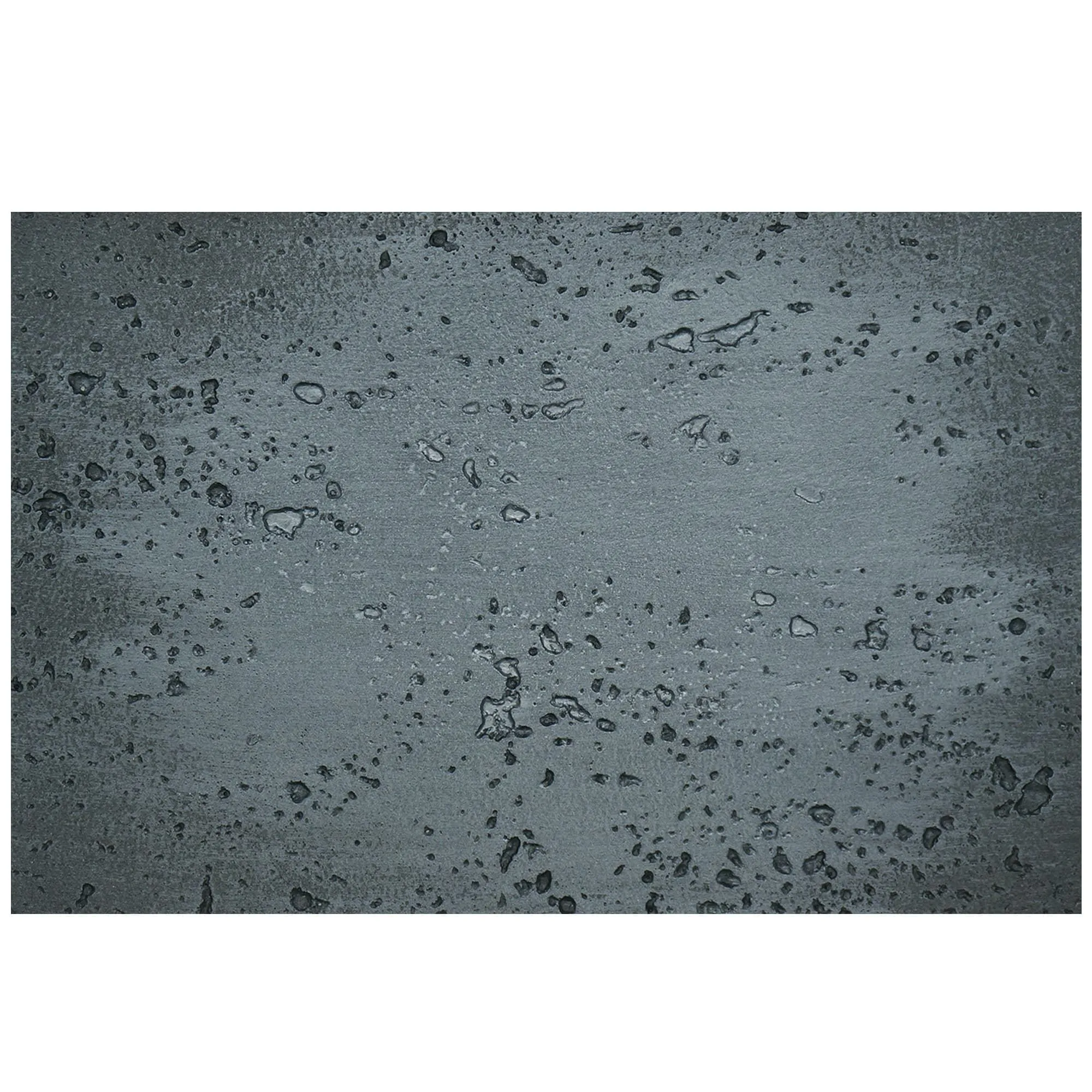
Exploring nature's cool embrace: How this timeless stone balances beauty and efficiency
If you've ever wandered through an ancient Roman villa or a modern luxury home with walls that seem to breathe, there's a good chance you've encountered travertine. This natural stone, formed over millennia by mineral-rich hot springs, has been a staple in architecture for centuries—and for good reason. Among its many variants, travertine (vintage silver) stands out as a material that marries old-world charm with contemporary functionality. With its soft, silvery-gray hues and subtle veining, it's not just a feast for the eyes; it's a masterclass in thermal performance.
Travertine (vintage silver) isn't just another pretty face in the world of building materials. Unlike the sleek, uniform look of fair-faced concrete or the industrial sheen of foamed aluminium alloy board (vintage silver), this stone carries the weight of history in its pores—literally. Its unique structure, pockmarked with tiny cavities and natural indentations, isn't just part of its aesthetic appeal; it's the secret behind its impressive ability to regulate temperature. In a world where energy efficiency is no longer a luxury but a necessity, travertine (vintage silver) is quietly emerging as a hero for homeowners and architects alike.
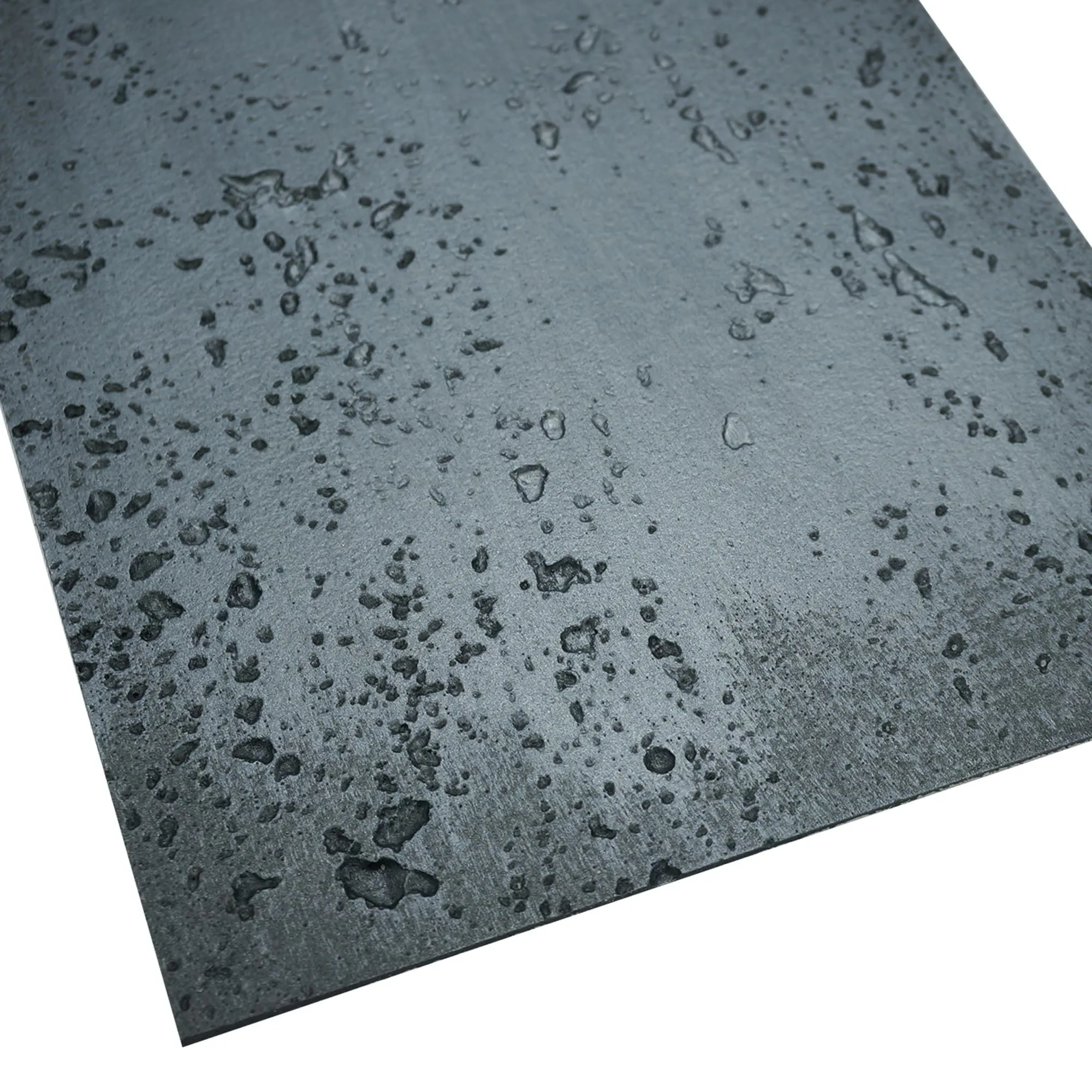
Let's start with the basics: Why does thermal insulation even matter in a building? Think about the last time you walked into a room and immediately felt too hot or too cold, no matter how high you cranked the AC or heater. That's poor insulation at work. Thermal insulation acts as a barrier between the inside of a building and the outside environment, slowing down the transfer of heat. In summer, it keeps the scorching sun's rays from turning your home into an oven; in winter, it traps warmth inside, so you're not wasting energy (and money) heating the great outdoors.
But it's not just about comfort. According to the U.S. Department of Energy, heating and cooling account for nearly 50% of the average household's energy bills. A well-insulated home can slash those costs by 20-30%—which adds up to hundreds, even thousands, of dollars saved over time. Then there's the environmental impact: less energy use means fewer greenhouse gas emissions, making your home more sustainable. And let's not forget acoustic insulation—many materials that insulate thermally also dampen sound, turning a noisy street-facing room into a peaceful sanctuary.
So, when choosing building materials, thermal performance should be high on the list. But here's the catch: not all insulators are created equal. Some, like spray foam, are great at trapping heat but lack visual appeal. Others, like metal panels, look sleek but conduct heat like a highway, turning your walls into radiators. That's where travertine (vintage silver) shines—it doesn't force you to choose between function and beauty. It delivers both, in a package that's been tested by time.
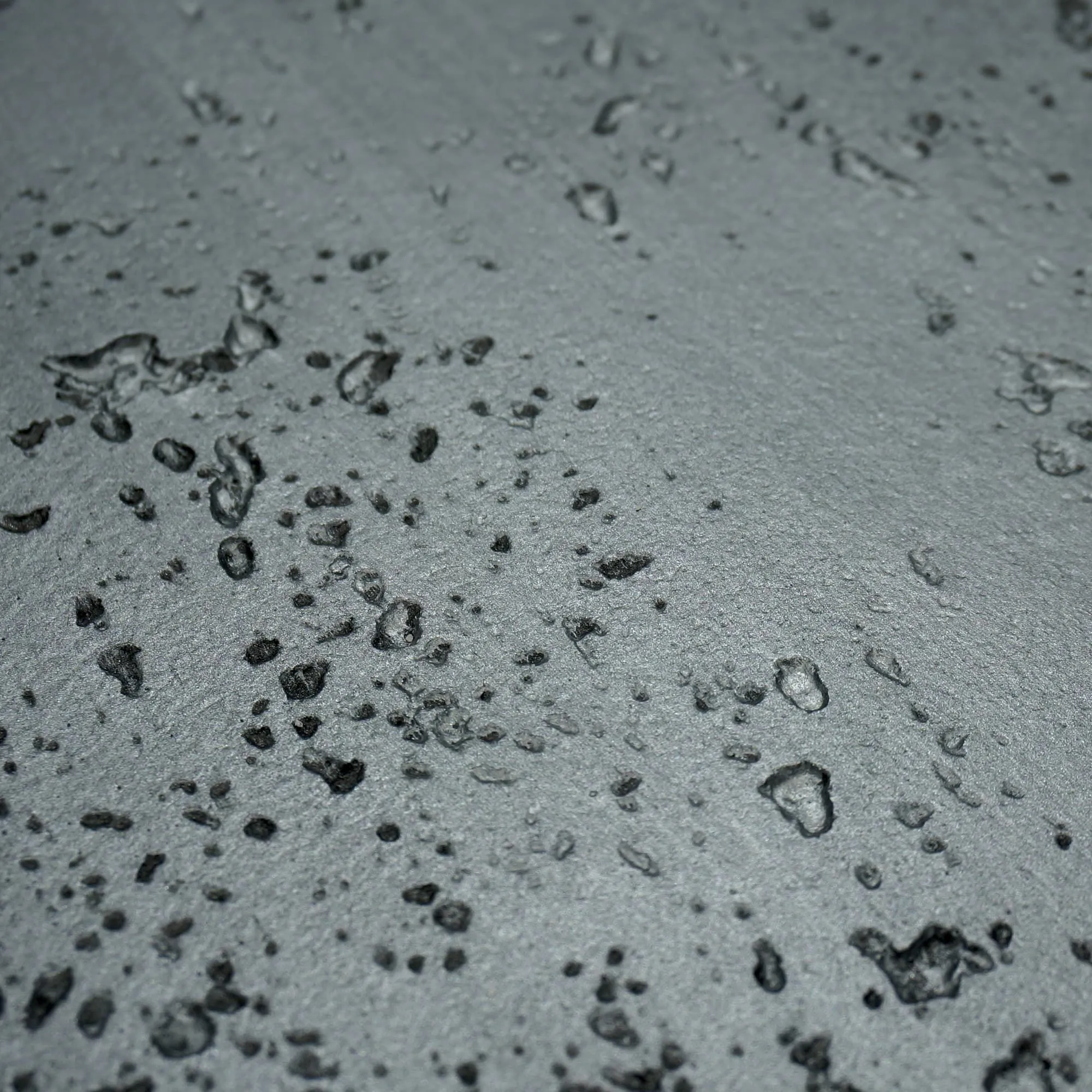
To understand why travertine (vintage silver) insulates so well, let's zoom in on its microstructure. Travertine is a type of limestone formed by the precipitation of calcium carbonate from mineral-rich water. As the water flows and evaporates, it leaves behind layers of sediment that build up over time. These layers aren't dense and uniform like granite; instead, they're full of tiny pores, channels, and air pockets. Think of it as a natural sponge—though one that's surprisingly strong.
These pores are the key to its thermal superpowers. Air is a poor conductor of heat, so when a material is filled with tiny air pockets, it slows down the transfer of thermal energy. Travertine's porosity (the percentage of empty space in its structure) typically ranges from 10-25%, depending on the variety. Vintage Silver travertine, with its slightly more open texture compared to denser marbles, falls on the higher end of that spectrum, making it an even better insulator.
Thermal conductivity is the metric that measures how well a material conducts heat, and lower values mean better insulation. Travertine generally has a thermal conductivity of around 0.8-1.2 W/(m·K), which is significantly lower than materials like concrete (1.5-2.0 W/(m·K)) or solid stone like granite (2.5-3.0 W/(m·K)). For context, fair-faced concrete—a popular, no-frills building material—has a thermal conductivity of about 1.7 W/(m·K), meaning heat passes through it nearly twice as fast as through travertine. Even foamed aluminium alloy board (vintage silver), which is designed to be lightweight and somewhat insulating, has a higher conductivity (around 1.0-1.3 W/(m·K)) than many travertine varieties, and it lacks the natural, organic look that makes travertine so appealing.
Another factor is specific heat capacity—the amount of heat a material can absorb before its temperature rises. Travertine has a relatively high specific heat capacity, meaning it can soak up heat during the day (like a stone in the sun) and release it slowly at night. This "thermal mass" effect helps stabilize indoor temperatures, reducing the need for constant heating or cooling. Imagine coming home on a sweltering summer afternoon: while your neighbor's house, clad in fair-faced concrete, is radiating the day's heat, yours, with travertine walls, stays cool and comfortable, thanks to the stone's ability to store and release heat gradually.
To really appreciate travertine (vintage silver)'s thermal performance, it helps to see how it compares to other common building materials. Below is a breakdown of key metrics for travertine and three alternatives you might encounter in construction projects:
| Material | Thermal Conductivity (W/(m·K)) | R-Value (m²·K/W)* | Aesthetic Appeal | Sustainability |
|---|---|---|---|---|
| Travertine (Vintage Silver) | 0.8-1.2 | 0.8-1.2 | High (natural veining, warm silver tones) | High (natural, recyclable, low embodied energy) |
| Fair-Faced Concrete | 1.5-2.0 | 0.5-0.7 | Moderate (industrial, minimalist) | Moderate (high carbon footprint in production) |
| Foamed Aluminium Alloy Board (Vintage Silver) | 1.0-1.3 | 0.8-1.0 | Moderate (metallic, sleek but artificial) | Moderate (recyclable but energy-intensive to produce) |
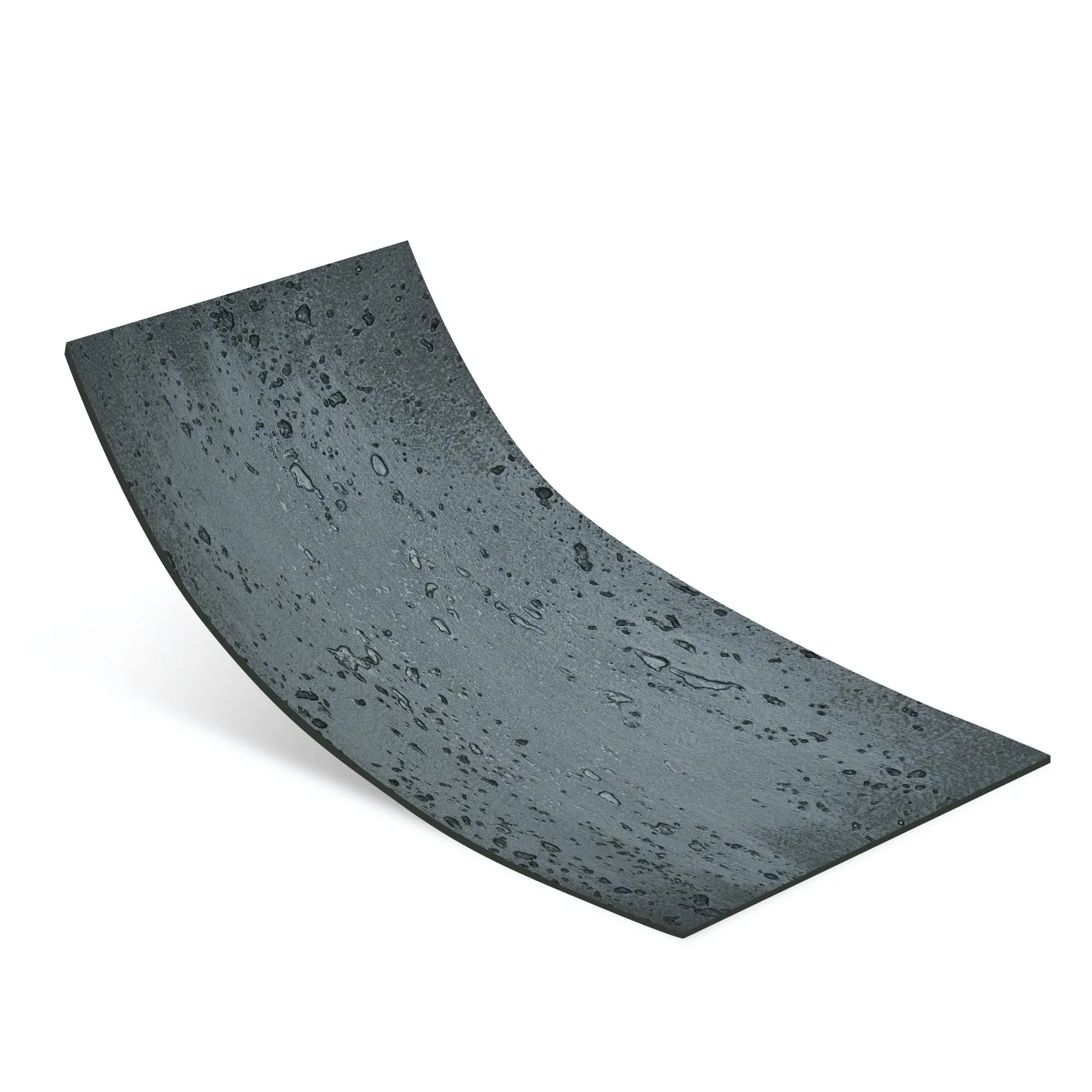
| MCM Flexible Stone | 0.9-1.4 | 0.7-1.1 | High (customizable, mimics natural stone) | Moderate-High (composite material, some recycling options) |
*R-Value is a measure of thermal resistance; higher values mean better insulation. Calculated as thickness (m) divided by thermal conductivity (W/(m·K)), assuming a standard thickness of 1m for comparison.
As the table shows, travertine (vintage silver) holds its own against these alternatives, particularly in terms of aesthetic appeal and sustainability. While foamed aluminium alloy board (vintage silver) comes close in thermal conductivity, it can't match the organic, timeless look of travertine. And fair-faced concrete, though durable and affordable, simply doesn't insulate as well, which can lead to higher energy bills over time.
MCM flexible stone is an interesting comparison because it's part of the modern movement to make stone cladding more versatile and lightweight. MCM (Modified Composite Material) flexible stone combines natural stone aggregates with polymers to create thin, bendable panels that can be applied to curved surfaces. While it offers good insulation and design flexibility, it still lacks the full depth and character of natural travertine (vintage silver). There's something about the real thing—the way light plays off its pores, the subtle variations in color from slab to slab—that synthetic materials can't replicate.
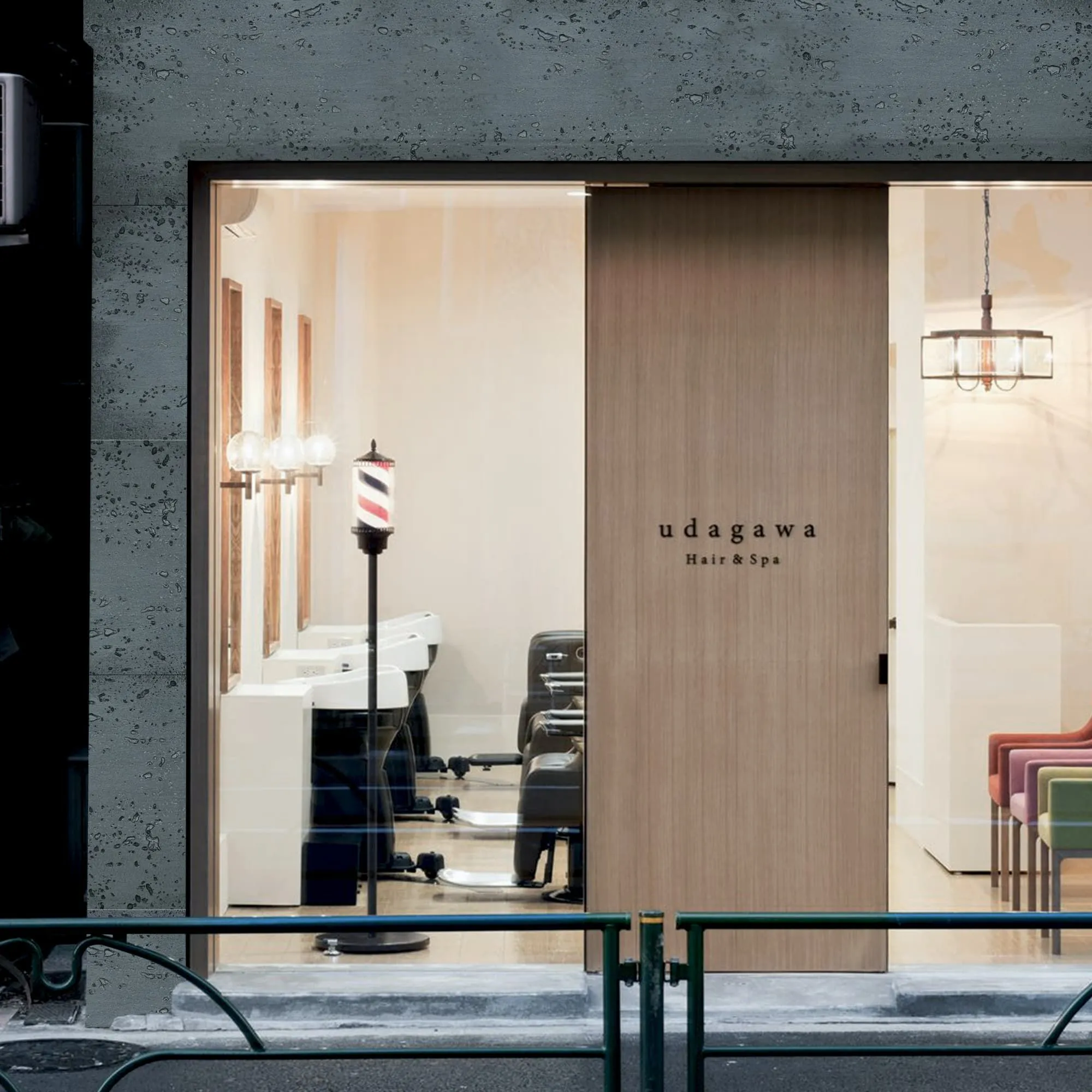
Travertine (vintage silver) isn't just a theoretical wonder—it's a practical choice for all kinds of buildings. Let's take a look at how it's being used today, from cozy homes to grand commercial spaces.
Imagine a small villa in Tuscany, or a modern home in Arizona—both places where temperature swings are extreme. In these settings, travertine (vintage silver) exterior walls act as a natural buffer. During the day, the stone absorbs the sun's heat, preventing it from seeping indoors; at night, as the air cools, it releases that stored heat, keeping the interior warm. Homeowners report more consistent indoor temperatures and lower energy bills, even in climates with hot summers and cold winters.
Indoors, travertine (vintage silver) is often used for flooring, fireplaces, and accent walls. Its warm silver tones pair beautifully with wood, leather, and neutral colors, creating a space that feels both elegant and inviting. Unlike cold marble or industrial foamed aluminium, travertine feels warm underfoot, even in bare feet—a small detail that makes a big difference in daily comfort.
Restaurants, hotels, and office buildings are also catching on to travertine's benefits. A boutique hotel in Paris, for example, used travertine (vintage silver) cladding on its facade to create a sophisticated, timeless look that stands out among the city's historic architecture. Inside, the lobby features a travertine wall behind the reception desk, which not only looks stunning but helps regulate the temperature in the high-ceilinged space, reducing the load on the HVAC system.
Retail stores, too, are using travertine to create a premium shopping experience. Its natural texture adds depth to displays, while its insulating properties help maintain a comfortable shopping environment, encouraging customers to stay longer. And because travertine is durable and easy to clean, it holds up well to heavy foot traffic—no small consideration for busy commercial spaces.
Travertine has been used in historic buildings for millennia—think of the Colosseum in Rome, which is clad in travertine blocks. Today, it's still the material of choice for restoring or adding to historic structures, because it matches the original stone's appearance and performance. In Venice, a 17th-century palazzo undergoing renovation chose travertine (vintage silver) for its new extension, ensuring the addition blends seamlessly with the old while incorporating modern thermal insulation standards. This respect for history, paired with practical benefits, is what makes travertine irreplaceable in heritage conservation.
Thermal insulation is a star feature, but travertine (vintage silver) has plenty of other tricks up its sleeve. Let's explore why it's more than just a pretty (and insulating) face.
Travertine is one tough cookie. It's resistant to scratches, stains (when sealed properly), and weathering, making it ideal for both indoor and outdoor use. Unlike foamed aluminium alloy boards, which can dent or corrode over time, or fair-faced concrete, which can crack in freeze-thaw cycles, travertine holds up to the elements. The Colosseum is over 2,000 years old, and its travertine walls are still standing—talk about a longevity guarantee.
In an era of eco-conscious building, travertine (vintage silver) is a standout. It's a natural material, quarried from the earth with minimal processing—no harsh chemicals or energy-intensive manufacturing required. Unlike synthetic insulators that release harmful VOCs (volatile organic compounds), travertine is non-toxic and safe for indoor air quality. And when it eventually reaches the end of its life (which could be centuries from now), it can be recycled or repurposed, leaving almost no environmental footprint.
Let's not overlook the obvious: travertine (vintage silver) is stunning. Its soft silver-gray base is accented with subtle veins of cream, beige, or gold, giving each slab a unique, organic pattern. Unlike uniform materials like fair-faced concrete or foamed aluminium, no two pieces of travertine are exactly alike, adding character and depth to any space. And here's a bonus: travertine ages beautifully. Over time, it develops a gentle patina—a slight softening of color—that many homeowners find even more appealing than the brand-new look. It's a material that grows with your home, not against it.
No material is perfect, and travertine (vintage silver) is no exception. Before diving in, there are a few things to keep in mind.
Travertine (vintage silver) is not the cheapest option on the market. It costs more upfront than fair-faced concrete or basic brick, and installation can be pricier too, since it requires skilled stonemasons. But think of it as a long-term investment. Its durability means you won't need to replace it for decades, and the energy savings add up over time. Many homeowners find that the initial cost is offset by lower utility bills and increased property value.
Travertine is porous, which means it can absorb liquids if not sealed properly. Spills—especially acidic ones like wine or lemon juice—can stain if left unattended. The good news? Sealing travertine every 1-2 years (for indoor use) or 6-12 months (for outdoor use) with a quality stone sealer prevents this. It's a simple maintenance task that takes little time but ensures your stone stays looking its best.
Natural stone is heavy, and travertine is no exception. While it's lighter than granite, it still requires a sturdy structure to support it, especially for exterior cladding or large slabs. This is where MCM flexible stone can be a useful complement: for areas where weight is a concern, MCM panels (which are thin and lightweight) can mimic travertine's look without the heft. It's all about balancing your needs and the building's capabilities.
Travertine (vintage silver) is a bridge between the past and the future. It carries the wisdom of ancient builders who relied on natural materials for durability and comfort, while meeting the modern demand for energy efficiency and sustainability. Its thermal insulation properties are impressive, but what truly sets it apart is how it combines function with soul. In a world of generic, mass-produced building materials, travertine offers something rare: authenticity.
Whether you're building a new home, renovating a commercial space, or restoring a historic landmark, travertine (vintage silver) invites you to create something that's not just built to last, but built to live in. It's a material that keeps you comfortable, reduces your environmental impact, and adds beauty to every day. And in the end, isn't that what great architecture is all about? Making spaces that nurture us, inside and out.
So the next time you walk past a building with travertine walls, take a moment to appreciate it—not just for its good looks, but for the quiet, hardworking insulation that's keeping the people inside happy, healthy, and a little more connected to the natural world. Travertine (vintage silver) isn't just stone; it's a story, and it's waiting to be part of yours.
Recommend Products












