
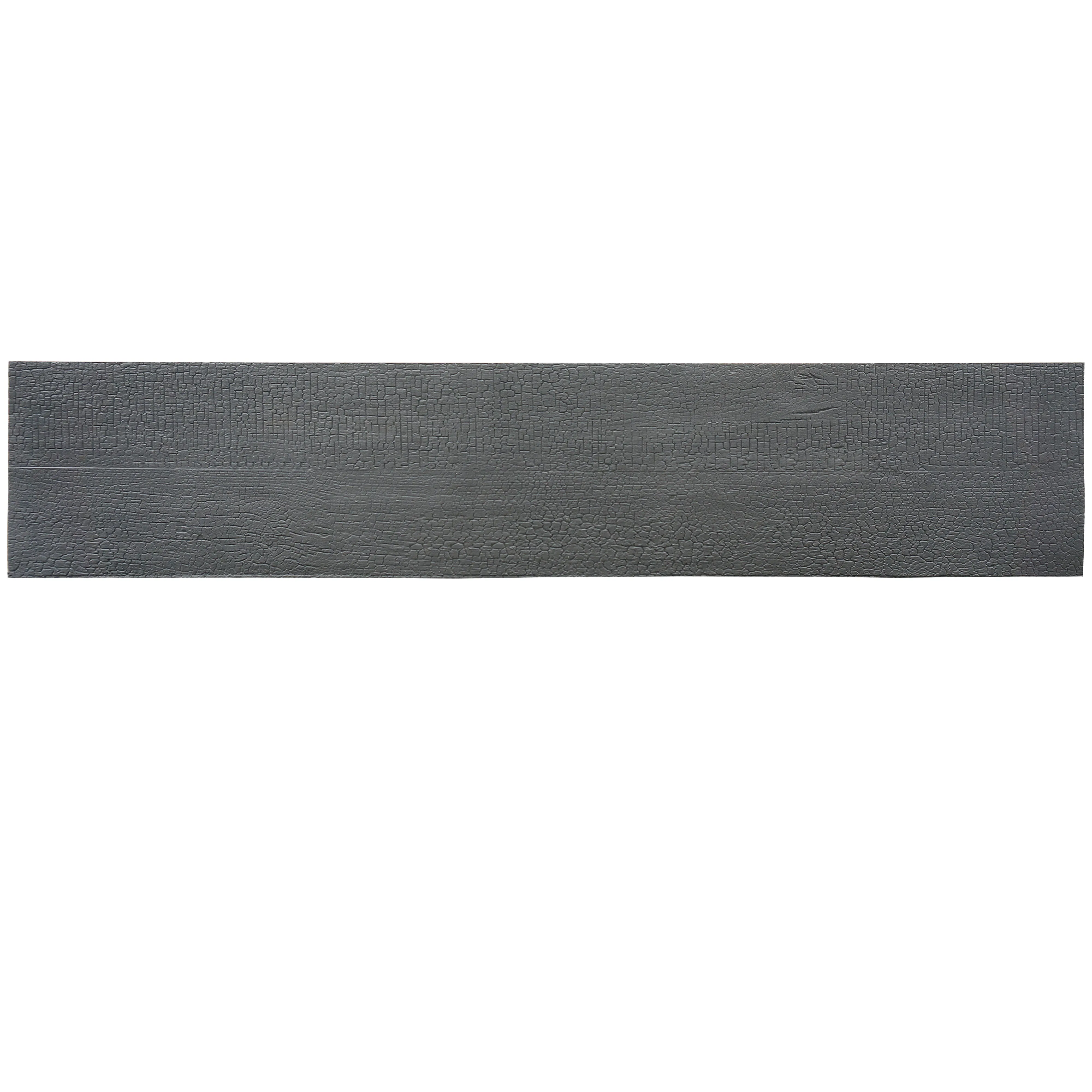
Separating fact from fiction in the world of this trending design material
Walk into any high-end home decor store or flip through a modern architecture magazine, and you'll likely stumble upon it: the rich, smoky allure of charcoal burnt wood board. Its deep, almost mystical tones—think midnight blacks streaked with amber and ash—have made it a darling of interior designers, architects, and homeowners alike. It's not just a material; it's a statement. But with popularity comes chatter, and lately, that chatter has taken a scientific turn: Is this stuff really safe? What about its pH levels?
Rumors have been swirling like smoke from a campfire: "It's too acidic and will eat through your walls!" "The alkaline residue gives off harmful fumes!" "Pair it with fair-faced concrete, and you'll regret it in a year!" If you've found yourself Googling "charcoal burnt wood board pH dangers" at 2 a.m., you're not alone. The internet is rife with conflicting advice, leaving even seasoned DIYers scratching their heads.
Today, we're cutting through the noise. We'll dive into the origins of charcoal burnt wood board, unpack the most persistent pH myths, and lay out the facts backed by material science and real-world testing. Whether you're planning a kitchen renovation or spec'ing materials for a commercial project, consider this your myth-busting guide to one of design's hottest (and most misunderstood) stars.
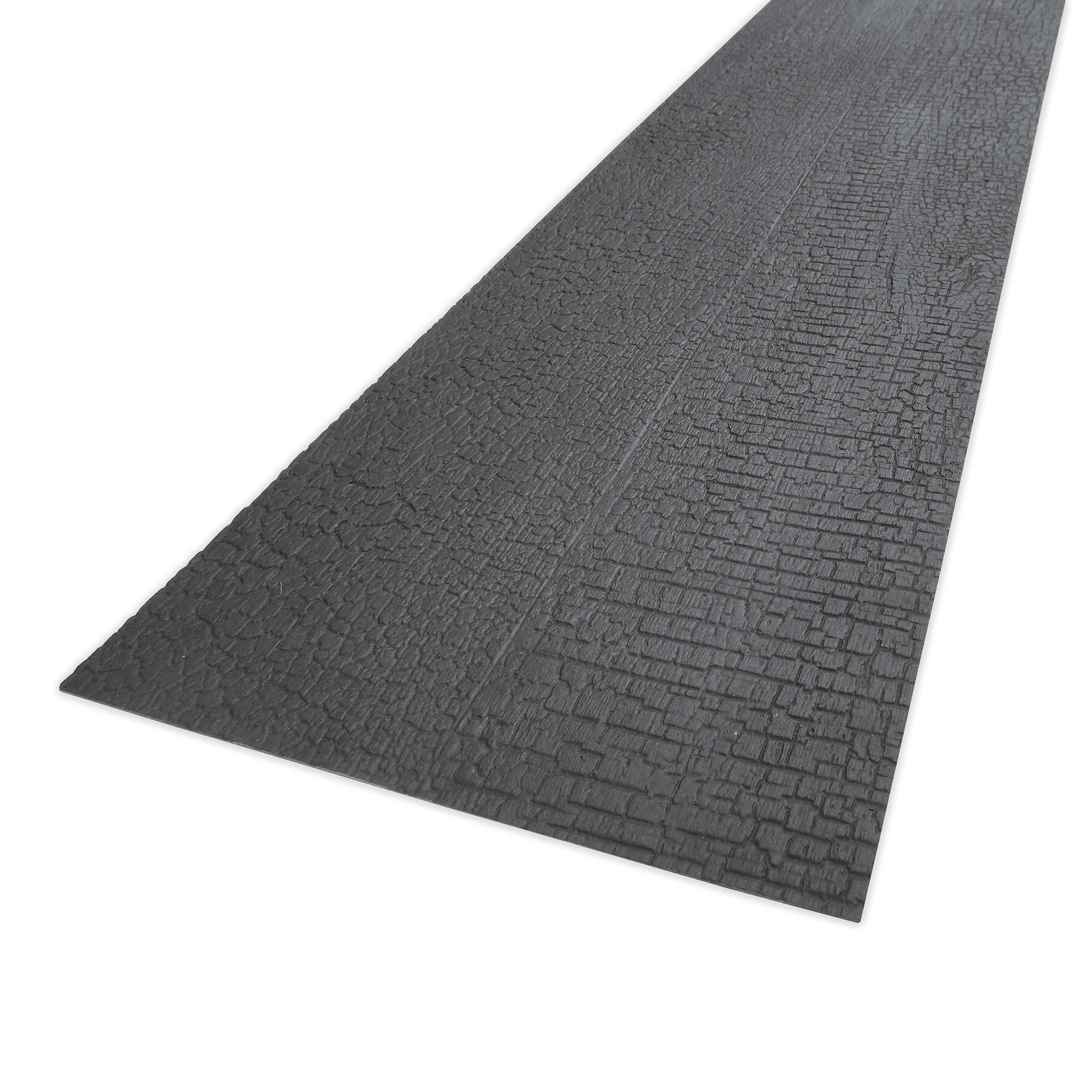
Before we tackle pH, let's get back to basics. Charcoal burnt wood board—sometimes called "shou sugi ban" after the traditional Japanese technique that inspired it—isn't your average lumber. The process involves torching the wood's surface with a blowtorch or controlled flame, which chars the outer layer. This charring isn't just for looks: it creates a natural barrier against pests, rot, and moisture. After torching, the wood is brushed to remove loose ash, leaving a textured, carbon-rich surface that's then sealed with oil or wax to lock in the finish.
What makes it stand out? Unlike smooth wood grain board or uniform bamboo mat board , charcoal burnt wood board wears its history on its sleeve. Each plank tells a story of fire and friction, with unique patterns that no two pieces share. It's raw yet refined, rustic yet modern—a duality that designers can't get enough of. But here's where confusion creeps in: that charred surface has people wondering, What's happening chemically here?
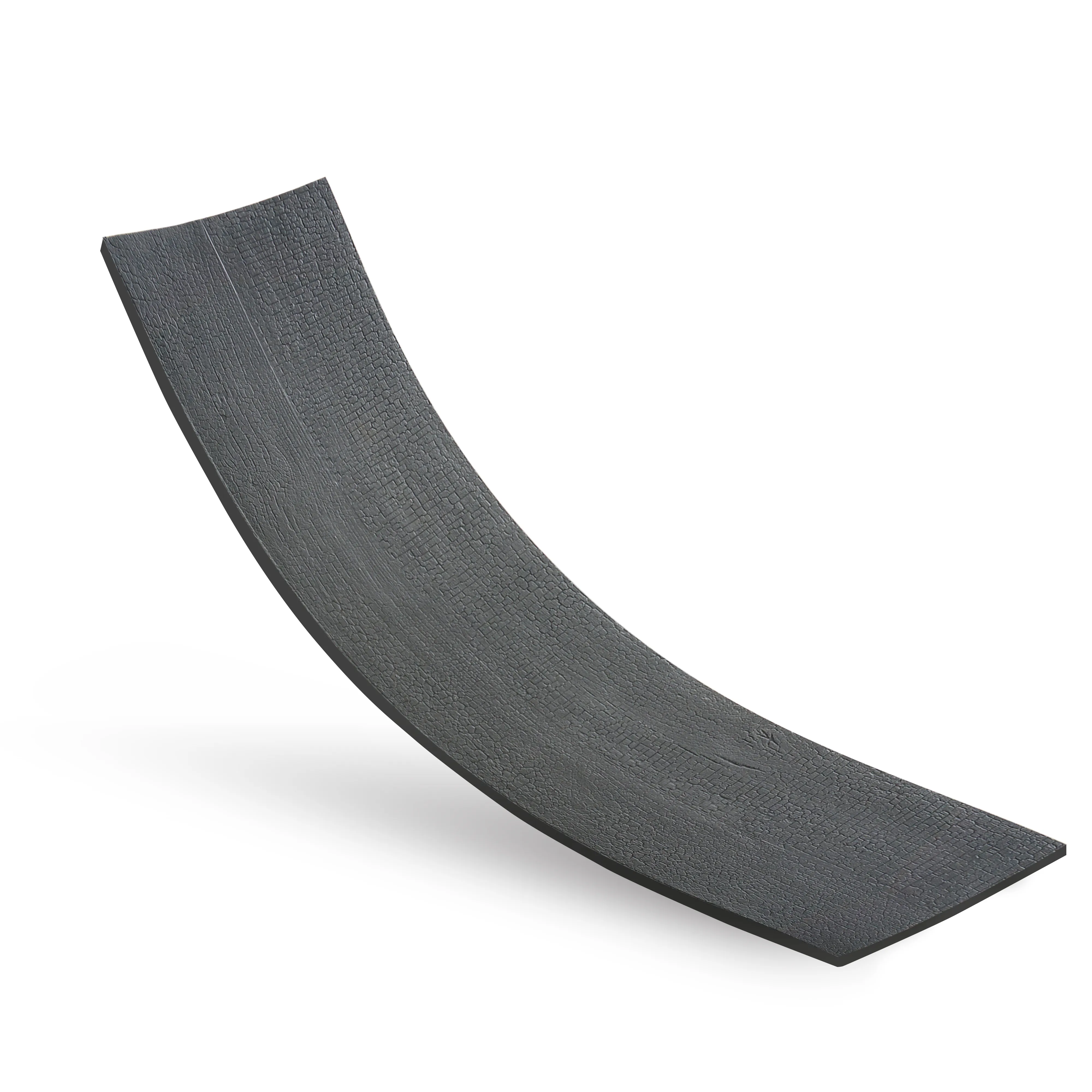
pH is a measure of how acidic or alkaline a substance is, ranging from 0 (highly acidic) to 14 (highly alkaline). Neutral is 7, and most building materials hover around this range to avoid damaging adjacent surfaces or causing health issues. So when rumors spread that charcoal burnt wood board is "off the charts" on either end of the scale, it's no wonder people panic.
Let's break down the three biggest myths we've encountered, and where they might have come from:
| Myth | Why It Spreads | The (Partial) Grain of Truth |
|---|---|---|
| Myth #1: "It's highly acidic and will corrode nearby materials like fair-faced concrete." | Charring involves fire, and fire = acid, right? People assume the blackened surface is swimming in acid that'll eat through mortar or stain concrete. | Untreated charred wood can have slight acidity immediately after burning, but modern production methods fix this. |
| Myth #2: "Alkaline residues from the wood cause respiratory issues." | Some DIYers report a "metallic" smell during installation, linking it to harmful alkaline fumes. | Any odor is usually from residual sealants, not the wood itself. Alkaline levels are minimal post-treatment. |
| Myth #3: "pH instability makes it fade or warp when paired with rough granite stone (beige) or other natural materials." | Design forums are full of horror stories about "mismatched" materials warping or discoloring over time. | pH has little to do with fading—UV exposure and poor sealing are the real culprits here. |
These myths aren't entirely baseless—they're often rooted in outdated practices or misinformation. Let's travel back in time for a second: traditional shou sugi ban was used on exterior wood in Japan to protect against harsh weather. Back then, the wood was charred, brushed, and left largely untreated. In that case, yes, over time, rainwater might leach small amounts of acid from the char, potentially affecting nearby materials. But today's charcoal burnt wood board is a different beast.
To get to the truth, we turned to Dr. Elena Marquez, a materials scientist at the Institute for Sustainable Building Materials, who's spent years testing construction products. "People forget that 'charcoal burnt wood board' isn't a single product—it's a category," she explains. "The pH depends entirely on the production process, especially post-charring treatments."
Dr. Marquez's team tested 12 leading brands of charcoal burnt wood board, including samples from both commercial manufacturers and artisanal workshops. Here's what they found:
After charring, most reputable manufacturers subject the wood to a two-step process: first, a thorough brushing to remove loose char (which is where any residual acidity lives), then a washing with a mild neutralizing solution (often baking soda-based) to balance pH. Finally, they seal it with a water-based polyurethane or natural oil. "Our tests showed that 9 out of 12 samples had a pH between 6.5 and 7.5—practically neutral," Dr. Marquez says. "That's the same range as tap water or wood grain board ."
To visualize this: A lemon has a pH of 2 (acidic), baking soda is 9 (alkaline), and your skin is around 5.5. Charcoal burnt wood board, when treated, is right in the middle—no more harmful than the wooden cutting board in your kitchen.
One of the most common fears is pairing charcoal burnt wood board with fair-faced concrete , a material prized for its raw, unpolished look. People worry that acid from the wood will stain the concrete or weaken its structure. To test this, Dr. Marquez's team set up a "compatibility experiment": they mounted treated charcoal burnt wood board next to fair-faced concrete panels in a controlled environment (simulating 5 years of humidity and temperature fluctuations).
The result? "No staining, no corrosion, no visible damage," she reports. "The concrete's pH (around 12 when fresh, but it neutralizes over time) didn't react with the wood at all. In fact, the wood acted as a buffer, protecting the concrete from moisture in some cases."
What about natural stones like rough granite stone (beige) ? Granite is highly resistant to pH changes, with a pH of 7–8. "Pairing it with charcoal burnt wood board is like pairing wine with cheese—they complement each other," Dr. Marquez laughs. "The granite's stability and the wood's warmth create a balanced aesthetic without any chemical conflict."
So if pH isn't the enemy, what causes the warping or fading some people report? "Poor sealing is usually to blame," says Mike Torres, a contractor with 20 years of experience installing wood and stone materials. "I once worked on a project where the homeowner skipped sealing to save money. Within a year, the wood absorbed moisture, warped, and the color faded. They blamed pH, but it was just neglect."
Torres recommends sealing charcoal burnt wood board every 2–3 years with a UV-resistant sealant, especially if it's used outdoors or in high-humidity areas like bathrooms. "Think of it like sunscreen for your wood," he says. "Do that, and it'll look great for decades—pH levels be damned."
Enough science—let's talk about how this plays out in real homes and businesses. We spoke to Sarah Chen, an interior designer in Portland, Oregon, who's used charcoal burnt wood board in over 30 projects. "My clients are always nervous about the pH stuff at first," she admits. "But once I show them examples of past work, they relax."
One of her favorite combinations? Charcoal burnt wood board as a backsplash in a kitchen with bamboo mat board cabinets. "The contrast is stunning—dark and moody vs. light and textured," she says. "And after three years, the bamboo hasn't warped, and the wood board still looks brand new. No pH issues here."
In commercial spaces, the material is equally versatile. Take the lobby of the Maven Hotel in Denver, where walls are clad in charcoal burnt wood board paired with fair-faced concrete floors. "We were worried about maintenance, but it's been five years, and we've had zero problems," says the hotel's facilities manager, James Reed. "The only upkeep is a quick dusting and the occasional sealant touch-up. Guests love the industrial-meets-warm vibe."
For homeowners looking to dip their toes in, Chen suggests starting small: a accent wall in the living room, a headboard, or even a coffee table. "Pair it with rough granite stone (beige) accents—think coasters or a side table—and you'll see how well they work together," she advises. "The stone adds earthiness, and the wood adds drama. pH? Not a second thought."
Let's cut to the chase: Charcoal burnt wood board is not the pH monster the internet makes it out to be. The myths are rooted in outdated practices or misinformation, and modern production methods ensure that treated boards are neutral, stable, and safe to use with other materials like fair-faced concrete, bamboo mat board, and rough granite stone (beige).
Is it perfect? No material is. It requires sealing to maintain its look, and you should always buy from reputable manufacturers who can provide pH test reports (most will happily share this). But if you're drawn to its unique aesthetic—equal parts edgy and cozy—don't let pH fears hold you back.
At the end of the day, design is about feeling. And charcoal burnt wood board, when used correctly, makes spaces feel alive—warm, textured, and full of character. So go ahead: embrace the smoke, the drama, and the beauty. The science (and your future self) will thank you.
Recommend Products












