
Why this MCM material is redefining modern building exteriors—one texture at a time
Walk down any street, and you'll notice it: buildings that feel alive. Not just because of their shape or size, but because their exteriors breathe . They have texture. Warmth. A sense that they're more than just walls—they're part of the neighborhood's story. That's the power of great exterior cladding. It doesn't just protect a building; it gives it personality. And in a market flooded with generic options, one material has been quietly stealing the spotlight for designers and homeowners who crave something both timeless and modern: dark grey dolomitic travertine .
Part of the innovative mcm big slab board series , this material isn't your average stone cladding. It's a blend of nature's raw beauty and human ingenuity—crafted to look like quarried stone but designed to be lighter, more flexible, and easier to work with than traditional options. Whether you're building a new home, revamping a commercial space, or just dreaming of upgrading your exterior, let's dive into why dark grey dolomitic travertine might just be the material you've been searching for.
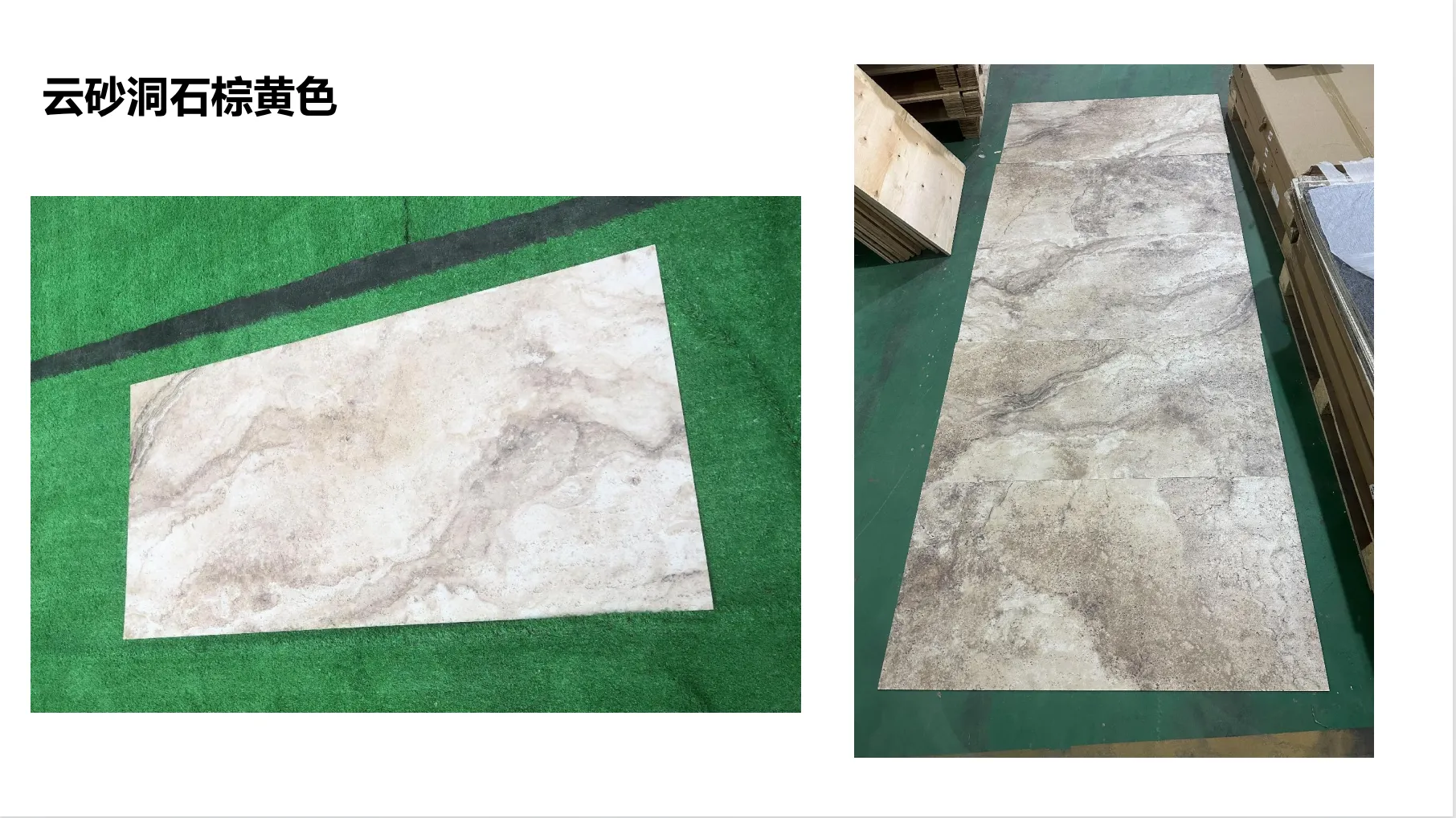
Let's start with the obvious: how it looks. Dark grey dolomitic travertine isn't a flat, boring shade of grey. It's a nuanced palette of charcoal, slate, and soft graphite, with subtle veining that mimics the organic patterns of natural stone. Run your hand over a sample, and you'll feel tiny ridges and pores—echoes of the earth's own craftsmanship. When sunlight hits it, the surface shifts: warm in the morning, moody at dusk, and impossibly elegant under streetlights.
What makes it stand out, though, is its versatility. Pair it with warm wood accents, and it feels cozy and rustic. Mix it with sleek glass and metal, and suddenly it's modern and edgy. It plays well with color, too—imagine a pop of terracotta on your front door against that deep grey backdrop, or soft sage green shutters. Designers love it because it doesn't dictate a style; it enhances whatever vision you have for your space.
Let's get practical: no one wants to invest in cladding that fades, cracks, or needs constant upkeep. Dark grey dolomitic travertine checks all the durability boxes—and then some. Unlike natural stone, which can be porous and prone to water damage, this material is engineered to resist the elements. Rain, snow, harsh UV rays, even extreme temperature swings? It handles them all without losing its luster.
Think about it: a traditional stone facade might look stunning on day one, but after a few years of rain and wind, you might notice discoloration or chips. With dark grey dolomitic travertine, those worries fade. It's scratch-resistant, so kids' bikes or stray golf balls won't leave permanent marks. It doesn't absorb moisture, so mold and mildew aren't a concern. And unlike fair-faced concrete , which can develop unsightly cracks over time, this travertine stays smooth and intact, even in high-traffic areas.
Here's where the mcm big slab board series really shines: flexibility. Traditional stone cladding is heavy—like, "needs a crane to install" heavy. That adds time, labor costs, and limits where you can use it (good luck putting natural stone on a curved wall). Dark grey dolomitic travertine, though, is part of MCM (Modified Composite Material) technology, which means it's lightweight and bendable. It can wrap around corners, follow unique architectural curves, or even be installed on vertical or horizontal surfaces with minimal hassle.
For contractors and DIY enthusiasts alike, this is a game-changer. Lighter materials mean fewer workers, faster installation, and lower shipping costs. And because it's pre-cut into large slabs, there's less waste—no more tiny, unusable stone scraps piling up on-site. It's the kind of material that makes you think, "Why didn't someone invent this sooner?"
Still on the fence? Let's see how dark grey dolomitic travertine holds up against two popular alternatives: fair-faced concrete and lunar peak black (another striking MCM option).
| Feature | Dark Grey Dolomitic Travertine | Fair-Faced Concrete | Lunar Peak Black |
|---|---|---|---|
| Aesthetic | Warm, textured grey with natural veining; versatile for styles | Sleek, industrial look; limited color variation | Deep, matte black; modern and bold |
| Durability | Resistant to moisture, UV rays, and scratches | Prone to cracking over time; absorbs stains | Durable but shows dust and fingerprints more easily |
| Installation | Lightweight, flexible; easy to cut and shape | Heavy; requires specialized tools for customization | Lightweight but less flexible than travertine |
| Maintenance | Low; occasional cleaning with water | High; needs sealing and crack repairs | Moderate; frequent dusting to maintain black finish |
In a world where "green" building is no longer a trend but a necessity, dark grey dolomitic travertine holds its own. MCM materials are often made with recycled content, reducing the need for mining new stone. And because it's lightweight, transporting it generates fewer carbon emissions than hauling heavy natural stone. Plus, its longevity means you won't be replacing it every decade—less waste, less impact.
Compare that to traditional stone quarrying, which can disrupt ecosystems and consume massive amounts of water. Or even fair-faced concrete , which has a high carbon footprint due to cement production. Dark grey dolomitic travertine lets you have the natural stone look without the environmental guilt—a win-win for eco-conscious homeowners.
Don't just take our word for it. Take the example of a family in Portland who recently renovated their 1970s ranch home. They wanted something that would honor the home's mid-century roots but give it a fresh, modern feel. After considering lunar peak black and fair-faced concrete, they settled on dark grey dolomitic travertine. "It's like the house finally grew into itself," the homeowner told us. "The texture softens the sharp lines of the original architecture, and it looks just as good in the rain as it does on sunny days."
Or the boutique hotel in Boulder, Colorado, that used the material on its exterior. The designer wanted a look that felt connected to the nearby Rocky Mountains—rugged but refined. Dark grey dolomitic travertine delivered, with its earthy tones and natural texture. Guests often comment on how the building "blends with the landscape," as if it's been there for decades, not just a few years.
At the end of the day, exterior cladding is about more than protection. It's about how a building makes you feel—whether you're the one living there, working there, or just passing by. Dark grey dolomitic travertine doesn't just cover walls; it creates an atmosphere. It's warm but strong, modern but timeless, bold but understated.
So if you're ready to stop settling for generic exteriors and start investing in something that tells a story, consider this: the right cladding can turn a house into a home, a building into a landmark. And with dark grey dolomitic travertine, that story is one of durability, beauty, and a little bit of nature's magic—crafted for the way we live now.
Recommend Products












